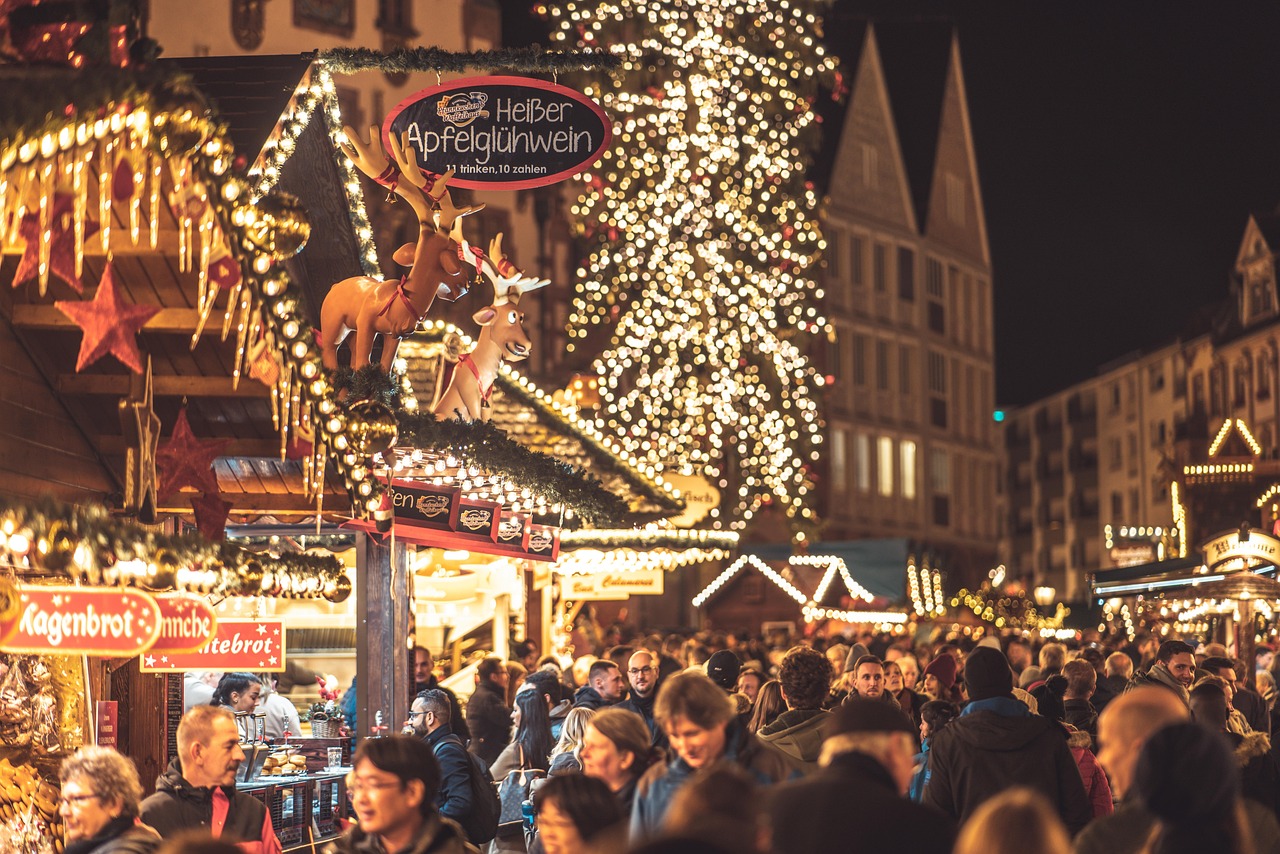
Christmas markets are built for softness: warm lights, slow music, and hands wrapped around mugs while winter settles in. Yet many European cities are adding harder edges around that glow. After recent vehicle-ramming incidents, fresh disruption plots, and rising crowd density, organizers are leaning on barriers, bag checks, and more visible policing. The intent is not to drain the joy, but to protect it and keep movement calm in tight historic squares. A stroll that once began at any corner now often starts at a controlled entry, with clear rules meant to prevent confusion when the lanes are full.
Fresh Disruption Plots Force Fast Upgrades
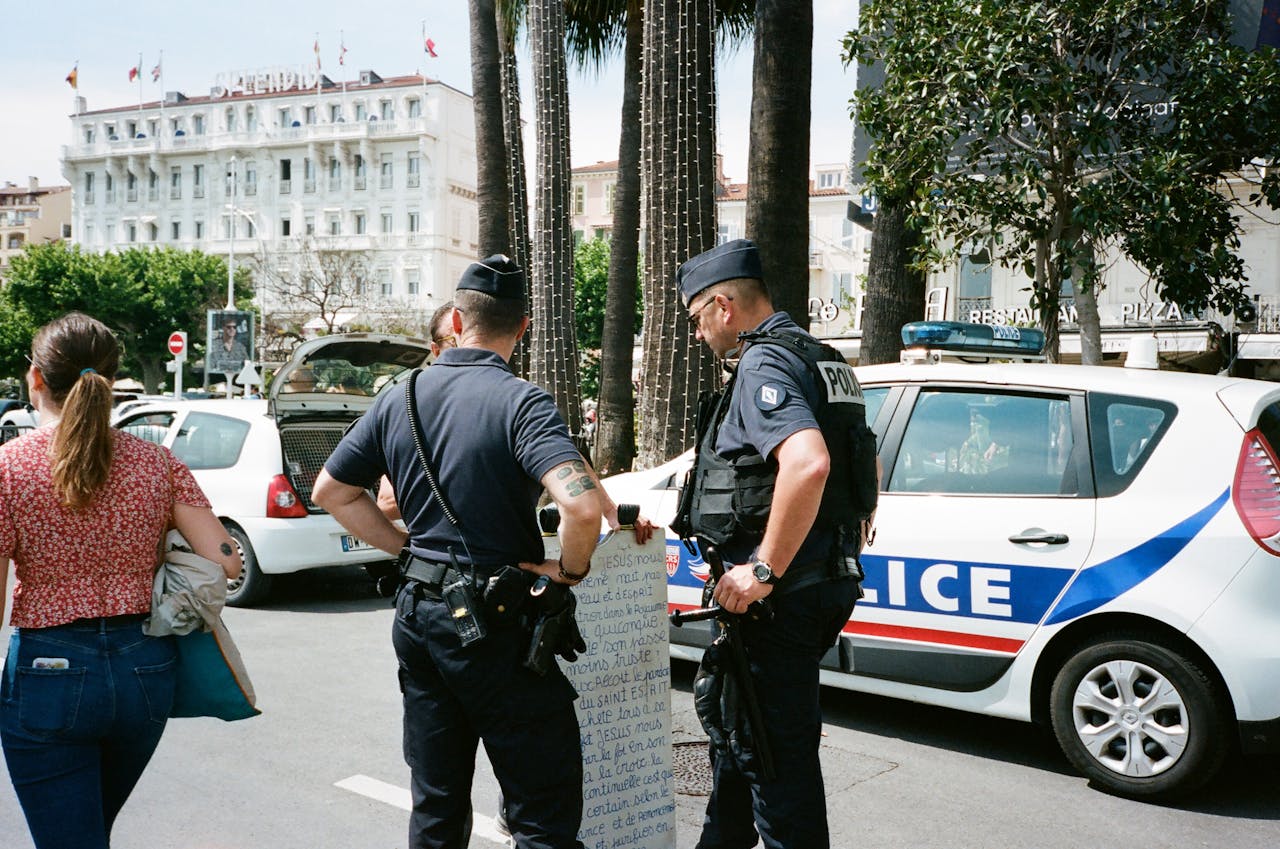
Security ramps up fastest when police share a credible disruption plot tied to a specific market and time window, because the crowd is dense and movement is slow. This season, German investigators said five men were detained over a suspected plan in Bavaria, and the warning moves quickly through city halls, transit police, and the private crews who build stalls overnight. Organizers respond by tightening approach streets, adding stewards with clear radio scripts, expanding bag-check lanes, staging medical posts, and rehearsing pause-and-reopen procedures so the market stays festive while decisions stay fast, coordinated, and easy to explain.
Vehicle Barriers Become the New Baseline
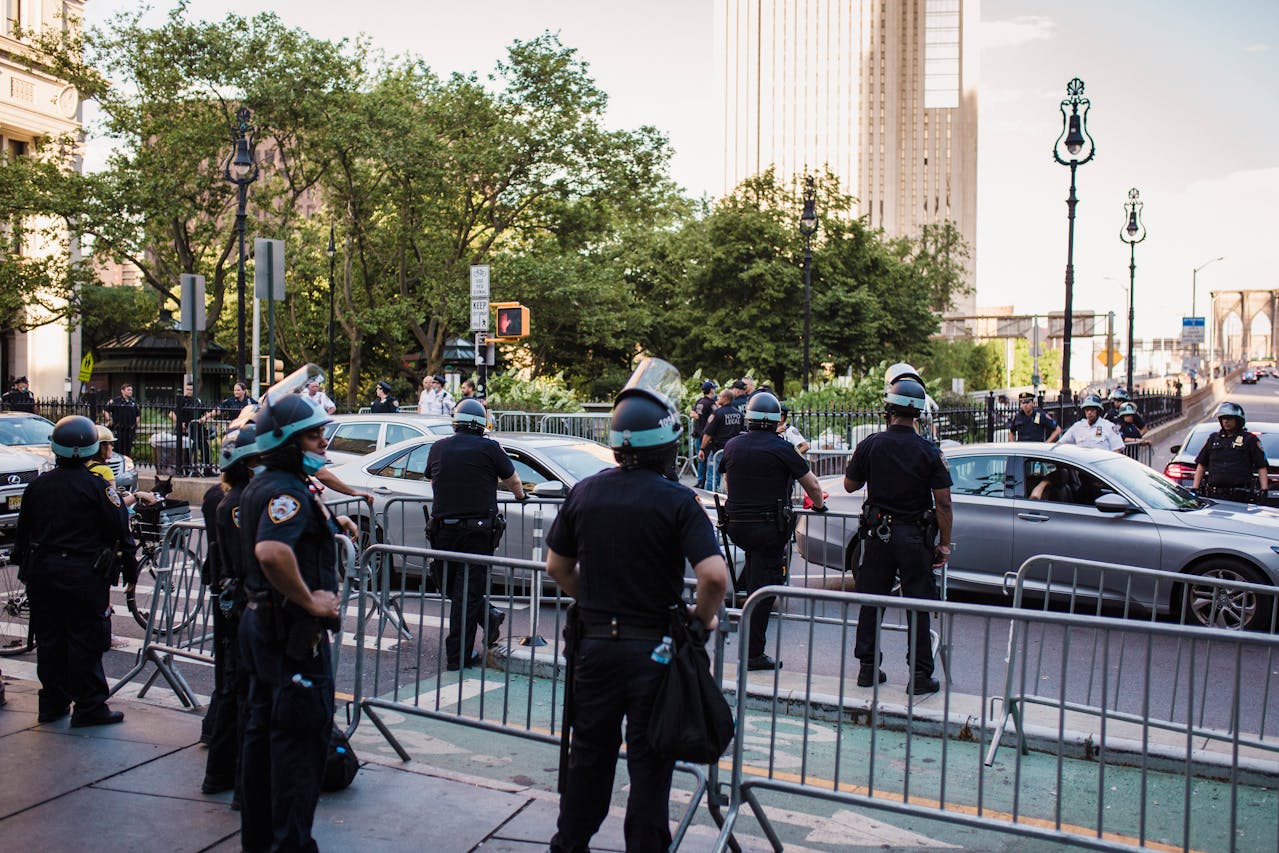
After the Magdeburg market ramming in Dec. 2024, where six people died and more than 300 were injured, hostile-vehicle protection stopped being a premium add-on and became standard practice. Markets now build hard stops on approach roads using bollards, heavy blocks, and angled closures that break straight lines, slow turns, and keep vendor deliveries separate from pedestrian flows. Much of it hides behind lights and garlands, but the geometry is deliberate: protect dense lanes, preserve emergency corridors, control access for authorized vehicles, and prevent a sudden entry from turning a cozy square into a jam of stalled movement.
Entry Points Shrink, and Screening Grows
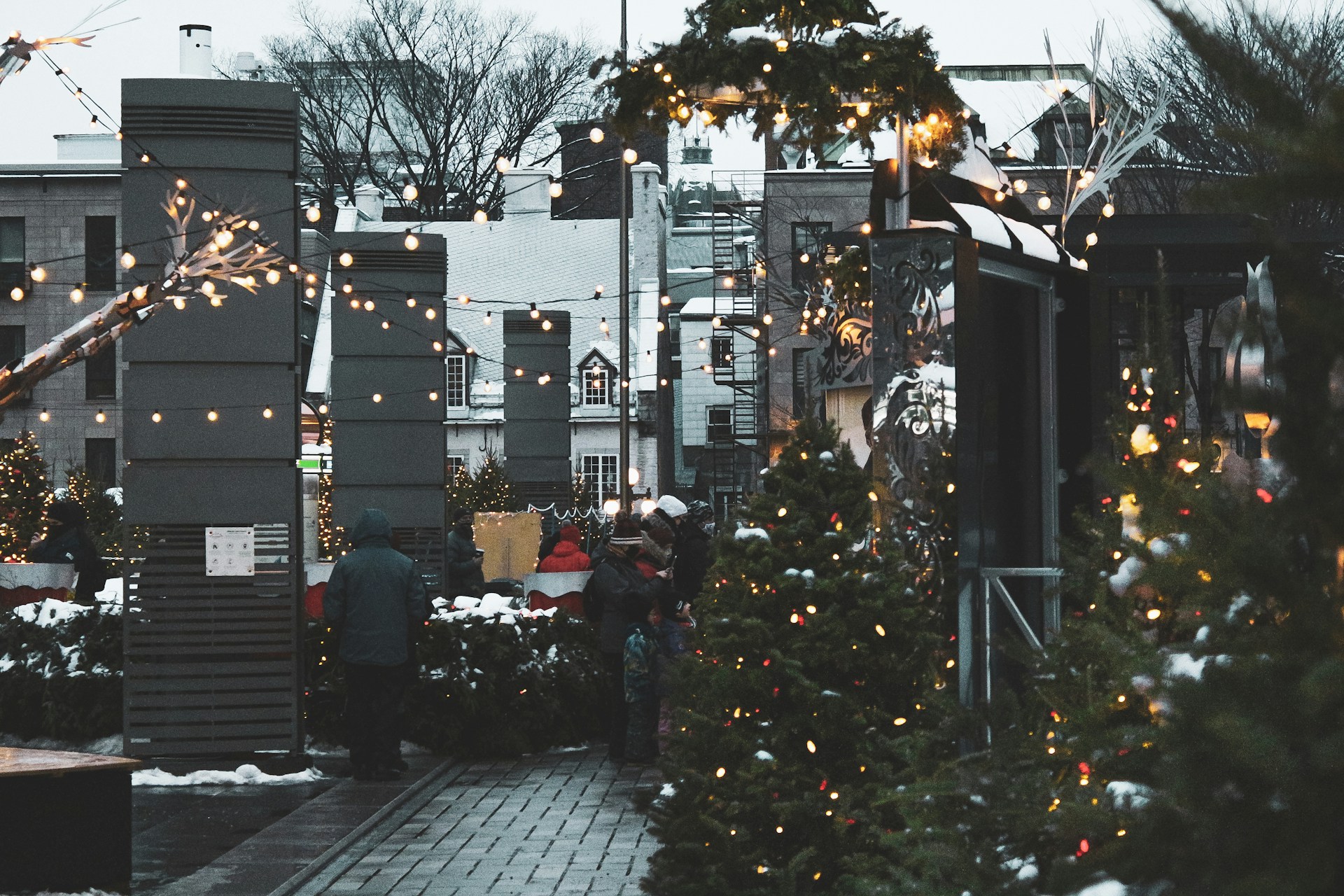
Open plazas once let people drift in from any side street, but free-flow layouts are harder to defend when attendance spikes and lanes narrow around hot-drink queues. Many markets now funnel foot traffic through fewer entrances, where bag checks, spot searches, and prohibited-item rules can be applied consistently, with separate lines for strollers, mobility aids, and groups. The first minutes may include lines and signage, yet that friction reduces anonymous movement, helps staff notice abandoned items or medical needs sooner, and keeps the tightest aisles from tipping into confusion on peak evenings.
Police Presence Shifts From Perimeter to Aisles
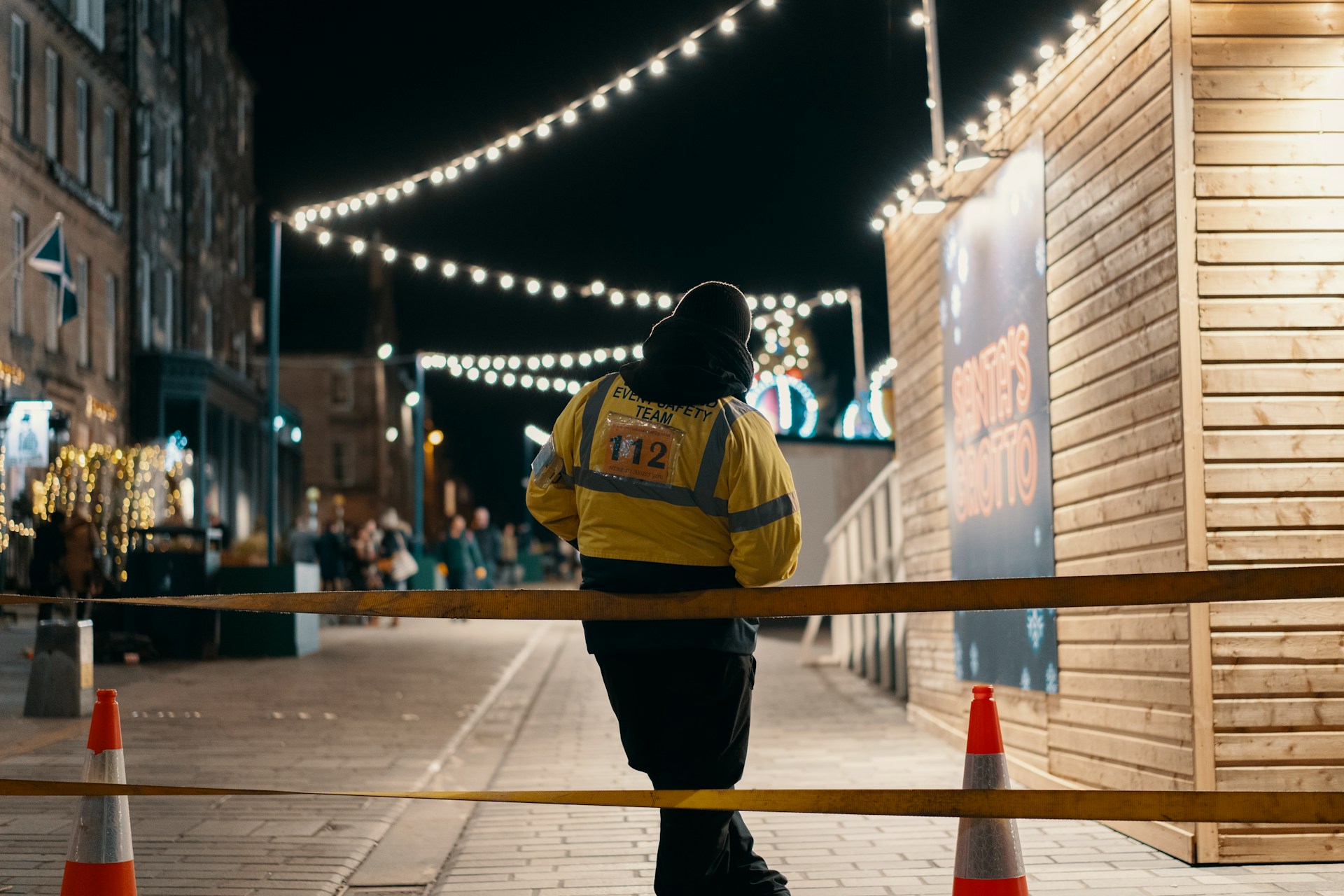
Patrols used to sit mainly at the edges, but crowded lanes demand eyes inside the market as well as at the gates and nearby tram stops. Cities are placing uniformed officers near pinch points, cash-heavy corridors, and transit links, while other teams watch for pickpocketing and disputes that flare in queues, especially around ATMs and popular drink stalls. The presence can feel stark against twinkle lights, yet it also covers real-life issues like lost children, slips on wet stone, and quick translation or directions, and it reassures crowds that help is close if something feels off or simply needs sorting out quickly.
More Cameras, More Live Monitoring
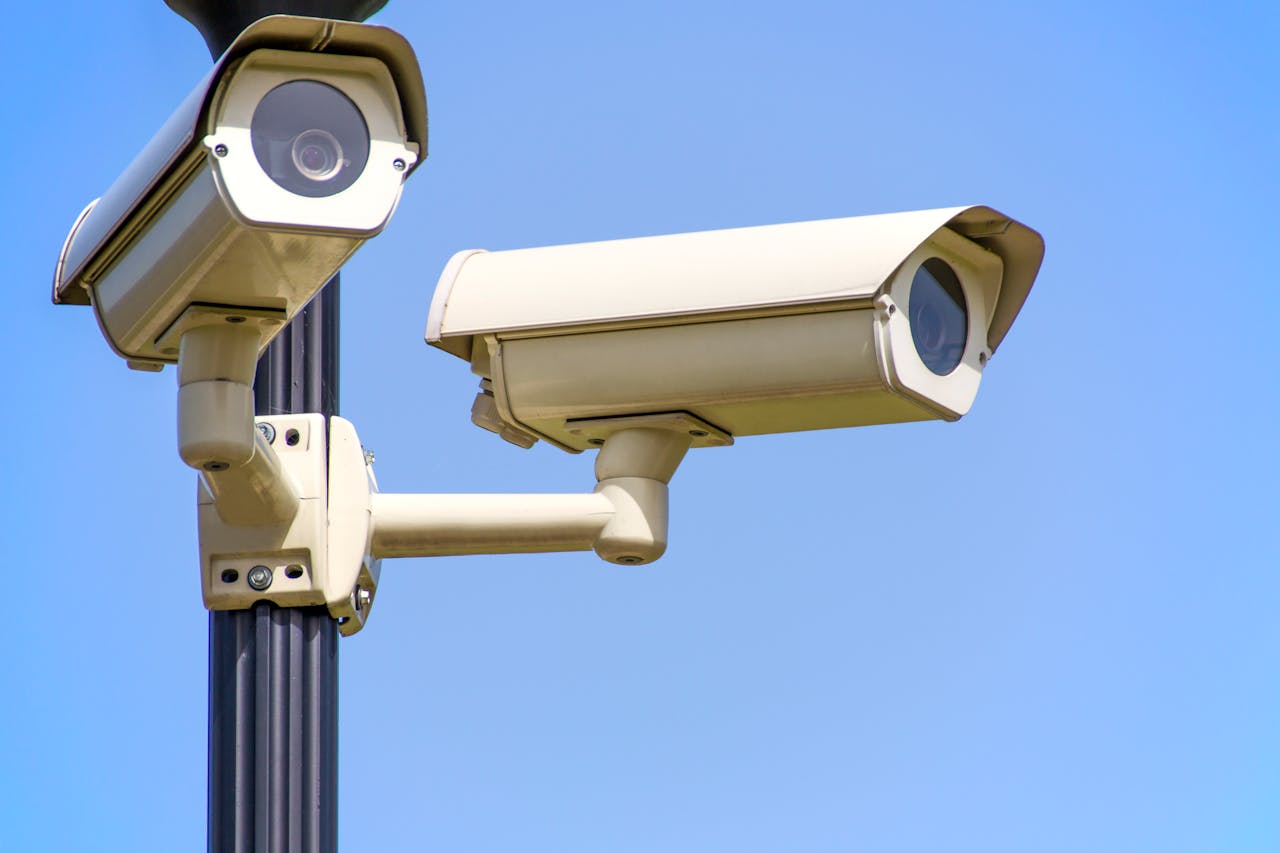
Cameras are now treated as live safety tools, not just recordings for later review after a busy weekend. Feeds at entrances, main aisles, and nearby stations help staff spot density build, flag bottlenecks early, and guide responders to a precise stall location without forcing them through the thickest crowd blind. Some markets add temporary camera towers and small control rooms linking video, radios, and medical teams, which quietly improves the night: fewer dead ends, faster assistance, better queue spacing, clearer announcements, and calmer movement when the square is packed, cold, and loud with music.
Crowd Flow Is Treated Like Safety Infrastructure
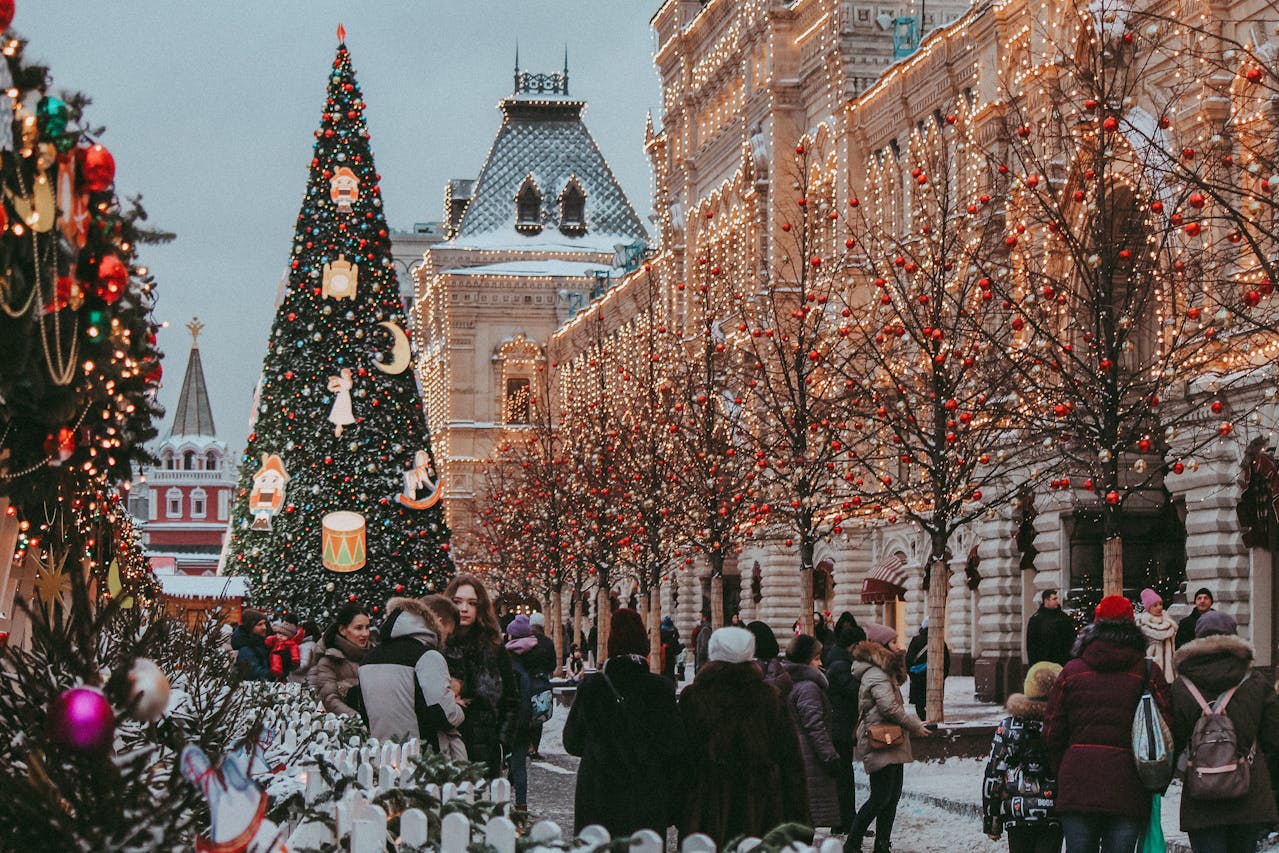
Tighter security is also about preventing surges that create panic in narrow historic streets, even when no outside threat exists and the only pressure is volume. Markets are using one-way walking loops, timed entry windows, and temporary caps when density spikes, especially on weekends when families, tour groups, and commuters collide after 6 p.m. Stewards keep lanes open for strollers and wheelchairs, reset stalled photo clusters, spread queues across side lanes, and keep emergency access clear, so the crowd moves at a human pace and the market feels cozy rather than claustrophobic for everyone.
Budgets Rise, and Smaller Towns Feel It First
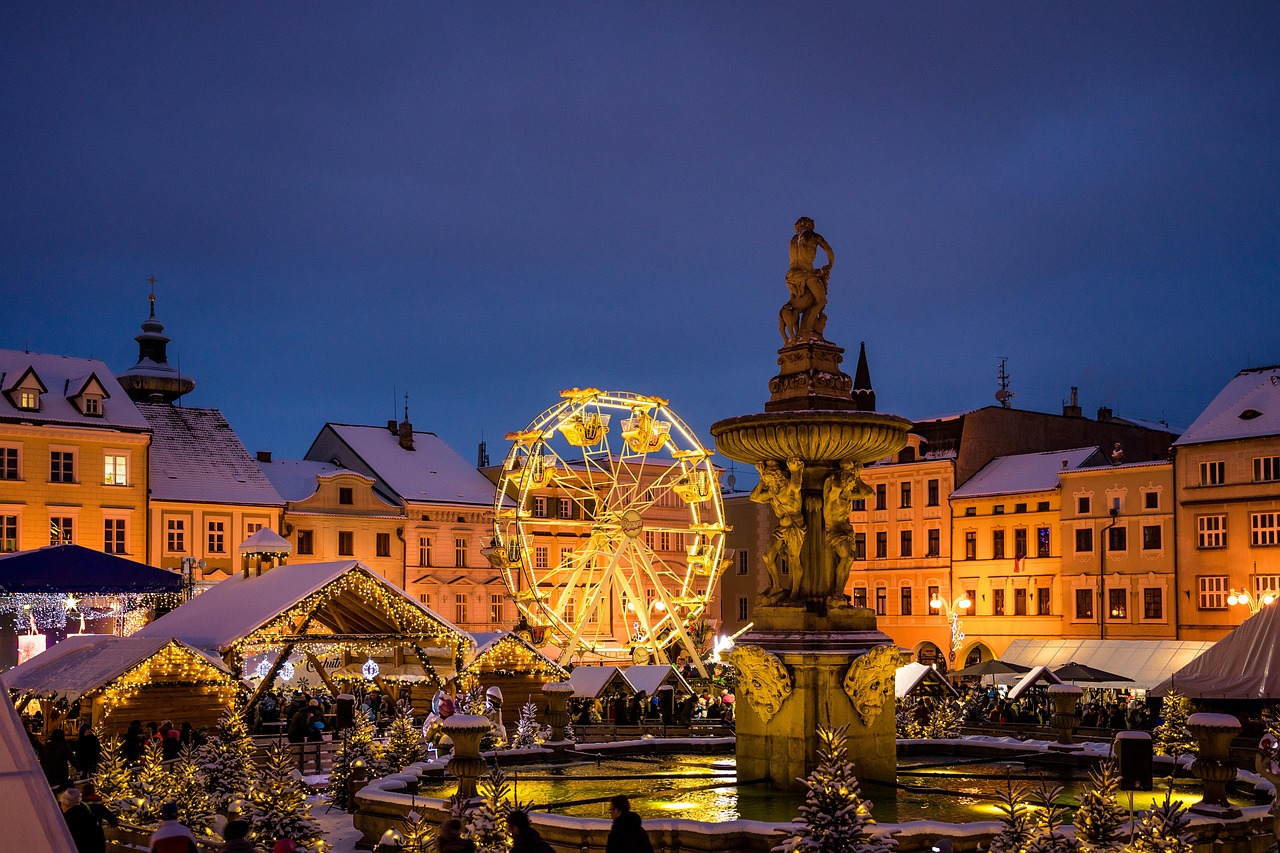
Security costs are rising, and organizers in Germany have described sharp jumps in spending for these events, with reports citing increases around 43% in some cases. Big cities can fund barrier rentals, overtime, private guards, and monitoring rooms; smaller towns often respond by reducing entrances, shortening hours, or shrinking the footprint to keep control manageable with limited personnel. When budgets tighten, every added feature needs a plan, a permit check, and trained coverage, so the market may look unchanged from a distance while the behind-the-scenes operation becomes more expensive, more staffed, and more demanding.
Permits and Insurance Demand Proof, Not Promises
Once markets are treated as high-risk gatherings, permits and insurers ask for evidence, not optimism, and the paperwork arrives early with firm deadlines. Requirements increasingly include written crowd plans, vehicle exclusion zones, staffing ratios, and incident procedures, plus documentation that can be audited, from barrier maps and fire-lane diagrams to vendor credential lists. The 2016 Breitscheidplatz incident in Berlin, which killed 12 and injured 56, still shapes what reasonable precautions mean, so organizers who cannot show a documented plan may struggle to secure approvals, coverage, city services, and the right to operate.
Rules Tighten Because Copycat Fear Is Real
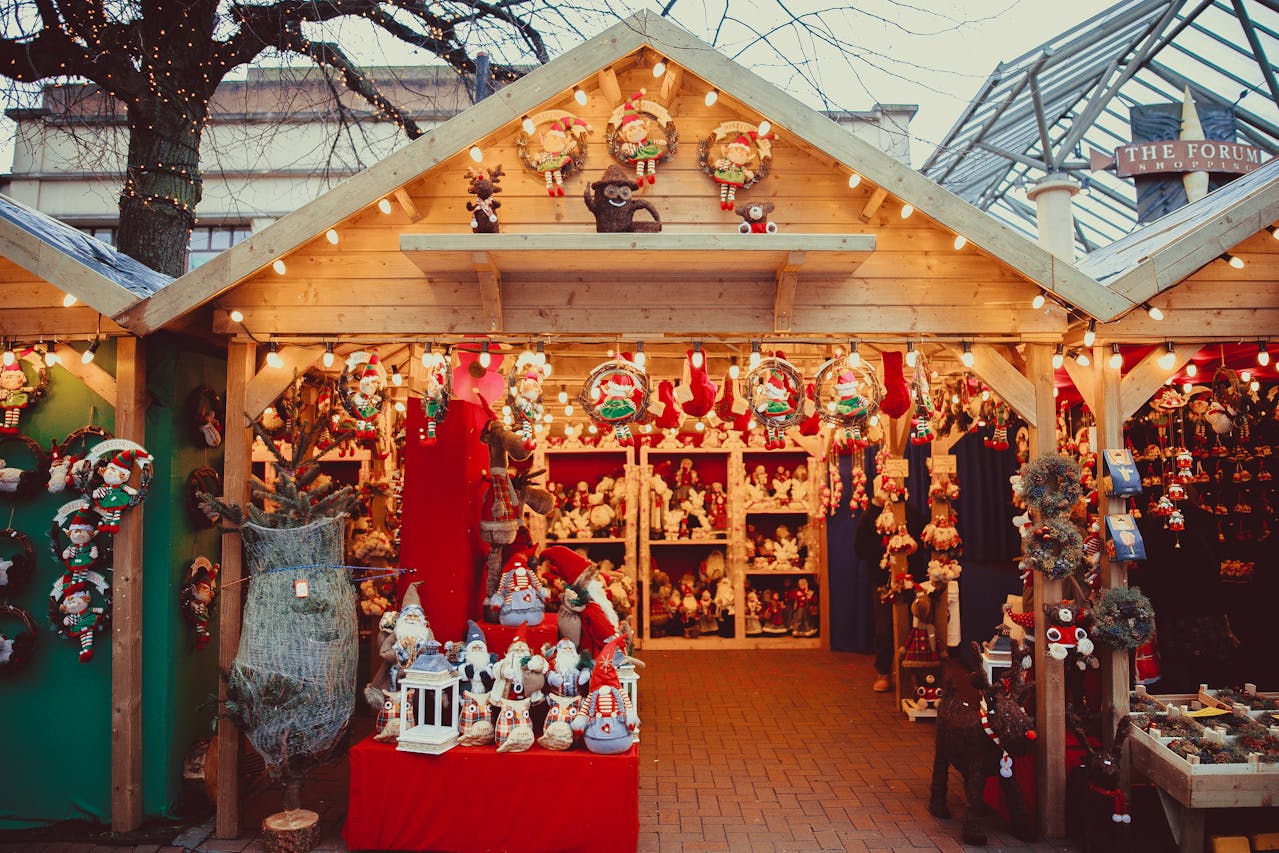
After a major incident, the next season becomes a public test of whether officials did enough, so leaders choose controls they can defend later in plain language. That is why gray areas shrink: fewer curbside drop-offs, tighter delivery windows, clearer bans on glass or oversized bags, and faster pauses when conditions change near entrances or transit links. Even when most nights are peaceful, planners assume attention-seeking behavior follows patterns, so patrol routes vary, checks concentrate at predictable choke points, vendor access is logged, and staff practice calm messaging that keeps the crowd steady.
Reassurance Becomes Part of the Program
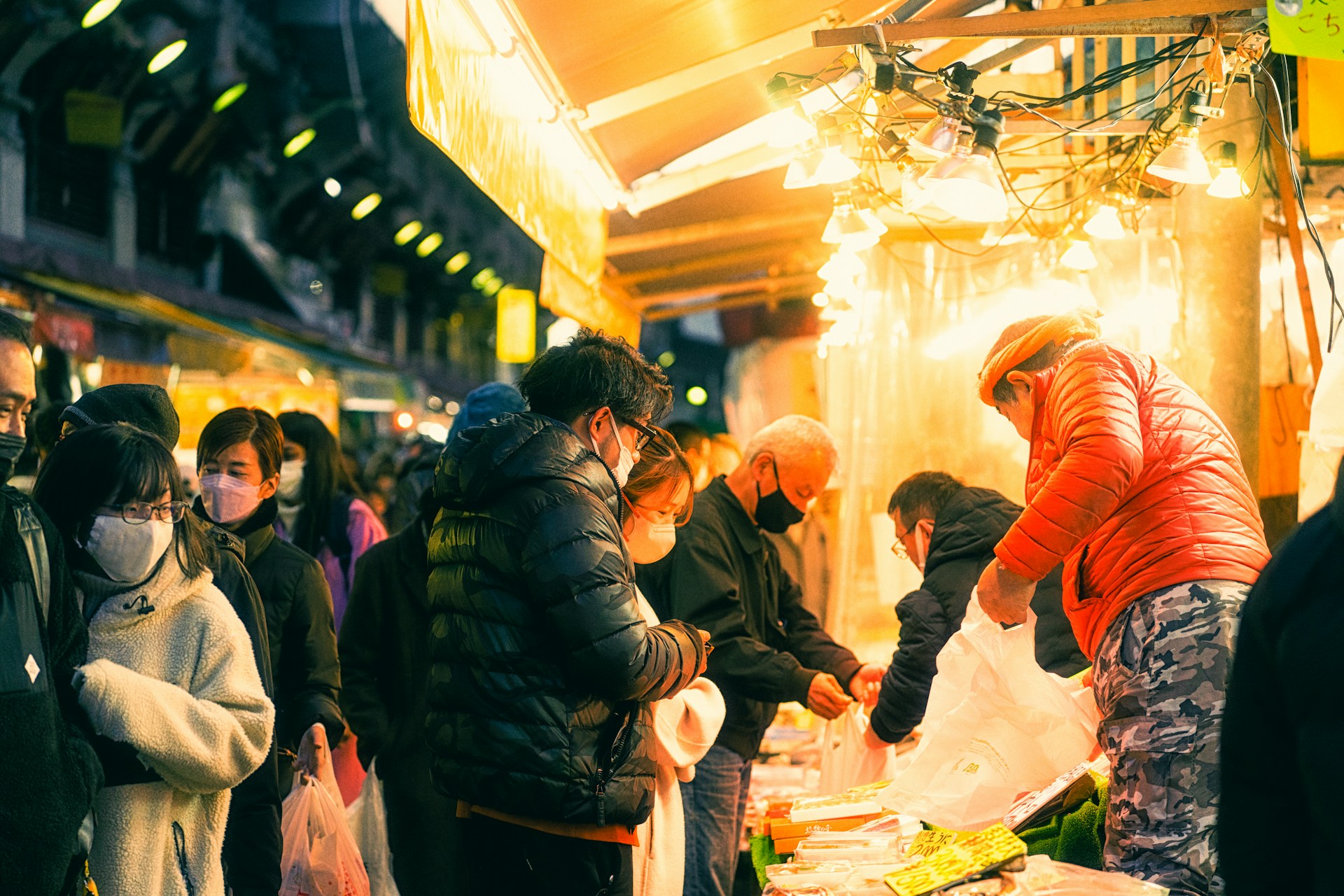
Security works best when it does not feel like confrontation, so communication is now part of the design, not an afterthought. Markets post simple rules early, train staff to answer questions calmly, and use clear wayfinding and announcements so visitors do not bunch up around uncertainty, rumors, or unclear exits when lanes are tight. Organizers also shape lighting, music, and stall layouts to avoid dark corners and squeeze points, and they post updates online when entrances shift, aiming for a winter ritual that still feels open-hearted even while entry is structured, checks are routine, and safety teams stay close.