Dinner once felt like a simple exchange: order, eat, pay, head home. Now many diners pause at checkout screens that stack tip prompts, raise suggested percentages, and frame hesitation as stinginess. What used to signal gratitude now often feels like a test of character, especially when the meal was already expensive before tax, fees, and service charges.
Across the U.S., the conversation has shifted from generosity to boundaries. Posts on X and Reddit keep surfacing with the same anxiety: the meal cost one thing, but the social pressure at payment made it feel like something else entirely, right at the table that night.
The Prompt That Changed the Mood
A widely shared complaint captured the mood in one line: dinner should not feel like a guilt exam. In the post, a customer described ordering a modest meal and then facing multiple tip asks before checkout was complete. The frustration was not only about money; it was about the sudden emotional labor built into a routine purchase.
That reaction spread fast because it sounded familiar. Many diners said the payment moment now carries social tension that used to belong only to special occasions, not weeknight takeout. The shift has made even small orders feel loaded, uncertain, and personal, even before the food arrives at the door.
When One Order Carries Two Tip Requests
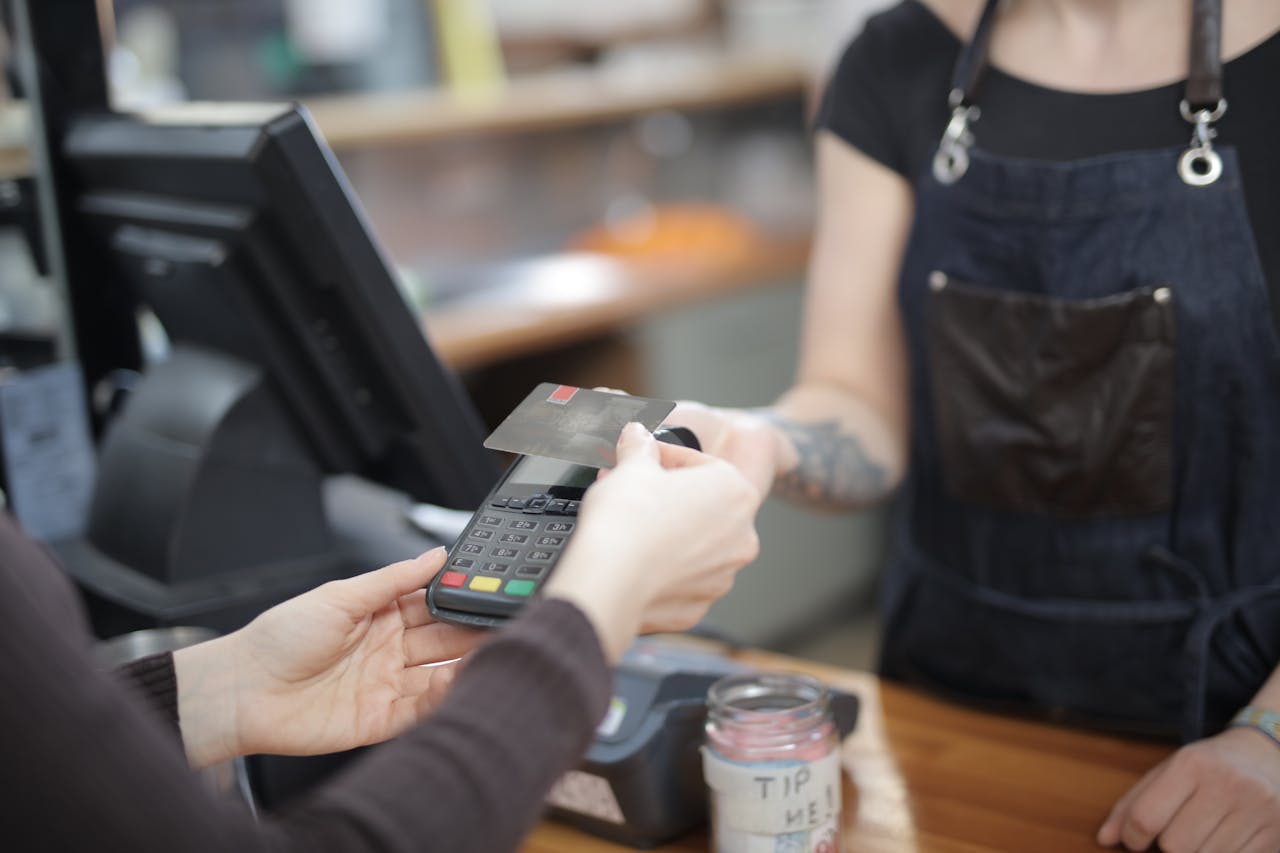
One viral example involved a $25 pizza order that asked for separate tips, one for delivery and another for kitchen staff. The post drew thousands of reactions because the split request felt new to many people, and because the order total already looked high for a single meal. What might have read as appreciation instead landed as layered obligation.
Reddit comments echoed the same concern: if more back-of-house roles become tip-dependent, customers worry businesses may treat tipping as a substitute for wages. Even diners who support tipping said the structure felt confusing, and confusion at checkout rarely builds goodwill.
The Vanishing Low Option
Another flashpoint came from reports that some receipts or payment flows made the lowest tip option harder to choose, or appear less visible than before. Daily Mail coverage and reposted screenshots intensified the argument, especially when customers felt that the baseline choice had quietly moved upward without clear explanation.
In one widely discussed case tied to a Texas Roadhouse screen, an order just above $80 appeared to jump past $94 once the minimum displayed percentage was applied. For households tracking every dollar, that jump did not read as minor. It felt like budget planning got overridden at the final tap.
Why Payment Screens Feel So Pressuring

The strongest criticism is not only about percentage size; it is about interface design. Many payment systems present preset tips first, while custom or no-tip choices sit behind extra taps, smaller text, or delayed screens. That ordering can make a voluntary decision feel like a public test, even when nobody says a word.
Behavioral experts have long noted that defaults shape choices, and diners are now feeling that principle in real time. When a process is built to guide spending upward, people often comply to avoid friction. The result is resentment after payment, which weakens trust restaurants depend on for repeat business.
Budgets Under Stress
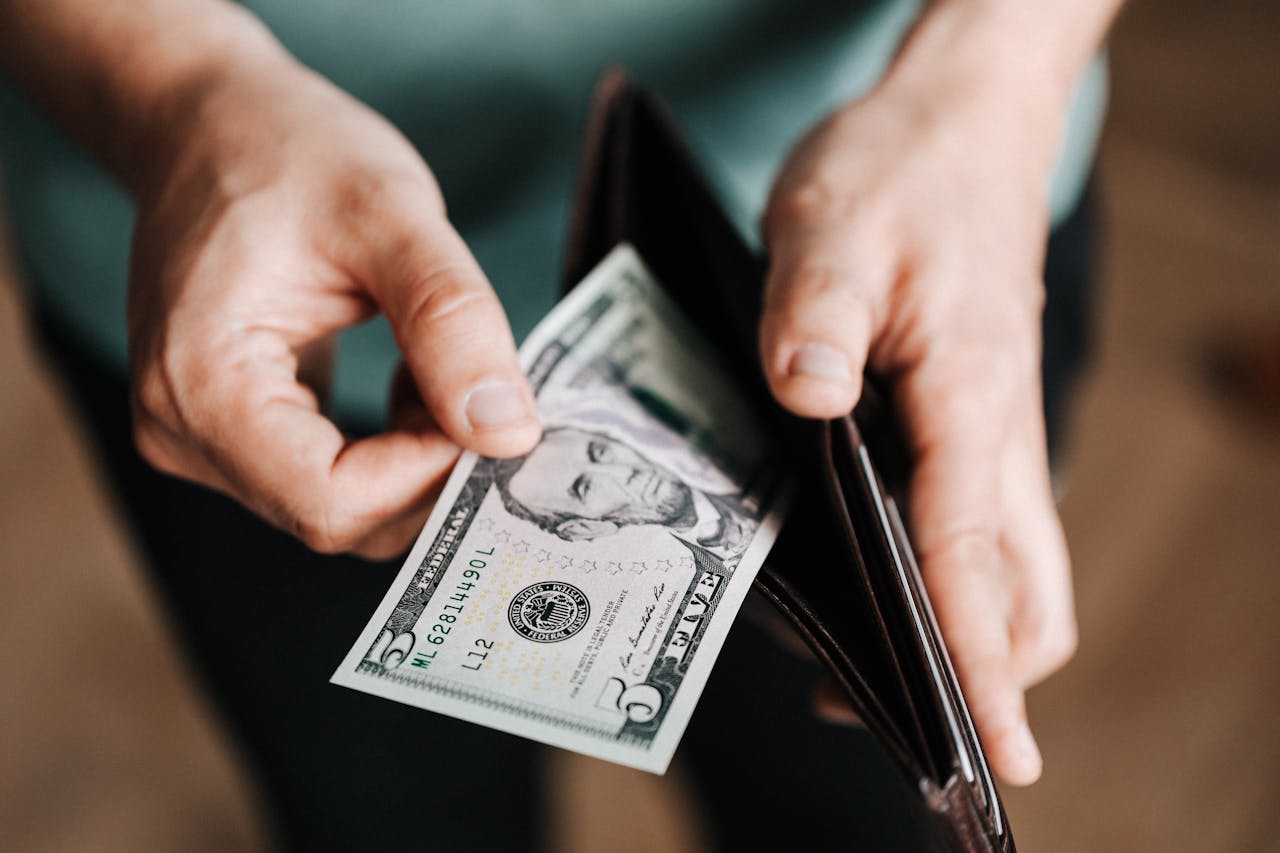
Tip fatigue is unfolding while operators and customers are both under pressure. Food, labor, and overhead costs remain high in many markets, while households trim discretionary spending to stay on plan. In that climate, every extra fee or preset add-on stands out more than it did a few years ago, and patience runs thinner by week.
Industry headlines about closures have reinforced the strain. Bahama Breeze announced a full shutdown, and chains such as Noodles & Company and Pizza Hut have closed select locations in some markets. Diners understand the pressure, but many still want price clarity before committing to an order.
Wage Questions Beneath the Debate
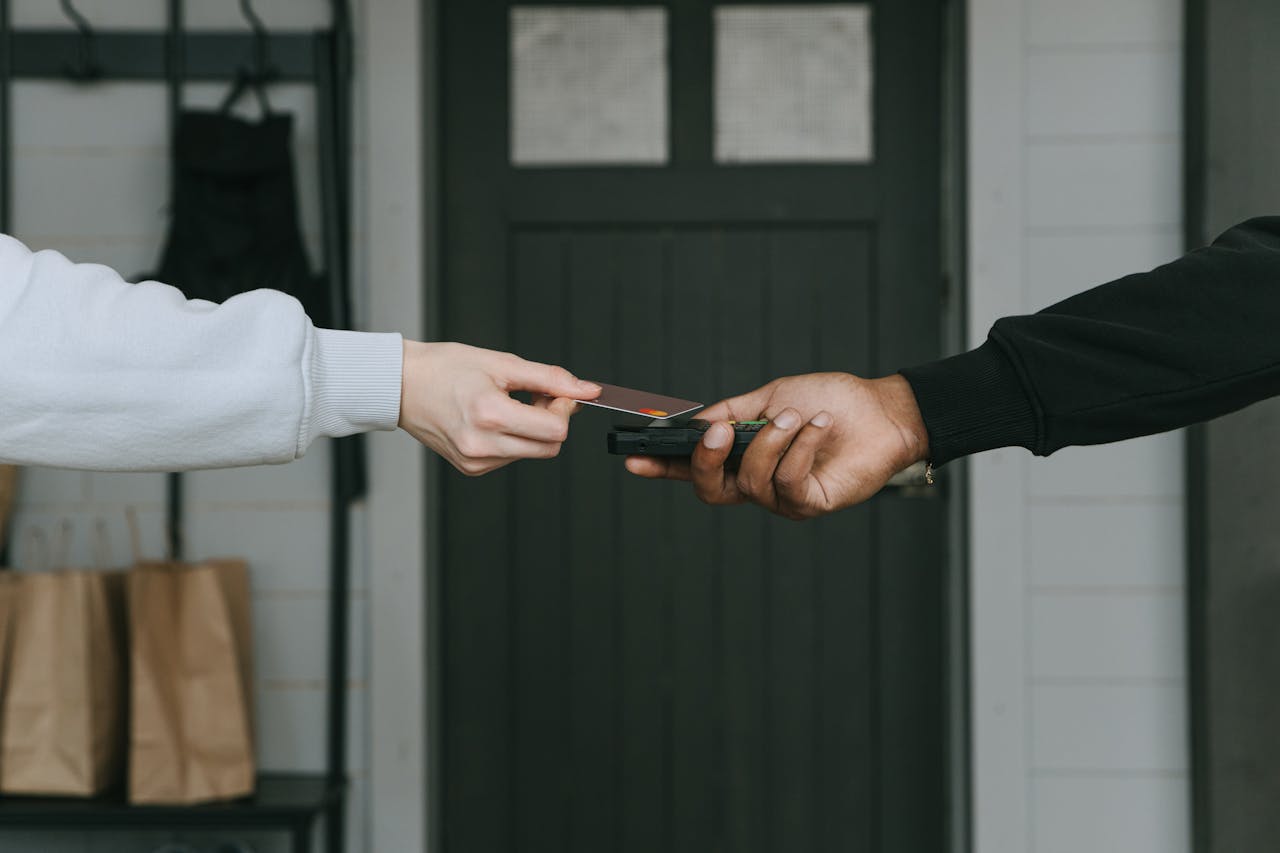
At the center of the argument sits an old American contradiction: tips are framed as gratitude, yet many workers rely on them as income. As tip prompts spread from table service into counters, pickup windows, and app checkouts, customers are asking where appreciation ends and payroll responsibility begins.
Some diners say they are glad to support workers directly, especially when service is attentive and personal. Others argue that expanding tip categories lets employers shift labor costs onto guests in ways that feel opaque. Both views can be sincere at once, which is why the debate feels so emotionally charged and hard to settle.
Trust, Transparency, And Menu Math
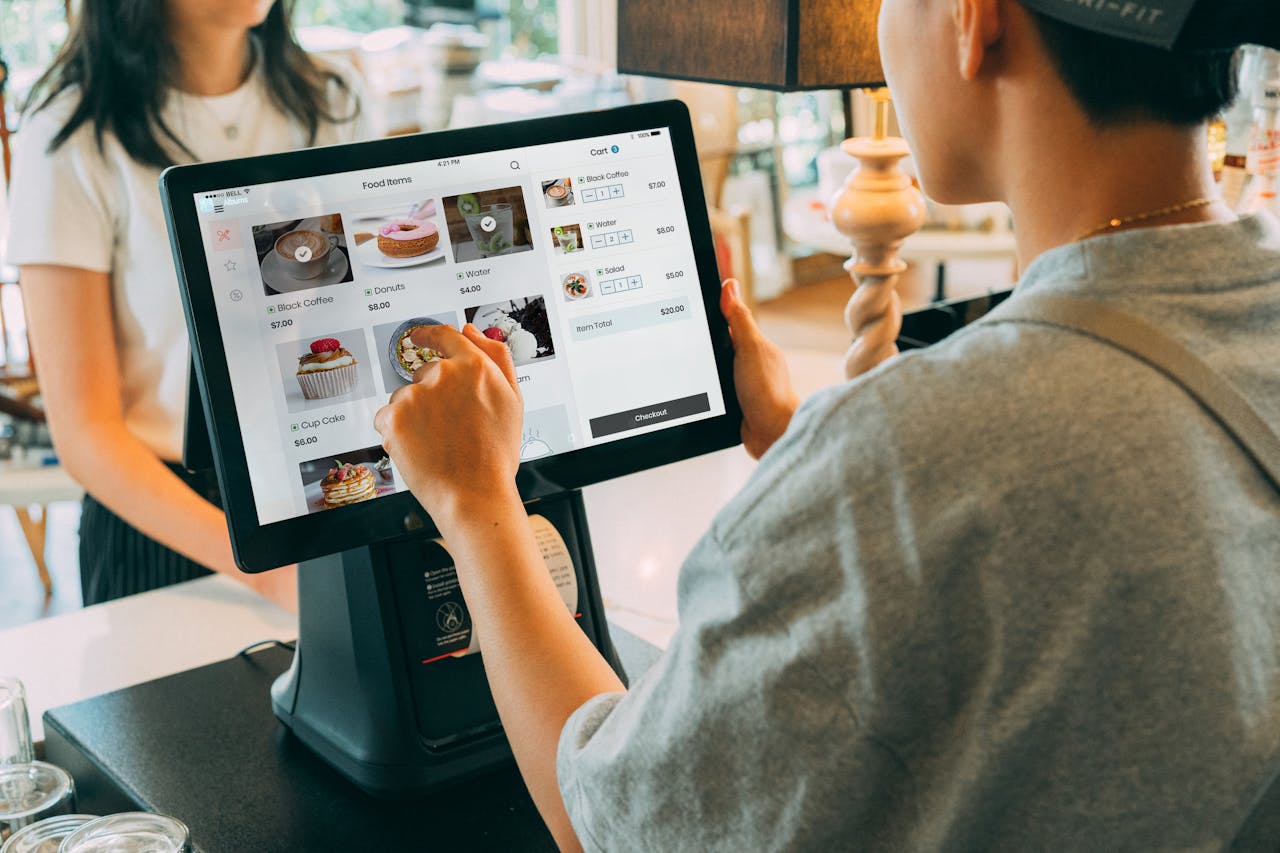
Restaurants that keep trust tend to make the math visible early: menu price, service fee, delivery fee, and tip expectations shown before checkout. When costs appear late, diners often read the surprise as manipulation, even if the business intended convenience. Clear structure lowers friction for both sides.
The same meal can feel fair or frustrating depending on presentation. A transparent flow gives people agency and protects staff from awkward final-minute reactions. A cluttered flow does the opposite, turning a normal transaction into a social standoff. In a competitive market, design clarity is now part of hospitality itself.
Where Dining Culture May Head Next
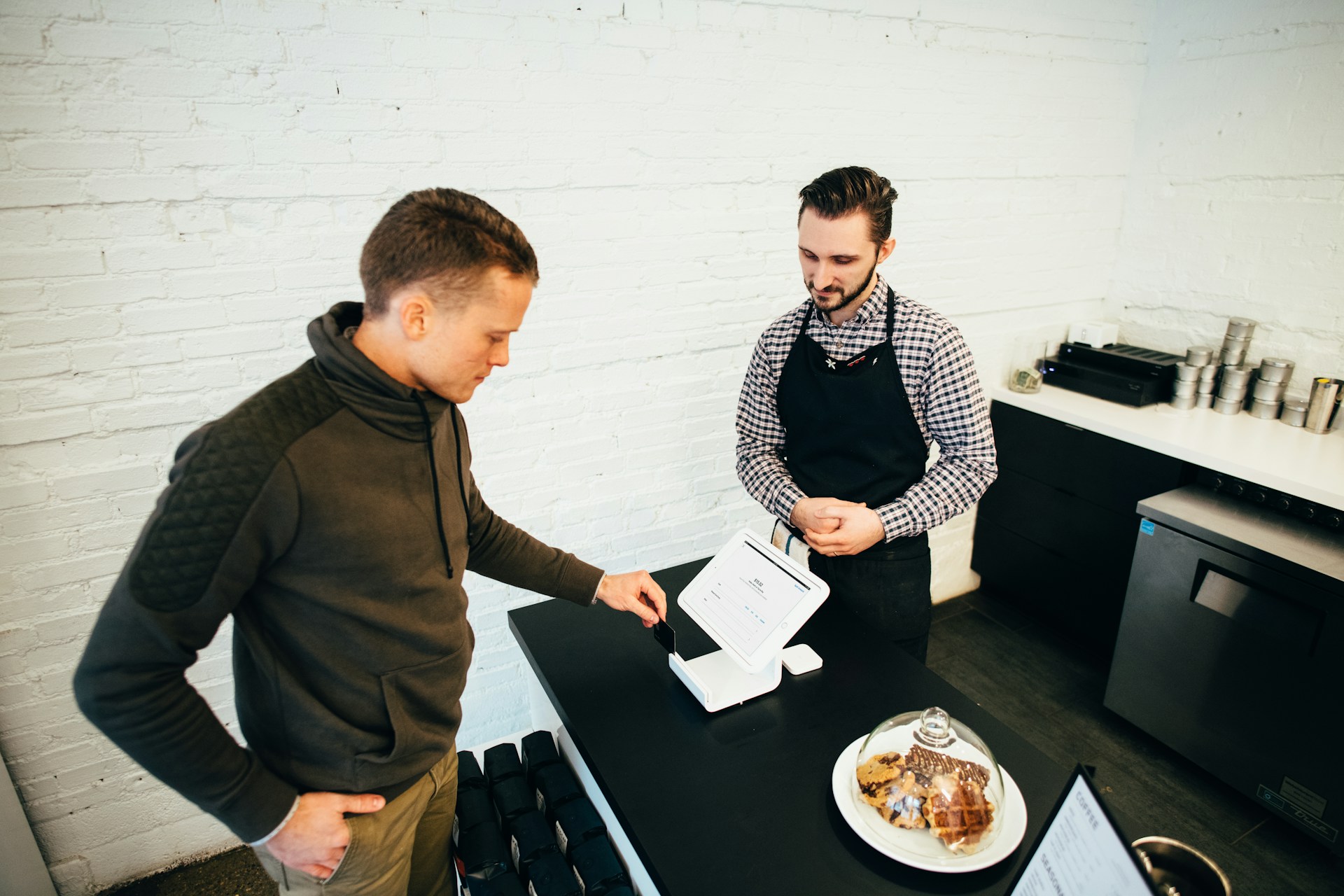
Dining culture is not rejecting generosity; it is renegotiating consent. Customers still tip, often gladly, when service feels strong and expectations stay reasonable. Backlash rises when choice seems narrowed by defaults, stacked requests, or social pressure built into checkout. People are less resistant to giving than to being cornered.
The next phase will likely reward businesses that pair fair wages with plain-language payment design. If restaurants respect both worker income and household budgets, tension may cool. If pressure tactics keep expanding, frustration will keep spreading across feeds, receipts, and dinner decisions.