Hotel bathrooms are being redesigned in ways that catch travelers off guard. Across multiple brands, traditional hinged doors are giving way to sliding panels, frosted glass, curtains, or no separation at all, a shift The Wall Street Journal has described.
Operators cite rising building, upkeep, and energy costs, but guests focus on privacy. In shared rooms, the missing door turns routine moments into awkward timing, and many listings do not make the layout obvious. Travel forums are now full of warnings and quick scripts for calling ahead. Light and sound carry farther than expected, and it can sour an otherwise solid room.
The Hinged Door Is No Longer Guaranteed
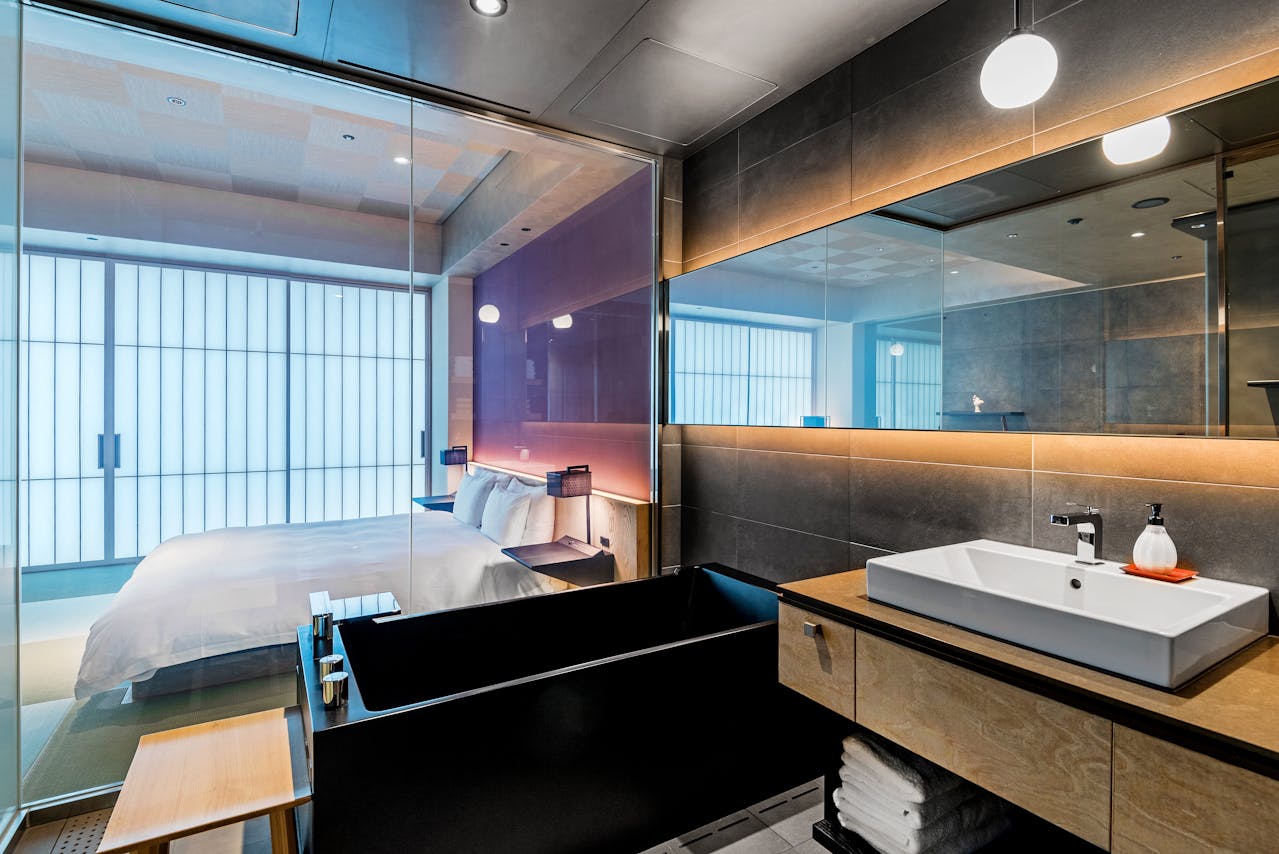
Across a range of brands, the classic hinged bathroom door is no longer a given. Some rooms replace it with a sliding panel, frosted glass, or a curtain, and in a few cases there is no real separation at all between the toilet, the shower, and the bed, a trend reported by “The Wall Street Journal”.
On a floor plan it looks clean and space-saving. In the room, guests say panels that do not fully close leave gaps that carry light and sound at night, and the loss of a firm boundary makes shared stays feel less livable. A simple trip can turn into a quiet schedule of who goes first, who waits, and who pretends not to notice.
Hotels Say Costs Are Driving The Shift
Hotel operators often frame the shift as math, not a design statement. Rising construction, maintenance, and energy costs have been cited as reasons to simplify bathrooms, reduce long-term repairs, and standardize layouts across a property, according to reporting in “The Wall Street Journal”.
The pitch is efficiency: fewer hinges to adjust, fewer doorframes to repaint, less swing space wasted. Guests hear the logic, but many say the savings land on the wrong side of the trade. When the barrier is thin, partial, or temperamental, privacy becomes a guessing game, and a room that should feel restful can feel exposed overnight.
Privacy Complaints Are Swamping Social Media
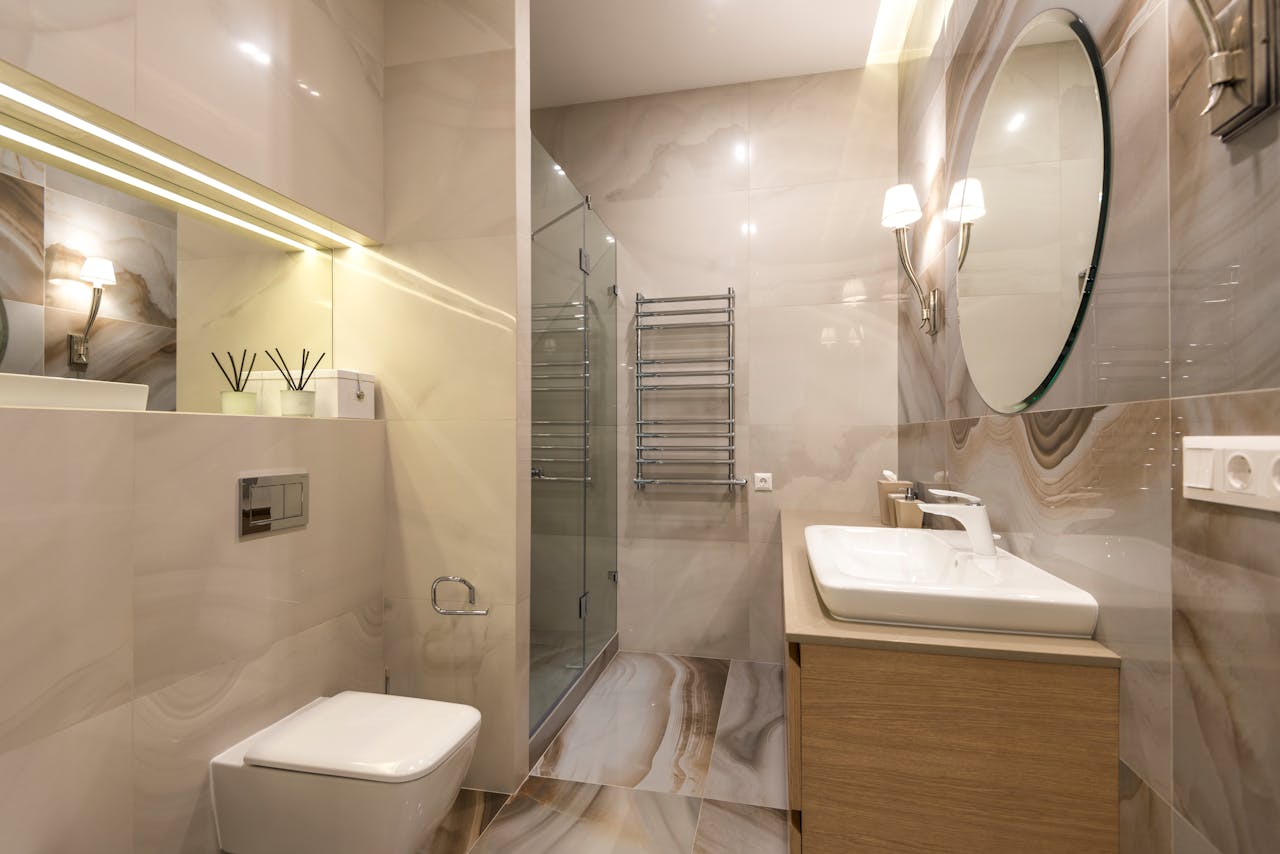
The backlash is loudest online, where travelers swap warnings about bathrooms that do not truly close off. Complaints focus less on style and more on the basics: not wanting bathroom activity to be visible or audible from beds a few feet away.
Frosted glass blurs details, but it still throws silhouettes and light. Sliding doors can leave a gap, and curtains do not block sound. For people sharing rooms with friends or family, the setup turns ordinary routines into tension, and many say they would rather accept a smaller bathroom than lose a solid, closing door. Some say the surprise hits at check-in and lingers into sleep.
Reddit Threads Read Like Warning Labels
Reddit threads read like field reports from travelers who assumed a closed bathroom, then walked into a different reality. Posts describe rooms with no door at all, partially enclosed toilet areas, and sliding panels that never quite meet the frame.
Even when the materials look upscale, the details matter. A small gap can turn the whole room into a shared soundstage, and a frosted panel can broadcast light changes as someone moves. Commenters say the layout can feel especially awkward on trips with friends, where privacy norms are clearer. Some add that it is easier with a partner, but that is not a universal fix for everyone.
Shared Rooms Feel Less Livable
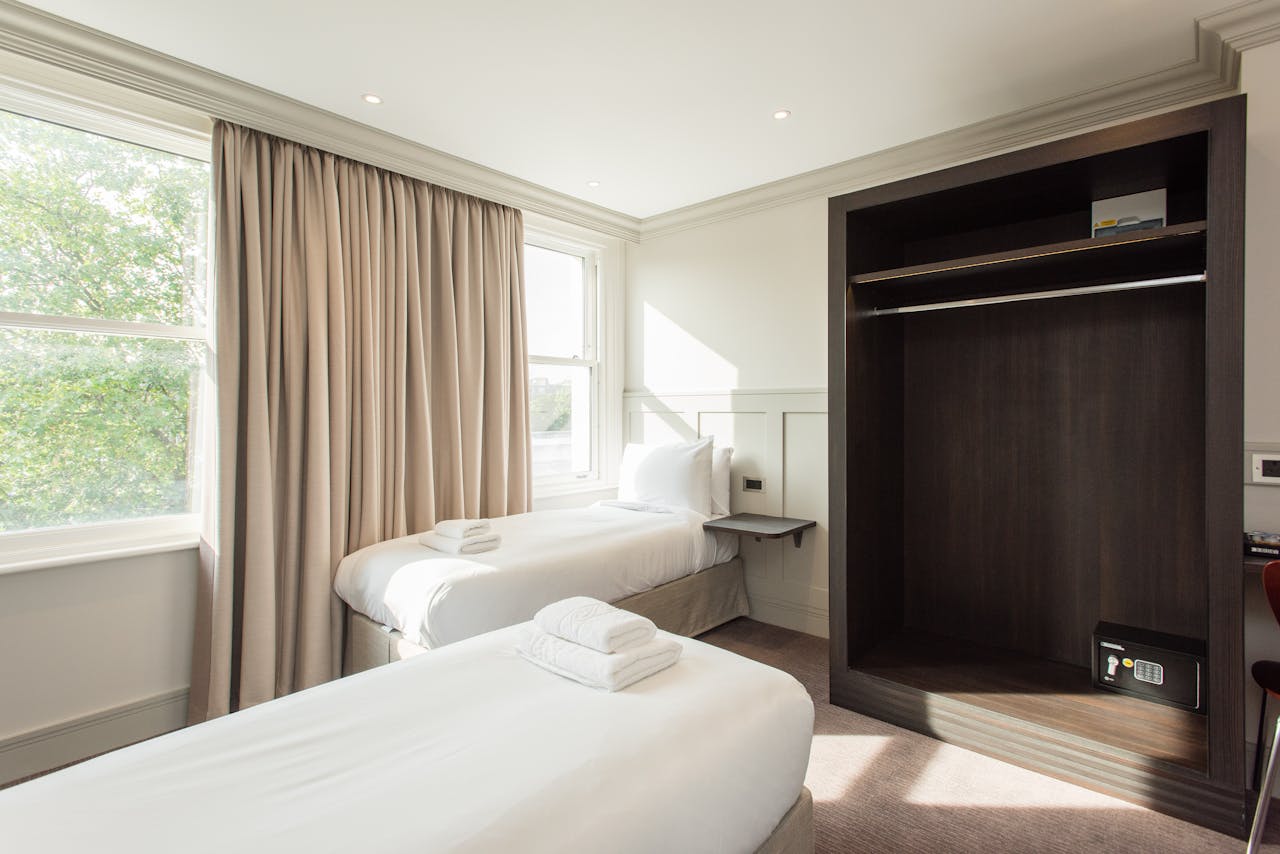
The design problem grows sharper the moment a room is shared. Travelers say a doorless or partly closed bathroom forces conversations most people would rather avoid, especially after a long travel day when patience is thin. Some say it is workable with a partner, but far less comfortable with family or friends.
When one person needs the light on, the whole room wakes. When someone tries to be quiet, the thin barrier makes every sound feel louder. Guests describe timing showers around naps and using the lobby restroom just to restore normal boundaries. The room may be clean and well-run, yet it can feel hard to inhabit.
Booking Photos Often Skip The Toilet Area
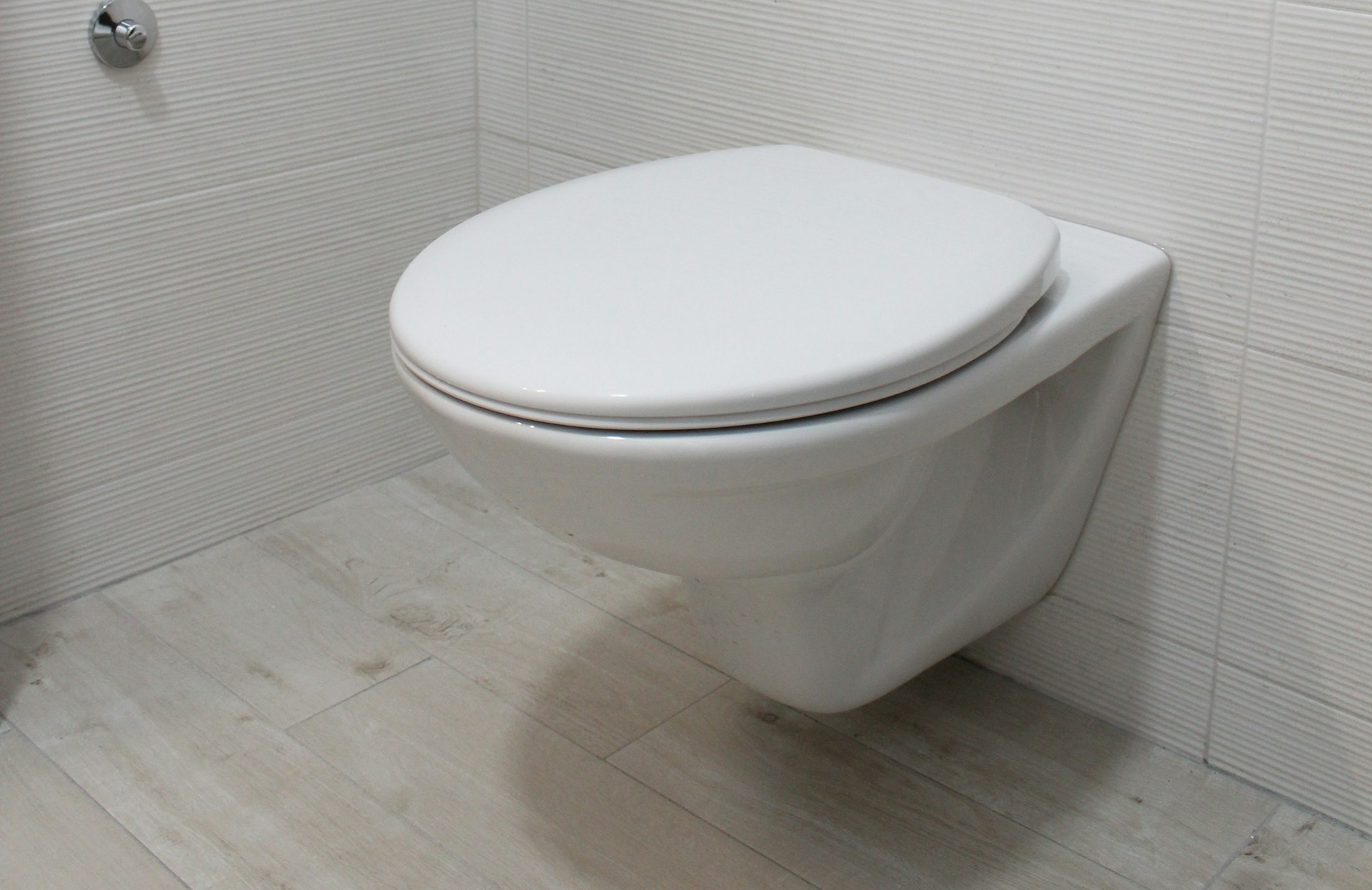
A common complaint is the surprise factor. Travelers say unconventional bathroom layouts are not always clearly disclosed online, and the photo gallery may show the bed, the view, and the lobby bar, while skipping the toilet area entirely. In shared stays, that omission matters. Many say photos should show the boundary.
When the separation is a frosted panel or a slider that does not seal, the room behaves differently. Guests say it is frustrating to learn the truth only after check-in, when changing rooms is difficult. The anger feels preventable, because one clear line in the listing could set expectations and let people choose.
A Website Is Tracking Which Hotels Still Have Doors
The frustration has inspired informal tracking projects. Digital marketer Sadie Lowell began paying close attention to bathroom layouts after encountering rooms without traditional doors, and she built a website to document what she found.
Her site, “Bring Back Doors”, compiles lists that separate properties with traditional doors from those using partial enclosures or no doors at all. The lists are not official, but travelers treat them like a map. Lowell frames it as practical research aimed at avoiding surprises. It also sends a message: guests are collecting the details that booking pages often skip. That alone says a lot.
Trust Erodes When Details Feel Hidden
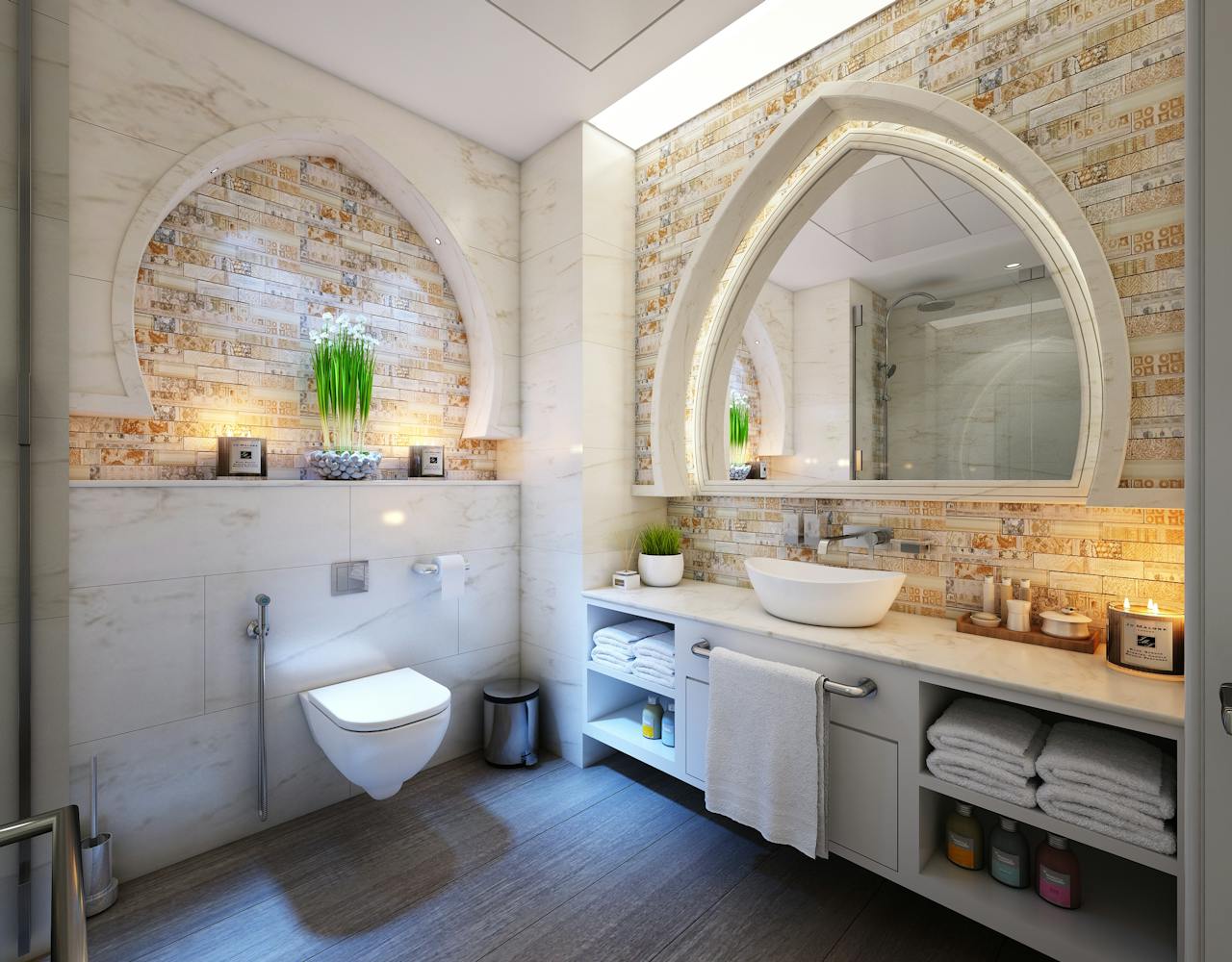
Projects like Lowell’s exist because travelers feel a real information gap. A hotel can be clear about parking fees, breakfast hours, and late checkout, yet vague about whether the bathroom has an actual door.
When guests have to hunt for this detail, trust erodes. People start treating room photos like clues, reading reviews for mentions of frosted glass, and messaging the front desk in advance. It is not about demanding luxury. It is about avoiding a layout that turns a private moment into shared noise and light. Once that doubt enters the booking process, loyalty becomes harder to keep. Clear disclosure would let people choose.
The Real Demand Is Transparency
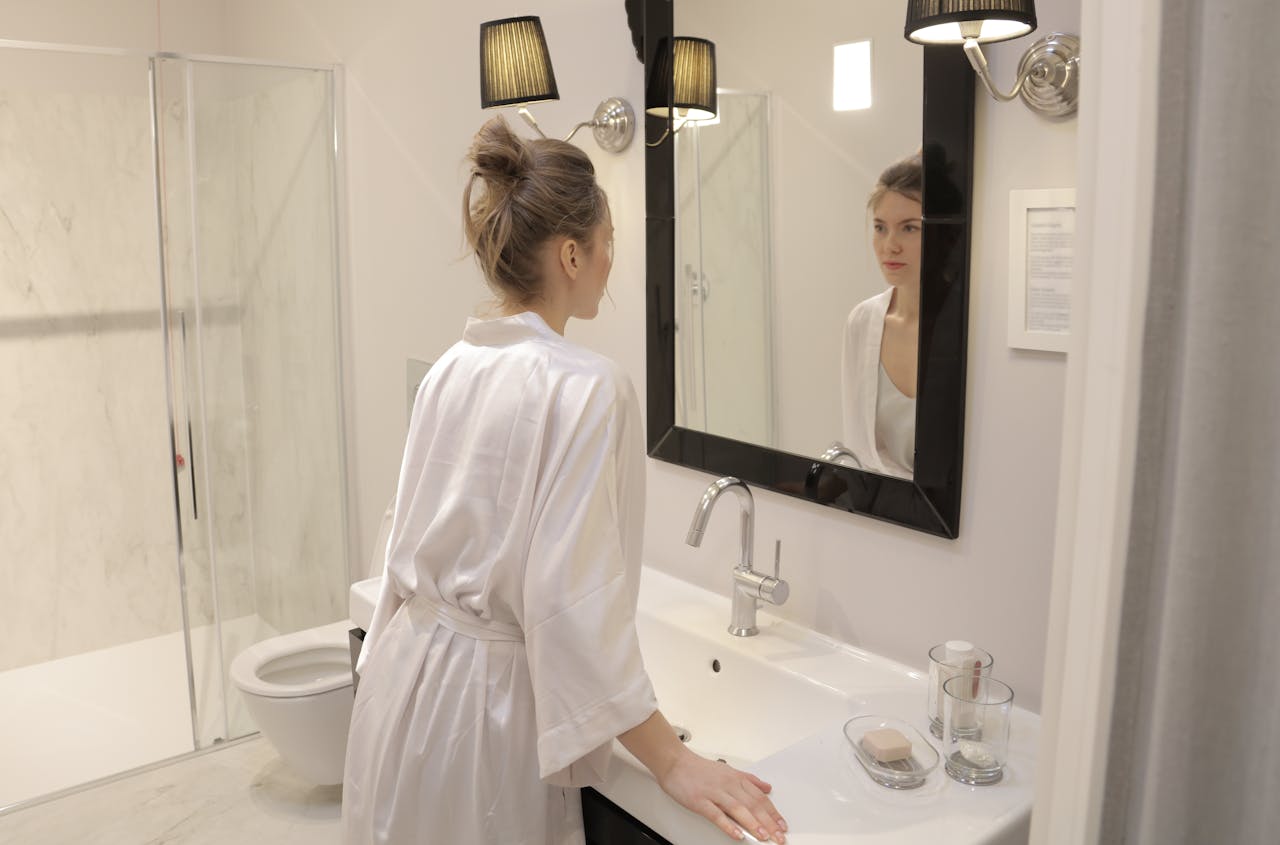
Not every guest hates the trend. Some say an open bathroom is manageable when sharing with a significant other or a close friend, where comfort levels are already high.
The bigger demand is transparency. Travelers want listings to state what separates the bathroom from the sleeping area, and whether any panel fully closes. They also want that detail tied to each room type, so an upgrade does not arrive with a surprise layout. Privacy is tied to dignity and sleep. When it slips, the room can feel smaller, not bigger. Hotels may be chasing efficiency, but guests keep asking for an old feature: a door, or at least a clear warning.