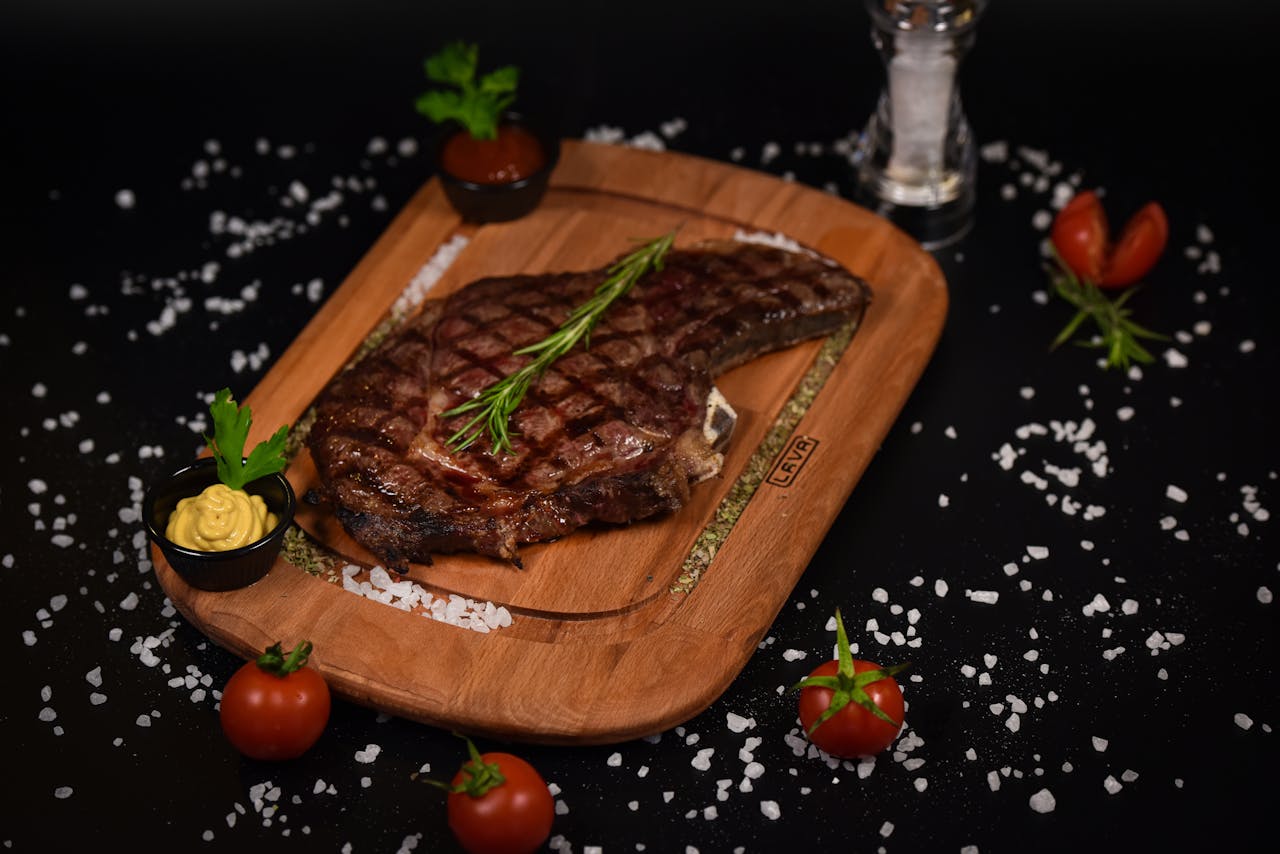
Steak nights build a particular kind of confidence: a hot pan, a simple seasoning, and a plan that stays calm.
Yet one old habit still shows up in home kitchens, the quick rinse at the sink, as if water can make raw meat safer.
Chefs and food-safety educators push back because that rinse spreads risk instead of shrinking it. A faucet can scatter droplets onto hands, towels, and nearby prep, and the mess is easy to miss. Modern cold storage and inspection already handle cleanliness upstream. The smarter move is dry, tidy prep, then steady heat and a thermometer to land both flavor and peace of mind without drama.
Never Rinse Raw Steak in the Sink
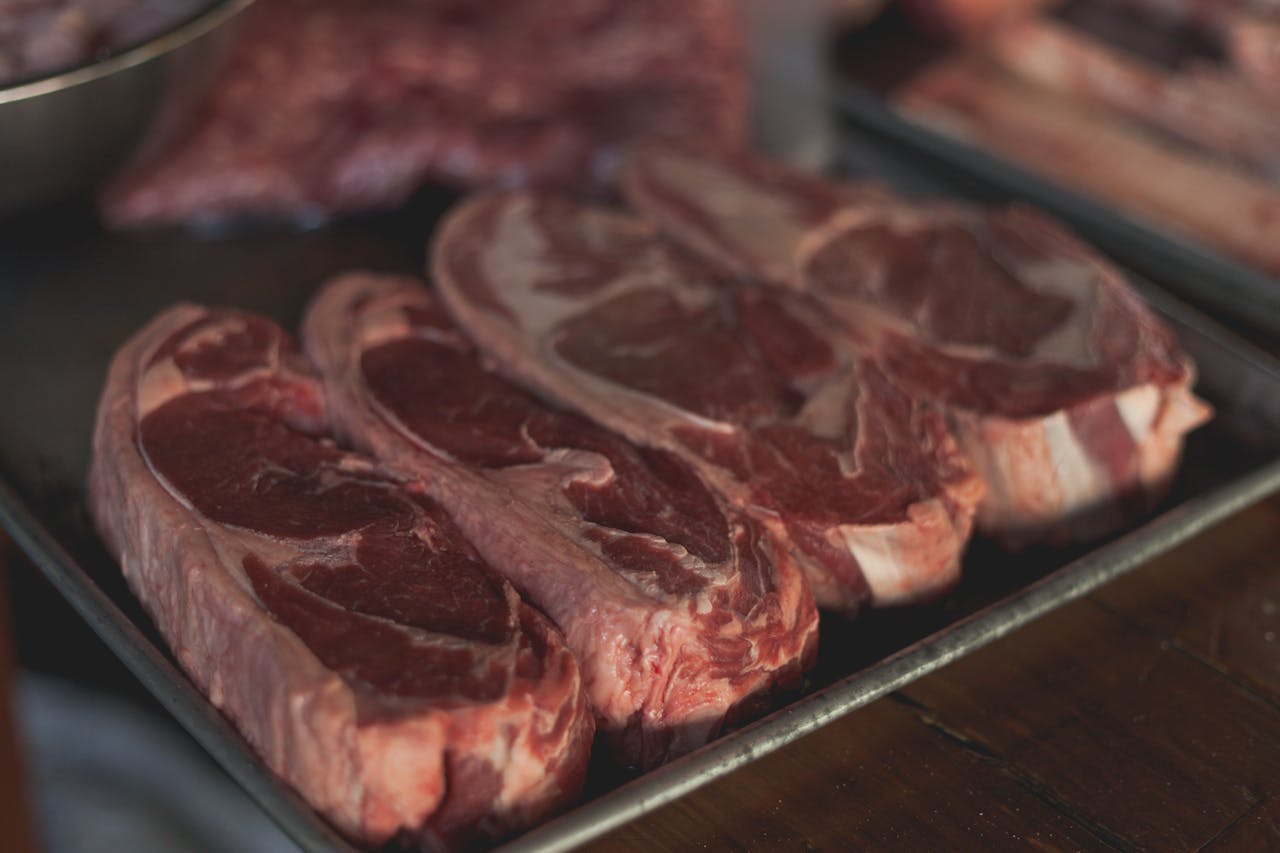
Rinsing raw steak in the sink is the one prep step chefs want gone for good.
Water does not wash away the bacteria that matter, but it does help them travel. Michigan State University notes sink splashing can spread microbes up to about three feet from the basin, reaching faucet handles, dish towels, and nearby counters where produce often waits.
Rinsing also leaves the surface wet, which delays browning and encourages steaming. A better routine keeps raw meat contained: set it on a clean plate, pat it dry with paper towels, season it, and move it straight to the heat with tongs, then wash hands and wipe the sink area right away.
Never Put Soap on Steak
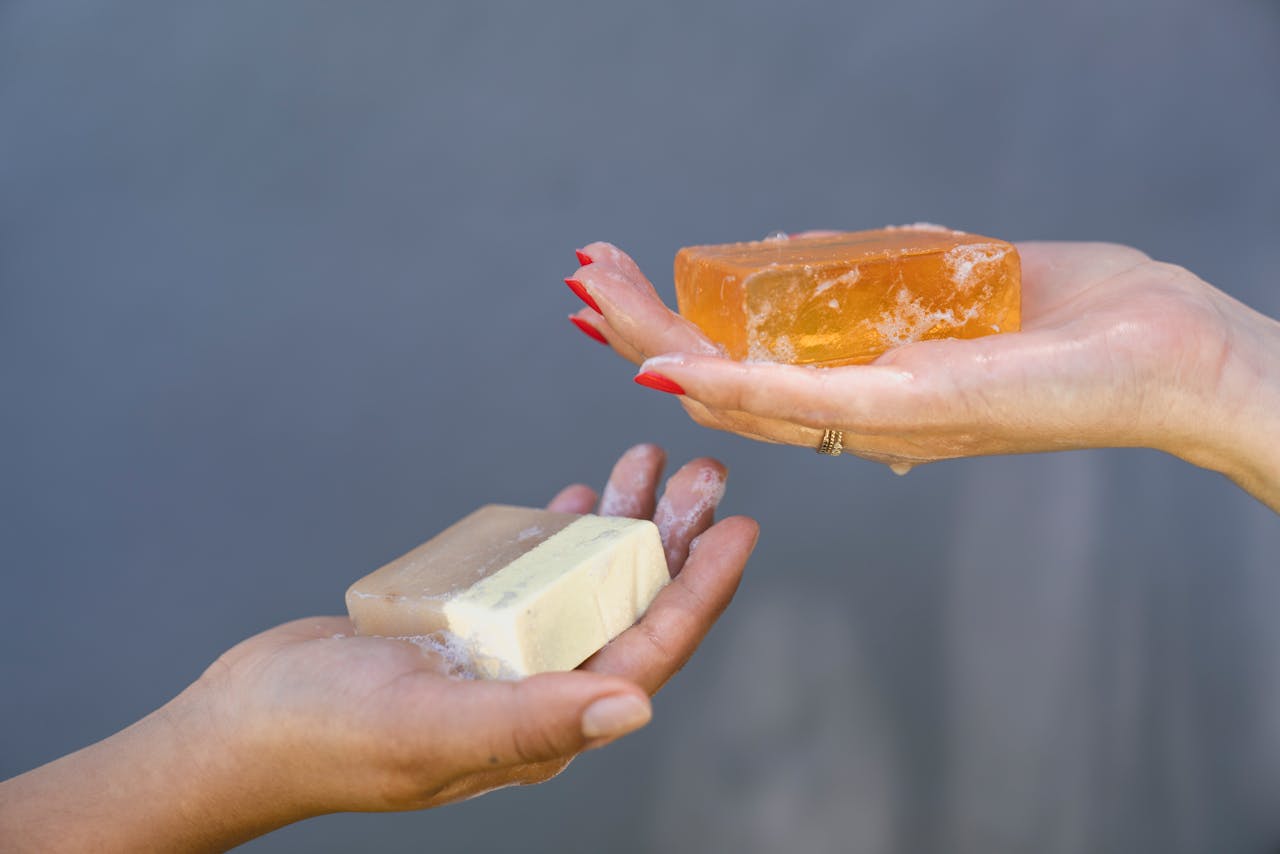
Soap has no place on steak, even when the sink rinse feels tempting.
Dish detergents are designed for plates and pans, not for food, and they can leave residues that do not belong on dinner. The bigger issue stays the same: washing creates splatter and extra contact points, so the kitchen ends up with more to sanitize, not less. Modern refrigeration and inspection already do the upstream cleaning.
Chefs treat safety as a handling problem, not a rinsing problem. The steak goes from package to plate to heat, with hands washed in between. Once it reaches the recommended internal temperature, the worry fades and flavor takes over.
Never Skip the Pat-Dry Step
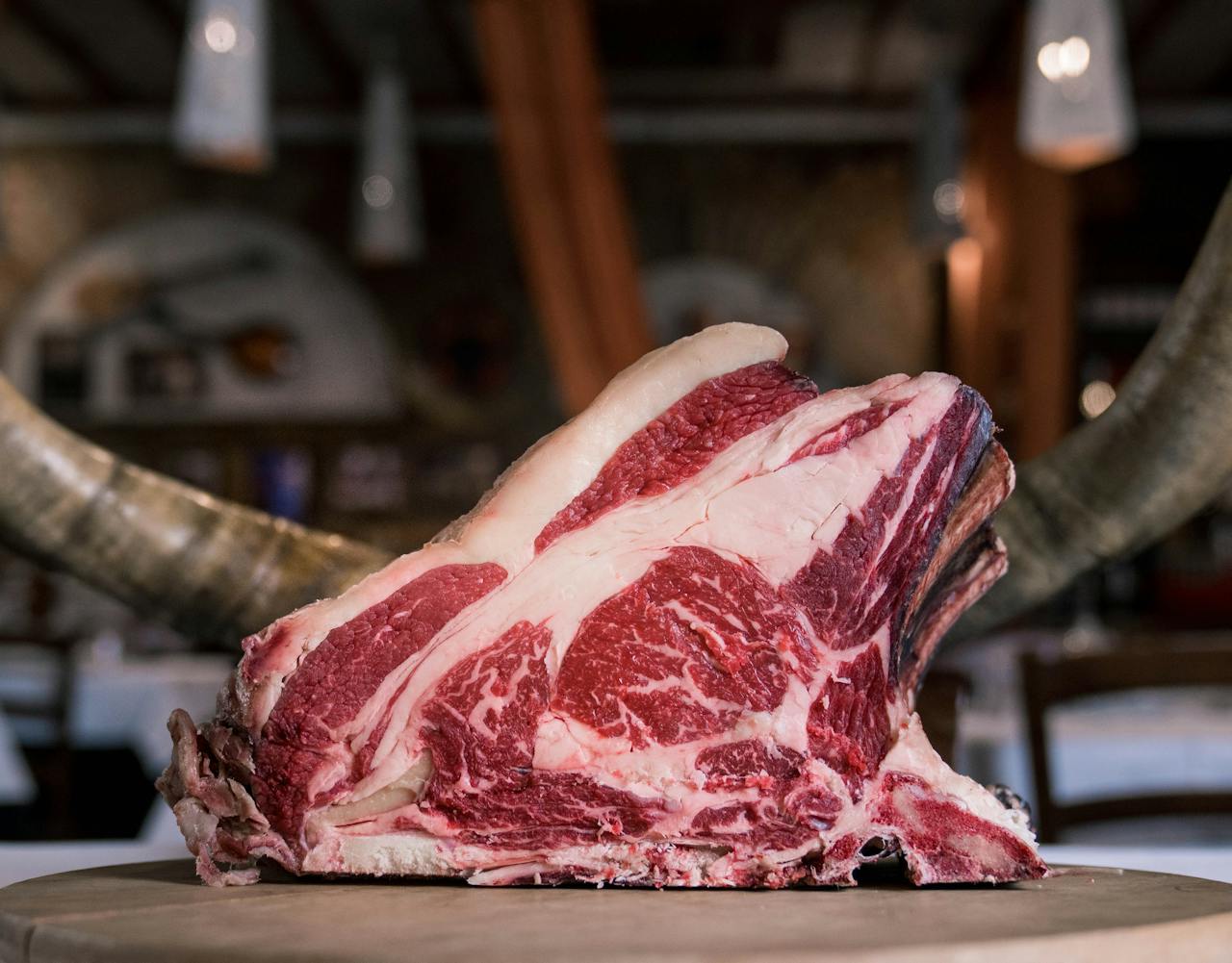
After the no-rinse rule, the most useful move is patting steak dry before seasoning.
Surface moisture fights the sear. A wet steak steams first, then browns late, which can push the interior past the desired doneness while the crust plays catch-up. Paper towels solve it fast, and they also keep drips from wandering across the counter. If the steak rests a few minutes after salting, the surface turns tacky, helping seasoning cling.
Chefs season on the same clean plate used for drying, then move to a preheated pan or grill. A thin film of oil and steady contact do the rest. The rhythm stays simple: dry, season, heat, and restraint.
Never Let Raw Steak Share a Lane With Ready Food
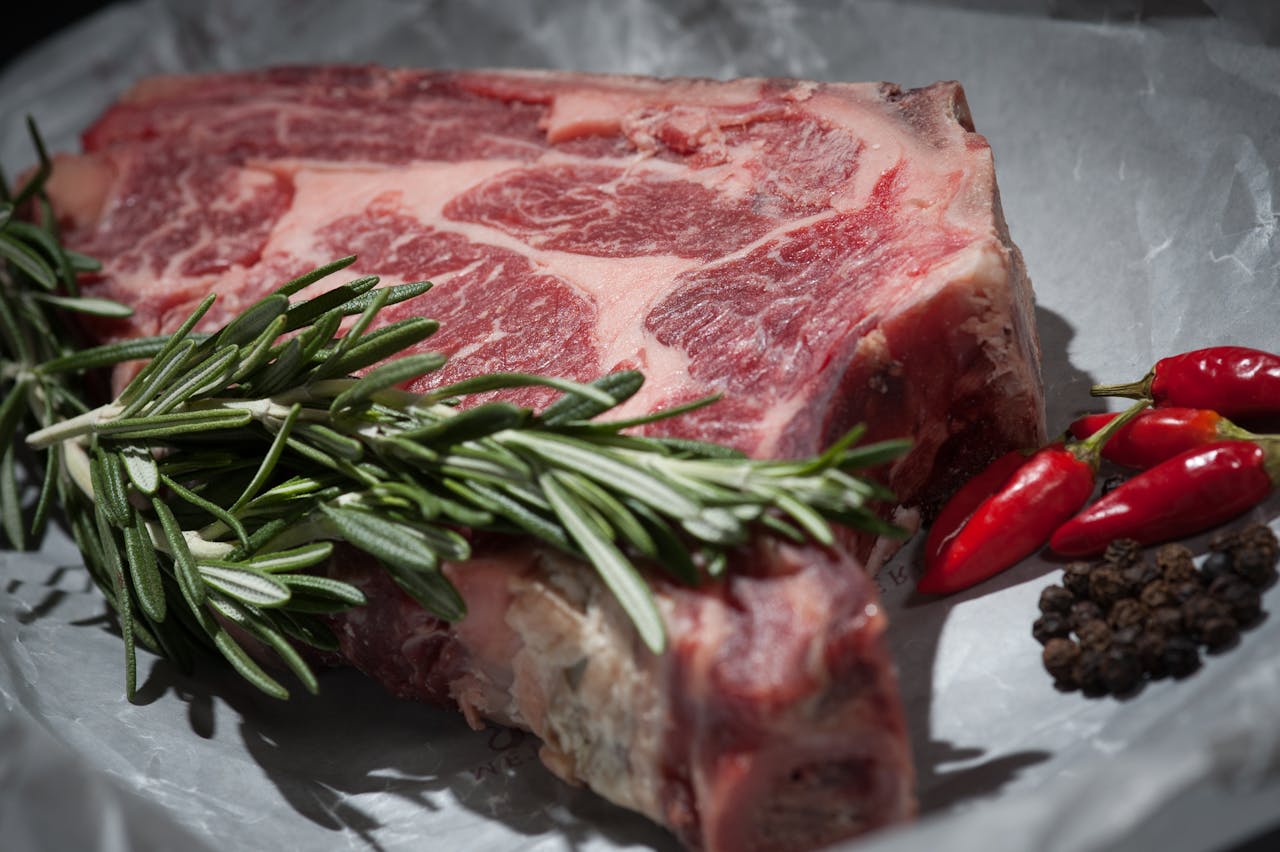
The sink rinse often comes from a fear of raw meat touching the rest of dinner.
Chefs solve that fear with boundaries, not water. Raw steak stays on one plate, one board, and one set of tongs until it hits the pan. In the fridge, it stays sealed low. Anything headed for the table, salad greens, herbs, bread, gets a clean lane with no overlap, so a single drip cannot turn into a quiet problem.
Once the steak is cooked, it moves to a fresh plate, never back to the raw one. That simple swap prevents the most common home-kitchen mistake: letting cooked food pick up risk from a surface that looks clean but is not.
Never Guess the Center Without a Thermometer
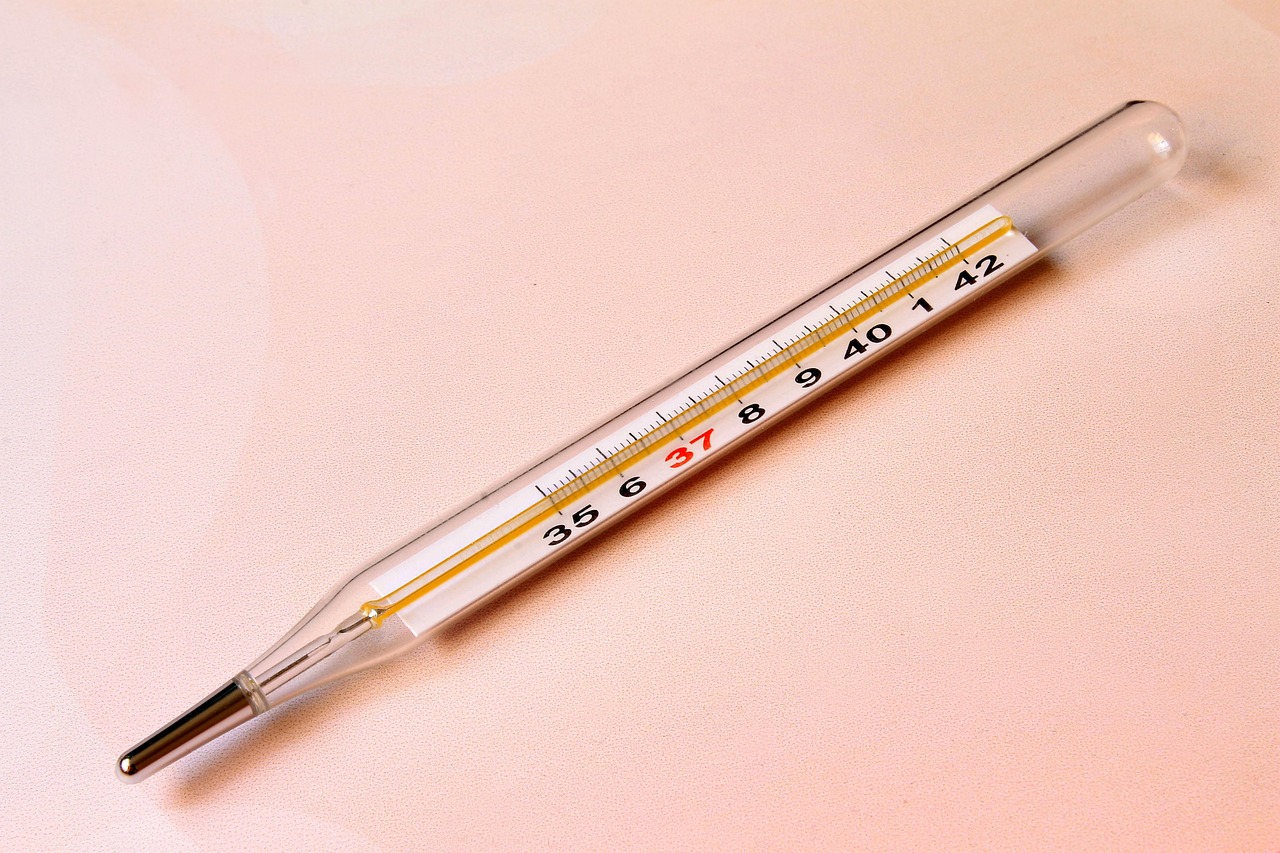
A thermometer is the quiet hero of steak safety, especially when the cut is thick.
USDA guidance recommends a minimum internal temperature of 145 degrees Fahrenheit, followed by a three-minute rest. That lands near medium to medium-well for most cuts. An instant-read thermometer makes the target simple: it checks the thickest part, away from bone and heavy fat, and removes the guesswork that leads to undercooking.
Chefs still use touch and timing, but they treat them as cues, not proof. A quick temperature check protects both the meal and the mood, so the cook can focus on crust and aroma instead of second-guessing the center.
Never Rush the Rest
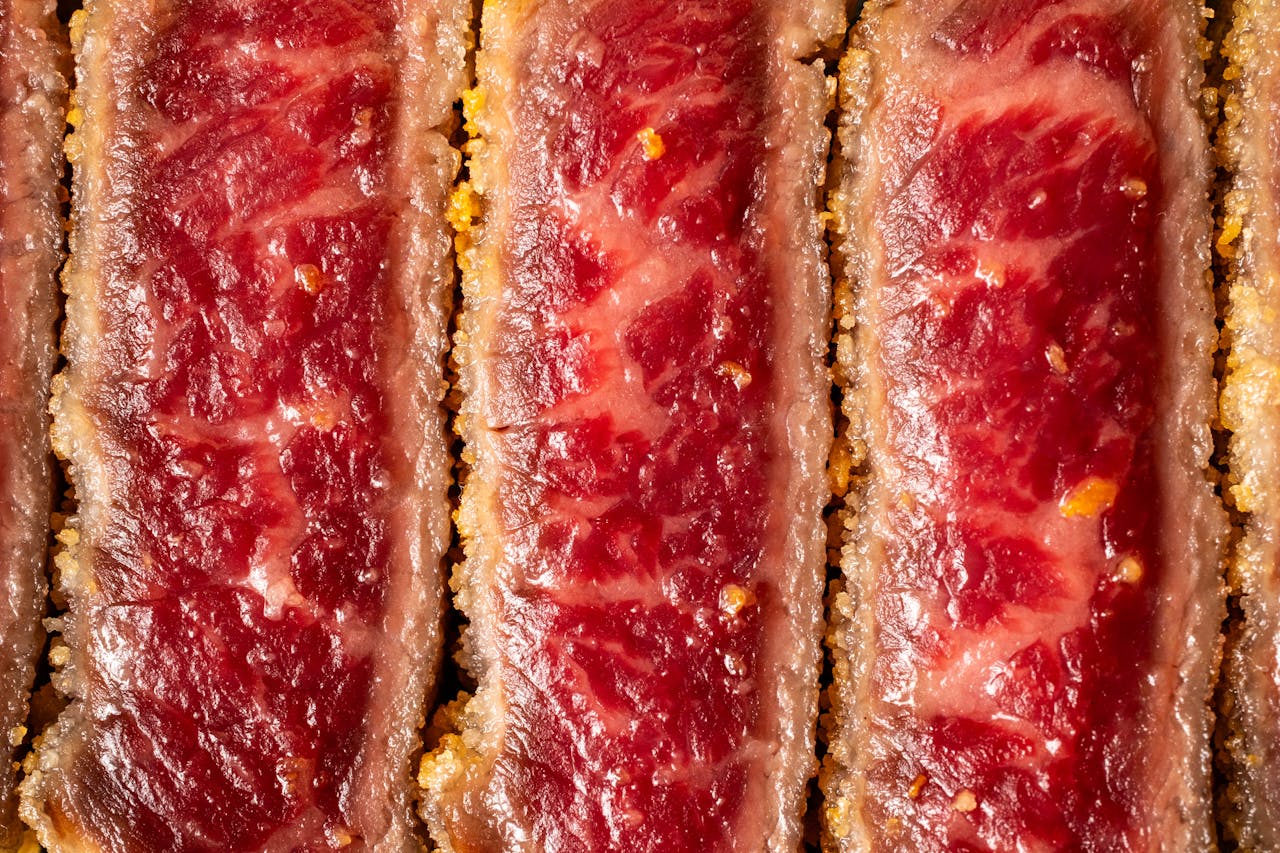
Resting is where a steak settles into itself, and chefs treat it as part of the cook.
After the sear, the surface is hotter than the center, and a short rest helps temperatures even out. It also keeps juices from spilling onto the board the moment the knife touches, which is why rushed slicing often looks dramatic but tastes drier.
USDA’s guidance pairs the 145-degree finish with a three-minute rest, and that pause fits naturally into plating. While the steak waits, the cook can wipe down the station, swap plates, and bring sides together, then slice with clean, steady confidence. A loose foil tent keeps it warm on the plate.
Never Forget the Small Touch Points
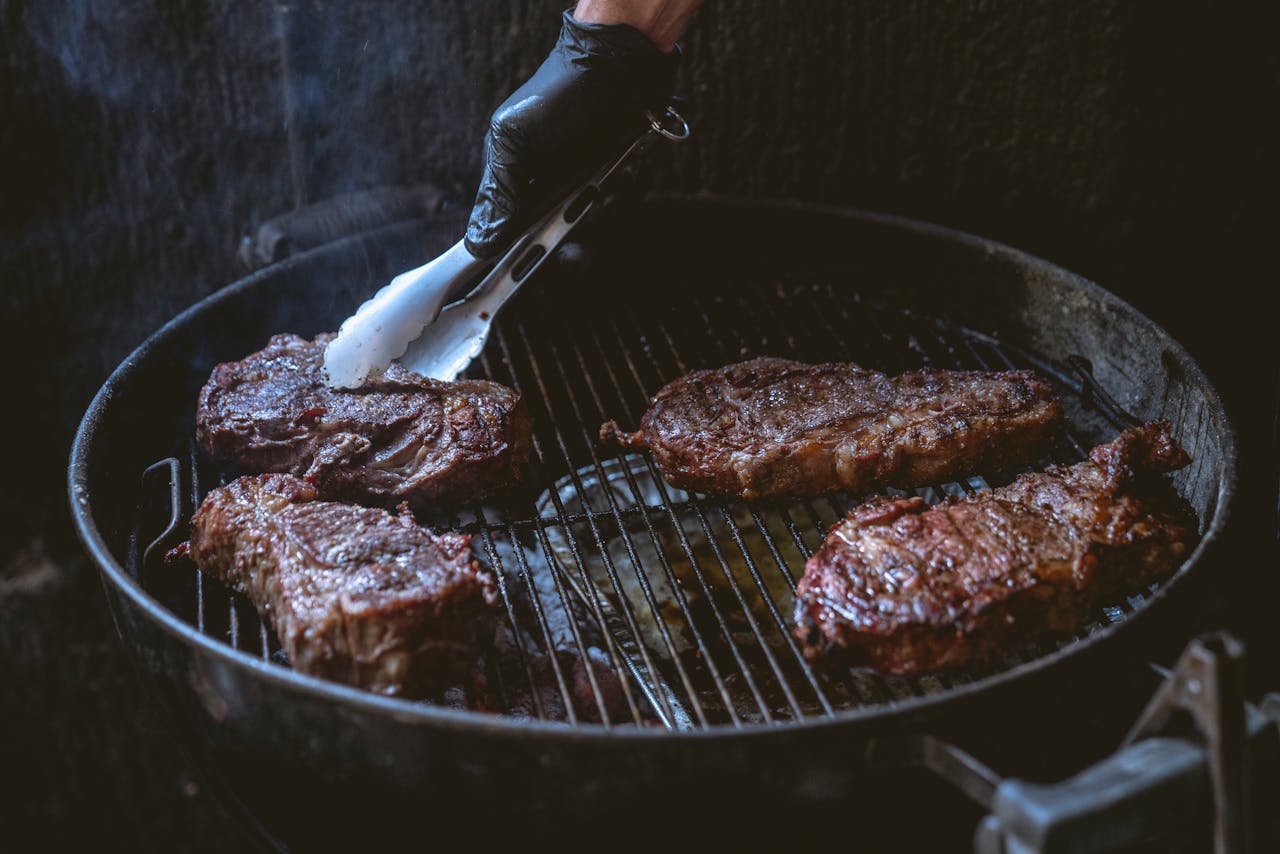
Once raw steak is handled, the smartest habit is cleaning the touch points that get forgotten.
Hands need a full 20-second wash with soap and warm water, including fingertips and under fingernails, then drying with a paper towel. Tools and counters that met raw meat should be washed with hot, soapy water, and the sink area deserves attention too, since that is where splashes tend to land.
Chefs keep the routine light but consistent: one wipe down now prevents a chain of small contacts later. It also keeps the kitchen ready for the next step, like tossing a salad or slicing fruit, without hesitation. Dish towels get swapped often.
Never Thaw in a Way That Creates a Mess
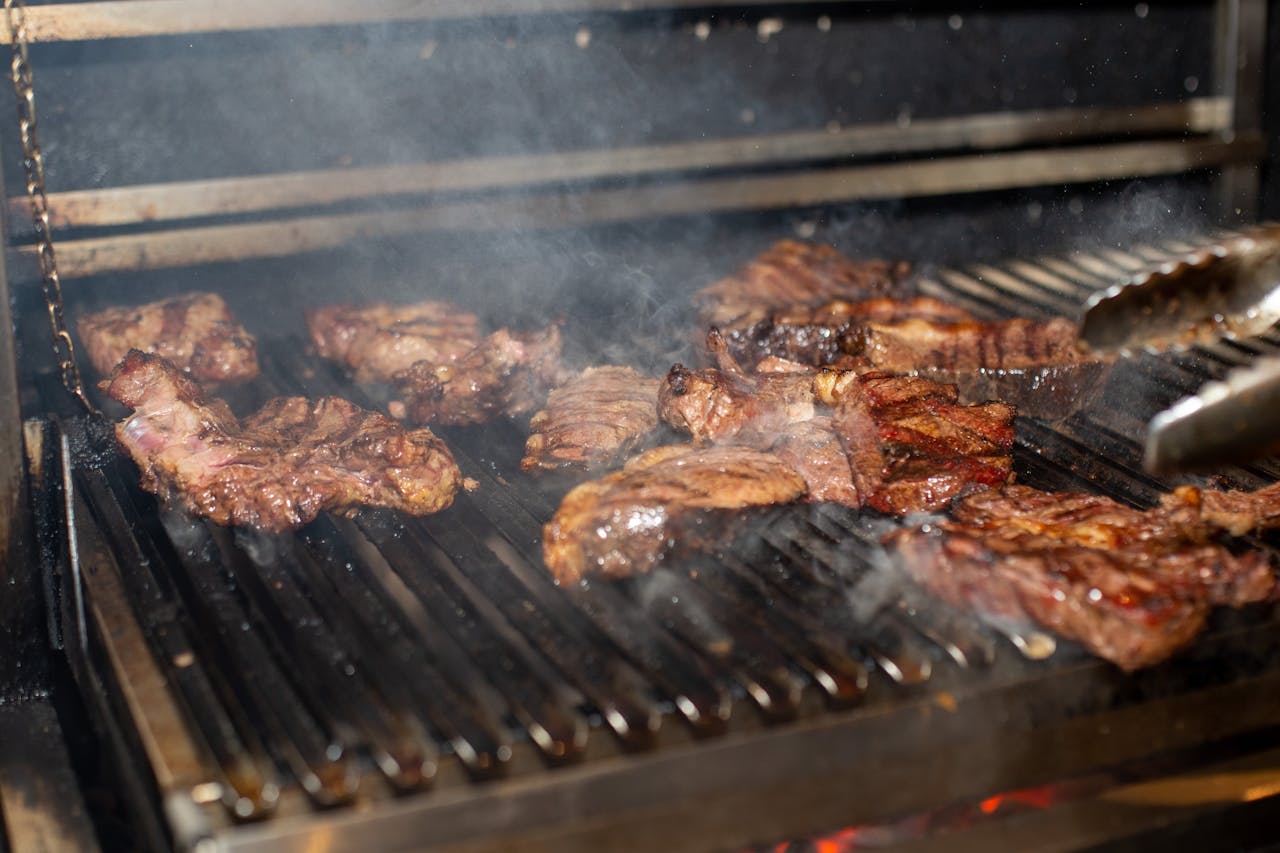
Good steak prep starts earlier than the pan, with how the meat is stored and thawed.
Chefs keep raw steak sealed and set low in the refrigerator so juices cannot drip onto ready-to-eat foods. If the steak is frozen, thawing in the fridge keeps it out of the temperature range where bacteria multiply faster, and it avoids the messy counter puddle that invites rushed rinsing.
That steady approach makes the cooking moment simpler. The package gets opened over a plate, the steak is dried and seasoned, and everything else on the counter stays clean. The sink can stay quiet, doing dishes instead of hosting raw meat for once.
Never Start Cooking Before the Heat Is Ready
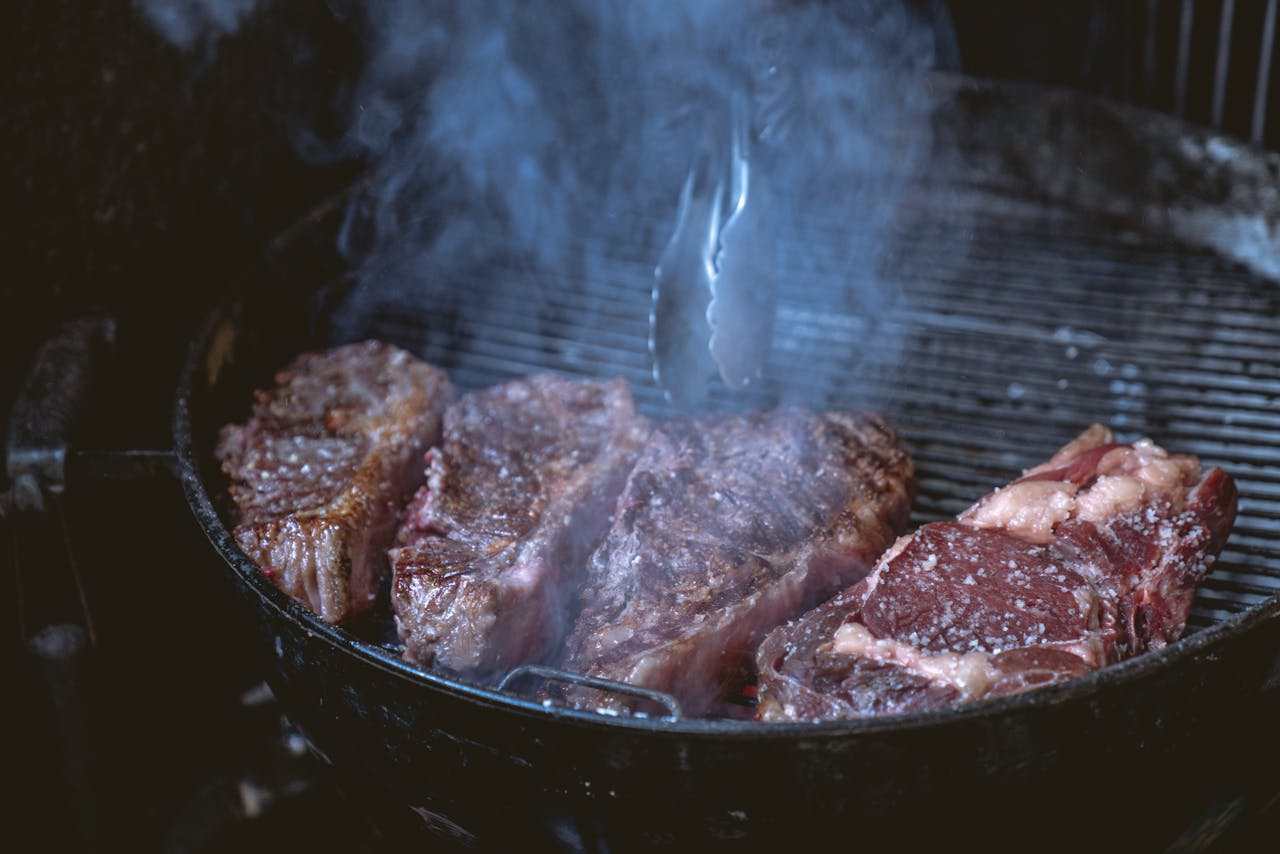
Heat is the only step that truly changes what is happening on a steak’s surface.
A properly preheated pan or grill quickly browns the exterior, and that high heat reduces bacteria on the outside far more effectively than a rinse ever could. Starting with a dry surface helps the crust form sooner, which means less time in the pan and a better chance of keeping the interior tender.
Chefs watch for steady sizzle, not frantic smoke, and they avoid crowding so moisture can escape. When the heat is right, flipping feels deliberate, and the steak develops color and aroma without turning the kitchen into a splashy cleanup zone.