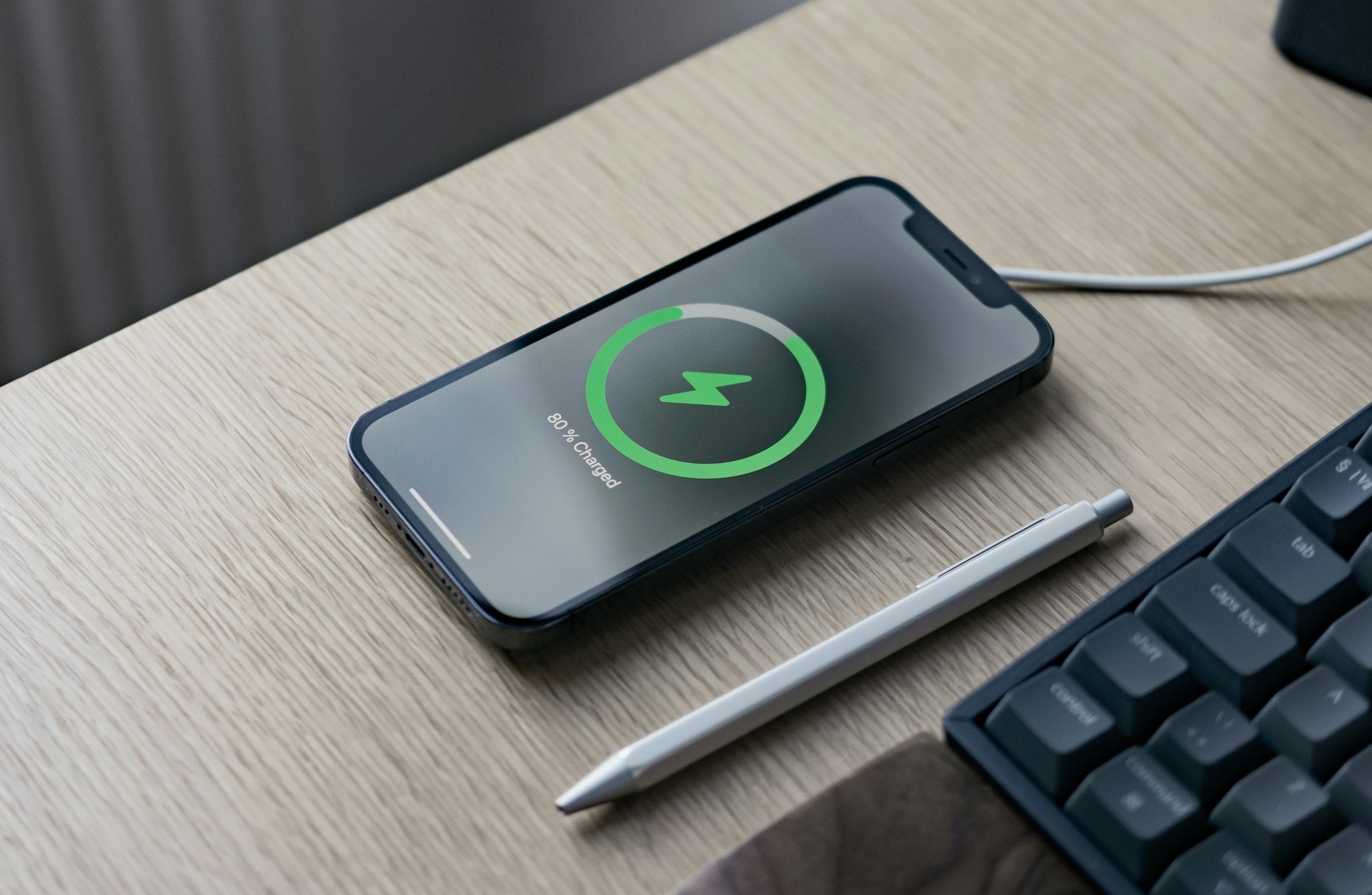
Most households still plug in before bed and wake up to a full battery because that routine feels dependable. It removes uncertainty, supports long workdays, and seems harmless in the moment. The issue is not one full charge, but repeating full-charge dwell every night for years while the phone sits warm and idle.
Battery engineers describe a quieter tradeoff: lithium-ion cells age faster when they spend long periods at high voltage, and heat makes that aging worse. A more balanced routine keeps daily reliability high while slowing capacity decline over the life of the phone, without adding friction to ordinary use at home.
High State of Charge Quietly Increases Wear
Charging to 100 percent is not a sudden failure trigger, but it does increase stress compared with stopping lower on routine days. At higher state of charge, side reactions inside the cell rise, and those small reactions compound over months into lower capacity and shorter evening runtime, even when the phone still feels normal.
Research literature on lithium-ion aging consistently links higher state of charge with faster degradation under similar conditions. That is why current longevity guidance focuses on reducing unnecessary time at full charge, rather than treating 100 percent as forbidden in every situation for every household.
Heat Multiplies the Same Charging Stress
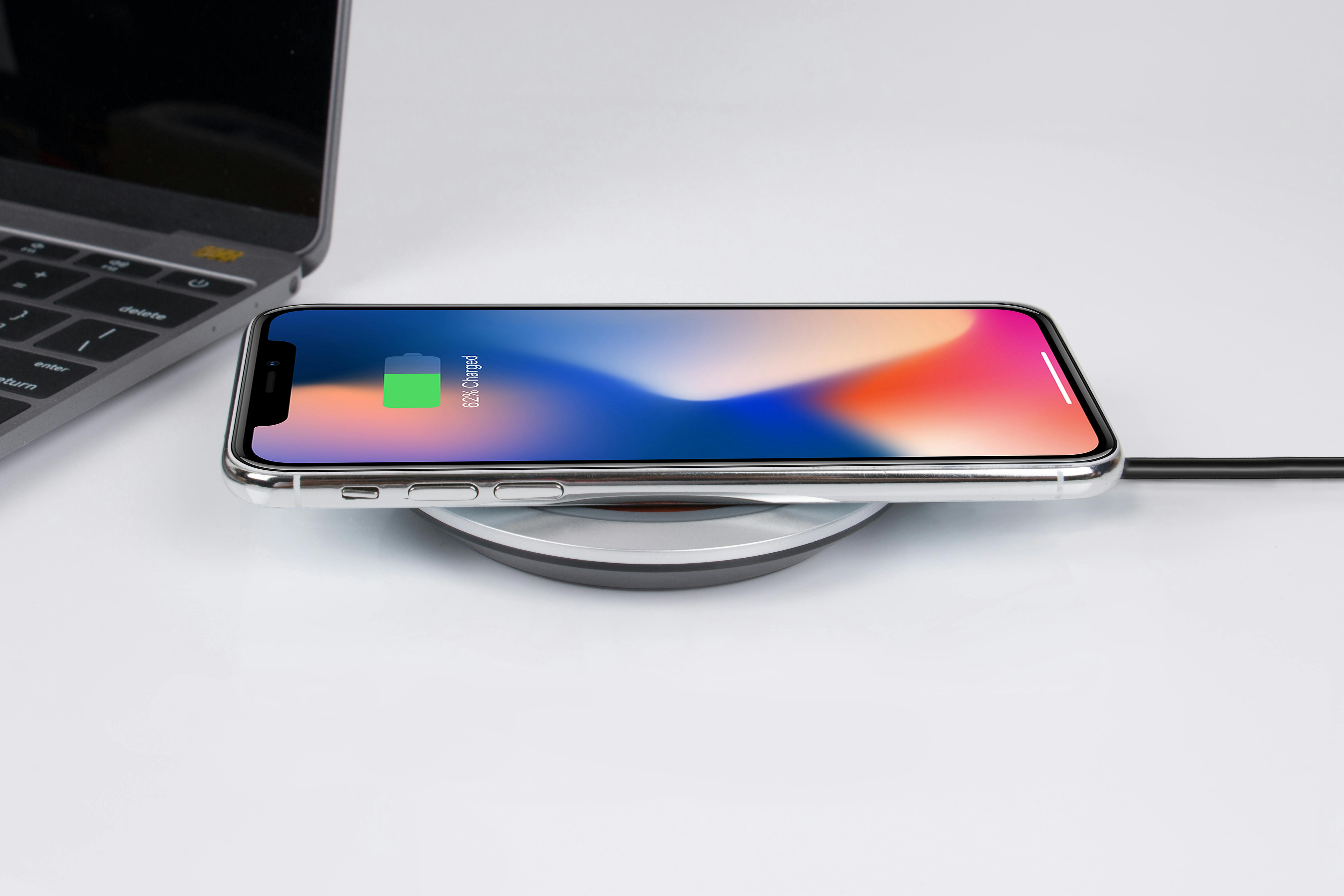
Heat is often the stronger villain in everyday battery decline. A phone charging under a pillow, in direct sun, or inside a hot car can accumulate extra stress quickly, especially when it also sits near 100 percent for long stretches overnight. Warm surroundings quietly turn routine charging into heavier chemical wear.
Apple and Google both advise cooler charging conditions and note that extreme temperatures can reduce long-term battery health. In practical terms, airflow and ambient temperature matter almost as much as charging percentage, because thermal stress multiplies voltage-related wear across months of normal use.
The Real Risk Is Dwell Time, Not Old-Style Overcharging
Many users still worry about old-style overcharging, but modern phones are designed to stop active charging when full. The hidden issue is maintenance charging, where tiny top-ups keep the battery at maximum for hours. That pattern is convenient, yet it extends high-voltage dwell time night after night in the background.
Manufacturers now frame the fix as timing, not fear. Full charge is useful before travel or heavy-use days, while lower limits on normal days reduce cumulative stress. This approach keeps convenience intact and shifts battery care from anxiety toward simple, repeatable habit design that families can actually keep and trust.
Smarter Daily Targets Are Now Built In
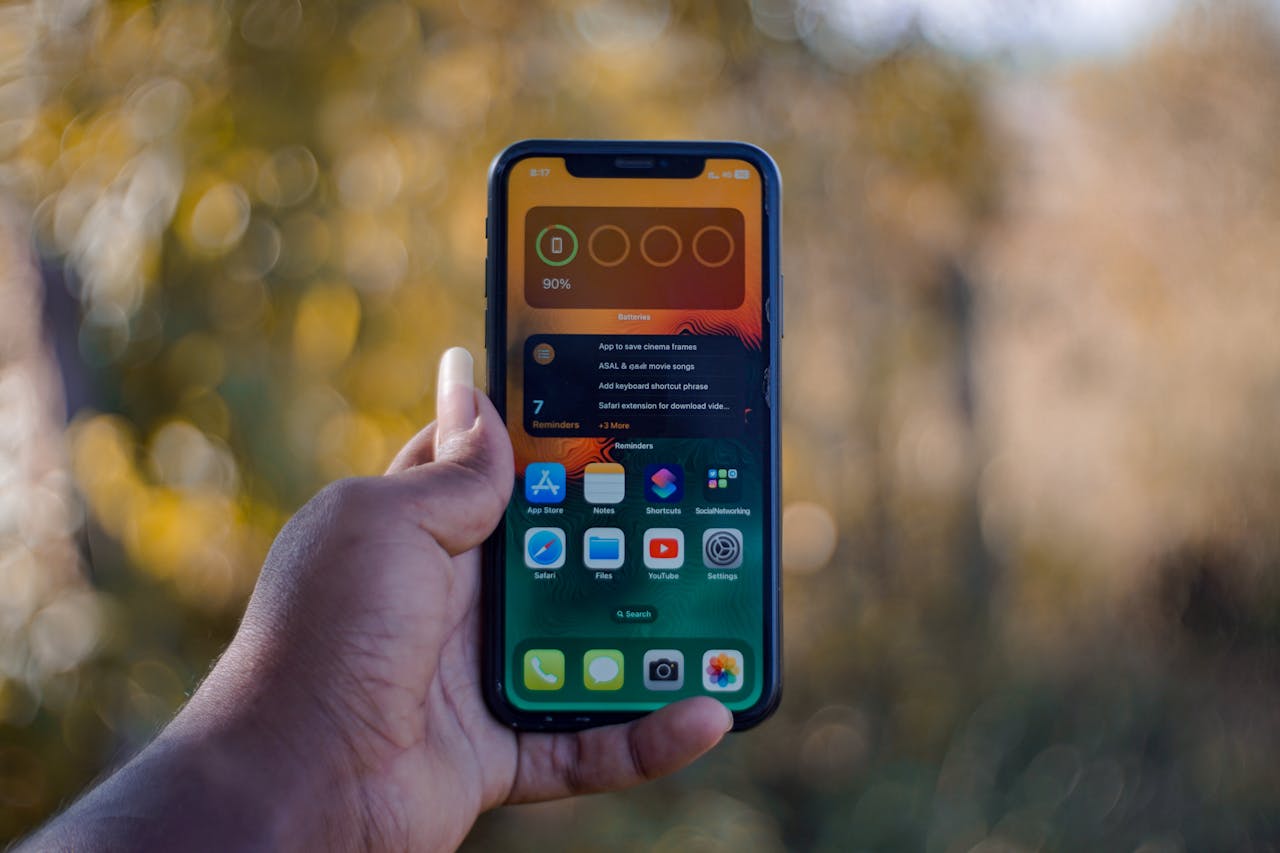
The middle range between very low and very high charge remains the most practical target for long-term health. Engineers often cite roughly 20 to 80 percent, or up to 90 percent when extra runtime is needed, because this avoids prolonged extremes that accelerate wear and reduce usable capacity over time.
Google now includes optimization tools and 80 percent limits on supported Pixel devices, and Apple offers optimized charging behavior plus selectable charge limits on newer models. These features exist because the science is settled enough to be built into everyday phones, not hidden in enthusiast forums anymore for power users.
Fast Charging Is Useful but Best Used Strategically
Fast charging is useful and generally safe within manufacturer controls, yet frequent high-power charging can increase heat and electrochemical stress over time. The degradation effect is gradual, but daily reliance on maximum-speed charging tends to age batteries faster than gentler patterns, especially in warmer environments.
A balanced routine works better: normal-speed charging when time allows, fast charging when schedules demand it. This keeps real-life flexibility without turning every charging session into a thermal event, and it helps preserve capacity through the second and third year of ownership for typical users.
Avoiding Extremes Usually Improves Long-Term Stability
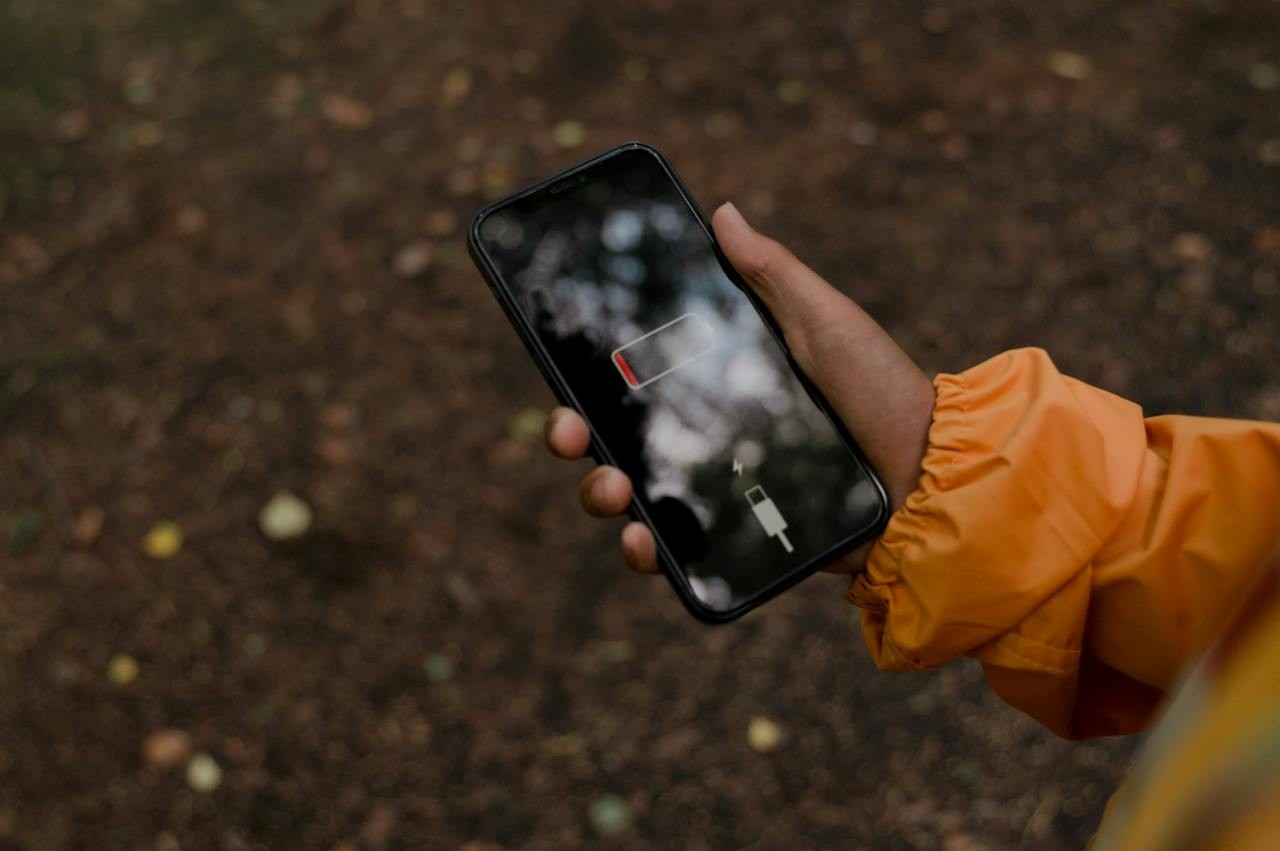
Deep drains to zero are another habit worth reducing. Modern lithium-ion phones do not need regular full-discharge cycles for health, and repeated near-empty use can add unnecessary strain, especially when followed by hot, rapid charging back to full. Big swings feel dramatic, but they are rarely helpful over time.
Steady top-ups are usually kinder to battery chemistry than extreme cycles. Households that avoid both ends, very low and always full, often report more stable runtime and fewer surprise shutdown moments as phones age. Consistency beats perfection in long-term battery care, and it is easier to sustain for busy families.
Software Tools Now Carry Most of the Work
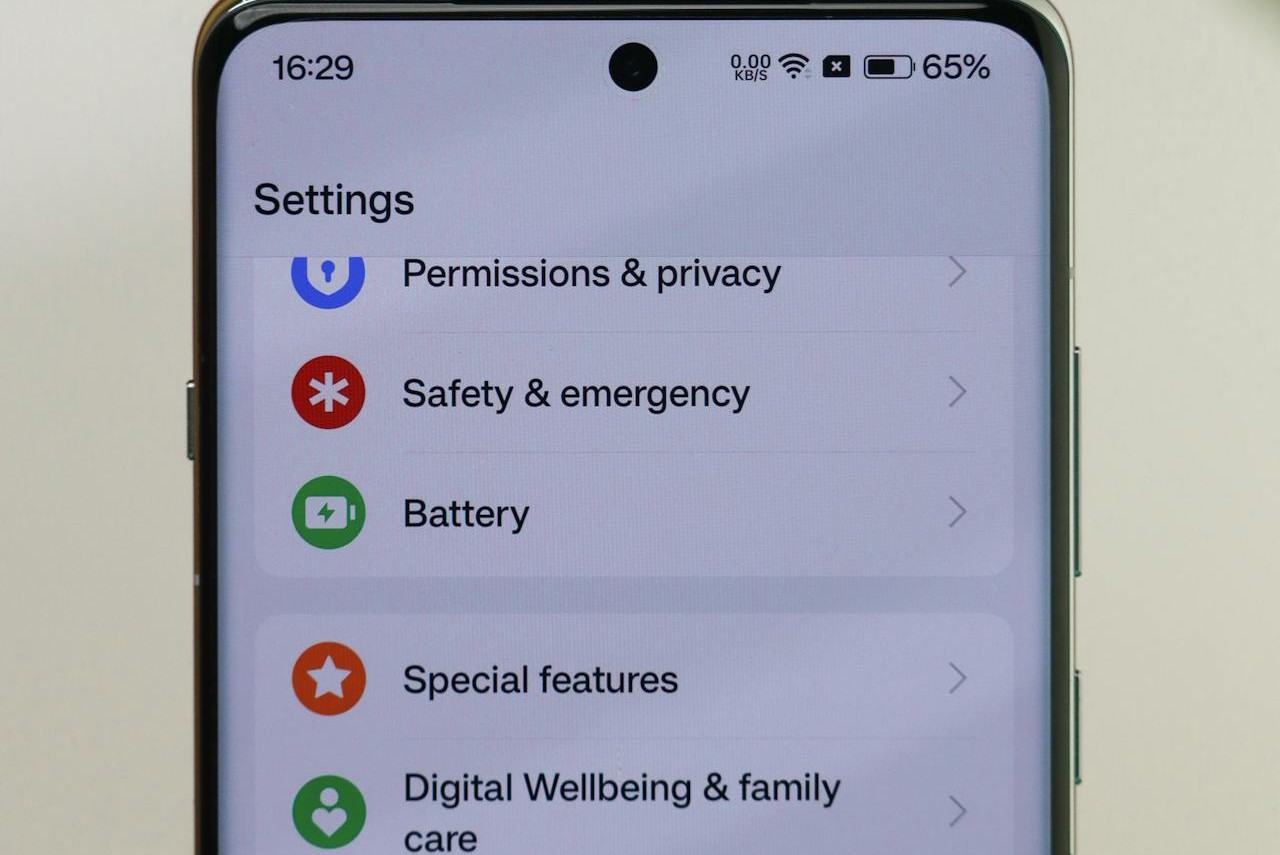
Battery-health settings have made smarter charging easier than ever. iPhone Battery Health tools, Pixel charging optimization, and Samsung battery protection modes convert technical advice into default behaviors that run quietly in the background and reduce the need for constant manual decisions.
That matters because most people do not want to micromanage percentages every day. With sensible defaults, the phone handles timing while users keep normal routines. Better software does not stop aging, but it slows the slope enough to keep daily performance reliable for longer without extra mental load or unnecessary complexity.
The Best Routine Is Flexible, Not Rigid
The core message from engineers is practical, not strict. Charging to 100 percent is appropriate before mission-critical days, long travel, storms, or heavy camera and navigation use. The risk appears when full charge becomes the automatic nightly default regardless of real demand or actual battery needs.
A healthier pattern is situational charging: cap routine days, go full when needed, keep the phone cooler, and avoid frequent deep drains. Those small choices rarely feel dramatic, yet over hundreds of cycles they can preserve noticeable battery life and reduce replacement pressure without sacrificing convenience or confidence at all.