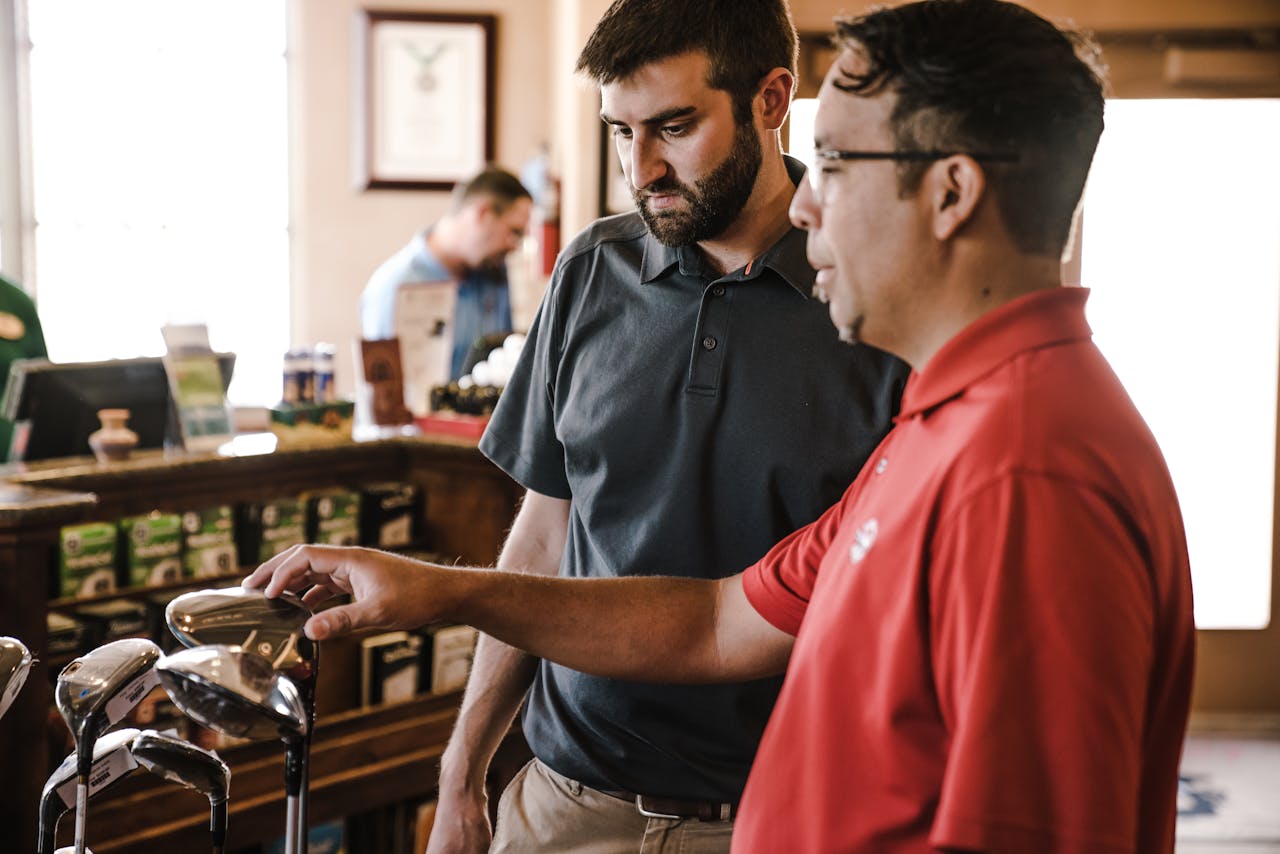
Retail floors run on tiny acts of cooperation: a folded sweater put back, a cart returned, a quick question asked with patience. When those acts disappear, the day turns into a constant reset, and the work becomes less about helping shoppers and more about repairing messes. Behind every neatly faced shelf is a worker juggling stock, returns, and a line that never quite ends. During holiday weekends and back-to-school surges, the margin for chaos shrinks to seconds. Small choices at the register, in fitting rooms, and along aisles decide whether a store feels calm or frantic, and whether staff can stay kind for everyone.
Abandoning Carts Outside the Corral
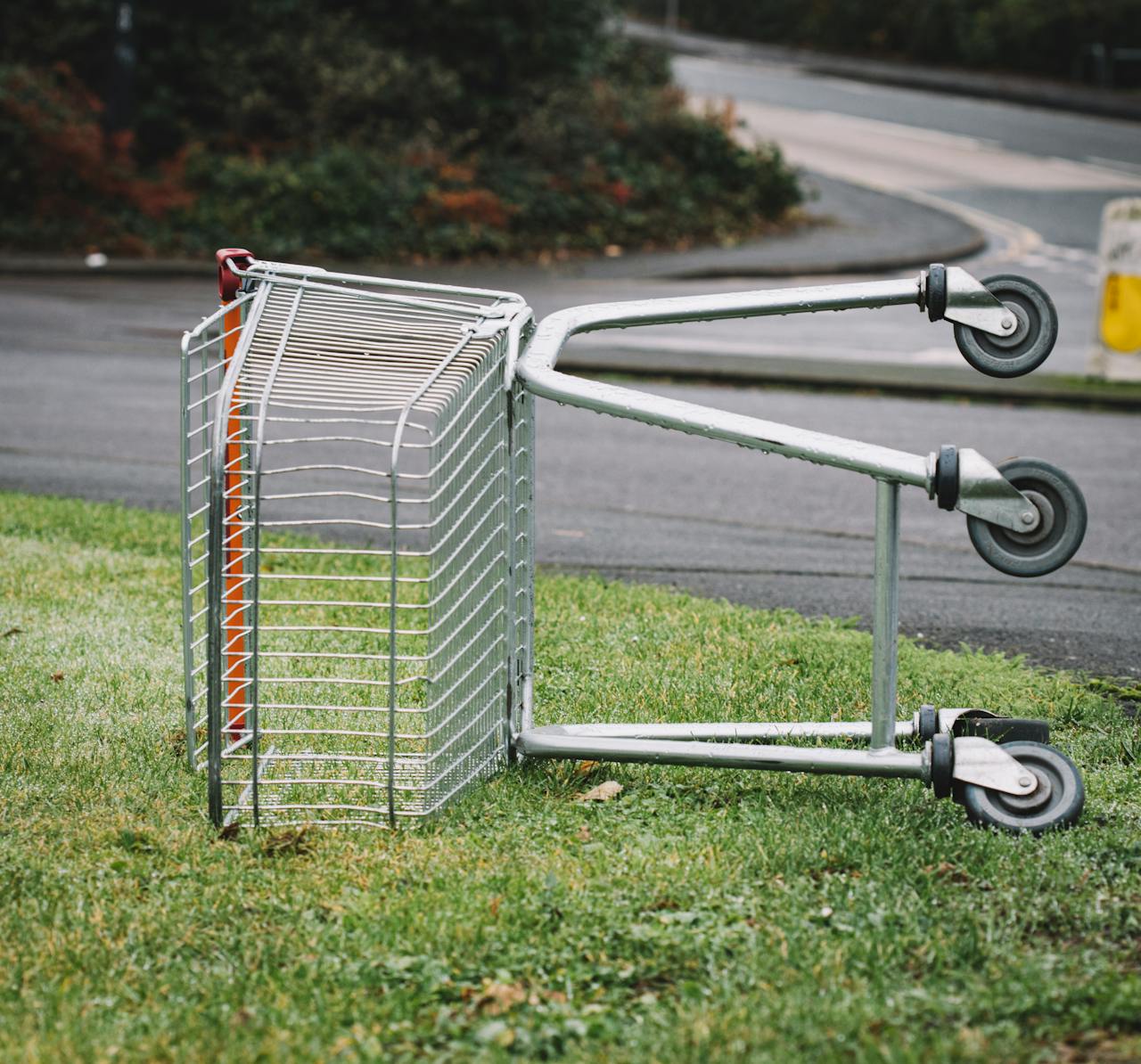
A cart left sideways in a parking lot lane becomes an obstacle course, and someone on a tight schedule usually pays the price first. Staff end up sprinting outside to corral loose carts before they clip bumpers, block accessible spaces, or rattle into the roadway, even in heat, rain, or a late-night rush, while registers keep calling for backup. Inside, abandoned carts pinch aisles, snag strollers, and slow restocking runs, so a simple return to the corral or entrance quietly rescues the rhythm, safety, and mood of the whole shift, and prevents apologies for messes no one chose to begin with, especially on busy weekends.
Dumping Cold Items on Random Shelves

A pint of ice cream tucked behind cereal or a pack of chicken left among socks is not just messy; it can turn into wasted food and a safety headache. Workers have to trace what stayed cold, what warmed up, and what must be discarded under food-safety rules, because one forgotten item can leak, smell, or quietly raise temperatures in a shared cooler. During crowded weekends, those cleanups steal time from stocking fresh produce and checking dates, so handing an unwanted cold item to a cashier or return bin keeps shelves orderly and keeps edible groceries out of the trash before the next rush hits and the cycle repeats.
Dropping Products in the Wrong Aisle

When shoppers set lipstick on a candy rack or drop shoes into the pet aisle, the store’s inventory starts lying, even though the barcode is still real. That misplacement creates a chain reaction: an online pickup gets canceled, a customer hears “out of stock” while the item sits three aisles away, and staff spend closing time scanning shelves, fixing counts, and answering the same question with calm. In stores where every minute is tracked, those searches replace service, so returning products to the correct peg, table, or rack keeps the floor shoppable and keeps workers from staying late to untangle a preventable puzzle.
Leaving Fitting Rooms in Shambles

A fitting room can look like a tornado passed through when hangers pile up, jeans turn inside out, and rejected tops slide into a corner. Workers then have to rehang, refold, and inspect each piece for pins, makeup marks, or missing tags before it can return to the floor, and that slow reset backs up lines when only a few rooms are open. Late in the day, those piles follow staff to closing, along with stray receipts and packaging, so rehanging items, zipping garments, and leaving unwanted pieces on the designated rack keeps the space calm, and keeps sizes available sooner for the next person and the next rush. Too.
Opening Sealed Packages to Peek

Tearing open a sealed box to “just check” the color or fit often turns a perfectly sellable item into a return, even if it gets put back on the shelf. With electronics, toys, and small hardware, staff then have to hunt for missing parts, re-bag screws, tape torn edges, or mark the item down as open-box, while explaining to managers why the count no longer matches. During busy hours, that detective work competes with real help at the counter, so asking for assistance, using a display model, or scanning a product image keeps merchandise intact and keeps markdown carts from filling up and keeps shoppers’ trust in what is new.
Paying With a Pile of Loose Change

Paying with cash is normal, but dropping a loose mountain of coins on the counter during a packed line turns one transaction into a bottleneck. Workers still have to count accurately, sanitize sticky change, and keep the drawer balanced to the cent, all while other customers sigh, tap screens, and ask why the lane is not moving, and while the next register light keeps flashing for help. On days when dozens of tiny delays stack up, a little organization matters, so sorting coins, stating the amount being handed over, or choosing a faster split payment keeps the checkout moving with less tension for everyone around.
Fighting Posted Policies at the Counter

Few things drain a counter faster than a long argument over a policy printed on the receipt, posted at the door, and repeated on the website. Workers rarely write the rules, but they absorb the frustration, call supervisors, and pause the line while an expired coupon, a missing tag, or a return outside the window is debated as if it were a courtroom case. In most stores, the fastest path is calm clarity: a receipt in hand, a brief explanation, and a willingness to hear options like store credit or an exchange, which keeps dignity intact and keeps the line from turning sour before tempers rise on both sides at all.
Letting Displays Become Play Zones

Displays are built to sell, not to survive climbing, sprinting, or toy tossing, yet many stores see the same scene: boxes crushed, signs bent, and fragile items scattered. Workers then gather broken pieces, reface shelves, and log damage, sometimes while keeping other shoppers safe from sharp edges, spills, or products rolling underfoot during a rush. Seasonal setups, from candy towers to back-to-school endcaps, topple easily, so calm supervision and a quick redirect toward demo tables or wider aisles keeps the space welcoming, and keeps staff from doing constant cleanup triage from opening to close, every hour too.
Summoning Staff Like a Loudspeaker

Nothing sours a sales floor faster than being summoned with snaps, whistles, or a barked “help” from across the aisle, as if the room were a stage and staff were props. Workers are often balancing a fitting-room call, a register backup, and a stock cart, and they may be mid-sentence with another customer, so abrupt demands force an awkward choice and raise the temperature of the area. Good service usually starts with courtesy: waiting for eye contact, asking a specific question, and accepting that an answer might take a minute, which keeps the store calm and makes help feel like a collaboration, not a power move.
Blocking Aisles With Group Huddles

Aisles are narrow by design, so a group stopped shoulder-to-shoulder to debate options can turn basic shopping into a slow parade, especially near endcaps and cross-aisles. Workers pushing stock, customers using mobility aids, and parents steering strollers end up circling or squeezing past, and tension rises even when no one says a word, because each pause blocks several other tasks at once. When conversations shift to the side, carts park parallel to shelves, and phones stay out of the main flow, the store stays navigable, and employees can stock, scan, and assist without constant detours or near-misses all day.