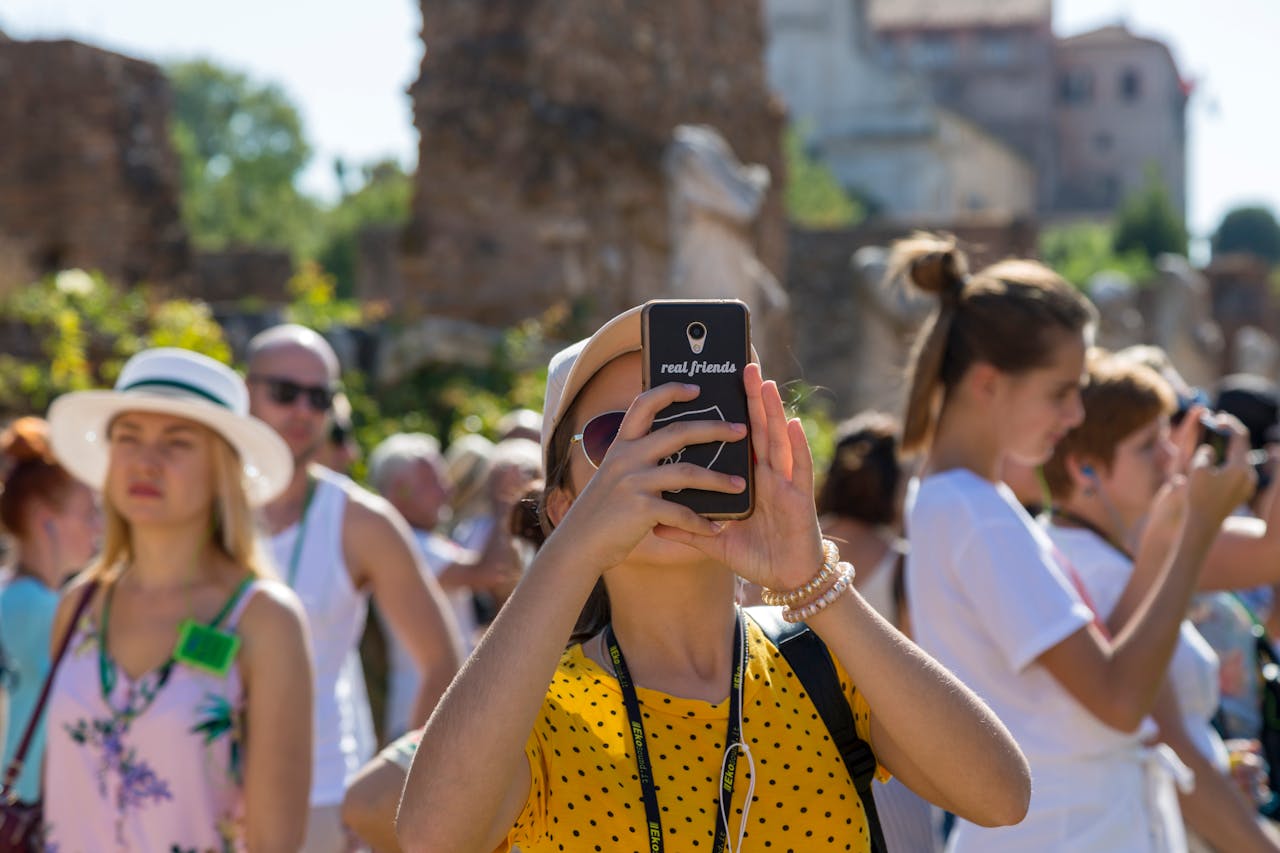
Peak season used to feel like a civic victory. Now, in a growing list of places, it lands like a stress test. Streets clog, buses stall, and neighborhoods built for families start serving suitcase turnover. Residents are not mad at curious strangers; they are tired of policies that reward volume while shifting the costs to locals. The pushback shows up as caps, fees, stricter rules, and blunt signs that say: slow down, behave, and leave room. For travelers, the new reality is simple: a trip is no longer just a booking, it is a relationship with a place that has limits and routines worth protecting. That mood is spreading.
Barcelona Turns Housing Into The Flashpoint

Barcelona’s tension is rooted in housing, not hashtags. When whole blocks flip to short stays, the city loses teachers, baristas, and the older neighbors who keep street life steady, then the sidewalks fill with rolling bags at midnight. The response has been louder rules and louder street voices: tighter limits on tourist apartments, crackdowns on illegal listings, and pressure to thin out cruise and day-trip surges that hit all at once. What it really signals is a city trying to make rent, sleep, and dignity nonnegotiable again. Visitors still fit, but the old idea that every extra guest is pure gain is gone. Now.
Venice Makes Day Trips Pay Attention
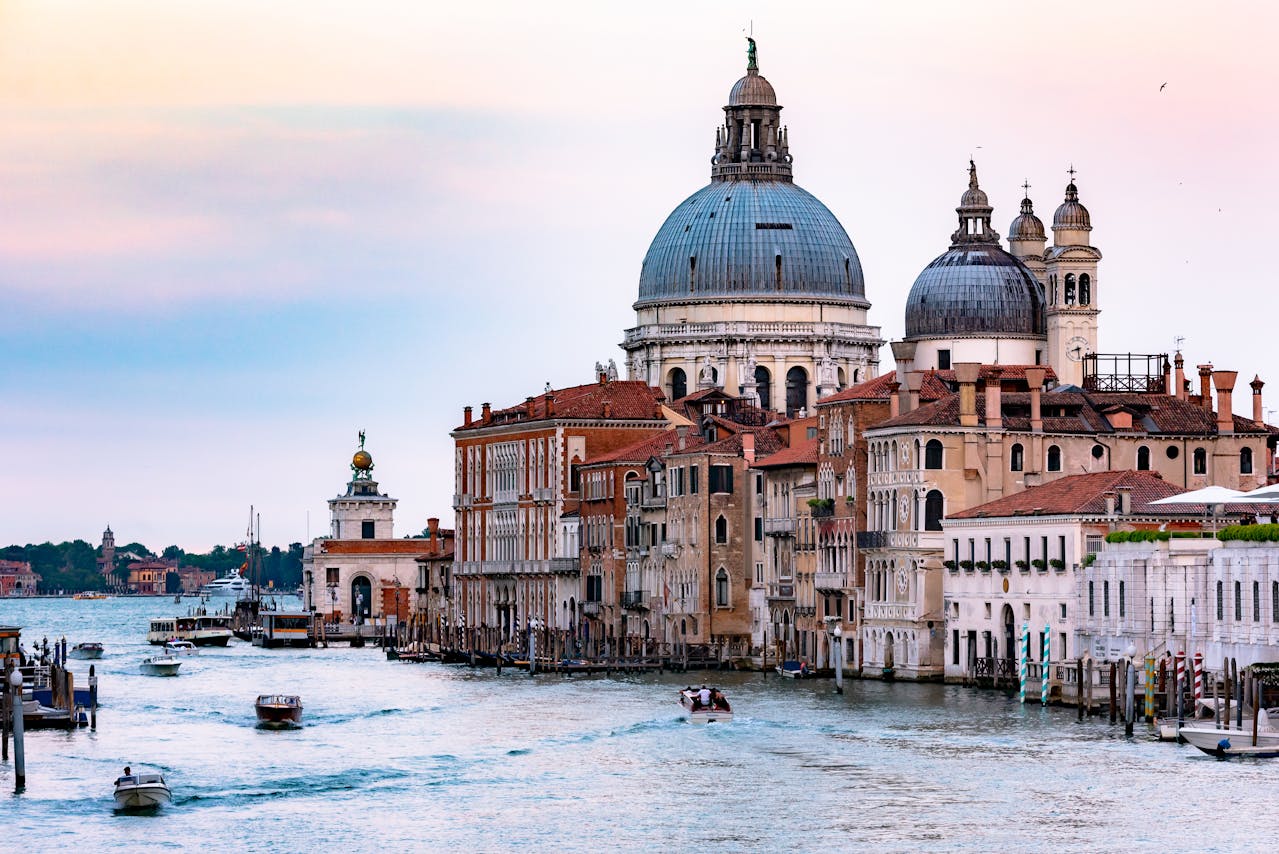
Venice has learned that crowds do not drift in gently; they arrive in pulses. Day trippers can flood the same bridges and vaporetto stops at the same hour, turning a five minute errand into a slow shuffle behind selfie sticks and tour flags. Residents feel it most on ordinary mornings, when the city needs to function like a neighborhood, not a corridor. The answer has been to add friction: reservation style access on peak days, fees that nudge people to plan, and checks that treat entry like something to manage, not assume. It is a reminder that beauty has carrying capacity, and evenings still need quiet. For everyone.
Amsterdam Shrinks The Party Footprint
Amsterdam’s pushback is less about museums and more about what happens after dark. For years, cheap flights and viral nightlife clips pulled in visitors who treated the center like a weekend stage, leaving noise, litter, and stressed residents behind. Locals still want guests, but not the kind that turns doorways into toilets and trams into holding pens. The city has leaned into limits that favor livability: tighter rules on rentals, restrictions aimed at rowdy behavior, and moves to reduce mass arrivals that dump thousands into a small core at once. The message is clear: come for the canals, culture, and craft, not for chaos.
Lisbon Rebalances Neighborhood Life
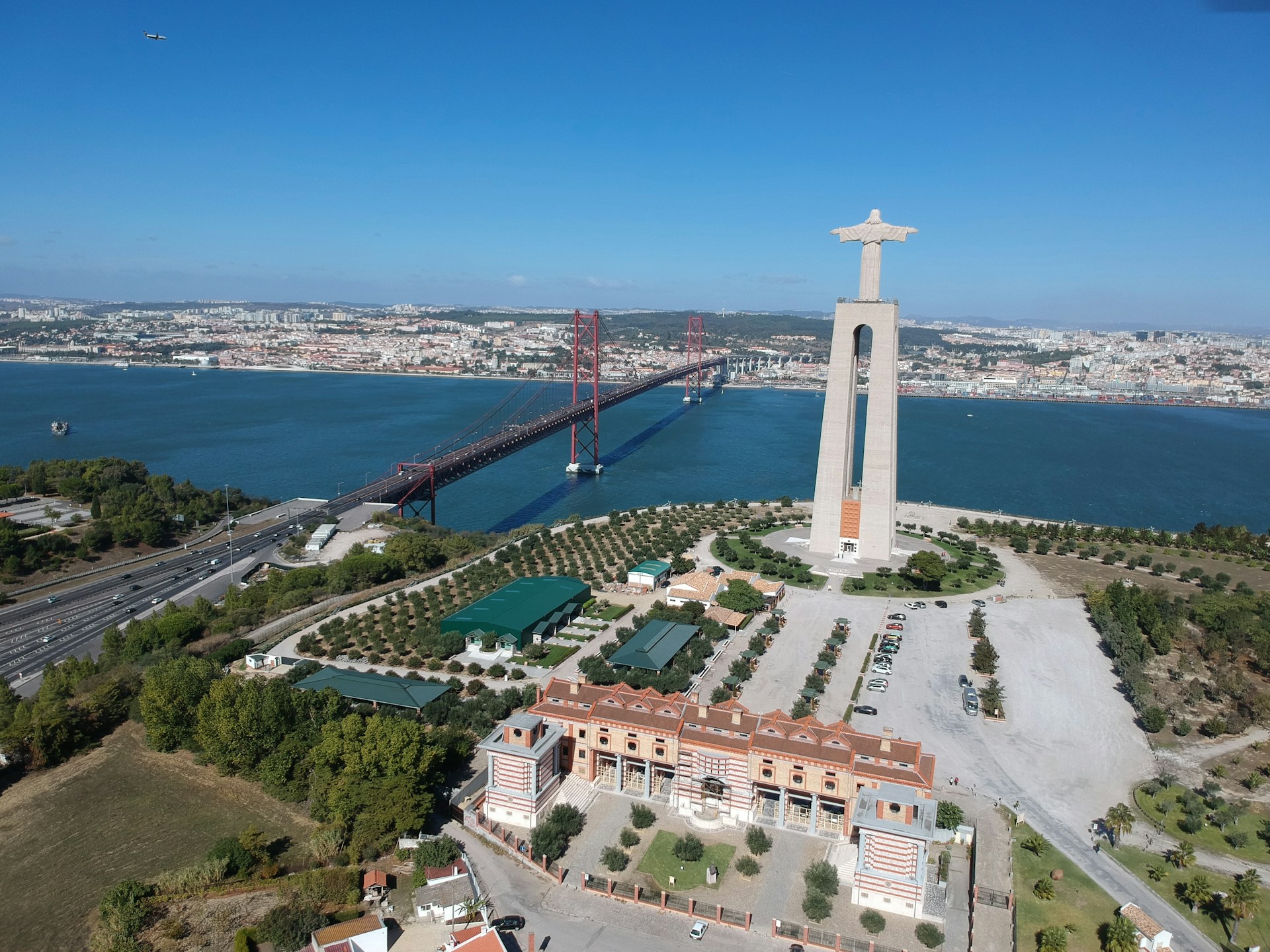
Lisbon’s fight is visible in tiny details: a corner café replaced by keypads, a stairwell where suitcases outnumber greetings, a landlord who prefers three-night profits to long leases. The city has tried to rein in short-term rentals while still relying on tourism money, and the policy swing has created its own whiplash. Residents are asking for something plain: a housing market that can support nurses, students, and young families, not just visiting calendars. Visitors feel the shift in fewer listings and stricter house rules, but locals feel it as a chance to stay. The backlash is a bid for continuity, not isolation.
Dubrovnik Schedules The Surge
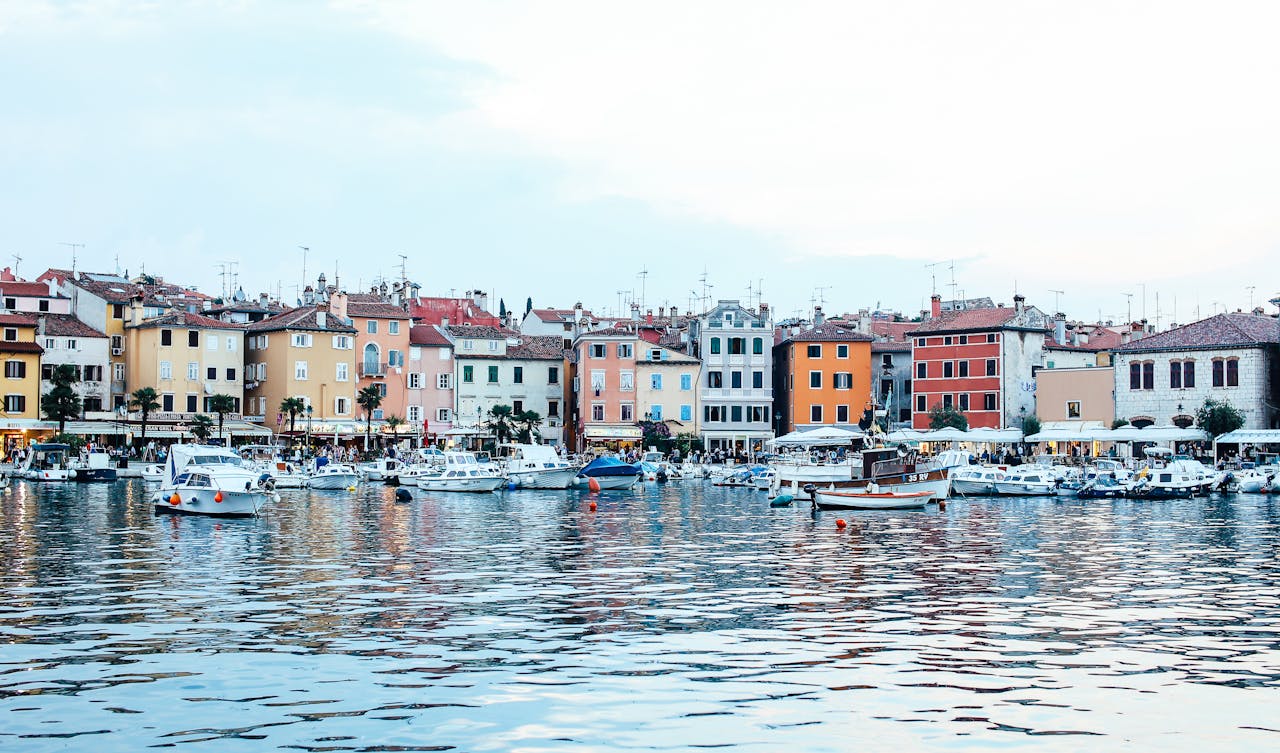
Dubrovnik is small enough that overcrowding becomes physical. When cruise tenders arrive close together, the stone streets compress into a slow-moving line, and even basic routines, like taking kids to school or hauling groceries uphill, require detours. The Old Town can start to feel built for photos rather than a place where people still fix leaky pipes and complain about bills. The city has leaned on scheduling and caps to keep arrivals from stacking, paired with messaging that nudges visitors to spread out, respect residents, and stay longer than a quick burst of sightseeing. The quiet win is breathing room. Again.
Santorini Puts A Cap On The View

Santorini’s problem is not popularity; it is timing and terrain. Clifftop lanes were never built for thousands arriving in the same window, each chasing the same sunset angle, each funneled through the same steps, bus stops, and cable-car queues. On peak days, the pressure shows up as stalled traffic and workers trying to deliver supplies through crowds that do not realize a delivery is happening. Policy has increasingly treated cruise volume as something to ration, with caps meant to smooth the spike and reduce the strain on basic services. The island still sells romance, but it is also insisting that romance needs room to breathe.
Cannes Pushes Back On Mega-Ships
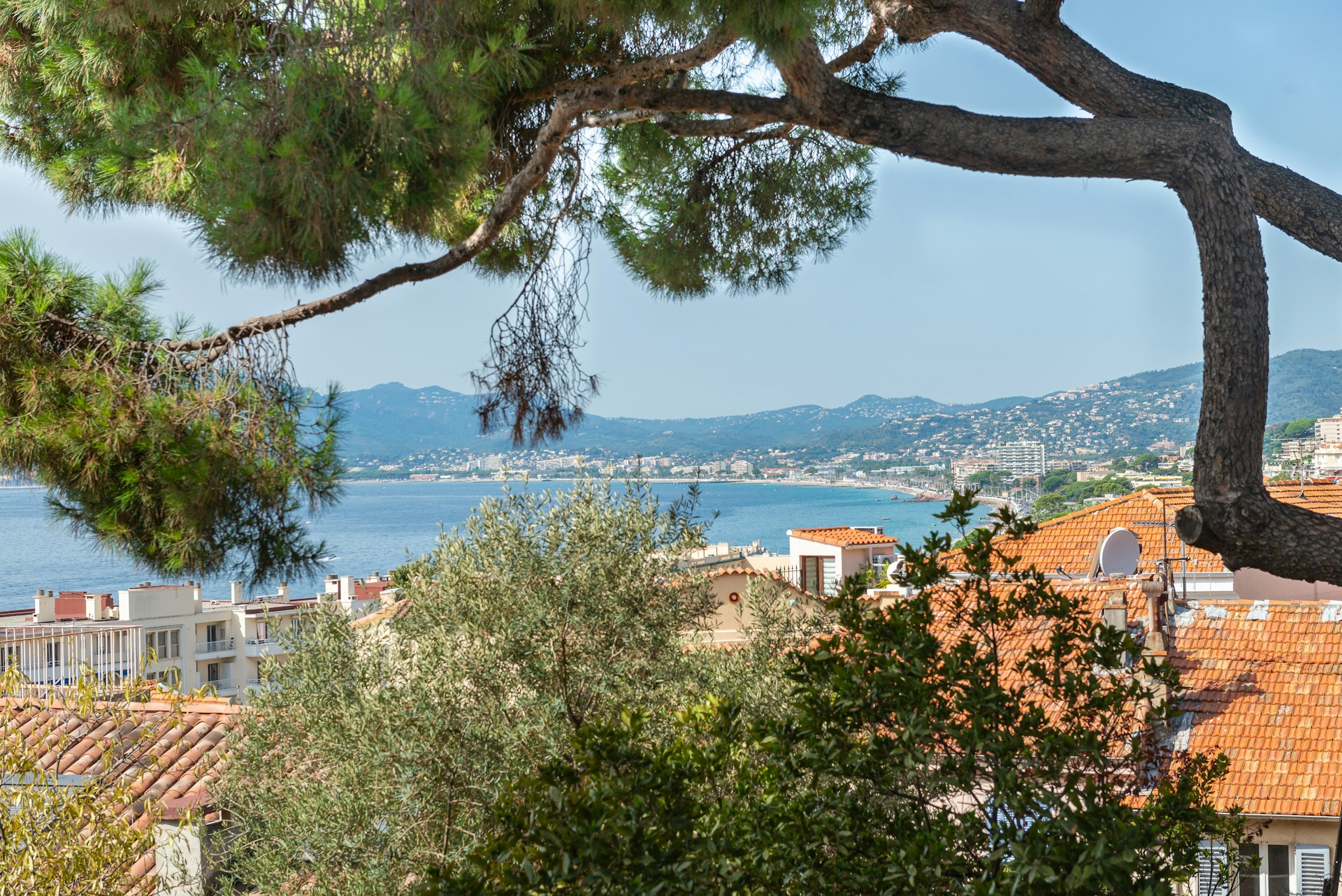
Cannes is not rejecting tourism; it is rejecting scale that arrives all at once. When very large cruise ships anchor offshore, thousands can pour into a compact center in a single wave, stressing sidewalks, transit, and the simple act of running errands. The restrictions focus on limiting the biggest vessels and controlling daily passenger counts, which changes the street feel more than any slogan ever could. It also fits a wider Mediterranean instinct: ports do not want to serve as conveyor belts for brief, extractive visits. Cannes is betting that fewer arrivals, properly paced, protect both the town’s charm and its patience.
Kyoto Protects Quiet Streets

Kyoto’s backlash is shaped by etiquette as much as crowding. Narrow lanes in historic districts were never meant to handle constant photo pursuit, blocking residents at doorways and turning private moments into public content. Local rules have tightened in sensitive areas, including restrictions around certain alleys and stronger messaging about behavior on buses, at shrines, and near geisha neighborhoods. The point is not to hide culture; it is to stop culture from being treated like a prop. Respect in Kyoto looks like distance, patience, and silence at the right times. When visitors follow that rhythm, the city feels generous.
Bali Links Tourism To Responsibility

Bali’s pushback carries a practical tone: if tourism strains the island, visitors should help pay and behave better. A tourist levy and a steady drumbeat of conduct guidance reflect frustration with traffic, disrespect at sacred sites, and influencers treating rituals like backdrops. Officials have signaled more willingness to enforce rules, because warnings alone do not change patterns once a destination becomes a trend. The island is trying to protect its identity while still welcoming the income that supports families. The cost of a trip is not just a flight and a villa; it includes accountability to place, people, and limits.