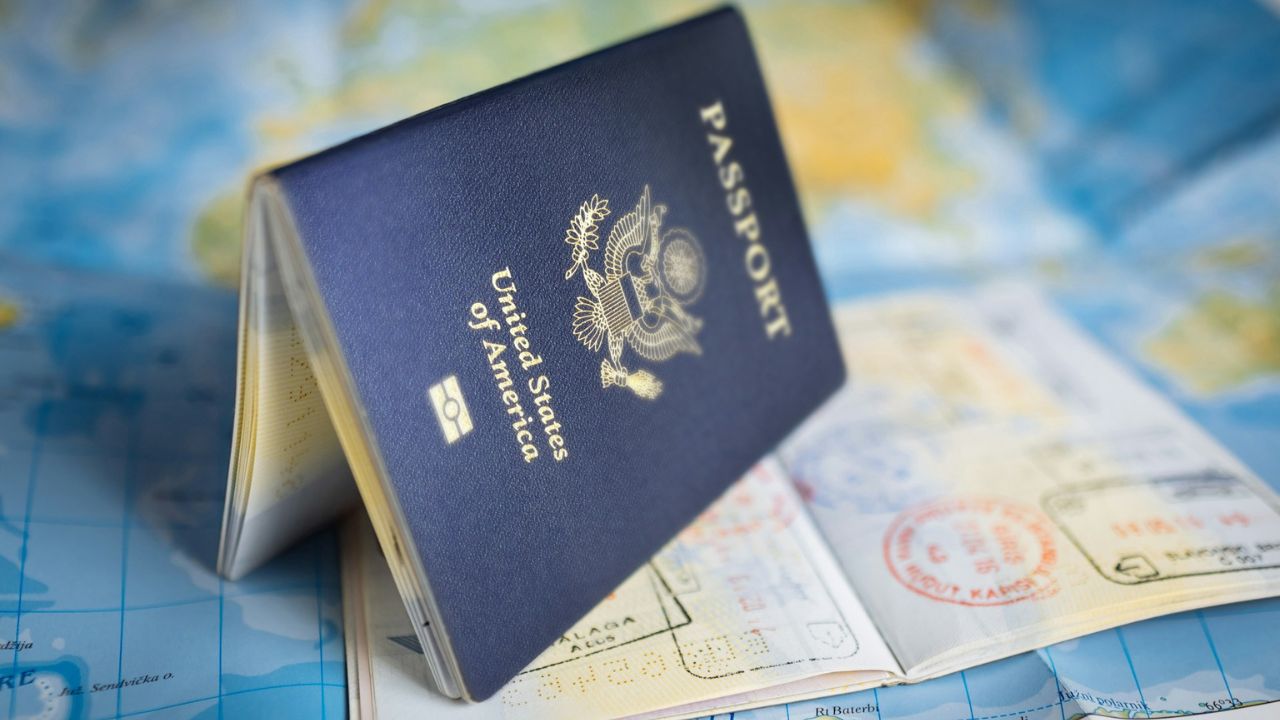
Airports have a way of making passport dates feel personal. A booklet can look perfect in hand, yet fail a rule buried in airline systems or border databases. Most mistakes are quiet: a pause at the counter, a supervisor call, and a boarding pass that never prints. The hard part is that validity is measured in different ways across countries and routes, so an expiry date can still be the wrong deadline. Add a transit stop or a visa, and the margin gets thinner fast. The calm trips usually start months earlier with a quick scan of issue dates, return dates and the destination’s fine print before anything gets booked, without drama.
The Expiration Date Is Not The Only Deadline

Many travelers treat the printed expiry date as the only checkpoint, but plenty of destinations require extra validity beyond the trip. The buffer can be three or six months and is counted from different anchors, such as the planned departure from the country or the last day of a regional zone. Airlines check this before boarding, using industry databases, so a passport can be rejected while it still looks comfortably unexpired. The surprise usually hits at check-in, not at immigration, and the exact buffer can change with nationality and even a single added connection. That is why old rules of thumb collapse on a new route.
The Six-Month Rule Is Not Universal

The so-called six-month rule gets repeated like a universal law, and that is where planning goes off the rails. Some countries ask for six months of remaining validity, others ask for three, and a few only require coverage for the stay. The United States is often described as six months beyond the intended stay, but CBP notes that many nationalities are exempt and only need validity for the period of admission. Airline check-in still enforces what appears in the document requirement databases for that passport and routing. When someone assumes one standard fits every border, the mistake tends to surface right as bags are tagged.
Schengen Validity Is Counted From Departure

Schengen trips create a reliable miscount because the clock starts at the exit, not the entry. For short stays, the travel document is generally expected to remain valid at least three months after the intended date of leaving the Schengen Area, even when the visit itself is brief. There is also an age limit: the passport must have been issued within the previous 10 years. That combination means a passport can fail while it still has months left on the expiry line, especially after an early renewal that carried an older issue date forward. A delayed return flight can shrink the margin enough to trigger a problem at check-in.
The 10-Year Issue Date Trap

The issue date trap still catches experienced travelers because the eye goes straight to the expiry date. In parts of Europe, the passport is expected to be less than 10 years old on the relevant travel date, so a document can be treated as too old even when its expiry is far away. This matters most for passports renewed early or issued with extra months carried forward from an older book. Airline document checks read those dates mechanically, with little room for debate. The fix is simple but often overlooked: check both the issue date and the planned entry date, not just the last day printed on the data page, before booking.
Visa Checklists Can Demand More Validity

Visa paperwork can demand a bigger cushion than expected, and it matters weeks before any flight. Some consular checklists ask for six months of validity beyond a planned departure, even when other guidance talks about three. That buffer gives room for delays, but it also means a passport near expiry can block an application before it reaches an airline counter. Spain’s Schengen visa guidance is one example that calls for six months beyond planned departure. When the passport misses the checklist, the timeline splinters into new appointments, new fees, and rebooked dates. It feels slow-motion, but the outcome is the same, often.
Transit Stops Can Tighten The Rule

Transit stops quietly change the math because the tightest rule on the ticket can become the rule for the whole trip. A connection country may require more remaining validity than the final destination, and airlines enforce what their document tools show for every airport code in the itinerary. Even when the plan is to stay airside, disruptions can force an overnight hotel, a terminal change, or a reroute that triggers entry rules. That is why IATA’s Timatic-backed checks are built around routes, not intentions, and why a harmless layover can decide the day. A direct routing can avoid the stricter transit filter entirely, too.
Children’s Passports Shrink The Window
Family trips get tripped up because children’s passports run on a shorter clock in many systems and renewals sneak up. In the United States, a passport issued to a child under 16 is generally valid for five years, not 10, which compresses the planning window for repeat vacations and long-booked holidays. Parents often book first and check later, assuming the child’s document matches the adult cycle. The failure shows up at online check-in or at the counter, when the dates finally get read with no flexibility for school calendars or good intentions. A reminder for each passport keeps renewals from colliding with peak travel season.
New Passports Can Break eTAs And ESTAs
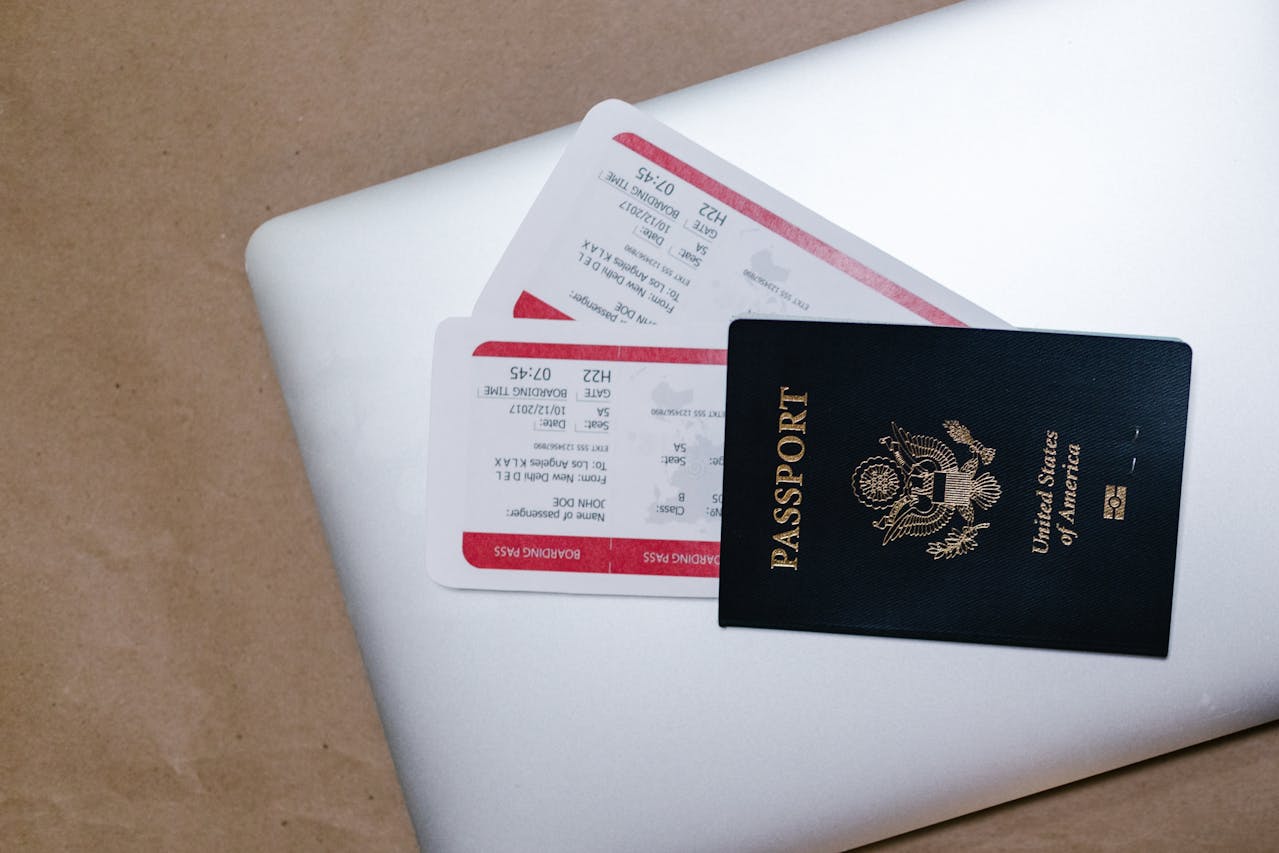
A new passport can solve an expiry problem and create a new one in the same afternoon. Many digital travel permissions are electronically linked to a specific passport number and stop working when that passport expires or is replaced. Canada’s eTA guidance is blunt: a new passport means a new eTA. U.S. ESTA approvals are time-limited and end at passport expiry, even if the two-year window is not finished. When renewal happens close to departure, the follow-up application becomes a second deadline, not a formality, and it can steal days. Keeping the old passport number helps with forms, but it does not carry approvals over.
Airlines Enforce The Database
It is tempting to think the final call belongs to immigration, but the first no often comes from the airline. Carriers use tools like Timatic to check passport and visa requirements, and the system flags mismatches before boarding. If the database says the passport is short on validity for a destination or a transit point, the airline can deny boarding because transporting an inadmissible passenger can create costs and penalties. Many airlines point customers to the IATA Travel Centre for a route-based check. That is why the same document might pass on one route and fail on another, even with the same destination in mind, quietly.
Extensions And Emergency Passports May Not Count
Last-minute fixes feel logical but many border systems do not like exceptions. Some authorities reject passports that rely on extended validity, and certain emergency passports can face limits or extra scrutiny, especially on transit-heavy itineraries. Germany’s Schengen guidance is explicit that passports with extended validity will not be accepted, which is the sort of rule that surprises people who assume an extension is a normal repair. When a trip depends on tight date math, a replacement is usually safer than patchwork, because airline checks are built for clean dates and standard documents. Clarity beats creativity here.