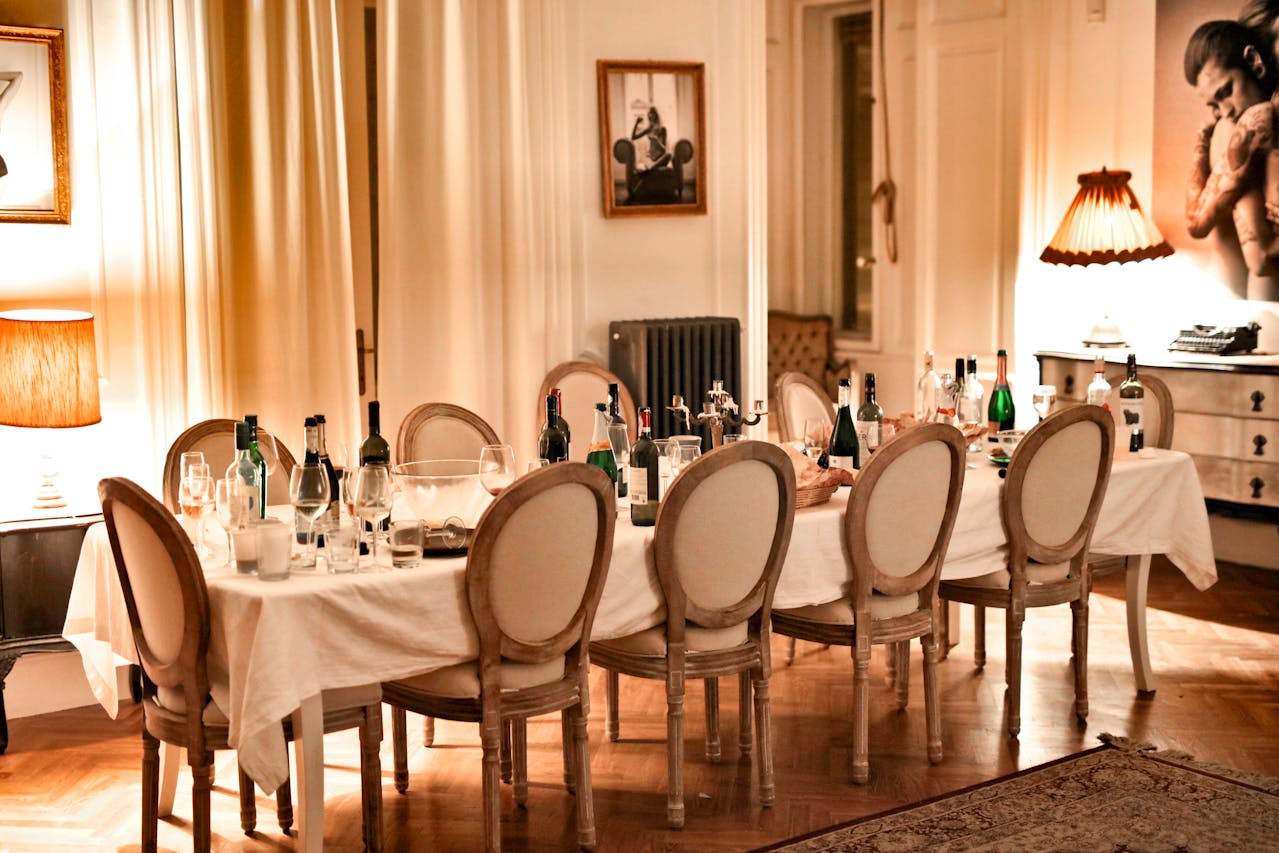
The formal dining room used to wait quietly for holidays, guarded by good china and a table nobody dared to scratch. Now it is getting pulled back into daily life, because homes have to work harder than ever. As routines blur between work, school, and downtime, that extra room turns into a flexible zone with better light, more privacy, and a door that can close. In older houses it often sits between the kitchen and living room, making it a natural hub for projects, calls, and calm dinners that happen on a Tuesday, not just in Dec. Design is following function, with softer lighting and furniture that can switch roles fast.
Home Office That Shuts Out Noise

What used to hold a long table now holds a desk, a supportive chair, and shelves that keep paperwork from migrating into the kitchen. Because dining rooms often sit away from the busiest corners, they offer fewer interruptions, steadier light for calls, and enough floor space for a leaf table that doubles as a planning or packing surface, plus room for a sound machine and a tall plant. Rugs and drapery soften echoes, a sideboard becomes a printer and charging station, cords hide behind trim, and the chandelier gives way to a dimmable fixture with a warm, even glow for 9 a.m. focus and after-hours calm, without glare.
Homework and Craft Studio
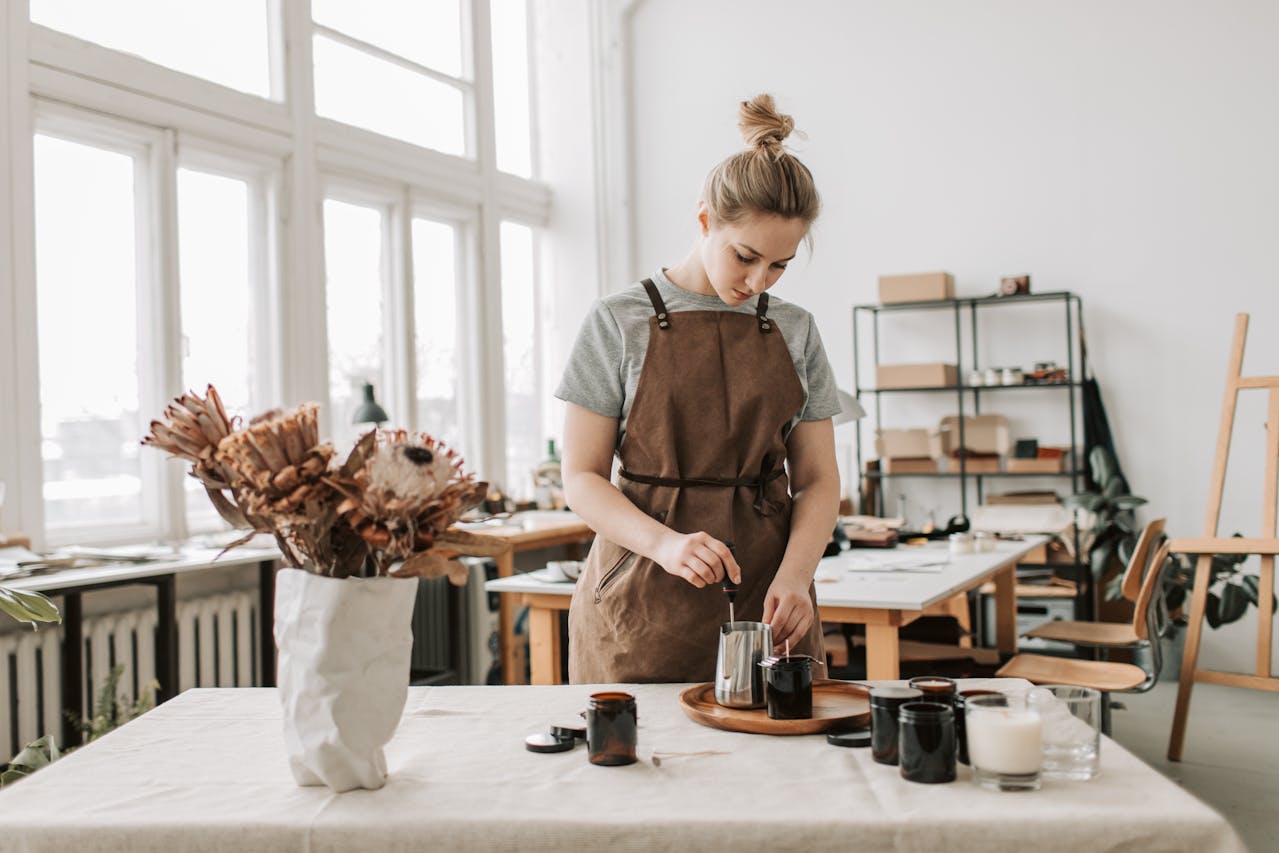
Dining rooms are turning into the house’s shared workbench, where homework, sewing, model kits, and science posters can stay spread out without taking over the couch. A big table finally earns its square footage, paired with labeled bins, rolling carts, and a closed-front cabinet that keeps paint, glitter, paper, and chargers contained, while a wipeable runner saves the finish. Instead of a showpiece chandelier, track lighting or a swing-arm lamp throws bright, even light for cutting and coloring, and the closet becomes a supply pantry that makes weekday creativity feel organized, not chaotic, from Sept. to May each year.
Library and Reading Lounge

When the dining room stops performing, it can finally become quiet. Built-ins or tall bookcases take over a wall, a slim cabinet hides board games, and a small round table turns into a landing spot for journals, chess, and a mug that stays warm. Window-heavy dining rooms often have the best natural light in the house, so a pair of deep chairs, a footstool, and a thick rug feel instantly grounded, especially once curtains and wall art soften the old echo chamber effect. The room still hosts dinner on occasion, but the default mood shifts to pages, playlists, and that rare feeling of having space that asks for nothing.
Game Night and Puzzle Parlor
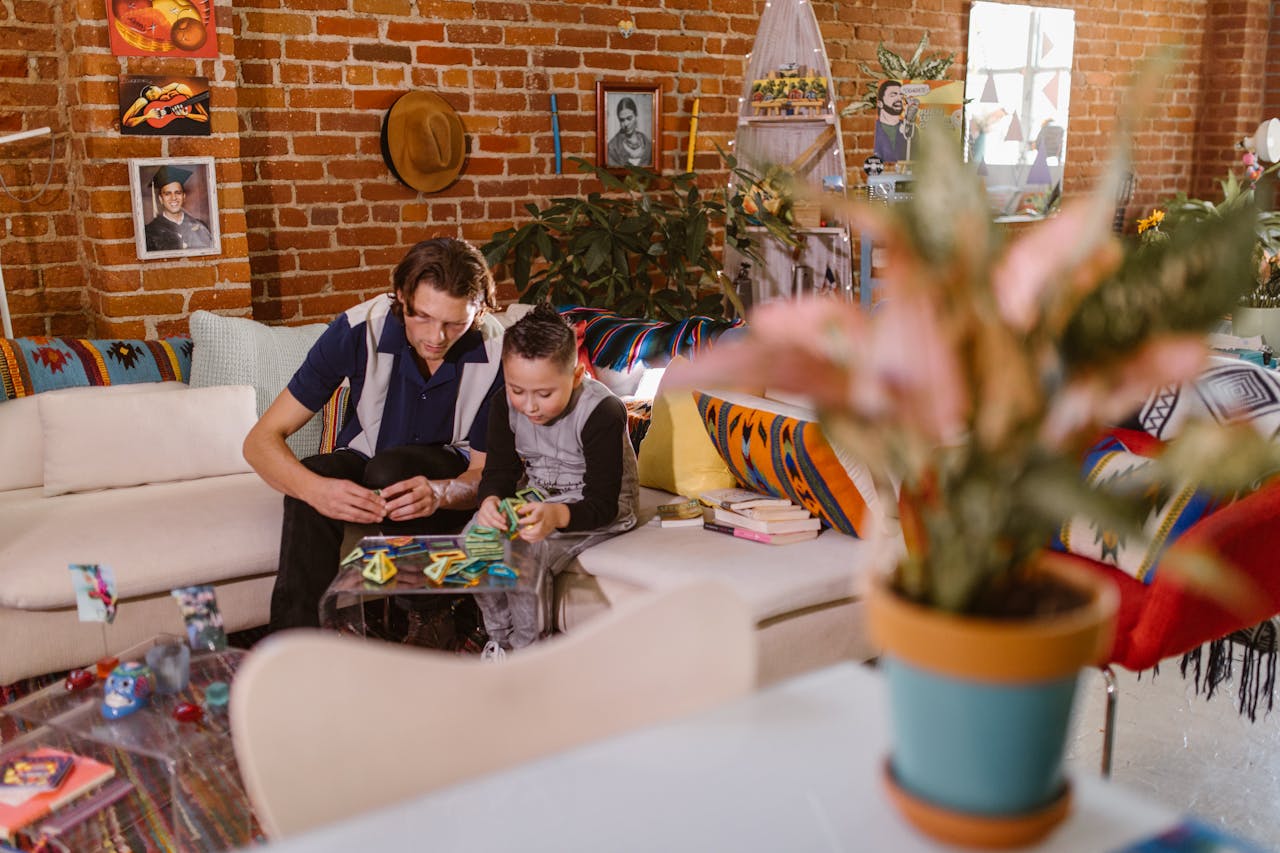
Formal dining rooms are getting a playful second life as game rooms where a thousand-piece puzzle can stay mid-progress and cards do not need to be swept away for meals. A felt topper or cork mat protects the table, benches slide under to open floor space, and a sideboard stores board games by size, plus a small bin for dice, pencils, and spare batteries. Because the room is separate, laughter and competitive energy stay contained, and a classic pendant can be swapped for bright, even lighting that keeps eyes comfortable during long winter evenings, then dims down for a calmer after-dinner round on a Saturday night.
Cocktail Bar and Music Corner

Some dining rooms are becoming grown-up hangout spaces, with a bar cabinet where the hutch once stood, a slim wine fridge or ice bucket tucked below, and a record player replacing the centerpiece bowl. Vintage rooms suit the vibe: warm lamps at eye level, framed album art, and a small bistro table that invites longer conversations than a deep sofa, while a rug keeps footsteps quiet and sound fuller. Glassware stays organized behind doors, stools tuck in neatly, and the room turns into a reliable setting for birthdays, quiet toasts, and background jazz that feels intentional, not accidental, on weeknights, even in January.
Pantry Extension and Prep Zone
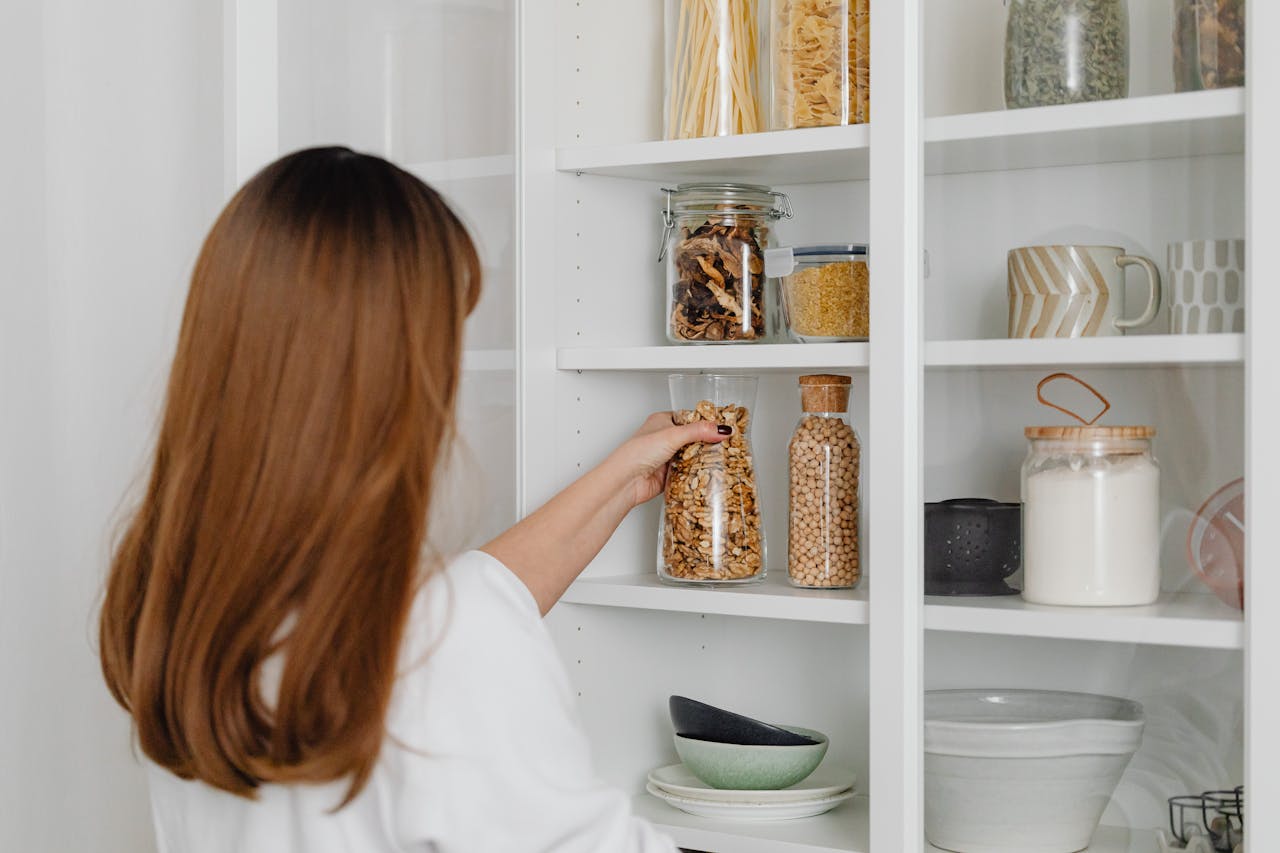
In smaller kitchens, the dining room is being recruited as a prep and pantry extension, especially during big cooking weekends and weeknight meal batches. A console or buffet holds countertop appliances, jars, baskets of produce, and a dedicated coffee or tea station, leaving the main kitchen clearer for actual cooking, washing, and traffic. With a washable runner, stacked cutting boards, and a compost pail nearby, the table becomes a staging area for chopping, cooling racks, bake-sale packaging, or holiday trays, then resets quickly when guests arrive and the room needs to look serene by 6 p.m., most nights, with no fuss.
Fitness and Stretch Room

A dining room’s open rectangle of floor is perfect for a quiet workout zone, especially in homes where the living room is always in use and bedrooms feel too tight. The table can be swapped for a folding one or slid to the wall, creating space for a mat, light weights, and a mirror that helps with form, while a rug pad keeps impact gentle on joints and floors. Soft lighting, a small speaker, and a basket for bands, towels, and water bottles keep it tidy, and the room’s separation makes routines easier to keep, turning movement into a normal part of the day instead of a performance, even when the house is busy at 7 p.m.
Guest Room for Overflow Nights
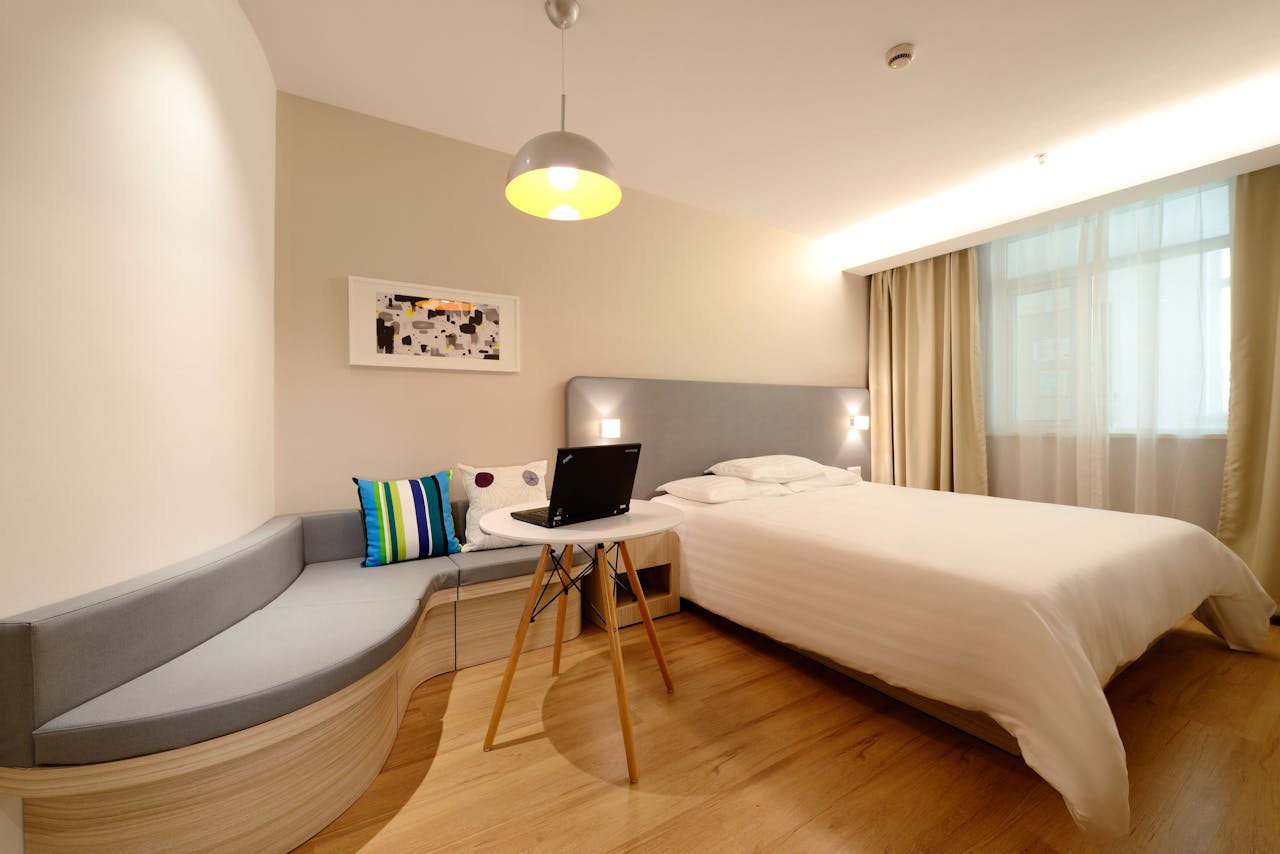
Not every home has a dedicated guest room, so the dining room is sometimes becoming the overflow suite for family visits, school friends, or a relative in town for appointments. A daybed or sleeper sofa fits along one wall, a rug makes the room feel softer, and a curtain panel or folding screen adds privacy without heavy renovation or permanent wall changes. Because dining rooms often sit near a bathroom and have a door, the setup feels more intentional than an air mattress in the living room, and a console can hold fresh linens, a carafe of water, charging cords, and a small lamp that keeps the mood gentle after 10 p.m.
Pet Care and Grooming Station

Dining rooms with wood, tile, or durable rugs are being turned into pet care rooms, especially in households juggling muddy paws, shedding seasons, and a steady rotation of toys. A low cabinet stores food bins, brushes, nail clippers, and vet paperwork, while wall hooks hold leashes and towels near the entry path, keeping daily routines from spilling into the kitchen. With a washable mat, a compact ramp, and a sturdy table for brushing or drying, the mess stays in one controlled zone, and the room’s door helps contain noise from dryers, crates, or excited greetings, even after a rainy walk and a fresh bath at once.
Micro Gallery for Collections
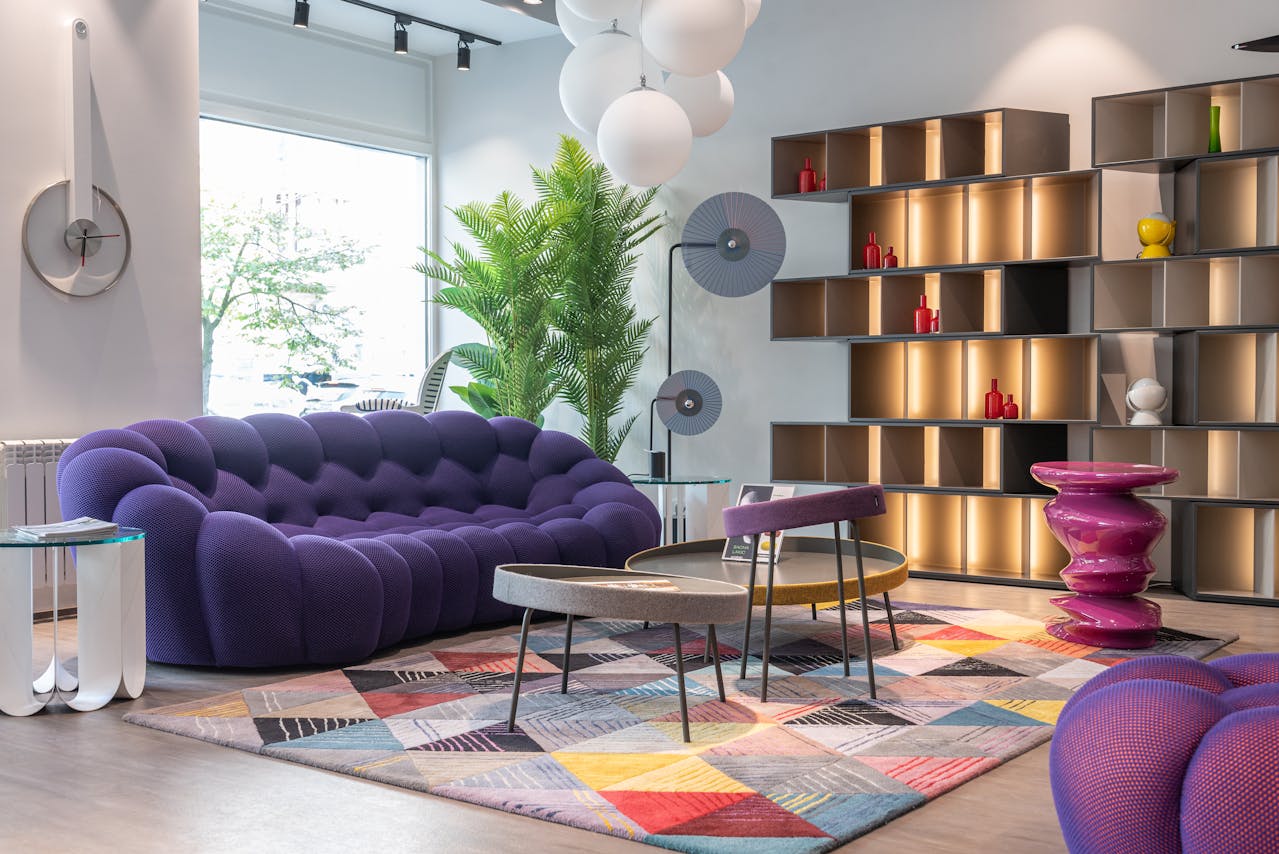
For collectors, the formal dining room is becoming a mini gallery where pieces can be enjoyed daily instead of hidden in boxes or saved for guests. Closed cabinets protect fragile items, open shelves spotlight ceramics, vintage cameras, or travel finds, and picture lights turn one wall into a rotating exhibit, with UV-safe frames, museum putty, and small label cards that make it feel curated. The room keeps its sense of occasion, but the focus shifts from a perfect table setting to personal history, with a bench or café table inviting a pause, a photo album nearby, and stories that come back with every object, in silence.