13 Snacks That America Banned and the Wild Stories Behind Them

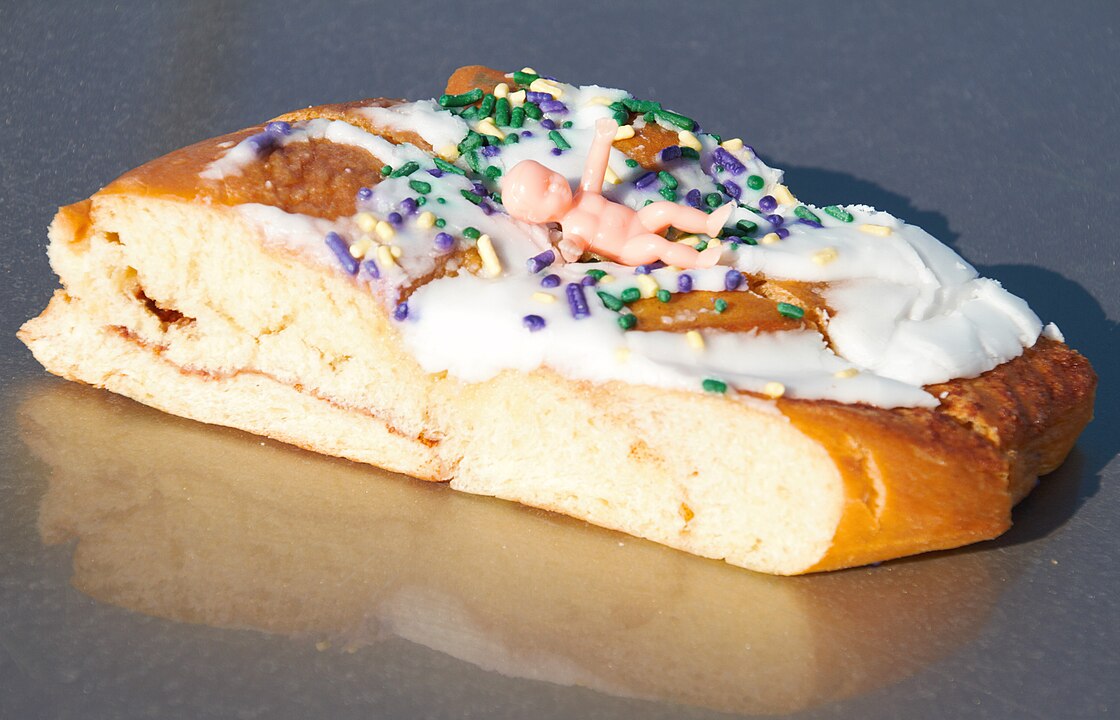
King Cake
Jonathunder, GFDL/Wikimedia Commons
Outlawed snacks show how America weighs craving, fear, science, and ethics when a bright little treat edges close to the line now.

American snacking has never been shy about sugar, salt, novelty, or risk, but some treats crossed lines science, law, or public outrage refused to ignore. Over decades, regulators chased choking hazards, suspect dyes, narcotic-level buzz, and endangered species hiding in casual bites. Patterns emerge: each ban captures a moment when evidence sharpened or fear spiked, and a bright, tempting snack suddenly became a test of how much danger the country will tolerate. Taken together, these stories trace a messy, revealing conversation between appetite, safety, and power.

Kinder Surprise Eggs
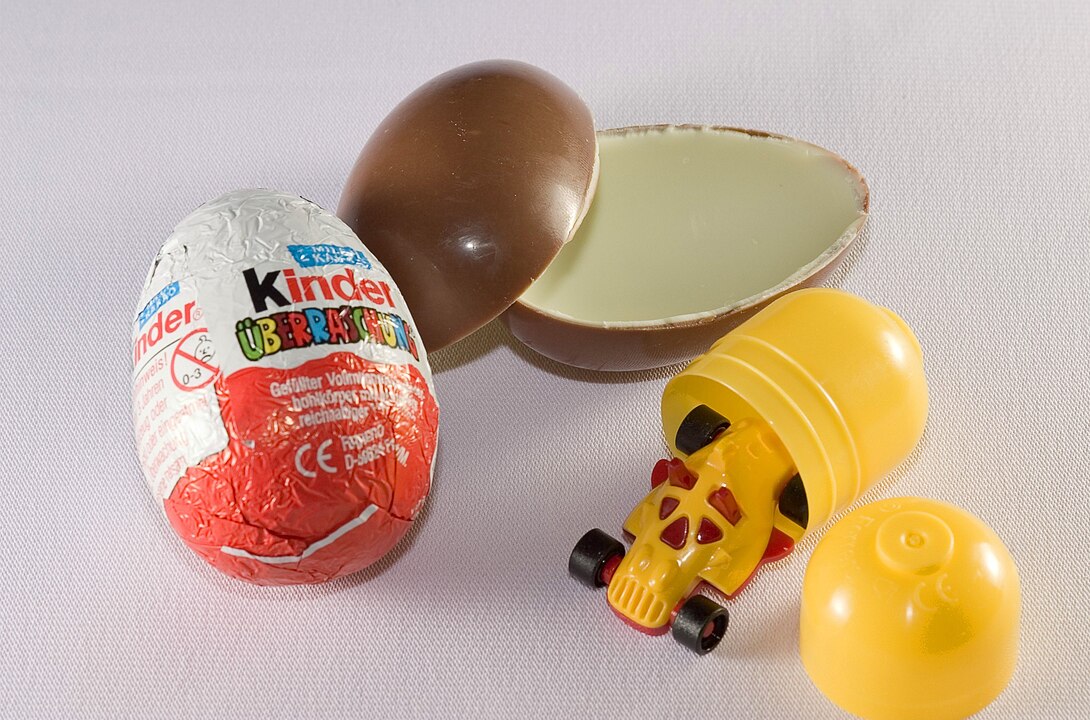
Kinder Surprise Eggs
United States Customs and Border Protection, Public Domain/Wikimedia Commons

Kinder Surprise eggs fuse a chocolate shell with a hidden plastic capsule, the exact combo U.S. law flags as unsafe. Because the nonnutritive toy sits sealed inside and can slide straight down a small throat, regulators classify the classic version as a choking threat and block imports. Border agents have confiscated thousands, fueling stories of seized souvenirs, while the reengineered version that separates toy and candy carefully skirts the ban.

Konjac Mini-Cup Jelly Candies
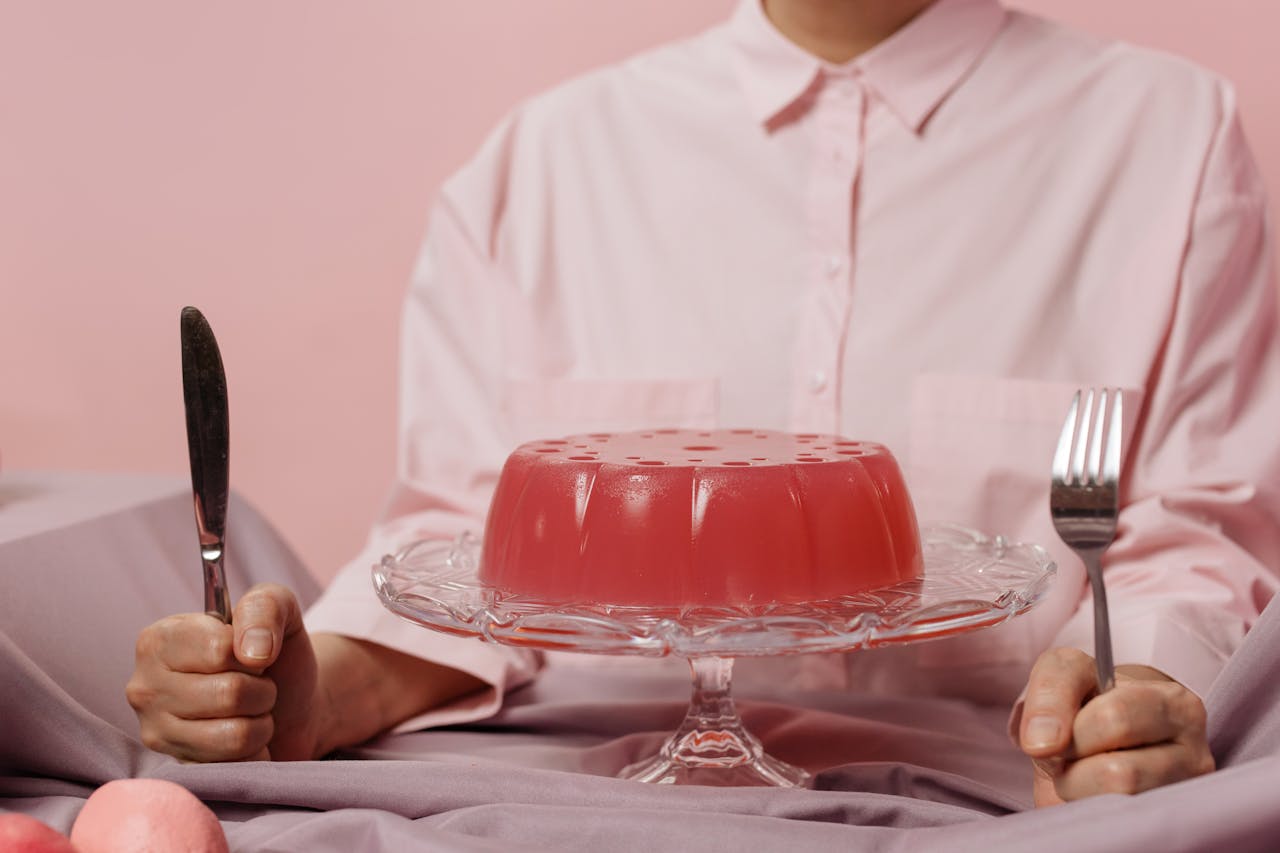
Jelly
cottonbro studio/Pexels

Konjac mini-cup jellies looked like harmless fruit shots, but their firm, rubbery gel barely dissolved and lodged cleanly in airways. After multiple choking deaths and near misses, especially among children, the FDA issued public warnings and an import alert targeting the tiny cups, effectively wiping them from U.S. shelves. Larger formats and reformulated gels survived, while the original bite-sized bullets became a case study in how texture alone can turn a snack into a lethal gamble.

Tonka Bean Desserts
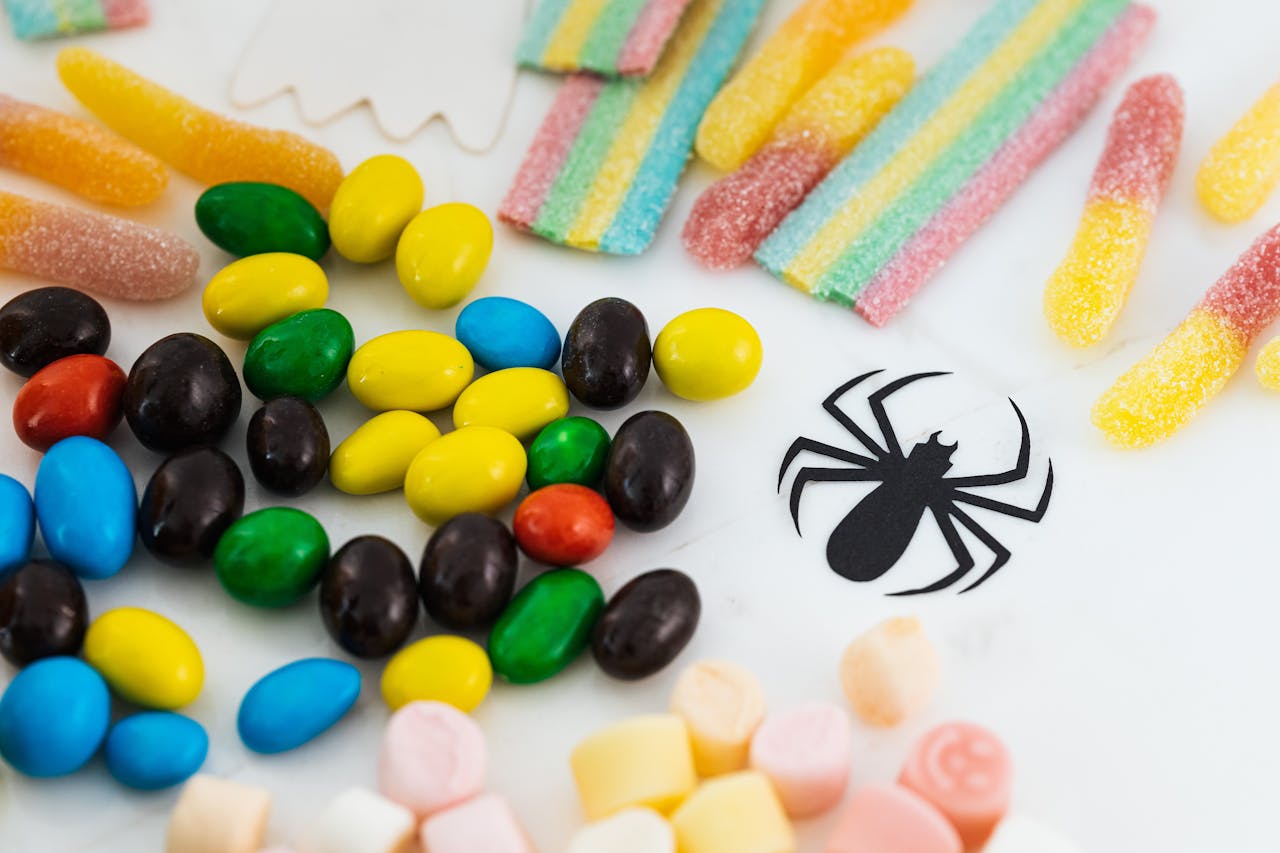
bean
Karola G/Pexels

Tonka bean desserts tempted chefs with lush vanilla and almond notes, then ran into toxicology data that refused to budge. High coumarin levels, linked in animal studies to liver damage, led the FDA to ban tonka as a food ingredient, pushing it into perfumes and underground menus instead. Confiscated beans and whispered custards turned this aromatic seed into a quiet symbol of how aggressively America can police certain flavors.

Red No. 3 Candy Classics
candy
Fiona Murray/Pexels

Red No. 3 once painted snack cakes, gummies, and neon cherries across the country. Cancer findings in male lab rats and years of advocacy finally aligned, and regulators moved to revoke its use in foods, forcing companies toward less controversial shades. Most shoppers will never link a missing pink glow to one pigment, but its slow exit shows how long it can take to push a suspect additive off the shelf once it is woven into childhood treats.

Lazy Cakes Melatonin Brownies
Brownies
JÉSHOOTS/Pexels

Lazy Cakes melatonin brownies blurred the line between dessert and supplement, wrapping heavy hormone doses in cartoonish packaging that critics said appealed to kids. Reports of children eating several at once and ending up in emergency rooms spurred local bans and a sharp federal warning about melatonin as a food ingredient. Rebrands and label tweaks followed, but the story still circulates as a warning about hiding pharmacology inside something that looks like an ordinary brownie.

Original Caffeinated Four Loko
Coffee
Lukas/Pexels

Original Four Loko stacked high alcohol, sugar, and caffeine into one tall can that arrived preloaded with legend. After clusters of hospitalizations and pressure from states, the FDA flagged added caffeine in alcoholic drinks as unsafe, and attorneys general pushed the company into reformulation. The stimulants vanished, black-market hoarding kicked in, and the outlawed blend settled into campus folklore as the chaotic peak of the caffeinated alcohol experiment.

Brominated Vegetable Oil Sodas
Ann H/Pexels

Brominated vegetable oil once quietly kept citrus soda flavor evenly suspended while consumers skimmed past its name. Studies showing BVO accumulating in tissue and raising toxicity concerns tipped the scales, and in 2024 the FDA revoked its authorization, giving brands a clear signal to drop it. Most drinkers never noticed the switch, yet that silent reformulation marked the end of a decades-long gamble on a lab-stabilized lemon fizz.

Silver Dragees On Desserts
Desert
Polina ⠀/Pexels

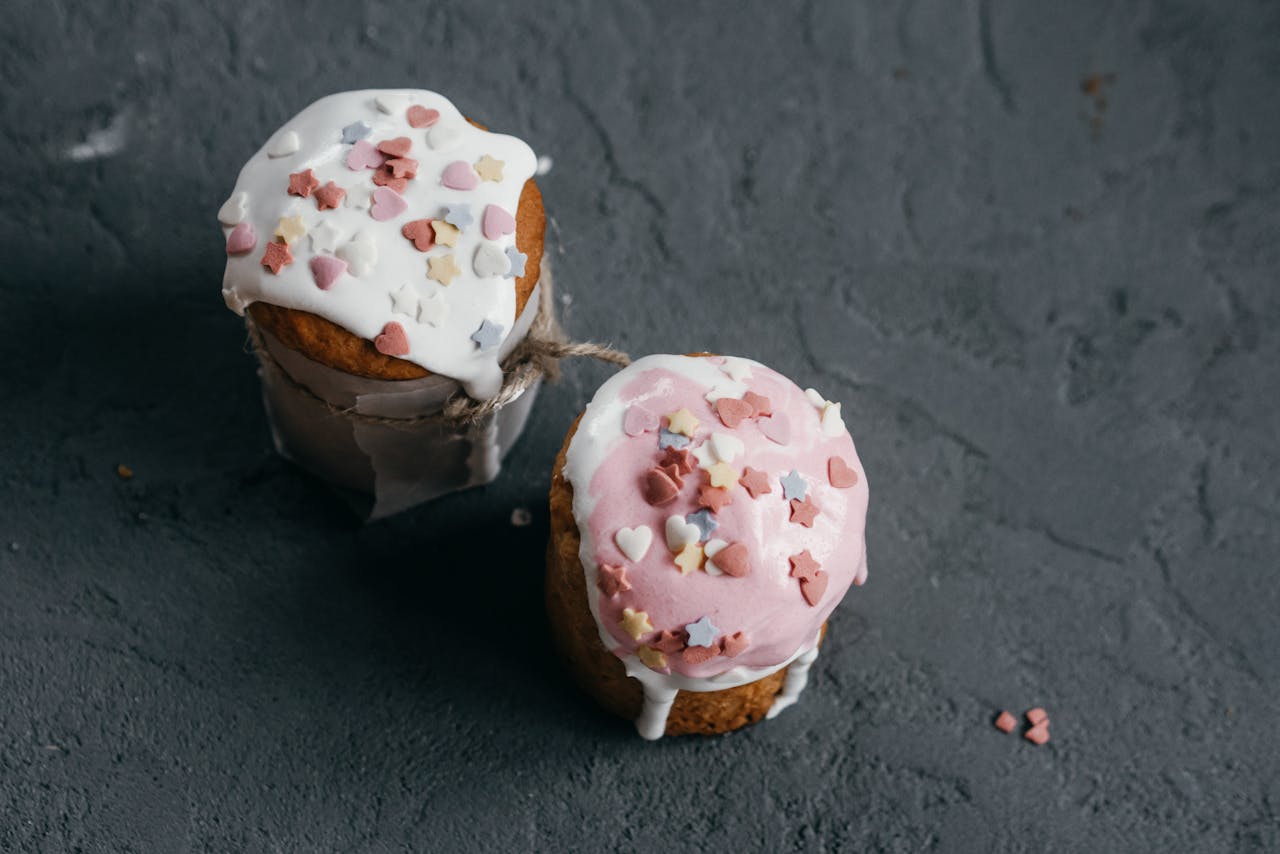
Silver dragees shine on wedding cakes and Christmas cookies, but federal guidance treats real silver as a decorative material, not an approved food additive. Lawsuits and agency opinions pushed sellers to label them as inedible, creating the odd ritual of placing candy-like beads that should not actually be eaten. The result is a nostalgic ornament stuck in legal limbo, where aesthetics win a narrow exception and every bite is officially discouraged.

Old-School Sassafras Root Beer
Beer
Michael Morse/Pexels

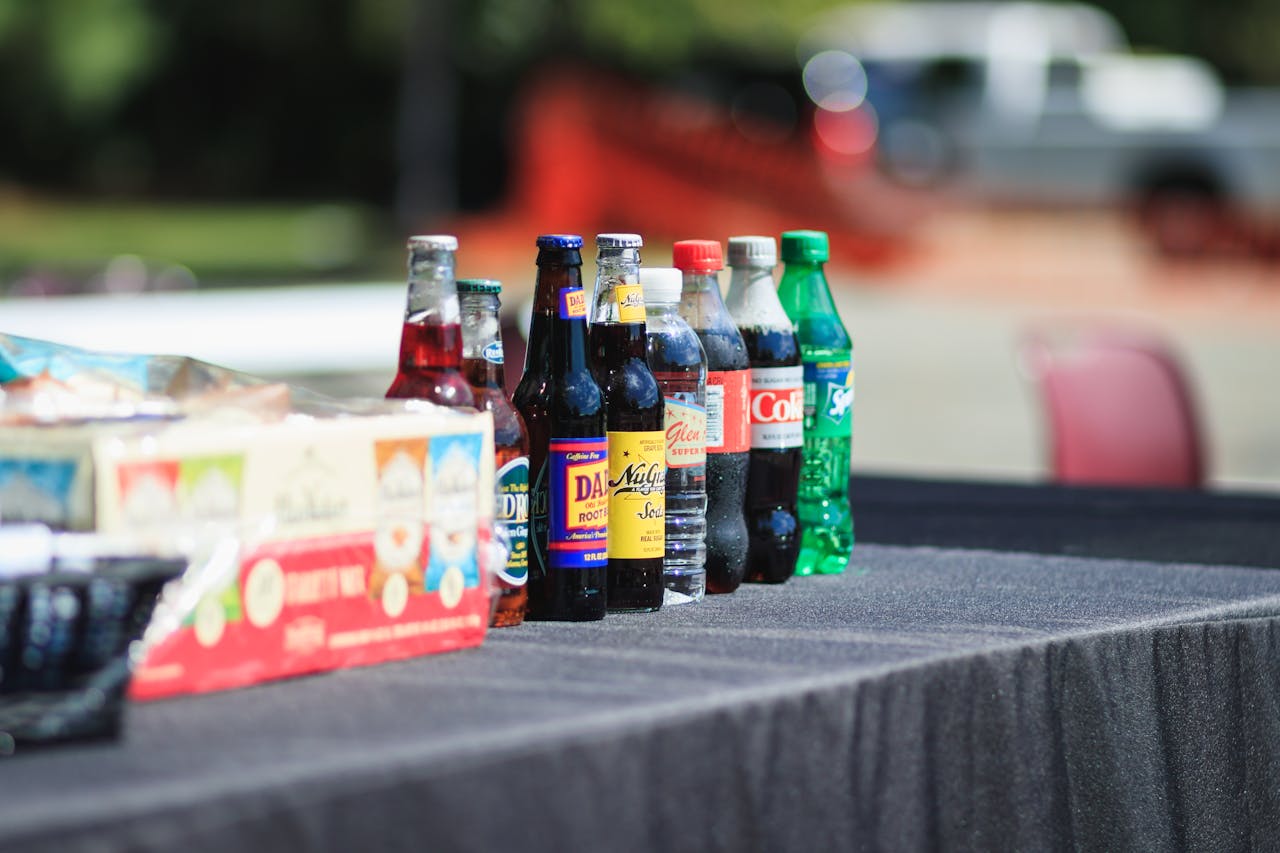
Classic root beer once leaned on sassafras oil rich in safrole, a compound later tied to cancer in animal studies. By 1960, the FDA banned safrole as a flavor additive, and soda makers rebuilt their brands with artificial flavors or safrole-free extracts that mimicked the taste. Devotees still trade stories about lost recipes and backyard brews, but the original sassafras bite now belongs mostly to memory and regulatory case files.

Ackee Fruit Treats
strawberry
ROMAN ODINTSOV/Pexels

Ackee delivers a rich, savory bite in Jamaican dishes, but when unripe it carries hypoglycin A, a toxin that can trigger sudden, deadly drops in blood sugar. After serious poisonings, the FDA blocked most imports and later allowed only rigorously tested products below strict toxin thresholds. Canned ackee on U.S. shelves now represents both cultural continuity and heavy supervision, proof that beloved national flavors can be treated as potential biohazards abroad.

Raw-Milk Soft Cheeses Under 60 Days
Cheese
Tabitha Mort/Pexels

Soft cheeses made from raw milk and aged fewer than 60 days fall outside U.S. rules built to limit listeria and other pathogens. Iconic gooey wheels that define markets in Europe are effectively banned unless pasteurized or aged longer, replaced by safer but often milder substitutes. For affineurs and importers, each refused shipment underlines how blunt time-based regulations can flatten complex microbial craft into a simple no.

Flamin Hot Cheetos In School Hallways
Cheetos
Veronica/Pexels

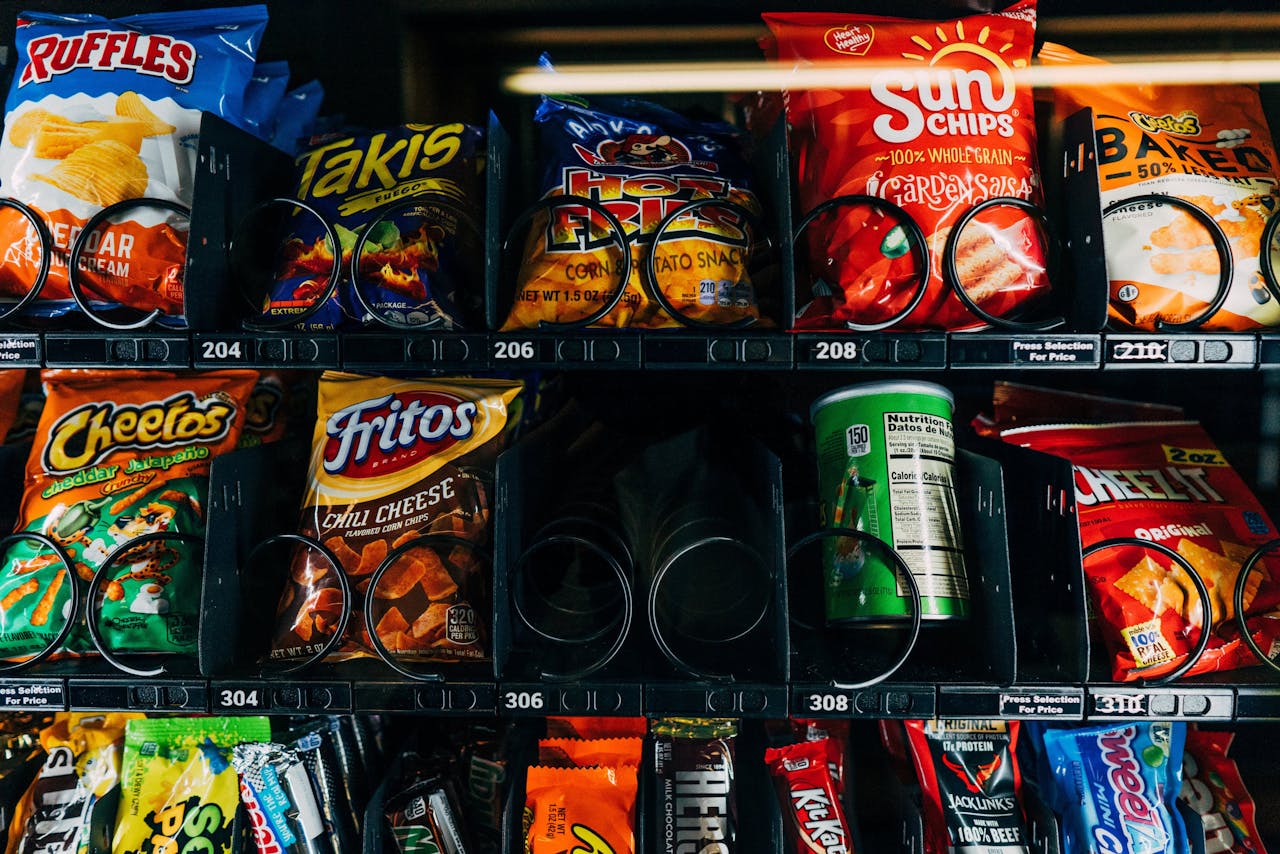
Flamin Hot Cheetos never met a nationwide ban, but school districts in states like California, New Mexico, and Illinois moved to block them from campuses. Officials cited poor nutrition, aggressive marketing, and a stream of nurse visits from kids polishing off oversized bags. The crackdowns only deepened the snack’s outlaw mystique, turning that red dust into a minor act of rebellion traded in lockers and parking lots.

Queen Conch And Abalone Bites
Candy
Foodie Factor/Pexels

Queen conch fritters and California abalone once felt like simple coastal bar snacks until collapsing populations forced hard choices. Florida banned conch harvest in state and nearby federal waters, while California shut its prized red abalone fishery for years to let stocks recover. Strict seasons, permits, and import rules turned casual bites into conservation flashpoints, reminding diners that appetite can drain an ecosystem faster than it can heal.

0 Shares:
You May Also Like
7. Gift Math And Adjusted Timelines
Read More

10 Souvenirs That Replaced Postcards, and Why They Took Over

# 10 Souvenirs That Replaced Postcards, and Why They Took Over Postcards used to be the official proof that someone had gone somewhere else, even for a weekend. One photo, a rushed note, and a stamp did the job. As phones made updates instant and mailing got fussier, the postcard shifted from habit to novelty. Shops did not stop selling memories, they just changed the format. People started picking objects that stayed in daily circulation: something to wear, use, taste, or display. These souvenirs carried place and personality without requiring neat handwriting or a correct address. The result is a quieter kind of storytelling, where the trip keeps resurfacing in kitchens, pockets, and routines long after the suitcase is zipped away. Even the smallest keepsake can outlast paper. ## Fridge Magnets Postcards showed up late, then got buried, no stamp, no address, no delivery gamble saving the moment. Fridge magnets solved that by living in plain sight, pinning grocery lists and kid art under the same skyline, ferry silhouette, or metro line diagram, so the memory stayed active instead of archived. Shops moved past generic landmark photos into neighborhood slogans, food sketches, and mini maps, because one glance could bring back market chatter and platform noise; they pack flat, survive rentals and moves, and invite multiples, turning a single fridge door into a casual, constantly updated timeline of places that still matter. ## Travel Stickers And Decals Stickers turned souvenirs into something that traveled again. Instead of mailing a postcard to one person, a decal could live on a laptop, water bottle, bike frame, or scuffed suitcase, building a layered map of routes through station codes, park crests, bookstore logos, and hand drawn mascots that sparked conversation in cafés and airport lines. Because they are waterproof, cheap, and sold in sets, they became easy gifts and easy trades, and wear looks honest, not ruined; each scratch and overlap shows what came after, making the object feel like a passport with a growing, visible history that never needs framing. ## Enamel Pins And Patches Enamel pins and patches gave the postcard image weight and texture, turning a skyline or mascot into something that could be worn. A tiny badge of a mountain ridge, museum logo, or neighborhood diner sat on a jacket or backpack for years, acting like a quiet signal in transit stations and coffee lines, not a message begging for postage. Shops leaned into limited runs, artist collaborations, and city only series, so the souvenir felt chosen, not generic; extras were gifted, swapped, or used to cover a tear, and the metal or thread handled rain and repeat trips with ease while a pinboard at home kept the timeline intact. ## Keychains And Bag Charms Keychains and bag charms replaced the postcard rack impulse with something that had a job to do. Keys get grabbed every morning, and charms ride on zipper pulls and backpacks, so a metal tag or leather fob kept the trip in circulation, stamped with coordinates, an arrival year, or a street sign shape that felt like a postmark without the paper. Many versions doubled as bottle openers or tiny tools, so the souvenir earned its space, and pocket wear became part of the story, turning scratches and softened edges into proof that the memory moved through real weekdays, rentals, and commutes, not just a perfect weekend photo. ## Tote Bags, Tees, And Caps Apparel made souvenirs feel less like clutter and more like identity. A tote from an art bookstore, a tee from a surf town, or a cap from a ballpark got worn again and again, carrying the place into errands, classes, and casual nights out, and sometimes turning into the default travel uniform on the next flight. Shops shifted from generic landmark photos to sharper typography, neighborhood slang, and local brand logos that signaled taste as much as geography; the best pieces were soft, well cut, and easy to pack, so gifting one felt practical, and the souvenir kept earning attention without taking up shelf space or needing a frame. ## Mugs And Local Drinkware Mugs turned travel into a daily ritual instead of a mailed update, because morning coffee landed in ceramics printed with a neighborhood map, a museum crest, or a local roaster logo and the memory resurfaced when the kettle clicked off. Cafés and galleries pushed limited designs, handmade glazes, and seasonal runs, so the purchase felt closer to a small piece of art than a generic souvenir. Tumblers, pint glasses, and tea cups also solved storage: they stack, survive moves, and look better with use, and they show up at dinners and chats, letting one shelf hold years of trips without becoming a dusty pile of paper. ## Snacks, Spices, And Pantry Finds Edible souvenirs did what postcards tried to do, but faster, because a jar of chili crisp, a regional spice blend, or a bag of saltwater taffy could be opened the night someone got home and turn storytelling into tasting. Markets and airports helped by selling sealed sweets, vacuum packed coffee, and sturdy tins built for carry ons, so the food survived long routes and still felt tied to the place where it was found. It also dodged clutter: once shared at an office desk or family table, it disappeared, yet the flavor lingered, and people often remembered a street, a song, or a shopkeeper’s grin more clearly than any glossy photo. ## Ornaments And Tiny Home Decor Ornaments became postcards with a return date, because a hand painted bauble from a night market or a miniature landmark for the tree reappeared every December and unboxing it felt like rereading a message from an older self. Outside the holidays, tiny home décor did the same work: coasters, tea towels, ceramic tiles, and matchboxes that lived on counters, ready to be noticed during ordinary mornings. These pieces asked for no postage and no framing, only a place in the house, and they resurfaced at the right moments, when guests arrived, when winter gatherings started, or when a quiet afternoon made nostalgia feel welcome. ## Art Prints, Zines, And Pocket Books Small prints and zines gave the postcard a smarter cousin, because instead of the same sunset photo, travelers brought home risograph posters, line drawings of street corners, and pocket guides written by locals, sometimes signed or numbered, which made the memory feel chosen, not grabbed. The message lived in the taste of the selection, not the handwriting, and the paper felt worth keeping because it had a point of view. Unframed pages fit clip rails, journals, or gallery walls, and buying from an artist table or neighborhood bookshop let the souvenir support the place directly, keeping the trip alive through design, not postage. ## Tattoos As Travel Keepsakes For some travelers, the replacement became permanent, and that permanence was the appeal. A tiny wave, coordinates, or a symbol developed with a local artist could not be lost in a move or tossed in a cleanout, and booking an appointment made the souvenir feel like commissioning art, not grabbing merch near the register. It also solved the postcard problem cleanly: no postage, no delay, no single recipient, just a story carried forward on skin, whether it is a port city anchor or a mountain contour line, quiet until a sleeve rolled up or a wrist turned and the place appeared again, right on time in conversation or solitude. The postcard never really lost its charm; it lost its role. Modern souvenirs win because they do not ask for extra steps, and they refuse to stay hidden. A magnet gets touched, a mug gets lifted, a spice blend gets passed across the table, and a pin rides through another trip. That repetition is the secret. Instead of proving travel happened, these objects let the memory keep happening, in small flashes that feel honest. In the end, the best keepsake is the one that blends into daily life and still pulls a place back into focus, without fanfare. **Excerpt (130 characters):** Postcards faded, but magnets, mugs, stickers, snacks, and small art brought travel home, letting memories live in real life still.