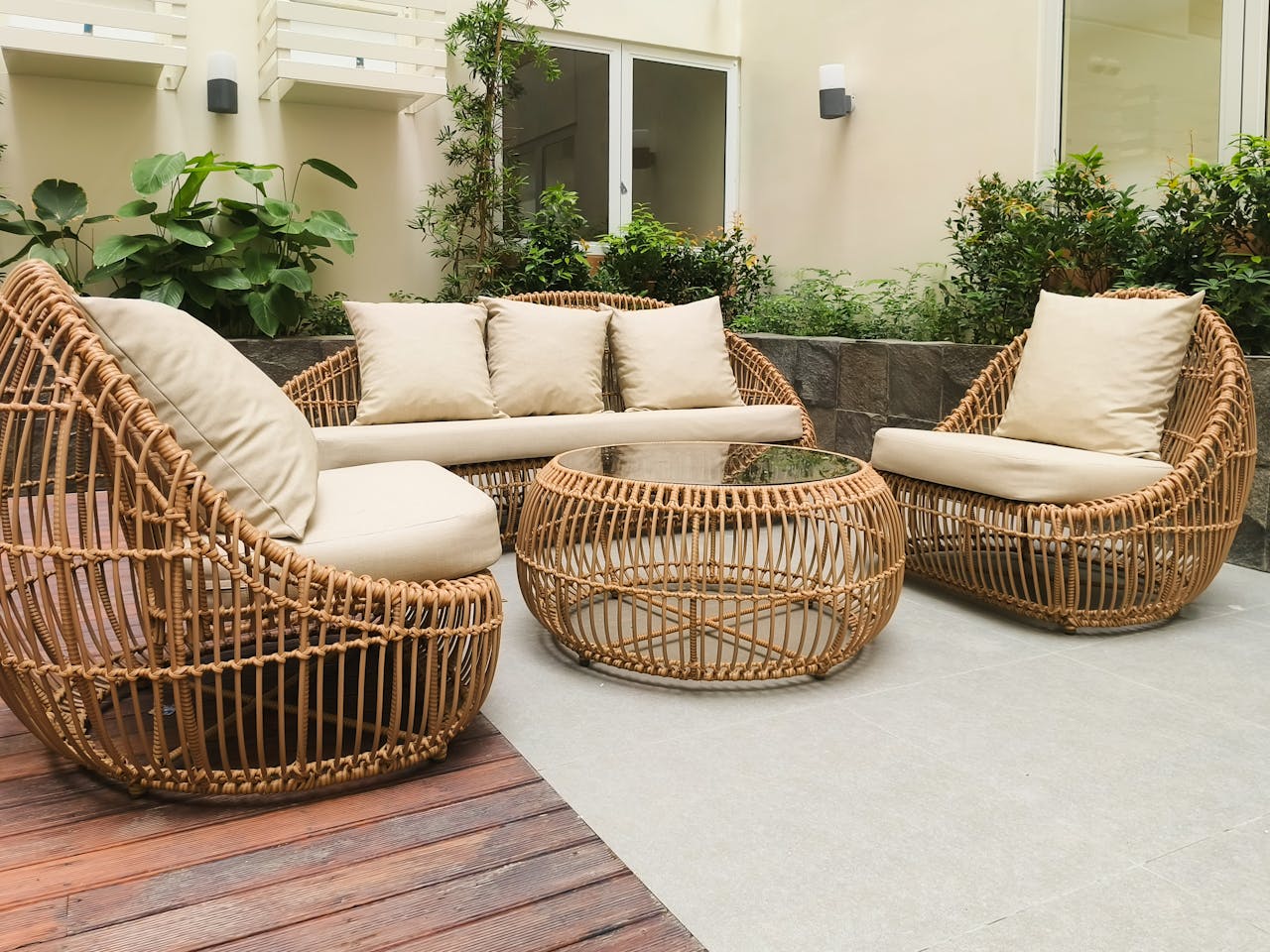
Heritage decor is shifting from themed rooms to lived-in storytelling, where materials carry memory and craft does the talking. Across 2026 trend forecasts, warmth and artisanal quality are replacing sterile minimalism, while nostalgia shows up as heirlooms, vintage finds, and objects tied to family history. The best spaces feel global without feeling generic: handwork, patina, and regional techniques that anchor a home to real places, real hands, and real hours. These choices reward provenance, repairability, and small moments of wonder that grow richer with everyday use, passing light, and the quiet rhythm of seasons.
Handwoven Textiles That Act Like Architecture

Handwoven pieces move beyond throws and become soft structure: a kilim used as a wall hanging, a dhurrie grounding a dining set, a suzani-style coverlet folded at the foot of a bed, or handloom curtains that filter glare without blacking out a room. Texture does what paint cannot, softening hard edges, warming echoey corners, and balancing sleek furniture with handspun wool or cotton. The most convincing rooms keep the paper tag, weaving region, and maker name with the textile, and treat small variations and visible mending as part of the story, not defects, so the home feels quietly rooted in real hands and real hours.
Block Prints and Resist Dyes With Provenance
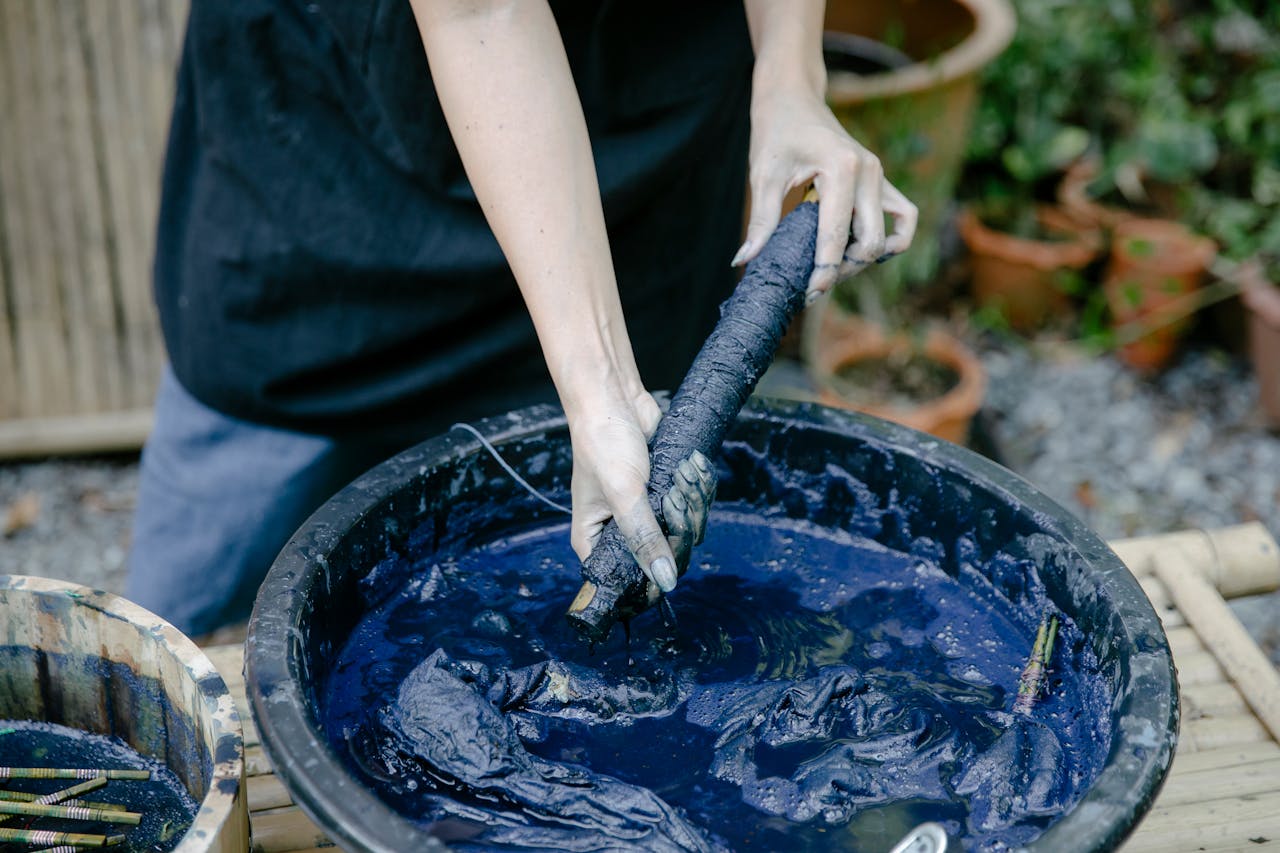
Heritage patterns look freshest when the process remains visible, from hand-carved block prints to indigo resist work that leaves tiny, human irregularities and slightly imperfect repeats. Rather than covering every surface, designers place one strong print on pillows, table linens, or a headboard insert, then let calm solids, warm whites, and matte woods do the supporting work so the room breathes. Good sourcing matters: noting the workshop, region, and dye method honors the tradition, supports makers, and avoids the copy-paste feel of mass replicas, making pattern feel like culture and craft with a clear lineage.
Patina-Friendly Metals and Timeworn Hardware

Unlacquered brass, rubbed bronze, and hammered iron are being chosen for the way they change, not the way they sparkle on day one, and that shift reframes wear as beauty. Aged metals show up on faucets, cabinet pulls, sconces, and picture lights, pairing naturally with vintage frames, carved wood, and honed stone, while staying quieter than high-shine chrome. As finishes darken, lighten, and pick up tiny fingerprints, they offer the comfort of worn leather or faded denim, making a home feel inherited even when it is newly built, part of the broader 2026 return to warmth, craft, and character over perfection and speed.
Limewash, Clay, and Mineral Wall Finishes
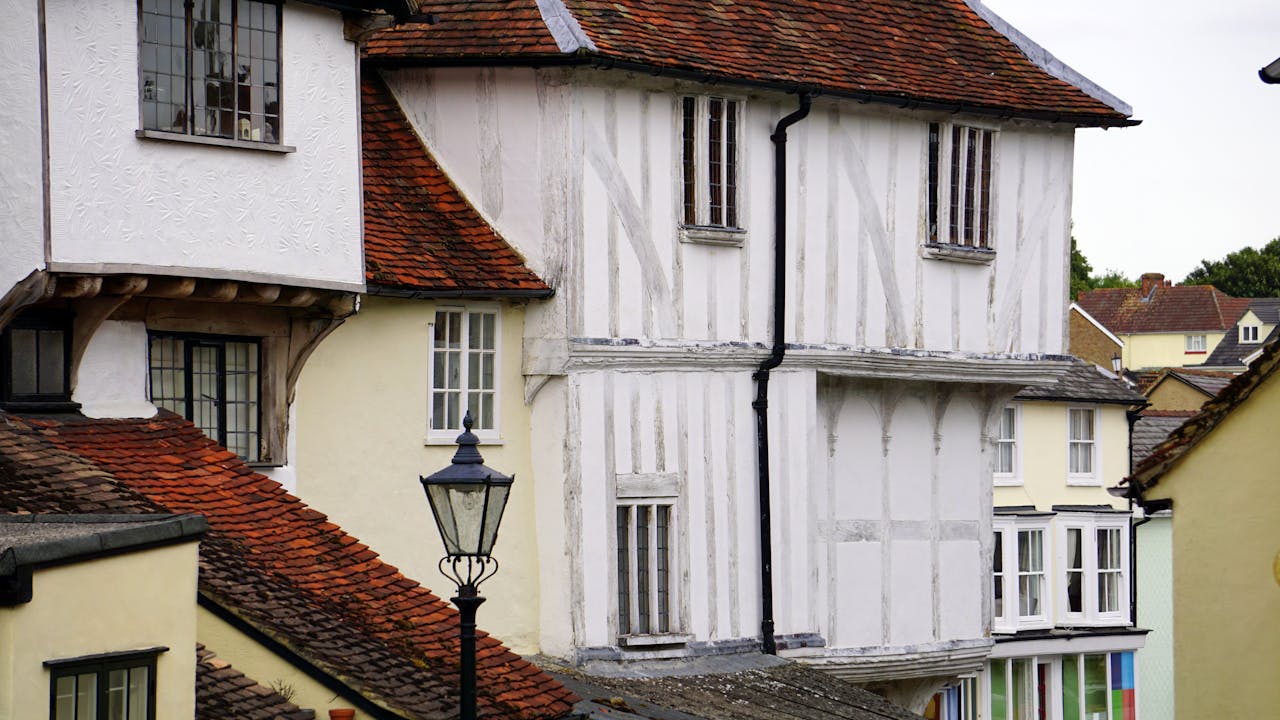
Paint is giving way to breathable, mineral-based finishes that echo old plaster walls, with subtle clouding that shifts as daylight moves and shadows travel. Limewash and clay coatings add depth without busy pattern, creating a calm backdrop for woven art, carved wood, and antique furniture, while masking small dents and making even new drywall feel settled. Because these treatments often rely on natural pigments and low-odor formulas, they fit the wider push toward healthier, material-forward interiors, and the uneven tone reads as handmade, which helps a room feel rooted in craft without turning history into a stage set.
Carved Screens, Latticework, and Room Dividers
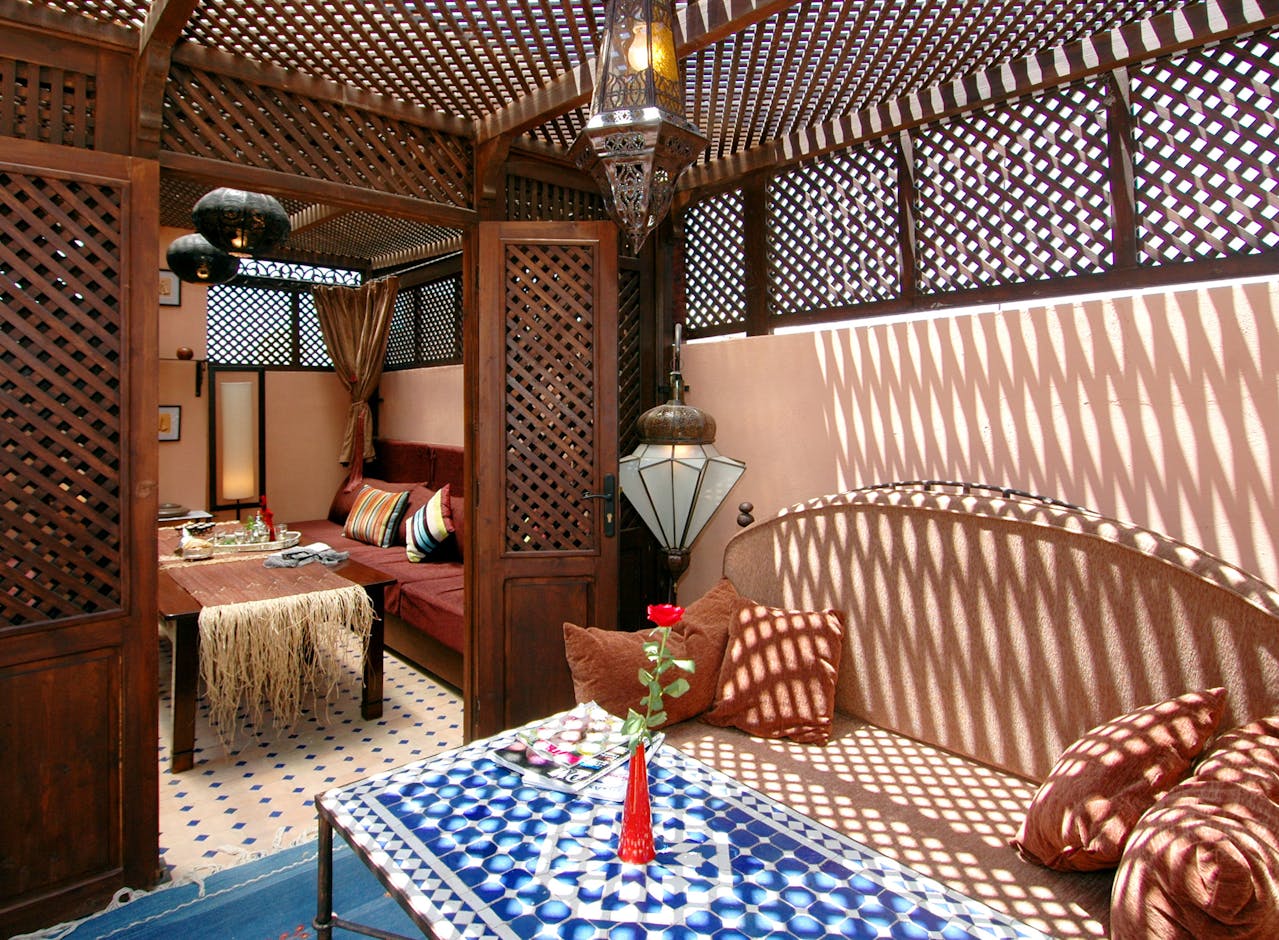
Carved wood screens and lattice panels revive an old idea for modern plans: privacy that still lets air and light travel, often inspired by jali or mashrabiya-style geometry. Used as a headboard, a radiator cover, cabinet fronts, or a divider between entry and living space, the pattern creates shadow play that changes hour by hour and makes plain walls feel gently animated. When pieces are made by local craftspeople or reclaimed from architectural salvage, tool marks, joins, and repairs become part of the beauty, and the room gains a sense of procession, like moving through layered courtyards instead of one big box.
Heritage Tilework and Patterned Floors
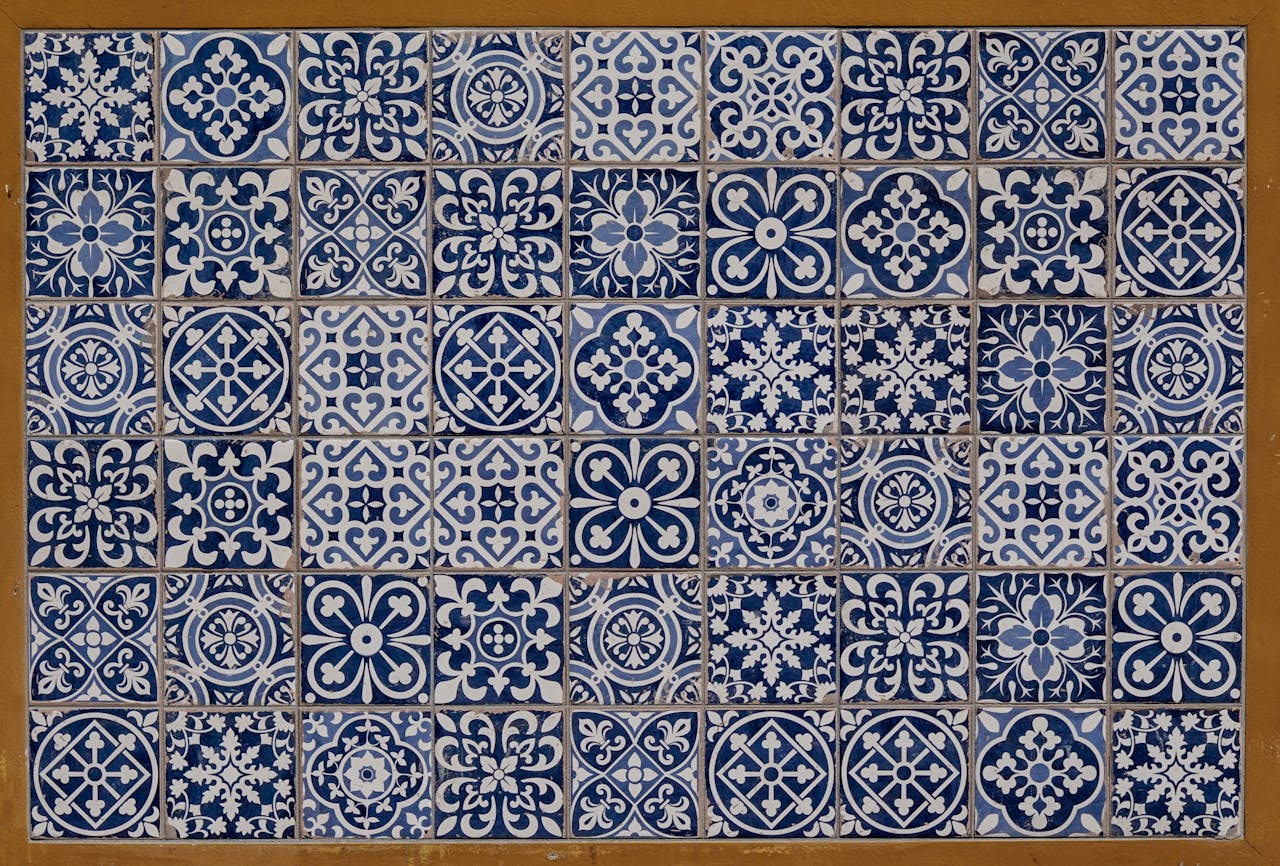
Patterned tile, inlaid stone, and mosaic-style floors are returning as a grounding layer, especially in foyers, mudrooms, and kitchens that take daily wear. The key shift is restraint: one defined zone gets the pattern, maybe encaustic-style cement tile, handmade zellige, or terracotta laid in a herringbone, while nearby surfaces stay calm so the room feels edited instead of busy. Motifs nod to regional geometry and floral traditions, and repetition adds ceremony to ordinary routines, like stepping into a courtyard, a bathhouse, or an old storefront with a worn threshold that has seen a thousand returns over time.
Hand-Thrown Ceramics as Everyday Heirlooms
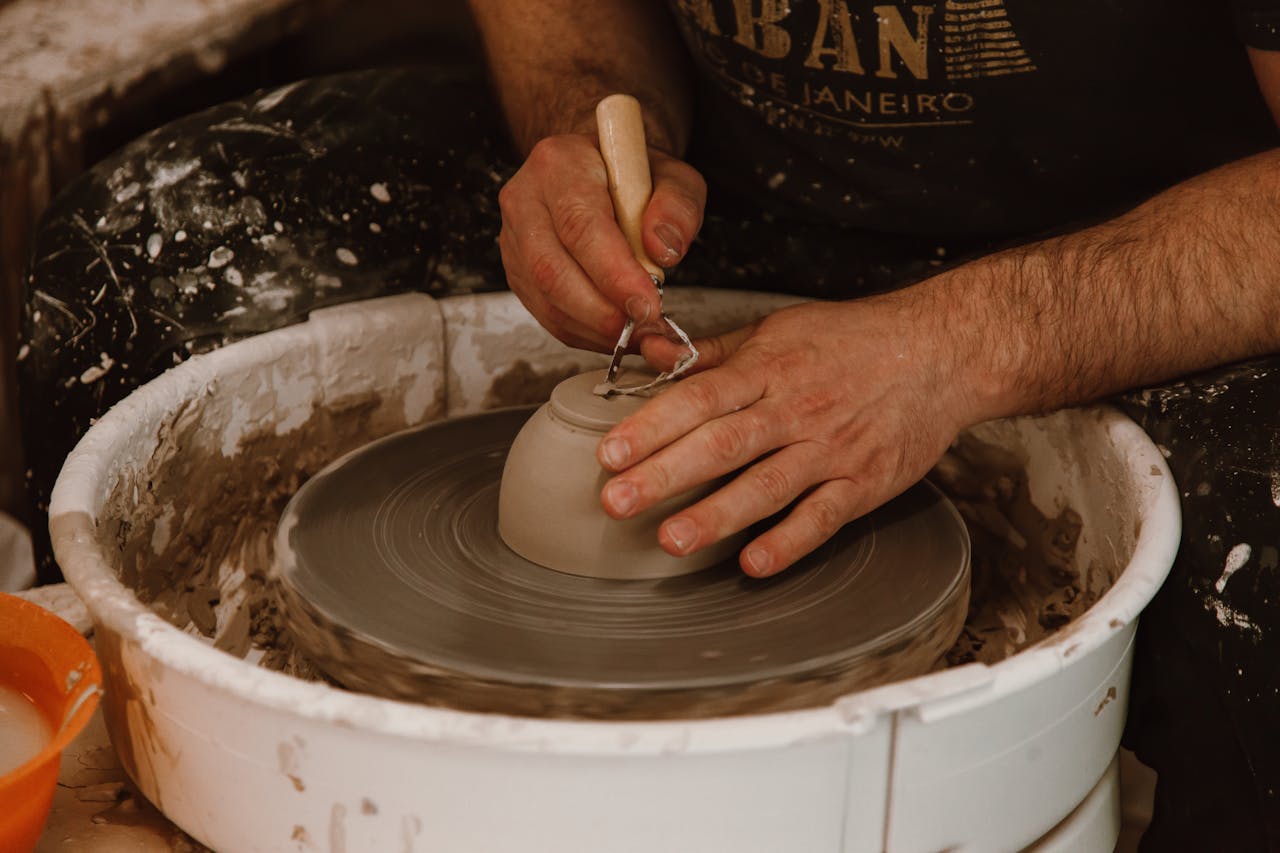
Hand-thrown pottery and imperfect ceramics are moving from display shelves to daily use, which is where they start to feel like heirlooms that belong to a household, not a showroom. A mismatched set of bowls, a large serving platter, a tagine-like lidded pot, and a few sculptural vases can make a table feel rooted without staged styling, especially when glazes echo local clay tones and ash, sand, or speckled minerals. Chips do not always end the story; visible repairs, patching, and gentle wear signal human touch, aligning with the growing preference for authenticity, patina, and objects meant to be handled every day.
Curated Maximalism With Family and Travel Finds

The new maximalism is careful, not chaotic: layers of books, art, textiles, and small objects that reflect a life rather than a shopping haul, with breathing room between clusters. Instead of matching sets, designers mix eras and regions, then repeat a few colors, metals, or woods so the room still feels calm, almost like a well-edited exhibit. Heritage decor benefits because the method welcomes inherited pieces, flea-market discoveries, and travel finds with context, such as a bowl bought from a potter, a framed letter, or a carved figurine, letting meaning and memory set the order, not price or perfection alone.
Folk Motifs in Modern Lighting and Details

Heritage influence is showing up in the smaller parts of a room, where it feels personal and precise: lantern-inspired pendants, pierced metal shades, carved switch plates, knobs cast in old molds, or glass that looks gently bubbled. These accents translate folk pattern language into modern silhouettes, so a space reads current while still nodding to tradition, hand skill, and regional ways of making light. When paired with simple furniture and quiet walls, the details act like punctuation, drawing the eye closer and making everyday rituals feel considered, from flipping a light at 6 p.m. to opening a cabinet at breakfast.
Natural Fiber Layers: Jute, Rattan, Seagrass
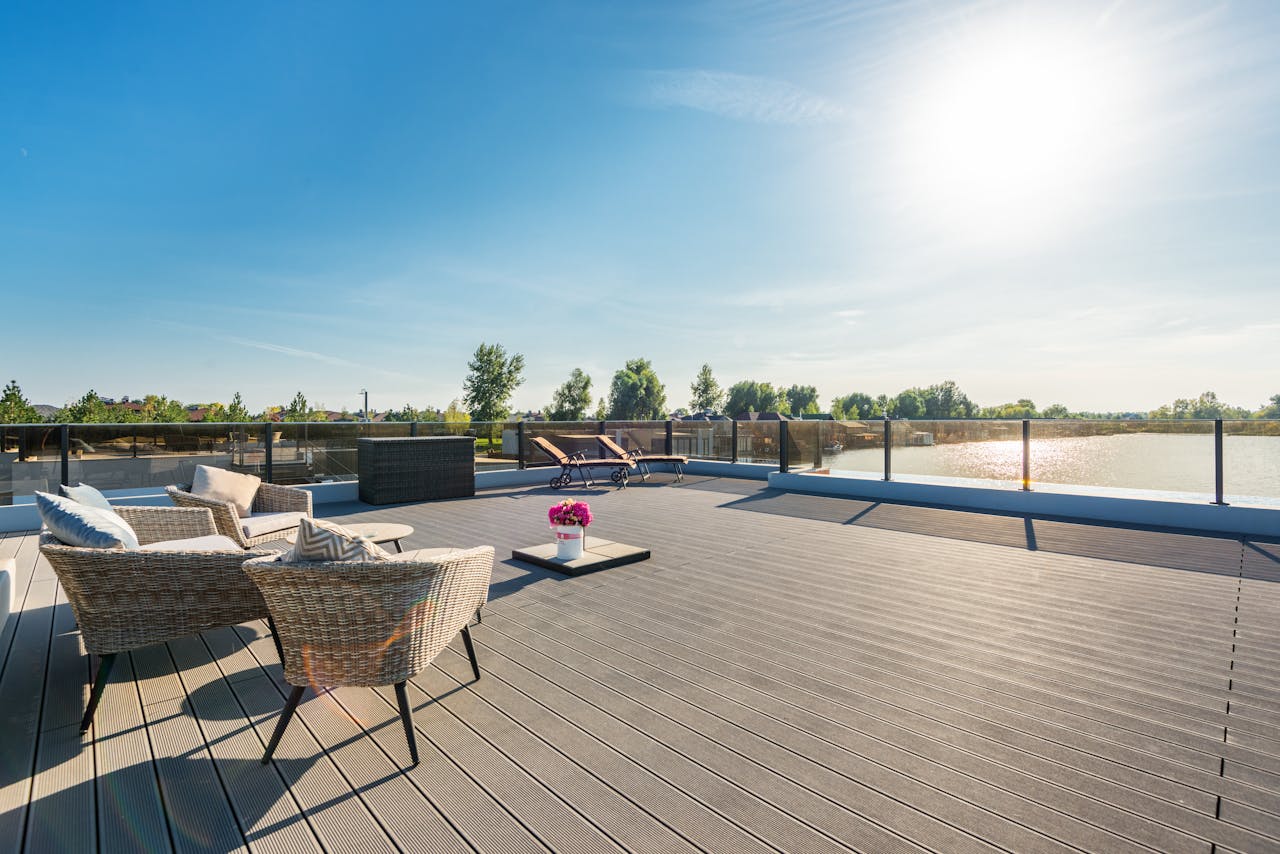
Natural fibers carry a universal, coastal-to-mountain familiarity, which makes them ideal for globally rooted rooms and helps different cultural pieces sit together without fighting. Jute rugs, rattan chairs, seagrass baskets, cane-front cabinetry, and sisal runners add warmth and breathe easily alongside stone and wood, keeping spaces relaxed even when the architecture is formal or the palette is spare. The look works best when finishes are matte and tones stay sunbaked rather than orange, and when a few handwoven or embroidered textiles are layered on top, so the room feels collected and lived with, not themed.
Storytelling Walls With Archives, Maps, and Photos

Gallery walls are becoming more documentary than decorative, built from family photos, travel ephemera, vintage maps, and small artworks that trace migrations and milestones, plus postcards, ticket stubs, or a handwritten recipe printed. Frames do not need to match; the through line is a shared palette, consistent matting, and a clear rhythm from large to small so the arrangement feels calm instead of cluttered. When captions, dates, and locations are included, the wall becomes a living archive that keeps heritage present in daily routines, turning memory into decor without turning it into nostalgia for its own sake.