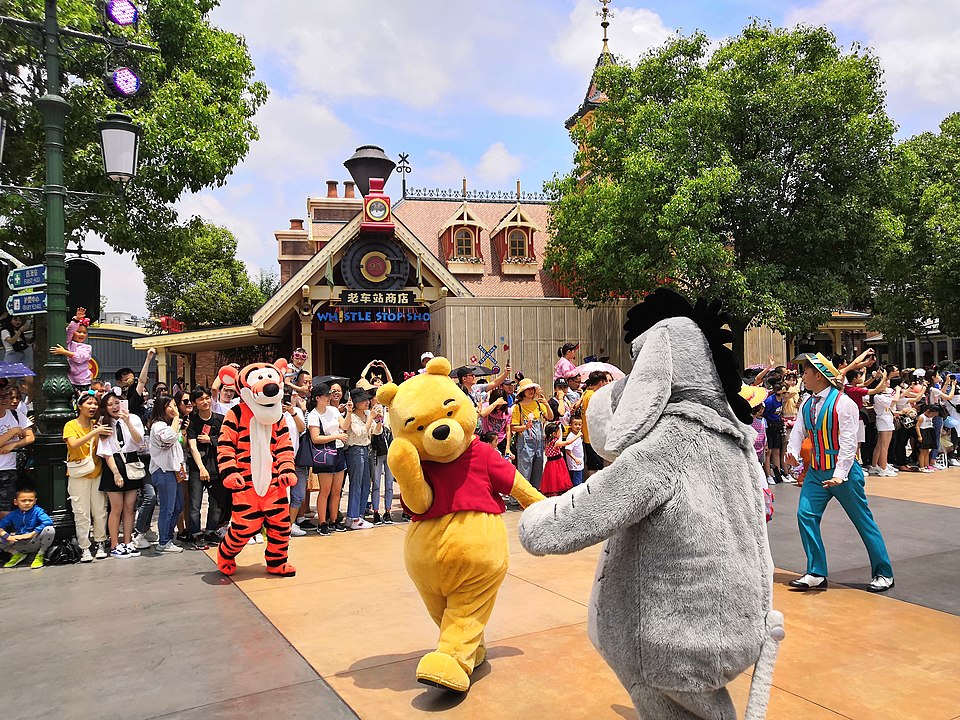
Some stories age like wood, getting smoother where hands keep finding them. “Winnie-the-Pooh” keeps returning in cycles: nursery shelves, animated comfort, a quote shared after a hard day. The Hundred Acre Wood feels like a small, warm room in the mind, where worries can be named without being judged. That gentle tone still lands because it treats tiny feelings as real events and friendship as a daily practice. Yet the constant churn of licensing, sequels, and attention-grabbing remixes can crowd the quiet, leaving even loyal fans feeling burned out by something meant to soothe in the first place, and wanting pause.
A Soft Philosophy That Never Preaches
Pooh’s best lines arrive like thoughts caught between kettle whistles, never like lessons delivered from a podium or a self-help poster. He misremembers, overthinks, and tries again, and the narration treats those stumbles as ordinary weather, with jokes that stay kind, small pauses for snacks, and a steady belief that tomorrow can be simpler. In a culture that rewards certainty and speed, that soft permission to be confused, to ask for help, to apologize without drama, and to move slowly toward honey, sunlight, and friendship still lands as relief, even for adults who have read it a dozen times in hard weeks, too.
Friends Who Feel Like Real Moods

The Hundred Acre crew works because each figure reads like a familiar weather system: Piglet’s worry, Eeyore’s gray drift, Tigger’s spark, Rabbit’s need to manage, Owl’s windy confidence, and Pooh’s gentle daze. Their traits create friction, but the stories refuse to punish anyone for being themselves, letting comfort come from accommodation, small apologies, and the way friends adjust their pace for the slowest walker. Fans return because the group offers a full emotional palette, where bravery can look like a tremble, joy can be loud, and loyalty can be as simple as showing up with a balloon or a jar on the doorstep.
The Hundred Acre Wood as a Refuge Map
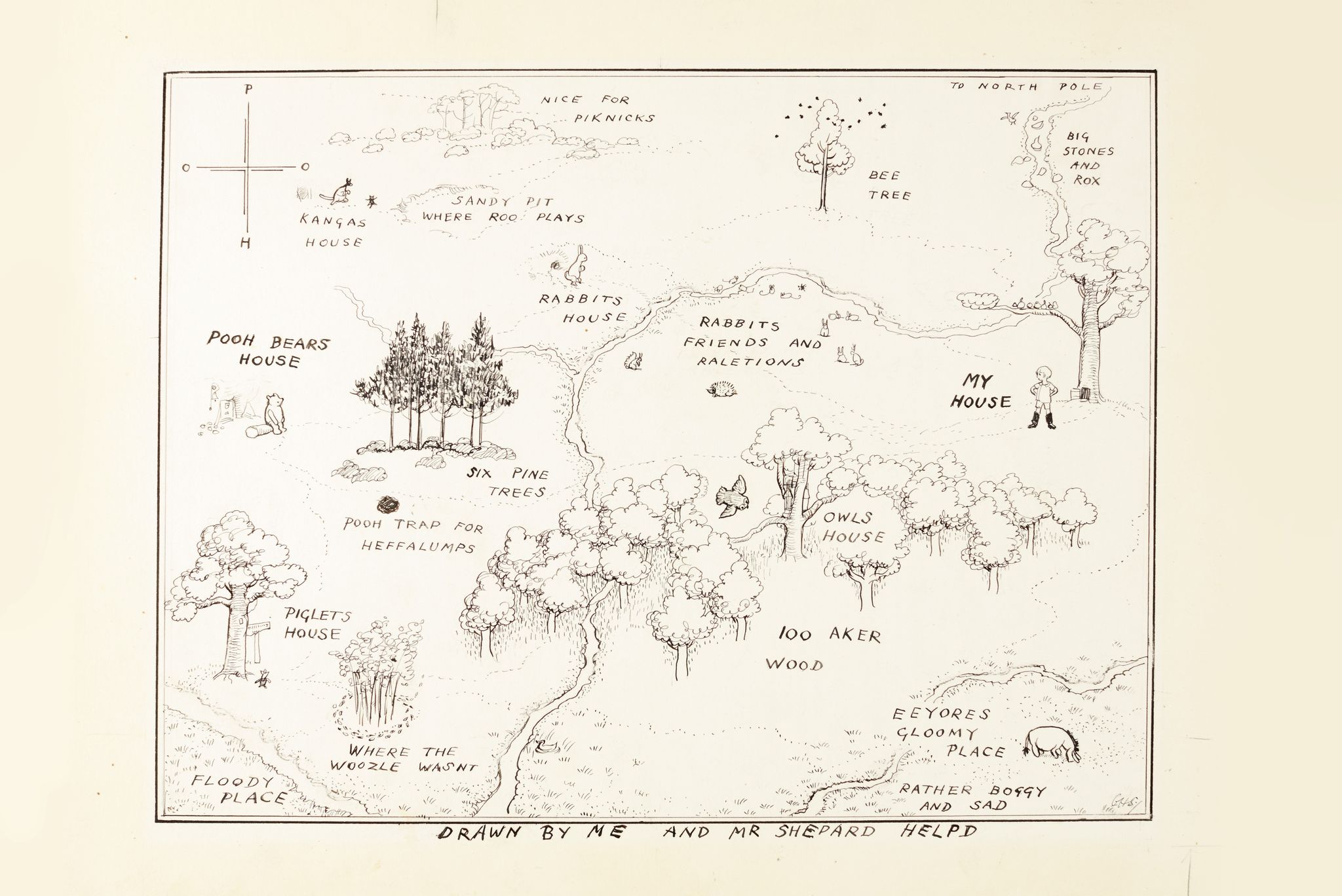
The Hundred Acre Wood is less a forest than a mind’s layout: a bridge for thinking, a corner for sulking, a small house for hiding, and a path for starting over without announcements. It suggests comfort can be built from familiar routes and tiny rituals, like counting steps, watching clouds, reading signs that make no sense, or visiting a friend simply because the day feels too big. That makes the place portable across decades, especially when real life is loud, but it also explains burnout, because when every product, pop-up, and post claims ownership of the same refuge, the quiet begins to feel rented for a fee.
Language That Sits Between Child and Adult
Milne’s writing sits in a rare middle ground: playful enough for children, precise enough for adults, and never embarrassed by tenderness or silence. The narrator’s wink, the gentle tangles of logic, and the musical rhythm of reading aloud make the stories feel like a conversation that includes everyone in the room, so a chapter can be funny at 7 and quietly devastating at 37. That double address explains the longevity, but it also invites overuse, because lines that once lived inside scenes now get pulled out as caption-sized wisdom, repeated without breath or context, until even beloved words start to feel thin.
Illustrations That Feel Like a Handheld World
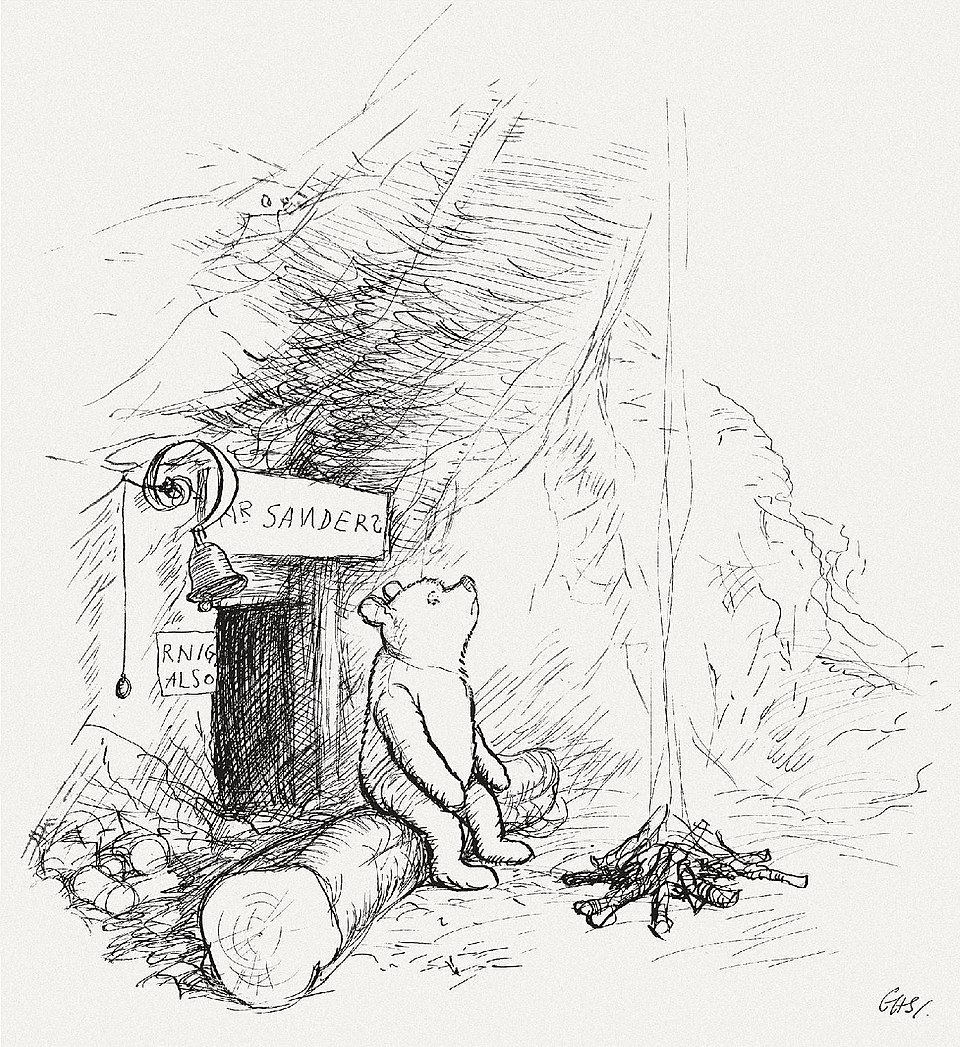
E. H. Shepard’s illustrations hold the world in a lightly sketched reality, with soft lines, open space, and expressions that never shout, even when something goes wrong. The drawings suggest imagination is close to the surface, as if a pencil could summon a whole afternoon from a blank margin, with scuffed shoes, tilted umbrellas, and a bear who looks like a toy that has been hugged smooth. When newer versions chase gloss, speed, or hyper-bright color, some fans miss that airy stillness, and the original art becomes visual breathing room, a reminder that a story can whisper and still be vivid in memory for a long time.
A Gentle View of Growing Up

Under the honey and games sits a clear-eyed story about growing up: Christopher Robin drifts toward school, time speeds up, and the toys feel the shift before anyone is ready to name it. The book honors that ache without turning it into tragedy, letting goodbyes feel ordinary, sacred, and unfinished, as if childhood is not lost but folded away like a blanket that can still be touched. That balance keeps people returning during graduations, moves, and losses, because it makes room for grief while refusing cynicism, and it suggests that love can stay present even when a chapter ends without a drumroll or a villain in sight.
Merchandise That Turns Tenderness into Noise

Pooh’s face on a shelf can still feel like a small wave from the past, but omnipresence has a cost that even the gentlest bear cannot soften. When every aisle, mug, holiday drop, and algorithm repeats the same honey-colored grin, the charm shifts from discovery to exposure, and sweetness starts to taste like branding, with limited editions and urgency baked in. Burnout often shows up as resistance to being marketed through comfort: fans may still love the original stories, yet crave distance from the endless products and tie-ins that promise childhood feelings on demand, as if tenderness were a subscription for life.
Reboots, Remixes, and Tonal Whiplash

A quiet story can survive adaptation, but it struggles when adaptation becomes a pile-on, arriving faster than memories can settle and asking attention to reset every season. New versions swing from cozy to edgy to ironic, spreading across films, shorts, games, parodies, and remixes, and the contrast can make the original feel harder to access, like a familiar room filled with loud guests. For longtime fans, burnout often comes from explaining what the world meant, while watching the brand chase novelty, clicks, and shock value, and feeling the gentle core get treated as raw material rather than something to protect.
Nostalgia That Starts Feeling Like Homework
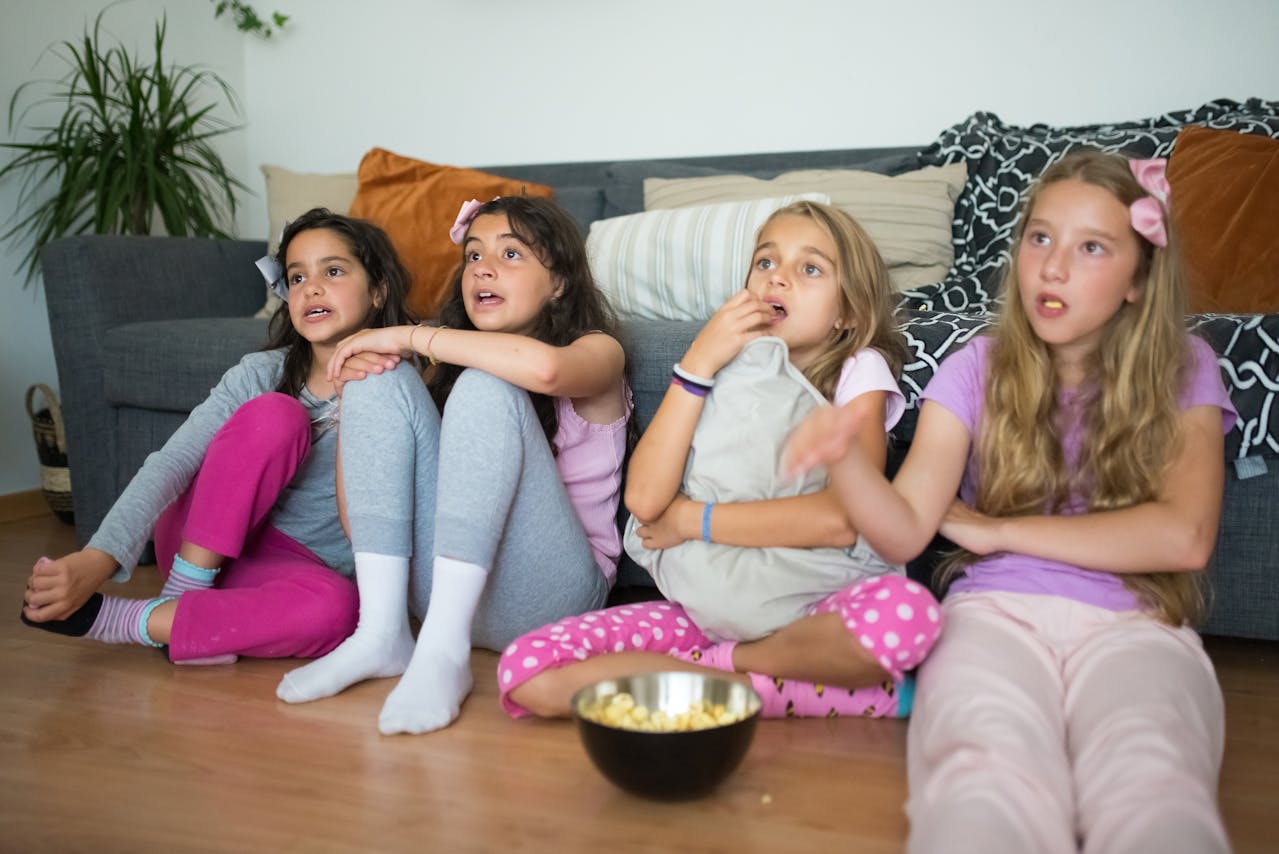
Pooh carries a reputation for comfort, which can turn a story into a prescription, something expected to fix a mood on command with a single page. When life is messy, a familiar chapter may not deliver instant relief, and the gap between expectation and reality can feel personal, especially when the book is tied to grief, family voices, or a particular childhood room. Burnout follows when nostalgia becomes performance: anniversaries demand rereads, quotes get posted as proof of softness, plushies get staged for aesthetics, and the private relationship with the story starts to feel like homework assigned by the timeline.
A Small World That Gets Crowded Online
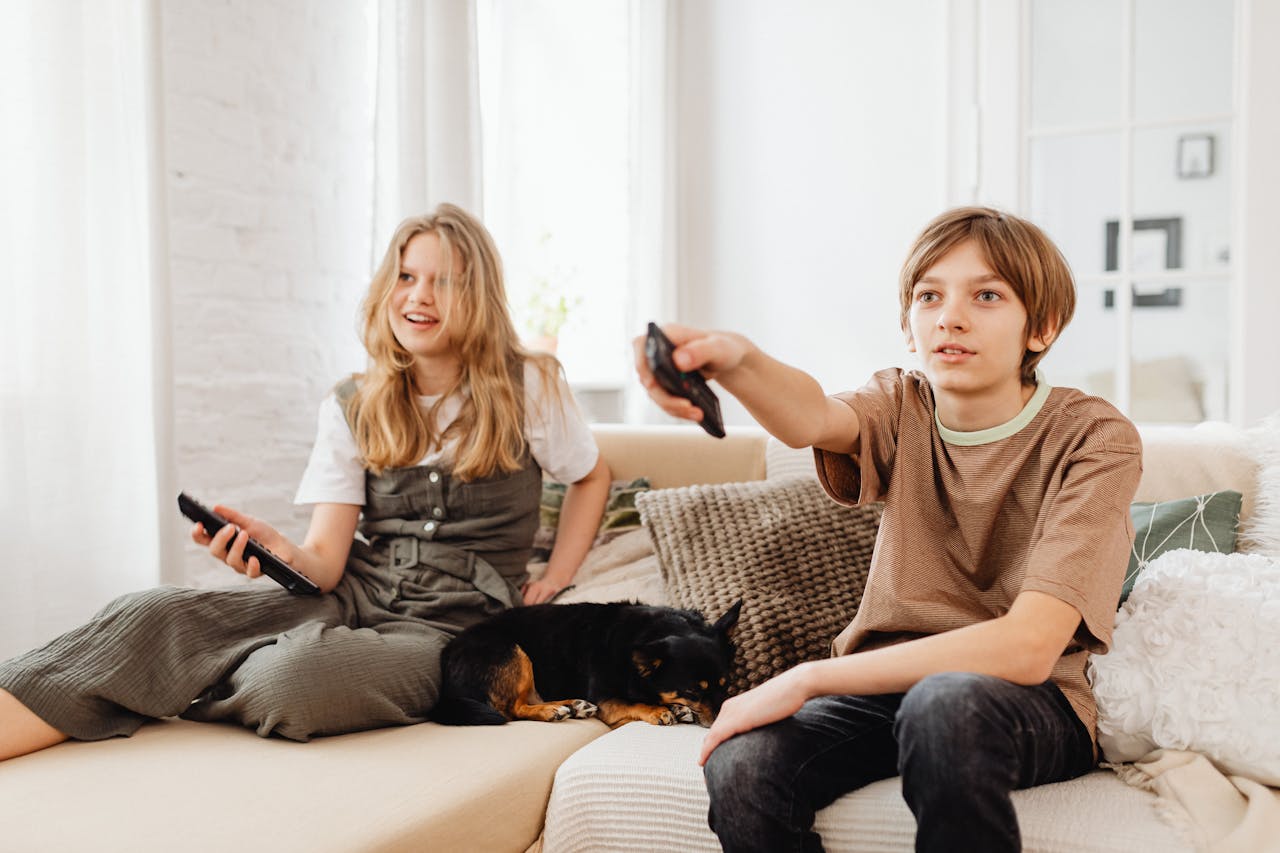
The internet loves tidy moral quotes, and Pooh supplies many, but context often disappears in the crop, stripped of the walk that led to the thought and the soft humor that held it. As lines circulate, the characters become mascots for whatever mood needs validation that day, and arguments break out over the correct meaning, turning a gentle book into a comment-section identity marker. Fans who crave the slower rhythm of full chapters sometimes step back on purpose, protecting the Wood as a private place, then returning later when the algorithms move on, the discourse cools, and the pages feel like pages again for a while.