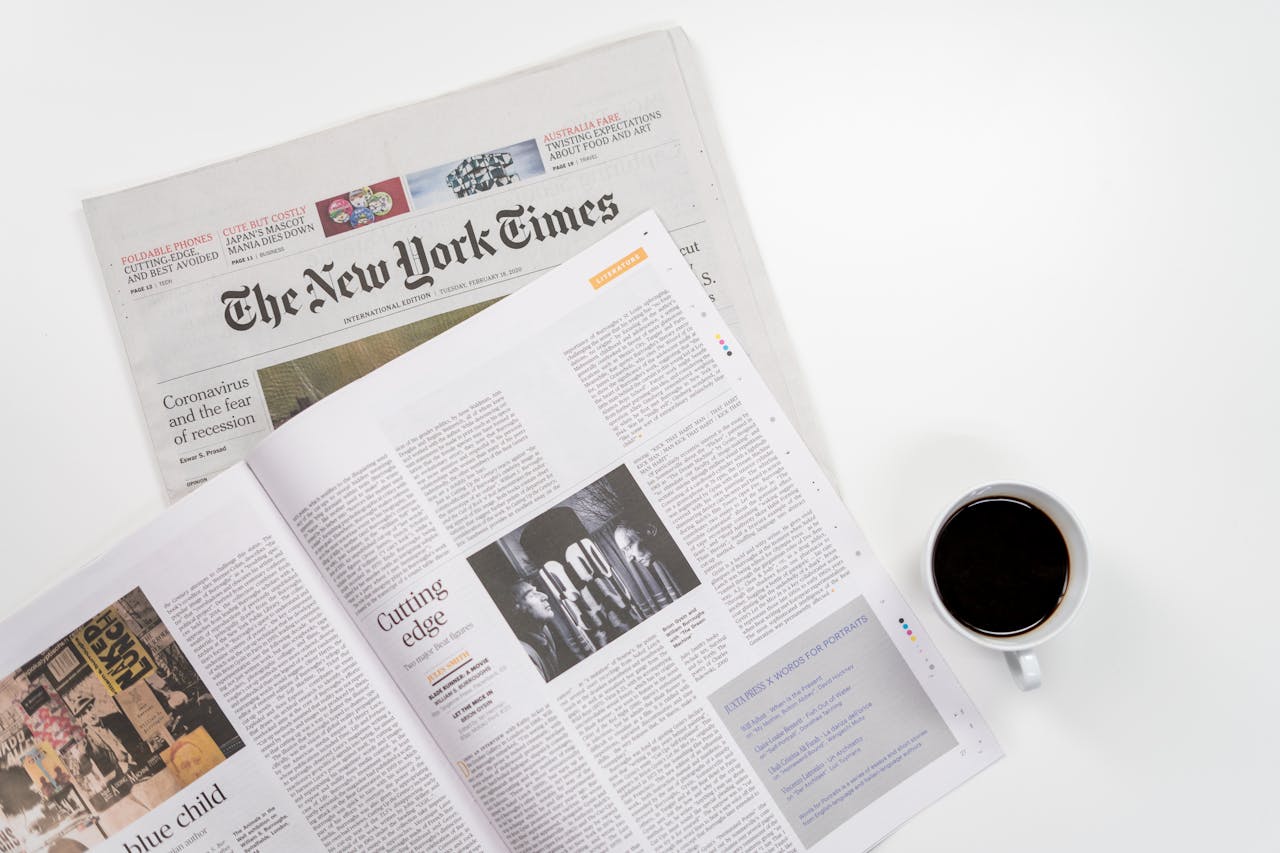
For much of the 20th century, the local newspaper was less a product than a daily operating system. It arrived with porch-thump certainty, carried the town’s names and arguments, and turned scattered households into a shared audience. One front page could elevate a school bond, expose a cozy contract, or rally volunteers before breakfast. It also preserved the ordinary: birthdays, bowling scores, church suppers, and the quiet roll call of obituaries. The ritual mattered because flipping pages put public business beside school sports and ads. When readers and advertising moved online, many papers shrank, merged, or closed, and the center of gravity shifted. What replaced that central bulletin board was quicker and louder, often useful, sometimes chaotic, and rarely communal.
It Set the Town’s Daily Agenda

A local paper concentrated attention the way a courthouse bell once did, pulling residents toward the same set of facts before buses arrived, coffee hit the table, and the day scattered them. Front-page choices shaped talk at diners, factories, and barbershops, and the inside pages kept the drumbeat going with bids, potholes, bake sales, arrests, lunch menus, and who showed up to argue. Now that job is split across feeds, group chats, and neighborhood apps, fast and personal, but tuned for attention spikes, not consensus, so the town’s shared storyline fractures into separate threads, and rumors get a head start most days.
It Made Government Visible by Default
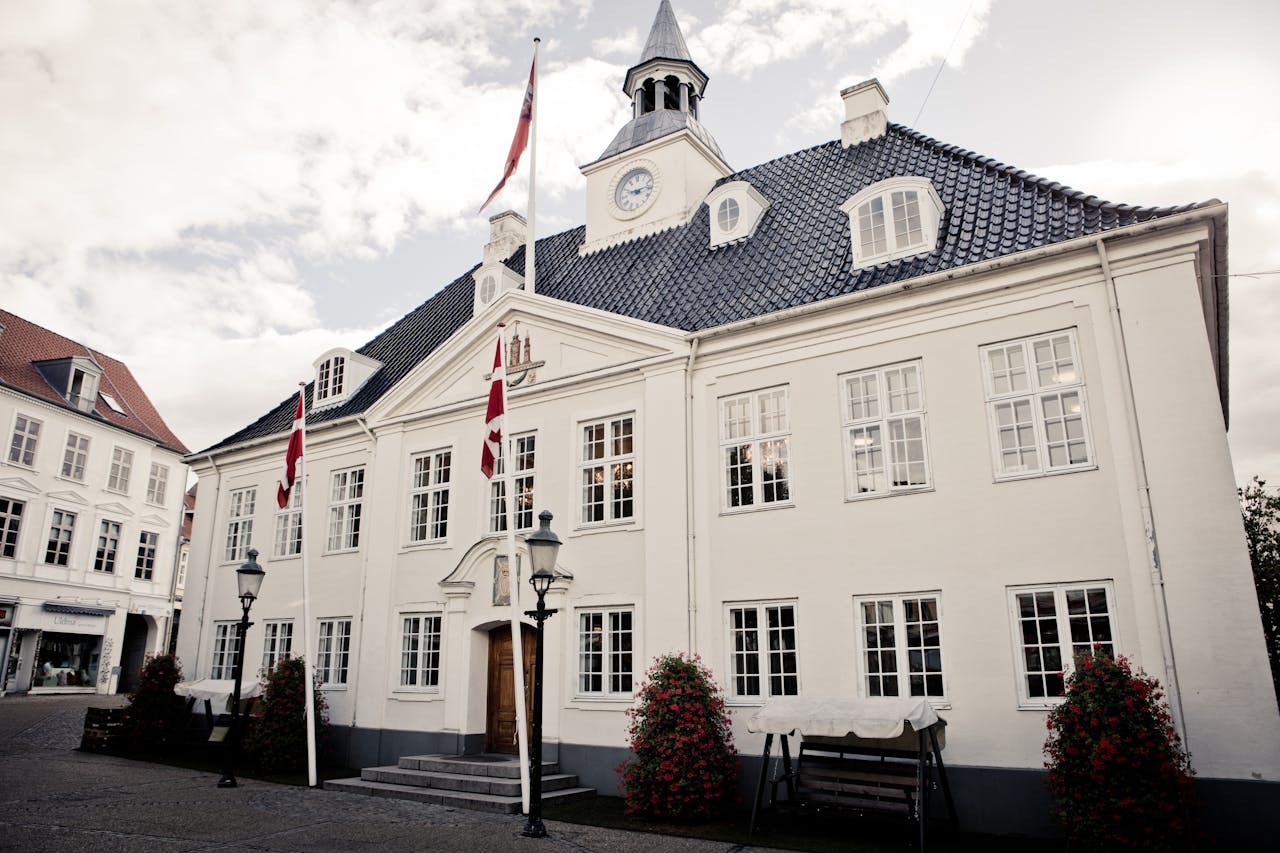
Council votes, zoning fights, and school board budgets were not niche reading when a reporter translated them beside box scores, church news, and grocery ads on the same kitchen table. Legal notices, meeting calendars, and court updates sat in that bundle, so public business became routine, and officials had fewer places to hide behind jargon or rushed voice votes. Now the record often lives in PDFs, livestream archives, and scattered posts, easy to publish but easy to miss, and the burden shifts to volunteers with day jobs who discover, without a headline, that a quiet agenda item reshaped a neighborhood overnight, then for years.
Classifieds Worked Like a Local Economy in Print

Classifieds were a compact marketplace of rentals, used cars, job leads, and odd favors, arranged in small type that trained a town to bargain and read between the lines. In a few columns, someone could find a garage apartment, a lawn mower, a babysitter, a shift at the mill, or a tractor part, and the paper collected the checks that quietly funded coverage. When listings migrated to searchable sites and marketplace apps, the sales got faster and more visual, but the money stayed with the platforms, and the newsroom lost one of its best ways to pay a reporter’s salary, meaning fewer eyes at city hall and court each week.
It Served as the Town’s Family Album
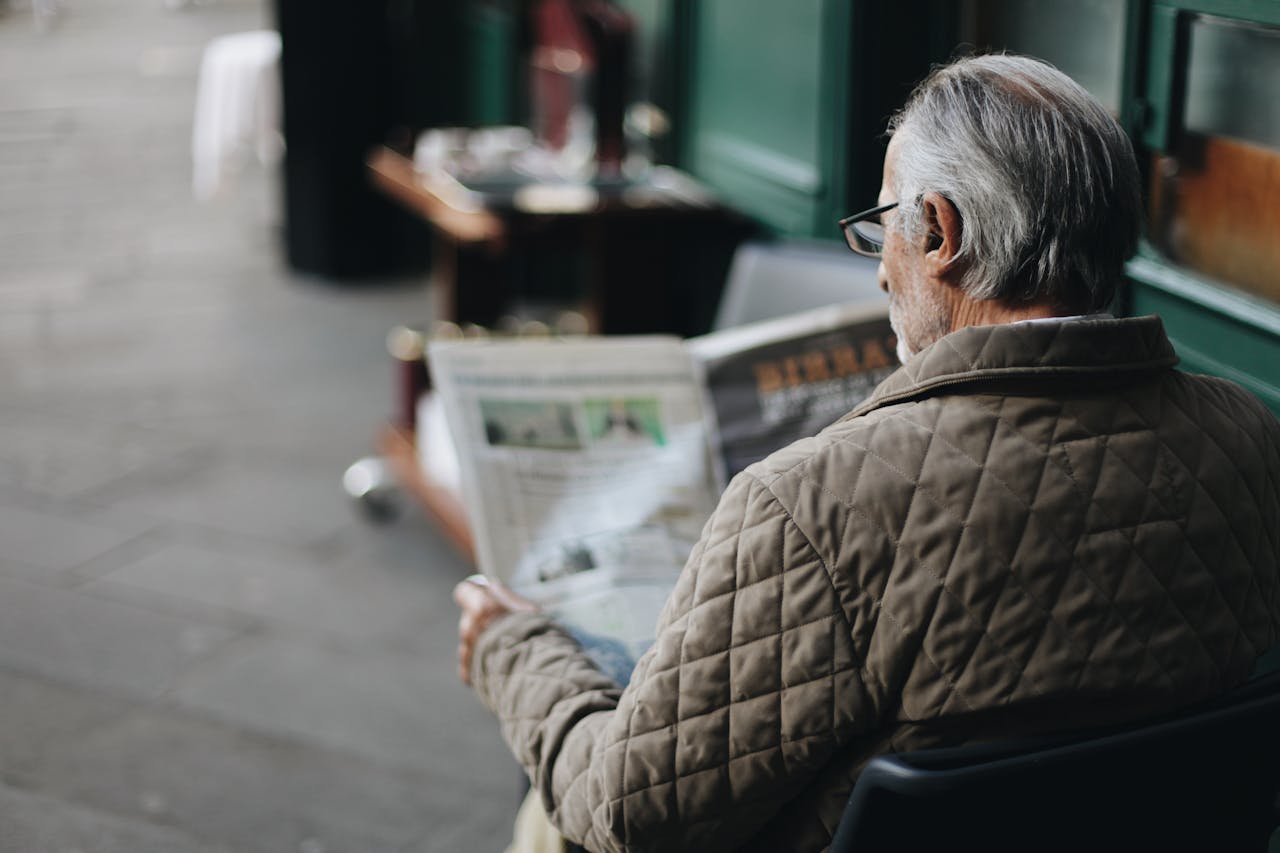
Births, anniversaries, honor rolls, retirements, and obituaries gave names a kind of permanence, turning private lives into public record that could be clipped, dated, and tucked into a kitchen drawer. Weddings, reunions, and school plays landed in the same pages, and in towns where everyone shared streets but not circles, that coverage explained kinship lines and welcomed newcomers into the story. Milestones now live in memorial sites, Facebook posts, and group texts, immediate and intimate, yet scattered across platforms that redesign, delete, or disappear, so the town’s memory becomes a search box, not a scrapbook passed down.
It Turned School Sports Into Civic Theater

Friday night scores and small school triumphs mattered more when the write-up sat near the council budget and the weekend forecast, giving teenagers a civic stage beyond the gym lights, and it made the school feel like common ground. The paper named starters, credited band directors, and captured details families reread years later, long after jerseys were boxed away, gyms were repainted, and coaches moved on. Streams, highlight reels, and booster pages now carry much of the coverage, but the mixed-age audience that once found it by flipping pages has splintered into niche follows, and pride travels as a clip, not a town ritual.
It Was the Default Watchdog

A small newsroom could be relentless because it lived close to the consequences, from a tainted water report to a no-bid contract that kept resurfacing under new names. Beat reporters learned the personalities, the paper trail, and the courtroom rhythm, filed records requests, sat through dull meetings, and returned week after week until an explanation finally held up in print. As staffs shrank and papers closed, watchdog work shifted to nonprofits, regional TV, and occasional national investigations, leaving long stretches where nobody is paid to keep asking the same questions, even when residents know something is off locally.
Local Funded Local Life

Display ads, inserts, and coupon pages were not just commerce; they mapped which shops were thriving, which services were trusted, and who could sponsor a Little League team or a scholarship. Car dealers, supermarkets, banks, and funeral homes bought attention in the same place residents looked for civic information, and local ad reps knew which businesses could pay on Friday and which needed a week. Digital targeting moved that spending to platforms that follow individuals across the web, efficient for sales, but far less likely to underwrite the slow work of local reporting, so newsrooms lost staff while platforms kept the data.
It Organized the Community Calendar
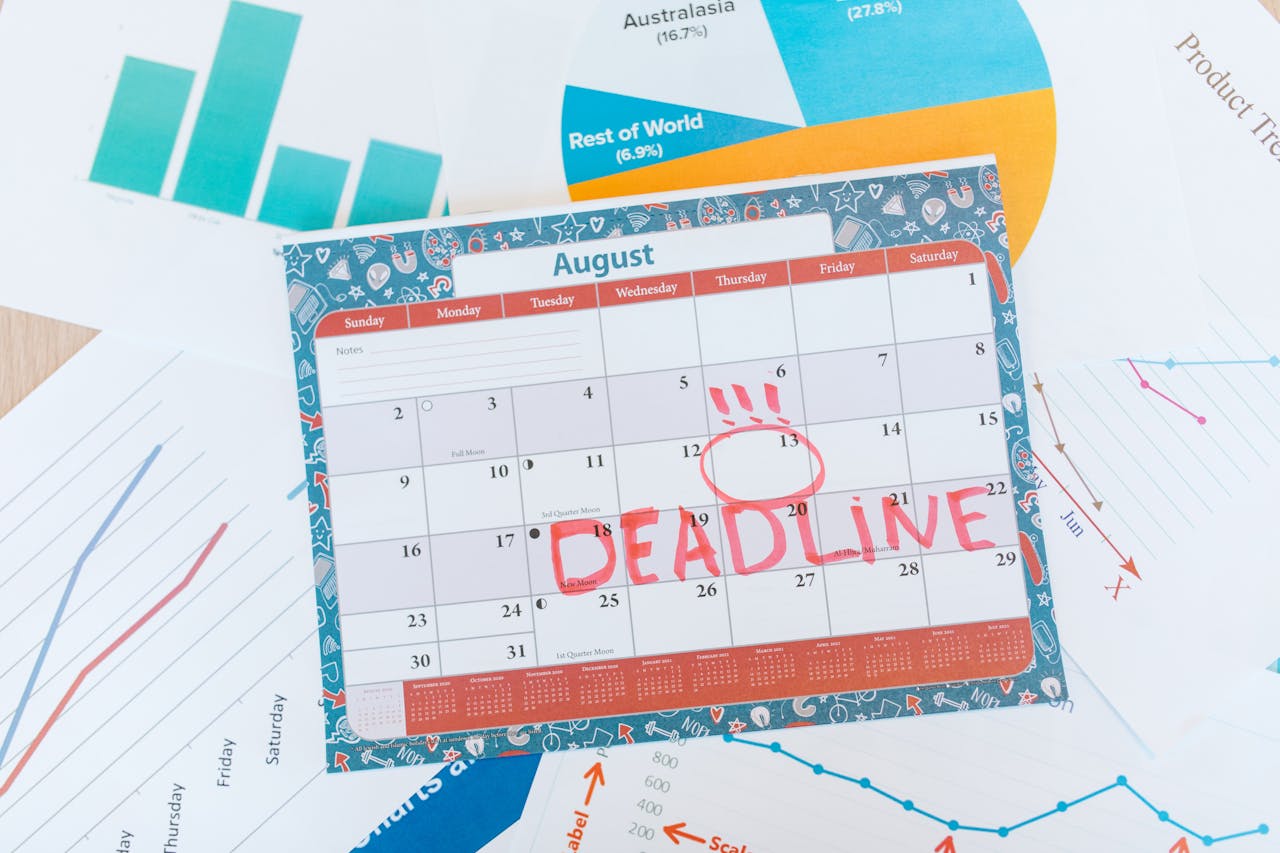
From fish fries to library talks, the paper bundled small events into a single, browsable week, making participation feel easy and expected rather than like a scavenger hunt. That list rewarded the groups that did the unglamorous work, from the VFW pancake breakfast to the church-basement fundraiser, and it helped newcomers decode traditions, ticket prices, and seasonal rituals that never made it onto sites. Now events travel through Facebook, Eventbrite, email newsletters, and neighborhood networks, with reach that can be wide, yet shaped by algorithms and who pays to boost a post, so small gatherings can vanish between scrolls.
Letters to the Editor Taught Public Argument
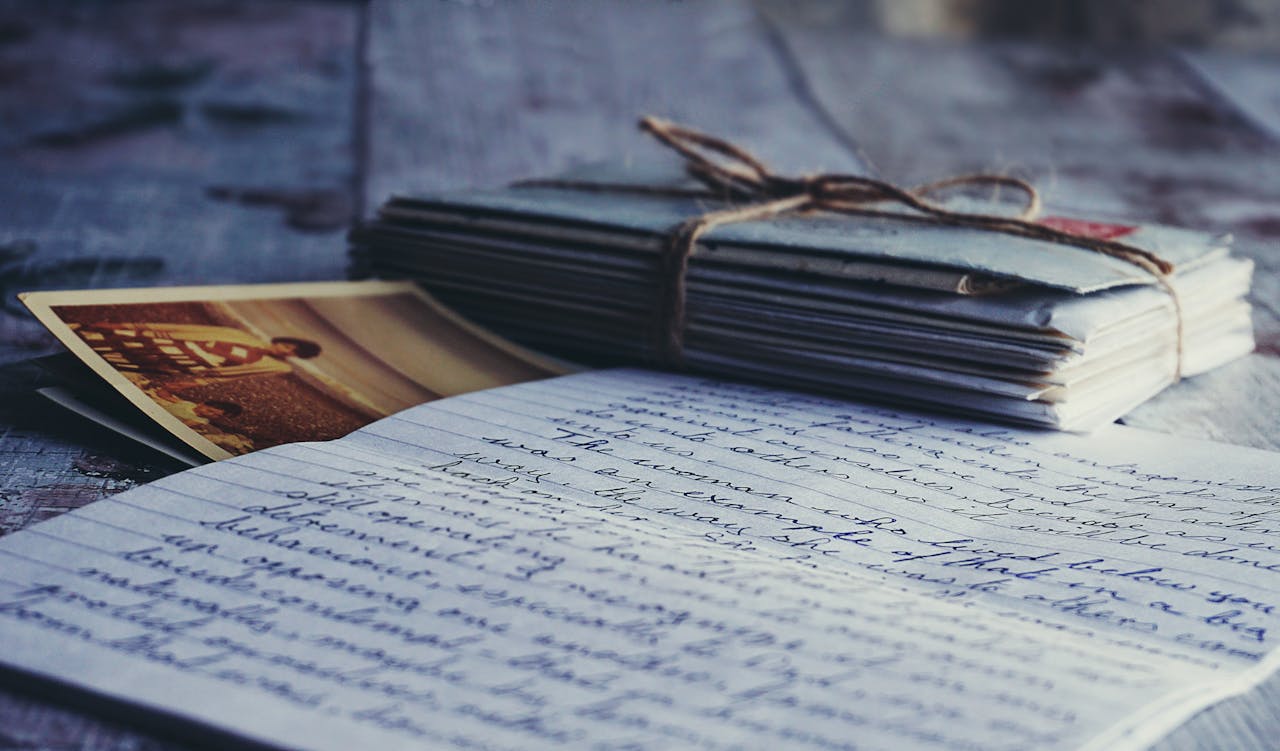
The letters page created a slow, visible forum where neighbors disagreed under real names, and editors trimmed the sharpest edges before ink made it permanent and widely seen. Waiting a day or two to appear in print cooled tempers, rewarded clear writing, and kept debates tethered to local facts because corrections could not be buried by a fresh distraction. Social platforms replaced that forum with comment threads and quote-posts, faster and louder, with less context and uneven moderation, so civic disagreement turns brittle and personal, and the loudest voice can look like the winning one, while screenshots travel forever.
It Delivered Emergency Information with Authority

Storm tracks, road closures, and boil-water notices carried extra weight when printed with reported context and familiar bylines that had earned trust over years. The paper listed shelter locations, phone numbers, and which bridges were out, and it explained the why, not just the what, so rumors often died when a corrected detail showed up the next morning beside the police blotter. Now alerts arrive through weather apps, county texts, and neighborhood posts, immediate but sometimes contradictory, and false claims can move as fast as the warning, leaving residents to sort signal from noise while the situation is still unfolding.
It Provided a Single Version of What Happened
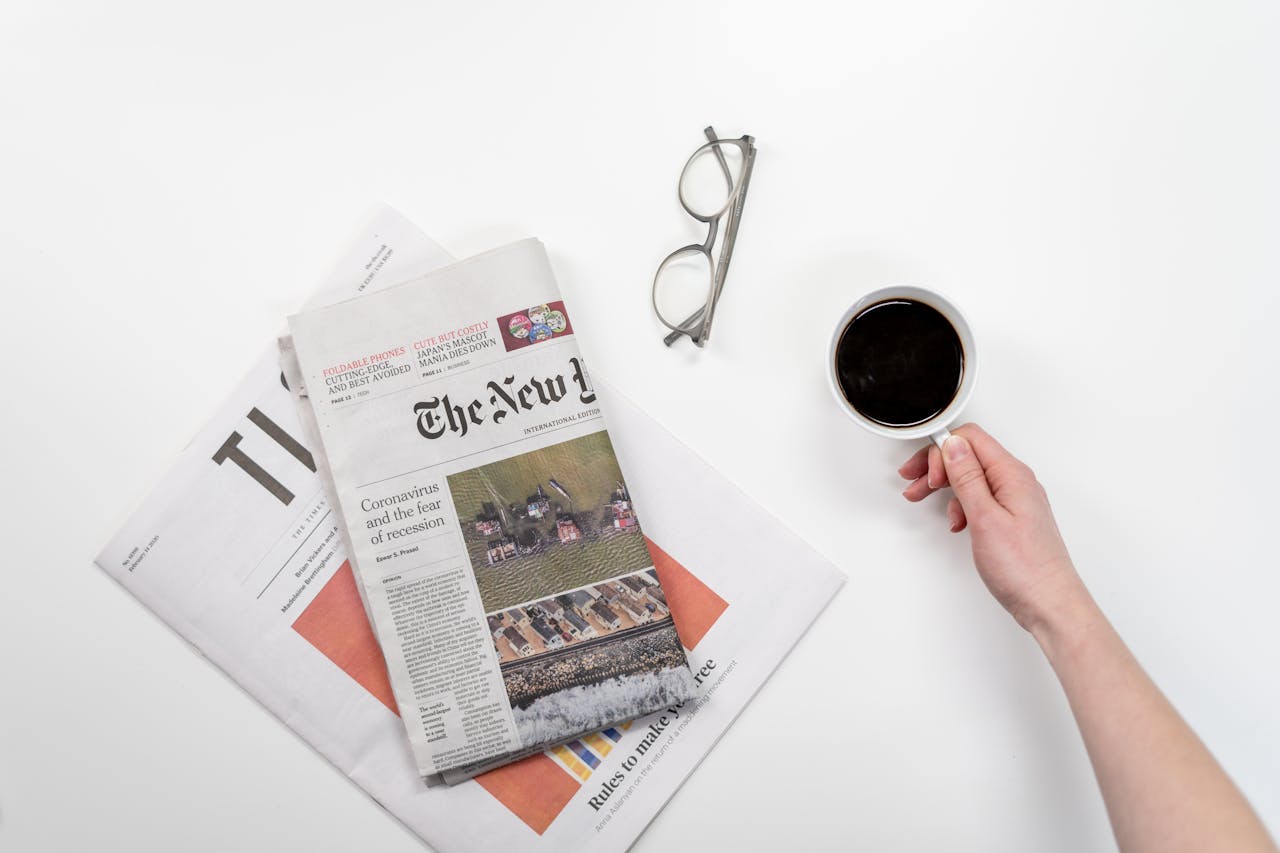
A daily paper created a common baseline, so even residents who argued about conclusions recognized the same set of reported events, names, and dates. That shared file of reality made compromise more possible because disputes started from the same paragraph, not from competing screenshots, rumor chains, or a clip stripped of context. Today the replacement is a patchwork of podcasts, newsletters, group chats, neighborhood admins, and platform-driven updates, sometimes even AI-written local briefs, and the town’s attention fractures into overlapping micro-audiences that rarely hear the same story at the same time in one place anymore.