Bridges do more than carry feet and wheels. In many places they hold small rituals that turn an ordinary crossing into a shared memory, shaped by water, weather, and local pride. Some customs are built around care, like replacing a handwoven span together. Others are personal, like leaving a token, touching a worn relief, or timing a kiss to a certain light. What connects them is simple: a bridge feels like a threshold, and people treat thresholds with meaning quietly.
Q’eswachaka Renewal, Peru
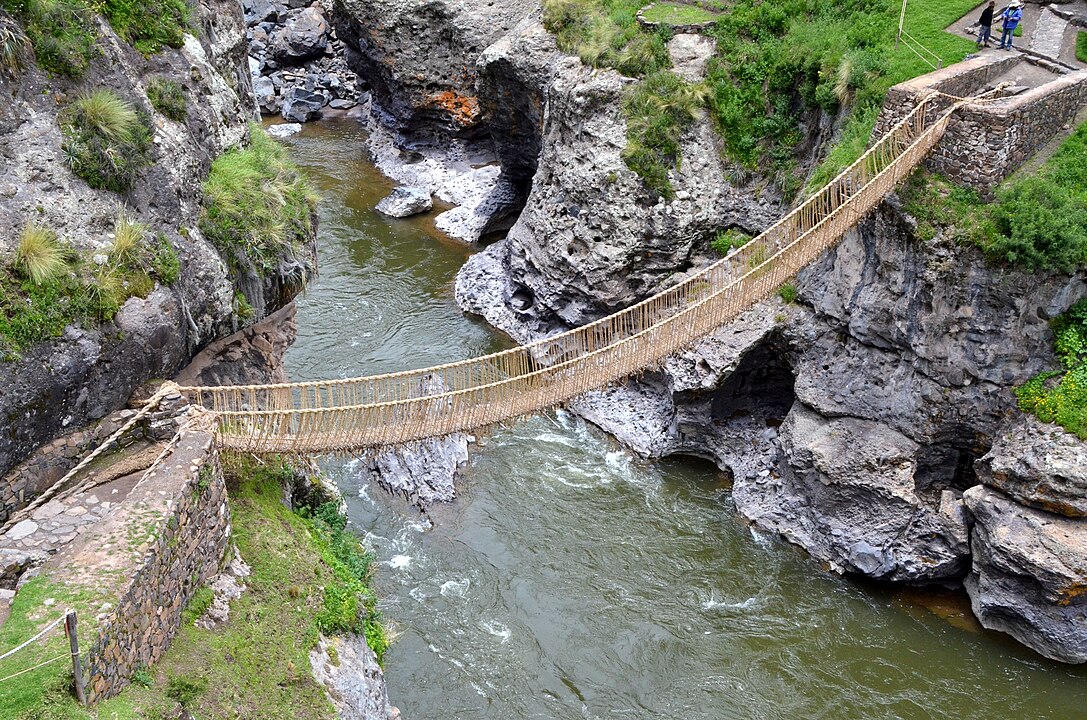
Each June in Peru’s Andes, four Quechua communities gather at Q’eswachaka to replace a rope bridge woven from ichu grass over the Apurímac River. Families cut and soak fresh grass, twist fibers into cords, and pass bundles hand to hand, while specialist builders braid the main cables, tension them across the gorge, and lace a new walkway into place with quick, sure knots and braided side ropes for support. After the first crossing, offerings, shared meals, and dancing mark the job as community responsibility and reunion, so the bridge is renewed alongside relationships, trust, and local pride.
Love Locks on Hohenzollern Bridge, Cologne
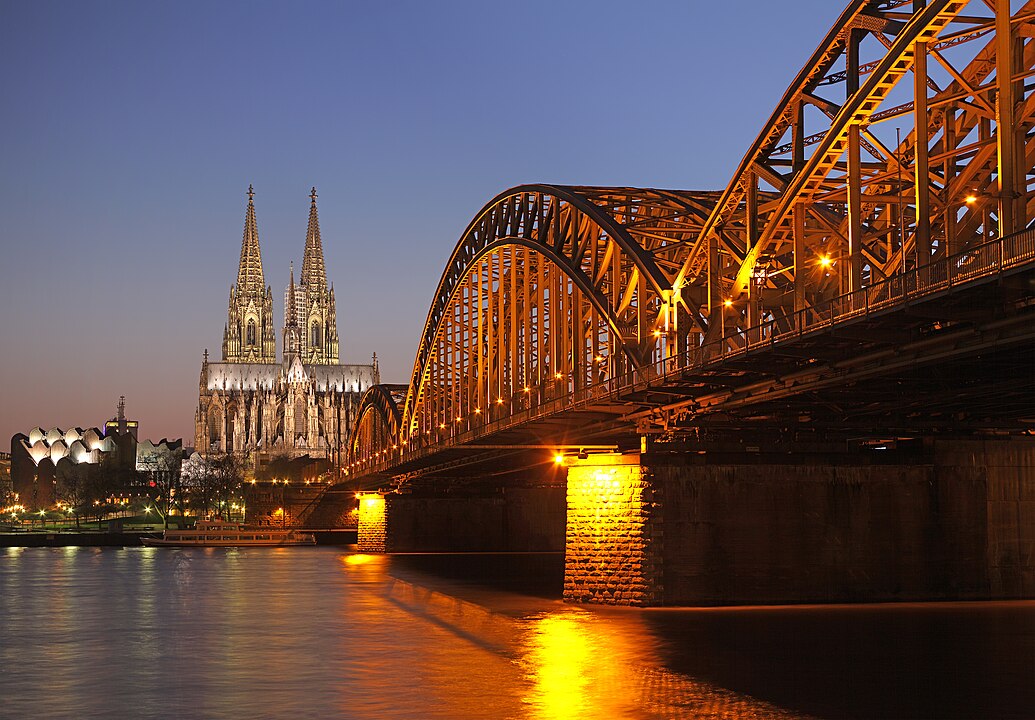
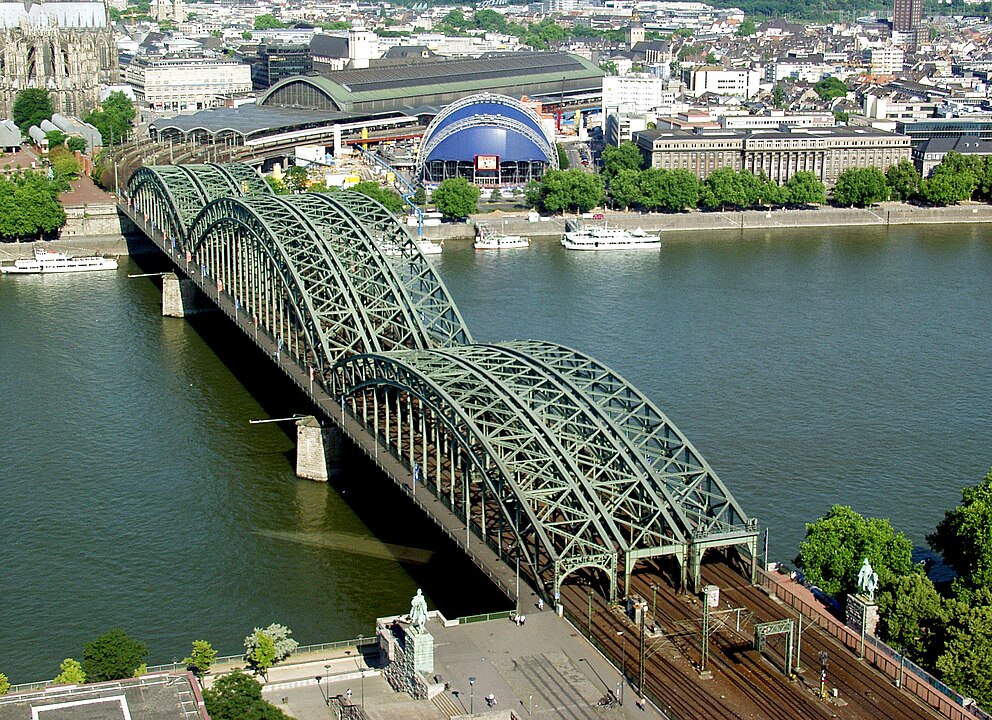
On Cologne’s Hohenzollern Bridge, couples fasten engraved padlocks to the railings and drop the key into the Rhine as a symbol of staying put. The custom spread quickly, turning the pedestrian path into a glittering strip of metal tags, tiny messages, and dates, framed by cathedral views, river light, and constant train traffic overhead, day and night. Officials and locals debate weight and maintenance, but the practice persists because it gives a huge, everyday crossing a human scale, where private promises sit in public without speeches, banners, or ceremony, just the steady sound of footsteps and trains.
Pont des Arts and Paris’s Love Lock Reset
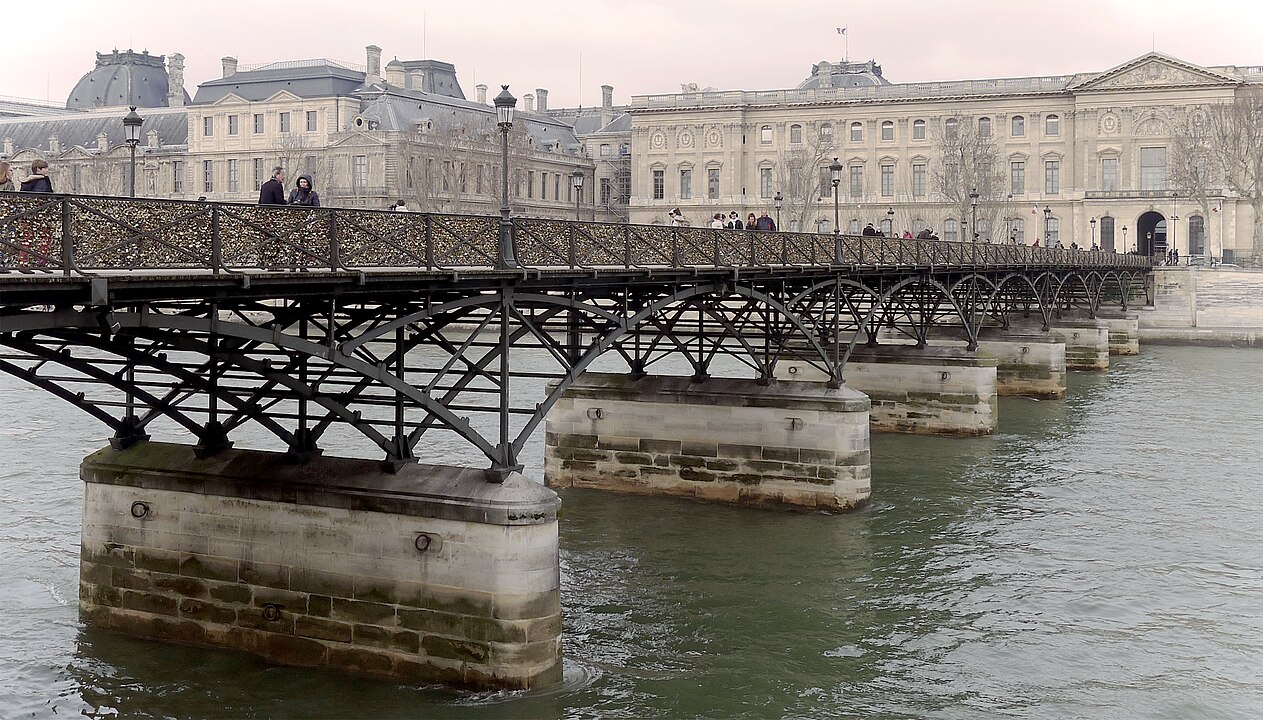
Paris watched the Pont des Arts become famous for love locks until the railings were covered in layers of initials and dates above the Seine. As the added load damaged panels and raised safety worries, the city removed the locks in 2015 and replaced vulnerable sections, choosing long-term care over a romantic trend that grew too heavy. The ritual did not vanish, but it shifted toward photos, letters, and lighter tokens, leaving a clear lesson: public landmarks can hold affection, yet they also need boundaries that protect the structure, the view, and the crowds who rely on it every day, in every season.
Luck Touches on Prague’s Charles Bridge
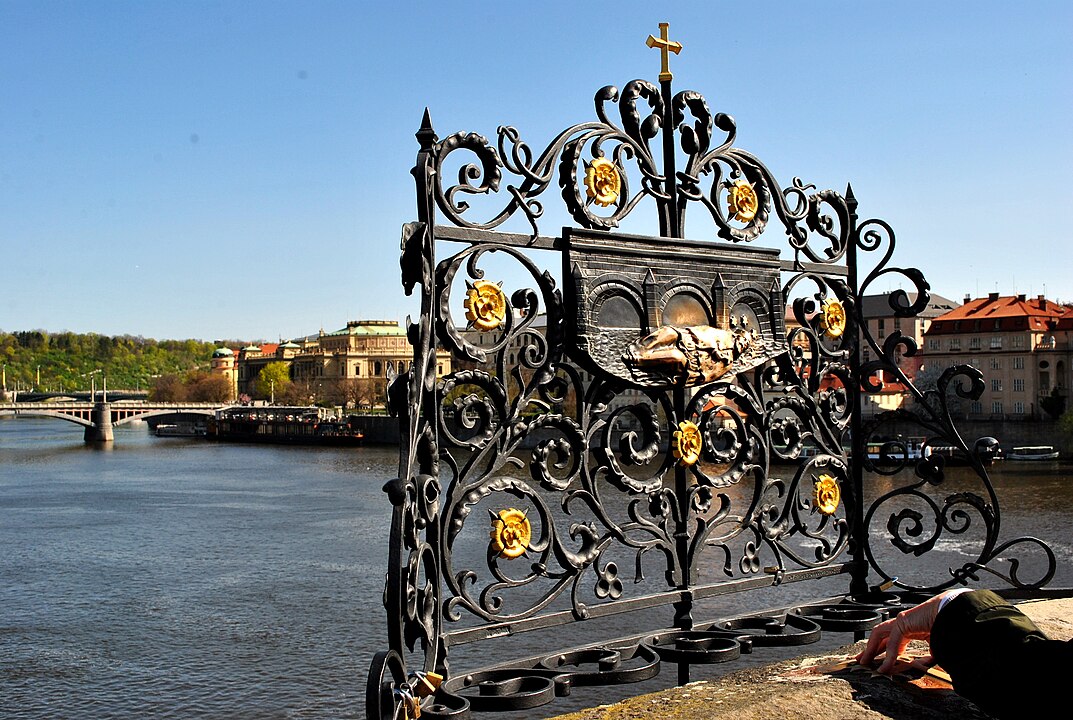
On Prague’s Charles Bridge, one bronze relief stays bright because so many hands return to the same spot day after day. People touch the plaque and figures at St. John of Nepomuk’s statue for luck and the hope of coming back, often before breakfast crowds, then move on between stone saints, street musicians, sketch artists, market stalls, and views of the Vltava framed by Old Town towers and early-morning fog. The ritual is brief, yet it changes the bridge’s rhythm, turning a crowded crossing into a shared pause that feels grounded and local, as if the city asks for a moment of attention before letting anyone pass.
A Sunset Kiss Beneath Venice’s Bridge of Sighs
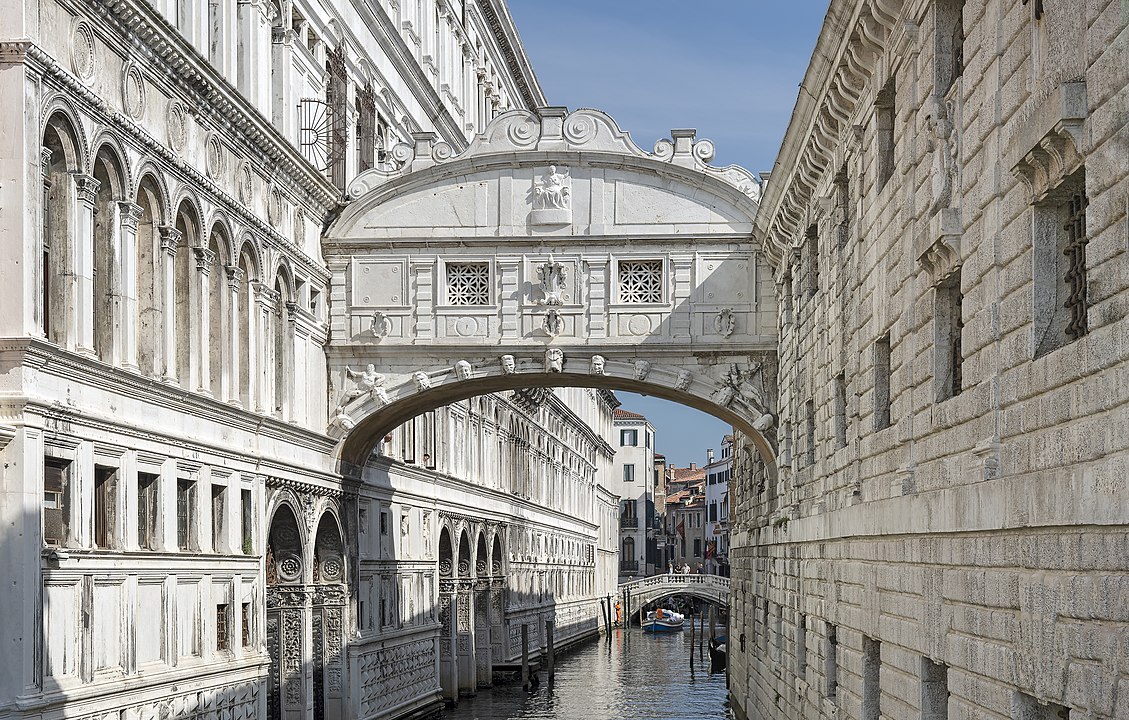
Venice has a modern romantic legend that a couple kissing in a gondola beneath the Bridge of Sighs at sunset seals lasting affection. The covered arch once served as a passage between the Doge’s Palace and a historic detention building, yet the custom reframes it through timing, reflections, and soft light on the canal, when crowds thin and the water turns copper. Whether taken as myth or playful habit, the ritual shows how Venice turns architecture into story, letting a short glide feel like a small ceremony carried by bells, tide, the slow rhythm of oars, and the scent of salt in the air at day’s end.
Stari Most Diving, Mostar
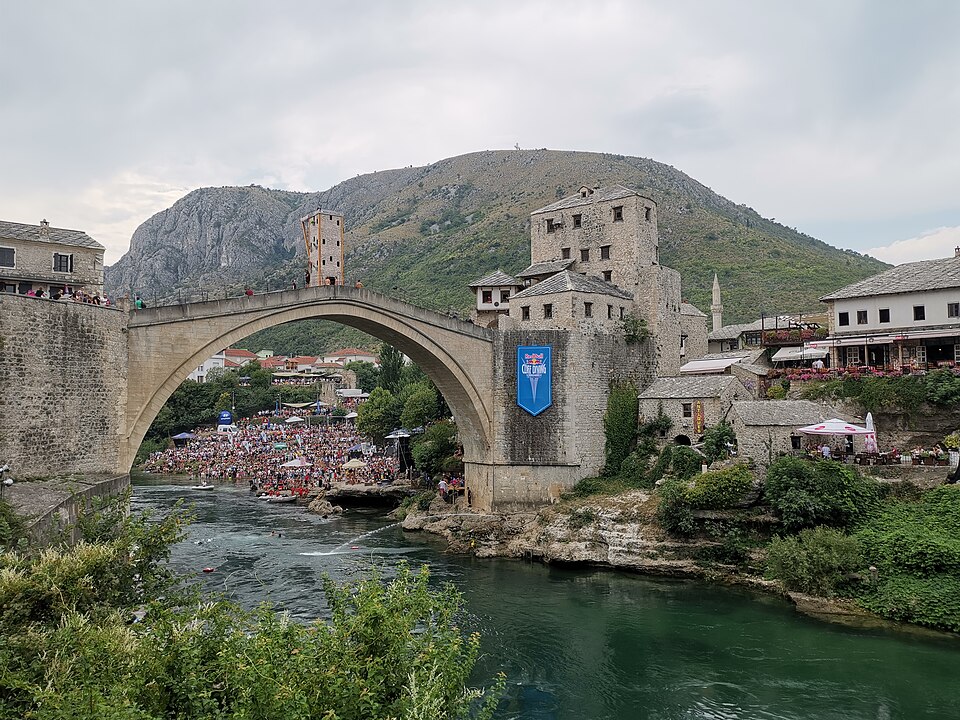
In Mostar, Stari Most becomes a summer stage when divers step to the edge, settle their breathing, and jump into the Neretva as crowds gather along both banks and cameras rise, then lower again for the splash. Training focuses on footing, form, and a clean entry, since the water stays chilly even in warm months, and tradition demands composure as much as skill. Organized competitions keep the practice formal, while local identity keeps it alive, linking nerve and technique to a bridge rebuilt after heavy damage and embraced as a symbol of return, celebration, and continuity, with cheers echoing off stone.
Morning Alms on Saphan Mon, Thailand
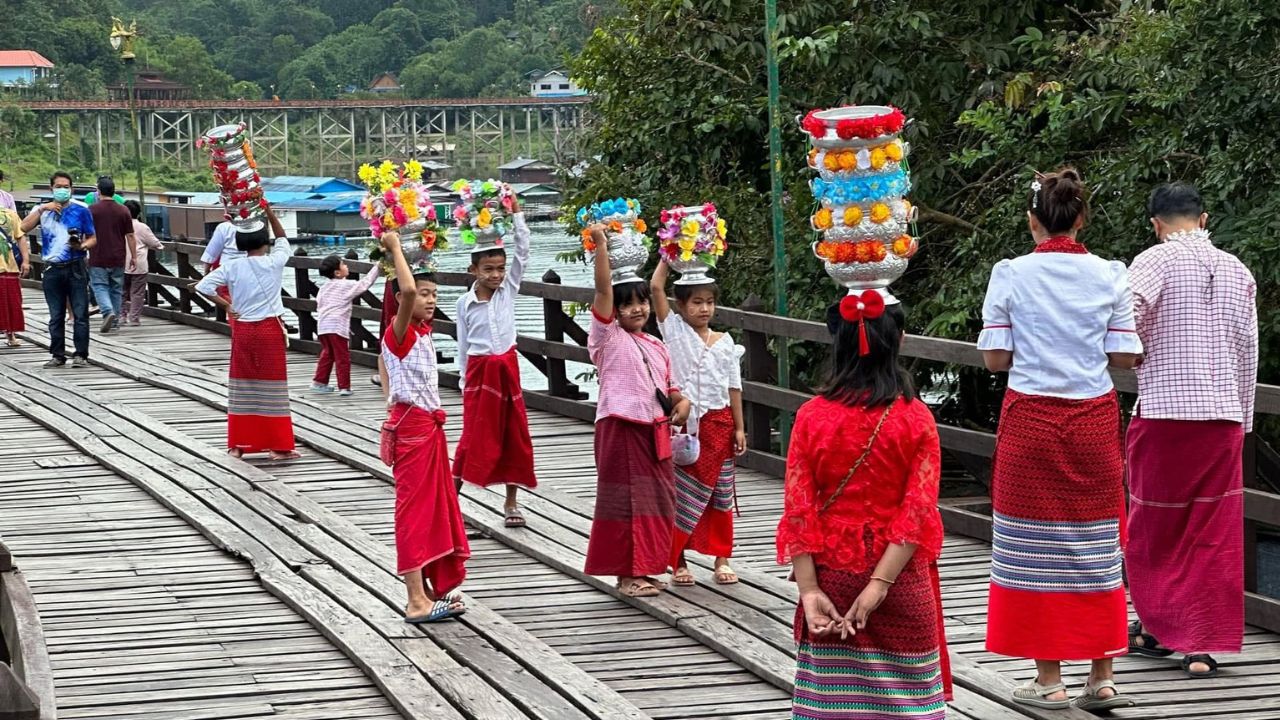
At dawn in Sangkhlaburi, the wooden Saphan Mon bridge becomes a quiet line of giving as monks cross to receive alms. People arrive early with rice and simple offerings, stand in respectful silence, and step back as blessings are offered and the procession continues over the boards, one after another, with only soft footsteps and birds. Mist often hangs over the water, and the light stays gentle and focused, which keeps the moment from feeling rushed or showy. The custom endures because it ties daily faith to a shared crossing, turning a long bridge into a calm meeting place for community care.
Prayer Flags on Himalayan Bridges
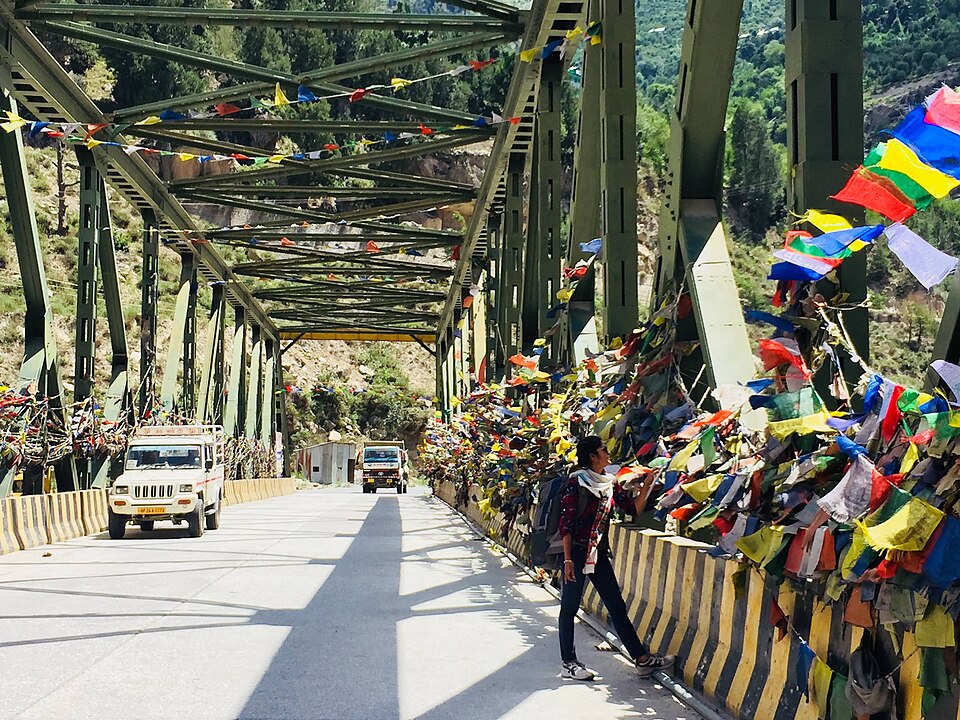
Across Himalayan regions, many bridges carry strings of prayer flags that flutter above rivers and ravines, turning wind into a moving message. The five colors are linked to elements, and the printed mantras are meant to spread goodwill outward through motion rather than speeches, with each gust doing the work and each crossing adding its own weather. Travelers pause to tie a fresh flag, straighten a knotted line, or let an old strip keep fading in sun and snow, quietly recording the season. The effect is simple but deep: a crossing becomes a line of blessing stitched into the landscape, mile after mile.
Running Between Continents in Istanbul
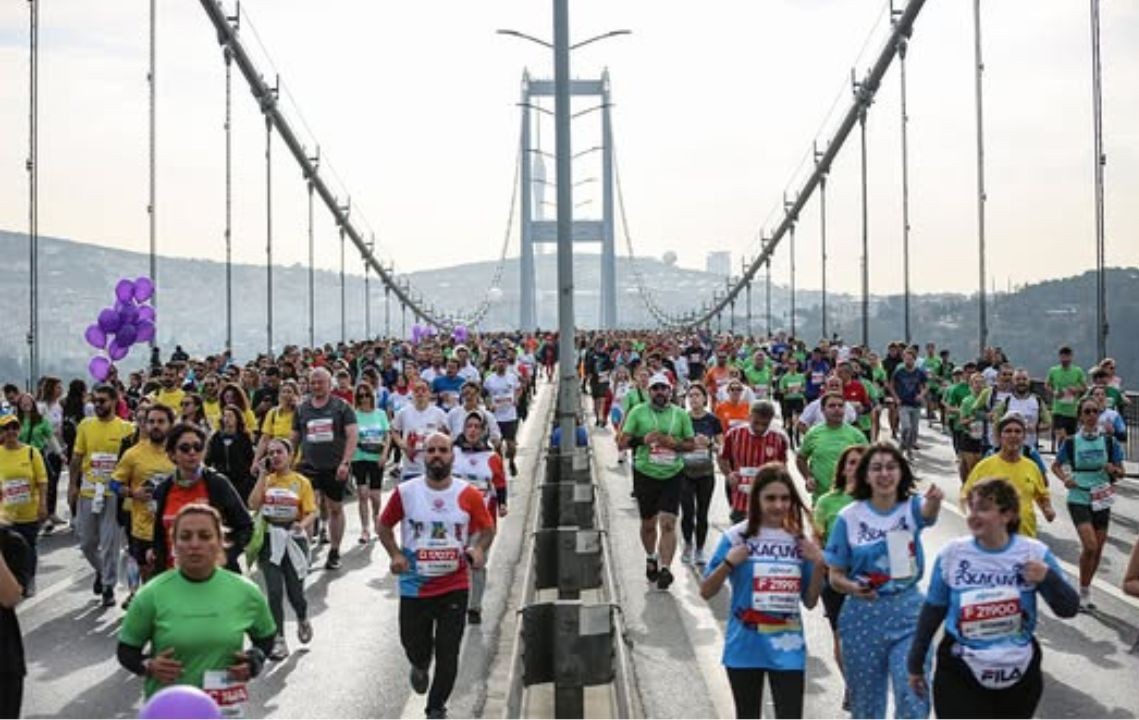
Istanbul turns the Bosphorus into a yearly ritual with the Intercontinental Marathon, which lets runners cross from Asia to Europe on a bridge normally filled with vehicles. For a few morning hours, the span becomes a civic walkway of cheers, flags, and skyline views, with ferries leaving white wakes below and neighborhoods unfolding on both shores. The tradition matters because it makes geography physical, felt in steps and breath, not just in maps, and finishing is less about speed than shared pride in a city built on crossings, ferry horns, and daily movement between shores, long before the starting signal.