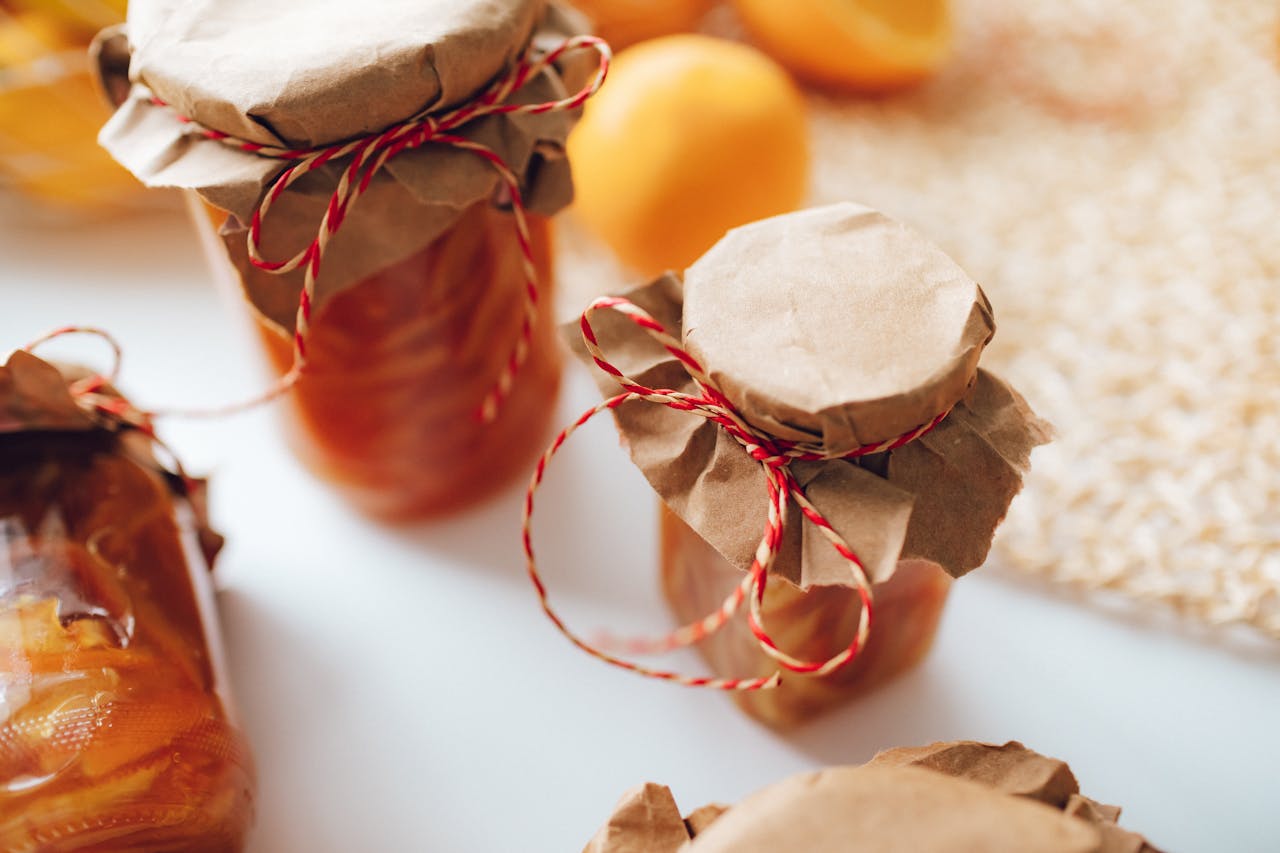
Canning bees once turned late summer into a shared ritual, when gardens overflowed and neighbors traded more than produce. Tables filled with tomatoes, peaches, beans, and cucumbers, while kettles steamed and lids pinged shut like tiny applause. Someone kept a notebook of tested recipes, someone else watched the clock, and the newest hands learned by doing. Church kitchens, grange halls, and back porches became pop-up factories of comfort, stocked for snow days and tight weeks. On the surface it looked like chores, but the mood was part work party, part quiet mutual aid. In a few hours, a community could turn a harvest into shelves of steady meals, and the labor felt lighter because it was shared.
The Assembly-Line Rhythm
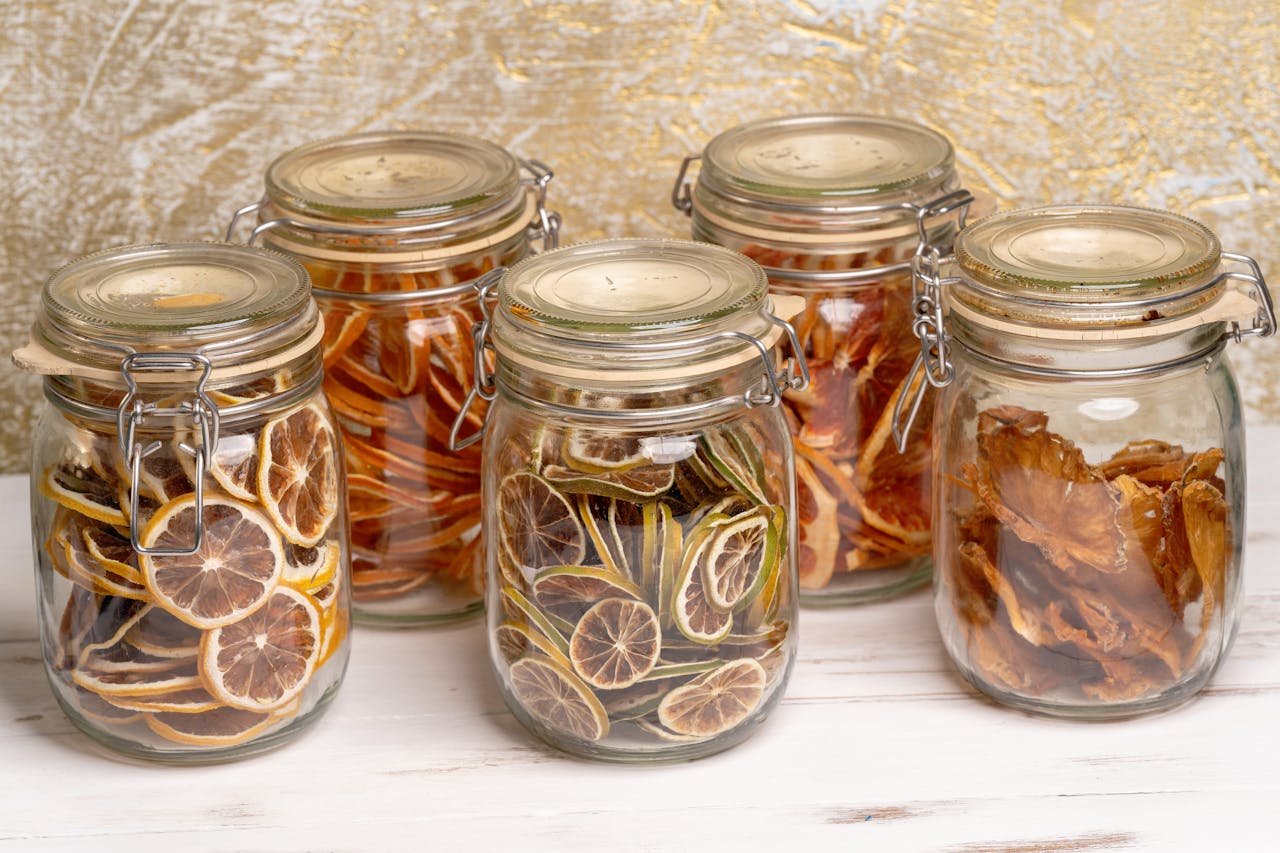
Work moved like choreography once the first boxes of jars hit the table. One set of hands washed and preheated, another sorted produce by ripeness, and someone chopped at a board that never seemed to clear, piling peels like confetti, skimming foam, and sliding finished pieces down the line in bowls that kept refilling. A steady canner-watcher tracked venting, pressure, and timing, while a runner warmed lids, wiped rims, checked headspace, fetched clean towels, and called out jar counts, so the pace stayed calm, laughter stayed easy, mistakes got caught early, and the kitchen returned to normal by supper as if nothing had happened.
The Ping That Meant Winter Was Handled
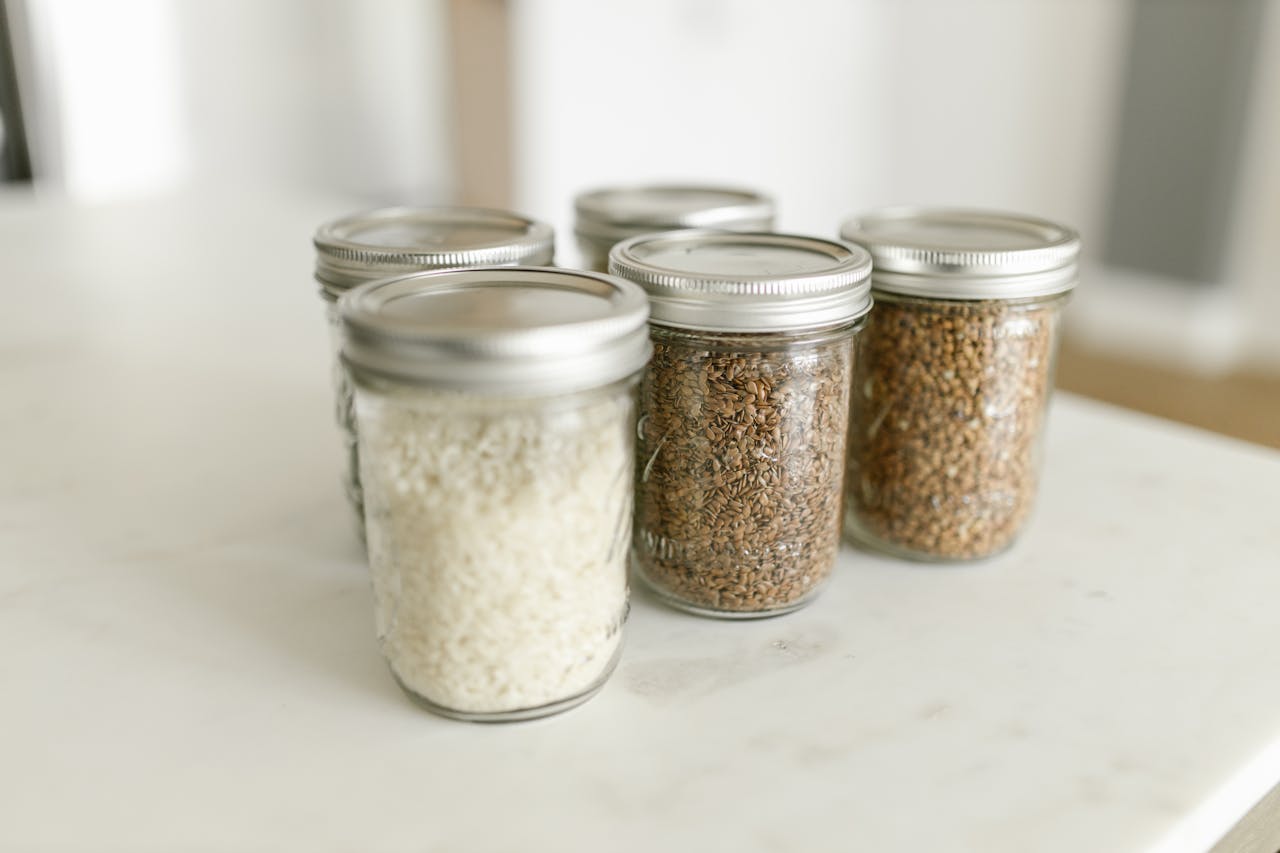
The sound mattered as much as the flavor: lids snapped, jars cooled on folded towels in tidy rows, and that clean ping traveled across the room like a promise. Rows of glass caught the last light in the window, set out like trophies, while rings loosened for cooling, bubbles got chased out with a thin tool, headspace rechecked, and labels waited beside a marker that was always losing its cap. Between the hum of a box fan and the clink of a jar lifter, everyone listened for the rare lid that stayed quiet, because a dud meant reprocessing, not denial, and the jar became supper within a day instead of a silent risk on the shelf.
Shared Safety Knowledge, No Guesswork
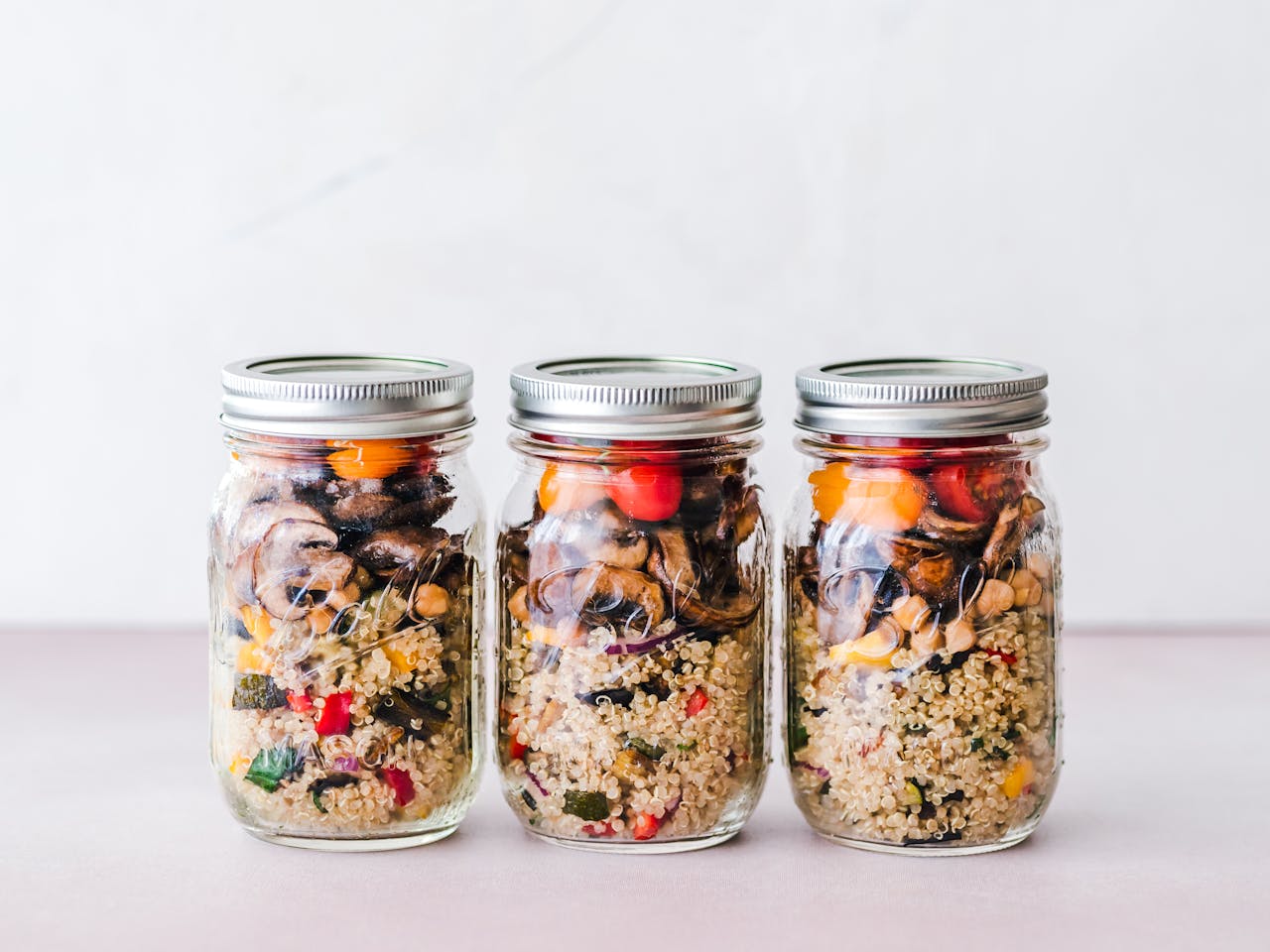
Canning bees carried a kind of local science, and the rules were treated like care, not fussiness. Tested recipes came out of notebooks, extension handouts, and worn cookbooks, with jar size, acid levels, headspace, and processing times checked twice before a single lid went on, and dial gauges compared or rechecked each season. Experienced hands stopped shortcuts without drama, because one risky jar could spoil a shelf, so tips spread fast on clean rims, removing bubbles, keeping bands fingertip-tight, cooling undisturbed, and storing jars without rings once sealed, plus a quick lesson on when only pressure canning makes sense.
Trading Without Keeping Score
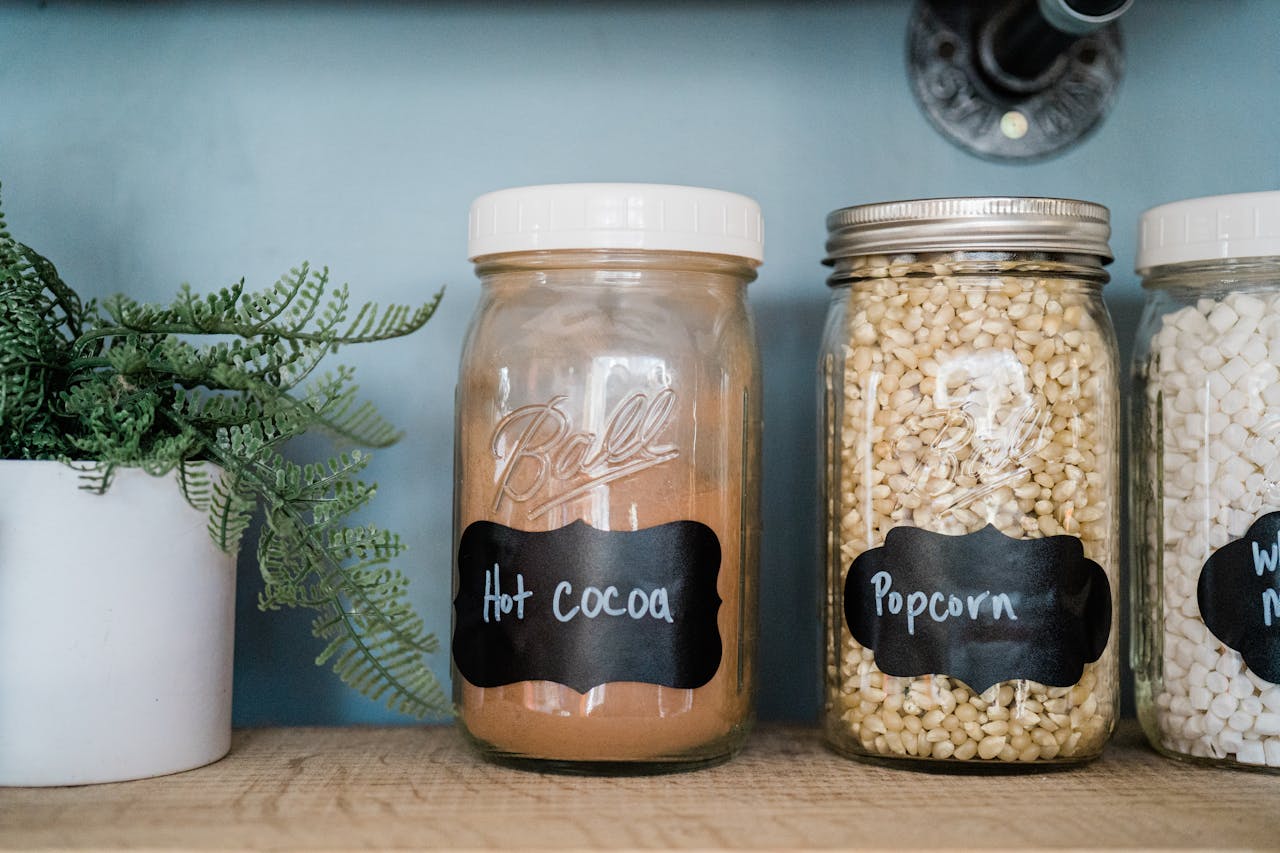
Trading was woven into the work, and it kept the room generous instead of competitive, because everyone arrived with a different mix of harvest, jars, and time. Extra peaches became jam, surplus beans turned into dilly beans, and a crate of tomatoes split into salsa, sauce, and juice, depending on who had kids to feed, who was caring for an elder, and how many lids and clean jars were left. Money rarely changed hands; value showed up later as porch-drop jars, a casserole after a hard week, or extra hands at the next harvest, so no one kept score and the pantry felt like a shared buffer for lean months, not a private stash.
Kids Learning By Doing
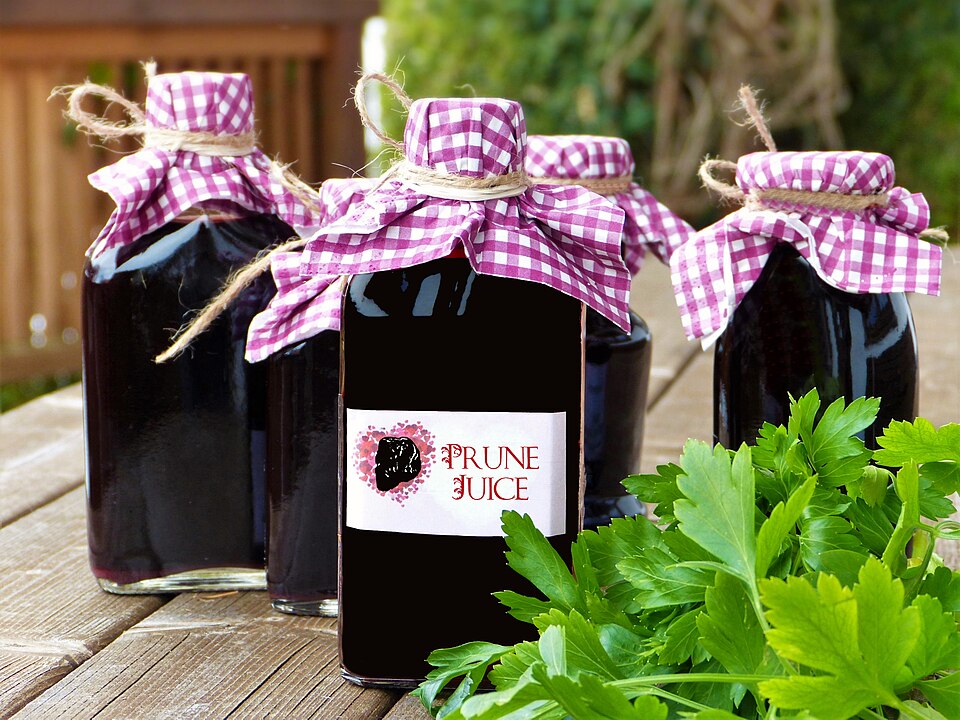
Kids learned without lectures because the lessons were everywhere, tucked into ordinary motions and small warnings about steam. They watched hands move, heard timers click, and picked up the difference between a simmer and a rolling boil, between a gentle pack and a tight one, between wiping a rim and leaving a grain of sugar behind that could break a seal. They were trusted with small jobs, like peeling peaches, snapping beans, fishing lids out of hot water with a magnet wand, writing labels, and stacking rings, and that trust made them feel needed, returning years later as muscle memory and a sense of order when life got loud.
Public Kitchens That Felt Like Home
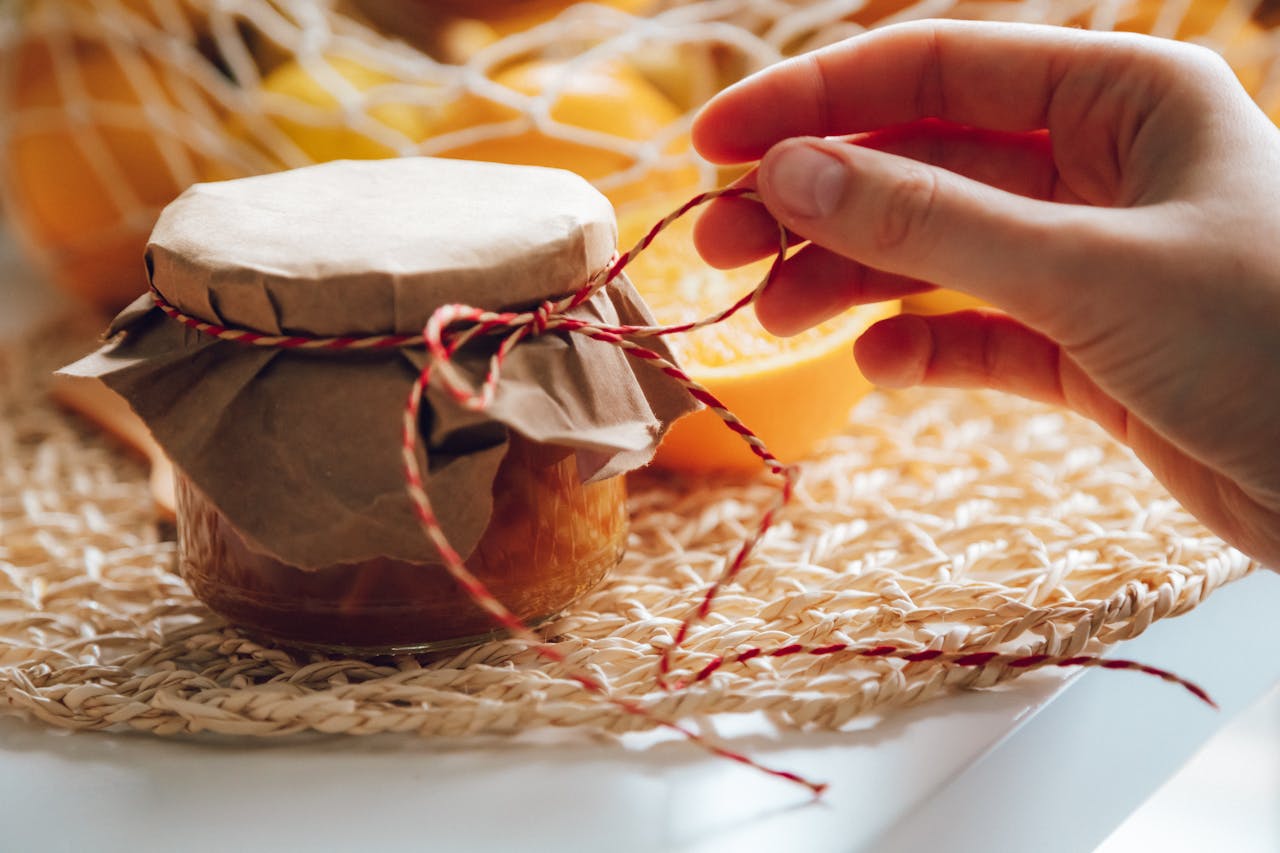
The spaces were half the magic because they were built for crowds and did not apologize for mess. Grange halls, school kitchens, and church basements offered big stoves, long counters, deep sinks, and folding tables where jars could cool in rows, a coffee urn hummed in the corner, and a bulletin board held schedules and notes while fans pushed August heat back toward the door. Those rooms made strangers into teammates, especially newcomers who had a garden but no canner, and they left with labeled jars, borrowed jar lifters returned clean, a few safety tips, and a phone number, as if the town had quietly expanded its idea of family.
A Pantry That Buffered Hard Times
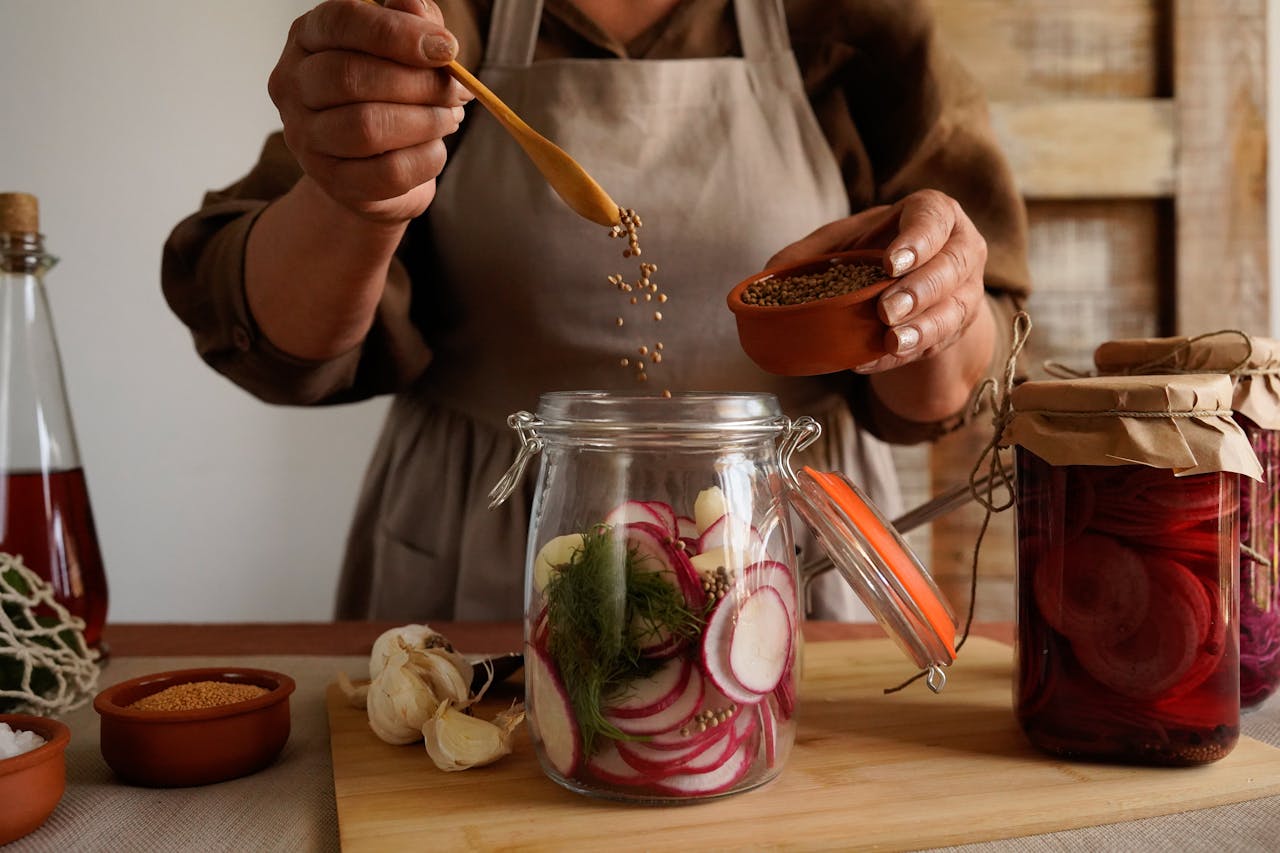
Canning bees were an old-school safety net that felt practical, not dramatic, and the payoff sat quietly behind cupboard doors. A pantry of jars meant fewer emergency grocery runs, less waste when the harvest peaked, and more meals that could appear fast during illness, layoffs, or storms, because tomatoes were already sauce, beans were already tender, and fruit was already sweet in syrup. Costs stayed low because labor was shared, supplies like vinegar and sugar were split, and when someone came up short on lids or jars, another person covered it without making a story out of it, so thrift felt like dignity rather than deprivation.
Eating By The Season, Not The Clock
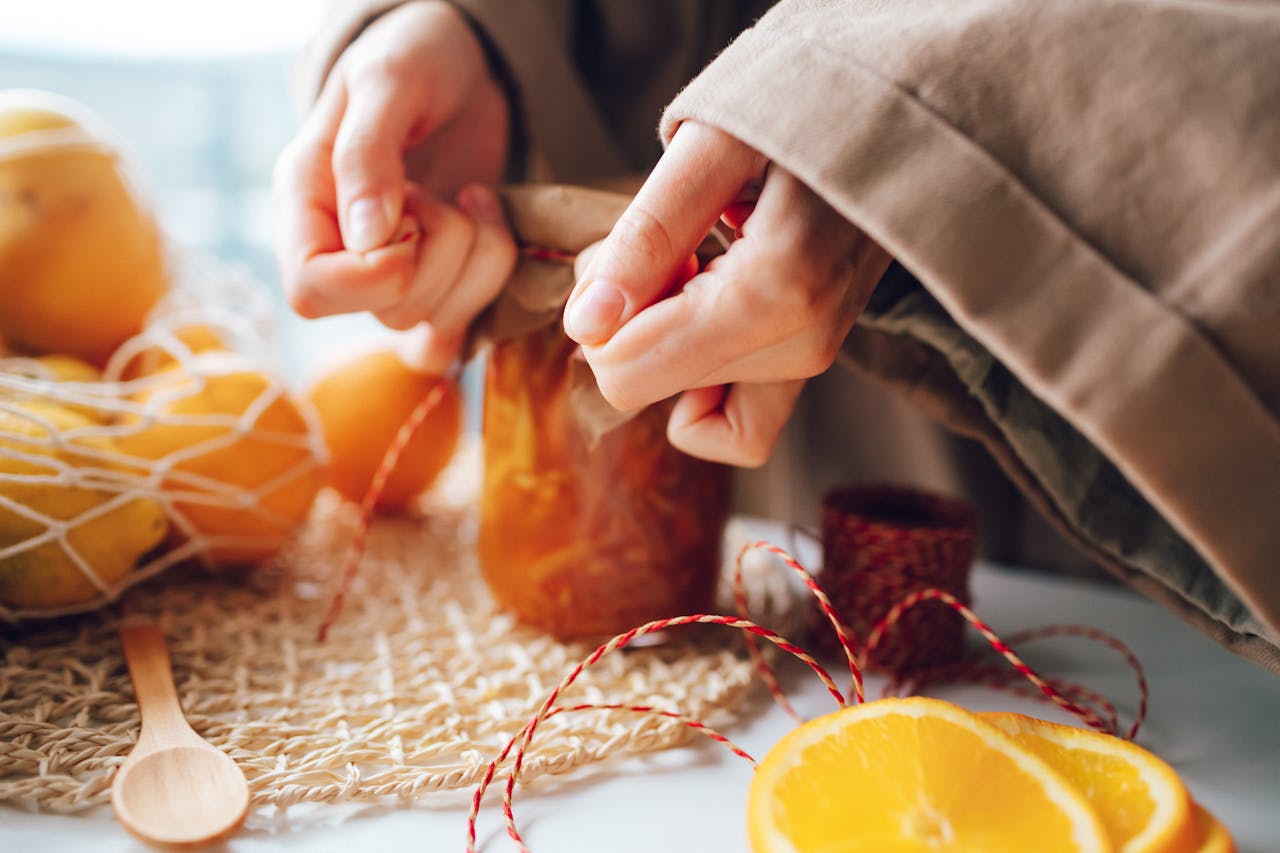
Canning bees honored the calendar in a way supermarkets cannot, because ripe fruit does not wait and neither does a heavy vine of tomatoes. Plans shifted with rain, orchard bargains, and a phone call that started with someone saying the peaches were perfect today, so one week became corn relish and the next became applesauce, then a late run of tomatoes turned into sauce under porch lights, with kettles steaming long past dinner. That rhythm kept households tuned to fields and fences, and winter meals carried a memory of August, even after the first frost, opened with a twist of a lid, a pop, and the smell of warm fruit.
Gifts That Said More Than Words
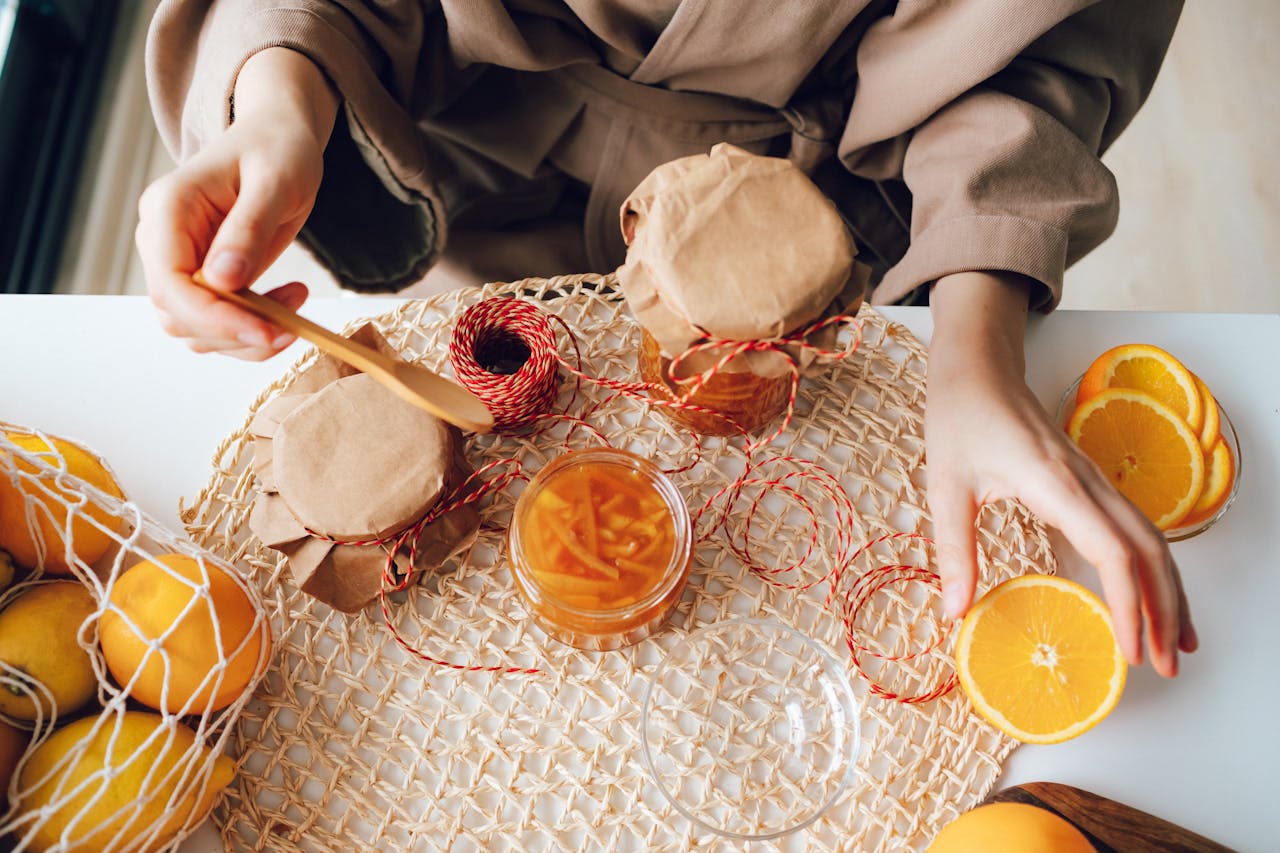
Finished jars worked as social currency, speaking without speeches when a family needed help, a neighbor came home from the hospital, or gratitude felt too small. Pickles, jam, and sauce traveled to teachers, new parents, and grieving neighbors, because a jar was portable proof of time spent washing, chopping, processing, cooling, and labeling in careful handwriting, sometimes with a date or a small joke in the margin. Recipients understood the hours baked into each lid, and the gift stayed useful long after flowers faded, turning a pantry shelf into a reminder that someone noticed, planned ahead, and showed up in a practical way.