Living history museums feel less like rooms full of labels and more like small, functioning worlds. Smoke curls from a hearth, a hammer lands on iron, and someone answers questions while working. The past stops being a distant chapter and becomes a set of choices made under real constraints: light, fuel, time, and weather. Because visitors move through streets, kitchens, and workshops in the order life required, details stick in a different way. A too-low doorway, a rough table edge, or the weight of a water bucket can correct modern assumptions in seconds. What lingers is texture, not trivia, and that is why these places keep pulling people back. Even brief visits can reshape how ordinary history is remembered.
The Setting Reads Like a Daily Map
Before anyone speaks, the layout explains how life moved. Streets bend for carts, fences control what a household could see, and rooms are sized for bodies, not camera angles, with storage tucked where labor needed it. A doorway that nicks a shoulder, a pantry built for scarcity, and a bed that looks strangely short reset modern expectations fast, because comfort used to compete with cost and climate. Routes from well to kitchen to barn turn distance into information, and the place starts feeling like instructions for living, complete with bottlenecks, shortcuts, and small rituals that shaped the day, without slides or screens.
Interpreters Turn Facts Into Conversation
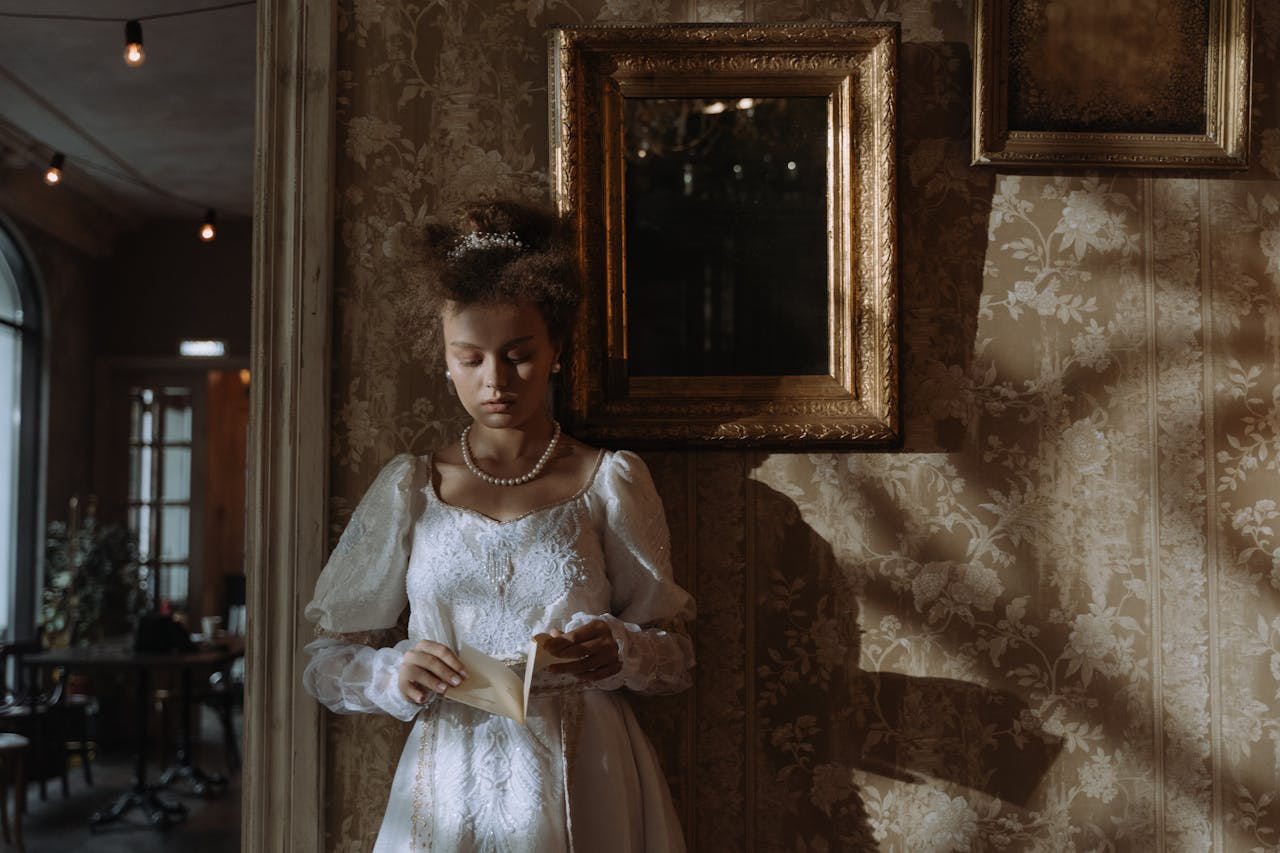
Costumed interpreters keep learning human. While splitting wood, stitching seams, or minding a shop counter, they answer questions in real time, read the room, and shift from humor to hard truth without losing the thread. Some speak in first person to show how a moment felt from inside, including its blind spots, while others explain in third person with dates, definitions, and the why behind a custom. A small question about buttons can open a trail to cloth prices, shipping, and status, and the memory holds because it arrived through conversation, not a memorized speech with a person who is busy doing the work. Right there.
Working Trades Make Objects Feel Honest
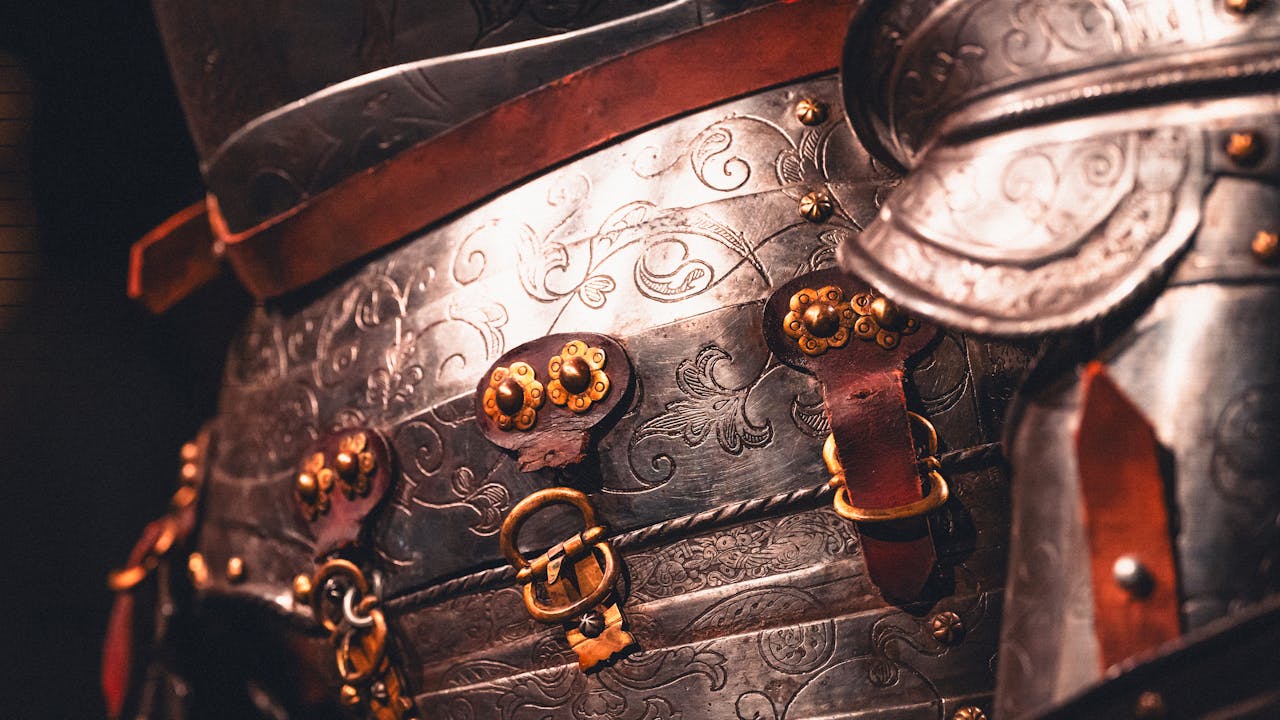
A forged nail changes meaning when the heat, sweat, and timing are visible. Printing presses, looms, saw pits, and cooper shops reveal how much labor hid inside ordinary goods, and why repair skills mattered as much as buying power when cash ran thin. Because the finished work often returns to daily use around the site, it avoids the trapped-behind-glass feeling, and the craft reads as necessity, not performance. Watching a chair leg shaved, fit, and tightened explains durability, waste, and pride in a way a label never manages, and it restores respect for apprenticeships that shaped minds through repetition till the body learned.
Historic Cooking Turns Time Into Taste
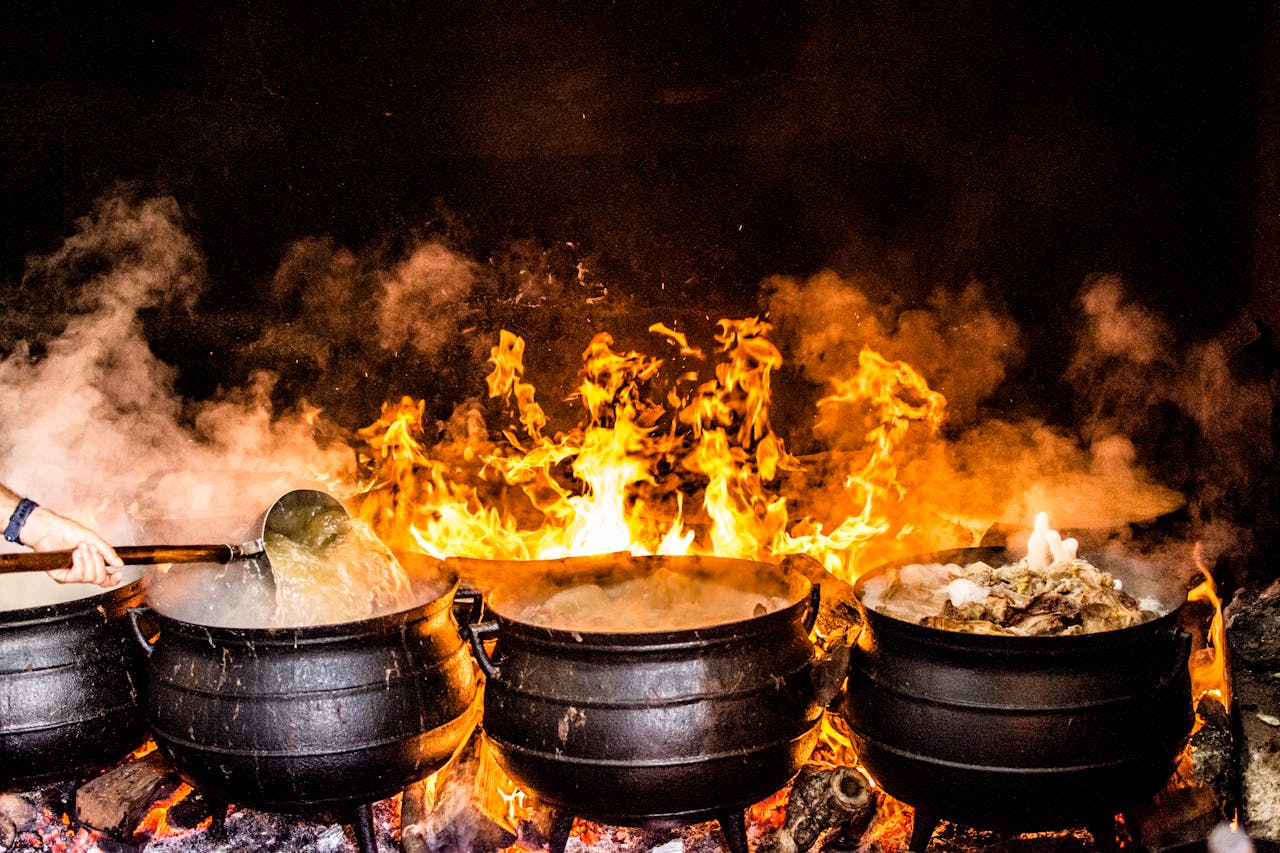
Historic cooking makes time measurable. A hearth demands fuel, careful heat, and constant attention, so the day organizes itself around flame and smoke instead of a clock on a wall, with pots moved by instinct and long practice. Demonstrations of bread, stews, pickles, and preserved fruit show why seasonality ruled menus, and why salt, spice, and sugar carried social meaning as well as flavor when supplies arrived by wagon or ship. Even when modern food rules limit what can be served, the smells and methods explain who did the work, how leftovers were stretched, and why a shared meal often doubled as planning for the next one.
Animals and Fields Keep the Clock Honest
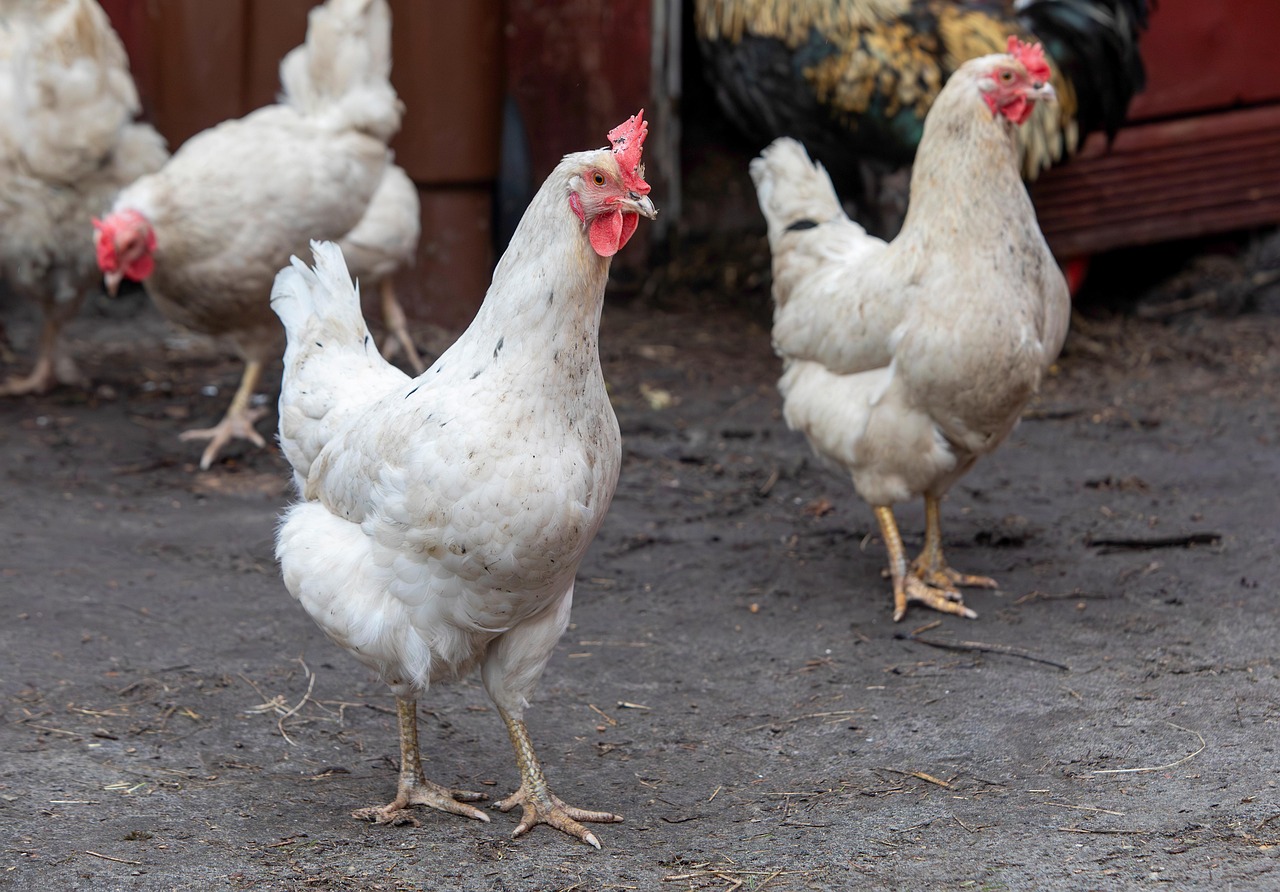
Sites with farms, gardens, and working animals carry a different rhythm. A field must be planted before it can be harvested, and a horse does not hurry because a tour schedule exists, so patience becomes part of the education, along with mud, flies, and sudden rain. Hooves, hens, and the sharp smell of hay remind visitors that food and transport were living systems, with feed, fencing, and sickness always in the background. The pace makes daylight feel precious, weather feel like real data, and barns feel as central as parlors, especially when chores were shared by adults and children, and every missed task echoed later in the week.
Seasonal Programs Make Time Feel Local
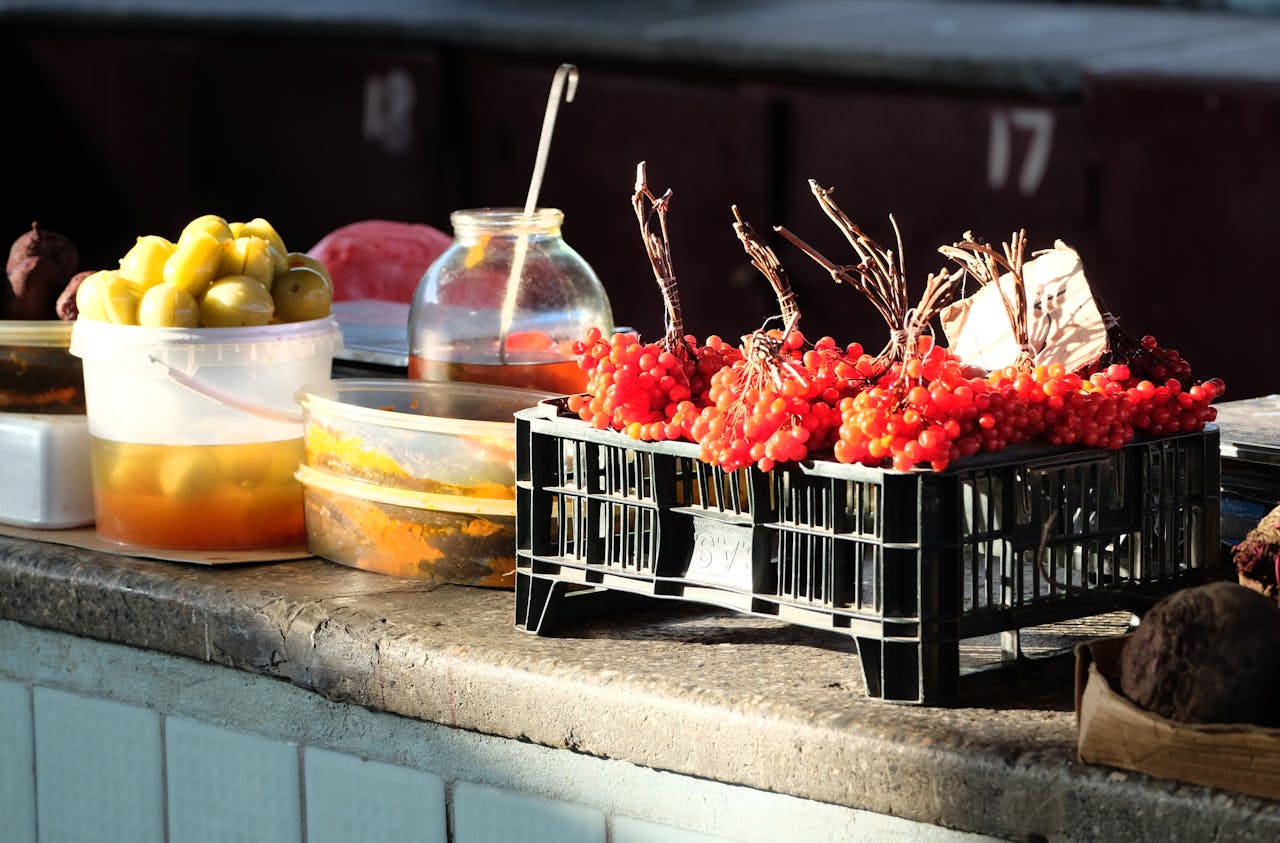
Living history works best when it changes with the calendar. Spring brings repairs and planting, summer brings longer hours and public gatherings, autumn leans into preservation and counting stores, and winter turns attention to mending and fuel, because scarcity was a season, too. Instead of freezing the past into one postcard afternoon, the site shows how routines, clothing, and even moods shifted month to month, with holidays tied to harvest, church, and local schedules. A candlelit evening or cider pressing day alters sound, smell, and pace in minutes, and the past starts to feel regional, specific, and earned over years.
Different Voices Add Honesty, Not Confusion
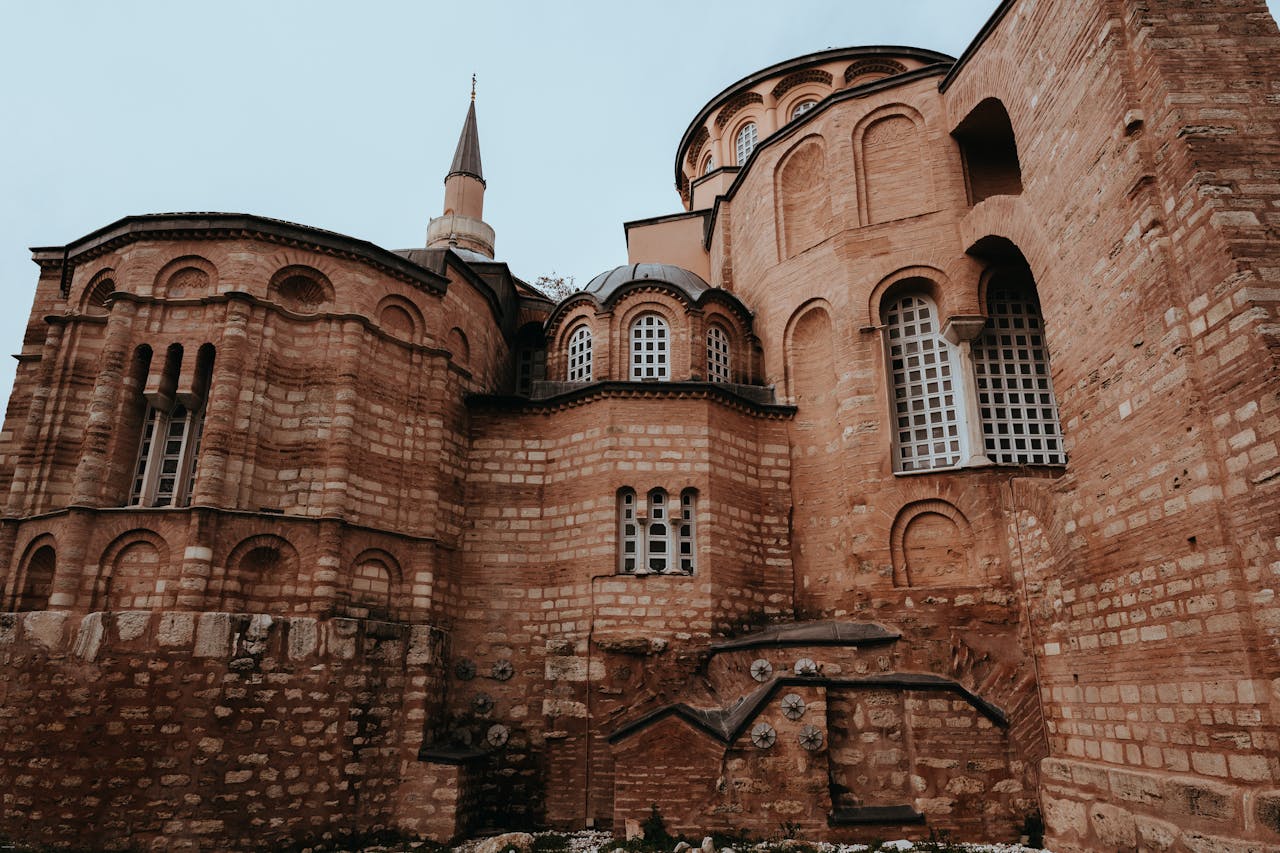
Interpretation styles vary, and that variety helps. In first-person mode, an interpreter stays inside a historical viewpoint, which highlights what people knew, what they feared, what they ignored, and how rumor could pass for news in a small place. In third-person mode, staff can name sources, explain change over time, and answer modern questions directly, including the ones that carry discomfort, because accuracy matters more than charm. When programs switch between modes, visitors see where stories become myths, how language can soften harm, and why the best sites balance immersion with accountability in every room. On purpose.
Real Constraints Make Choices Visible
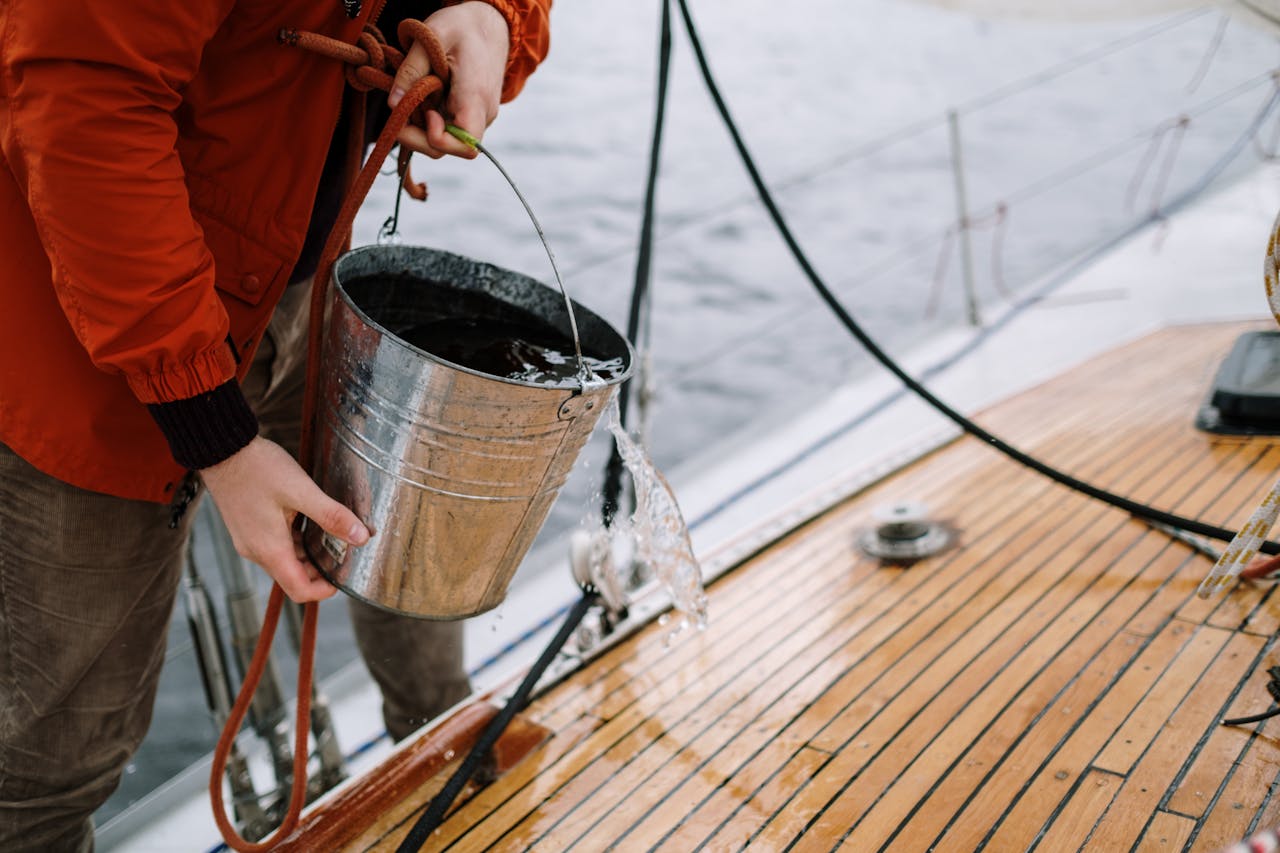
Everyday life used to be a chain of limits: water carried by hand, light rationed after dusk, fabric saved and resewn, and tools sharpened until the steel thinned. Living history museums let those limits appear in small decisions, like whether to heat one room, bake in a shared oven, or stretch a repair one more week because materials cost time. When a bucket leaks or a hinge fails, the fix is rarely instant, so planning and cooperation become visible, along with the quiet math of what can be spared. The past looks less quaint and more practical, and empathy grows without turning hardship into a sentimental costume for easy comfort.
Place-Based History Shrinks Big Events
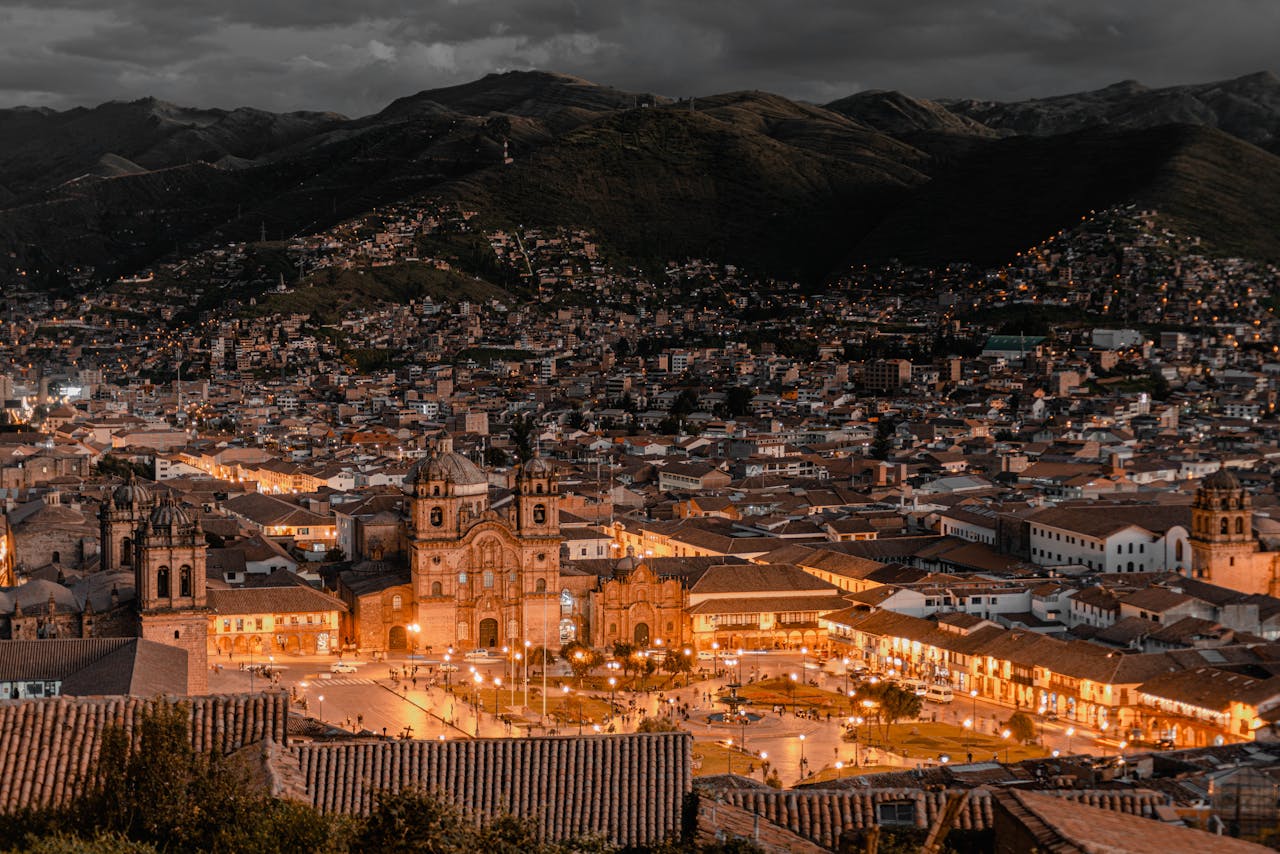
Large events can stay abstract until they are tied to a street corner and a kitchen table. In living history settings, news travels by conversation, rules show up at a courthouse door, and politics seeps into routine through prices, shortages, and who gets listened to when decisions are made. Seeing a tavern near a workshop, or a church near a market, makes public life look like neighbors negotiating, trading favors, and keeping score, not distant leaders issuing lines. The scale clarifies access and exclusion quickly, and it becomes easier to understand how ordinary routines could support change, resist it, or simply survive it.
The Senses Keep the Memory Afterward
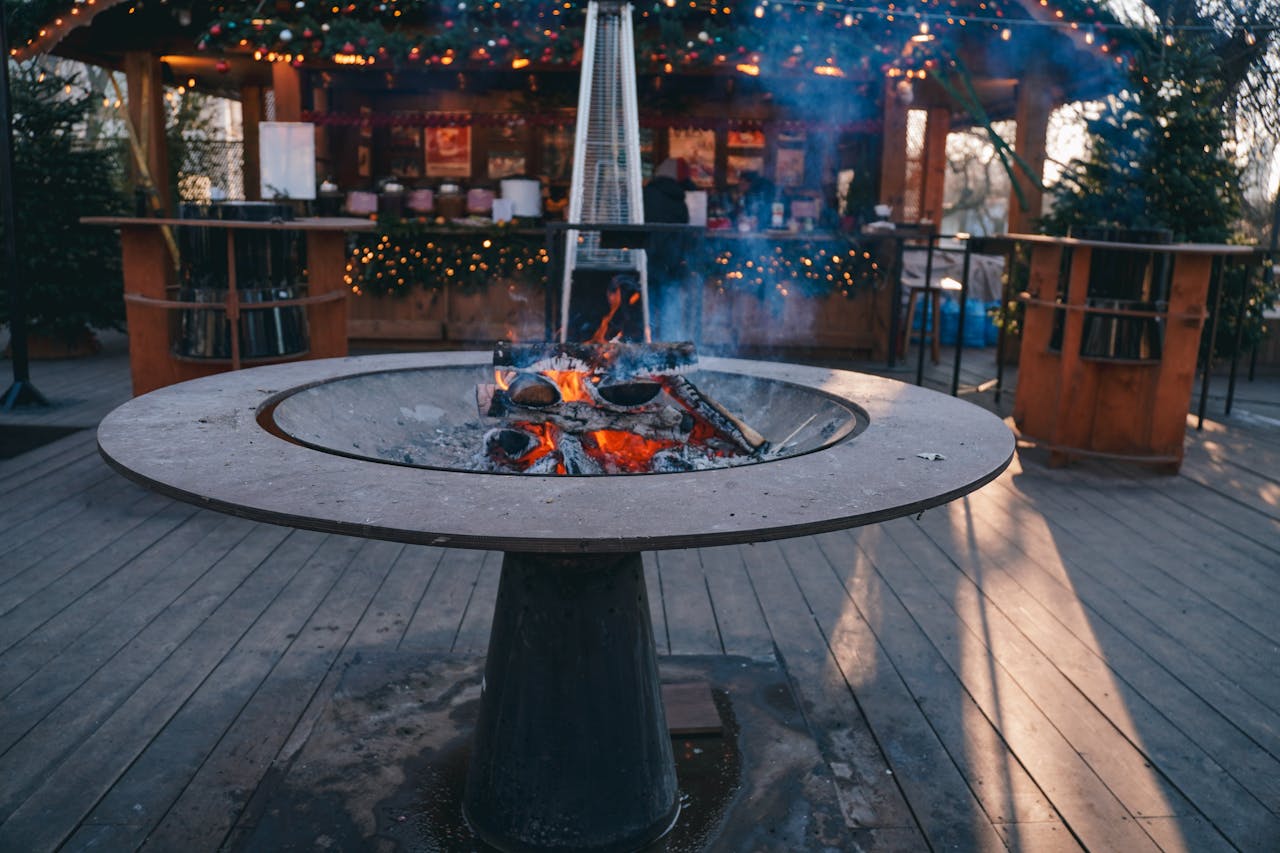
A living history visit tends to linger because it enters through the senses first. The ring of an anvil, the rasp of a hand plane, the sweet bite of wood smoke, or the hush of a candlelit room can follow someone home and reopen curiosity days later, as if a borrowed memory was returned. Because learning arrived through movement and conversation, details stay organized in the mind as sequences, not scattered like notes from a lecture. That afterimage often nudges people toward books, archives, and family stories with fresh patience, and a sharper sense of what ordinary days demanded to keep going: work, dignity, and community.