Some works earn their power precisely because they never reach the tidy finish line. An artist dies, a patron disappears, a war interrupts, or perfectionism simply refuses to sign off. What remains is an open door: brushstrokes that stop mid-gesture, sentences that trail into silence, scaffolding that becomes part of the myth. Unfinished masterpieces invite imagination to collaborate, filling gaps with history, rumor, and longing. They also preserve process in a way completed art rarely does, letting viewers see choices, doubts, and experiments exposed. Across architecture, music, painting, and literature, incompletion can turn into a signature, proving that fascination often lives in what is still becoming. In each case, the missing ending sharpens the presence of everything that survives.
Sagrada Família, Barcelona
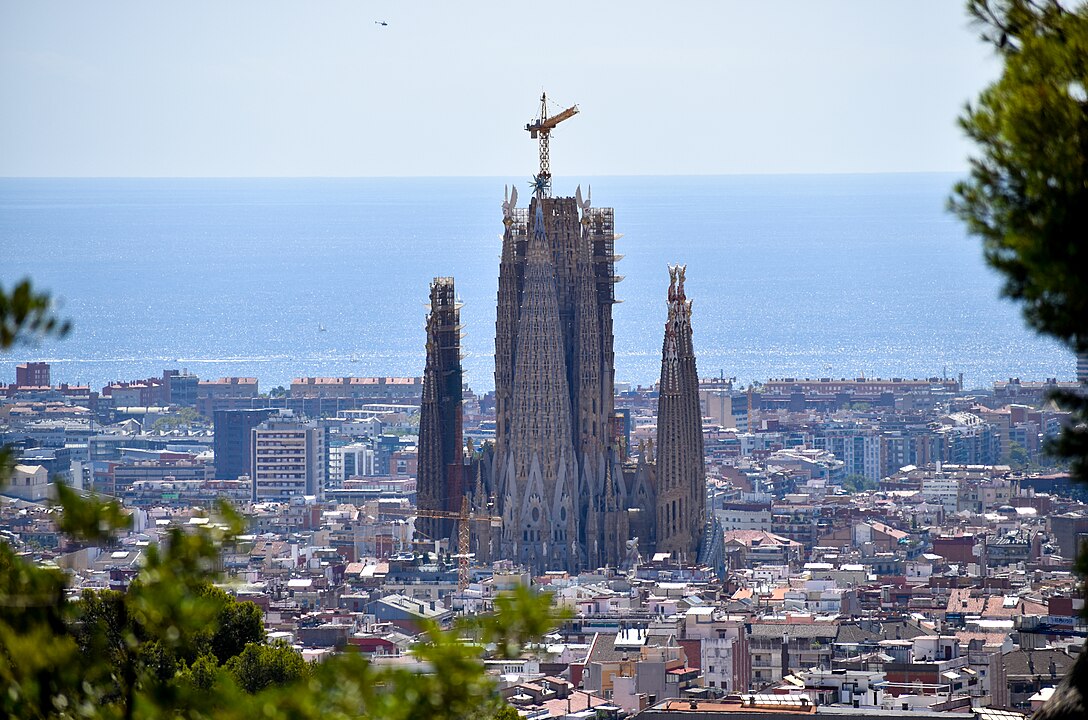
Still rising above Barcelona, the Sagrada Família carries Antoni Gaudí’s vision into a century he never saw, with construction starting in 1882 and continuing after his death in 1926 through wars, funding gaps, and changing tools. Consecrated in 2010, it functions as a basilica even as cranes and scaffolding keep reshaping the skyline, forcing every visitor up close to notice the difference between a finished look and a living process. Its magnetism comes from that contradiction: stonework that feels ancient beside fresh-cut facades, and a city that measures time by what has finally appeared, and what still refuses to be done yet.
Leonardo’s “Adoration of the Magi”
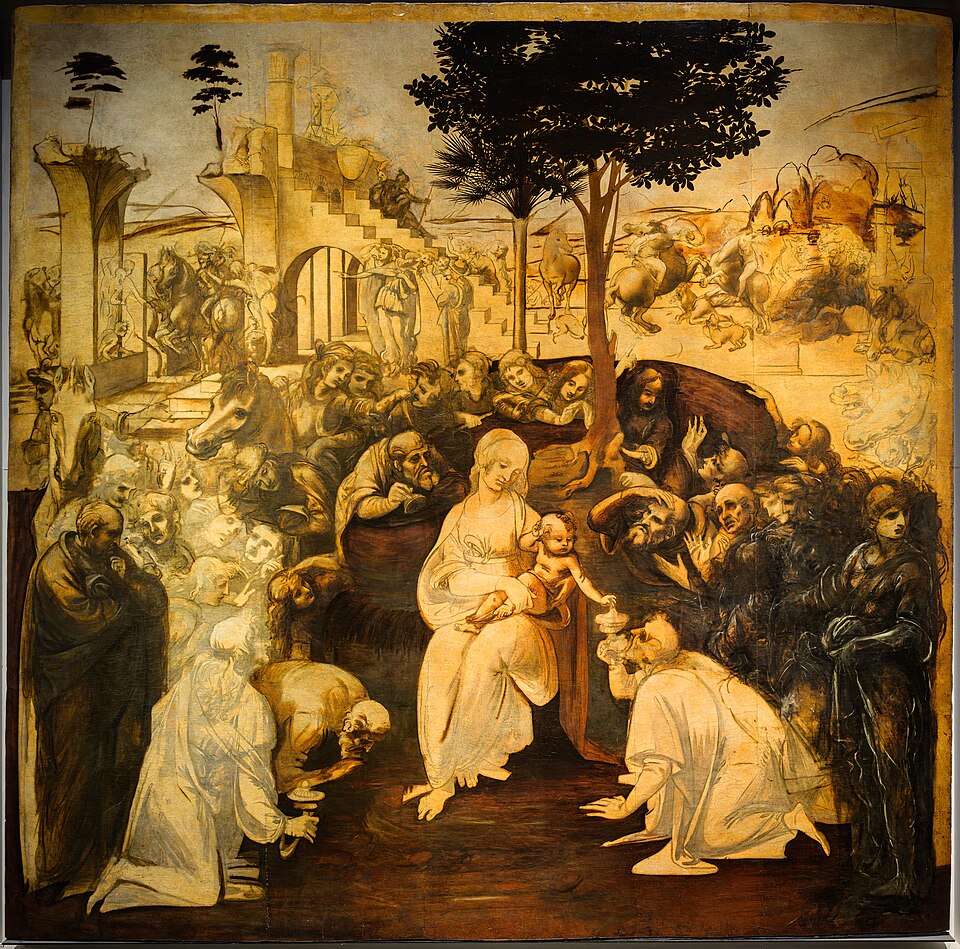
Leonardo began “Adoration of the Magi” in 1481 for an Augustinian monastery in Florence, then left the city before the panel could be finished, leaving behind a composition that still looks like it is thinking. The surface preserves underdrawing, shifting architecture, and figures caught mid-motion, so the eye can track revisions, erased lines, and sudden re-decisions, from a horse’s flare of panic to faces stacked in a knot of curiosity. Rather than feeling incomplete, it feels exposed, like watching invention happen in real time, with every unfinished passage turning into quiet evidence of how Leonardo built complexity from doubt.
Michelangelo’s “Prisoners”
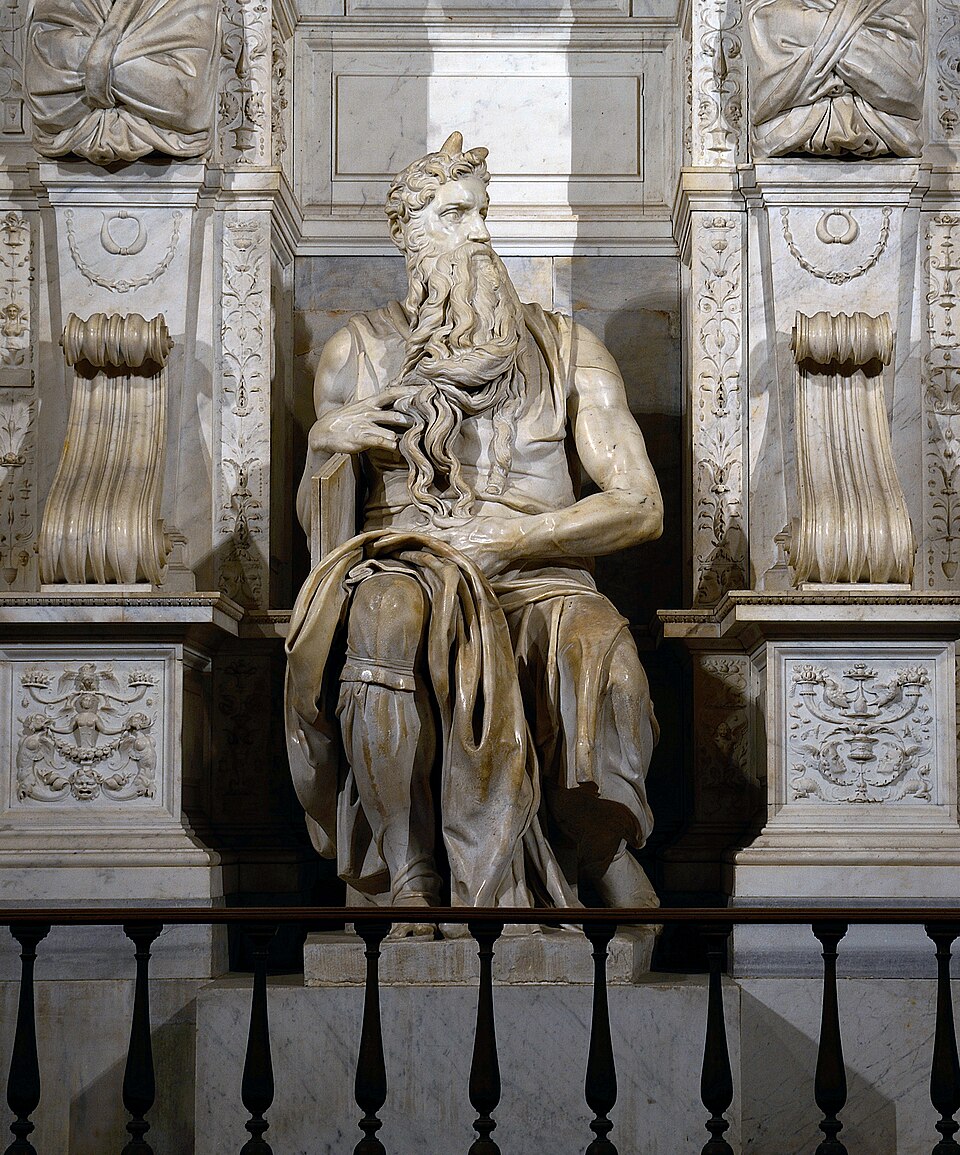
Michelangelo’s “Prisoners” in Florence look like bodies trying to push their way out of marble under museum light, with shoulders and knees breaking free, then dissolving back into unfinished rock. Made for Pope Julius II’s tomb and later abandoned, they preserve his non-finito method, where chisel marks remain and the stone’s resistance becomes part of the story, not something to polish away. Seen together, the figures feel caught in the moment before completion, which makes them strangely intimate: the viewer can almost map the sculptor’s decisions, the pressure of the tool, and the stubborn weight of the block at full scale.
Mozart’s “Requiem”
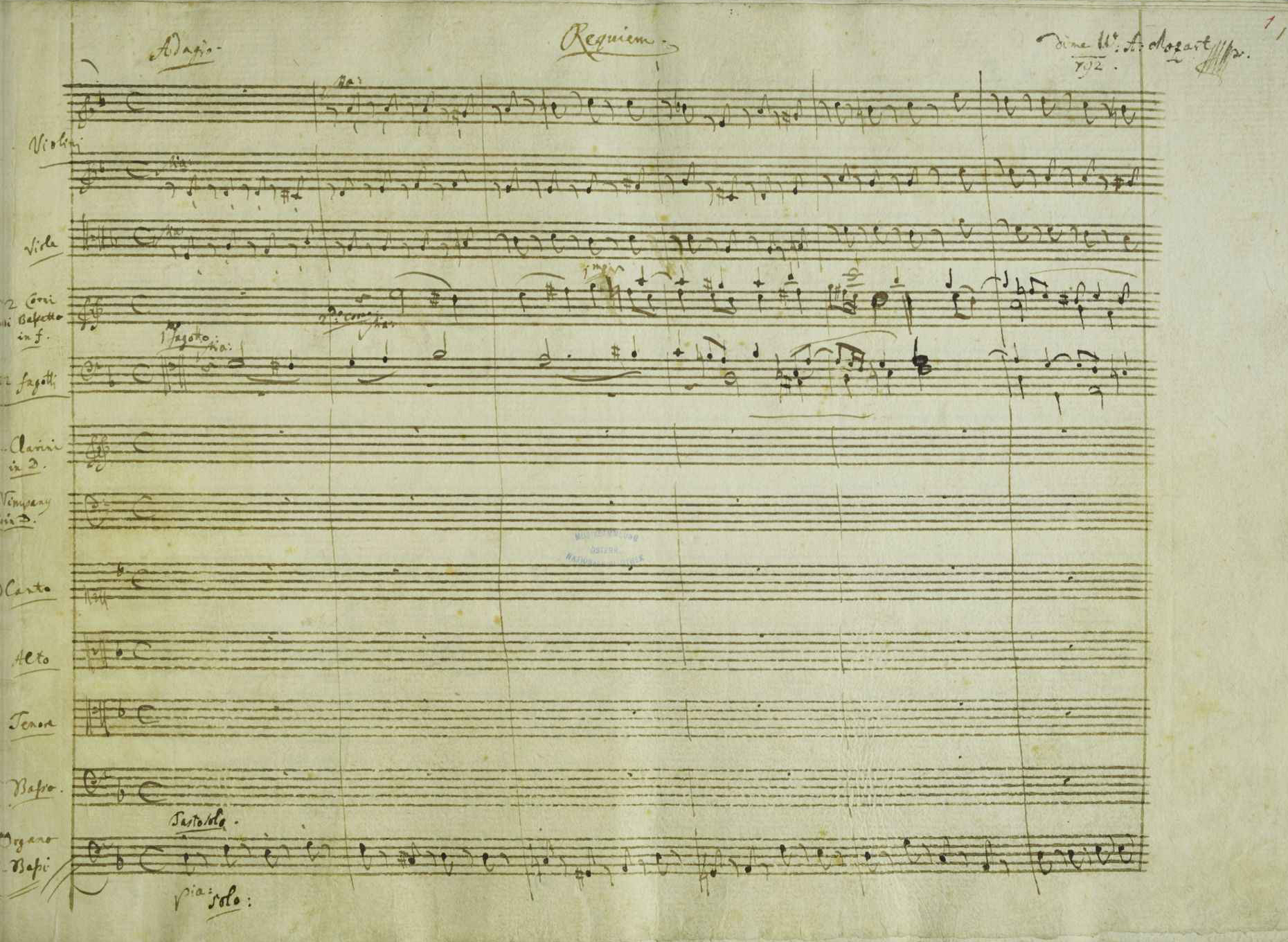
Mozart worked on the “Requiem” in 1791 and died on Dec. 5 with the score unfinished, after a secretive commission for a patron who insisted on anonymity. The pages show sharp contrasts: some sections fully orchestrated, others reduced to vocal lines and bass, and some left as quick sketches that expose his speed, his hesitations, and the moments he was already sure, with whole measures left waiting. Franz Xaver Süssmayr completed a version for delivery, so the piece carries two signatures and one unmistakable absence, and listeners can still feel where Mozart’s voice thins and stewardship takes over, while the grief stays immediate.
Schubert’s “Unfinished” Symphony
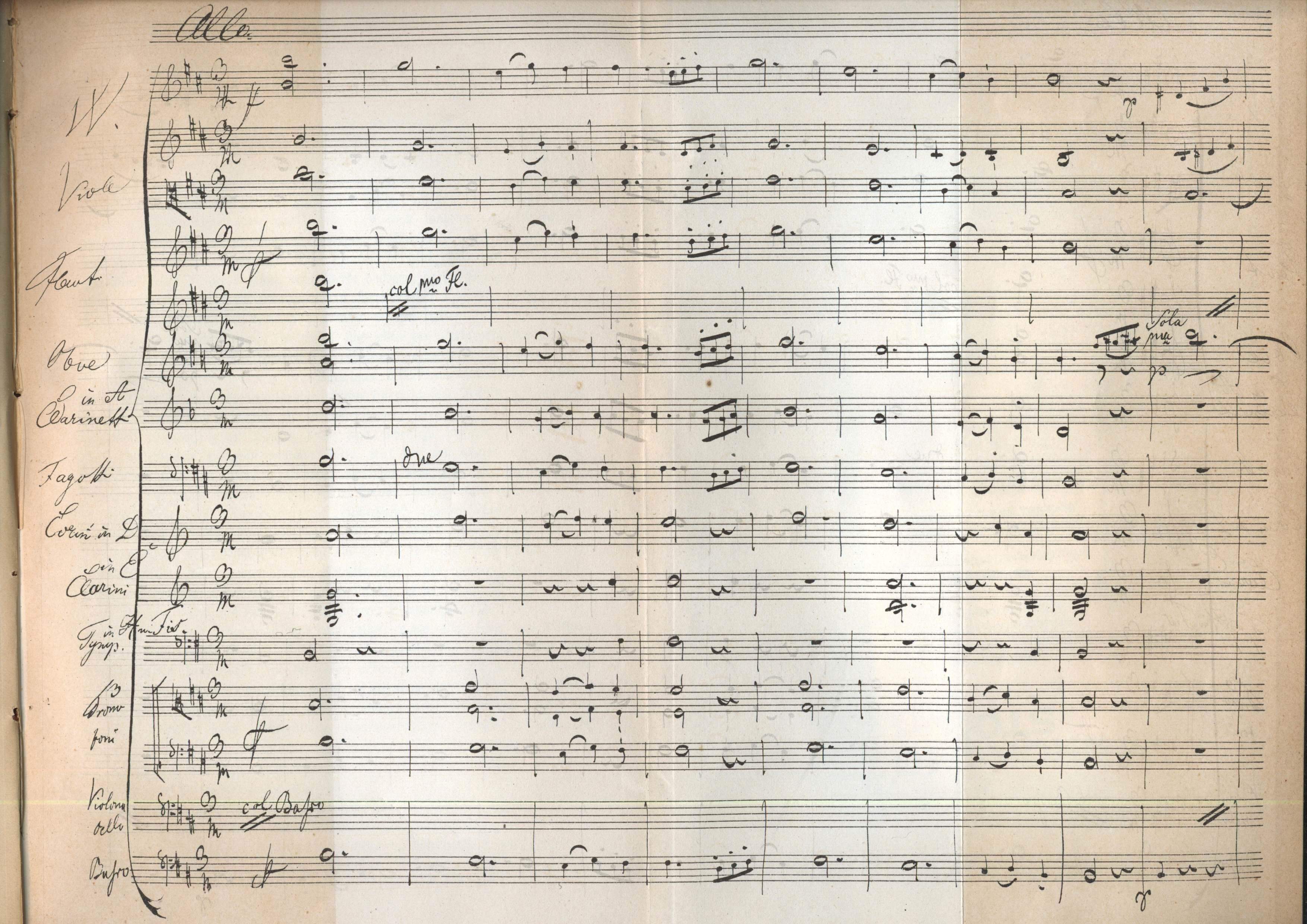
Schubert began Symphony No. 8 in B minor in 1822 and stopped after two movements, leaving behind a piece that refuses to sound unfinished in the sense. The opening moves with nervous shadows and sudden bright turns, then the Andante arrives like a long exhale, balancing tenderness and unease, while surviving pages tied to a scherzo suggest he was still experimenting with where the story might go. The manuscript stayed out of public view until its premiere in 1865, which turned the work into a kind of recovered secret, and the quiet after the last bar lands like part of the composition, as if Schubert chose to end with restraint.
Dickens’s “The Mystery of Edwin Drood”
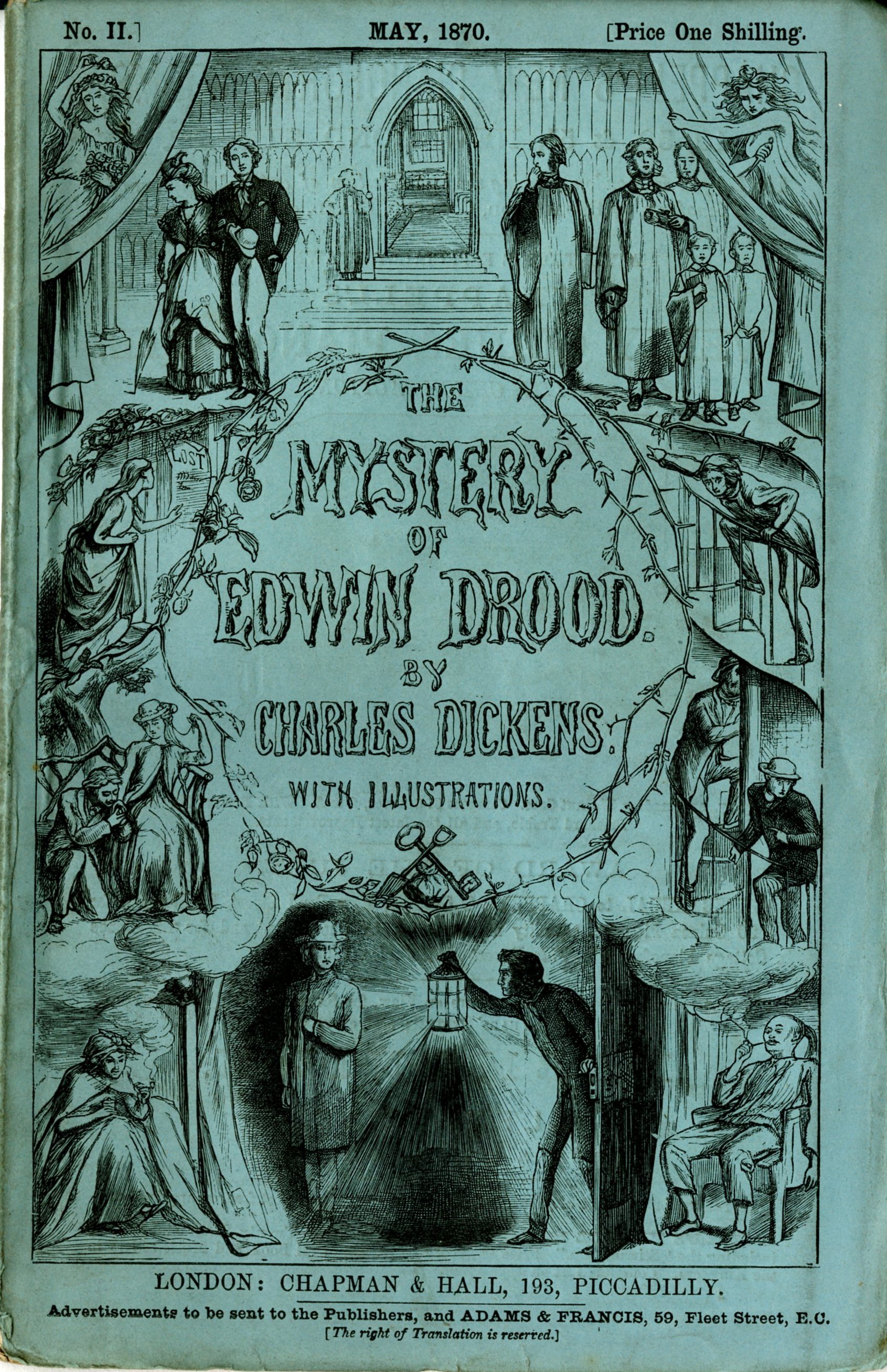
Dickens launched “The Mystery of Edwin Drood” in 1870 as a monthly serial and died on June 9 after completing only half, cutting the story off at its most suspicious. The disappearance at the center remains unresolved, and the cast keeps circling with motives sharp enough to convict, so each reread feels like reopening a case file, with every clue doing double duty as plot and misdirection. Set in the cathedral town of Cloisterham, it pairs foggy atmosphere with precise social detail, and the missing ending becomes fuel: critics, novelists, and fans keep building solutions, then tearing them apart for sport for generations now.
Kafka’s “The Castle”
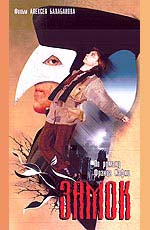
Kafka began “The Castle” in 1922 and died before finishing it, leaving K., a land surveyor, trapped in endless negotiation with an authority he cannot reach. In the village below the hill, everything still depends on intermediaries, reputations, and paperwork that arrives late or not at all, so each small conversation feels like a test with rules nobody will explain. Because there is no final resolution, the unfinished form stops feeling accidental and starts to feel structural, matching the emotional reality of bureaucracy: a system that offers contact, then withholds clarity, keeping a person suspended between hope and exhaustion.
Coleridge’s “Kubla Khan”
Coleridge presented “Kubla Khan” as a fragment, a poem broken by interruption before it could become a full, orderly statement, and he leaned into that incompletion when he published it in 1816. The imagery arrives in concentrated flashes: the pleasure-dome, the sacred river, caverns and gardens, and the mix of delight and dread in the same breath, all moving with dream logic that refuses to slow down or explain itself. Then it stops, and that stop becomes the spell, because the missing lines create pressure, making what remains feel more intense, as if language almost caught the vision and lost it at the edge of waking for good.
Musil’s “The Man Without Qualities”
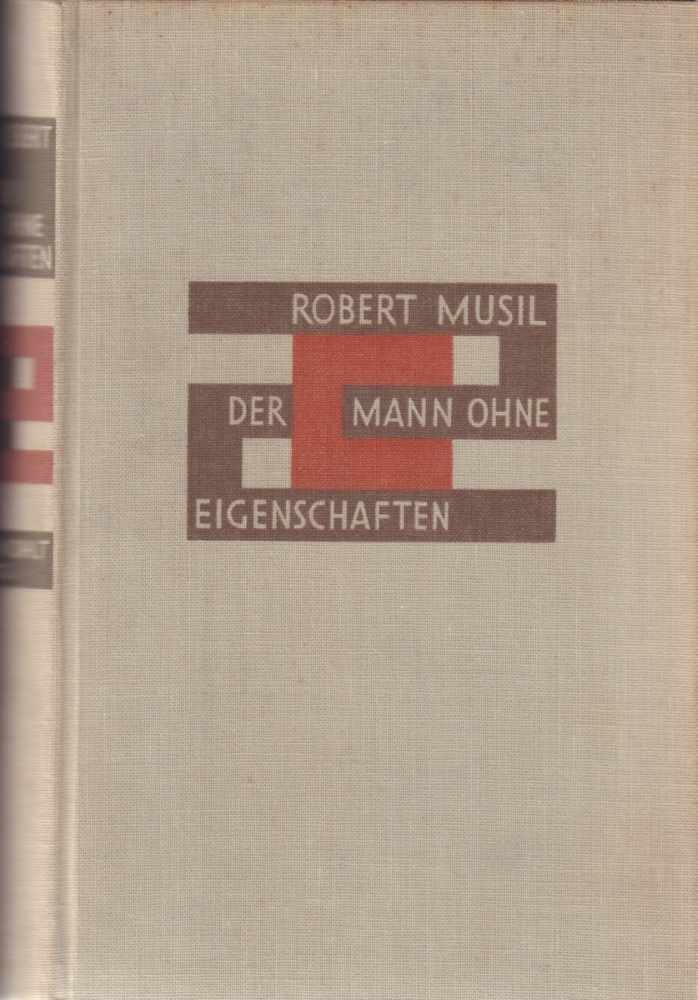
Robert Musil spent decades writing “The Man Without Qualities” and died in 1942 with the project unfinished, leaving a novel that feels like a society thinking out loud in 1913. The published volumes are expansive, but drafts and notes show the work still branching, testing ideas, revising scenes, and refusing to settle on a single route, as if it keeps changing its mind under the pressure of history. Set in Vienna before World War I, it captures intelligence without anchoring certainty, so the unfinished state fits the subject: a culture brilliant at analysis, hesitant at decision, and unable to close the loop on what it believes.