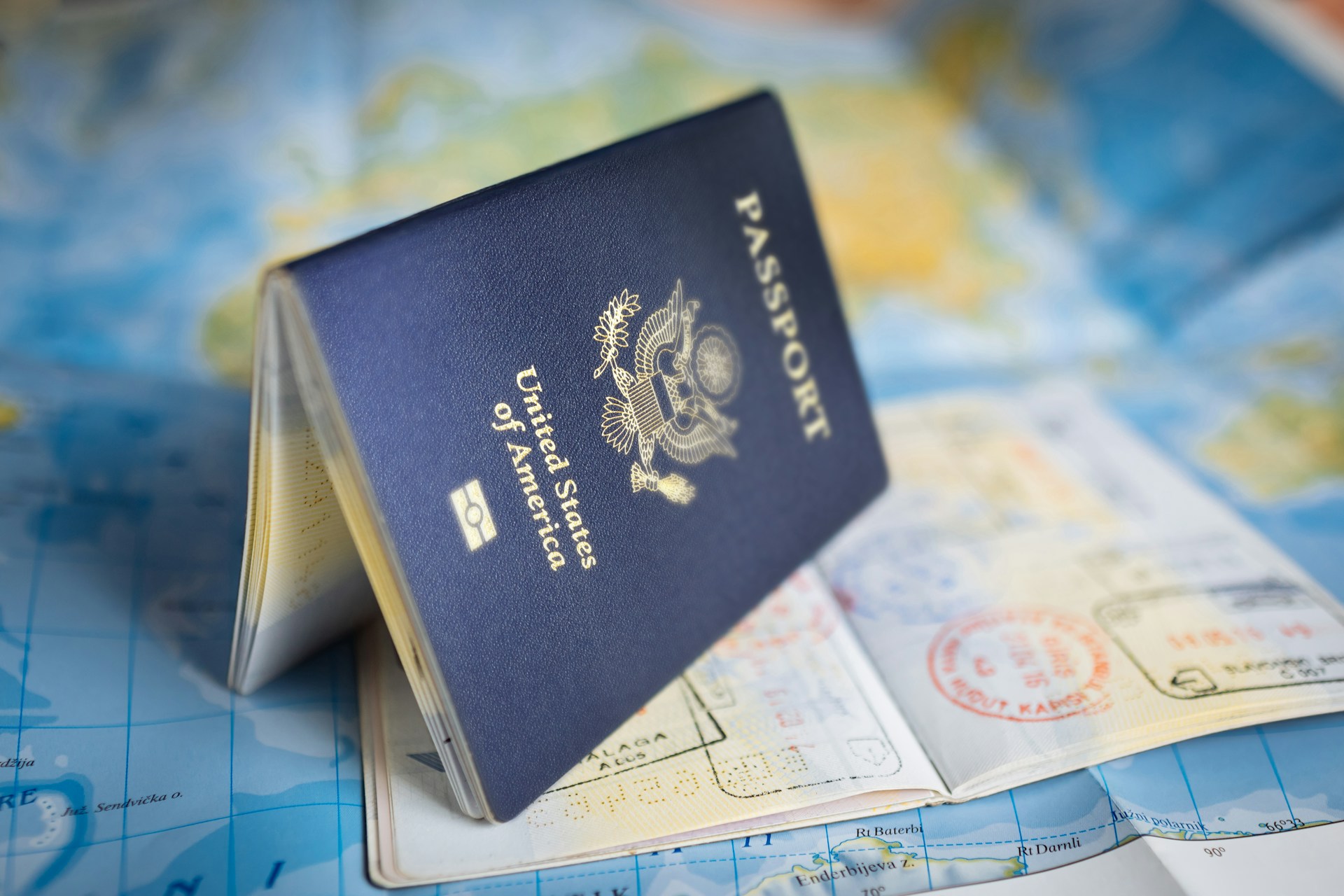
Visa decisions once felt like paperwork and patience. Now an online footprint can become part of the file. Starting Dec. 15, the U.S. State Department expanded online presence reviews beyond student and exchange visas to include H-1B workers and their H-4 dependents, and applicants are instructed to set social media profiles to public for screening. The rule lands in a tense moment: employers want talent, governments want risk controls, and old posts can travel farther than intended. Attorneys say the hardest part is uncertainty, because officials have not publicly defined what content crosses the line. Across consulates, the added layer is already reshaping timelines, privacy, and expectations. For many applicants, the interview now begins long before the appointment time.
Online Presence Reviews Become Standardized
The policy standardizes something that used to feel ad hoc: consular officers may now review online presence for all H-1B applicants and their H-4 dependents, building on earlier checks used for student and exchange categories. It sounds procedural, yet it changes what proof looks like. A file once anchored in forms, travel history, and employer letters can now treat public posts as another identity document, scanned for consistency, associations, and judgment. It nudges applicants to audit their own timelines first.
Public Profiles Are Now Part of the Instruction Sheet
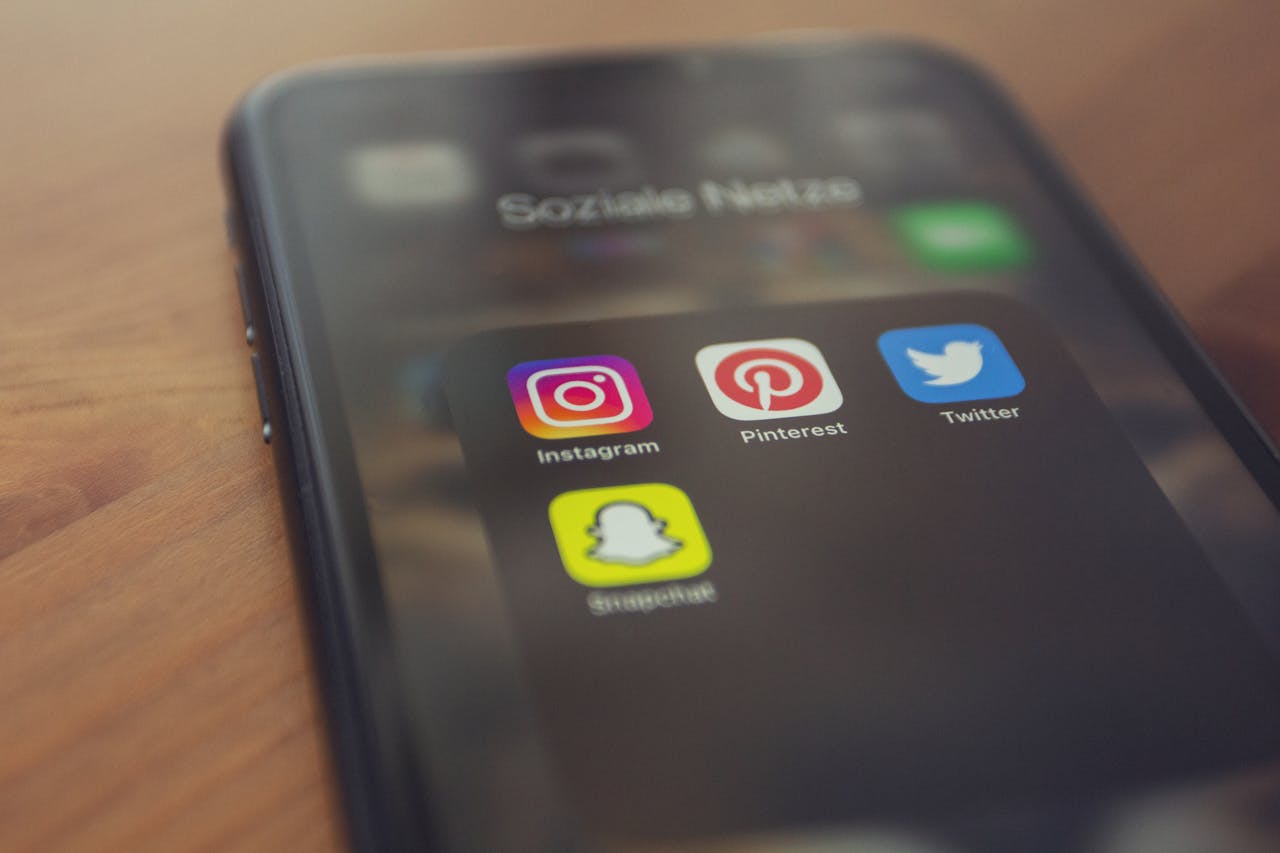
Applicants are instructed to adjust privacy settings on all social media profiles to public to facilitate review. That single step alters daily habits. Posts meant for friends, old comments left in passing, and photos tagged by others can become reviewable material, even when the account holder rarely uses the platform. Many people discover forgotten handles on older networks, duplicate profiles made by strangers, or fan pages that muddy identity. The policy does not demand more posting, but it does assume visibility, and visibility invites interpretation at the worst possible moment: when outcomes depend on someone else’s reading.
Disqualifying Content Is Still Not Clearly Defined

Officials describe the purpose broadly: use available information to identify applicants who may be inadmissible, including those who could pose national security or public safety risks. What is missing is a public list of red lines. Without that, preparation turns into guesswork. A meme, a clipped quote, or a sarcastic reply can read as harmless to one reviewer and hostile to another, especially when screenshots strip away timing and tone. Context also shifts across languages, cultural humor, and local politics, so a blunt translation can change the meaning. The vagueness is the stressor, not only the scrutiny. That is the pinch.
Speech-Related Work Can Draw Extra Attention
Some reporting has indicated that speech-adjacent work may draw extra attention, including roles tied to disinformation response, content moderation, and fact-checking. The problem is how modern jobs blur. A trust-and-safety analyst enforcing company policy can be mistaken for someone steering public debate. Vendor contracts and outsourced queues place people near decisions without clear authority or intent. Résumé language also tends to sound bigger than life, which can inflate perceived involvement. Suddenly, job titles, project blurbs, and even a LinkedIn summary can feel like evidence instead of marketing. It is jarring.
Longer Timelines Are Becoming Part of the Story
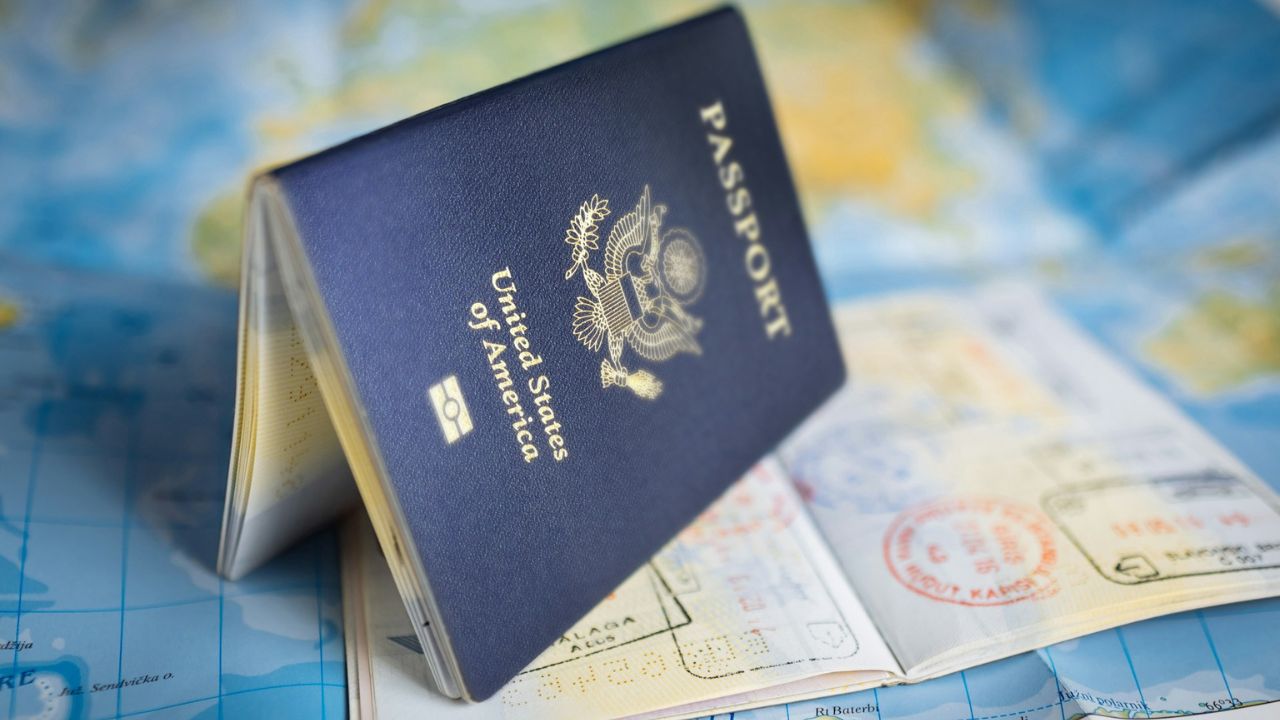
Unclear standards tend to slow systems, and attorneys have warned that broader reviews can translate into longer processing. Some cases are routed into additional checks that push appointments out by weeks or months. The ripple is practical, not theoretical. Employers delay start dates, teams reshuffle workloads, and families hesitate to sign leases or enroll children in school. Even when nothing problematic exists, the review can stretch because the file now includes more places to look and more questions to reconcile. The hardest part is that the clock is often opaque, so planning becomes a series of cautious guesses. It bites.
Free Speech Arguments Shift at the Border
Speech protections land differently depending on where a person stands. Courts have affirmed that people lawfully inside the United States, including noncitizens, can claim First Amendment protections. At the visa stage, though, the government has wider discretion when deciding whether to admit someone who remains outside the border. That split fuels the anxiety. Critics worry vague screening chills lawful expression, while supporters argue entry decisions have always involved value judgments and risk tolerance. The practical reality is that a post can be read less as opinion and more as a signal of intent, fairness aside.
Digital Housekeeping Is Becoming Visa Prep
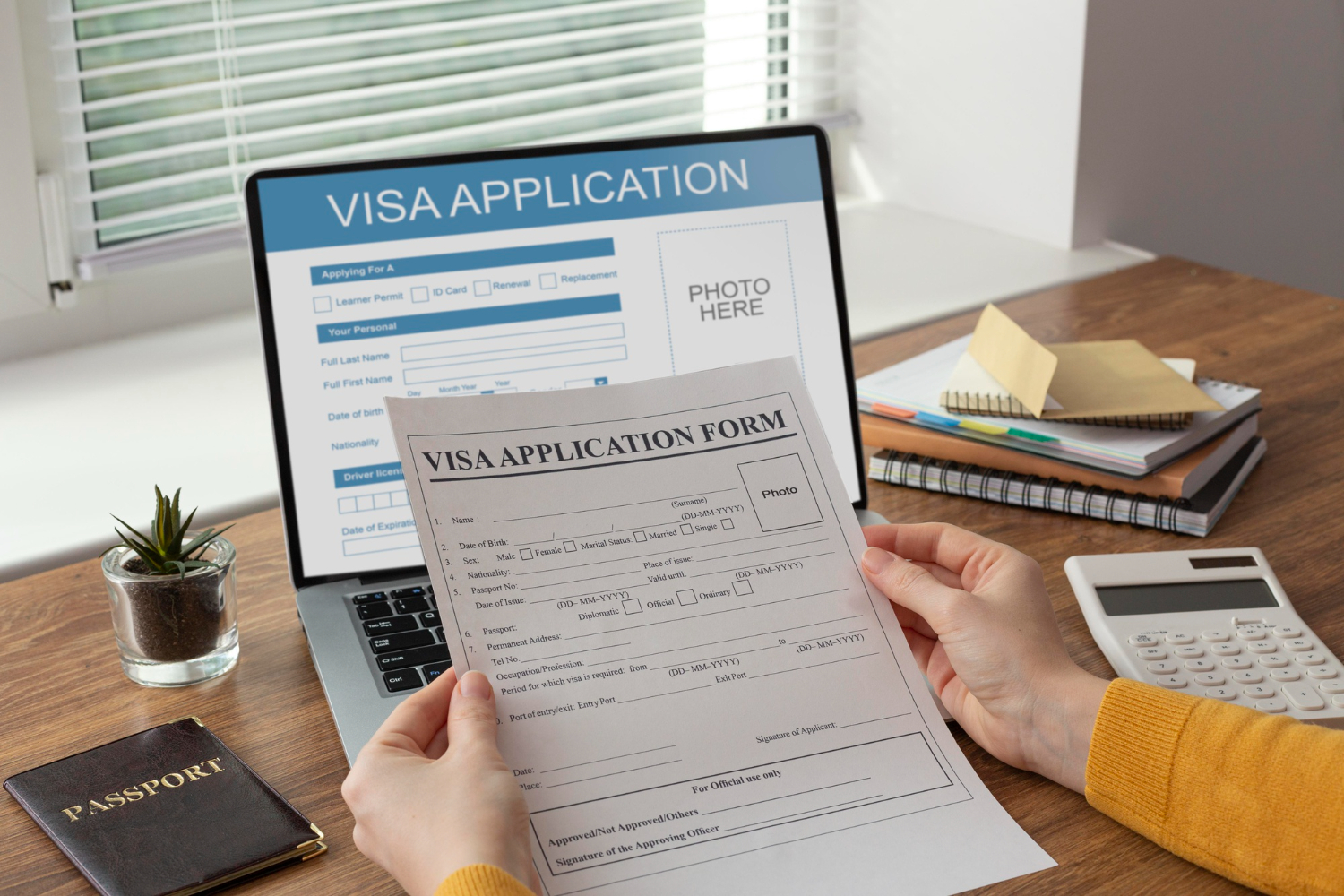
In response, applicants are treating online presence like paperwork. They confirm names across platforms, watch for impersonation or hacked accounts, and note duplicate profiles that could confuse a reviewer. Attorneys often caution against panicked mass deletion, which can look evasive, and instead emphasize accuracy and calm explanations when something is wrong. The deeper lesson is cultural. Digital life and international mobility no longer sit in separate lanes. When a visa file can include years of public breadcrumbs, cleaning up forgotten accounts and avoiding careless reposts start to feel like travel hygiene. For a reason.