A sharpened sentence can travel farther than an army, and rulers have long understood that the safest idea is the one kept silent. Across centuries and continents, philosophers, playwrights, poets, and dissidents have been locked behind doors for refusing to soften a truth, retract a question, or stop putting ink to paper. Some faced formal trials staged as moral theater. Others were swallowed by special tribunals, secret police, or laws written to make disobedience sound like a crime. Yet prison often failed to do its intended work. In cramped cells, under house arrest, or in labor yards, these thinkers kept reasoning, drafting, remembering, and turning captivity into a record that outlived the jailer, and kept waking new readers.
Socrates and the Thirty-Day Wait
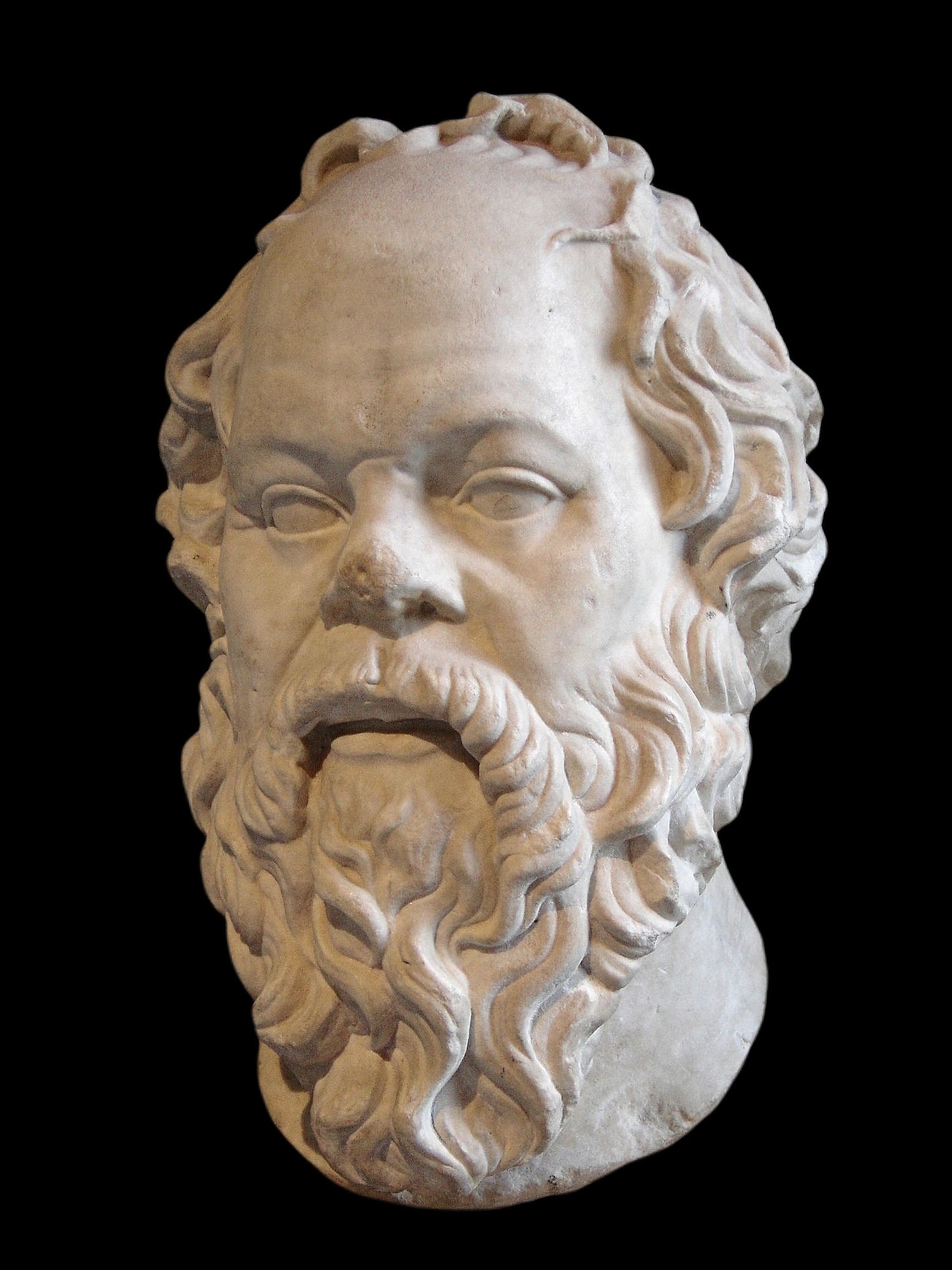
In 399 B.C., Athens condemned Socrates for impiety and for corrupting the young, then held him in a plain cell while a sacred voyage to Delos kept executions on pause. Visitors arrived at dawn, bringing rumors, food, and arguments, and he kept probing the question that had irritated the democracy’s nerves: what makes a life just, and who gets to decide. Friends mapped an escape route, but he treated it as another proposition to examine, not a door to seize, and when the delay ended he drank hemlock under guard, with steady composure, leaving a model of dissent that refused both panic and flattery, until the last breath.
Galileo and the Locked Telescope
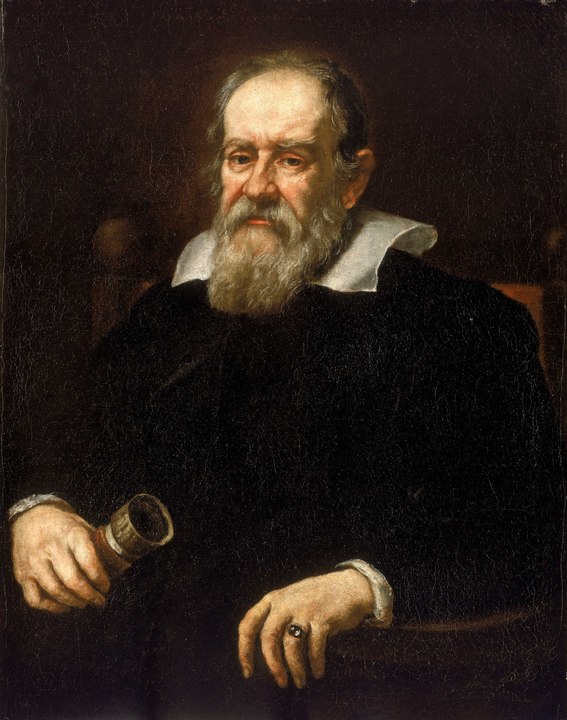
Galileo’s crime was not a riot but a book that made readers look up. After publishing “Dialogue Concerning the Two Chief World Systems,” he was hauled before the Roman Inquisition in 1633 and branded vehemently suspect of heresy. Forcing an abjuration in public was part of the lesson; the “Dialogue” was banned, and his sentence slid into lifelong house arrest, monitored through visitors, letters, and permissions. Blinded and aging at Arcetri, he kept calculating motion and drafting new work, proving that the mind can keep moving even when the body is fenced in, in whispered math and stubborn ink for the next generation.
Thomas More and the Tower Silence
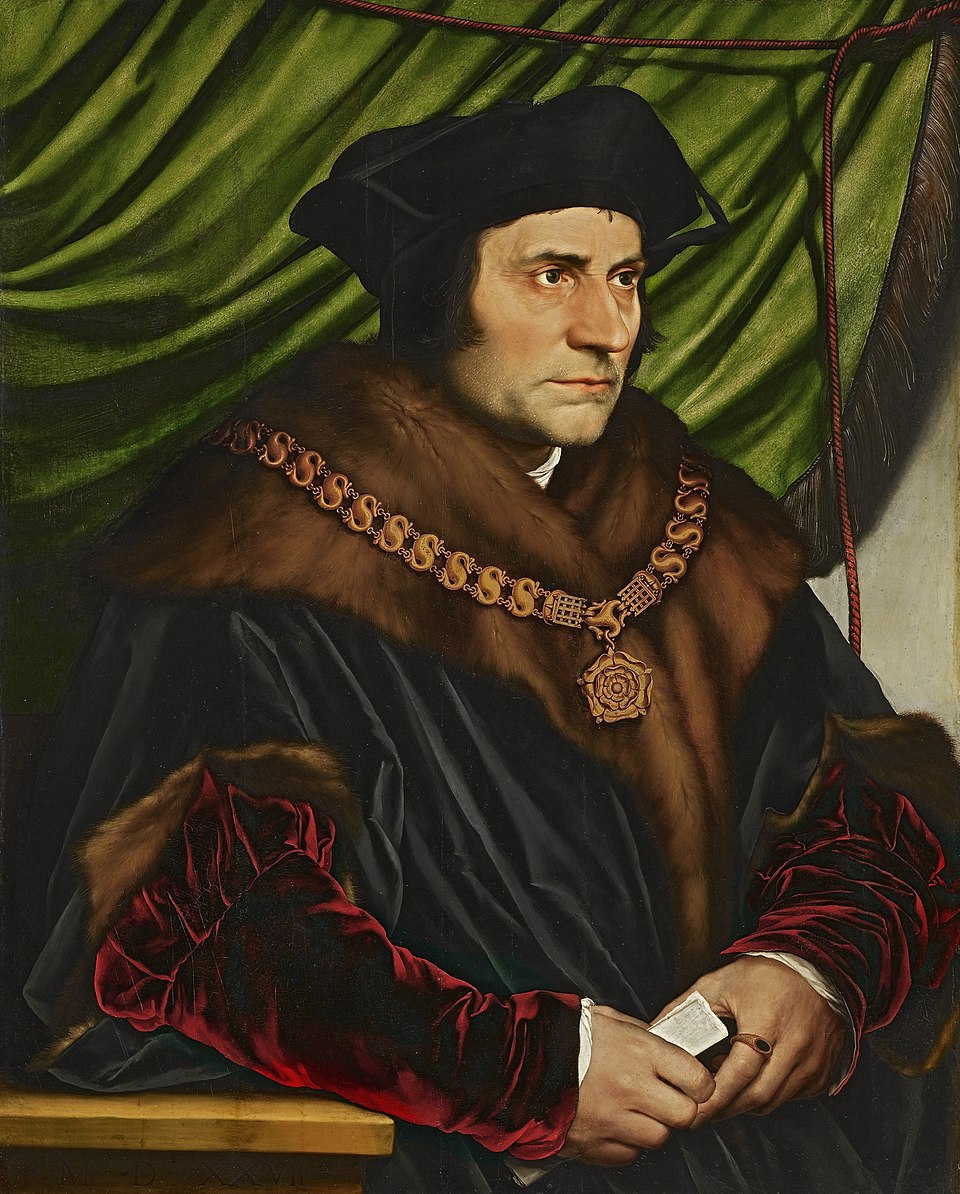
Thomas More learned that silence can be treated like speech. After refusing to endorse Henry VIII’s supremacy over the Church, he was shut in the Tower of London in 1534, facing the Thames but cut off from his office, his books, and any safe audience. Officials visited with rehearsed kindness, urging compliance, and he answered with careful restraint, shaping letters and meditations that still read like arguments made in good faith. In 1535, the state turned that refusal into treason and led him out to die, a reminder that governments often fear the calm person who will not say what power demands, not even once, for show.
Voltaire and the Bastille Lesson

Paris loved Voltaire’s wit until it landed too close to the throne. In 1717, epigrams aimed at the regent sent him to the Bastille for nearly a year, in a cell remembered as windowless, with walls built to swallow rumor before it could spread. The punishment was meant to dry up the pen, but confinement hardened his taste for clarity and sharpened his instinct to expose hypocrisy with a smile that cut. A later spell of Bastille custody in 1726 ended in exile, and the pattern made his point for him: in an anxious state, a joke can be treated like a dagger, especially when it argues for tolerance and mocks sacred authority.
Oscar Wilde and the Reading Gaol Years
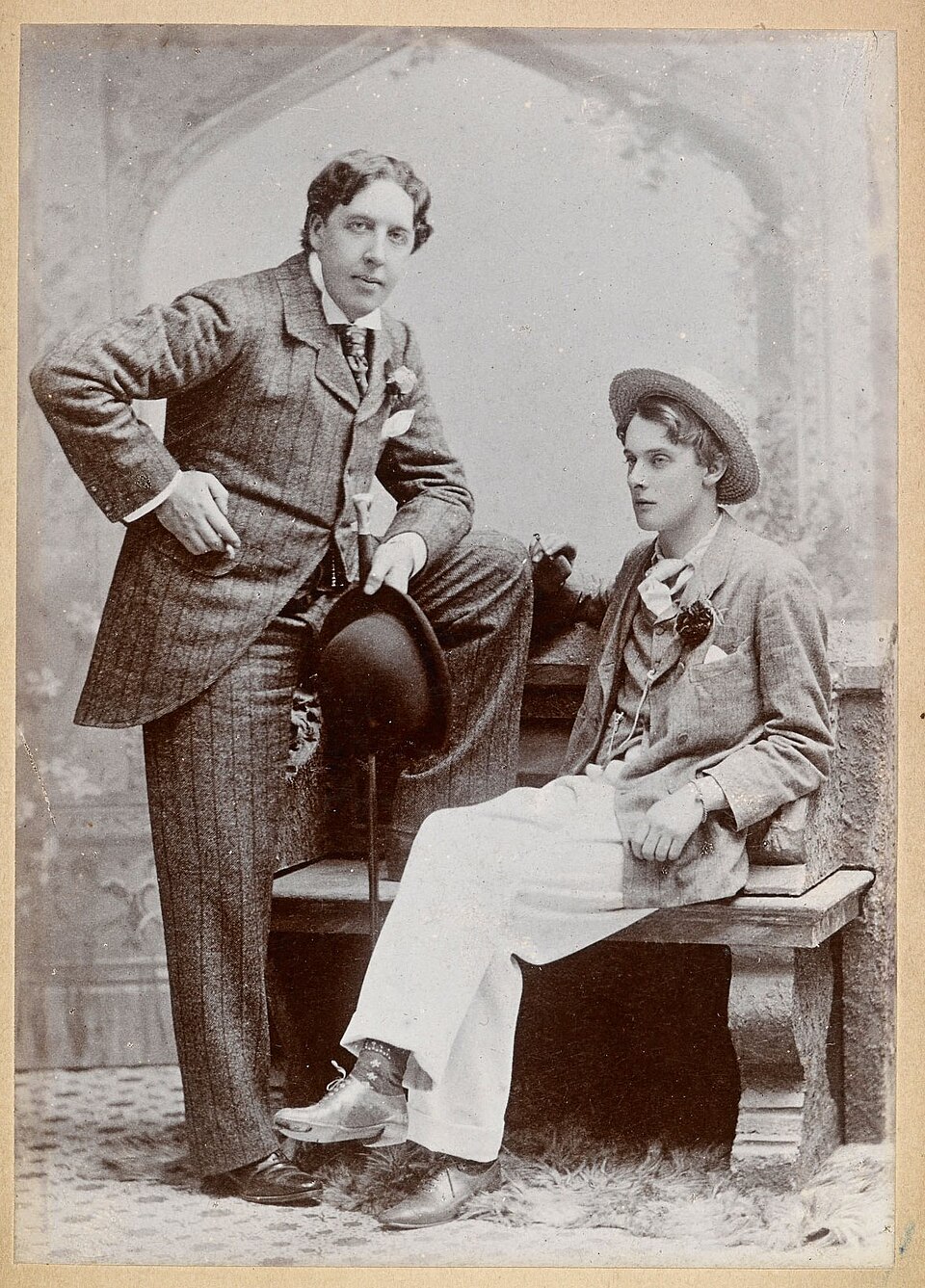
Oscar Wilde walked into court as a celebrity and left as a prisoner. Convicted in 1895 of gross indecency, he was sentenced to two years of hard labor, passed through multiple prisons, and ended in Reading Gaol, where veiled caps, treadmills, and oakum picking turned days into slow humiliation. The regime was meant to erase a public voice, yet it forced a different kind of writing: slower, rawer, and stripped of performance, with every detail of cruelty observed. From that ordeal came “De Profundis” and, after release, “The Ballad of Reading Gaol,” where suffering is quietly rendered with an artist’s exacting attention.
Antonio Gramsci and the Notebook Cell
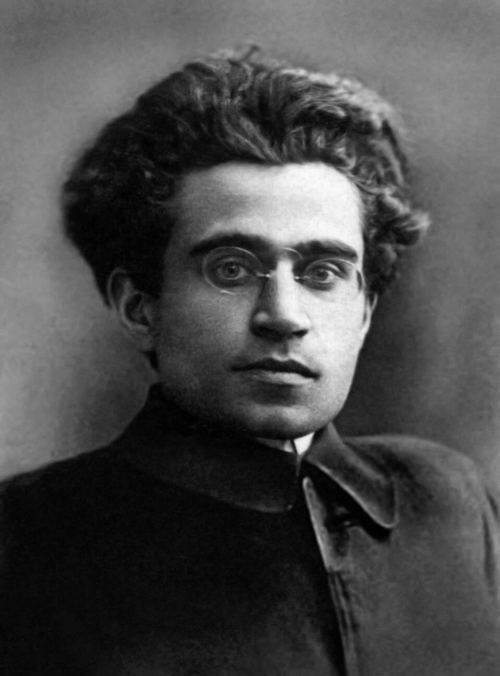
Fascist Italy did not need to refute Antonio Gramsci’s ideas; it chose to immobilize the author instead. Arrested in 1926 and sentenced by a special tribunal in 1928 to more than 20 years, he moved through prisons and infirmaries as health collapsed, while censors watched letters and visits. Prosecutors spoke openly about stopping his brain from functioning, as if thought were a machine that could be switched off, and that blunt wish shaped the whole apparatus around him. Gramsci answered in cramped handwriting with “Prison Notebooks,” sketching hegemony, culture, and consent in a form sturdy enough to outlive the bars.
Václav Havel and the Letters to Olga

In communist Czechoslovakia, Václav Havel’s plays and essays were treated as subversion because they named lies holding the system together. Arrested in 1979 for dissident activity tied to Charter 77 and VONS, he remained in prison until 1983, learning how a state can grind down a writer through forms and fatigue rather than spectacle. Instead of disappearing, he wrote steadily, turning confinement into a moral inventory and a study of fear, responsibility, and the decision to live in truth. Later published as “Letters to Olga,” his prison reflections made endurance legible and carried a quiet charge into public life.
Liu Xiaobo and the Charter That Cost Him
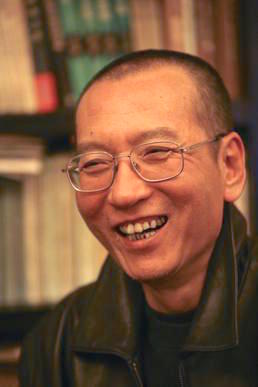
Liu Xiaobo believed reform began with language that refused euphemism. A literary critic turned dissident, he helped draft “Charter 08,” was detained in Dec. 2008, and on Dec. 25, 2009, received an 11-year sentence for inciting subversion, a charge elastic enough to cover essays, signatures, and hope. Even a Nobel Peace Prize in 2010 did not open the cell door; the state treated his writing as a contagion, while his wife, Liu Xia, was kept under restrictive control without formal charges. He died in custody in 2017 after medical parole, and the story lingers as a portrait of how fear of words can be written into policy.
Nawal El Saadawi and the Eyebrow Pencil

In Sept. 1981, Egypt’s President Anwar Sadat swept up critics, and Nawal El Saadawi, a physician, novelist, and feminist thinker, was among those jailed after years of challenging state stories about women, religion, and obedience, including work tied to a feminist magazine. Denied pen and paper, she wrote anyway, using an eyebrow pencil on scraps and toilet paper, refusing to let confinement dictate what could be said. Her prison account, later published as “Memoirs From the Women’s Prison,” keeps the ward’s noise, fear, and small solidarities alive, while insisting that silence is never neutral, for anyone watching.