
Trash day can feel like a small reset: drawers cleared, corners reclaimed, the home made lighter by a quick goodbye. Yet some everyday leftovers are not just clutter. They are tiny chemistry sets, pressurized containers, and heavy-metal puzzle pieces that behave differently once crushed, soaked, or burned. One leaky bottle can turn a garbage truck into a hazmat problem, and one damaged battery can smolder long after the lid shuts. That is why many communities steer certain items toward household hazardous waste drop-offs, retailer take-back bins, or scheduled collection days instead of curbside pickup. Handled with a little care, the same objects become contained, recycled, or neutralized rather than drifting into soil, smoke, and waterways.
Lithium-Ion Batteries And Power Banks
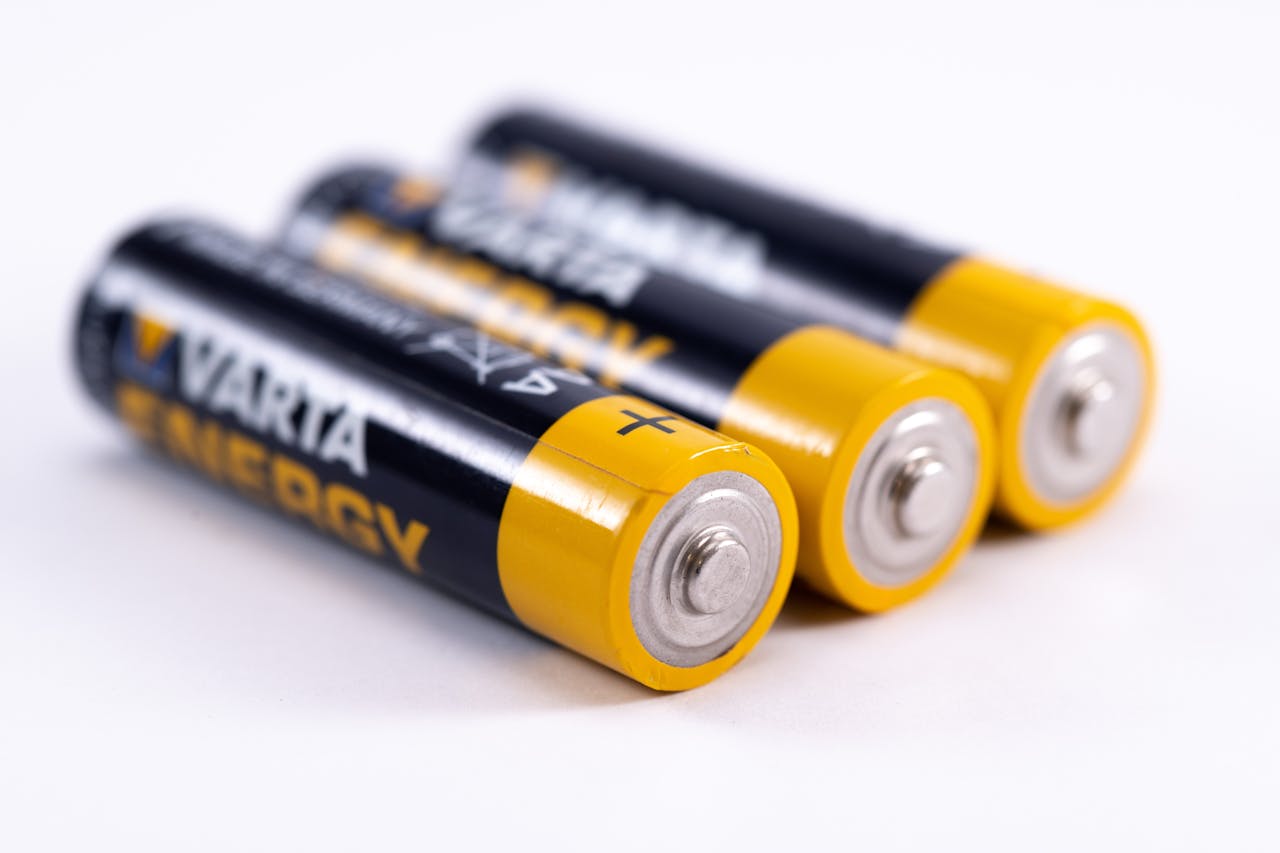
The dead phone battery and forgotten power bank can look harmless, but inside is concentrated energy that hates being crushed, bent, or overheated. In garbage trucks, compaction can puncture a cell, and the heat can smolder quietly until it flares in a pile of paper, plastic, and yard waste. Because the same chemistry hides in earbuds, toys, tools, and small appliances, many collection programs treat lithium-ion batteries as their own stream, asking households to tape terminals, bag each unit, and use retailer drop-offs or household hazardous waste sites so materials are recovered without a fire, rather than loose in bins.
Latex And Oil-Based Paint
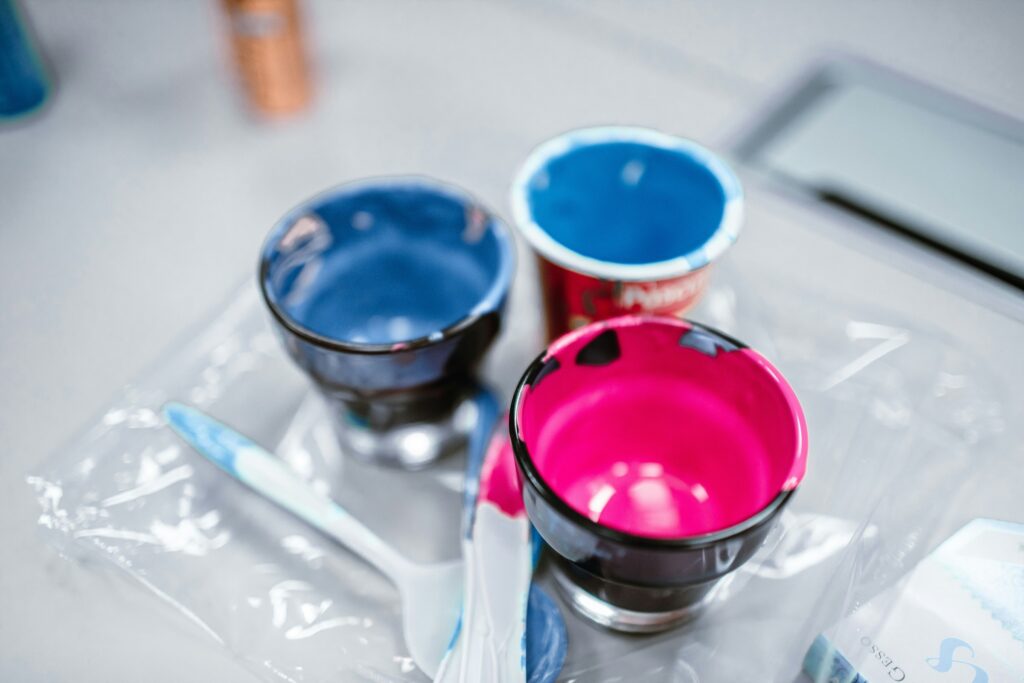
After a weekend makeover, half a can of paint often sits like a promise for later, slowly separating into layers that do not belong in a landfill. Even water-based latex can leak and soak cardboard into a sticky mess, while oil-based paints, stains, and varnishes carry solvents that can ignite or release strong fumes when crushed. That is why many places route leftover paint to household hazardous waste programs or paint take-back sites, where it can be consolidated, filtered, or remixed for reuse, and where containers are handled with ventilation rather than sealed inside a hot garbage truck on a hot Aug. afternoon.
Used Motor Oil And Oil Filters
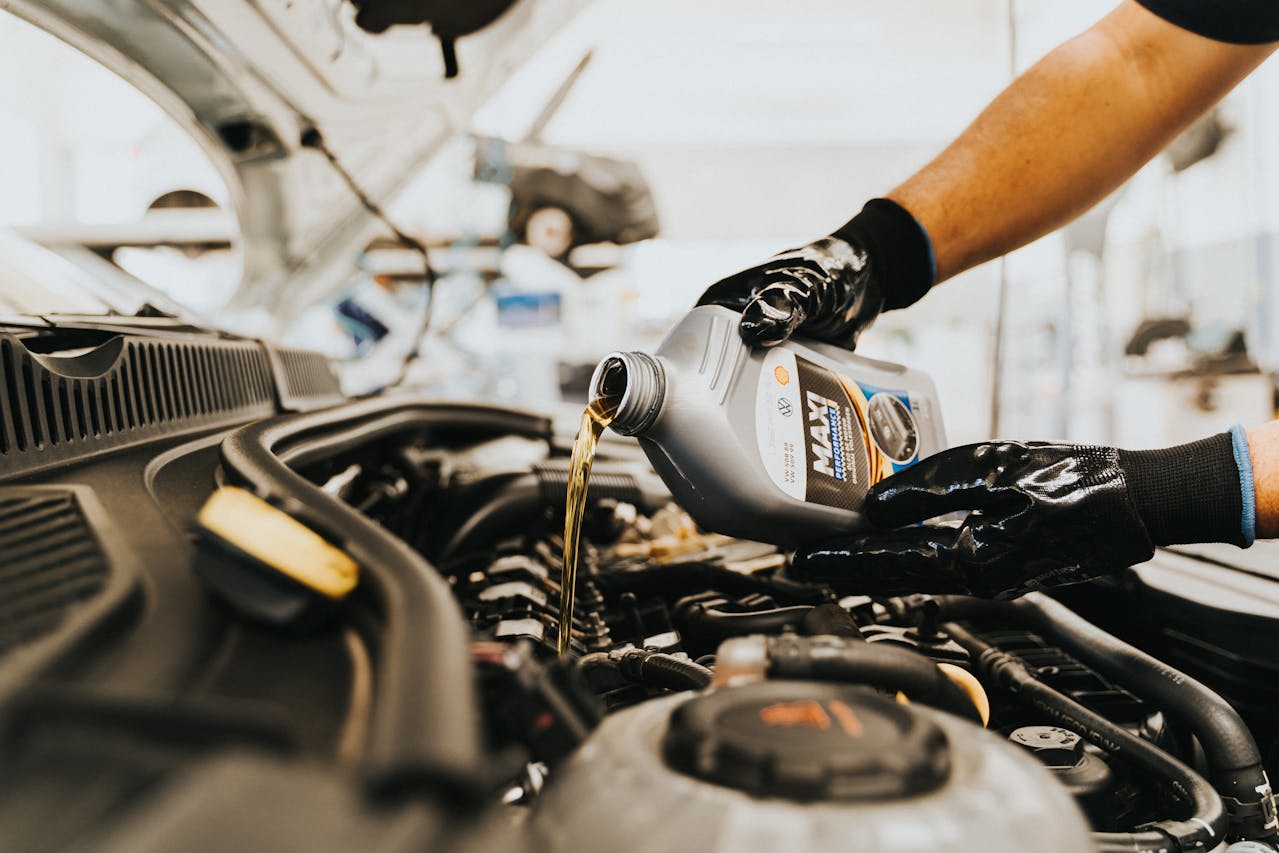
An oil change at home leaves behind a deceptively small puddle of risk: dark fluid that can travel through seams, stain concrete, and keep spreading after the garage door closes. Used oil can carry contaminants, and a soaked filter can drip for days inside a trash bin, turning the bottom into a slick soup that leaks during collection or after a rainstorm. Because the material is valuable when handled correctly, many auto parts stores and municipal depots accept used oil and filters for recycling, where it is re-refined or processed in controlled systems rather than poured into soil, drains, or landfills even once.
Pesticides, Herbicides, And Pool Chemicals
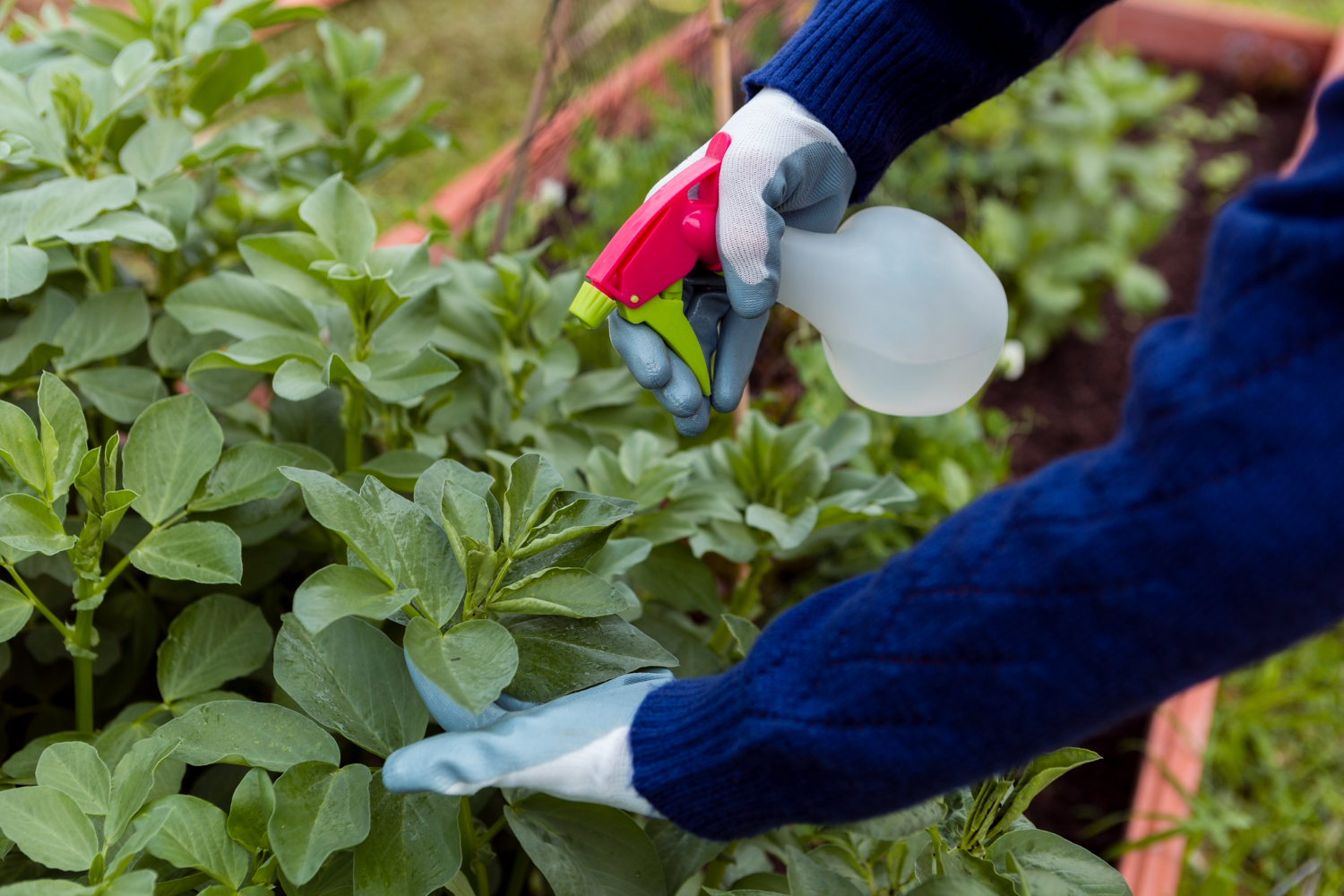
After the garage has been cleared of oil, the next surprise often comes from a shelf of sharp-smelling bottles: weed killers, ant bait, bug sprays, chlorine shock, and fertilizers that clump into hard cakes. These products are built to kill, burn, or oxidize, which is exactly why they can react when mixed, leak onto scraps, or get soaked and heated inside a landfill. Household hazardous waste collections usually accept them in original containers, where staff keep incompatible ingredients apart and route each product to stabilization or hazardous disposal instead of turning trash into an accidental chemistry experiment.
Fluorescent Tubes And CFL Bulbs
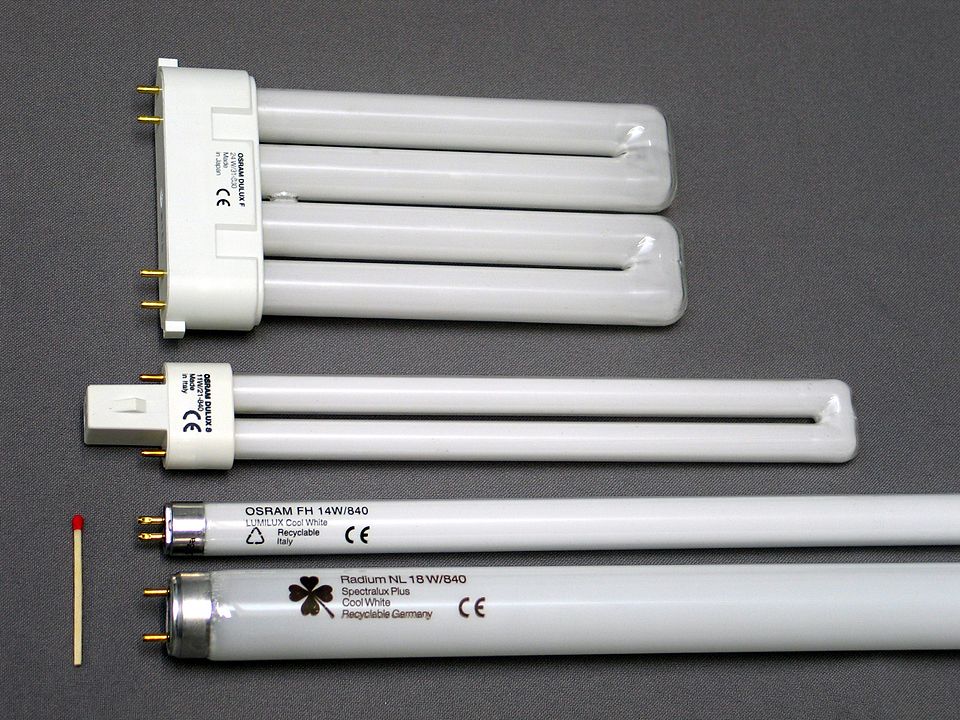
Light bulbs feel like the definition of ordinary, until one breaks and the cleanup suddenly feels careful, quiet, and a little nerve-racking. Fluorescent tubes and many compact fluorescent bulbs contain small amounts of mercury, and when the glass is crushed in transit, fine residue can spread through a bag, onto other trash, and into the air. To avoid that chain reaction, many local programs and some retailers accept these bulbs for recycling, and they are often stored unbroken in their original sleeves or a sturdy box so mercury can be captured and the remaining glass and metal can be reused with far less risk overall.
Propane Tanks And Camping Fuel Canisters
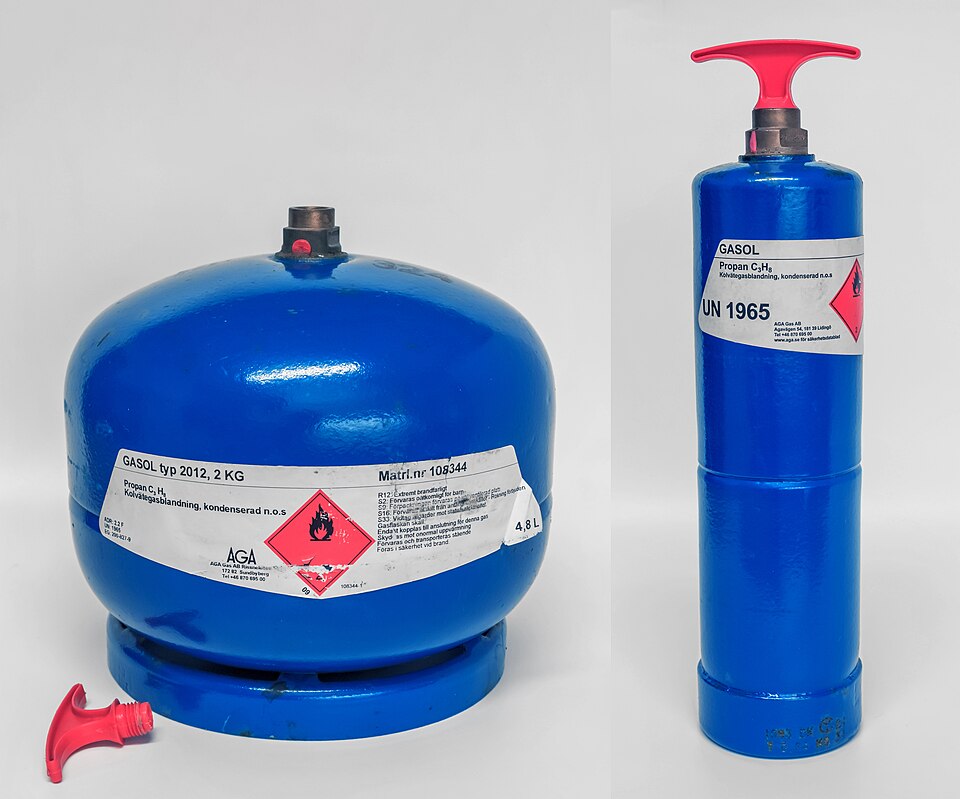
An empty-looking propane tank can still hold pressure, and that hidden force is what makes it risky in the trash stream. When punctured or crushed, cylinders can become flying shrapnel, or they can vent gas that finds a spark in a compactor, a transfer station, or even a landfill work zone. Because small 1 lb camping canisters and backyard grill tanks share the same basic hazard, many jurisdictions steer them toward exchange cages, refill stations, or special drop-offs that check valves, confirm emptiness, and route the metal safely, keeping a cookout staple from turning into an industrial accident on pickup day.
Old Electronics And Cords
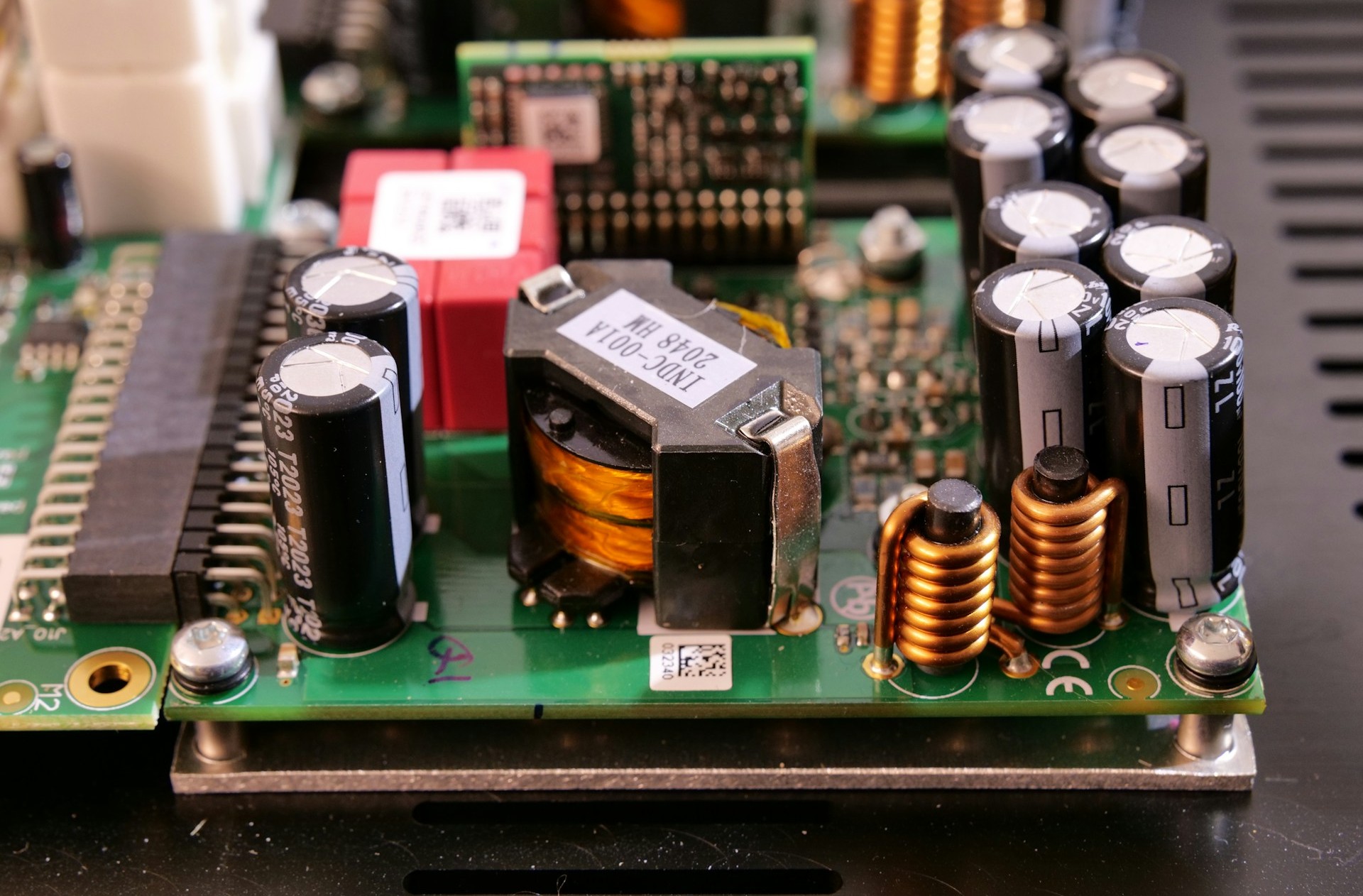
That retired laptop, cracked tablet, or dusty printer feels like simple clutter, but electronics are built from a complex mix of metals, plastics, and glass that does not break down kindly. Many devices also hide rechargeable batteries and personal data, while cords and chargers carry copper that recyclers actually want, not something a landfill can use. With e-waste rules expanding across the U.S., drop-off events, manufacturer take-back, and certified recyclers offer the cleanest exit, giving households a chance to wipe devices, remove batteries, and turn yesterday’s tech into sorted materials instead of a toxic tangle.
Unwanted Medications

A half-finished prescription in the bathroom cabinet often carries a quiet story: a surgery, a flare-up, a tough month that finally eased. Tossed in the trash, pills can be scavenged and misused; flushed, they can slip into wastewater systems that were not built to remove every pharmaceutical compound. Drug take-back boxes, pharmacy events, and authorized collection sites offer a safer goodbye for everything from antibiotics to pain meds, and when those options are unavailable, many local guides suggest sealing medicines in an unappealing mixture, like used coffee grounds, after scratching personal details off the label.