Across early civilizations, the end of the year carried a weight that felt both practical and spiritual. Communities watched the sky, the harvest, and the shifting seasons to decide when one cycle had finished its work. These rituals were not thrown together as entertainment; they were deliberate acts meant to steady people before crossing into the unknown. Whether through fire, food, silence, or symbolic offerings, each culture crafted its own way of preparing for renewal. What remains is a record of how humans learned to face change with intention rather than fear.
Samhain: A Threshold Between Seasons

For the ancient Celts, Samhain marked a turning point when crops were stored, herds were moved, and families accepted that darkness would soon shape their days. People believed the boundary between the living and the unseen thinned, making small offerings a gesture of respect rather than superstition. Bonfires rose on hilltops to protect households and guide wandering spirits. The night carried a quiet seriousness, as if the year itself paused long enough for everyone to acknowledge what had ended and what would soon arrive.
Egypt’s Five Uncounted Days
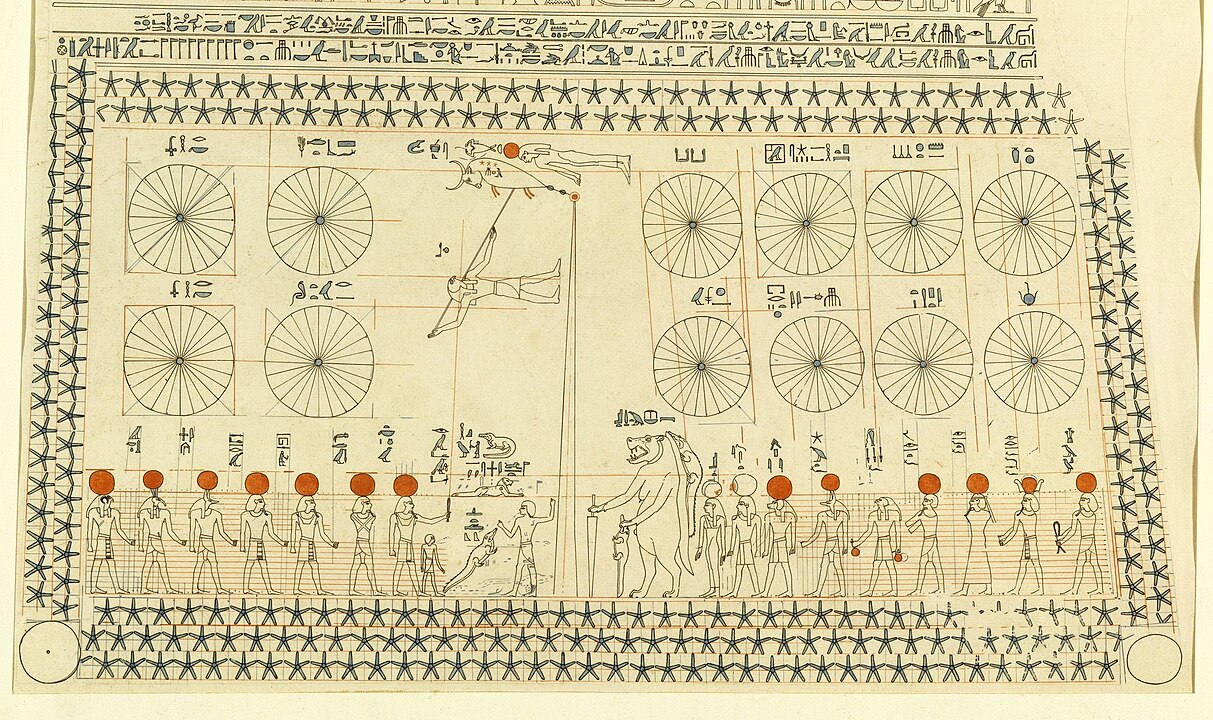
In ancient Egypt, the last stretch of the year was held in a brief window of extra days that stood outside the regular calendar. These days were rooted in myth and were treated with a careful blend of caution and celebration. Families brought food and incense to local temples, thanking the gods who shaped their fortunes and asking for a steady start to the coming cycle. The nights felt suspended, as though time had been peeled open just long enough to reset the world before the new year took hold.
Akitu: Renewal In Babylon
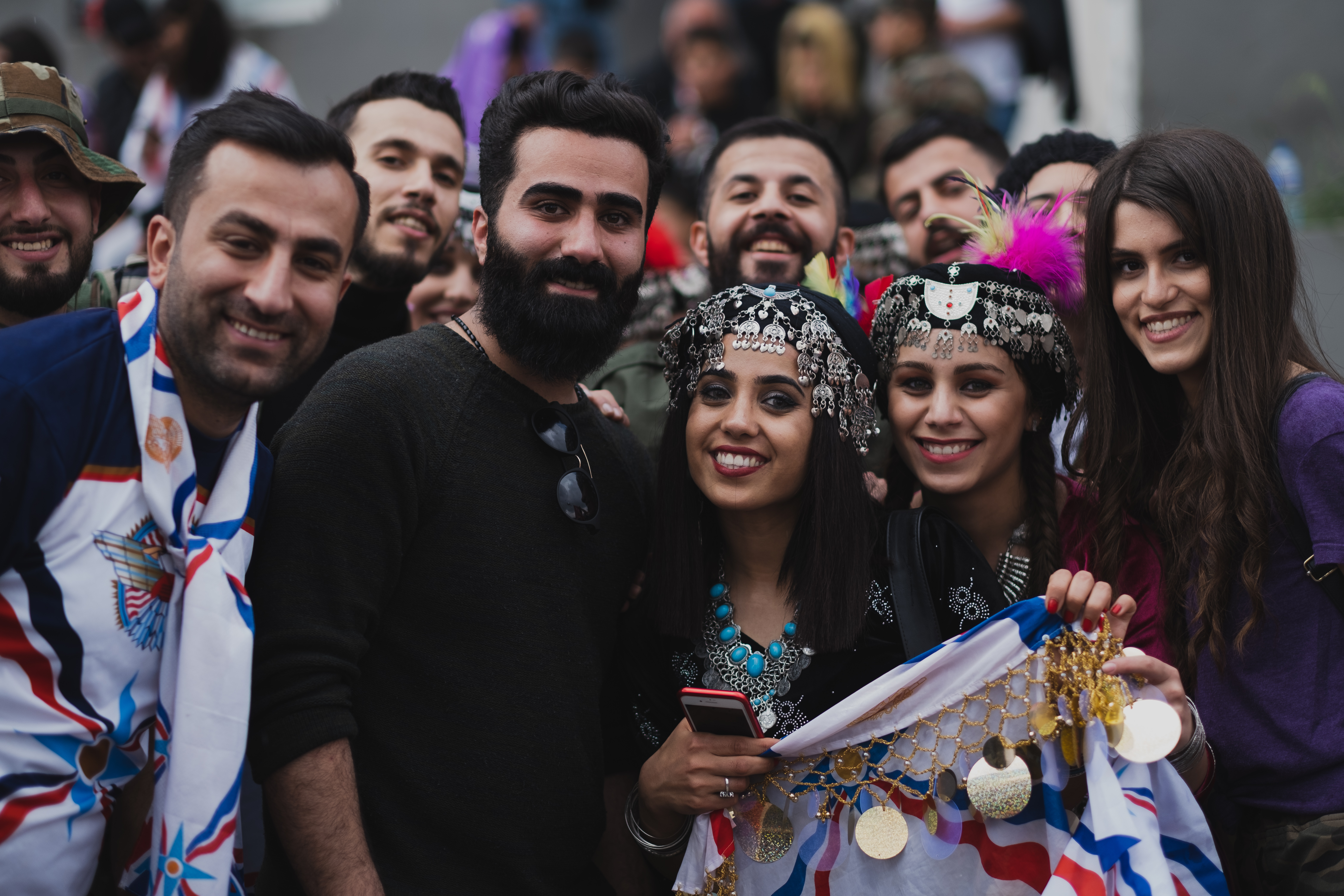
The Babylonians welcomed the new year with Akitu, a festival that blended civic order, spiritual belief, and collective memory. Statues of major gods left their temples for processions that moved through crowded streets, reminding people of the relationship between divine power and human responsibility. Ceremonies acknowledged past mistakes and asked that the coming year bring stability to the land. The festival allowed an entire population to exhale, knowing that the foundations of life had been symbolically rebuilt in a way that felt public and sincere.
Ōharae: Clearing The Year’s Weight In Japan
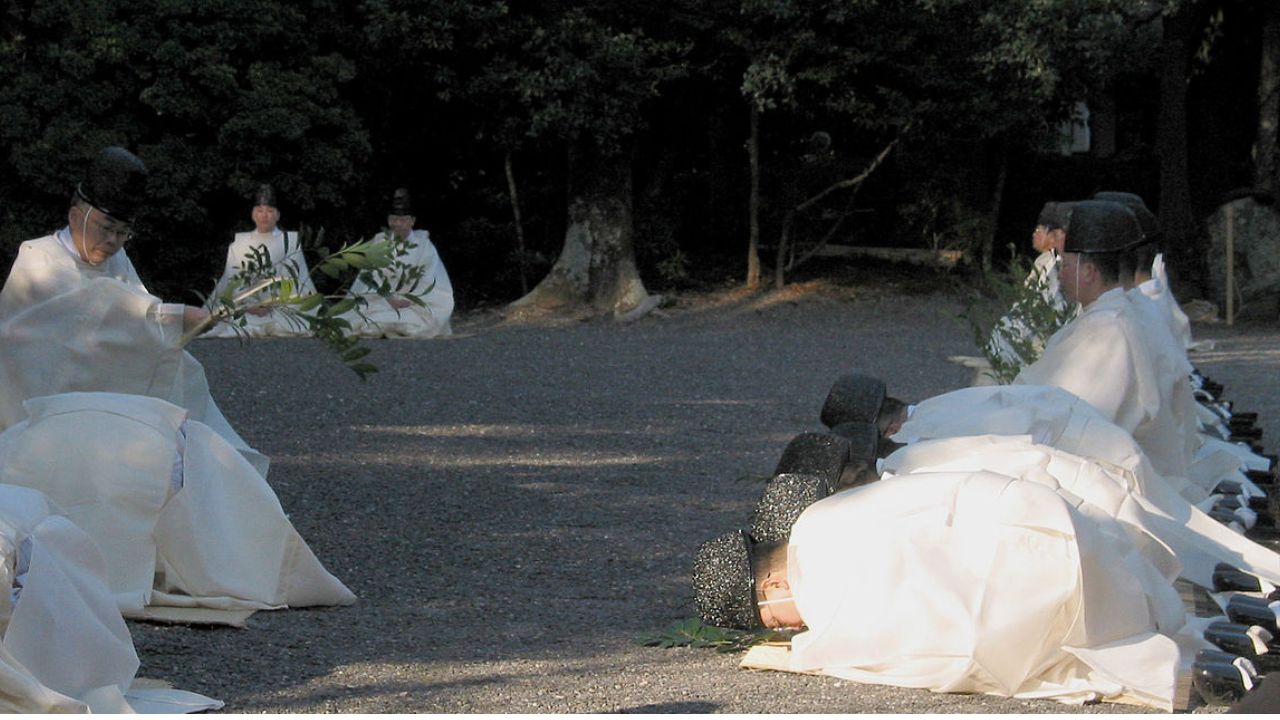
In ancient Japan, Ōharae served as a year-end purification that invited people to release what had worn them down. Priests recited long chants while participants reflected quietly, recognizing small missteps without dragging them forward. Paper figures were often used to absorb impurities before being cast away. The ritual created a sense of emotional and spiritual breathing room, giving people permission to enter the new year with lighter shoulders and a steadier sense of direction. Nothing about it was dramatic; its strength came from simplicity.
Laba: A Warm Bowl For Cold Days In China

China’s Laba Festival marked the approach of the new year with a focus on nourishment and remembrance. Families simmered porridge made from grains, nuts, and dried fruits, believing that a hearty meal could anchor them through winter’s harshest days. Some offered a portion to ancestors, folding gratitude into the start of the season. The ritual encouraged patience and reflection, reminding people that renewal does not always begin with fireworks or noise. Sometimes it starts with a warm bowl shared at a crowded table.
Yalda: Watching Darkness Give Way
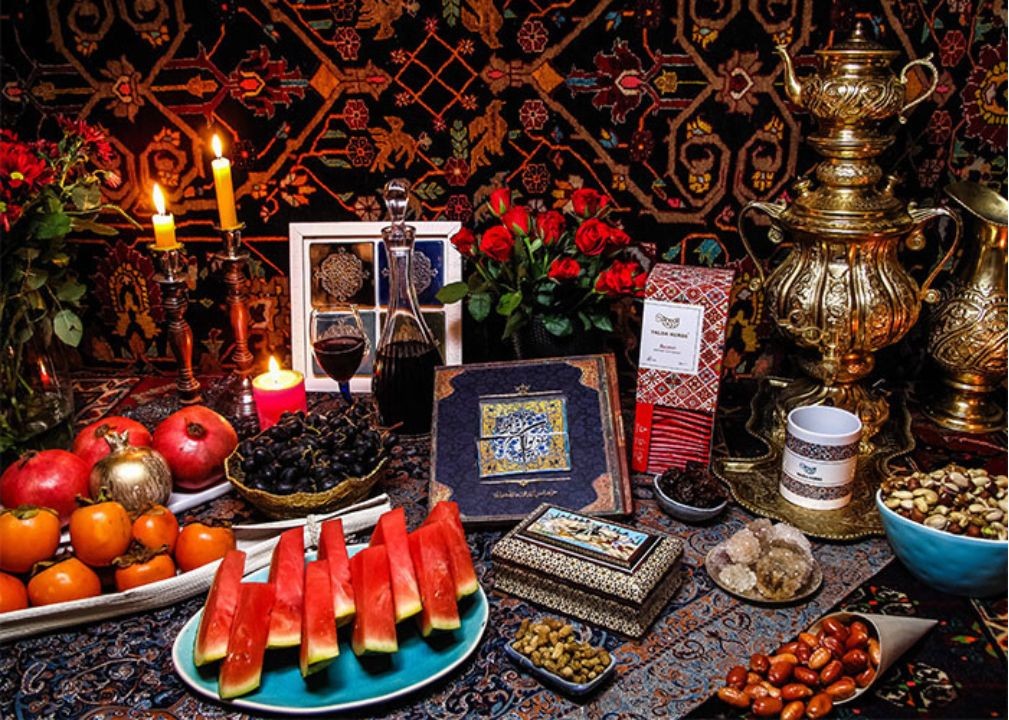
In ancient Persia, Yalda honored the longest night of the year by staying awake until after midnight, filling homes with fruit, nuts, and conversation. Families believed that gathering together added protection during a night when darkness felt especially thick. Red fruits were prized for their color and symbolism, carrying hints of warmth and life at a time when cold stretched across the land. The first light of morning arrived gently, reassuring everyone that even the deepest night eventually loosens its grip.
Sadeh: Fire Against Winter’s Hold
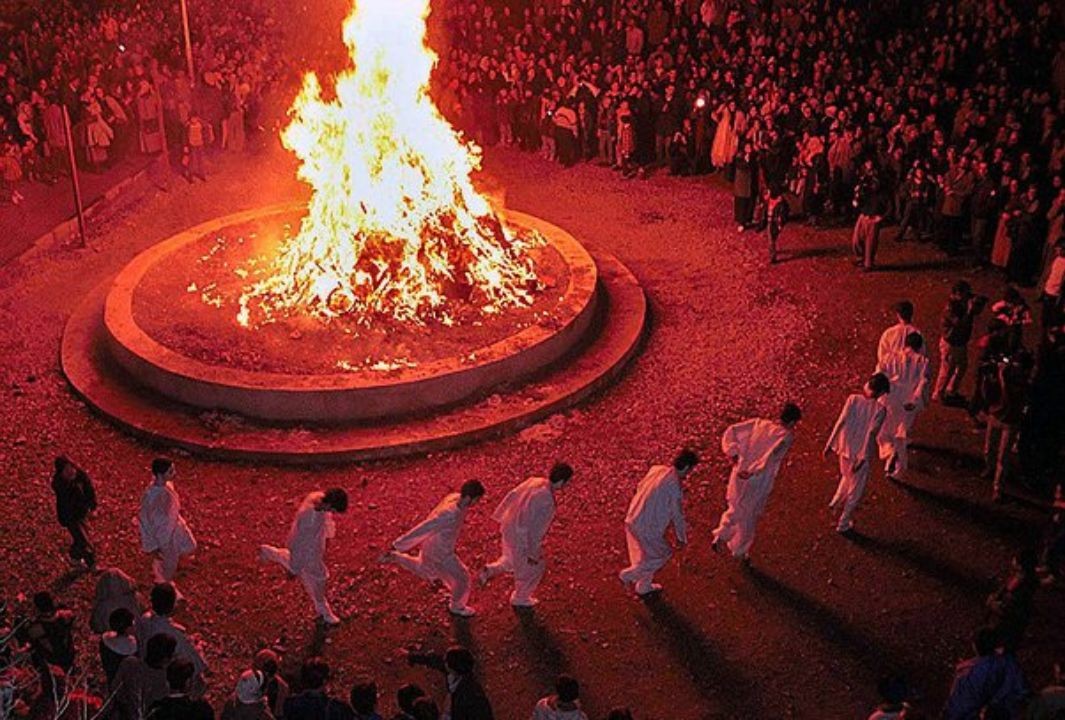
Sadeh arrived during the hardest part of winter, giving ancient Iranians a reason to rally their neighbors around a towering fire. People treated the flames with respect, seeing them as a marker of resilience rather than spectacle. The act of gathering fuel, lighting the fire, and standing together reflected a shared determination to endure whatever the season demanded. As sparks rose, people imagined the year ahead not as something to fear but as something that might answer their persistence with abundance.
Yule: A Northern Feast Of Midwinter
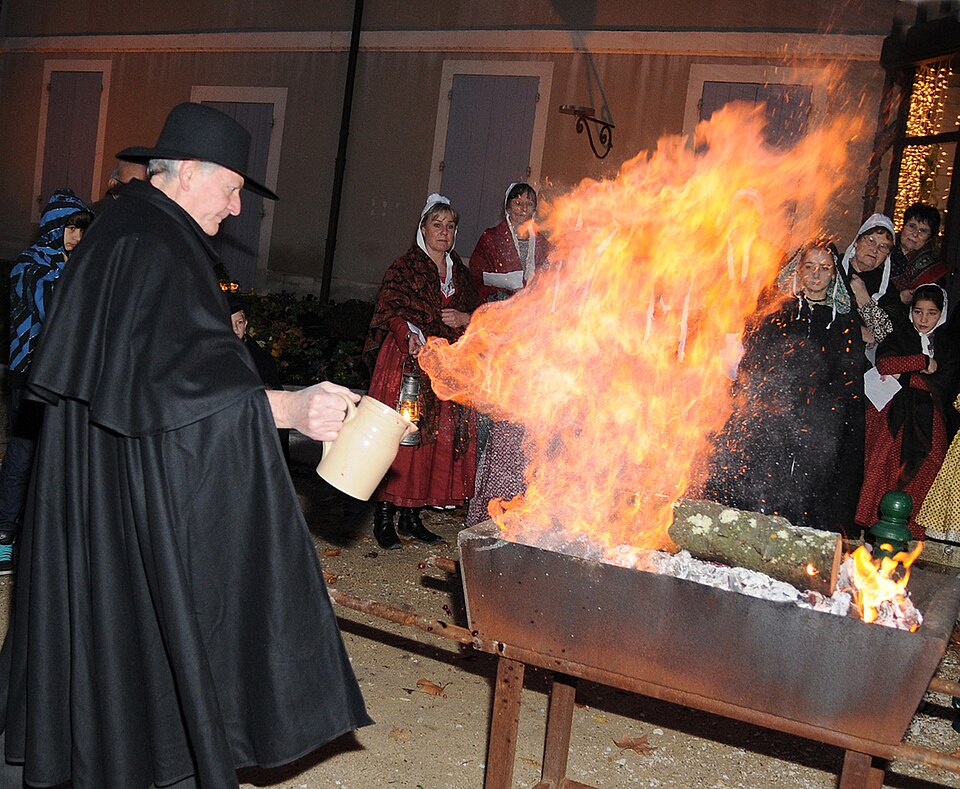
For early Germanic and Norse communities, Yule unfolded over several nights filled with food, storytelling, and toasts for the coming year. Fresh game and stored grain were shared generously, turning scarcity into temporary plenty. Families decorated their halls with evergreens that symbolized life holding its ground in winter. The gatherings worked as a reminder that even in difficult seasons, warmth could be created through companionship and shared effort. The focus rested less on spectacle and more on keeping spirits lifted until daylight returned.
Saturnalia: Upending Routine In Rome
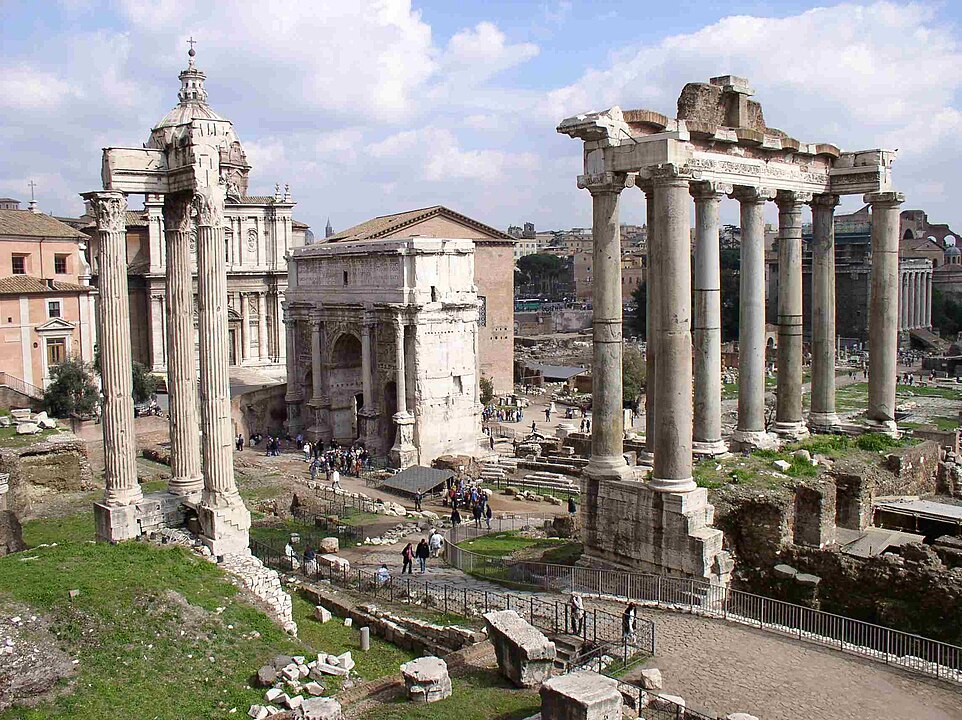
In ancient Rome, Saturnalia eased the year’s tension by briefly loosening social rules. Households shared simple gifts, paused daily labor, and allowed a sense of playfulness to take over. Meals lasted long into the night, guided more by laughter than strict ceremony. The festival provided a rare moment when people stepped outside rigid expectations and enjoyed the relief of a world turned slightly on its side. When order returned, it felt easier to accept after a stretch of collective celebration.
Compitalia: Honoring Crossroads And Home
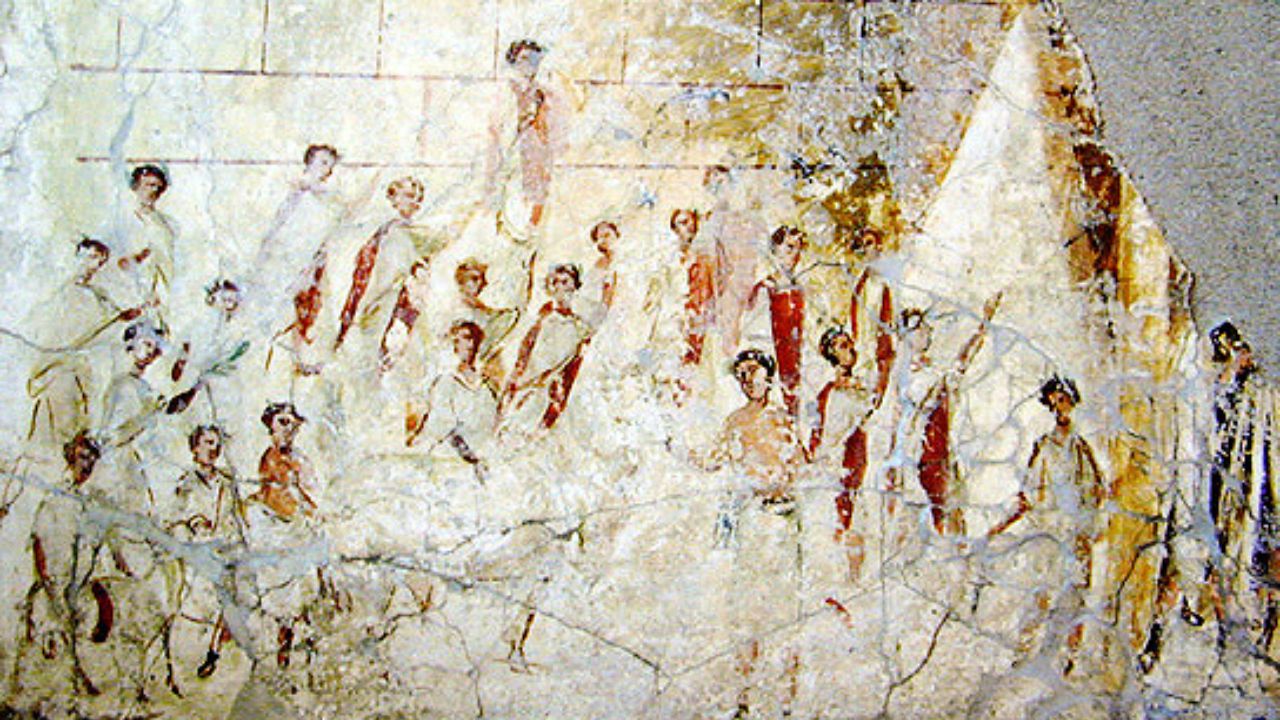
Compitalia, another Roman observance, focused on local guardians believed to watch over households and the paths connecting them. Families prepared small offerings and tied woolen tokens to neighborhood shrines, acknowledging every person under the home’s protection. The ritual emphasized community rather than spectacle, reminding people that their safety depended not only on walls but on the unseen forces tied to place. As the year turned, those gestures reinforced a sense of shared belonging and quiet gratitude.
Inti Raymi: Greeting The Sun’s Return
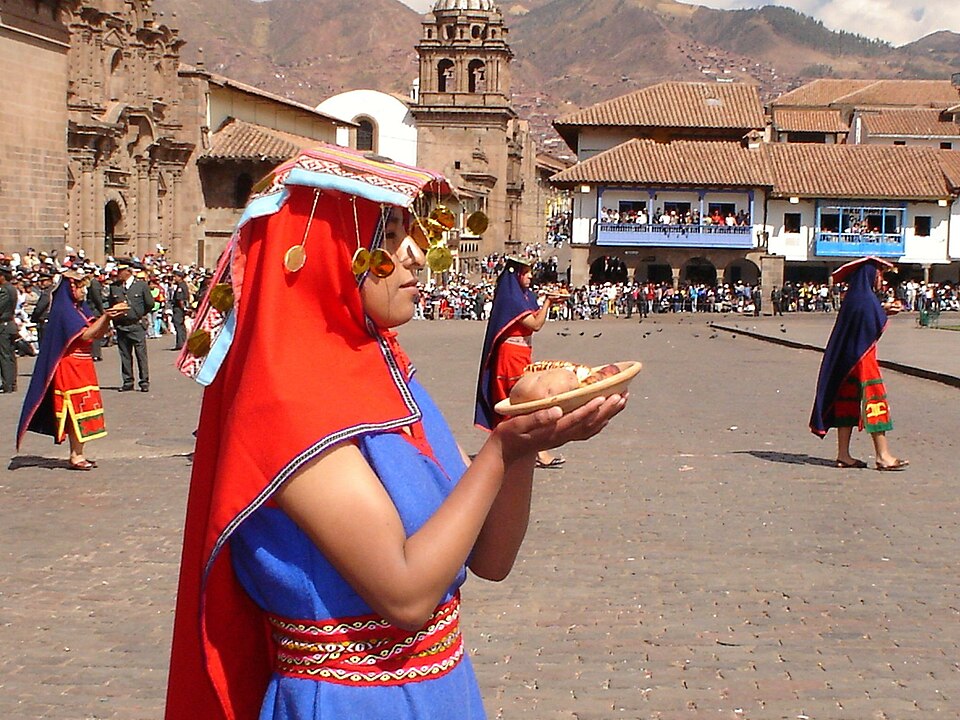
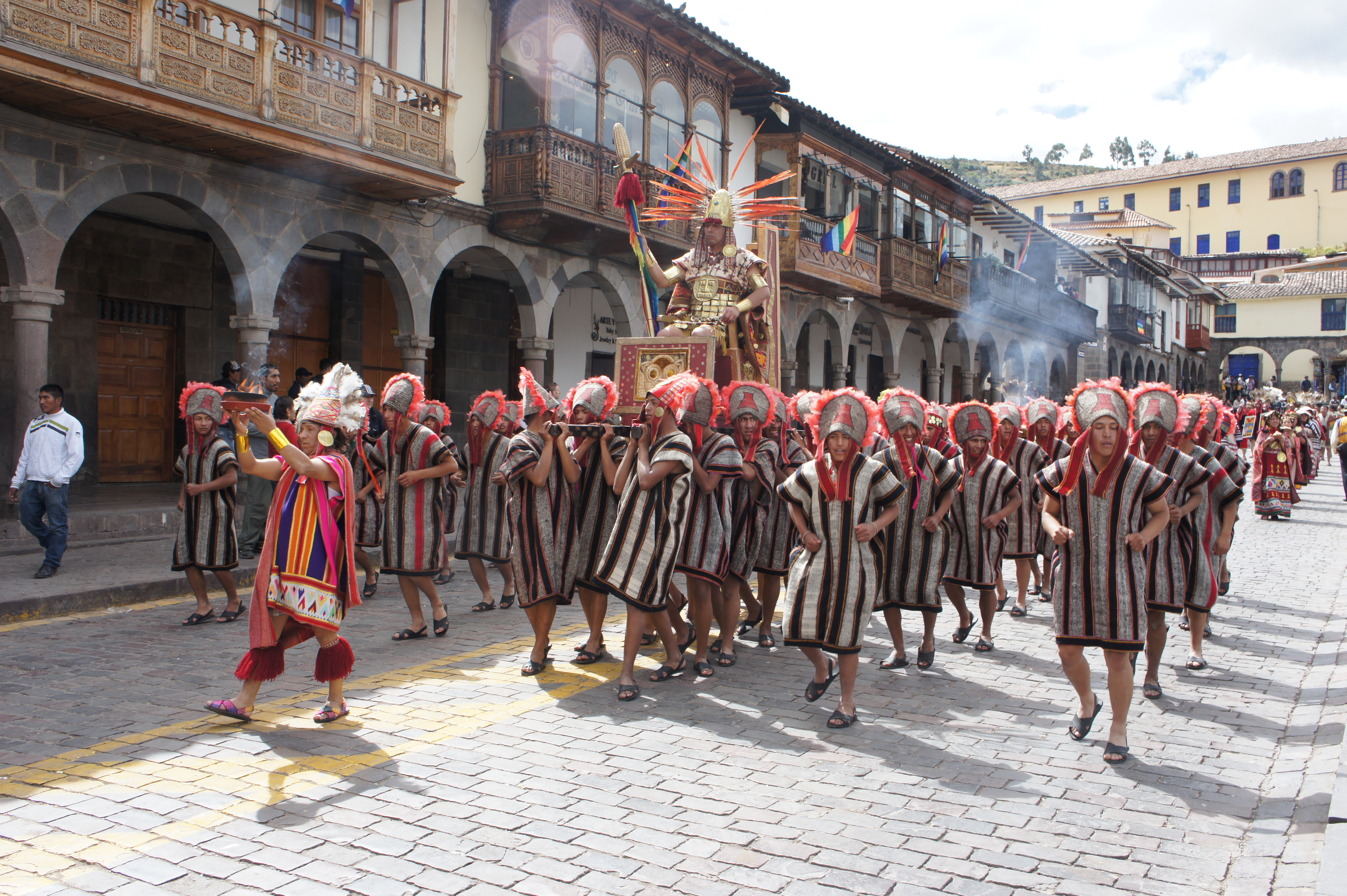
For the Inca, Inti Raymi honored the sun’s power and signaled that a new agricultural cycle was ready to begin. Processions, songs, and offerings filled public squares, weaving gratitude and expectation into a single event. People acknowledged the land’s generosity and the work still waiting in the months ahead. The celebration did not erase hardship; it reminded communities that they were part of a rhythm larger than any individual. By welcoming the sun, they welcomed the promise of another growing season.