Power has always been the easiest stat to brag about, but history keeps proving that numbers alone do not make a car great. Some sports cars arrived with engines that outpaced their tires, brakes, chassis rigidity, and even the expectations of the drivers who bought them. In the moment, they felt like triumphs, loud and glamorous, built to win bench-racing arguments. On real roads, the experience could turn twitchy, unpredictable, and oddly exhausting. These are the machines that taught an uncomfortable lesson: control is a feature, not a footnote. Their legends survive because thrill was there, even when balance was not.
1959 Jaguar XK150 S
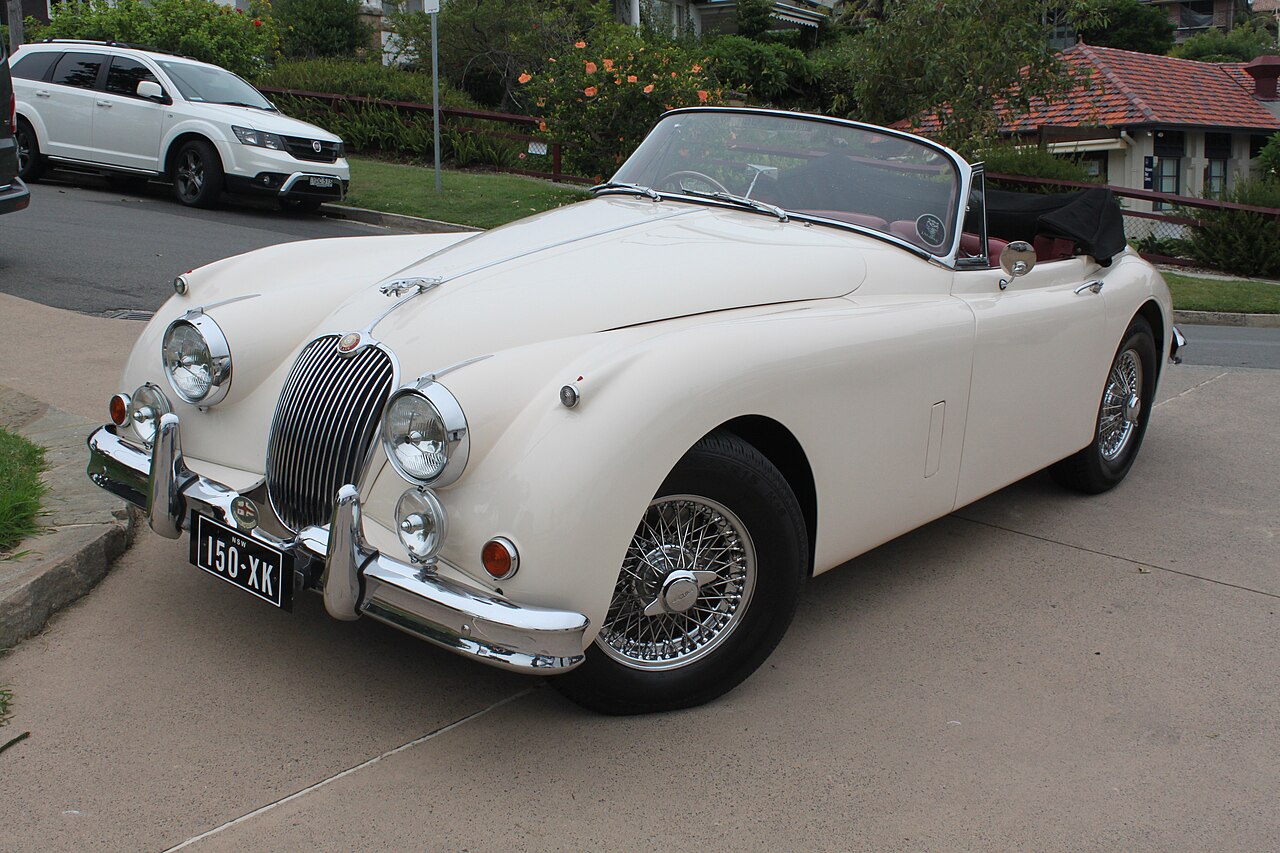
A late-1950s Jaguar with a fresh 3.8-liter inline-six making more than its factory 265 hp sounds civilized on paper. Driven right-hand-drive on soaking roads with a paper map, it can run impeccably until it hits that awkward 2,000 to 3,500 rpm band. With a sticky clutch and narrow, cold-unfriendly tires, it turns every pass into an exercise in restraint and countersteer. It is less about too much power than too little margin for error, which is its own kind of excess. The tire footprint feels small, and most 1950s cars lived near the low 100s. That gap makes the XK feel a decade early, demanding space and respect.
1963 Shelby 289 Cobra
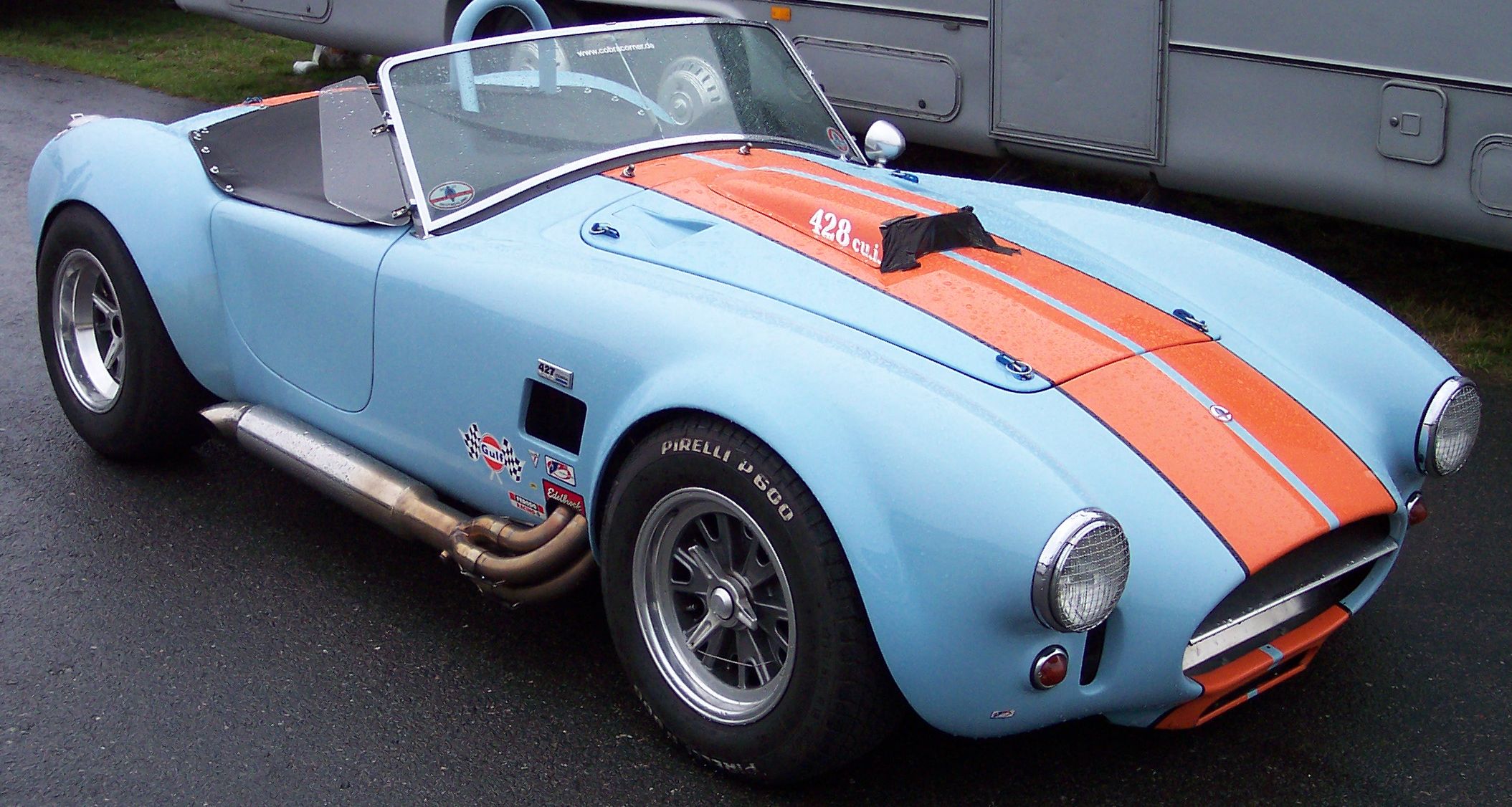
A 289 Cobra takes a lightweight British AC Ace idea and bolts on American V8 thrust, rated at 271 hp but often making north of 300. Some examples offer decent throttle modulation, yet the tires still go loose with a careless toe at almost any speed. With finicky carburetion, a flimsy ladder frame, and street surfaces that are not racetracks, the magic becomes nerve. The formula made sense for wins; on regular pavement, it rarely feels like it is working with its driver. The tires can fall into cattle guards, and every bump shows how little rigidity the chassis offers. Big power arrived first, and everything else chased it.
1965 Shelby 427 Cobra
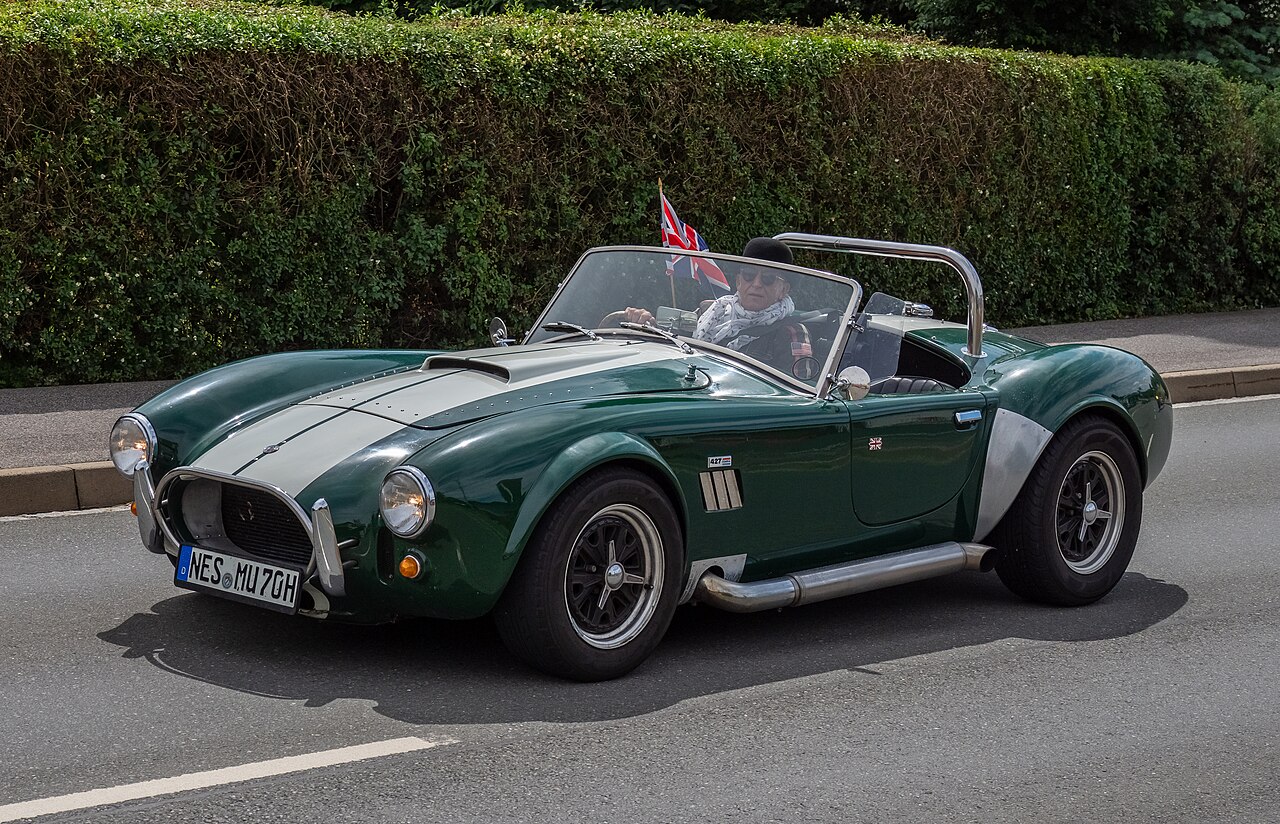
The 427 Cobra widened the recipe with bigger fenders, improved suspension, and a 7.0-liter V8, all wrapped around a ladder frame that still twists like the household kind. At 2,500 lbs and at least 485 hp, acceleration swings from brisk to genuinely scary, especially when the rear tires cannot translate intent into grip. Modern rubber helps, but the car still struggles to use full throttle for long. The rails grew from 3 inches to 4, but the structure stayed precarious. The 427’s legend endures because it can feel unbeatable, then suddenly not. Even with wider tires and revisions, it remains a handful on the street.
1971 Chevrolet Corvette LS6
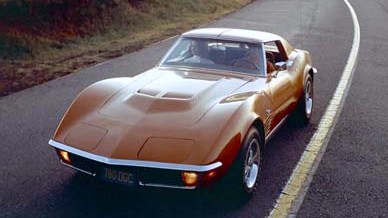
In 1971, a Corvette carrying 425 hp was already pushing against the era’s limits, and the hardware around it often felt like it. The chassis can flex and creak at speed, the steering can feel loose, and vacuum-assisted brakes sometimes seem to operate on faith as much as engineering. Chevrolet was already thinking about pollution and noise, yet Zora Arkus-Duntov said another 50 hp could appear with an exhaust change. It is thrilling because it is fast, and unsettling because the car never hides how hard it is working. The power sells a comic-book fantasy in a straight line. It also makes restraint feel like safety gear.
2009 Mercedes-Benz SL65 AMG
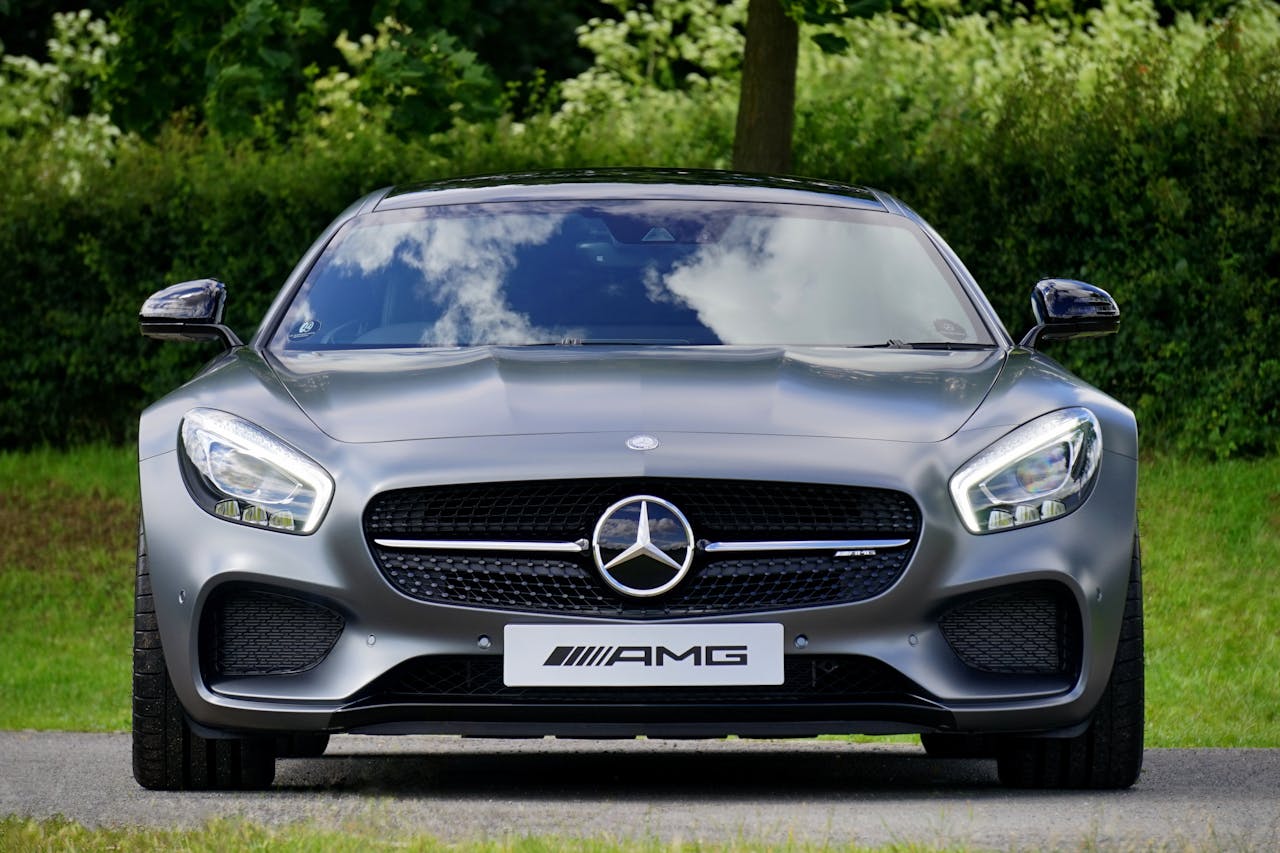
The SL65 AMG took a luxury convertible and gave it a twin-turbo V12, then sent 738 lb-ft of torque to the rear wheels with little warning. At parking-lot speeds, a small throttle blip can yaw the car like it is pivoting on its center. On the freeway, rolling into the power at about 80 mph can make the rear end shimmy, while active body control filters out the roll and squat that teach caution. Mercedes also offered an SL63 with a 6.2-liter V8, but the SL65 chased excess, and the chassis had to negotiate the terms. It can feel like a grand tourer that forgot to let the driver hear what the tires are saying at all.
2010 Mercedes-Benz SLS AMG
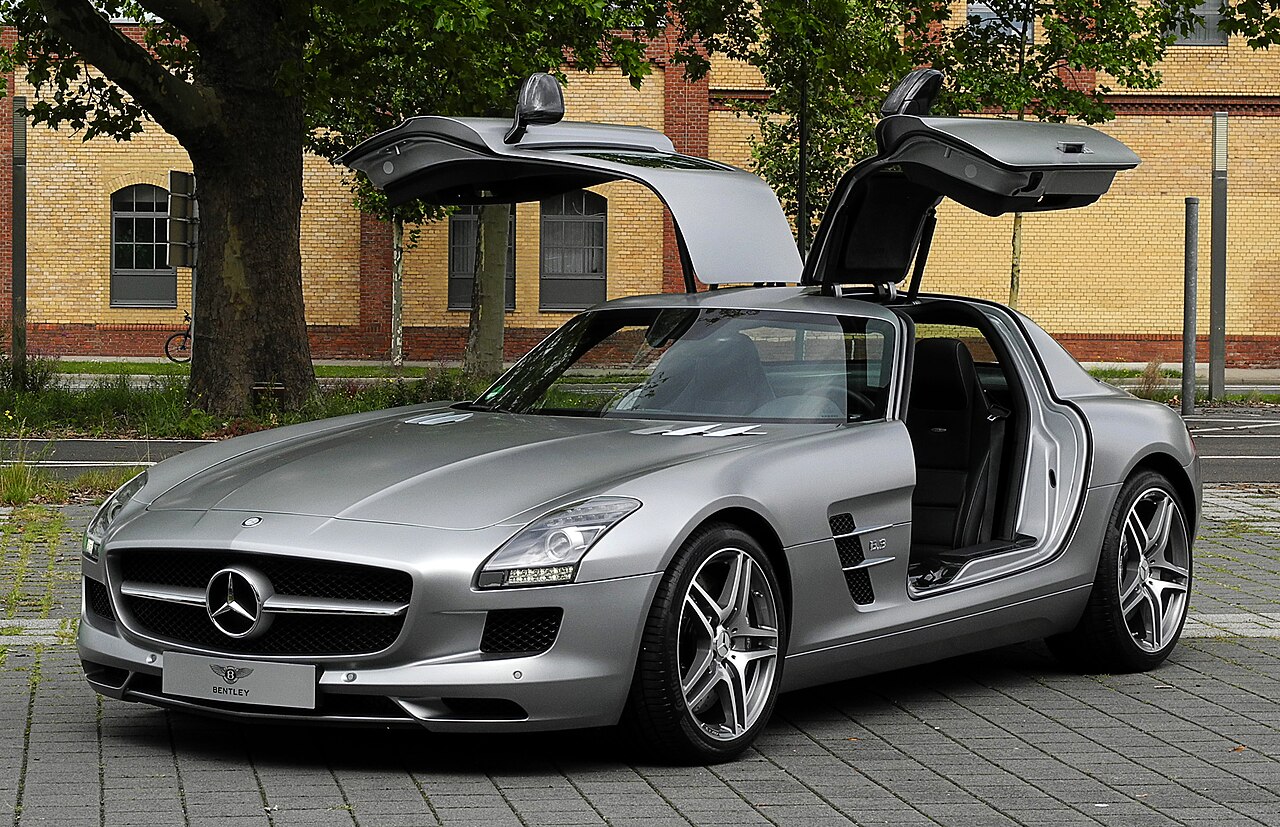
The SLS AMG revived the Gullwing silhouette with the M159 6.2-liter V8 and a layout that looks perfect in a diagram: engine pushed back, transaxle in the rear, linked by a torque tube. On track, the reality can feel loose. With drivetrain mounts that were too soft, the chassis can take a set in a corner and then get nudged out of shape by its own powertrain, sliding, resettling, and repeating. The rear tires are easy to overpower, so a smoky snap spin can arrive fast, even for experienced hands. It has big secondary motions that restart mid-corner. Iconic with its doors up, it can be demanding with its throttle down.
2011 Porsche 911 GT2 RS (997)
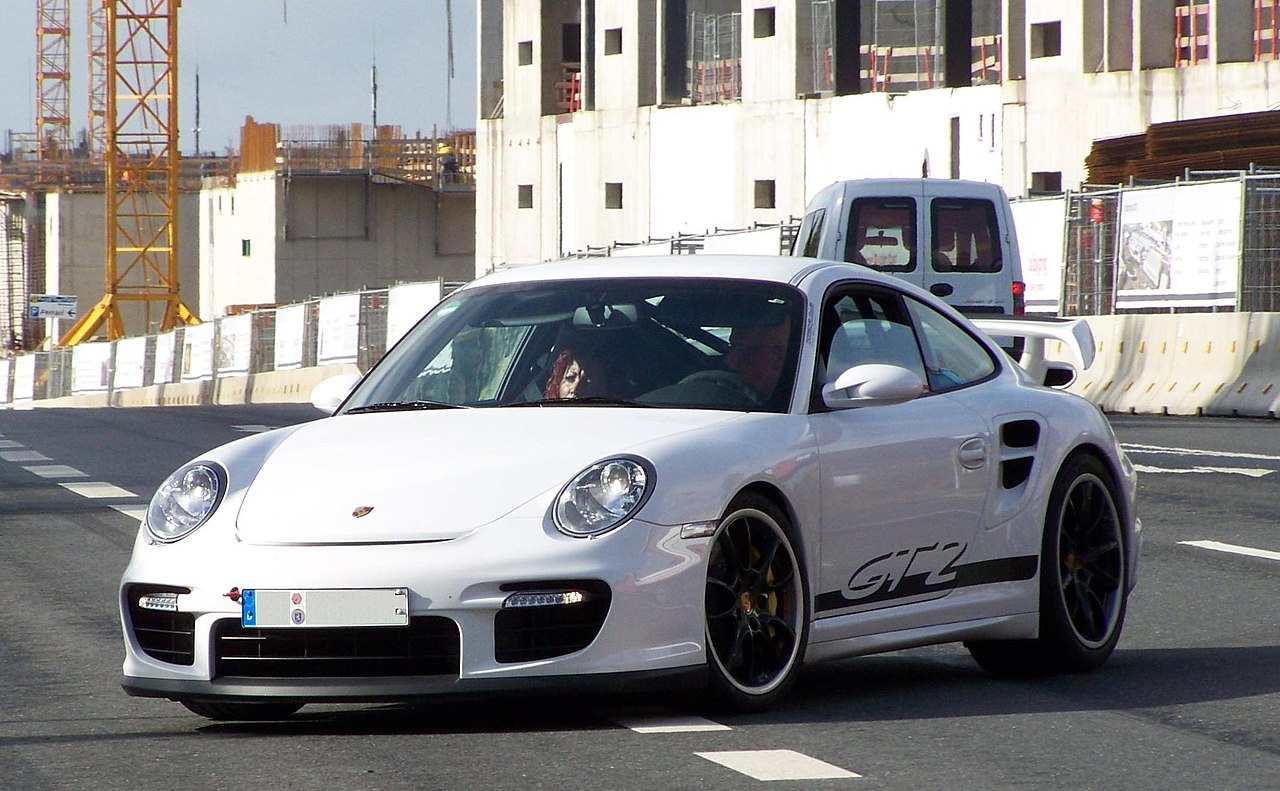
The 997 GT2 RS asked the rear wheels to handle 620 hp while the contemporary 911 Turbo used all-wheel drive to manage 500. That decision would be bold even in a neutral chassis, but the GT2 RS carried a 38/62 front-to-rear weight bias and tire contact patches staggered 43/57. Power from the larger turbos can hit like a sledgehammer, pushing understeer on entry and demanding patience before throttle on exit. Next to the calmer, brilliant GT3 RS, it can feel like the same idea with the volume turned past useful. It shows how a great platform turns tense when delivery overwhelms balance, and numbers stop being the point.
2013 Ford Mustang GT500
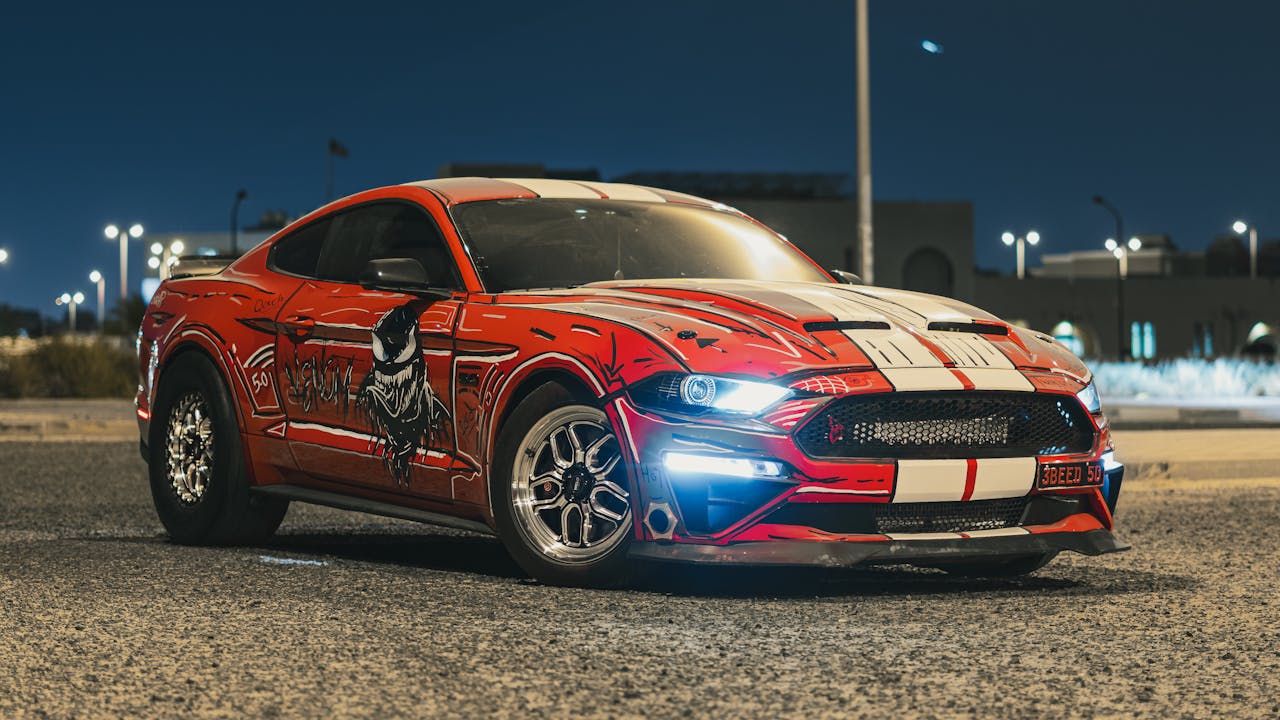
The 2013 Mustang GT500 landed with 662 hp, a leap from the 444 hp Boss 302 Laguna Seca that proved how good restraint can feel. On the street, the GT500 can roast the tires at speed, turning a casual pull into a rolling burnout if the throttle is treated casually. In testing, the straight-line numbers impress, yet the same torque that sells headlines can be hard to place in canyons or on a road course. Even with modern tires, suspension, and stability control, the car hints that it really wanted drag slicks and more time to mature. Over 600 hp and 600 lb-ft was huge 12 years ago, and traction still does not negotiate.
2019 Chevrolet Corvette ZR1 (C7)
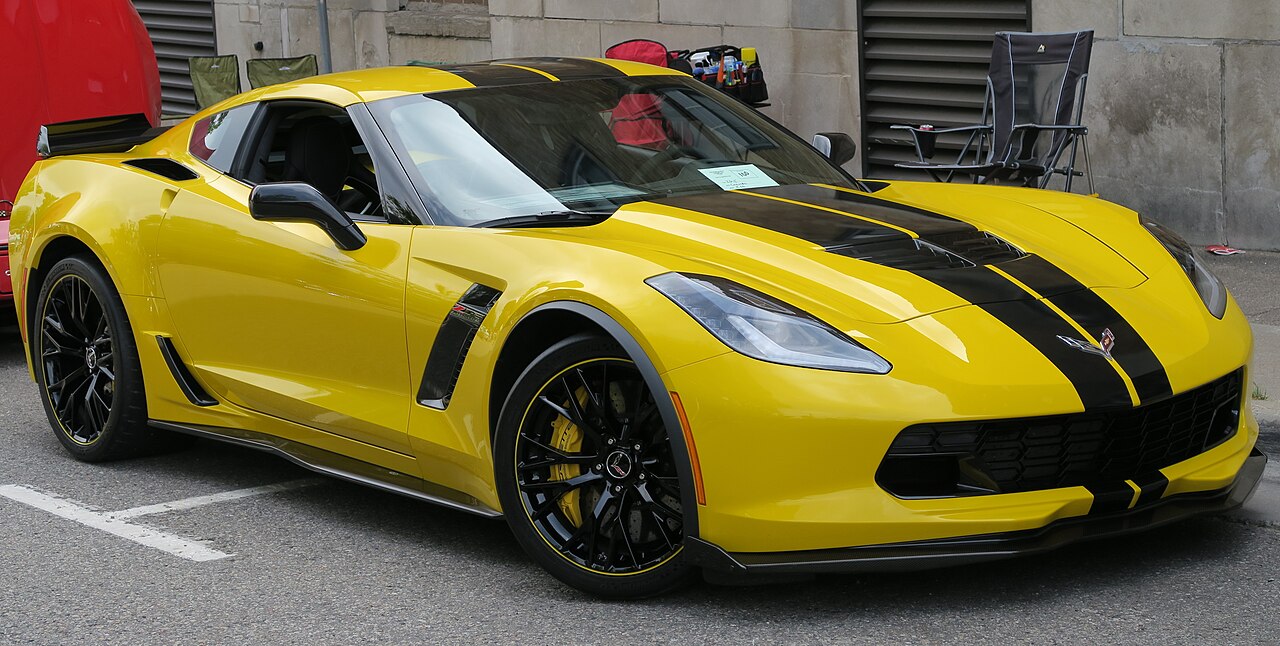
The C7 ZR1 arrived with 755 hp and extra downforce, yet it showed how adding power does not automatically add usable pace. The base C7 Stingray was a massive step forward, and the Grand Sport and Z06 already delivered supercar-level performance for the money. On track, the ZR1 can struggle to put its power down as cleanly as a 650 hp Z06, and rivals with less horsepower but better traction can still run away. It is a modern lesson in an old problem: when the engine outgrows the platform, the stopwatch does not always cooperate. Early impressions promised a track-slaying street car, but the output can feel like a burden.