12 Conspiracy Theories Teens Secretly Love Reading About

12 Conspiracy Theories Teens Secretly Love Reading About
Wikimedia Commons/Pexels
From frozen billionaires to alien bunkers, these are the wild theories teens secretly can’t stop reading late at night.

Even if you don’t believe in them, conspiracy theories are addictive. Teens especially love diving into strange ideas that challenge everything we think we know. Whether it’s aliens in suits or secret bunkers under malls, these wild theories feel like the ultimate internet rabbit hole. They’re mysterious, kind of scary, and super entertaining. And let’s be honest, we’ve all stayed up way too late reading about one of these twelve ridiculous, shocking, or oddly convincing theories.

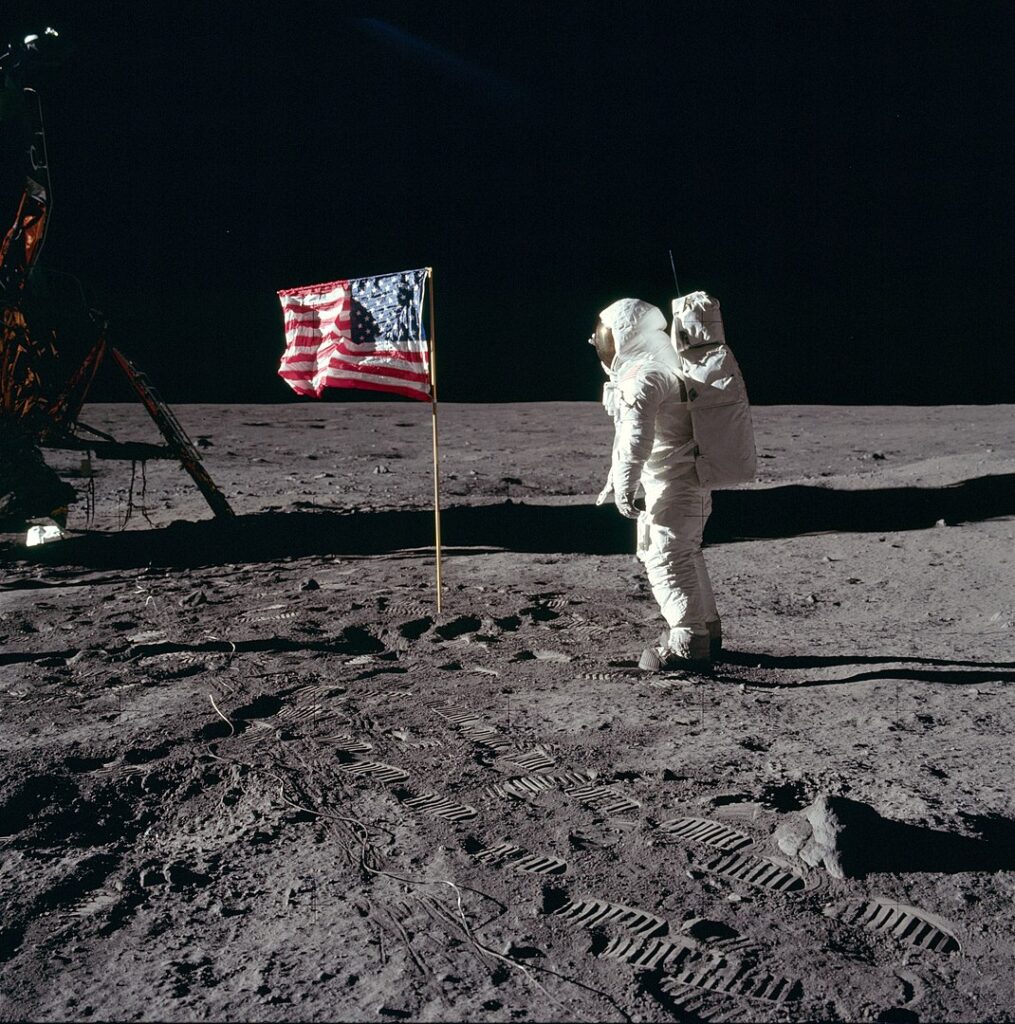
1. The Moon Landing Was Faked
Moon landing live
NASA, Public Domain/Wikimedia Commons

Some people believe the 1969 moon landing was filmed in a Hollywood studio, complete with staged lighting and props. The flag’s “fluttering,” odd shadows, and lack of stars are part of their so-called proof. Teens love this one because it’s the OG space hoax. It’s got drama, mystery, and just enough shaky evidence to make you pause. Add in government cover-up claims and you’ve got a theory that refuses to die, no matter how often it’s debunked.

2. Avril Lavigne Was Replaced

Avril Lavigne Was Replaced
Raph_PH, CC BY 2.0/Wikimedia Commons

This one says the real Avril died in 2003 and was secretly replaced by a body double named Melissa. Fans point to changes in her handwriting, voice, and even facial structure as evidence. Teens love comparing “before and after” photos, digging through old lyrics, and finding clues no one asked for. It’s like detective work mixed with pop gossip. Is it true? Probably not. Is it fun to read about during a late-night scroll? Absolutely.

3. Birds Aren’t Real

Birds Aren’t Real
Andrewj0131, CC BY-SA 4.0/Wikimedia Commons

According to this hilarious theory, birds are government surveillance drones. Yes, the same pigeons on sidewalks are spy cams watching your every move. What started as a joke has become an internet movement, complete with T-shirts and rallies. Teens adore this one for its perfect mix of absurdity and satire. It’s not about believing it’s real, but loving the idea of questioning the ordinary. Plus, who doesn’t like imagining a robot bird watching you eat fries?

4. Disney Freezes Walt’s Body

Disney Freezes Walt’s Body
Library of Congress, CC0/Wikimedia Commons

Rumor has it that Walt Disney had himself cryogenically frozen after death, hoping to be revived in the future. Some say he’s chilling under Disneyland’s Pirates of the Caribbean ride. Teens get hooked on this one because it blends science fiction with real-life legend. The idea of a frozen billionaire waiting for the future is just wild enough to imagine. And honestly, would it be that shocking coming from the man who built Tomorrowland?

5. Area 51 Holds Alien Secrets

Area 51 Holds Alien Secrets
X51, CC BY-SA 3.0/Wikimedia Commons

This one never gets old. Teens are obsessed with the idea that Area 51 is hiding aliens, UFO parts, and all sorts of interstellar secrets. The government’s silence only fuels the mystery. Memes, TikTok, and the infamous “Storm Area 51” event made it even more viral. Reading about crashed saucers, leaked documents, and blurred satellite images feels like you’re peeking into a top-secret folder. Real or not, Area 51 is the internet’s favorite alien playground.

6. Paul McCartney Is Dead

Paul McCartney
Raph_PH, CC BY 2.0/Wikimedia Commons

According to this theory, Paul died in a car crash in the 60s and was secretly replaced by a lookalike. Fans claim The Beatles left clues in album covers, song lyrics, and backward messages. Teens love decoding old music and imagining the biggest cover-up in rock history. It’s creepy, oddly detailed, and just mysterious enough to feel like a Netflix series. Whether you’re into classic rock or not, this theory pulls everyone in with its drama.

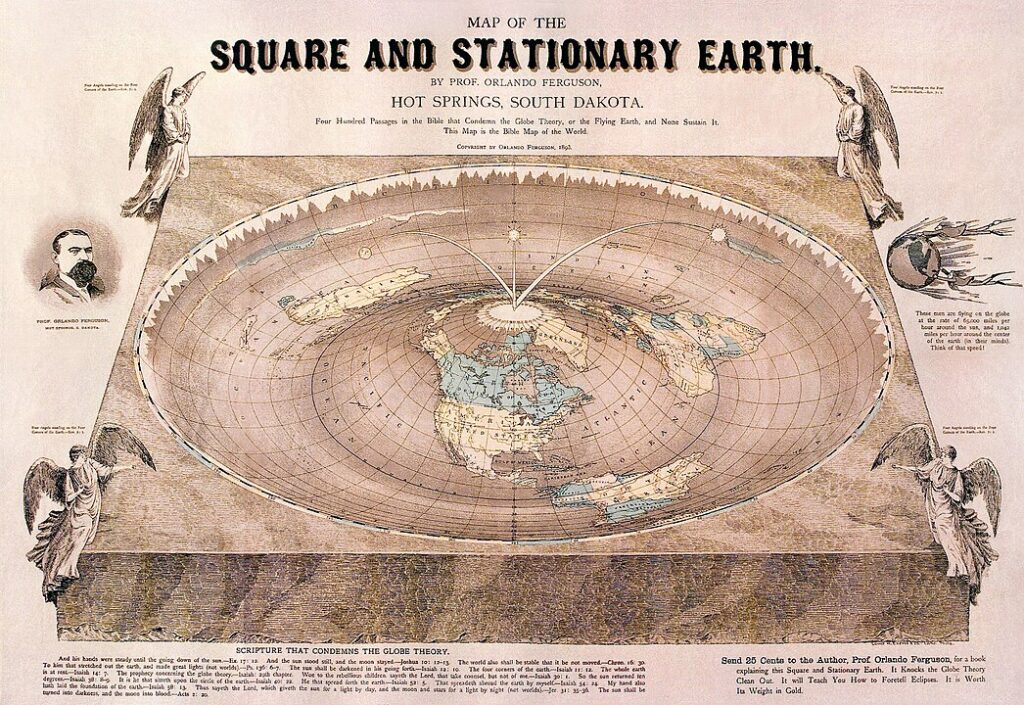
7. The Earth Is Flat
Medieval People Thought the Earth Was Flat
Public Domain/Wikimedia Commons

Even in 2025, flat Earth theories still live on. Some people insist the planet is a disc surrounded by a giant ice wall, and that NASA fakes all space photos. Teens love watching flat-earther debates online because the arguments are so intense and bizarre. It’s not about agreeing, it’s about the spectacle. From “no curve in the horizon” to “airplanes would fly off,” the mental gymnastics are entertaining enough to spark curiosity, even if you roll your eyes.

8. Celebrities in the Illuminati

Celebrities in the Illuminati
Public Domain/Wikimedia Commons

From Beyoncé to Kanye, rumors say top stars are part of a secret society that controls the world. Teens are obsessed with decoding hand signs, triangle symbols, and “hidden messages” in music videos. It’s like treasure hunting mixed with conspiracy fuel. Whether it’s real or just weird lighting, these theories keep popping up. It makes pop culture feel mysterious, like there’s always a bigger plan. Plus, the idea of secret power is hard to resist.

9. Mattress Stores Are Money Laundering Fronts

Mattress Stores Are Money Laundering Fronts
Mohammad.Rizvi123, CC BY-SA 4.0/Wikimedia Commons

Why are there so many mattress stores and so few customers? Some say it’s because they’re laundering money. Teens love this theory because it makes everyday businesses seem suspicious. You start noticing things like five stores on one street and zero people inside. It’s weird. The theory feels oddly possible, which makes it even juicier to read about. Plus, it turns boring shopping centers into the backdrop of a secret crime thriller.

10. The Mandela Effect

The Mandela Effect
Fair use/Wikimedia Commons

The Mandela Effect is when tons of people remember something differently than how it is. Like thinking the Monopoly man has a monocle or that Pikachu had a black tail tip. Teens get lost in this one for hours, questioning their memory. It’s not just a theory, it’s an experience. Some believe it’s evidence of parallel universes or time travel. Real or not, it’s trippy and weirdly addicting to realize how wrong you remember stuff.

11. The Denver Airport Is a Secret Bunker

The Denver Airport Is a Secret Bunker
Sox23, CC BY-SA 3.0/Wikimedia Commons

This theory claims the Denver International Airport is secretly a massive underground bunker for the global elite. Teens dive into this one because it includes creepy murals, weird symbols, and a giant horse statue with glowing red eyes. Some say it’s connected to the Illuminati or even a future apocalypse shelter. It’s like a real-life horror movie with just enough facts to be creepy. Googling “Denver airport conspiracy” is a guaranteed one-way ticket to weirdness.

12. TikTok Is Watching You

TikTok Is Watching You
cottonbro studio/Pexels

This one hits close to home. Some believe TikTok isn’t just an app but a tool used to track users and collect data. Teens might joke about it, but deep down, many wonder how their FYP is so accurate. Is it listening? Watching? Guessing? The theory that your phone knows too much feels spooky but believable. It’s not just a privacy issue, it’s a full-blown digital age mystery. Reading about it turns scrolling into suspicious side-eye.

0 Shares:
Leave a Reply

Your email address will not be published. Required fields are marked *

You May Also Like
7. Gift Math And Adjusted Timelines
Read More

10 Souvenirs That Replaced Postcards, and Why They Took Over

# 10 Souvenirs That Replaced Postcards, and Why They Took Over Postcards used to be the official proof that someone had gone somewhere else, even for a weekend. One photo, a rushed note, and a stamp did the job. As phones made updates instant and mailing got fussier, the postcard shifted from habit to novelty. Shops did not stop selling memories, they just changed the format. People started picking objects that stayed in daily circulation: something to wear, use, taste, or display. These souvenirs carried place and personality without requiring neat handwriting or a correct address. The result is a quieter kind of storytelling, where the trip keeps resurfacing in kitchens, pockets, and routines long after the suitcase is zipped away. Even the smallest keepsake can outlast paper. ## Fridge Magnets Postcards showed up late, then got buried, no stamp, no address, no delivery gamble saving the moment. Fridge magnets solved that by living in plain sight, pinning grocery lists and kid art under the same skyline, ferry silhouette, or metro line diagram, so the memory stayed active instead of archived. Shops moved past generic landmark photos into neighborhood slogans, food sketches, and mini maps, because one glance could bring back market chatter and platform noise; they pack flat, survive rentals and moves, and invite multiples, turning a single fridge door into a casual, constantly updated timeline of places that still matter. ## Travel Stickers And Decals Stickers turned souvenirs into something that traveled again. Instead of mailing a postcard to one person, a decal could live on a laptop, water bottle, bike frame, or scuffed suitcase, building a layered map of routes through station codes, park crests, bookstore logos, and hand drawn mascots that sparked conversation in cafés and airport lines. Because they are waterproof, cheap, and sold in sets, they became easy gifts and easy trades, and wear looks honest, not ruined; each scratch and overlap shows what came after, making the object feel like a passport with a growing, visible history that never needs framing. ## Enamel Pins And Patches Enamel pins and patches gave the postcard image weight and texture, turning a skyline or mascot into something that could be worn. A tiny badge of a mountain ridge, museum logo, or neighborhood diner sat on a jacket or backpack for years, acting like a quiet signal in transit stations and coffee lines, not a message begging for postage. Shops leaned into limited runs, artist collaborations, and city only series, so the souvenir felt chosen, not generic; extras were gifted, swapped, or used to cover a tear, and the metal or thread handled rain and repeat trips with ease while a pinboard at home kept the timeline intact. ## Keychains And Bag Charms Keychains and bag charms replaced the postcard rack impulse with something that had a job to do. Keys get grabbed every morning, and charms ride on zipper pulls and backpacks, so a metal tag or leather fob kept the trip in circulation, stamped with coordinates, an arrival year, or a street sign shape that felt like a postmark without the paper. Many versions doubled as bottle openers or tiny tools, so the souvenir earned its space, and pocket wear became part of the story, turning scratches and softened edges into proof that the memory moved through real weekdays, rentals, and commutes, not just a perfect weekend photo. ## Tote Bags, Tees, And Caps Apparel made souvenirs feel less like clutter and more like identity. A tote from an art bookstore, a tee from a surf town, or a cap from a ballpark got worn again and again, carrying the place into errands, classes, and casual nights out, and sometimes turning into the default travel uniform on the next flight. Shops shifted from generic landmark photos to sharper typography, neighborhood slang, and local brand logos that signaled taste as much as geography; the best pieces were soft, well cut, and easy to pack, so gifting one felt practical, and the souvenir kept earning attention without taking up shelf space or needing a frame. ## Mugs And Local Drinkware Mugs turned travel into a daily ritual instead of a mailed update, because morning coffee landed in ceramics printed with a neighborhood map, a museum crest, or a local roaster logo and the memory resurfaced when the kettle clicked off. Cafés and galleries pushed limited designs, handmade glazes, and seasonal runs, so the purchase felt closer to a small piece of art than a generic souvenir. Tumblers, pint glasses, and tea cups also solved storage: they stack, survive moves, and look better with use, and they show up at dinners and chats, letting one shelf hold years of trips without becoming a dusty pile of paper. ## Snacks, Spices, And Pantry Finds Edible souvenirs did what postcards tried to do, but faster, because a jar of chili crisp, a regional spice blend, or a bag of saltwater taffy could be opened the night someone got home and turn storytelling into tasting. Markets and airports helped by selling sealed sweets, vacuum packed coffee, and sturdy tins built for carry ons, so the food survived long routes and still felt tied to the place where it was found. It also dodged clutter: once shared at an office desk or family table, it disappeared, yet the flavor lingered, and people often remembered a street, a song, or a shopkeeper’s grin more clearly than any glossy photo. ## Ornaments And Tiny Home Decor Ornaments became postcards with a return date, because a hand painted bauble from a night market or a miniature landmark for the tree reappeared every December and unboxing it felt like rereading a message from an older self. Outside the holidays, tiny home décor did the same work: coasters, tea towels, ceramic tiles, and matchboxes that lived on counters, ready to be noticed during ordinary mornings. These pieces asked for no postage and no framing, only a place in the house, and they resurfaced at the right moments, when guests arrived, when winter gatherings started, or when a quiet afternoon made nostalgia feel welcome. ## Art Prints, Zines, And Pocket Books Small prints and zines gave the postcard a smarter cousin, because instead of the same sunset photo, travelers brought home risograph posters, line drawings of street corners, and pocket guides written by locals, sometimes signed or numbered, which made the memory feel chosen, not grabbed. The message lived in the taste of the selection, not the handwriting, and the paper felt worth keeping because it had a point of view. Unframed pages fit clip rails, journals, or gallery walls, and buying from an artist table or neighborhood bookshop let the souvenir support the place directly, keeping the trip alive through design, not postage. ## Tattoos As Travel Keepsakes For some travelers, the replacement became permanent, and that permanence was the appeal. A tiny wave, coordinates, or a symbol developed with a local artist could not be lost in a move or tossed in a cleanout, and booking an appointment made the souvenir feel like commissioning art, not grabbing merch near the register. It also solved the postcard problem cleanly: no postage, no delay, no single recipient, just a story carried forward on skin, whether it is a port city anchor or a mountain contour line, quiet until a sleeve rolled up or a wrist turned and the place appeared again, right on time in conversation or solitude. The postcard never really lost its charm; it lost its role. Modern souvenirs win because they do not ask for extra steps, and they refuse to stay hidden. A magnet gets touched, a mug gets lifted, a spice blend gets passed across the table, and a pin rides through another trip. That repetition is the secret. Instead of proving travel happened, these objects let the memory keep happening, in small flashes that feel honest. In the end, the best keepsake is the one that blends into daily life and still pulls a place back into focus, without fanfare. **Excerpt (130 characters):** Postcards faded, but magnets, mugs, stickers, snacks, and small art brought travel home, letting memories live in real life still.