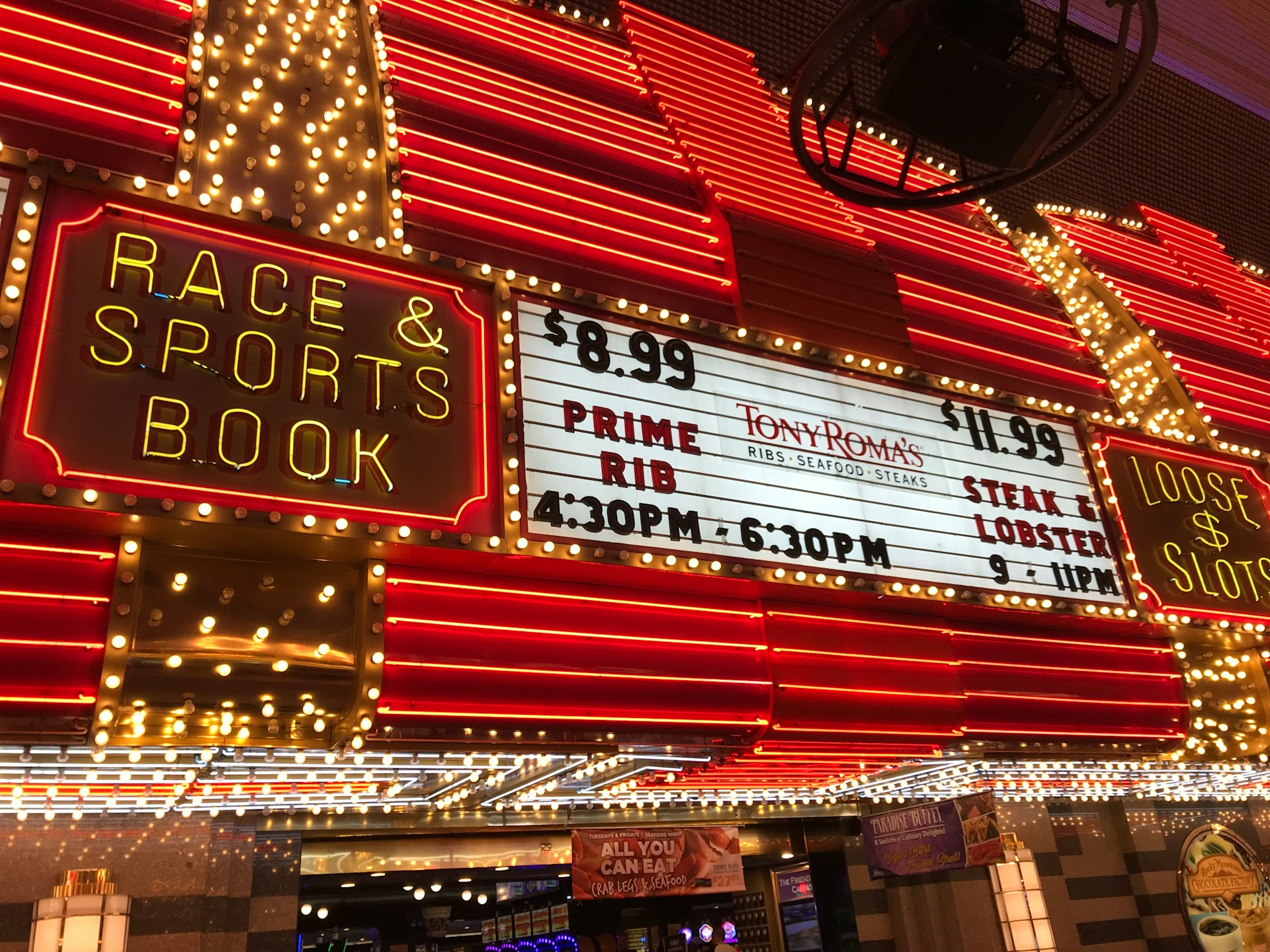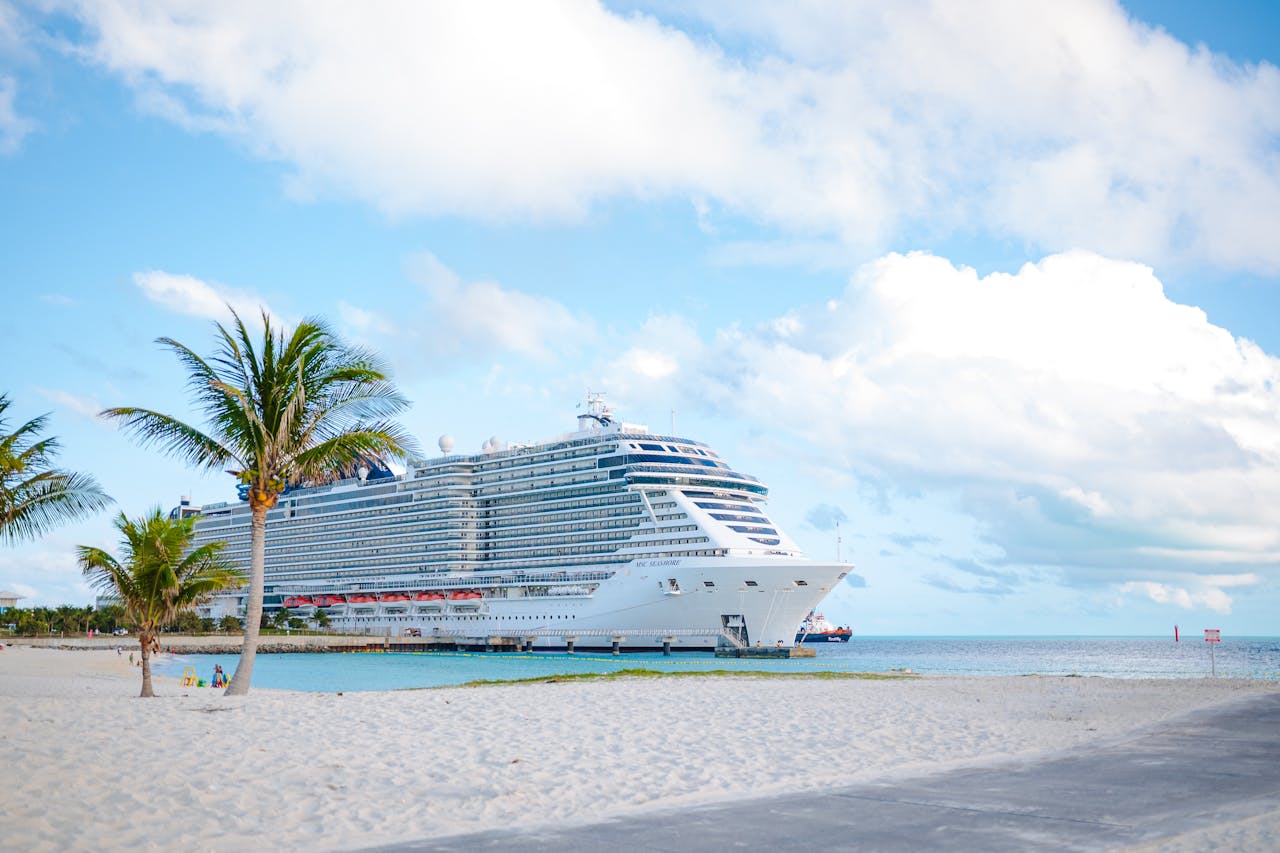
Mega cruise port proposals often arrive with glossy renderings and big promises, but residents picture the lived details: traffic, noise, crowded sidewalks, and a shoreline that no longer feels like home. When terminals are built for the newest, largest ships, the change is not subtle. It reshapes daily access to water, pushes services to their limits, and invites a new wave of speculative development. Backlash grows fastest when the process feels rushed or one-sided, because the impacts land locally and last for decades. These are the reasons opposition tends to flare, even in towns that rely on tourism.
Crowds Land All at Once
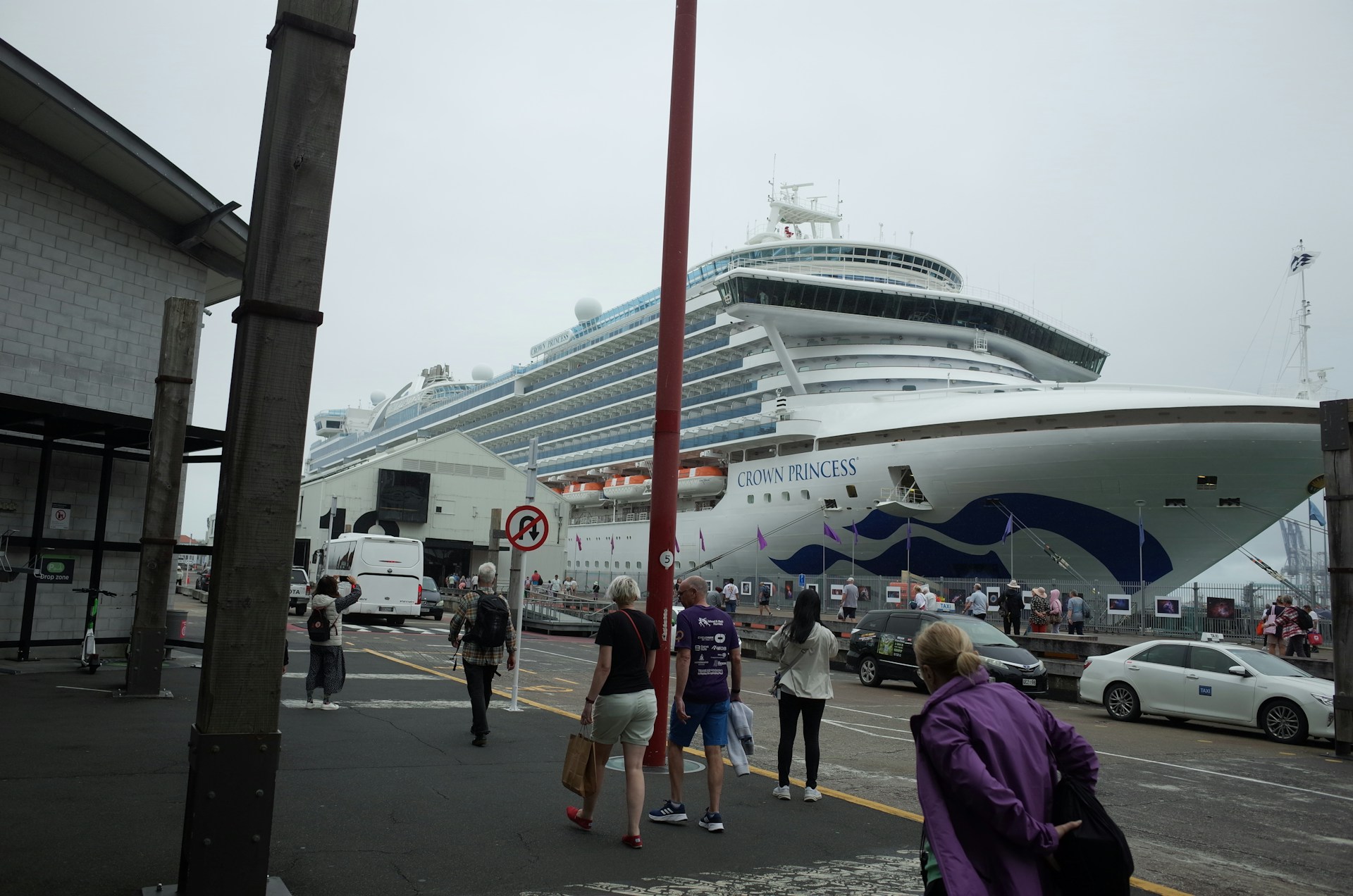
Cruise passengers do not trickle in; they arrive in a single burst, and residents feel the shock when several thousand people step off within an hour and head for the same few blocks. Instead of a steady flow that cafés, sidewalks, and transit can absorb, the town hits capacity by midmorning: tour groups bunch up, restrooms clog, buses idle, and basic errands like pharmacy pickups or school drop-offs take twice as long. Backlash grows when emergency access feels less reliable, staff cannot reach shifts on time, and the busiest hours belong to a horn blast rather than the community’s own rhythm.
The Waterfront Stops Feeling Public
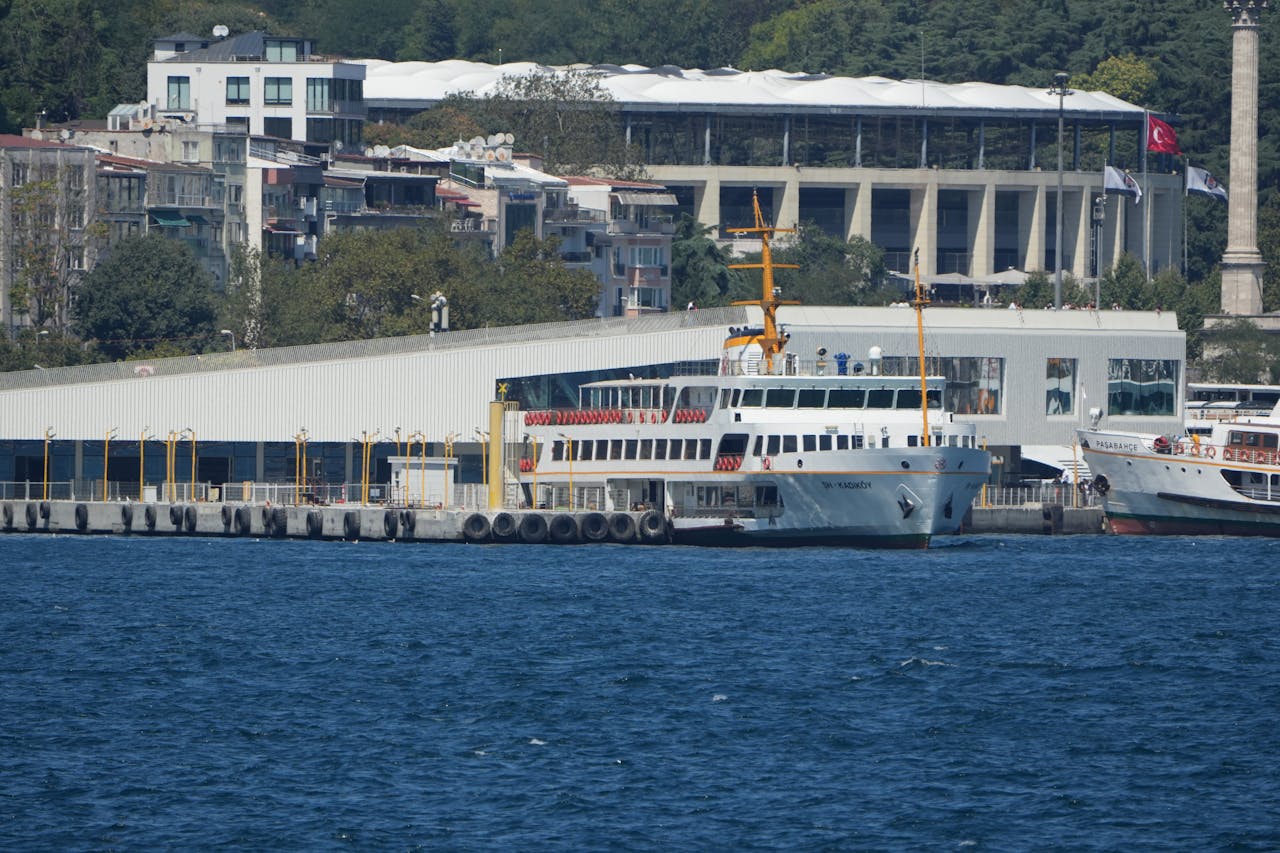
Mega terminals often claim prime shoreline for security lanes, staging areas, and controlled access, and the loss is felt in small routines that used to happen there, from morning fishing to kids on bikes and quiet walks after dinner. A public promenade becomes a fenced corridor, working docks get pushed aside, and even promised access feels different because the space is engineered for throughput, not for hanging around, with sightlines broken by barriers and parking. Backlash flares when locals realize the waterfront has been redesigned around visitor flow, leaving neighborhood life to squeeze into whatever edges remain.
Air and Noise Become Street-Level Issues
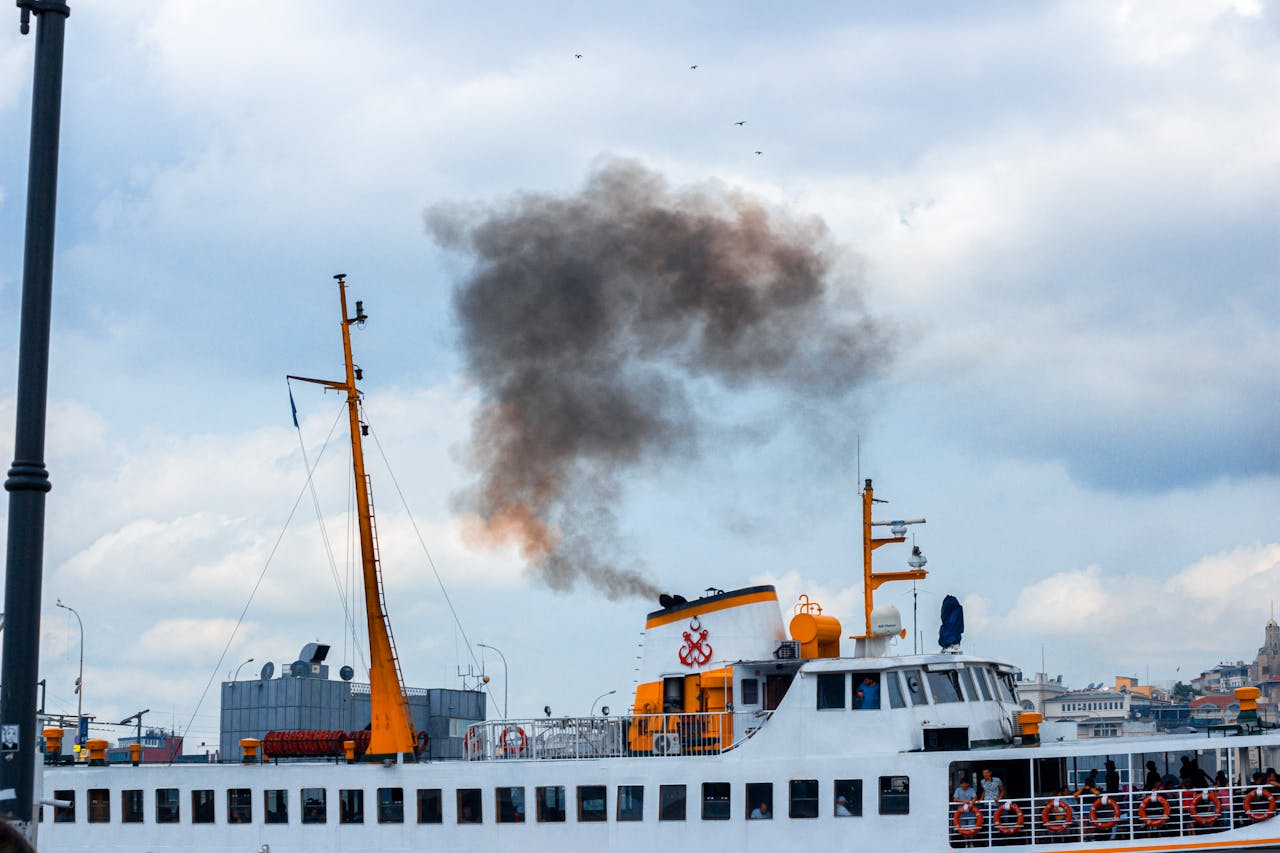
Big ships bring more than people; they bring generators, service vehicles, and a constant pulse of buses, taxis, and delivery trucks that stack near the gates and then fan out across town. Residents notice it in ordinary ways: exhaust smell on still mornings, grit on balcony rails, and a low mechanical hum that carries across water at night, plus tour-bus speakers and traffic that keeps engines idling by schools and apartments. Backlash grows when neighborhoods feel like the designated sacrifice zone, living with the year-round pollution and noise while the biggest gains flow to distant operators.
Dredging and Fill Change the Coast
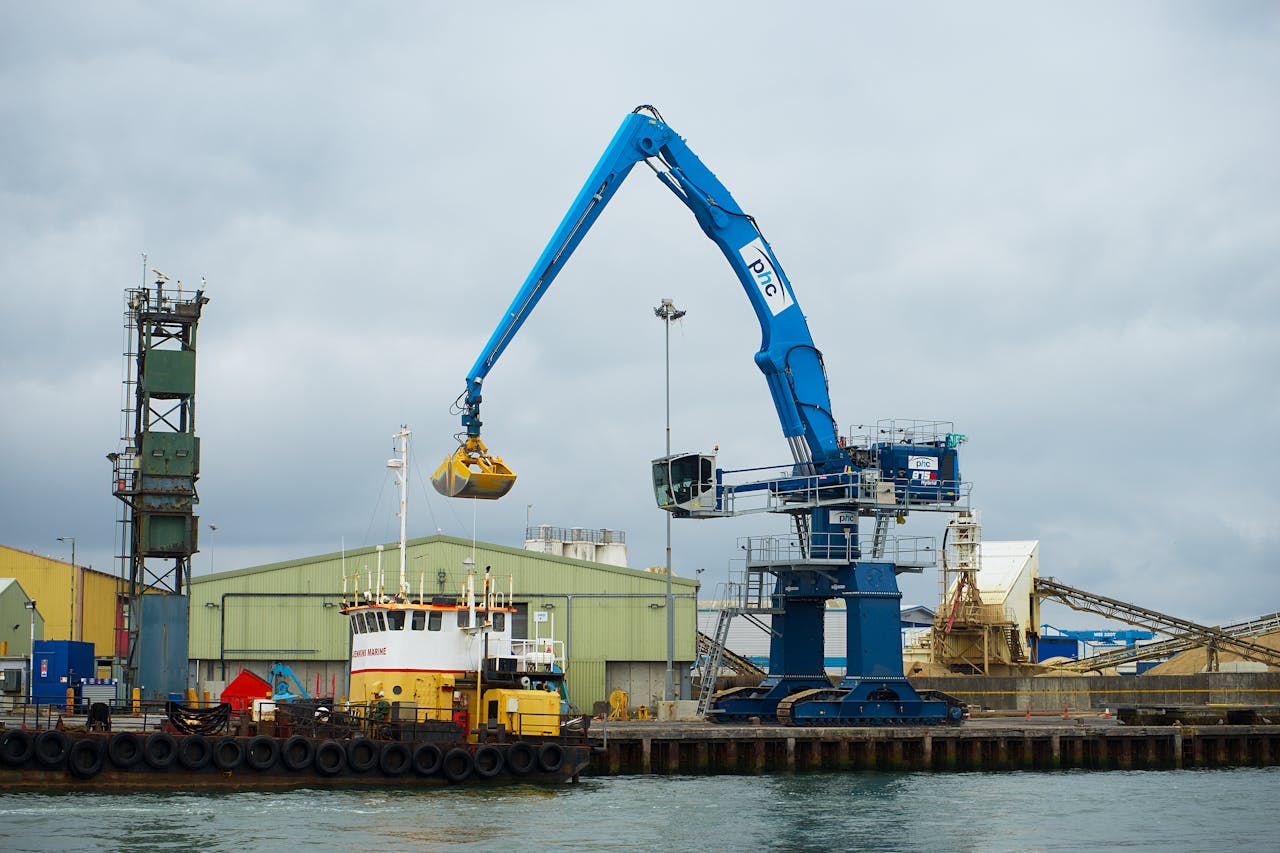
Mega ships need deeper channels and wider turning basins, which often means dredging that stirs sediment and reshapes nearshore currents in places that used to be stable. The concern is rarely abstract: fishers worry about cloudy water and disturbed habitat, and coastal residents worry about seagrass, reefs, and wetlands that buffer storms, plus where dredged material ends up. Construction seasons can stretch on with barges, noise, and restricted zones that make a waterfront feel off-limits, and backlash spikes when reviews feel rushed because the slow damage shows up later, long after the permits are signed.
Housing Pressure Hits Before the First Ship
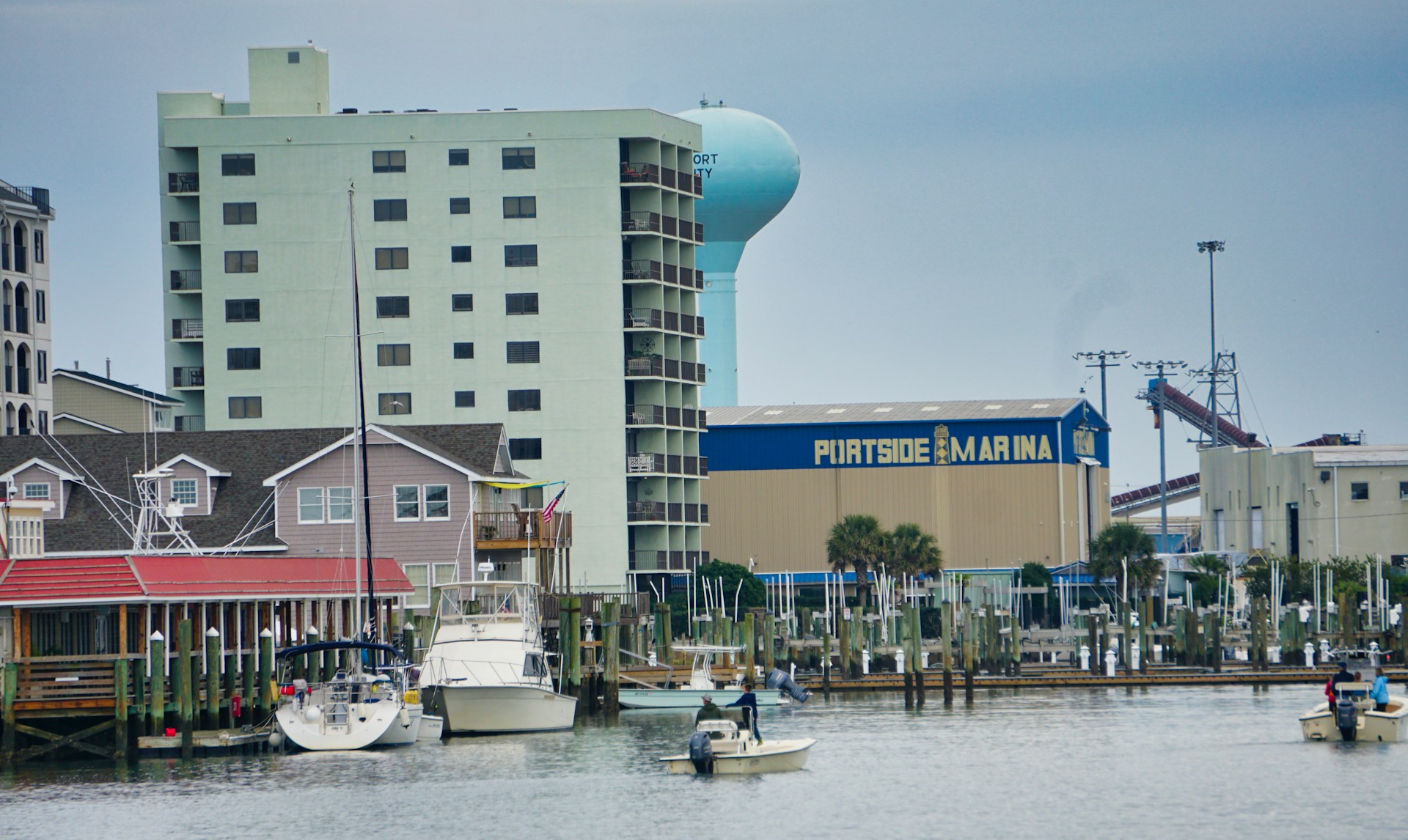
Port expansion talk can trigger speculation long before concrete is poured. Investors eye short-term rentals, new hotels, and waterfront condos, and rents climb in the neighborhoods workers rely on. That pressure lands fast on service staff, teachers, and young families, pushing commutes outward and thinning community ties. Officials may promise jobs, but locals notice the math: more visitors competing for limited housing, plus seasonal demand that never truly turns off. Backlash grows when people watch housing security slip away years before the first gangway drops.
Money Passes Through Without Sticking
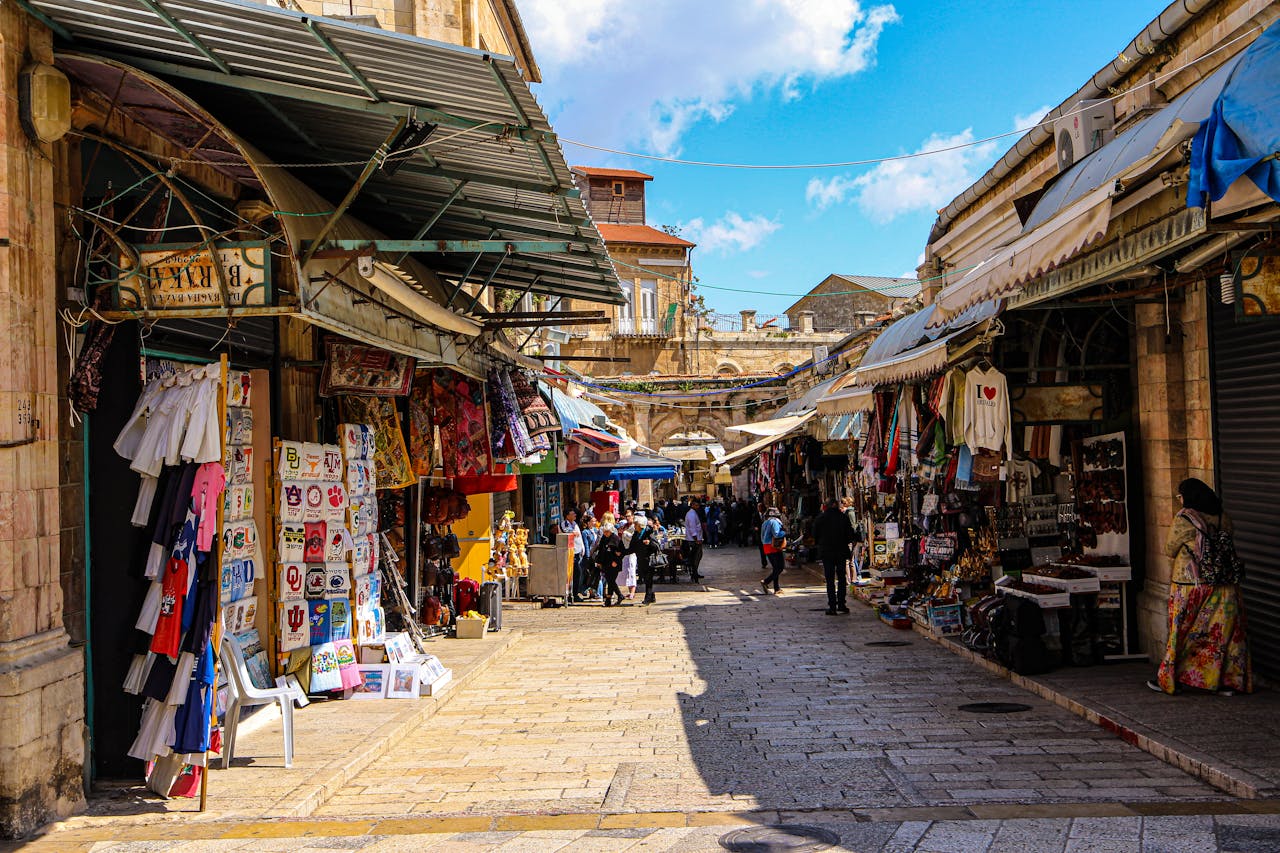
Cruise economics can look generous in a slide deck, yet many passengers sleep, eat, and shop on board, then spend lightly during a short shore window. Local businesses compete with pre-sold excursions, ship-affiliated tours, and shop clusters near the terminal that capture impulse spending. Small operators face permits, insurance, and timing that favors large bus groups. Residents push back when they see extra cleanup, policing, and wear on streets, but little improvement in wages or year-round stability. A port can feel busy and still leave the town underpaid.
Traffic Peaks Follow Ship Schedules
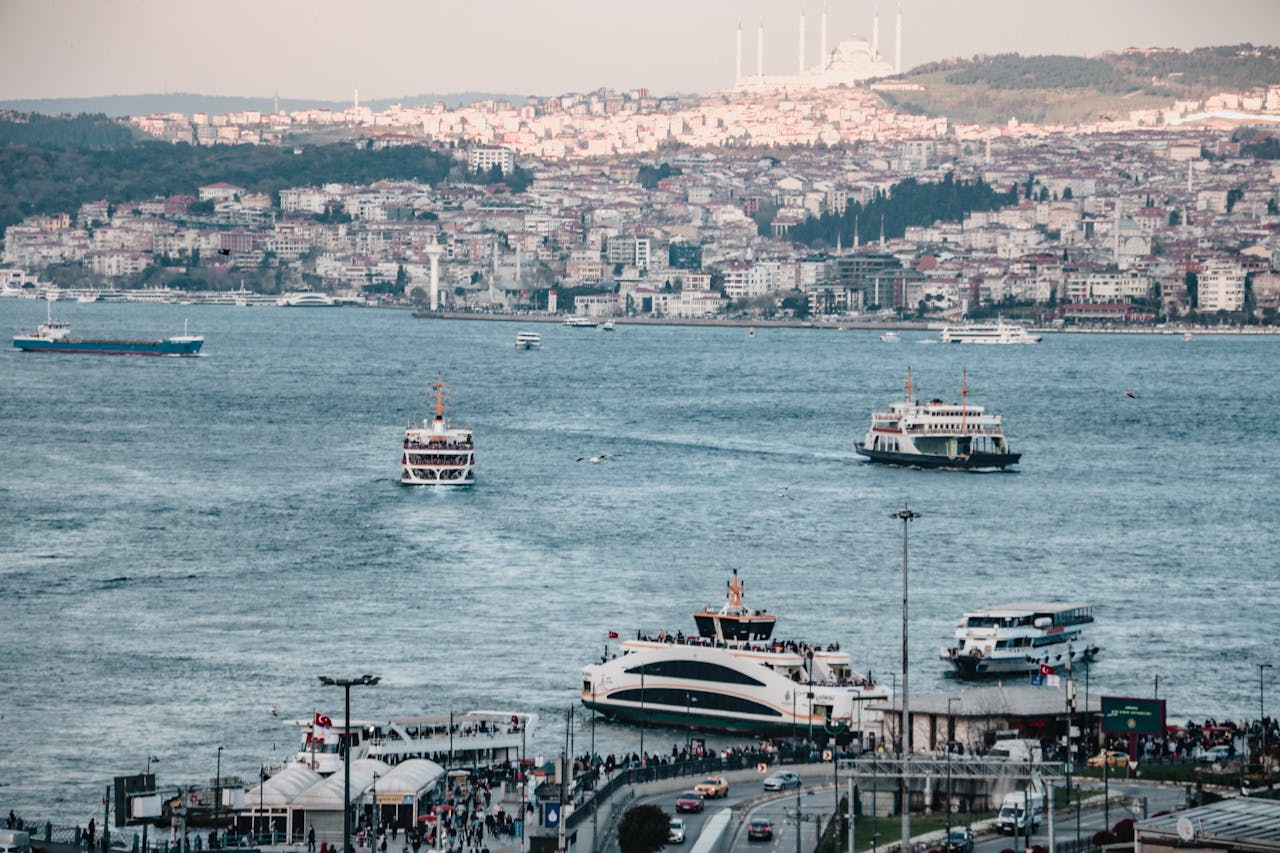
A mega port creates transportation spikes that small cities rarely built for: buses, rideshares, supply trucks, and day visitors peaking at the same time, often right as schools and offices open. Narrow streets clog, parking spills into residential blocks, and public transit gets crowded by riders who are not commuting. Emergency access becomes a constant worry, because one stalled intersection can ripple across town. Even promised road upgrades can feel like years of construction first. Backlash grows when ship timetables, not community needs, become the loudest force shaping daily movement.
Small Places Get Turned Into Backdrops
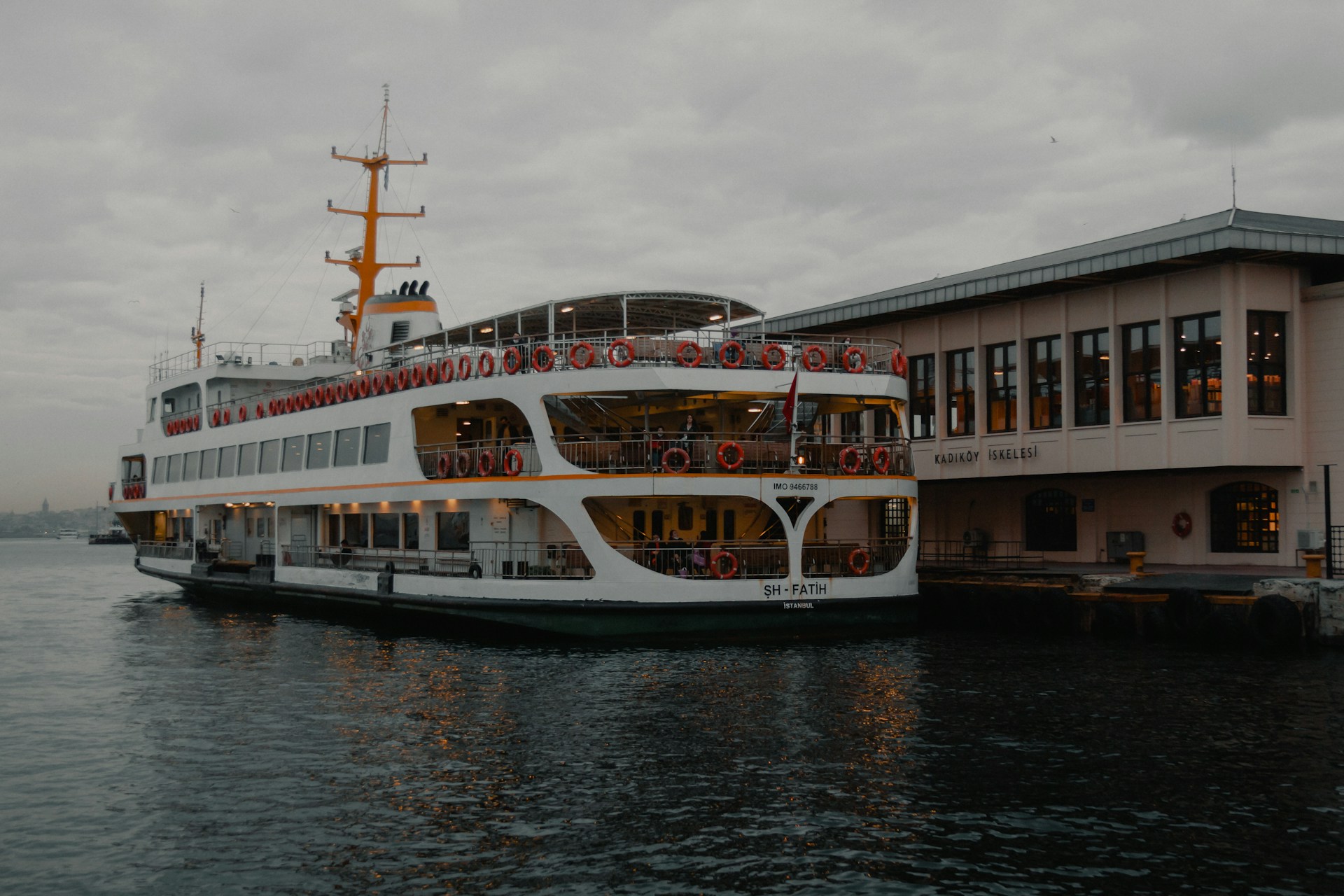
Large cruise calls can compress culture into a performance, because guides must move big groups fast and hit the same highlights every day. Markets become photo stops, historic lanes turn into funnels, and residents feel watched in their routines, from school pickup to morning errands, while amplified commentary bounces off stone walls and shopfronts shift toward souvenirs instead of daily needs. Backlash grows when a community’s identity gets reduced to quick moments that fit a shore schedule, and locals are left to restore calm, reopen streets, and reset the town for the next arrival yet again.
Climate Tensions Become Impossible to Ignore
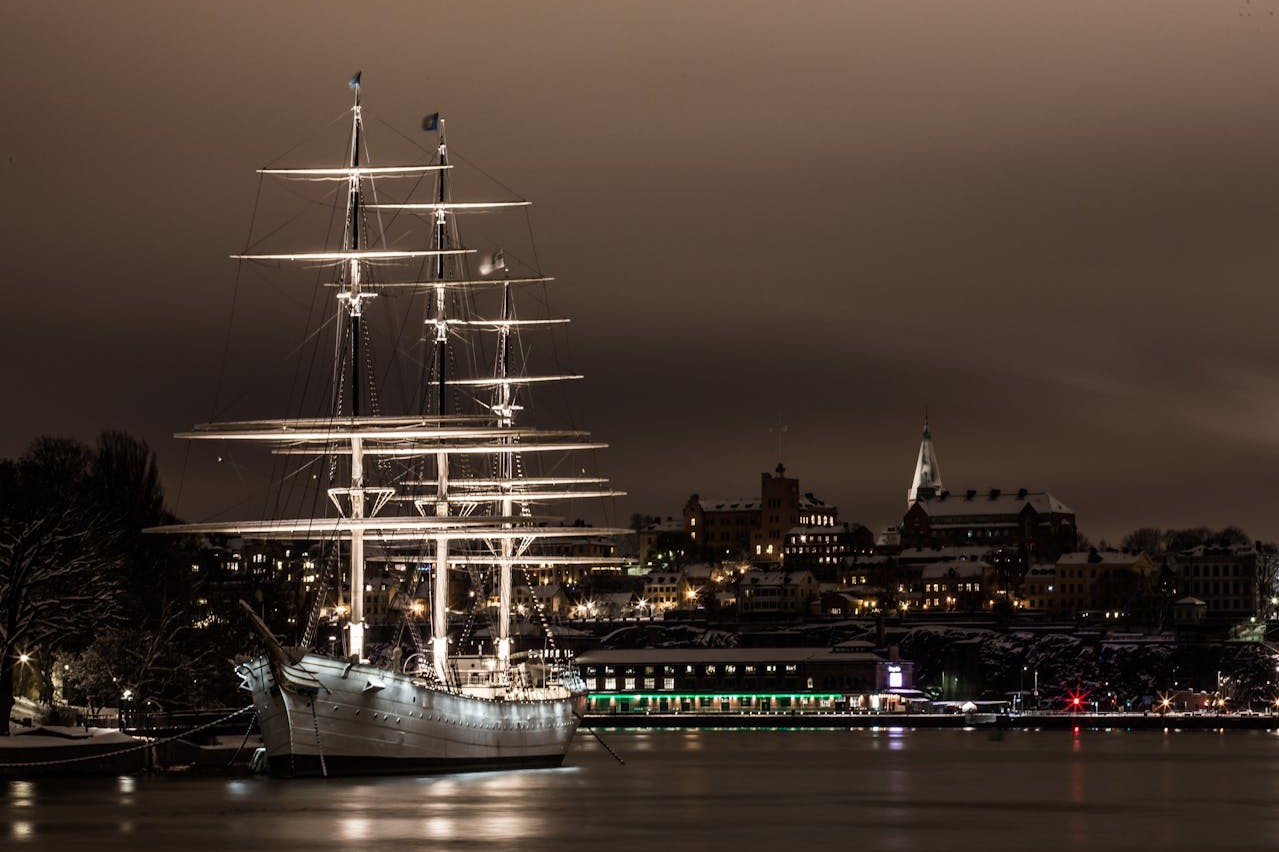
Mega cruise ports make climate debates visible. Huge ships tower beside historic skylines and fragile shorelines, and residents connect that scale to emissions, dredging, and more traffic on land. Operators may point to cleaner fuels and future upgrades, yet expansion still signals more voyages and more infrastructure locked in for decades. In places already dealing with storm surge, saltwater flooding, and rising insurance costs, that trade-off feels sharp. Backlash rises when leaders sell growth as progress, while households are asked to tighten belts and adapt.
The Process Feels Like a Done Deal
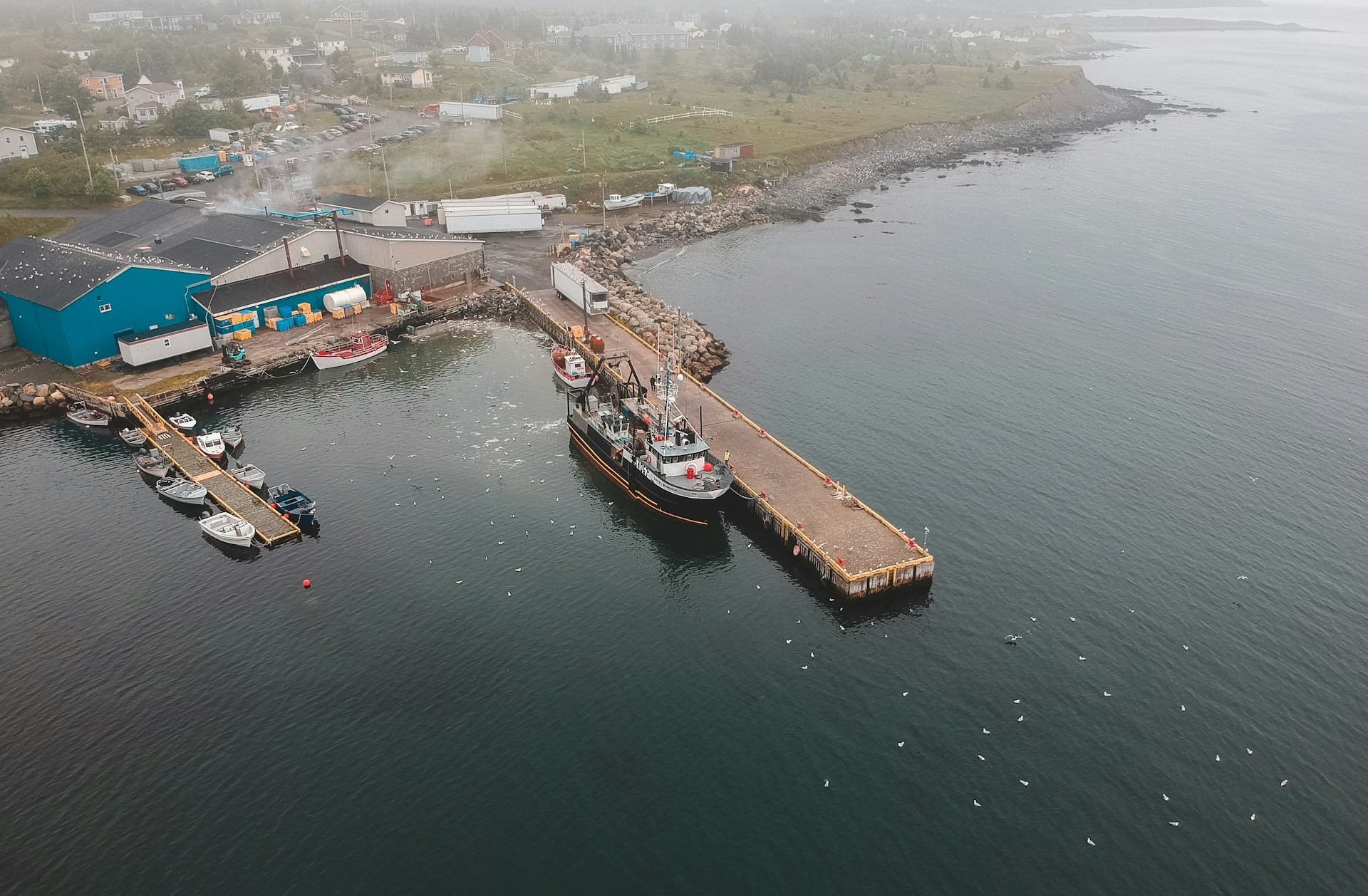
Port plans often move through layers of agencies, private operators, and technical filings that are hard for ordinary residents to track. If meetings are rushed, documents are dense, or decisions appear pre-made, people assume the outcome is already set. Glossy campaigns deepen suspicion when plain answers are missing, especially about traffic, pollution, and who pays for long-term upkeep. Opposition turns personal when residents feel ignored, because the port is not a temporary event. It is a permanent change to access, noise, and daily life that is difficult to undo once built.
Dependence on One Industry Feels Risky
A mega terminal can tilt a local economy toward one volatile industry tied to fuel prices, storms, global shocks, and shifting itineraries. When ships cancel, the town still carries debt, maintenance, and a disrupted shoreline, while promised jobs may be seasonal or concentrated in a small set of vendors. Residents often prefer resilience through multiple pillars, from fisheries to local services to small manufacturing. Backlash grows when a port seems to crowd out other investments, because a harbor built for floating cities can leave fewer options for everyone else.