Frugality in the 1960s was rarely a performance. It showed up in quiet systems that kept a household steady between paydays, through winter utility spikes, and during the odd surprise repair. Waste felt personal: a torn hem meant a needle, not a shopping trip. Kitchens ran on planning, not panic, and a stocked pantry felt like peace. People traded tips, tools, rides, and garden produce without calling it community. These routines made costs visible early, before a bill turned scary. Many modern life hacks chase speed, but these habits were built for ordinary weeks, practical, repeatable, and easy to pass on.
Keep An Envelope Budget, Not An App

In many 1960s homes, budgeting was physical: rent, groceries, gas, and school needs each had a labeled envelope tucked in a desk drawer, and the month’s limits could be felt by touch instead of guessed from a screen. Paychecks were cashed, divided at the kitchen table, and recorded in a small ledger, with envelopes for shoes, dentist visits, birthdays, and the next winter coat, plus a little for church, stamps, haircuts, and a neighbor’s coffee tin fund. When an envelope thinned, the message was immediate, so spending slowed before it became a problem, tradeoffs were made without drama, and no fees stacked up in silence.
Cook Once, Stretch It Into Two Suppers

Weeknight cooking often began with a bigger pot than necessary because tomorrow’s dinner mattered, too, and the stove work was treated like an investment that bought time after a long workday. A roast became sandwiches, then hash; beans turned into chili; chicken became soup after the meat was picked clean, and the last bits flavored rice, gravy, or a skillet of potatoes, with leftovers cooled, wrapped tight, and labeled for the next evening. The habit shrank grocery lists, reduced waste, and kept the week feeling organized, especially when paydays felt far away, the fridge was small, and schedules ran long without complaint.
Save Drippings And Bones For Flavor
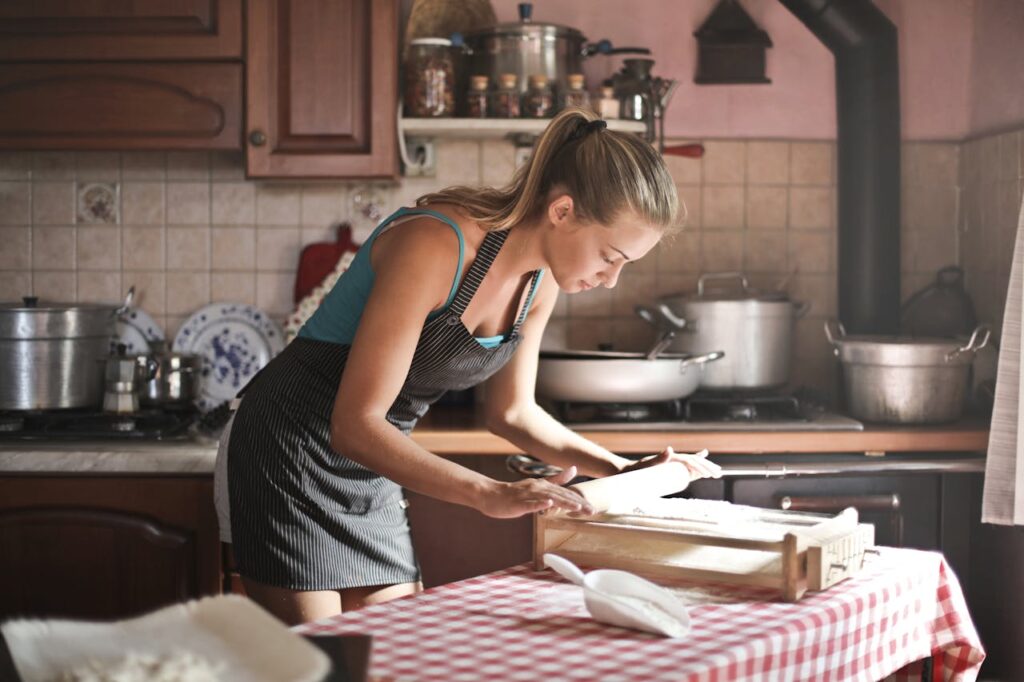
A jar of bacon drippings near the stove and a bag of bones, onion ends, and celery tops in the freezer were quiet kitchen staples, because flavor was too expensive to throw away after one meal. Drippings were strained through a bit of cloth, bones were simmered low, and when gravy tasted thin or soup needed body, that saved richness brought depth that boxed shortcuts rarely match, especially in winter pots of beans and stews. It stretched every purchase, cut last-minute store runs, and made humble meals feel finished, the way a careful cook prefers, while teaching a household to waste less without feeling deprived.
Mend First, Replace Later
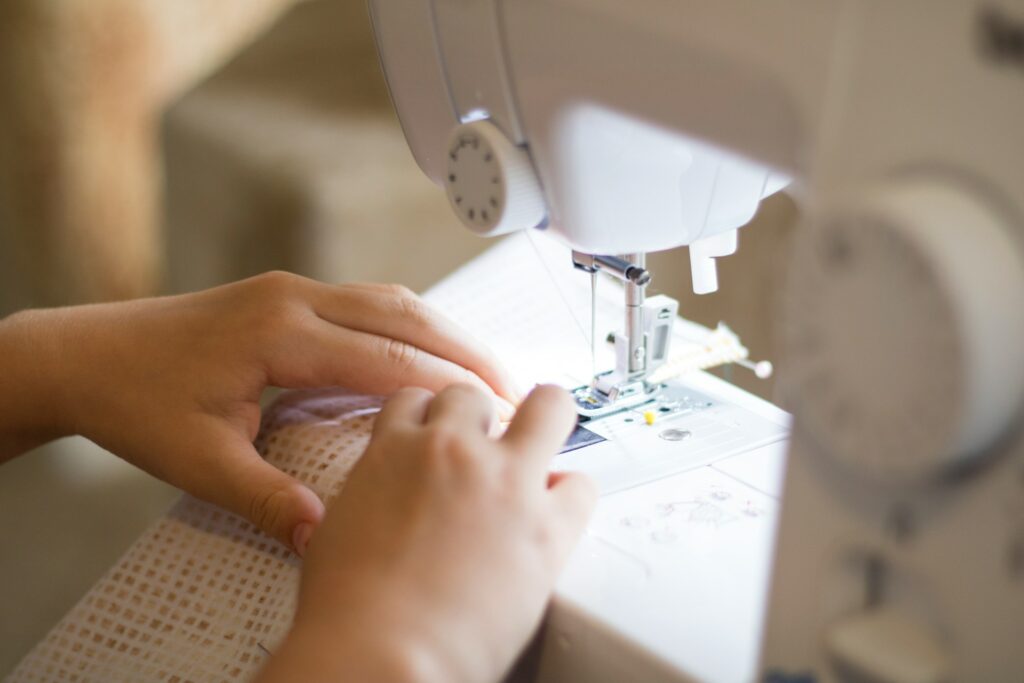
A sewing kit was household insurance in the 1960s, often kept in a tin by the phone, with spare buttons, needles, snaps, and thread matched to the most-worn shirts, work pants, and school uniforms. Buttons were reattached before they vanished, hems were stitched before they dragged, and small tears were patched early, while hand-me-downs were adjusted, cuffs were let out as kids grew, and elbows were reinforced before the fabric failed, sometimes with a patch cut from an old shirt. The goal was not perfection, but durability and dignity, so a closet stayed decent through seasons of hard use, leaving money for bigger priorities.
Line-Dry Laundry And Use The Sun

Backyards, apartment courtyards, rooftops, and balconies doubled as drying rooms, and air-drying cut electricity while saving fabric from the harsh heat that chews through elastic, fades colors, and shrinks cotton. Sheets snapped on the line, towels crisped in the sun, and winter racks near a radiator kept routines steady when weather turned, with clothespins, timing, and a quick shake doing most of the finishing work that an iron would handle later. Sunlight brightened whites, lifted stale odors, and left that clean outdoor smell on pillowcases and shirts, all while extending the life of basics through many wash cycles.
Pack Lunches That Respect Leftovers
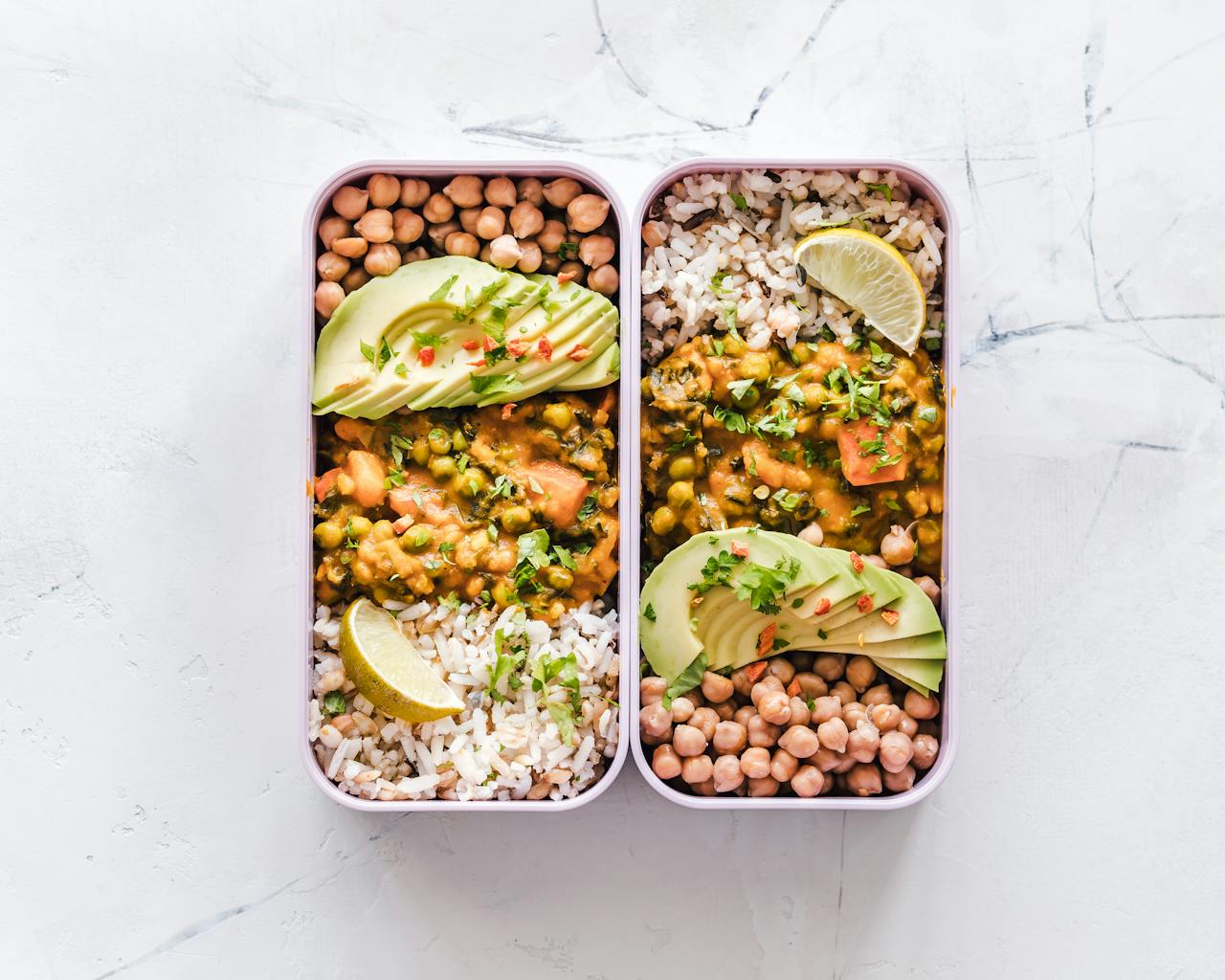
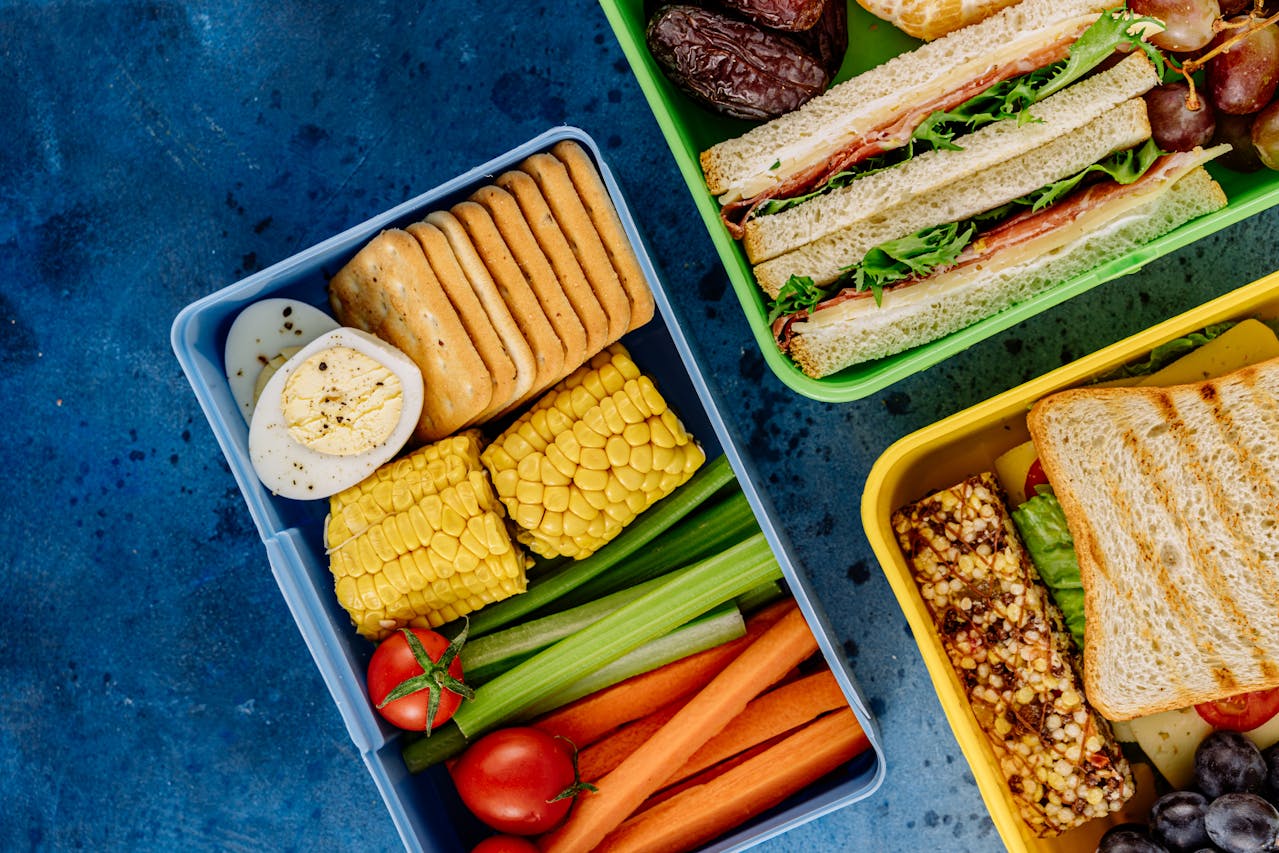
Brown bags and metal lunchboxes were everyday economy, built around leftovers with a second purpose, because yesterday’s dinner was already paid for and still perfectly good the next day. Meatloaf became a sandwich, soup traveled in a thermos, and an apple, carrot sticks, or a homemade cookie made the meal feel complete, with a napkin tucked in, a wax-paper wrap, and a careful eye on what would spoil first in the pantry or icebox. Packing food blocked impulse spending at diners and vending machines, reduced waste, and kept the grocery budget from leaking a little at noon, five days a week, without drama or guilt at checkout.
Treat The Library Like Entertainment

The library worked like a community living room: books, newspapers, quiet warmth, and staff who could help track down answers, from job listings to recipes to travel routes, sometimes even through a bookmobile stop. As the decade moved along, many systems added records and film reels, so a Friday night could be a borrowed soundtrack and a stack of mysteries, and kids could leave with armfuls of stories instead of something plastic from a store aisle. Free entertainment built a steady rhythm, made curiosity affordable, and gave small towns a place to gather, browse, and feel connected without paying for the privilege.
Grow A Small Garden, Then Preserve
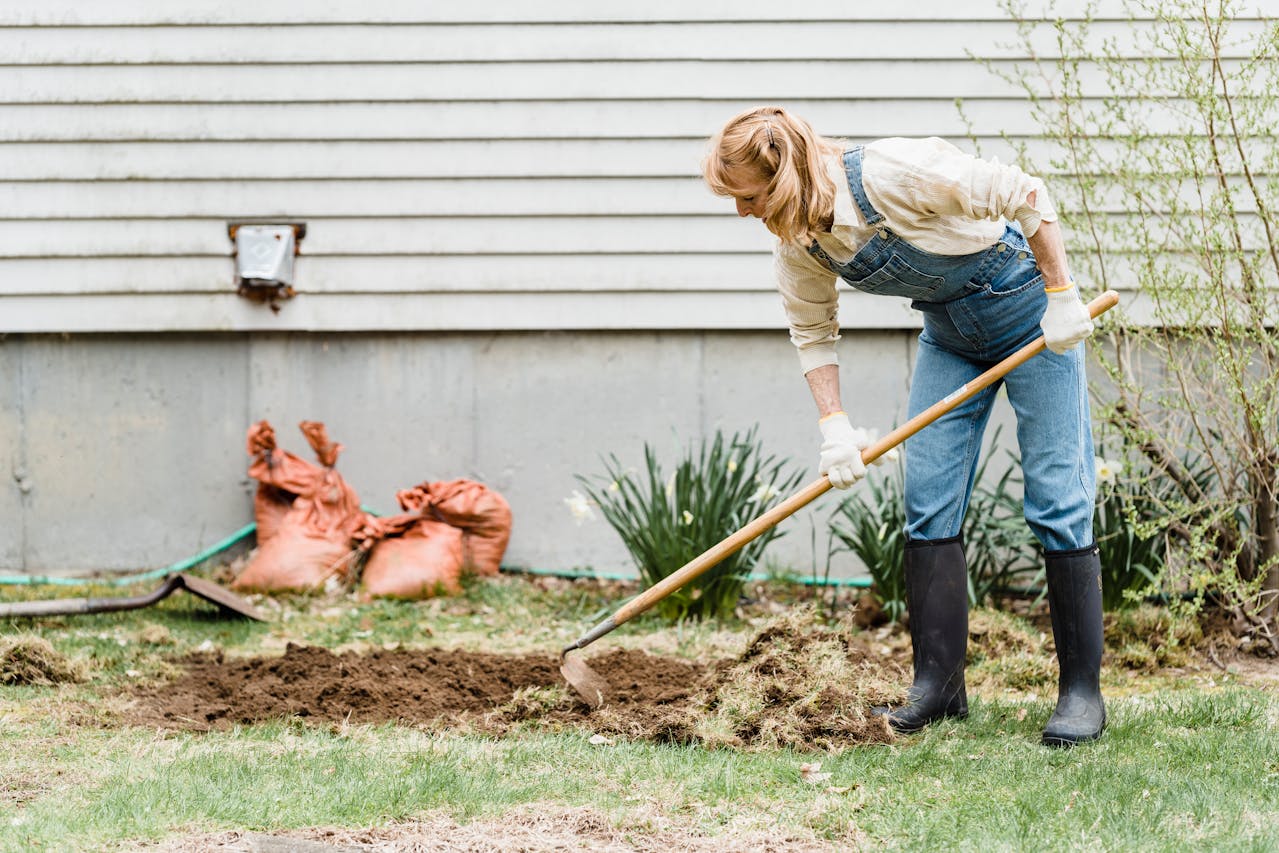
Even a modest patch of tomatoes, beans, or herbs changed the grocery equation because summer abundance arrived all at once, and the kitchen learned to keep up with it, basket by basket. The extra became jars of pickles, frozen corn, or simple jams that carried flavor into cold months when produce costs rose and quality dipped, with canning lids lined up like a checklist and shelves labeled in careful handwriting in a cool basement. The work was front-loaded, but it turned sunlight into future meals, and extras were shared with neighbors, leaving a pantry row of jars that felt like quiet security when winter set in.
Repair And Maintain What Works
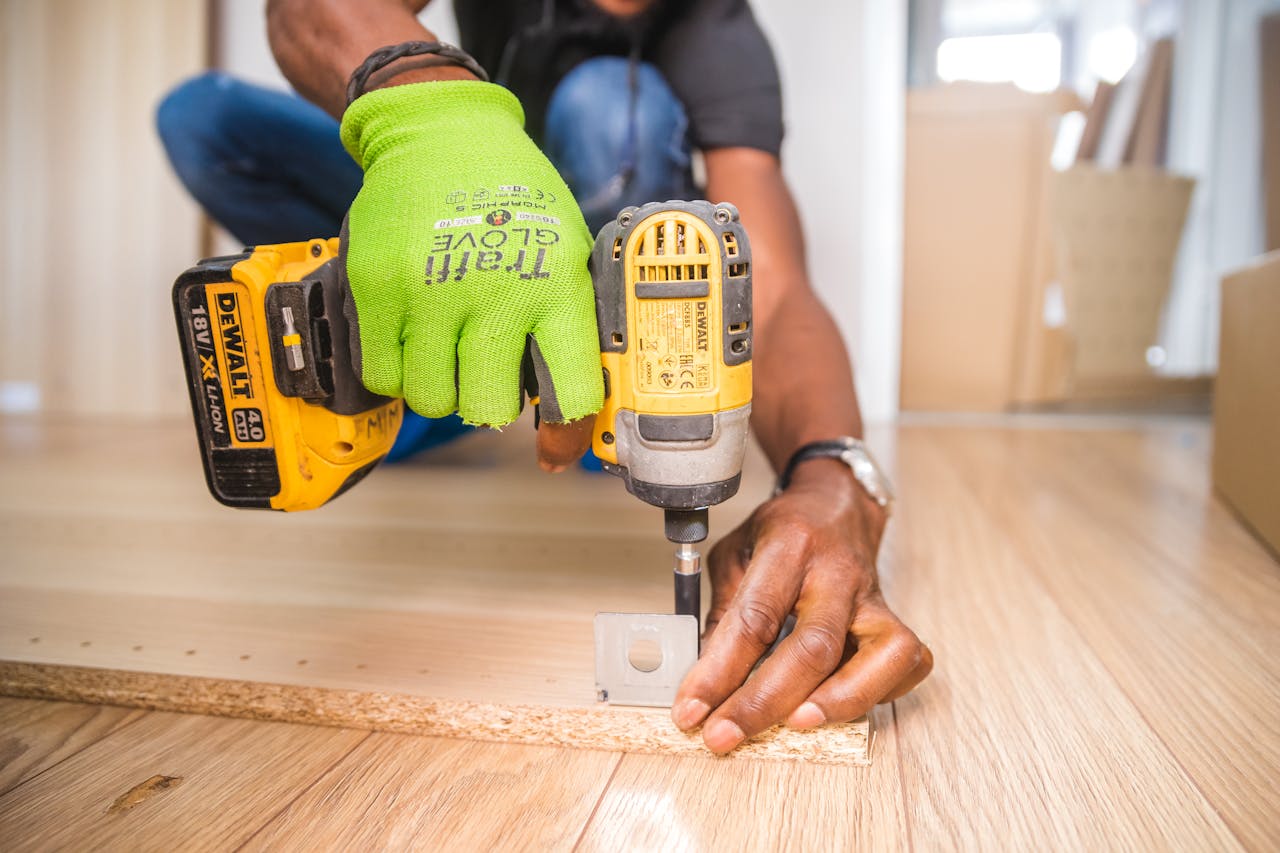
Fixing was normal, so a vacuum got a new belt, knives and mower blades were sharpened, and shoes visited a cobbler before soles split, because maintenance was cheaper than replacement and repair shops were part of town life. Manuals were saved, parts were swapped, and strange noises were handled early, when the solution was still simple and cheap, and a basic tool box could solve problems that now trigger a shopping cart and a delivery window. The habit kept appliances and tools familiar, prevented the expensive moment when everything fails at once, and rewarded patience with years of extra use, plus fewer frustrating emergencies.
Chain Errands And Share Rides
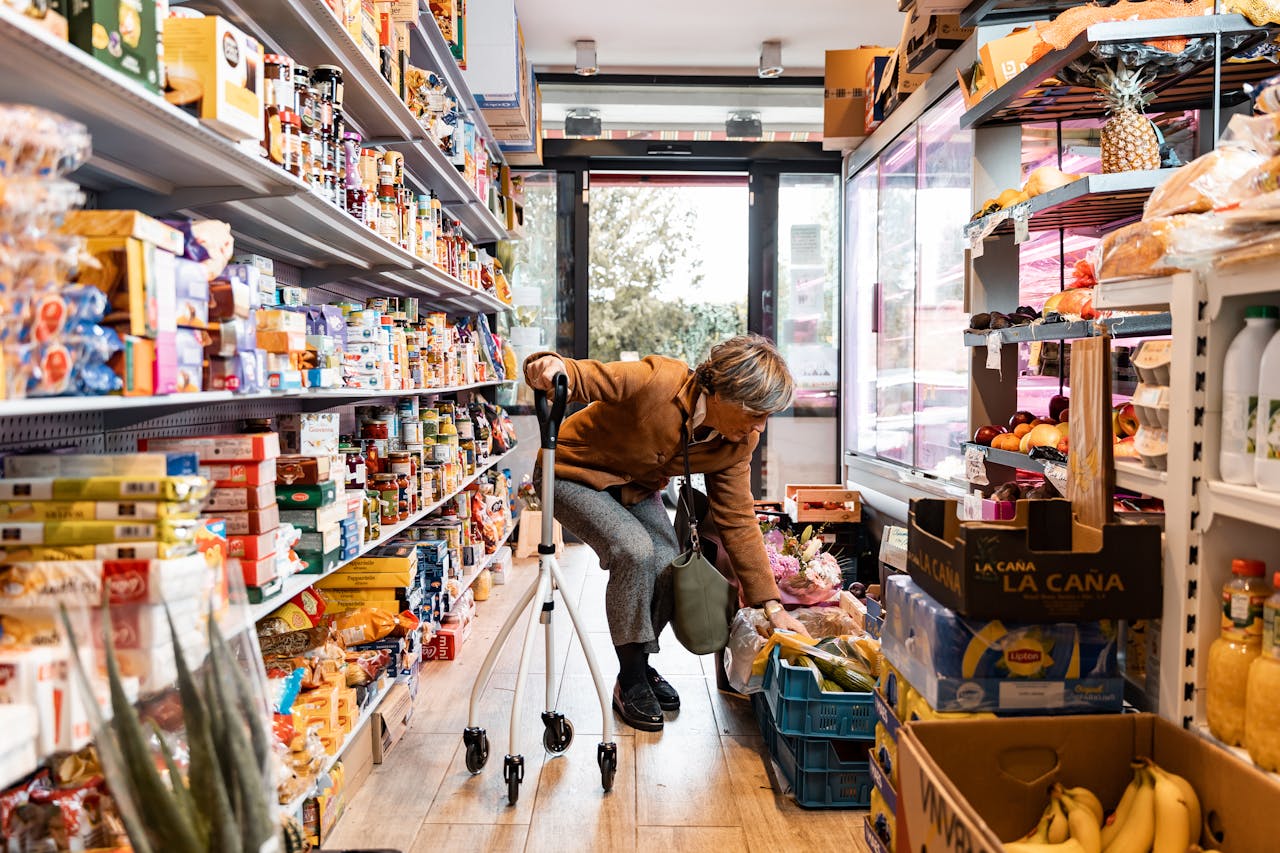
A trip across town often carried three or four stops: groceries, the post office, the pharmacy, and a quick visit to a relative, with the route planned and a list on the dash so nothing required a second drive, before traffic built. Carpools to work, school, and church cut costs while turning travel time into conversation, and walking stayed common in neighborhoods with corner stores and bus lines, where a quick errand did not automatically mean starting the engine. Fewer miles meant fewer surprises, and the day felt calmer when it moved in a clean, predictable sequence from morning to supper, with gas saved for what mattered.