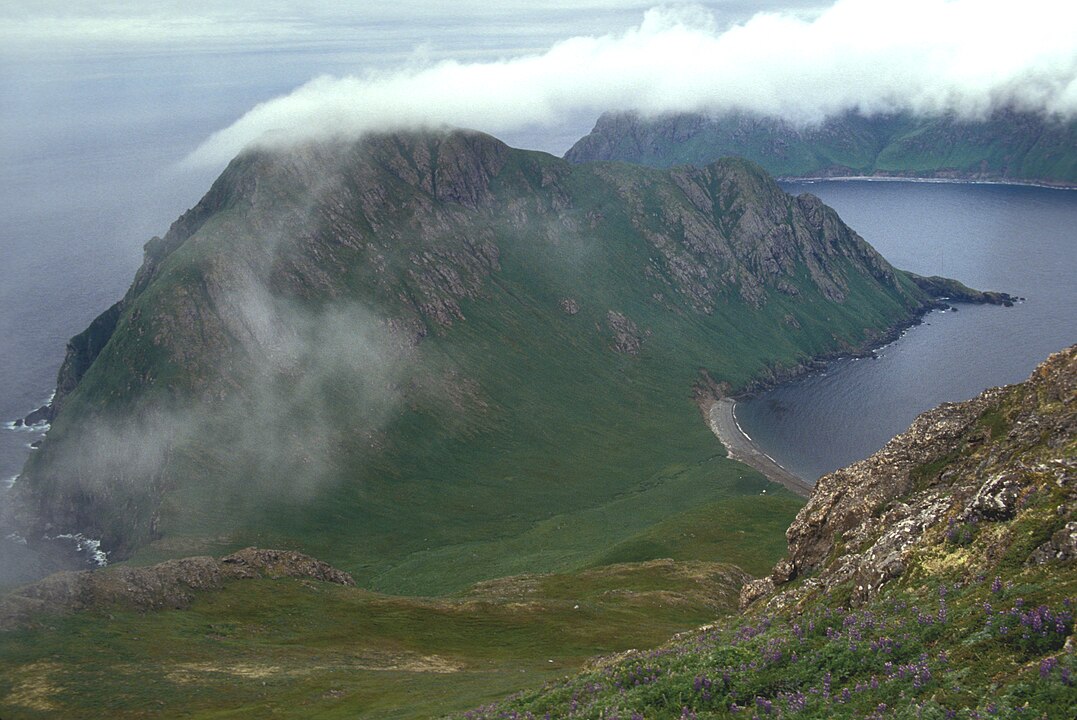
Some landscapes are protected by welcome signs. Others are protected by the quiet certainty of a closed gate. Across the United States, certain refuges and monuments operate with rules tighter than most national parks, not out of mystery, but out of necessity. Remote oceans, fragile nesting colonies, and disease prevention all shape what access looks like, while safety and limited staffing raise the bar even higher. Permits replace spontaneity, and sometimes the absence of crowds is the whole point today.
Farallon Islands National Wildlife Refuge, California
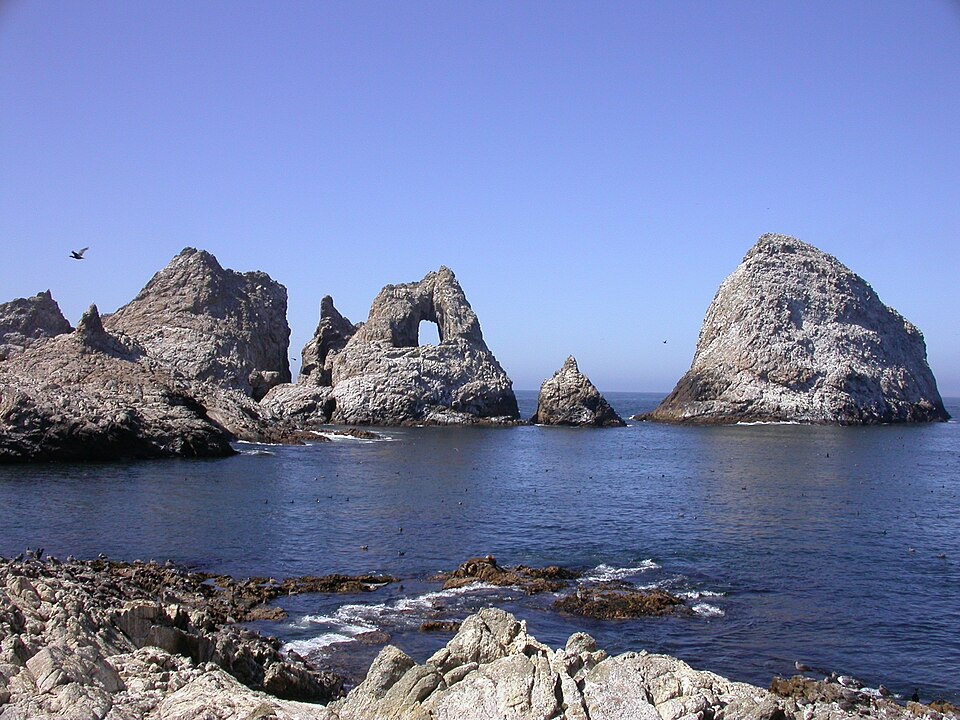
The Farallones sit close to San Francisco, yet they function like a locked room for wildlife and science. Public landings are generally prohibited, with access mostly limited to authorized staff and tightly permitted research or management trips, and boats are expected to keep a respectful distance from sensitive haul-out and nesting zones during the busiest seasons. The payoff is real: nesting seabirds keep their cliff space, seals avoid constant flushing, and the refuge sidesteps the slow creep of trash, weeds, and pathogens that can arrive with one crowded weekend and linger for years, quietly.
Hakalau Forest National Wildlife Refuge, Hawaiʻi
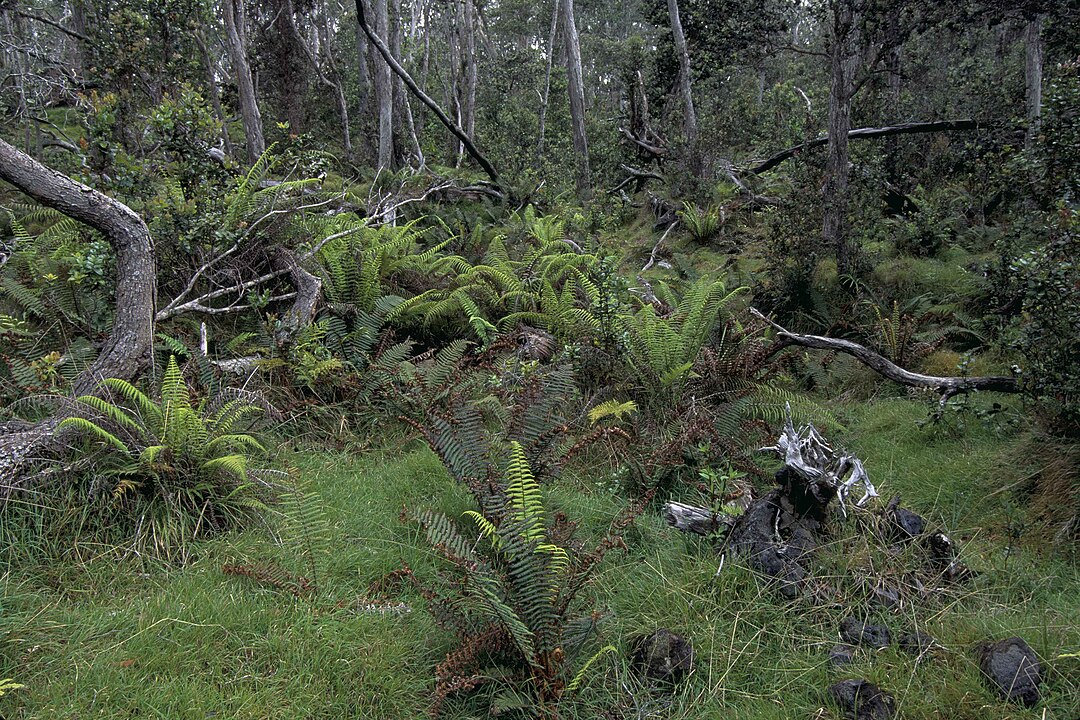
Hakalau Forest is protected less by distance than by biosecurity, because rare native birds depend on intact ʻōhiʻa and koa habitat. Self-guided wandering is not the model; entry is controlled through limited, scheduled access and permit-based programs, with cleaning protocols that focus on soil and plant material that can hitchhike on boots, hiking poles, tires, and floor mats. The restrictions are meant to slow the spread of Rapid ʻŌhiʻa Death and other threats, so conservation work can stay ahead of disease, and the refuge does not become a place visited so often it loses what made it special.
Seal Island National Wildlife Refuge, Maine
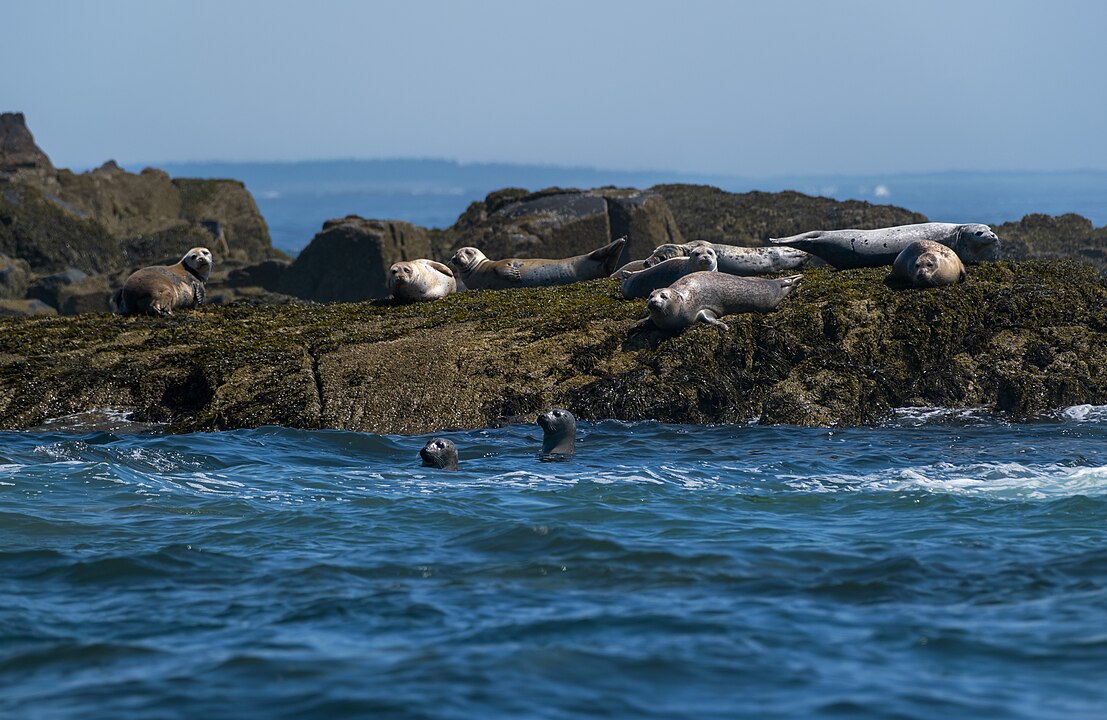
Seal Island looks like a simple landing for a coastal day trip, yet it is managed as a strict no-entry refuge. The island is closed to public access because of lingering safety hazards from past military use, so visits stay offshore, and boaters are expected to respect buffers that keep noise and wake from stressing birds close to shore. That closure does double duty: it protects people, and it protects nesting seabirds that flush easily when groups arrive at the wrong moment, keeping breeding season calmer and leaving the island as a true sanctuary rather than a destination each summer, alone.
Papahānaumokuākea Marine National Monument, Hawaiʻi
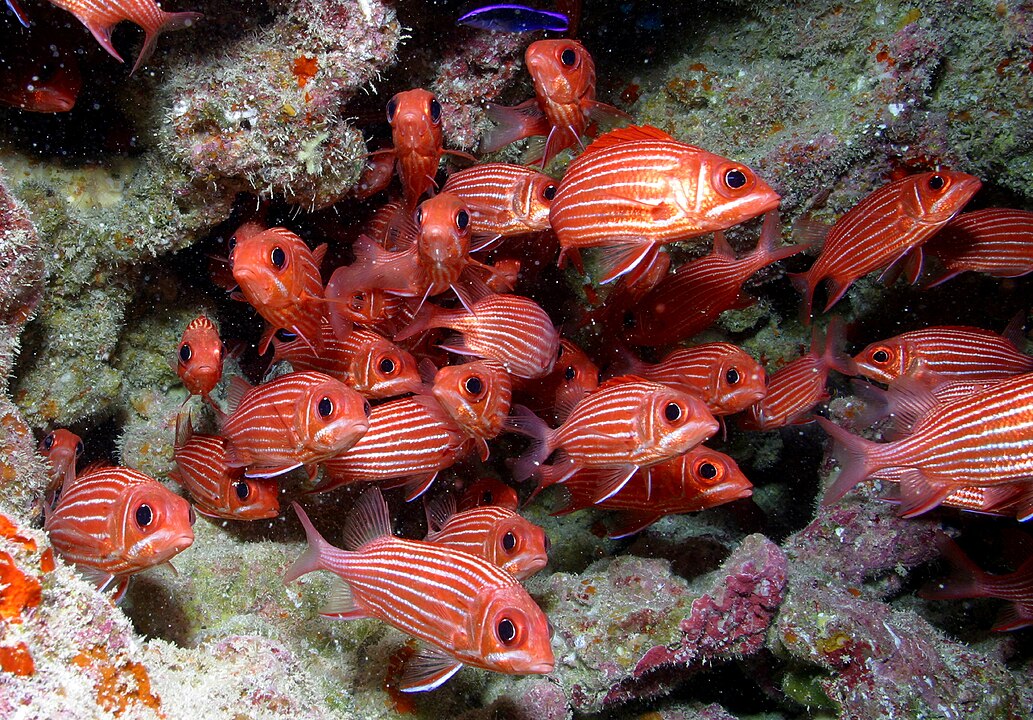
Papahānaumokuākea is described with awe because its scale is immense, yet access is intentionally narrow. Most entry requires advance authorization and strict trip planning, with conditions that limit where vessels can go, what activities can occur, and how biosecurity, waste, and gear are handled before anyone steps onto a remote shoreline. Unlike many national parks built for spontaneous weekend visits, this monument treats human presence as an exception, keeping reefs, seabird colonies, and cultural sites protected by distance plus paperwork that filters out casual tourism for most years, too.
Hawaiian Islands National Wildlife Refuge, Northwestern Hawaiian Islands
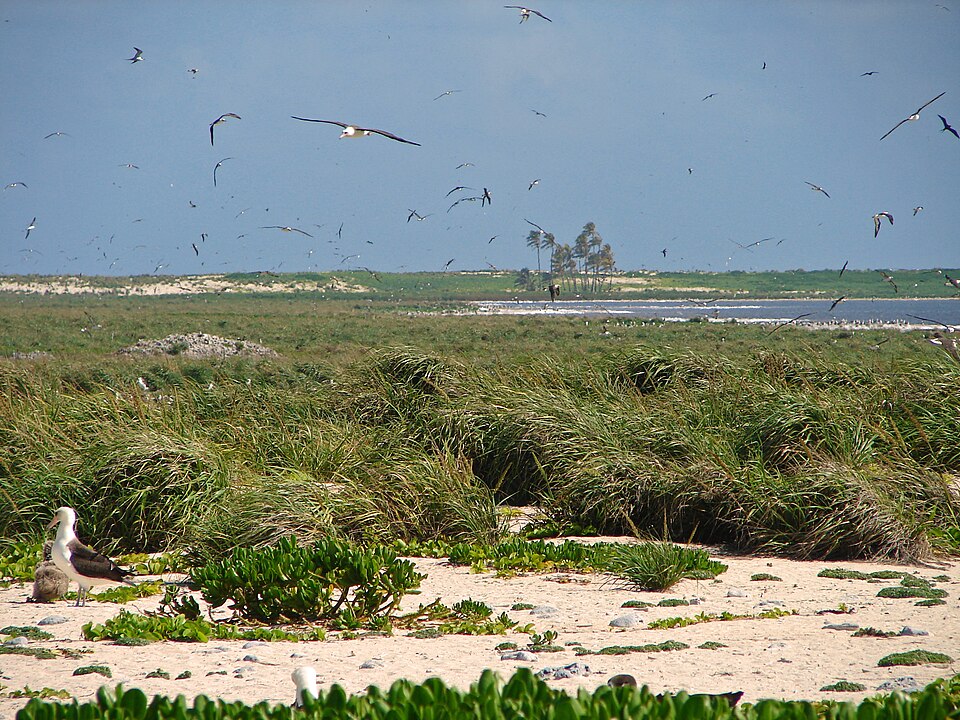
This refuge stretches across far-flung atolls and sand spits where seabirds outnumber people by design. Routine public visitation is not the point; access is generally limited to management, monitoring, and carefully controlled missions because the sites are remote, fragile, and difficult to patrol once a single anchoring mistake, fire ant, or weed seed gets established. With minimal human presence, nesting colonies keep their space, invasive species are less likely to arrive, and the refuge stays closer to its purpose, operating more like a protected laboratory of nature than a national park built around trailheads.
Rose Atoll National Wildlife Refuge, American Samoa
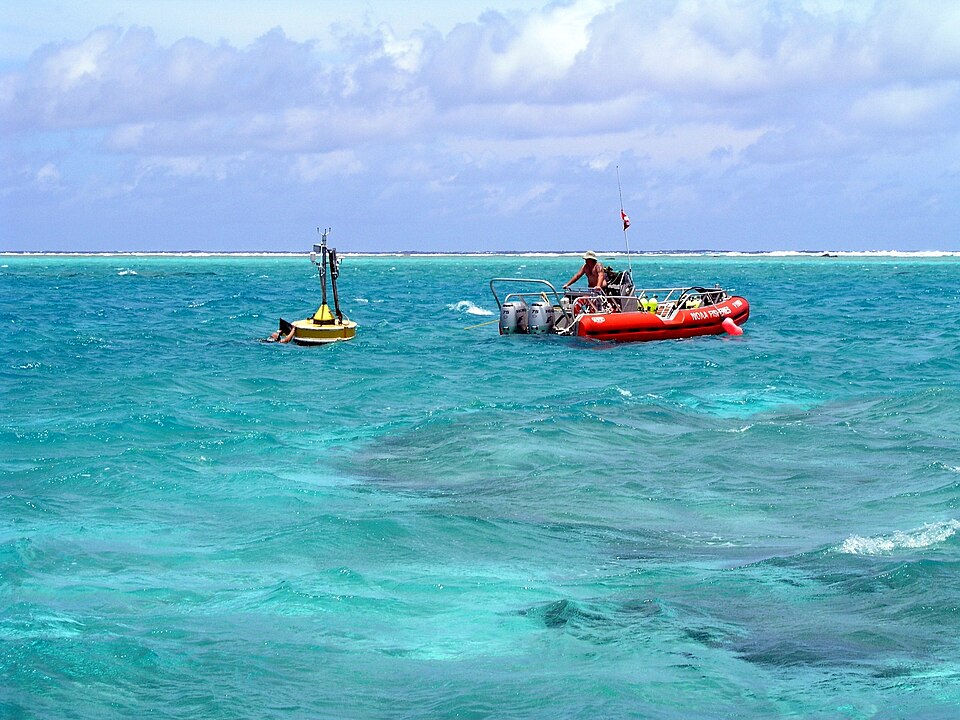
Rose Atoll is small, remote, and biologically dense, which makes casual tourism a poor fit from the start. Entry is typically handled through permits and careful planning because even light pressure can scar coral, disrupt nesting seabirds, and introduce invasive species on boots, dive gear, food, or packaging, and there is no easy infrastructure to absorb mistakes. That permit-first posture keeps the atoll feeling more like a guarded sanctuary than a recreation site, and it lets managers set strict conditions for anchoring, waste, timing, and landing behavior so the reef and shoreline stay resilient.
Mariana Trench National Wildlife Refuge, Northern Mariana Islands

The Mariana Trench refuge protects a mix of islands, submerged lands, and ocean that is hard to reach and easy to alter accidentally. Instead of open-ended recreation, many activities are limited, coordinated, or permit-based, reflecting the reality that damage in remote marine systems is difficult to detect quickly and expensive to repair once it spreads. That tighter governance means fewer casual anchor drops, fewer opportunistic landings, and more oversight of what happens in sensitive waters, creating a level of restriction that often exceeds the everyday freedom visitors expect in national parks.
Wake Atoll National Wildlife Refuge, Pacific Remote Islands
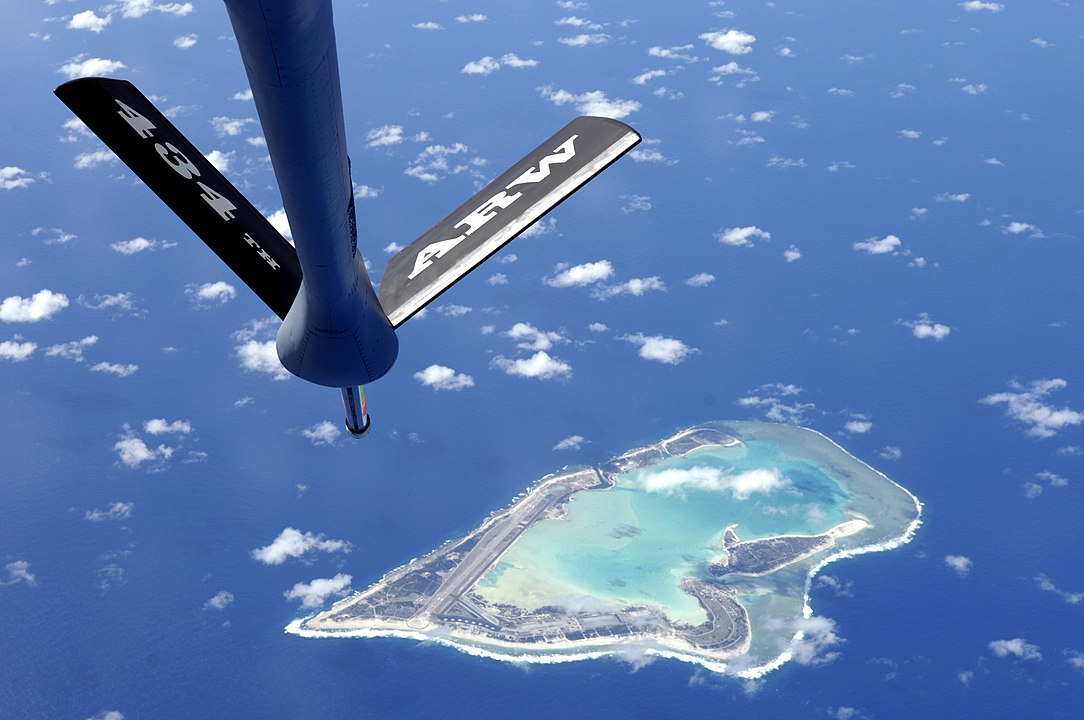
Wake Atoll is a tiny ring of land in a huge ocean, and its protection depends on limiting who arrives and what they bring. Public recreation is not an assumed right; entry is typically controlled through special permits and compatibility reviews that weigh biosecurity, waste handling, and the ability to monitor impacts on seabirds and shoreline habitat. Compared with a national park, where rules often manage crowds, Wake manages rarity, keeping landings exceptional so invasive pests, litter, and accidental disturbance do not become permanent problems in a place with little capacity to recover.
Amchitka Island, Alaska Maritime National Wildlife Refuge, Alaska
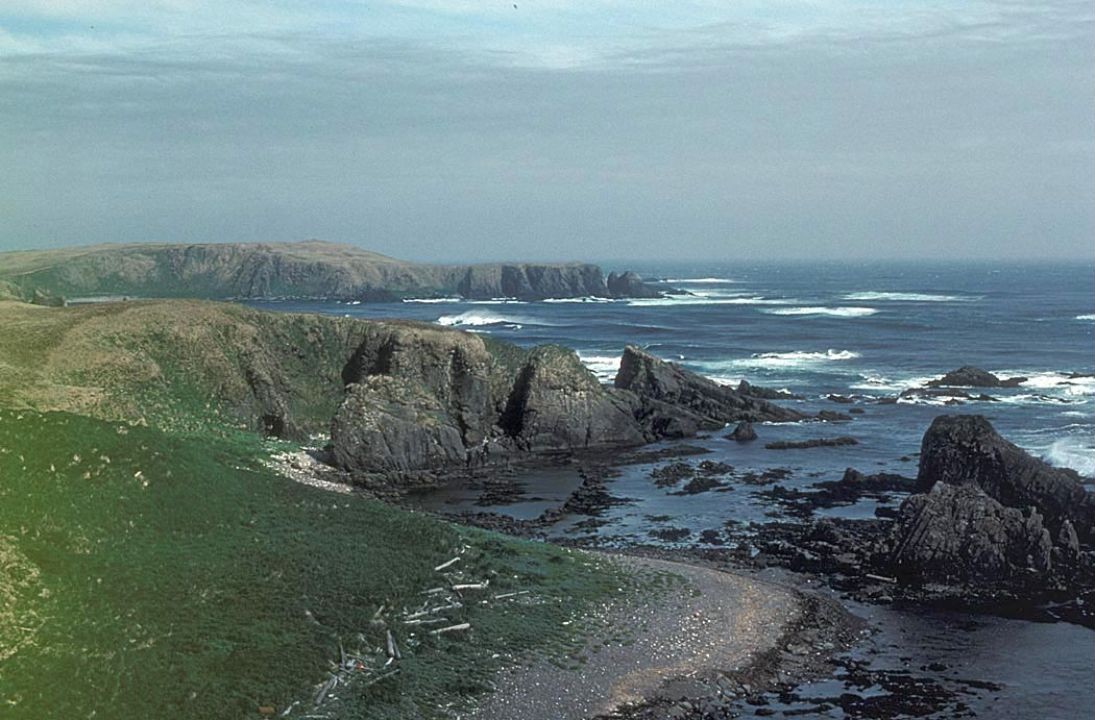
Amchitka is wild, storm-lashed, and historically sensitive, so the default posture is not visitation but restriction. Public access is not generally open, with entry typically requiring specific authorization tied to management needs, because the island’s remoteness makes enforcement difficult and any disturbance to seabird habitat can ripple across a short breeding season. Where national parks often allow backcountry travel under a standard permit, Amchitka leans toward keeping people out entirely, letting cliffs, tundra, and shorelines function without the steady churn of human footsteps and camp impacts.
Kīlauea Point National Wildlife Refuge, Kauaʻi, Hawaiʻi
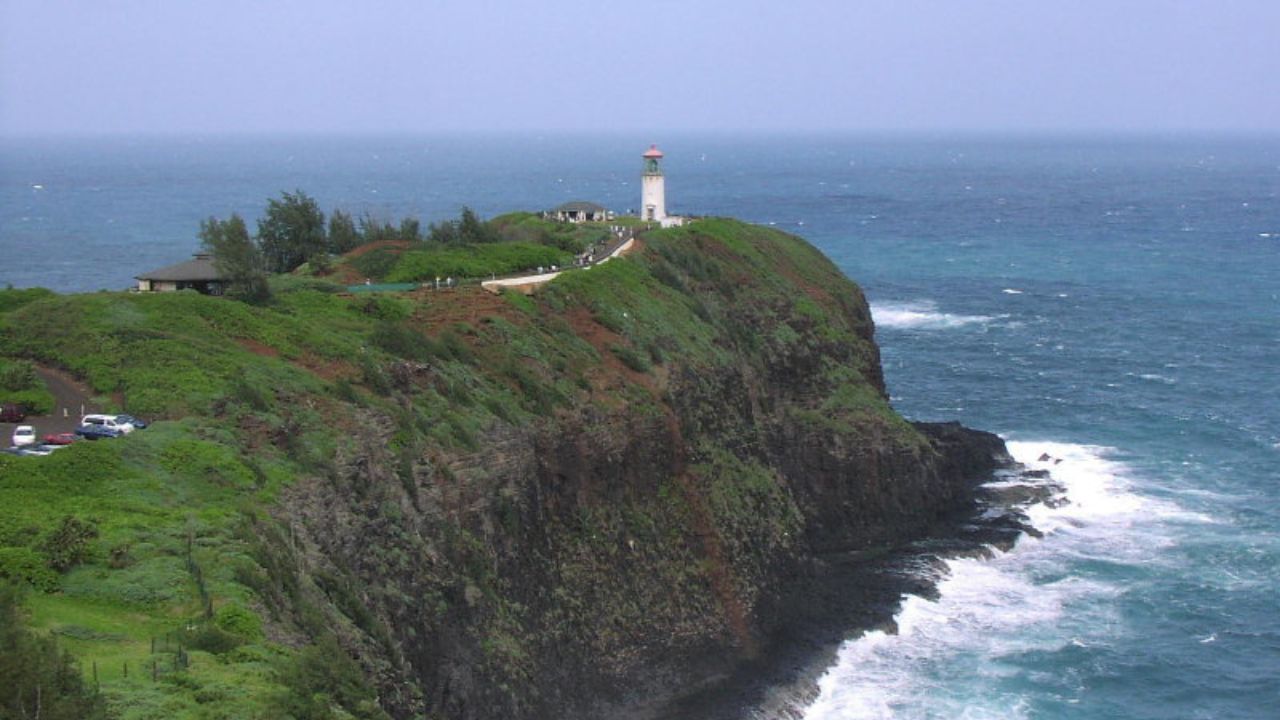
Kīlauea Point is famous for close-up seabird viewing, but the refuge manages access with a deliberate throttle. Entry is controlled through timed reservations and a hard daily capacity, with set hours and a last-entry cutoff that prevent crowd surges on narrow paths and cliff edges where birds nest, signage is limited, and winds can shift quickly. The structure feels stricter than many national parks, yet it is practical: fewer cars pile up, staff can keep visitors moving safely, and nesting areas stay calmer because the day is paced around wildlife needs, not impulse, even in peak season here.