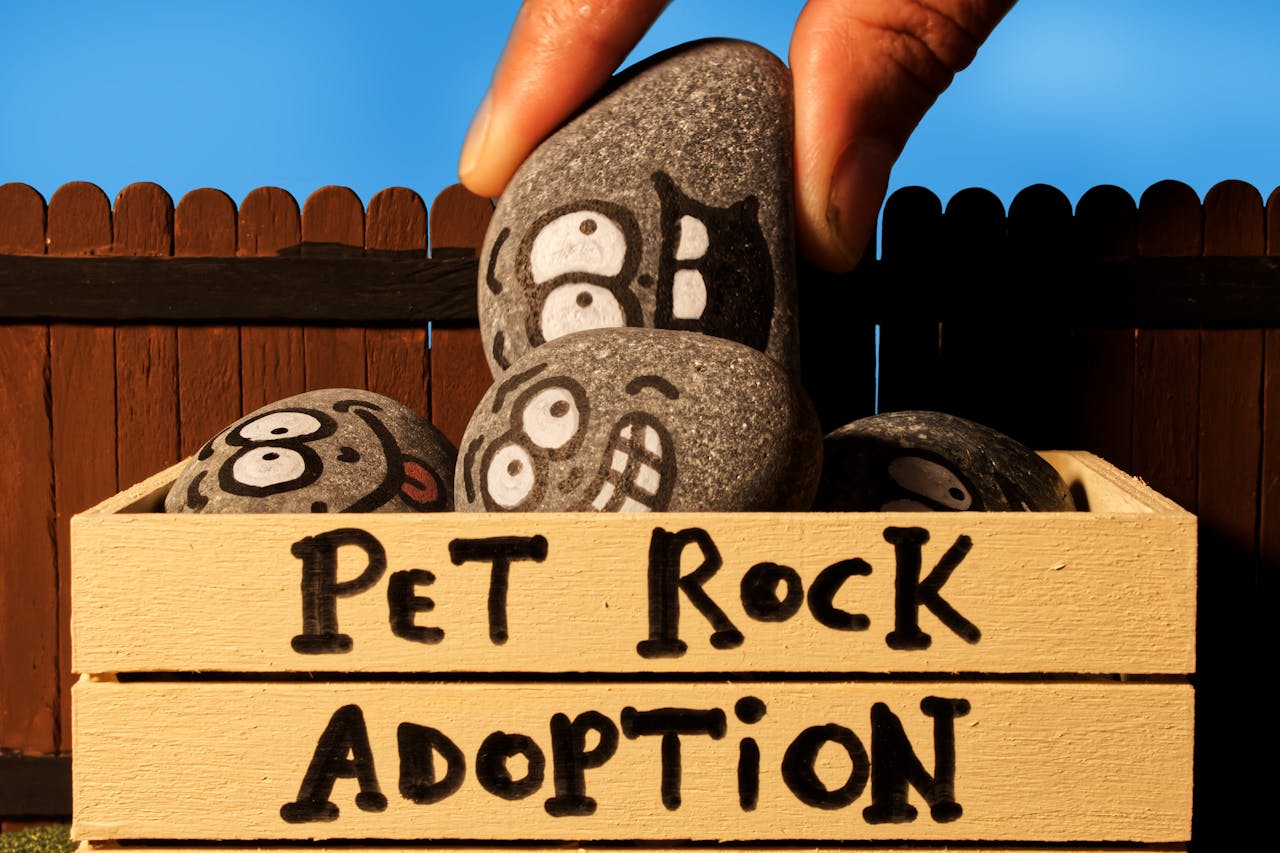
Pet Rocks landed in 1975 as a straight-faced gag that somehow felt comforting, not cynical. Advertising executive Gary Dahl sold an ordinary stone as a “pet,” tucked into a pet-carrier-style box with ventilation holes, straw bedding, and a deadpan training booklet titled “The Care and Training of Your Pet Rock.” The joke worked because it invited people to treat something everyday as worthy of a name, a place on the shelf, and a small ritual. In a decade shaded by inflation worries and post-Watergate fatigue, harmless absurdity read like relief. The rocks were priced just under $4 and moved fast in their initial run, becoming a brief national craze that people still remember with a grin.
Low-Maintenance Felt Like a Luxury
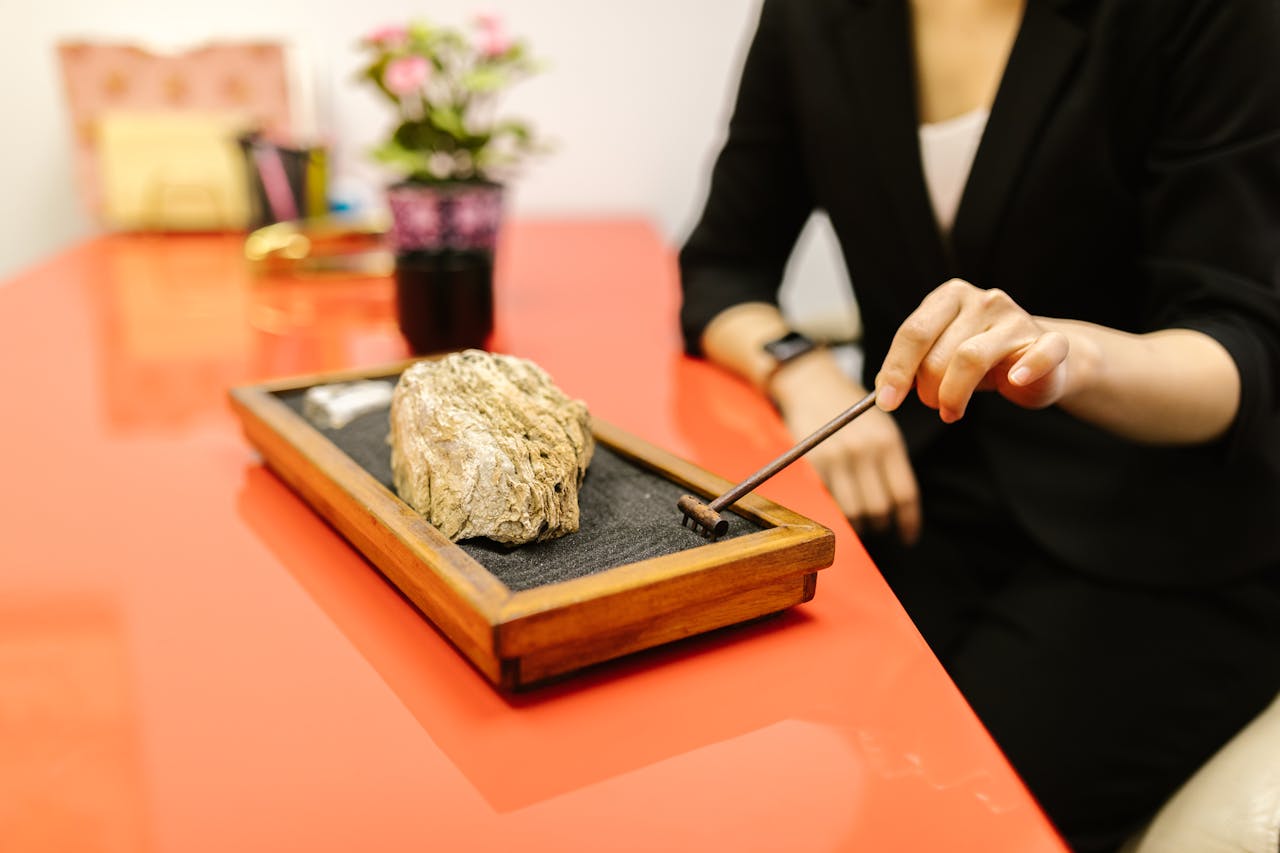
Real pets meant vet bills, chewed shoes, shed hair in the car, and the low-grade guilt of forgetting a walk after a long shift. In a decade when budgets felt tense and nerves felt raw, the Pet Rock pitched the opposite bargain: affection as a joke, care as make-believe, and zero chance of a mess on the carpet or a call from the neighbor. Set on a desk beside a coffee mug, a stack of bills, and a humming radio, it delivered a quiet, steady punch line that never demanded attention, never got sick, and still made a tired room feel lighter, almost organized, even when everything else felt unpredictable and loud most days.
Packaging Made It Feel Real Enough
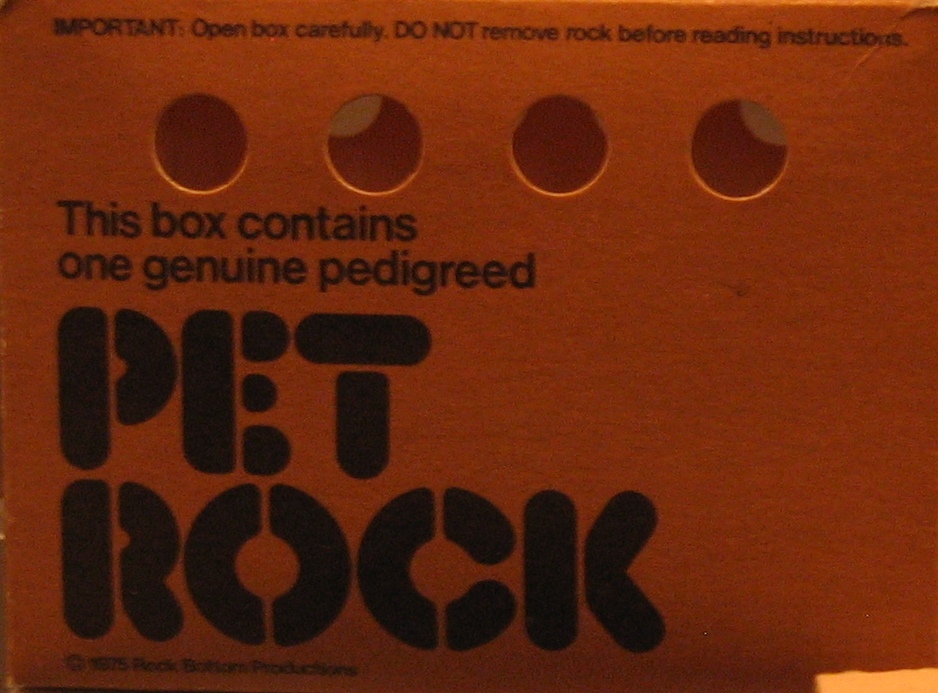
The carrier-style box did more than hold a stone; it staged an adoption scene in miniature, complete with ventilation holes, printed graphics, and straw bedding. That small piece of theater made the purchase feel like play instead of a prank, because the rock arrived with a home, a journey, and a role in the household’s daily backdrop, like a new roommate who never talks. Left on a shelf, a dorm dresser, or an office credenza, the box invited questions, and every question let the owner perform the gag with a calm face while the audience caught up, laughed at themselves, and asked where to buy one for their own desk, too.
The Training Manual Gave Everyone a Script

Dahl’s booklet “The Care and Training of Your Pet Rock” turned the concept into a routine people could repeat, not a one-time punch line that died after the first laugh. It borrowed the voice of earnest pet guides, then leaned into “commands” like stay and sit that a rock would obey with perfect seriousness, making deadpan delivery almost effortless even for shy owners. Owners read, paused, and let the stillness land, and that shared script helped the joke travel from dorm rooms to break rooms to dinner parties, where anyone could join in, add a name, and keep the bit going until the room was smiling and the coffee got cold.
It Matched the Post-Watergate Mood
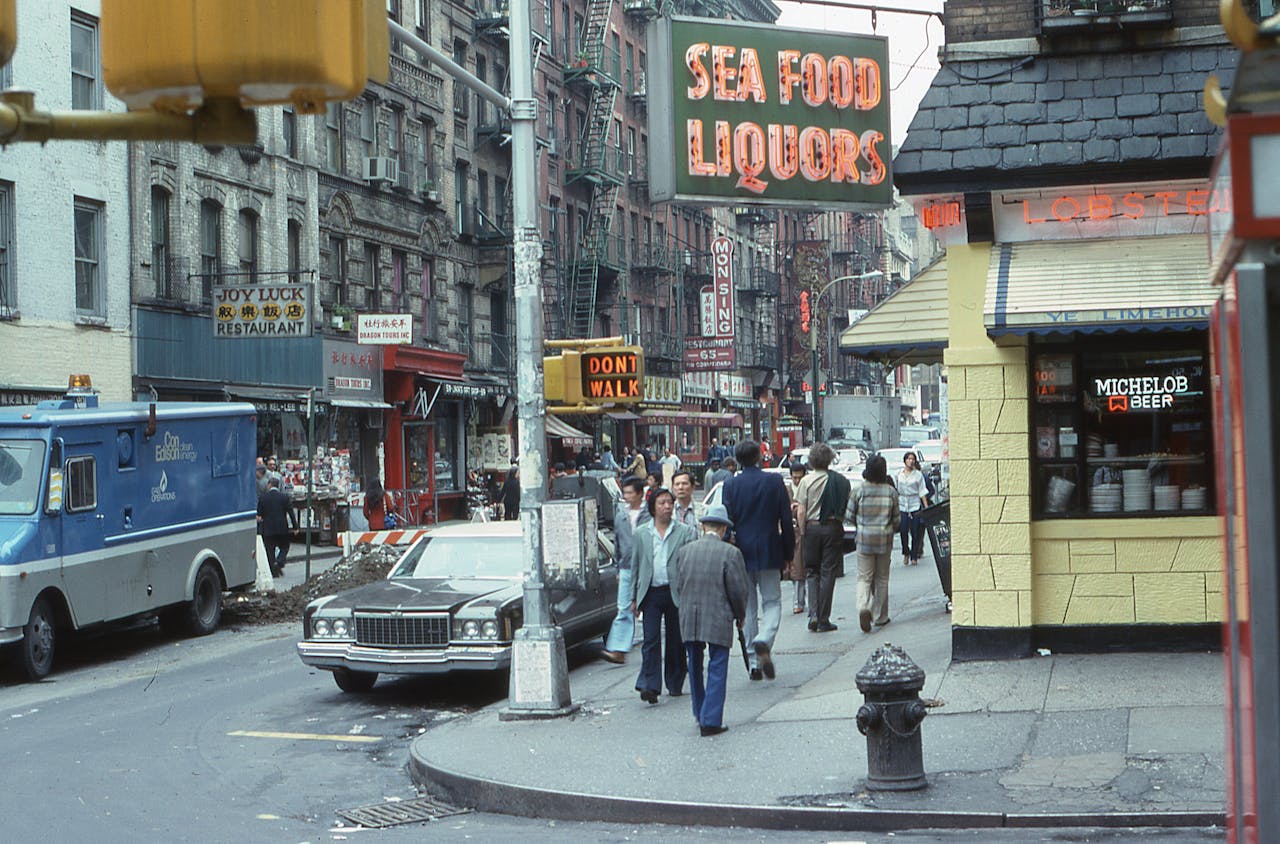
By the mid-1970s, many Americans were worn down by scandal, inflation, and news that felt heavy even on quiet weeknights at home. The Pet Rock offered relief that did not pick a side or poke a target; it was absurd, harmless, and strangely soothing in its certainty, like a joke that could not escalate into an argument or ruin a family gathering. Retrospectives have framed it as tongue-in-cheek comfort for a post-Watergate world, and that fits: it let people share a laugh together, briefly, without debating what to believe, who to trust, or what tomorrow’s headline might bring through the door at breakfast for once.
It Was a Gag Gift With Perfect Timing

Priced just under $4, the Pet Rock sat in the sweet spot for impulse buys, office swaps, and stocking stuffers when gift lists ran long and wallets felt cautious. It arrived pre-packaged as a story, so the handoff became a tiny performance, complete with the reveal of straw bedding, the carrier box, and the straight-faced manual like a comedy kit in a shoebox. Recipients could name it, park it beside a lamp or stapler, and retell the origin tale at the next gathering, which kept the joke circulating long after the wrapping paper hit the trash, the party ended, and winter settled in across the neighborhood streets.
It Let People Join a Trend Without Commitment

Most fads ask for space, skill, or spending that keeps going, and that pressure makes people hesitate, especially when the trend feels like it might vanish by spring. A Pet Rock asked for imagination and a straight face, nothing more, so even skeptics could participate without changing a routine, cleaning up, or explaining a new hobby to anyone who rolled their eyes. Because commitment was essentially zero, the craze moved quickly through schools and workplaces, and it never punished anyone for dropping out the moment the joke wore thin, leaving only a harmless souvenir, a desk companion, and a story to retell at lunch.
It Turned Boredom Into Play

The rock was intentionally blank, and blank objects are magnets for projection, which is why naming it felt oddly satisfying and a little private. A “home” made from a shoebox, a mock leash, or a tiny spot on the TV stand turned ordinary afternoons into small rituals, letting families and roommates build comedy from almost nothing, one straight-faced introduction at a time. The humor stayed quiet, so it worked in waiting rooms, cubicles, and family dinners, giving adults permission to be silly in public while still sounding like they were in on something clever, controlled, and perfectly safe around anyone, even a boss.
Retail Simplicity Helped It Spread Fast

Retailers love items that are easy to stock, easy to explain, and hard to return, and the Pet Rock checked every box while looking good in a small countertop display. It first appeared in 1975 at a San Francisco trade show, where the packaging communicated the joke in seconds and retailers placed orders because customers would understand it instantly, without a sales pitch. By the holidays, boxes clustered near registers and gift racks, and the crowd did the marketing: curiosity, laughter, and one more add-on tossed onto the pile at checkout when lines were long and everyone wanted an easy win to carry home to someone else.
It Proved Marketing Could Be the Product

The stone was ordinary by design, which kept the joke clean. What people paid for was the framing: the carrier box, the bedding, and permission to treat absurdity as a small comfort with a label. During the initial burst, sales ran into the millions, proof that a shared mood can move faster than logic when the story is simple, the prop is small, and the packaging makes the point fast. The Pet Rock faded, but the lesson stuck in pop culture: sometimes the narrative is the product, and everyone is happy to buy the punch line, carry it home, and pass it around at work the next morning with a straight face, without breaking character.