
Before status updates and disappearing messages, a notebook could hold a secret life. Teens tucked pages beneath mattresses, inside desk drawers, or behind paperback covers, then returned after school to unload crushes, worries, and ambitions in ink. The act was physical: the drag of a ballpoint, the smudge on a fingertip, the pause to listen for footsteps. Some journals were ornate keepsakes, others plain composition books, but each became a portable room of one’s own. Entries tracked milestones like finals week, a first job interview, a summer camp goodbye, or a new CD on repeat. Over time, the pages formed timelines of friendship drama, family rules, and small victories that rarely made it into conversation.
Lock-and-Key Diaries

A tiny lock felt like armor, even when it was more decoration than defense, and that mattered to teens who lived with constant interruption and shared bedrooms. Key diaries, often birthday gifts with glossy covers, signaled privacy to siblings, parents, and nosy friends, and that signal made honesty easier, from crushes to fights to the quiet fear of not fitting in. The routine became a ceremony: the key hid in a sock drawer, real names became code names, a pressed sticker or sketch filled the margin, and the clasp snapped shut, ready to be reread later like proof that feelings could change, safely, without anyone overhearing.
Composition Notebooks Disguised as Schoolwork
The plain composition notebook was the stealth choice, indistinguishable from homework at a glance, and cheap enough to replace without questions. Many teens started with class notes, then let private entries slowly take over, dated in a corner like a headline, written on the bus, in the library, or at the kitchen table after dinner, before it slid back under textbooks when footsteps approached. Coffee rings, doodled margins, folded pages, and ink from borrowed pens turned it into a physical timeline, and some taped in a note, a photo strip, a band flyer, or a detention slip so the scuffs and clutter narrated alongside the words.
Letter-Style Entries to a Future Self
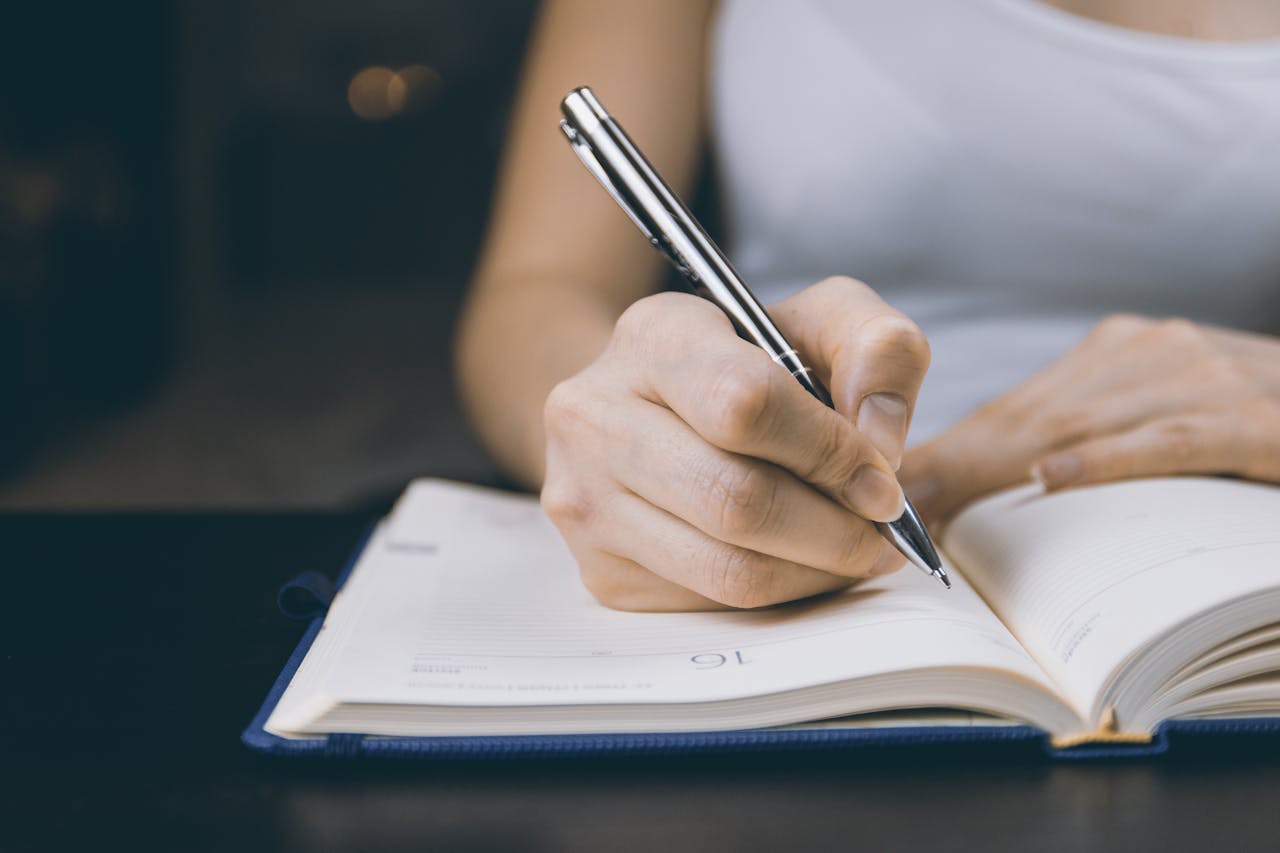
Some journals sounded like letters, not logs, because a direct address made the blank page feel less like homework and more like a steady witness at the end of the day. Teens opened with Dear Diary, then shifted into notes for a future self, adding salutations, dates, and small updates about school, friends, and home, especially when feelings were too sharp for dinner-table conversation. The letter voice held contradictions without forcing a tidy lesson, letting jealousy, guilt, excitement, relief, and grief sit side by side, and signing off with a nickname turned the entry into a promise to return and see how the story changed.
Scrapbook Pages of Tickets, Photos, and Proof
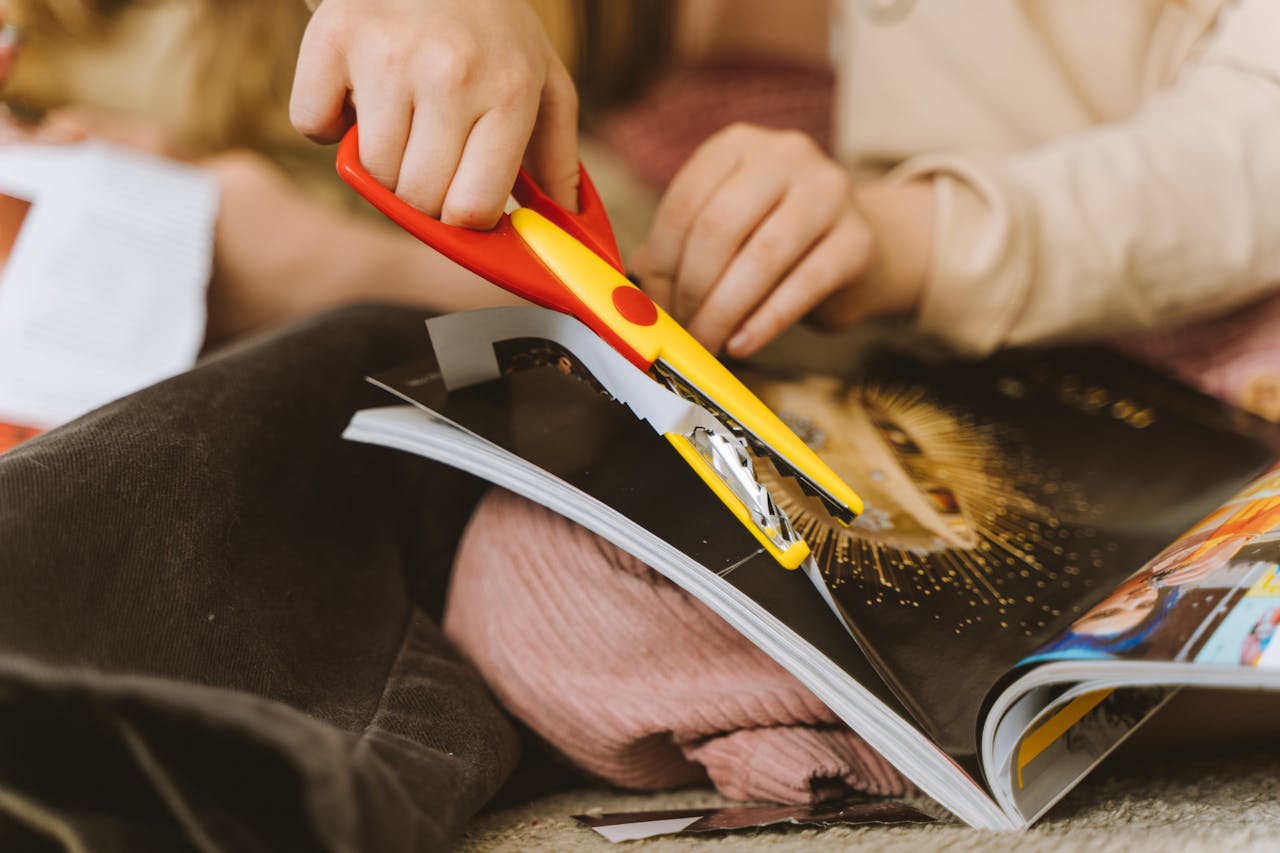
Journaling often turned into collage, especially after dances, trips, or big weekends, when a camera was rare and memory felt unreliable. Ticket stubs, wristbands, report cards, tiny photos, and pressed flowers were taped beside paragraphs, with arrows and captions explaining why a small scrap mattered, and glue added the satisfying bulk of a lived-in page that had to dry under a heavy book. The artifacts caught what memory drops first, like a movie time, a bus fare, a cafeteria receipt, or the spelling of a new friend’s last name, and sometimes a sticker or perfume sample lingered, so a quiet page still carried the whole scene.
Pass-Around Journals Shared With Friends

Friend-group journals worked like shared secrets that moved hand to hand, turning privacy into a chosen kind of closeness. One notebook rotated through lockers, lunch tables, and sleepovers, and each teen added a page of confessions, sketches, jokes, playlists, and gentle dares, often in glitter gel pen, with rules like no ripping pages, no snitching, and no reading ahead. The best spreads sounded like a room full of voices, each handwriting style instantly recognizable, and when the group drifted or fought, the notebook still held apologies, inside jokes, and that whole season intact, proof that friendship once felt permanent.
Dream Journals Kept by the Bed

A dream journal waited within reach of the bed, ready for half-awake handwriting before morning responsibilities took over and the details slipped away. Teens tried to catch images before daylight erased them, describing impossible hallways, repeating symbols, or a familiar face in a place that never existed, then adding a time stamp from the bedside clock and noting whether the dream felt heavy, bright, or strangely comforting. Over time, patterns appeared around stress, crushes, exams, and family changes, and later entries sometimes circled earlier symbols, decoding scribbles into meaning and making the next day feel less random.
Music Notebooks for Lyrics and Tracklists

Music kept its own notebooks, part diary and part archive, because songs carried feelings that were hard to name directly. Teens copied lyrics from CD booklets or the radio, crossed out mistakes, wrote mixtape tracklists, ranked albums, and logged who lent which tape, then added side notes about the bus ride, the breakup, or the friend who first played the song in a dark bedroom after a long day. A chorus became emotional shorthand, and band logos in the margins turned pages into little posters, so flipping back later felt like pressing play on the past, where one remembered line could restore an entire month in full color.
Planner Margins Turned Into Coded Diaries

Planners became secret diaries in disguise because they belonged on a desk and looked responsibly boring to adults. Teens tucked emotions into margins with tiny handwriting, symbols, and color codes: a star after a good conversation, a scribble after a bad test, a single word when everything felt loud, and a highlighted block when a day needed to be forgotten, all wedged between homework and practice. The format forced honesty into small squares, so the notes stayed sharp, more like captions than essays, and later, during a quiet weekend, the marks could be decoded to see how moods and friendships rose and fell across the month.
Bundles of Folded Notes Saved Like Archives
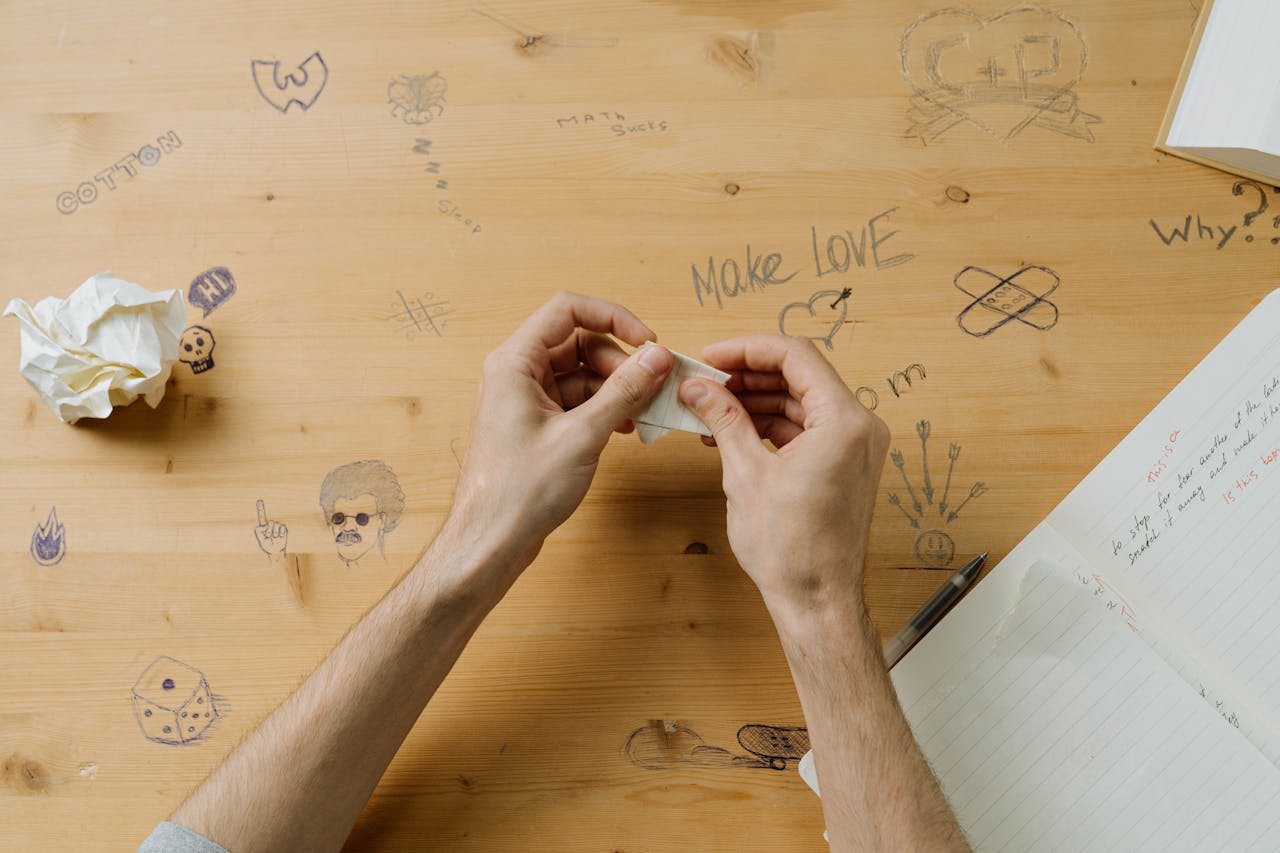
Loose notes became archives when journaling happened in fragments, especially at school where backpacks got shared and desks got searched. Teens saved folded hallway messages, passed-in-class letters, and long pages written late at night, then bundled them with rubber bands or tucked them into shoeboxes, sometimes labeling piles by year or by name and hiding the most important ones in envelopes. Some notes were copied into a main journal later, but many stayed in original form, complete with crossed-out lines, doodles, pencil smudges, and pressure marks, and rereading them years on could bring familiar voices back into the room.