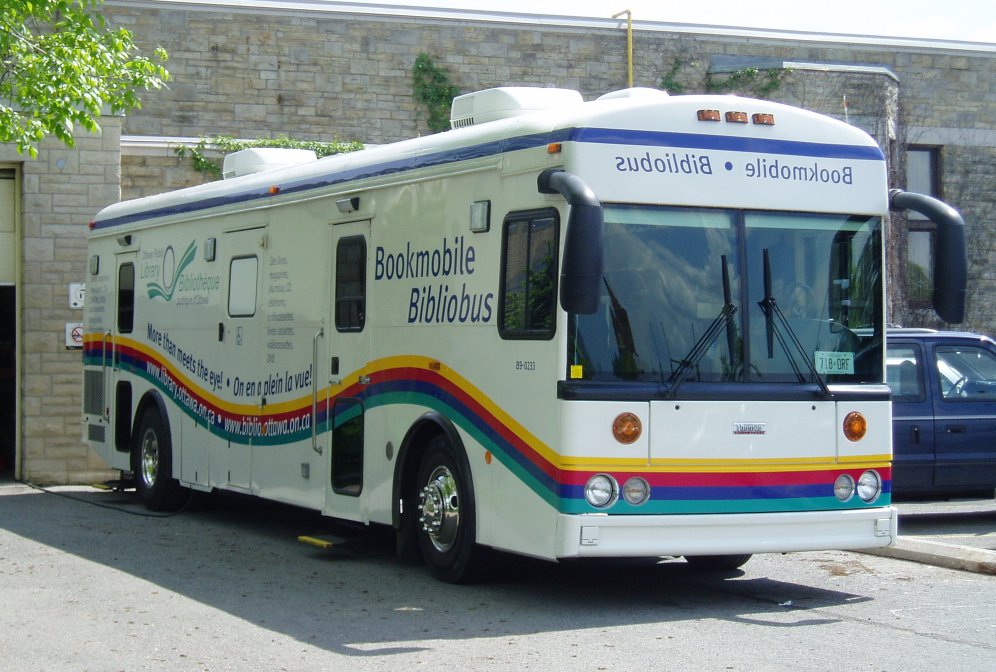
Bookmobiles arrived like a small parade, turning an ordinary weekday into a quiet event worth waiting for. In towns where the library sat miles away, a painted van full of paperbacks and picture books became the nearest doorway to bigger worlds. The driver knew which porch had a new baby, which farm kid loved mysteries, and who needed large-print editions without being asked. Kids climbed the steps with sticky hands and serious faces, while adults swapped weather notes beside the curb. Schedules were taped to fridges, and the sound of brakes on gravel meant stories were back in town. More than a service, the rolling library carried attention, routine, and the feeling that every road deserved a stop.
They Turned Distance Into Access
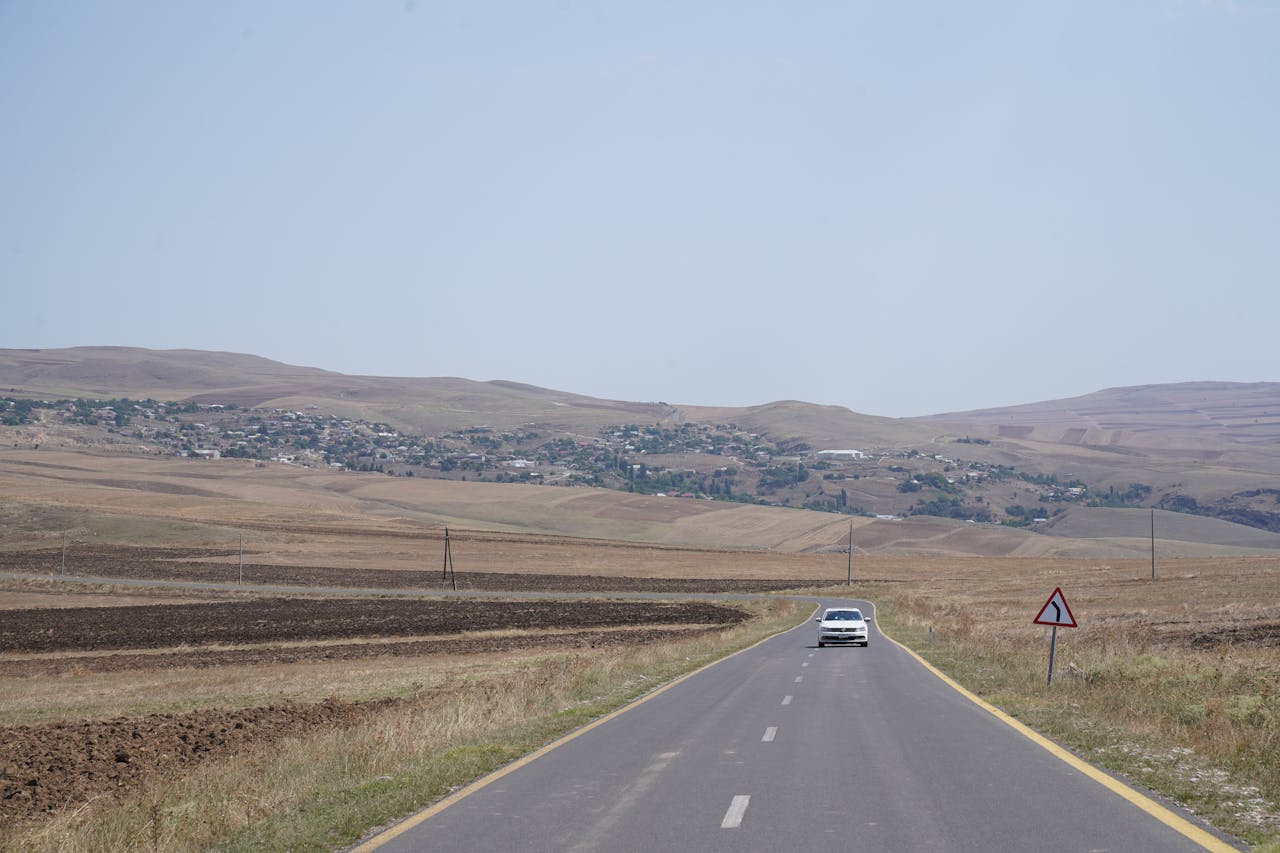
For families beyond town limits, the bookmobile fixed a simple problem: getting books without burning a tank of gas. It rolled into gravel pull-offs, trailer parks, and farm lanes on a posted loop, even when snowbanks narrowed the road or August heat turned the cab into an oven, and the stop became a small gathering spot by the roadside. That consistency made borrowing feel dependable; when the van arrived at 3:30 p.m., holds appeared in a crate, returns slid into bins, request slips were saved for next time, due dates were stamped, and households left with something new, from board books to large-print mysteries and audiobooks.
The Driver Was Part Librarian, Part Neighbor
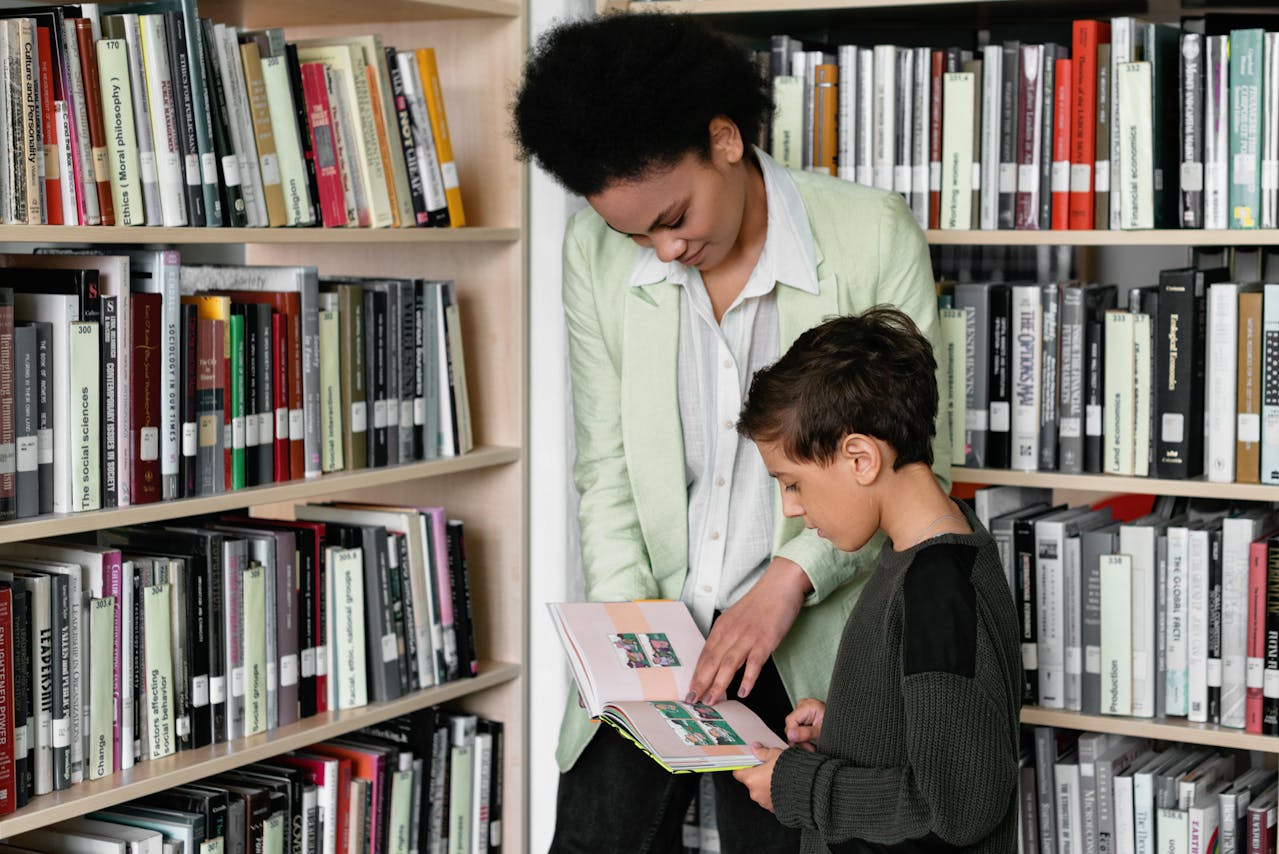
Bookmobile staff learned tastes the way diners learned regular orders, and that memory landed with real warmth. A teen’s switch from fantasy to biographies, a retiree’s loyalty to westerns, and a kid’s dinosaur phase stayed in a head, along with who needed large print, who preferred audiobooks, and who was practicing English after dinner. Recommendations came as conversation, not salesmanship; staff also knew when to keep it quiet, slipping sensitive requests into a bag, waiving a small fine, and jotting down holds to order from the main branch, so the next visit felt like someone had been paying attention all week, in the best way.
The Schedule Became A Local Ritual

Stops were timed like church bells and ballgames, marked on kitchen calendars beside school menus and utility reminders. The printed route lived on fridges, post-office boards, and phone poles, and people planned errands around it because missing a visit meant waiting another week or two, with holds sent back to the branch if nobody claimed them. When the brakes hissed on gravel, kids ran out first and adults drifted over after, and talk started instantly: who finished “Charlotte’s Web,” which author surprised them, what the librarian saved behind the counter, and whether a neighbor needed a ride home with a paper bag of books.
Kids Learned Independence One Checkout Slip At A Time
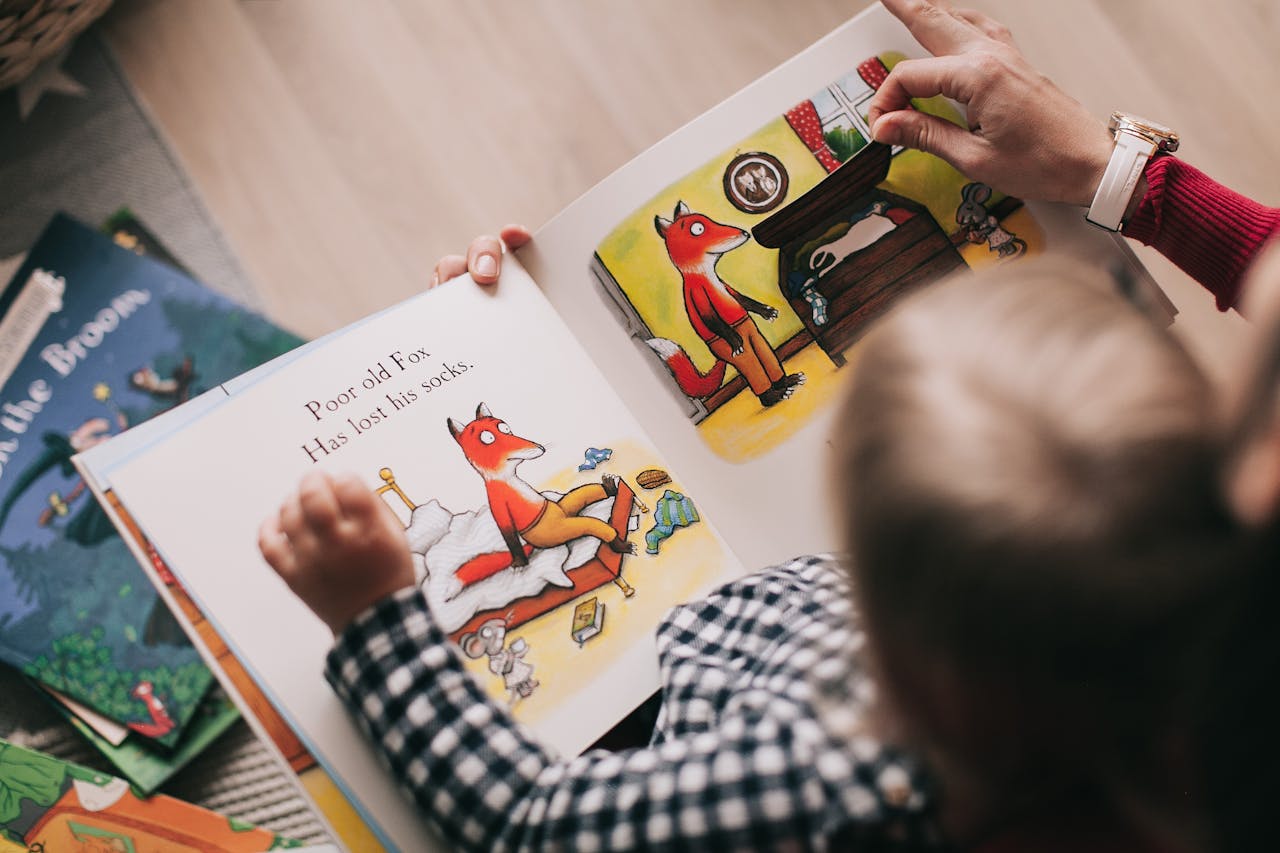
The bookmobile made reading feel like a choice, not an assignment, because browsing happened at eye level and at a kid’s pace. Children picked without a parent hovering, asked for something funny or scary, learned series order, signed their names, and heard the date stamp thump like a small drum. They counted coins for a small fine, tucked a card into a pocket, and scribbled a hold request for next time, practicing independence in a low-stakes place; the paper bag rode home in a backpack, flashlights came out at night, the next visit had something waiting, and returning a book on time felt like keeping a promise to the whole route.
It Made New Books Feel Like Treasure

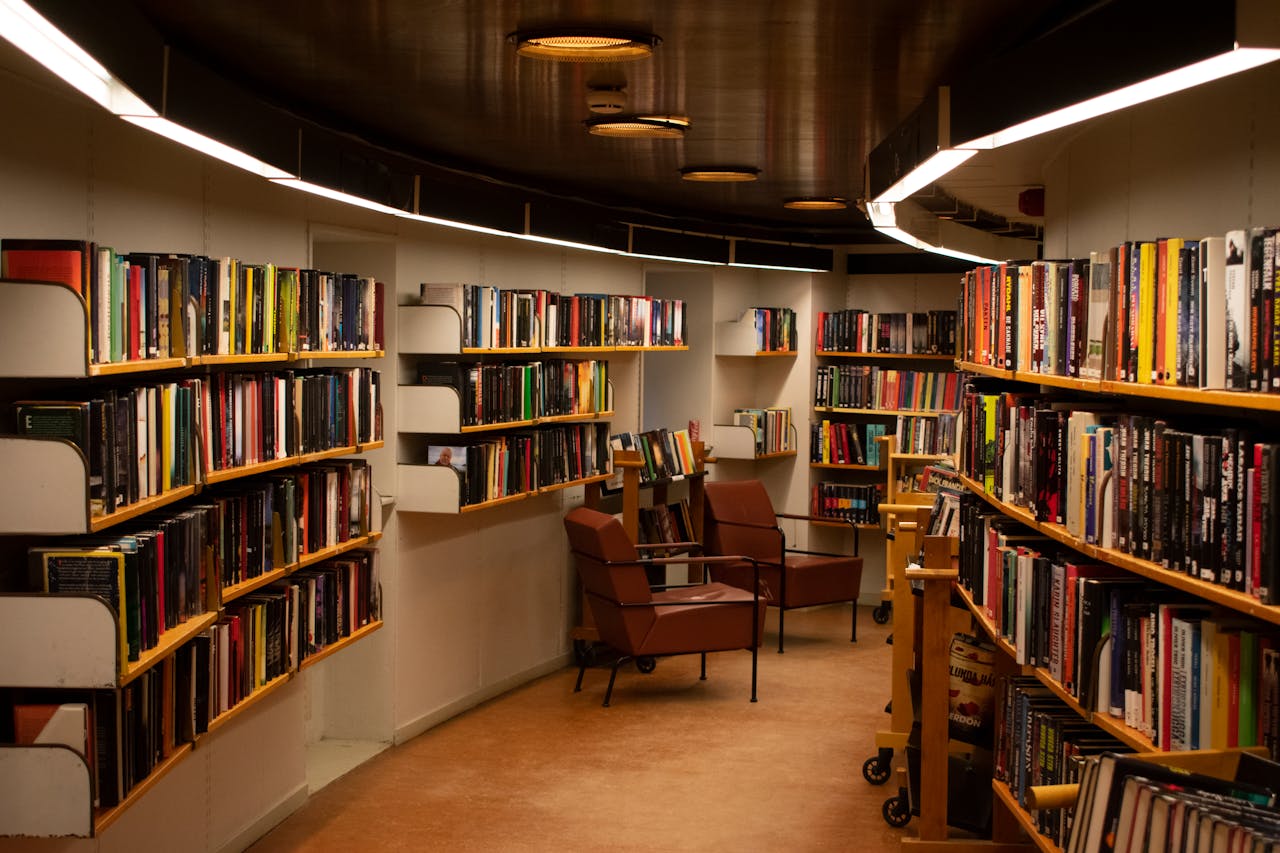
Inside, shelves were close, the air smelled faintly of paper and plastic covers, and every title looked louder than it did in a big building, with a small display rack that changed each stop. Limited space forced curation, so even reluctant readers bumped into something that fit: sports bios, spooky short stories, comics, or a mystery that started strong on page one. When a requested title showed up, it felt earned, as if the story had traveled just for one person; it came from the holds bin, slid into a reused grocery bag, rode home on a lap, and made a weeknight feel special at the table after dinner even before the first chapter.
It Quietly Supported Schools And Homeschoolers

Teachers treated the bookmobile as a traveling supply closet, grabbing nonfiction for science units and novels for reading circles when budgets were tight and the nearest branch was a long drive, often meeting it in a school parking lot. Homeschool families leaned on the rotating collection to keep lessons fresh without buying more, and librarians could order a stack on request, from state history to beginner chapter books, ready by the next visit. For students without internet, that stop offered reference titles, audiobooks, and patient guidance on sources, note taking, and summer reading logs that made progress feel visible.
It Welcomed Everyone Without Asking Too Much

A bookmobile stop required no dress code, no explanation, and no perfect day, which was exactly why it worked. People showed up in work boots, hospital scrubs, or pajamas, and the narrow aisle met them where they were, with ramps, handrails, and a pace that left room for questions, spelling help, and second tries without an audience. For residents dealing with loneliness, low literacy, or a tight budget, being greeted by name and offered real choices carried dignity; staff kept things discreet, found bilingual books for mixed households, and slipped a job guide or test prep book into a bag without making it a moment keeping it calm.
It Strengthened Community Memory
The rolling library carried more than books; it carried continuity, returning through seasons on the same roads with a familiar logo weathered by sun and salt. Patrons traded paperbacks, swapped local histories, and passed along news of births, graduations, and losses while waiting for a stamp, and the librarian heard it all with practiced discretion, tracking who moved away and who came back. Over time, the bookmobile settled into family timelines, showing up in school projects, reunion stories, and snapshots, tied to first library cards, summer reading stickers, and the quiet pride of being known on roads most maps barely labeled.
It Made Reading Feel Like An Event

Unlike a quiet branch, the bookmobile was a bright pop-up that visited the neighborhood, then vanished before the moment could drag. The cramped aisle encouraged quick chats about plots and characters, and the short visit made browsing feel urgent in a good way, like shopping with a timer while the line outside traded suggestions and held places for friends. When the door closed and the engine started, a hush followed on the sidewalk; kids waved through the window, dust lifted off the shoulder, and the town went back to itself carrying paperbacks, returned favorites, and a stamped promise that the stories would be back again soon.