12 Myths About Ancient Civilizations That Science Has Debunked

12 Myths About Ancient Civilizations That Science Has Debunked
Wikimedia Commons/Pexels
Myths about ancient civilizations still shape what people believe, but evidence and research reveal surprising truths that are even more fascinating.

Ancient civilizations have always fascinated people, but many myths surrounding them are based more on imagination than truth. Thanks to modern archaeology, carbon dating, and research across different fields, we now have clearer insights into what life was actually like. These discoveries don’t make the past any less exciting, but they help separate fact from long-standing fiction. Teens curious about history should know how myths can shape popular culture and how science works to uncover the real story.

1. The Pyramids Were Built by Slaves

Giza Pyramids
David McEachan/Pexels

Movies often suggest enslaved people built Egypt’s pyramids, but excavations around Giza uncovered workers’ villages showing otherwise. Evidence of wages, food supplies, and housing proves these workers were skilled laborers who took pride in their craft. Their burial sites near the pyramids further confirm their respected status, which would not have been granted to slaves. This myth likely grew from old writings, but research shows it was free Egyptians who built these monuments, not an oppressed labor force.

2. Vikings Wore Horned Helmets
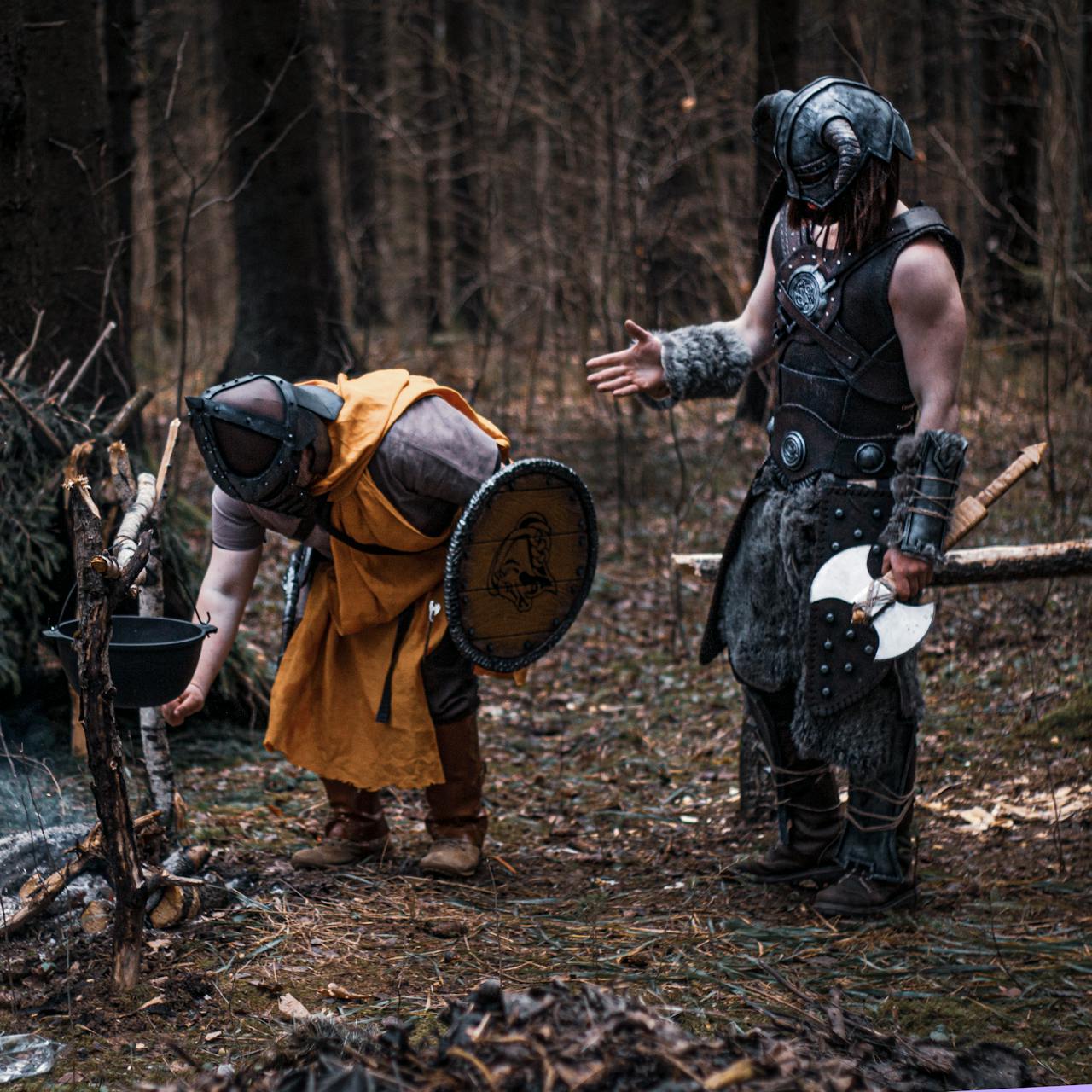
Vikings Wore Horned Helmets
Vincuk Konan/Pexels

Popular culture often shows Vikings in horned helmets, yet no such helmets have been found in archaeological digs. Real Viking helmets were practical, made of iron, and shaped to protect in battle. The horned image started in the 19th century when opera costumes used them for dramatic effect. Museums and digs in Scandinavia prove horned helmets never existed for Viking warriors, but the false image still appears in media today.

3. Romans Always Used Vomitoriums to Purge Food
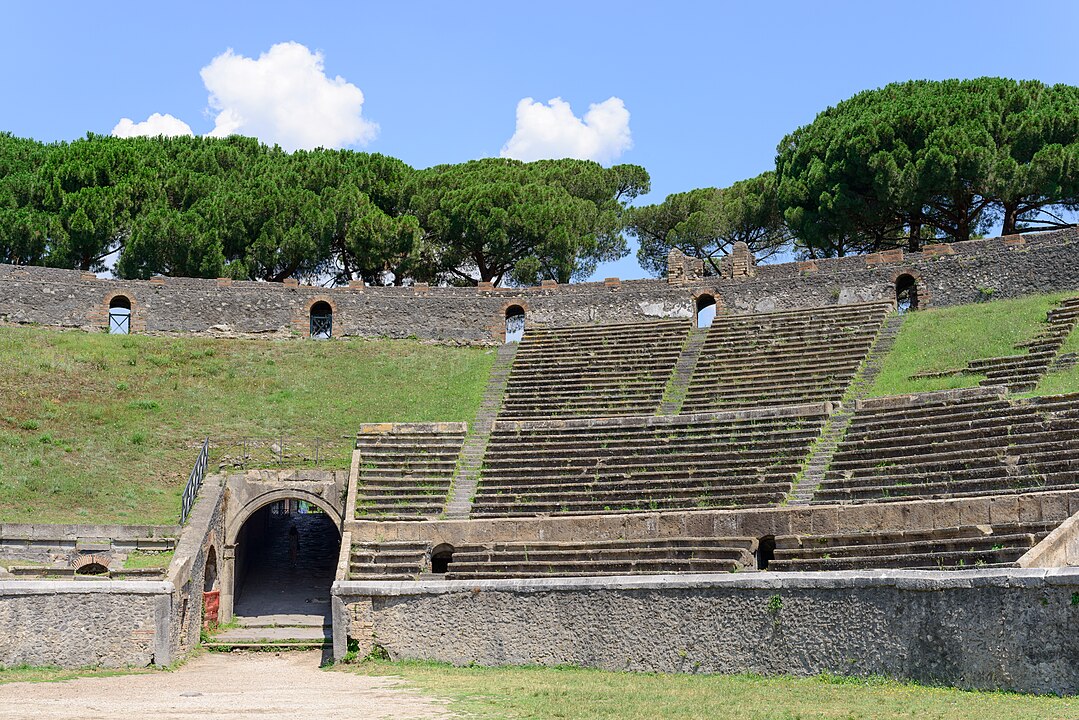
Romans Always Used Vomitoriums to Purge Food
Norbert Nagel, CC BY-SA 3.0/Wikimedia Commons

A common myth says Romans had special rooms to vomit after feasting. In reality, the word “vomitorium” referred to the entrances and exits of amphitheaters where crowds would “spew” out quickly. Archaeological studies and Roman texts confirm that no rooms were designed for purging meals. The idea was a later misunderstanding of Latin, but it became popular in stories about Roman excess.

4. People in the Middle Ages Thought the Earth Was Flat
Medieval People Thought the Earth Was Flat
Public Domain/Wikimedia Commons

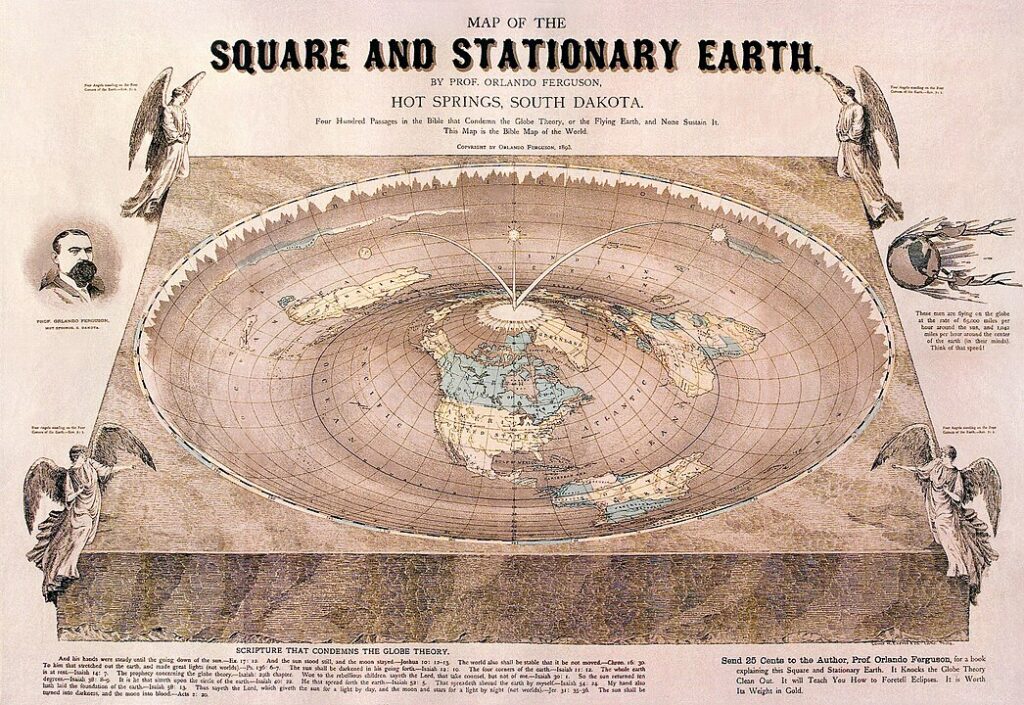
The belief that medieval Europeans thought the Earth was flat is untrue. Writings from scholars like Thomas Aquinas and records from universities in Paris show that the spherical Earth was already accepted knowledge. Sailors and navigators also relied on this fact. The myth started centuries later when writers exaggerated medieval ignorance. Research into medieval manuscripts reveals they understood Earth’s round shape long before Columbus sailed.

5. Cleopatra Was Egyptian
Cleopatra Was Egyptian
Sailko, CC BY 3.0/Wikimedia Commons

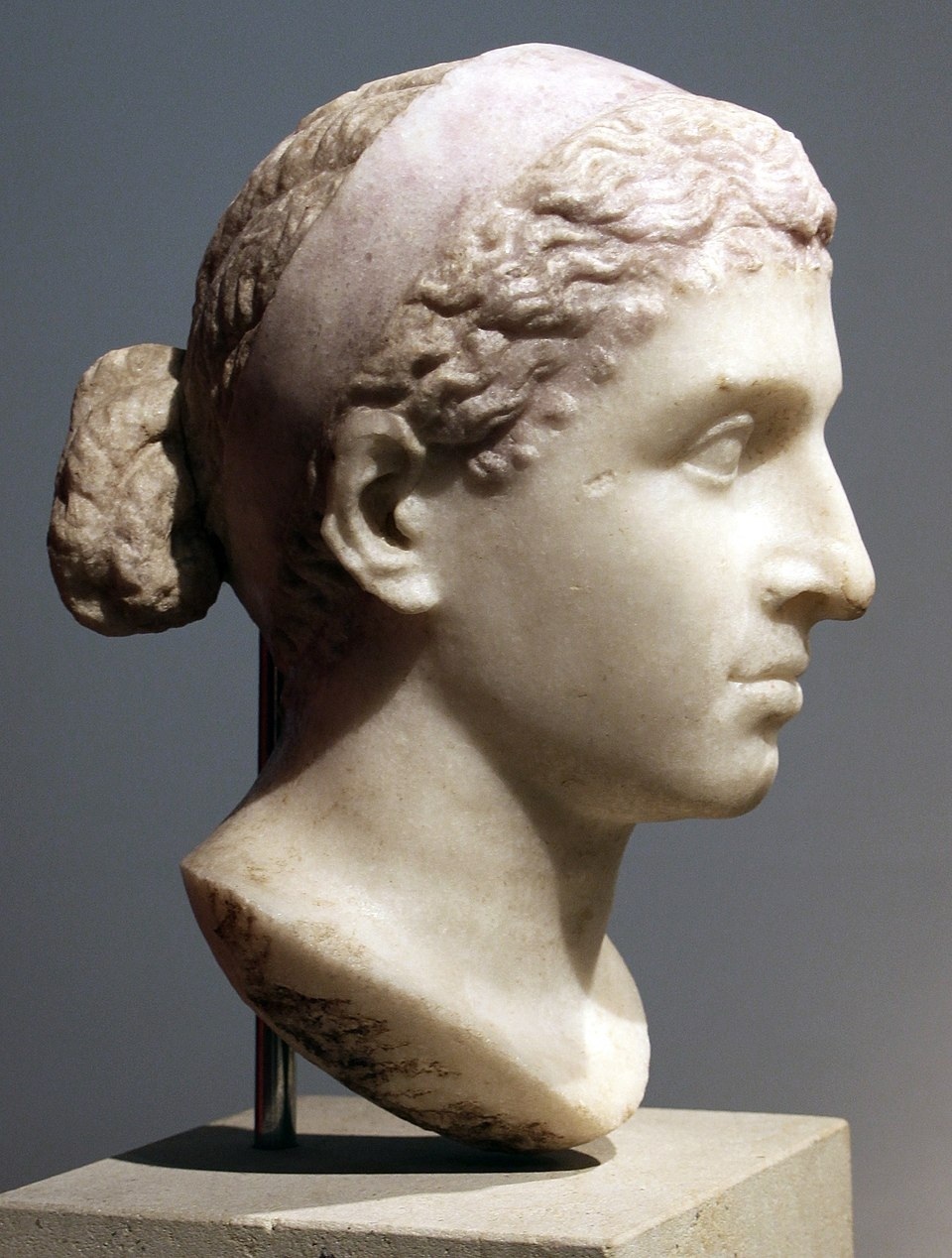
Cleopatra is often portrayed as fully Egyptian, but historical records and DNA evidence trace her ancestry to the Ptolemaic dynasty from Macedonia. While she ruled Egypt and embraced Egyptian culture, her bloodline was Greek. This blending of identities made her unique as both a foreign-born ruler and a leader who connected deeply with Egyptian traditions. The myth of Cleopatra as “purely Egyptian” shows how history often simplifies complex identities.

6. The Great Wall of China Is Visible from Space

The Great Wall of China is visible from space
heike2hx/Pixabay

Many people believe astronauts can see the Great Wall of China from space. Photos from the International Space Station show it is actually very difficult to spot without aid, since the wall blends into natural surroundings. NASA confirms this through astronaut reports, explaining that rivers, cities, and highways are much easier to see than the Wall. This myth spread through books and speeches but has been corrected with direct space imagery.

7. Mayan Civilization Predicted the 2012 Apocalypse
Mayan Civilization Predicted the 2012 Apocalypse
Tom Fortunato, CC BY 2.0/Wikimedia Commons

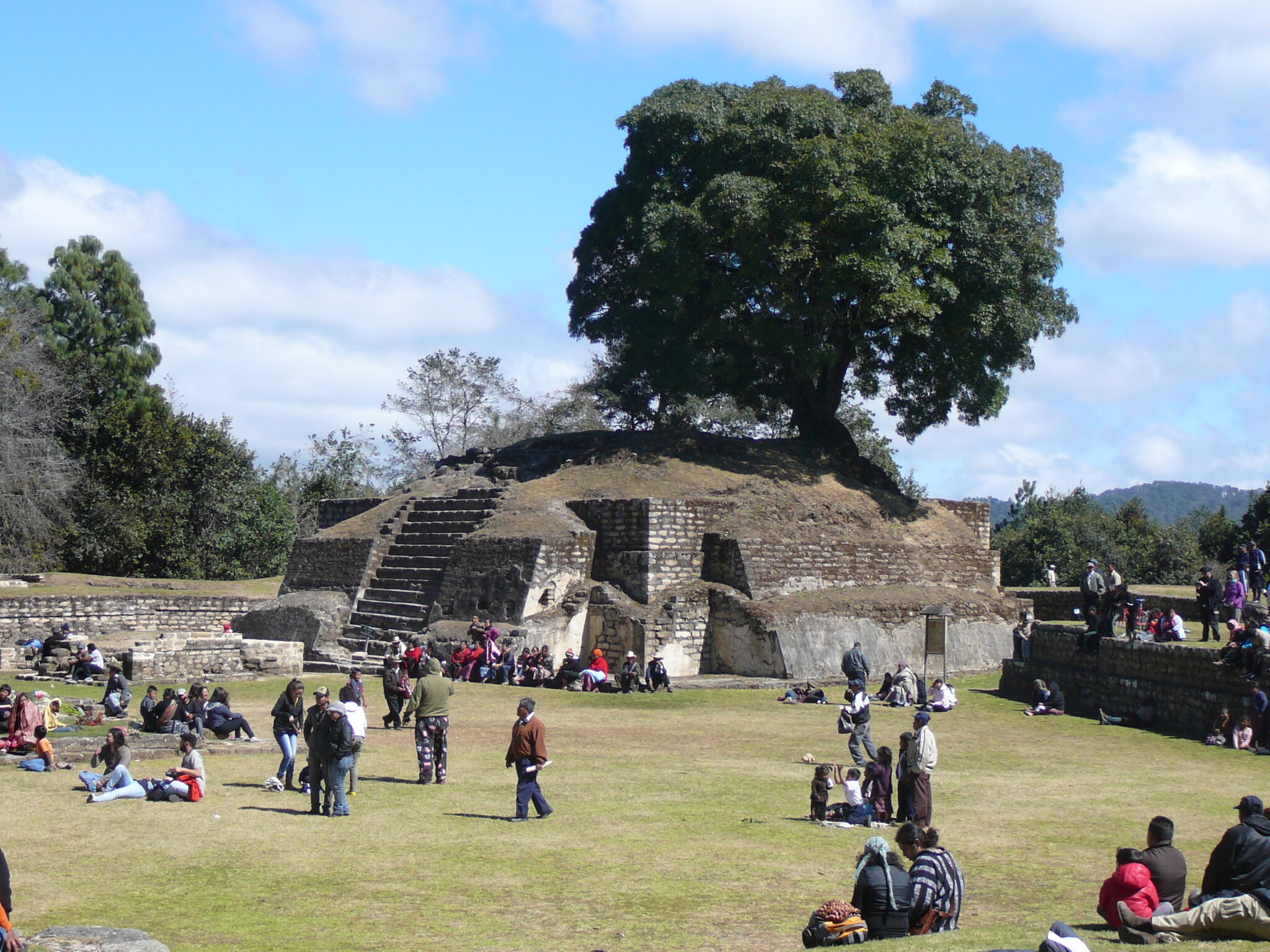
The claim that Mayans predicted the world would end in 2012 came from misinterpreting their calendar. Archaeologists studying Mayan inscriptions explain that December 2012 marked the end of a calendar cycle, not humanity. In Mayan culture, time was cyclical, so the date signaled renewal rather than destruction. Research of Mayan codices and stelae proves there is no evidence that they expected an apocalyptic event.

8. Stonehenge Was Built by Druids
Stonehenge Was Built by Druids
garethwiscombe, CC BY 2.0/Wikimedia Commons

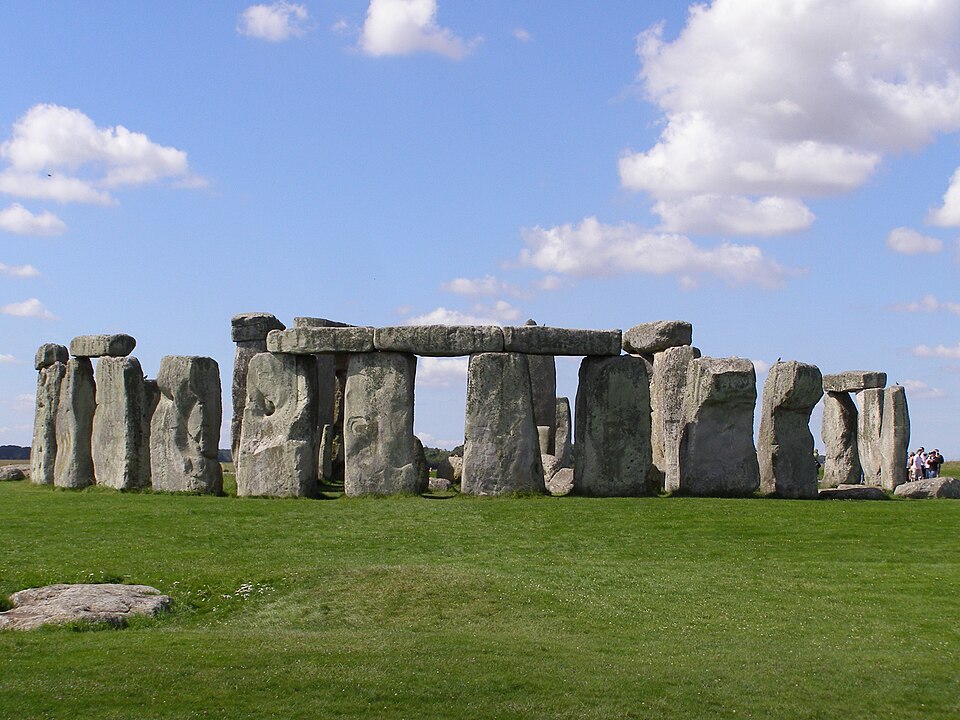
Stonehenge is often linked with Celtic Druids, but radiocarbon dating shows the monument is much older, built around 2500 BCE. Druids appeared over a thousand years later, making it impossible for them to have constructed it. Archaeological digs at Stonehenge reveal the use of Neolithic tools and burial practices, connecting it with prehistoric people instead. The Druid connection came from 17th and 18th-century writers who tried to explain the site before modern science.

9. Gladiators Fought to the Death in Every Battle
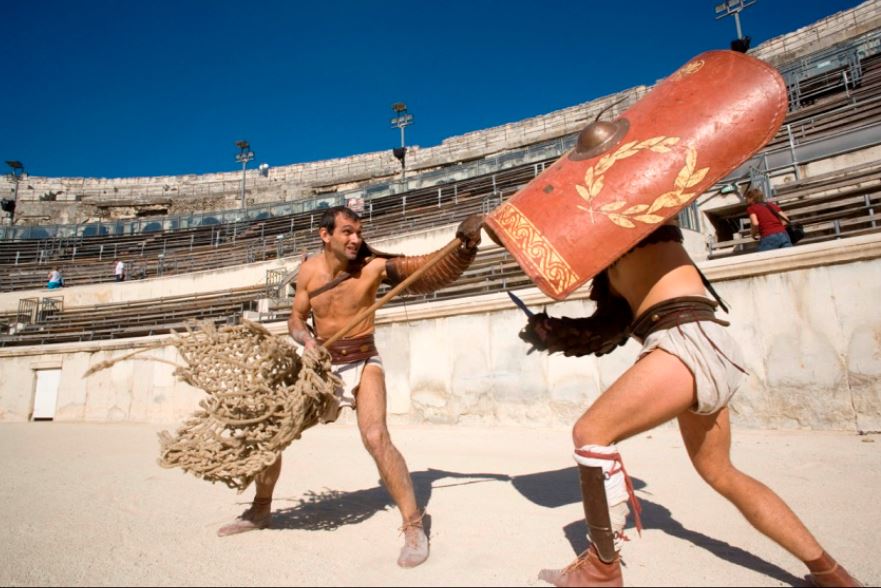
Gladiators Fought to the Death in Every Battle
Christophe Recoura, CC BY-SA 3.0/Wikimedia Commons

Hollywood often shows gladiators always fighting until someone dies, but inscriptions and Roman records reveal otherwise. Gladiators were valuable investments, and most contests ended before death. Evidence from ancient arenas and skeleton studies confirms that serious injuries happened, but survival was common. Matches were about skill, not constant bloodshed. The myth comes from exaggerated stories passed down to dramatize Roman entertainment.

10. Ancient People Had Short Lifespans Because They Were Weak
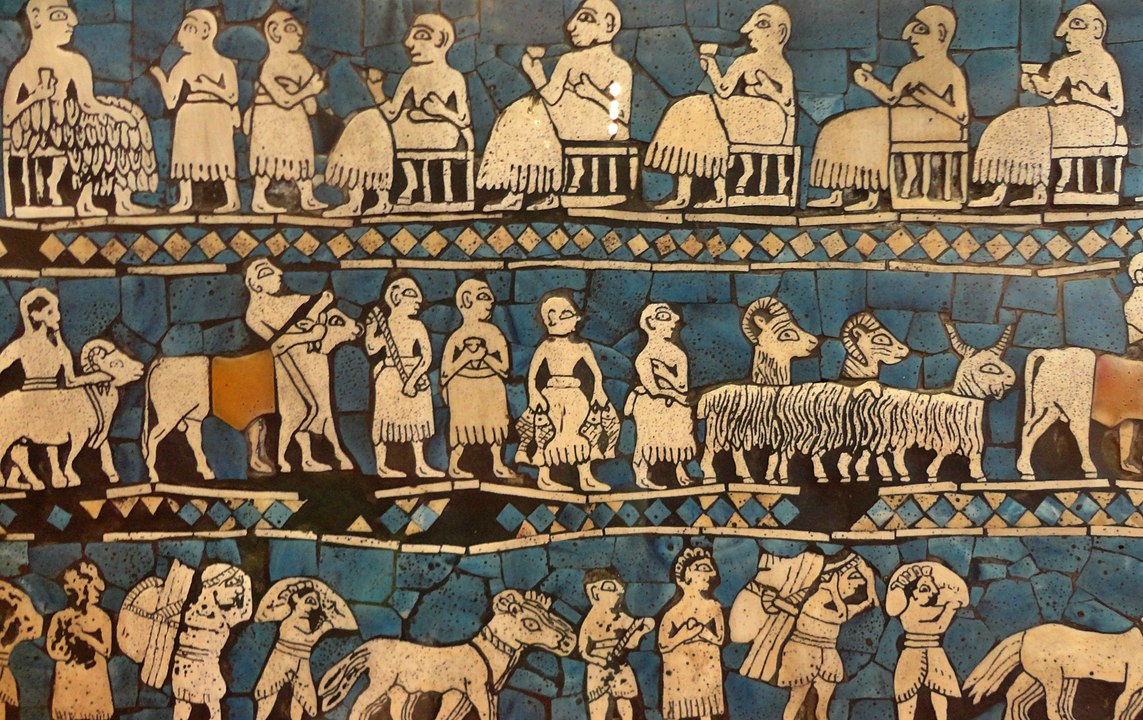
Ancient People Had Short Lifespans Because They Were Weak
Juan Carlos Fonseca Mata, CC BY-SA 4.0/Wikimedia Commons

It is often said that ancient people only lived into their 30s, but that number is misleading. High infant mortality rates lowered average life expectancy, yet many adults lived into their 60s or 70s if they survived childhood. Archaeological studies of skeletal remains confirm long adult lifespans were not unusual. The myth persists because averages are confused with actual adult survival.

11. Ancient Cities Were Always Dirty and Unsafe
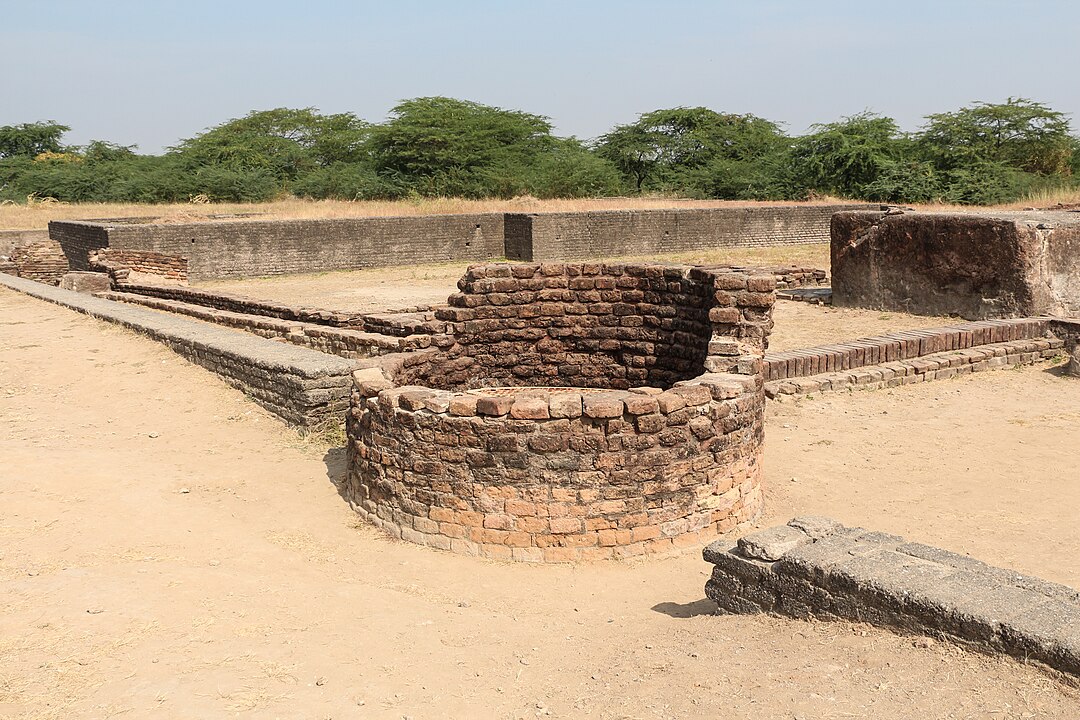
Indus Valley drainage system
Bernard Gagnon, CC BY-SA 3.0/Wikimedia Commons

While sanitation was a challenge, many ancient cities had surprisingly advanced systems. Rome built aqueducts and sewer systems that rivaled later medieval towns. Excavations in the Indus Valley reveal grid planning and drainage systems, showing how ancient engineers valued cleanliness. Although disease was present, the image of ancient cities as completely filthy is an exaggeration that modern archaeology continues to correct.

12. The Library of Alexandria’s Fire Destroyed All Ancient Knowledge
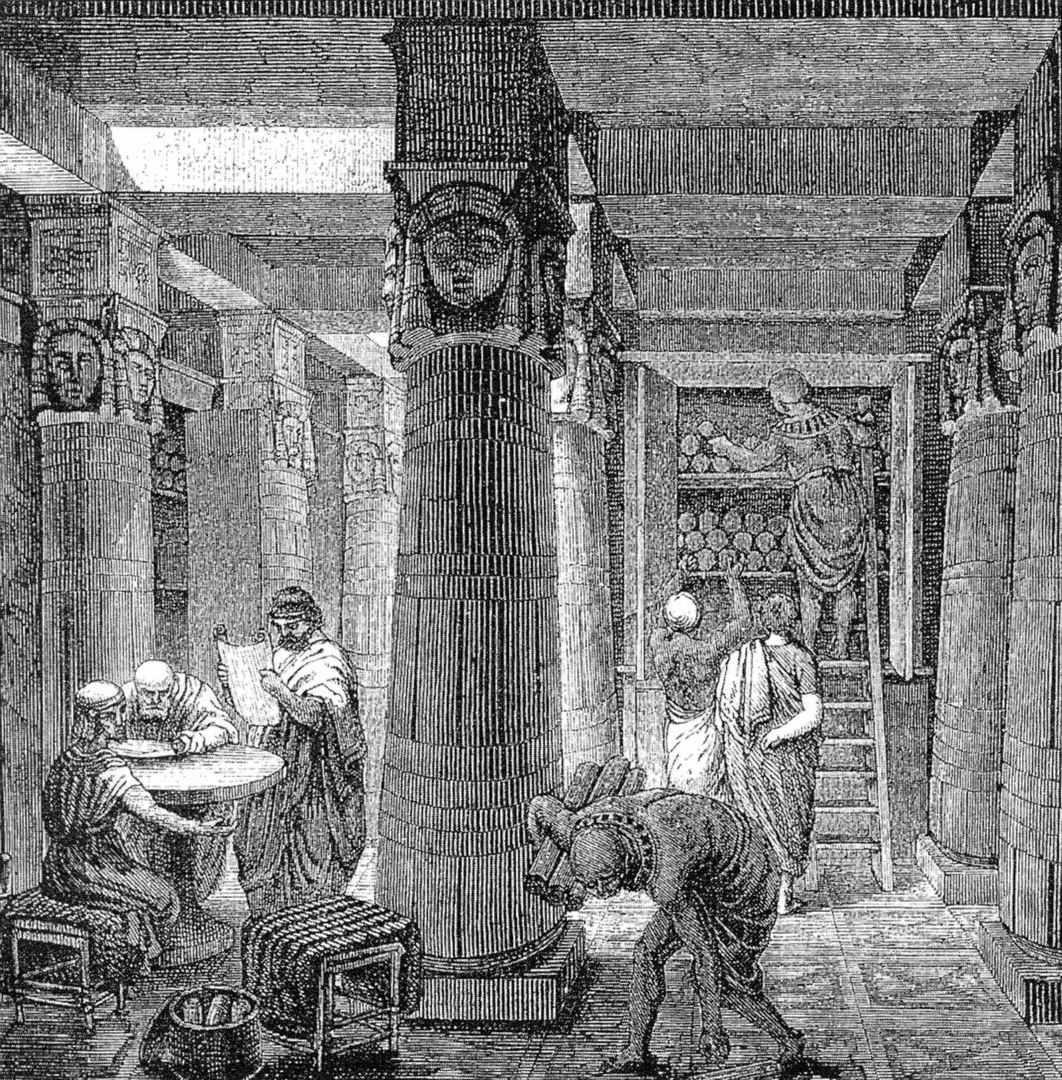
The Library of Alexandria’s Fire Destroyed All Ancient Knowledge
Public Domain/Wikimedia Commons

The story that the burning of the Library of Alexandria erased all ancient knowledge is dramatic but inaccurate. Historians explain that many texts were stored in multiple copies across the Mediterranean. Surviving works from Greece, Rome, and Egypt prove that knowledge did not vanish entirely. While the library’s damage was significant, research shows intellectual traditions were carried on in other centers like Constantinople and Baghdad.


1 Shares:
Leave a Reply

Your email address will not be published. Required fields are marked *

You May Also Like
Read More

12 Misunderstood Nursery Rhymes With Dark Origins

# 12 Misunderstood Nursery Rhymes With Dark Origins Nursery rhymes sound like comfort: steady beats, familiar cadences, the promise that childhood stays gentle. Many, though, were shaped by crowded streets, strict churches, and loud political moments where jokes and warnings lived side by side. Over time, darker readings clung to certain lines, sometimes supported by scholarship, sometimes inflated by modern mythmaking. That mix is the point. A tiny chant can hold fear of disease, punishment, collapse, or greed, then slip it past the ear on melody alone. These verses survive because they are catchy, but also because they let a culture process hard truths in miniature, repeatable form. Even when an origin tale is shaky, the unease shows what people feared and could not say plainly. ## Ring a Ring o' Roses Often taught as a simple circle game, this rhyme is still tied to plague lore: roses as rashes, posies as protection, a cough, and everyone falling at the end. Folklorists challenge that story, pointing out that the famous wording appears relatively late in print, and earlier versions vary wildly, sometimes without any sneezing or collapse at all. What lingers is less a confirmed medical code and more a cultural reflex, the urge to pin disaster to a tune so fear feels explainable, communal, and safely held at arm’s length, even when the archive won’t confirm it. It is a rhyme that lets dread hide in plain sight. Still. ## London Bridge Is Falling Down The chorus sounds like gleeful demolition, but the real London Bridge spent centuries cracking, burning, crowding with shops, and getting rebuilt in costly cycles. That long repair history makes the rhyme feel like a city talking to itself, repeating the same problem because the river, the traffic, and the politics never stop pushing back. Legends about Viking attacks or buried sacrifices float around, yet proof is thin, and the uncertainty matters: the song teaches that icons fail, budgets run dry, and even daily life gets shaped by slow collapse and rebuild. The cheeriness feels like whistling past the scaffolding. ## Humpty Dumpty Before he became an egg in picture books, Humpty Dumpty worked as a riddle about something that breaks beyond repair, no matter how official the rescue looks. The line about all the king’s horses and men carries a blunt message about limits: authority can assemble a crowd, but it cannot rewind a fall, erase damage, or restore what snapped. Stories linking Humpty to a Civil War cannon persist, though evidence is disputed, and that uncertainty fits the point. The rhyme returns to the same ledge, where pride, balance, and chance meet, then fails in public. That finality is what makes the riddle sting. Even the helpers feel helpless. ## Three Blind Mice The melody skips along, yet the plot is a chase with a cruel ending, which is why this rhyme never fully feels innocent, even when sung with hand motions. A musical version appears in early 1600s print, long before children’s collections softened its edges, and later writers tried to map it onto persecution under Mary I, a claim that remains unproven. Even without a single verified event, the unease holds: the targets are helpless, the pursuit is relentless, and the refrain repeats like footsteps that refuse to stop, turning a nursery into a small courtroom where mercy never arrives. The tune keeps running. No mercy shows. ## Baa, Baa, Black Sheep Its neat counting feels like play, but the rhyme is built around extraction: valuable wool measured out, then handed upward to people who did not shear it. One common theory links the lines to historic wool taxes and who took their share, while modern claims about other systems of exploitation circulate without strong documentation in early sources. What the verse reliably captures is a social mood, the sense that the best of something leaves the worker’s hands first, and that obedience can be trained with a cheerful, automatic reply that sounds like agreement, not resignation. The arithmetic is cute, but the arrangement is not. ## Mary, Mary, Quite Contrary This garden rhyme thrives on suspicion. Mary is often tied to Mary I or Mary, Queen of Scots, and the imagery gets treated as coded commentary, from church symbols to violence. The problem is evidence: versions shift across time, and no single interpretation locks in as fact, which is exactly why the rhyme stays fertile ground for rumor, politics, and projection. Its darkness is how easily a sweet scene becomes an accusation. A few bright objects, a tidy bed, and a sing-song tone can smuggle judgment where plain speech once carried risk. The garden stays pretty, and the subtext bites. It survives because the question never closes. ## Jack and Jill On the surface it is a quick trip for water, but the fall feels symbolic, especially with a crown involved and a pair tumbling together, then trying to patch the damage. Some readings treat it as satire about rulers, political missteps, or shifting measures and taxes, yet none can be proved cleanly, and the rhyme predates many tidy explanations pinned to it. Still, it endures because it is honest about gravity, literal and social. Climbing can be ordinary ambition. The drop can be sudden, public, and impossible to talk away afterward, which is why the simple scene keeps getting reread. It is comedy on the surface, caution underneath ## Oranges and Lemons It begins as a bright roll call of London church bells, then tightens into debt and deadlines, ending in the later-added moment when someone gets caught by the chopper. Editors note that many grim interpretations do not match the earliest printed texts, but the rhyme’s geography still points toward courts and punishments that once sat close to markets and church doors. The darkness is the tonal slide. A city sings, time keeps ringing, and play turns into reckoning with just a few extra words stitched on, then carried forward as if they were always there, like a threat hidden inside a map. The bells feel bright until the trap snaps. ## Goosey Goosey Gander The verse walks through a house like a search, and its ending turns domestic space into a stage for punishment, with religion used as the trigger. Folklore often links the old man in the closet to eras of conflict, imagining hidden priests or forbidden worship, though the historical fit is debated and the text evolved across editions. That evolution is telling. Later versions sharpen the violence and make obedience the point, as if the rhyme learned to threaten more directly. Sung lightly, it still carries the chill of coercion, where privacy offers no protection at all. The closet stops being a hiding place and becomes a verdict. ## Rock-a-bye Baby As a lullaby, it offers calm, yet its central image is a cradle perched in a treetop, where wind and wood decide whether rest becomes a fall. The rhyme appears in 18th-century print, and some early editions even tack on a moral about pride and ambition, turning the baby’s danger into a warning about climbing too high. No origin story is settled, but the anxiety is clear. Comfort is temporary. Safety depends on forces that do not care about bedtime, and the song rocks that fear into rhythm so it can be endured, then hummed again the next night. It soothes by naming the fear, then rocking through it. The danger never leaves the frame. ## Little Jack Horner He looks like a harmless kid with a Christmas treat, but the rhyme has long served as shorthand for self-congratulation and sly opportunism, delivered with a grin. A popular tradition claims it mocked a Tudor-era Thomas Horner tied to monastery property deals, though historians debate the link and the evidence is messy. Even without that biography, the posture lands. Jack pulls the prize from the center, declares himself good, and expects applause. The darkness is moral: luck becomes virtue, and taking becomes bragging, which is a lesson that ages well for the wrong reasons. One small plum becomes a whole worldview. ## Sing a Song of Sixpence The opening is pure nonsense fantasy, then the rhyme swerves into money, labor, and sudden cruelty, as if a curtain drops mid-song and no one stops singing. Commentators argue over whether it hides court satire or is simply a stitched-together jumble, but the counting house and the poor maid keep the scene grounded in class and vulnerability. Its bite comes from contrast. Wealth stays indoors. Work happens outside. And the cost of being small arrives without warning, delivered on a bright tune that keeps smiling as it repeats, so the sting lands only after the last note. It is sugar on top of a hard little story. The unsettling part is not that every rhyme hides one provable secret. It is that these songs travel because they are flexible, ready to carry whatever a community fears, mocks, or cannot say outright. A tune can be comfort and warning at once, letting history slip through a child-sized doorway. When the meaning stays blurry, the feeling still lands, and the melody keeps the past humming under the present. **Excerpt (130 characters):** Sweet melodies, sharp shadows: plague lore, power games, and greed echo in rhymes that shaped childhood, then refused to fade yet.