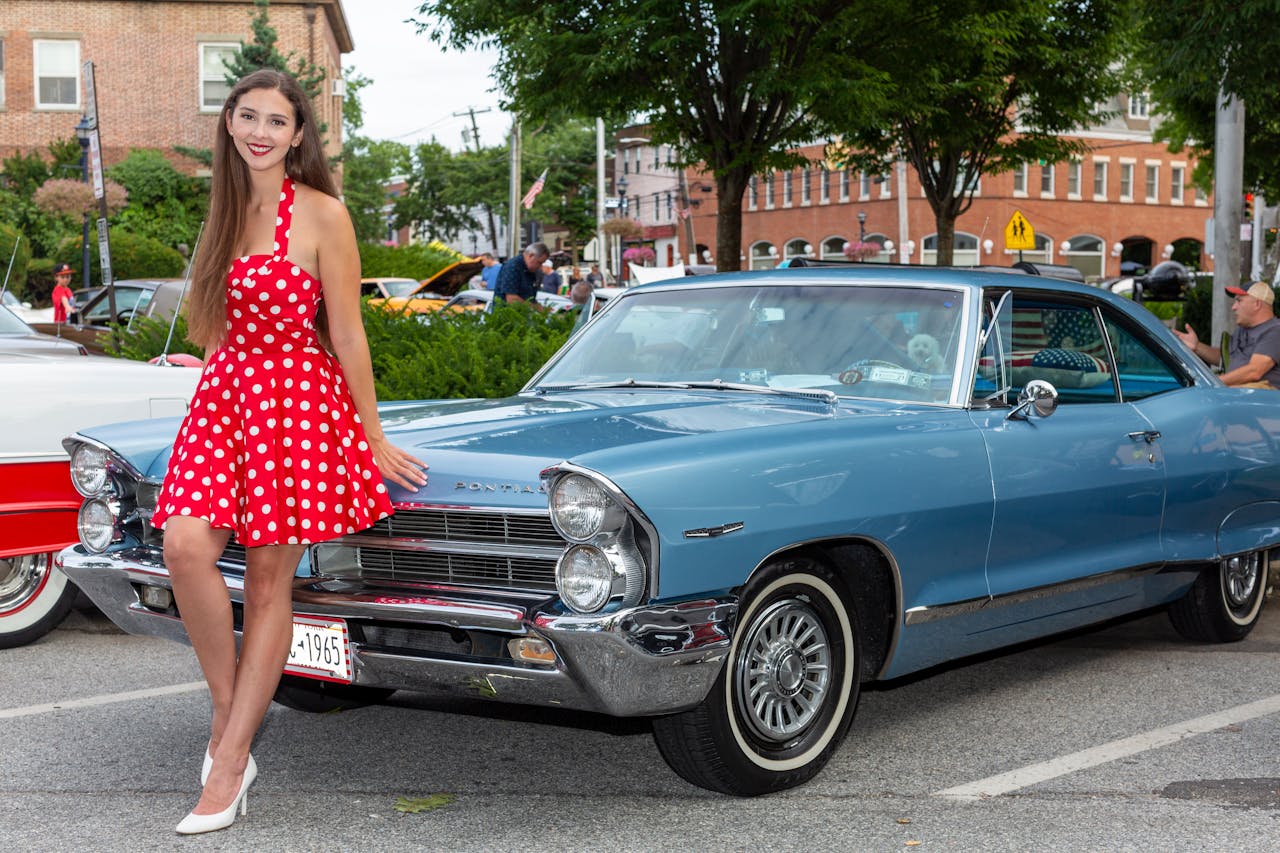
The 1950s treated clothing like optimism made visible. After years of rationing and make-do habits, new fabrics, brighter dyes, and booming department stores turned everyday outfits into small celebrations. Teen culture, movie stars, and glossy catalogs pushed trends from diners to dance halls overnight, while television carried new looks straight into living rooms in a country hungry for fresh starts. Many outfits were designed to be copied, mixed, and worn on repeat. Skirts swirled, pants cropped, shoes turned sporty, and accessories added personality without much effort. Behind the charm sat a practical idea: pieces had to move from school to errands to a night out, so wardrobes leaned on easy layers, washable cottons, and clever details that photographed well.
Poodle Skirts And Appliqué Icons
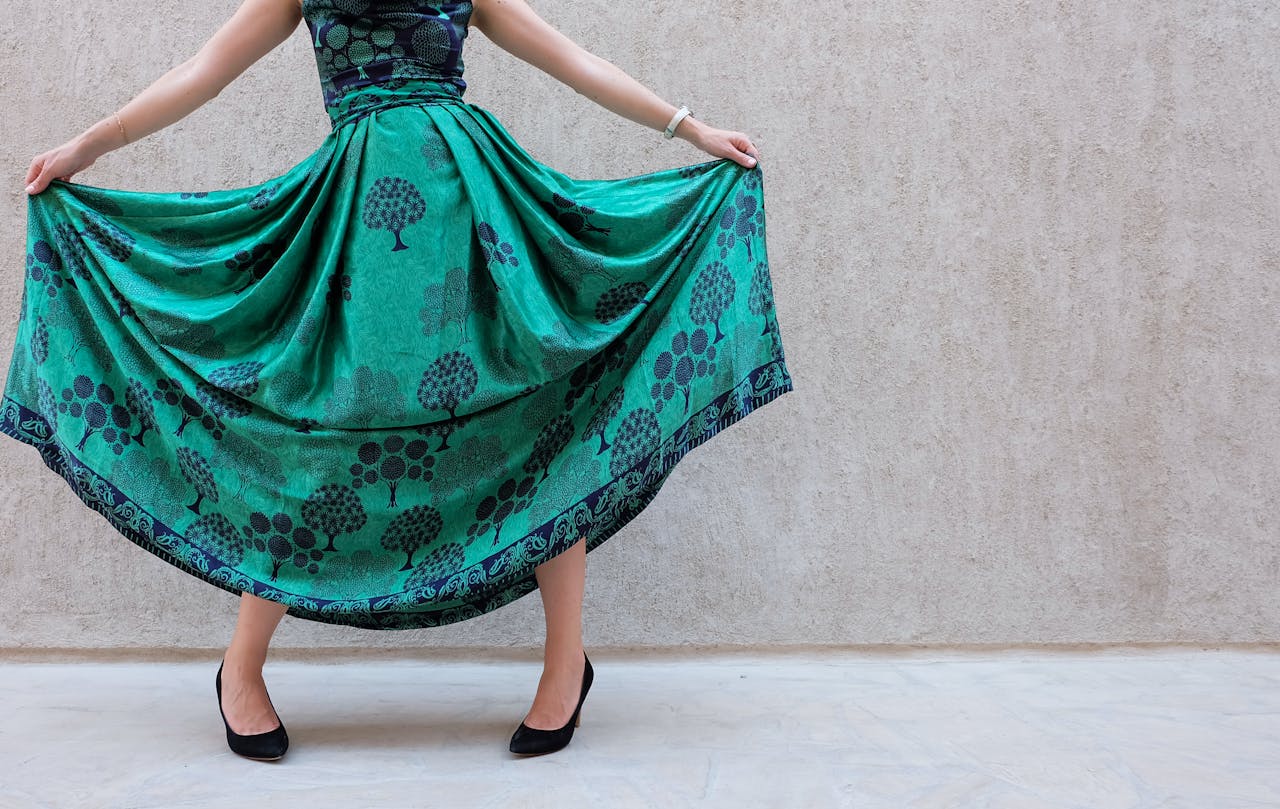
Poodle skirts became the decade’s shorthand for teen fun: a felt circle skirt with a bold appliqué, often a poodle on a leash, made to swing wide at sock hops and school dances. Paired with a tucked blouse, a cardigan, and a narrow belt, the look felt playful but still tidy, especially in candy colors that popped under gym lights and flashbulbs. Many were homemade or customized with ric-rac trim, name pins, and tiny charms, and they sat over a petticoat for extra swish. That meant one skirt could be worn weekly with different sweaters, still reading fresh, personal, and perfectly proper in a booth at the corner diner afterward.
Crinolines And Fluffy Petticoats
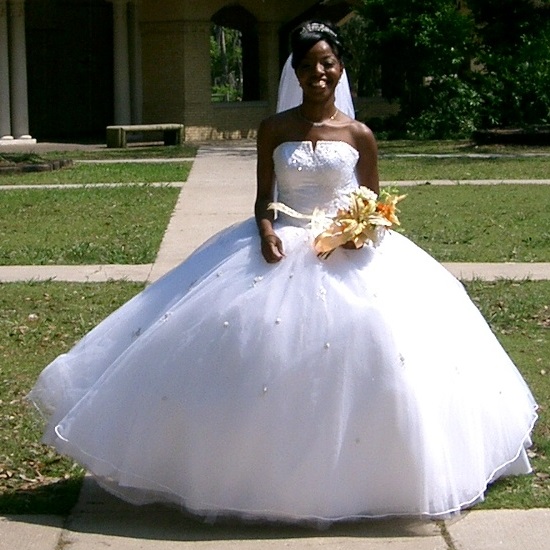
Nylon petticoats and crinolines did the quiet engineering under the decade’s full skirts, turning simple day dresses into a silhouette that looked planned. Layered in net or organdy, they held hems away from the legs so walking looked lighter, and a quick twirl became a small performance with a soft, papery rustle. Owners learned small habits, like smoothing layers before sitting and hanging them so the net would not crush flat. The fuss paid off fast: even a plain cotton dress gained party-ready volume, and pastel ruffles flashed at the hem with each step across a gym floor, ready for any photo. It was instant ceremony, anywhere.
Capri Pants For City-To-Beach Chic
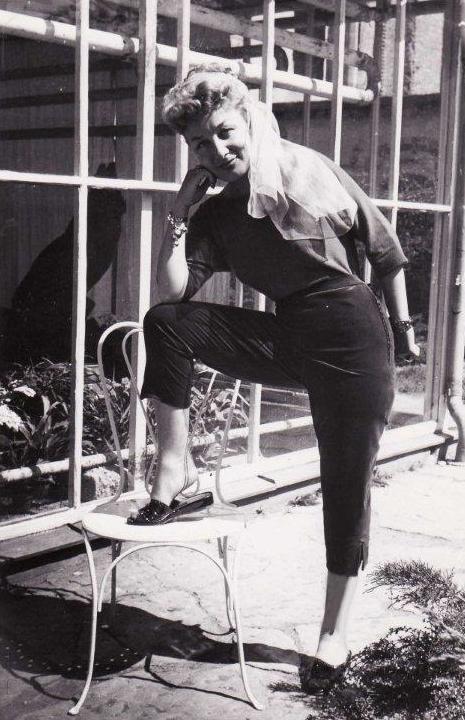
Capri pants brought a hint of Riviera polish to casual dressing, landing mid-calf with a narrow leg that looked sleek beside boxier postwar trousers. Many sat high at the waist with a side zipper, neat pockets, and tiny ankle slits, practical for errands yet tailored enough for cafés, travel days, and patio suppers. Photos of stars in striped knits and ballet flats helped the look spread, but the staying power came from comfort with boundaries: more freedom than a skirt, less statement than slacks. In cotton sateen or denim, capris made summer outfits feel deliberate, even with a simple tee and red lipstick and a tied scarf.
Pedal Pushers Made For Motion
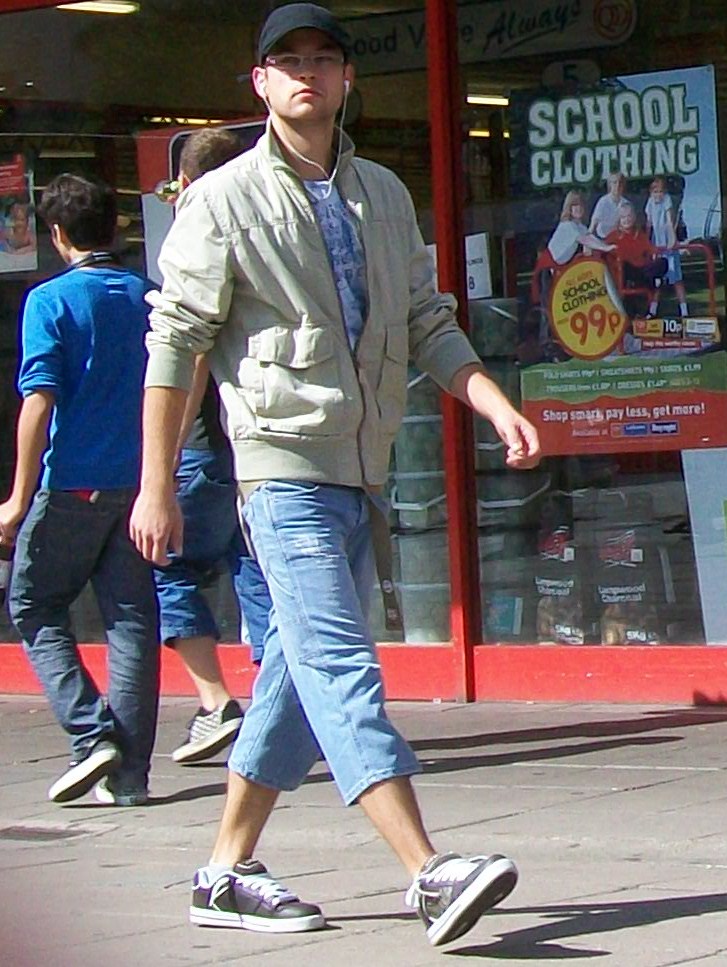
Pedal pushers, cut just below the knee, were built for motion, keeping hems clear of bicycle chains, garden hoses, and sidewalk puddles. With cuffs, pockets, and cheerful gingham or novelty prints, they suited porch chores and boardwalk afternoons, then sharpened up with a tucked blouse, a slim belt, and a neck scarf. Worn with canvas sneakers or flats, they fit weekends and road trips, when comfort mattered more than ceremony. Some sets included a cropped bolero, so the same pair could look ready for lunch without losing its easy spirit. The appeal was practical pride: wash, hang, and wear again, still looking crisp in public.
Bobby Socks As A Teen Calling Card
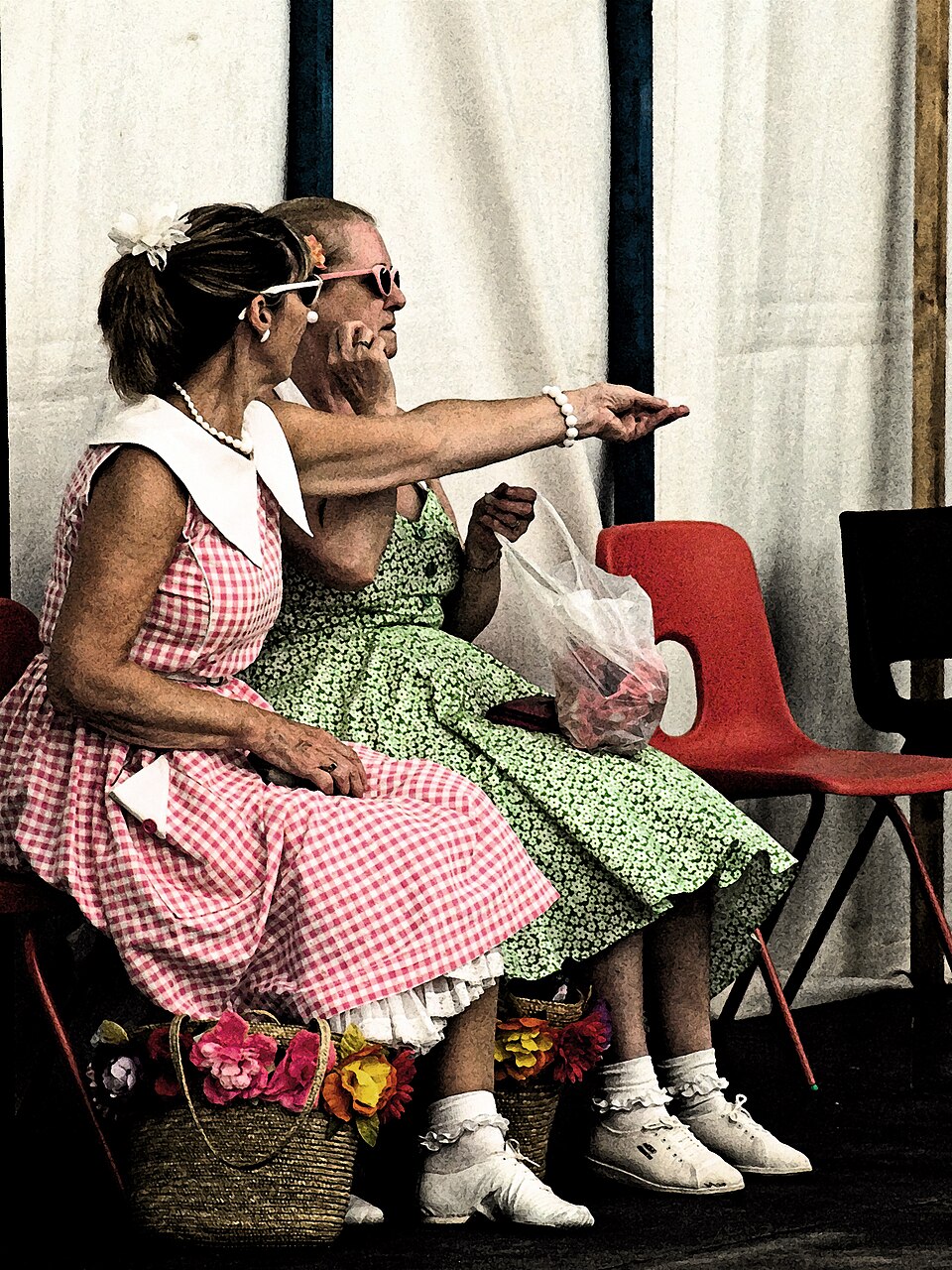
Bobby socks turned a small detail into a signature, worn white and cuffed once or twice so the fold looked crisp, not sloppy. Whether cotton or sheer nylon, they framed saddle shoes and loafers, softening school outfits and adding a hint of innocence to diner booths, movie lines, and after-class walks. The style also worked within strict dress codes, since it looked neat even when a skirt hem or cardigan was handed down. It lasted because it was easy to refresh: a clean pair could make an older outfit feel newly cared for, and a re-cuff fixed the whole look. Lace trims appeared on weekends, while weekdays stayed plain and bright.
Saddle Shoes With Two-Tone Snap
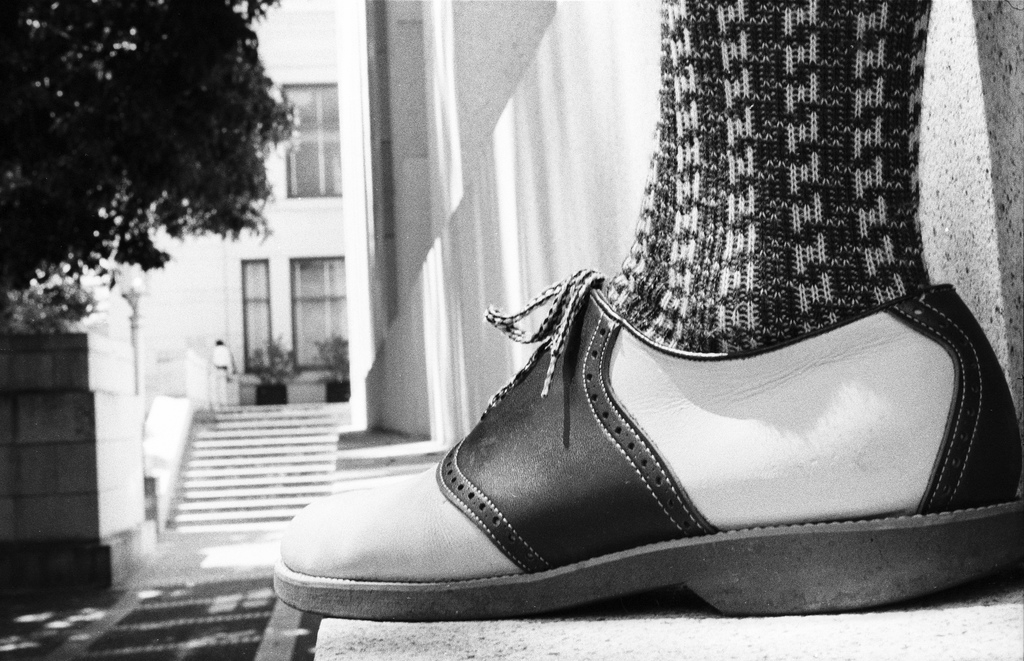
Saddle shoes blended comfort with a hint of polish, defined by a contrasting saddle across the instep that made plain outfits look finished. Sturdy and easy to wipe clean, they became the default for classrooms, dances, and long sidewalk miles, pairing naturally with cuffed bobby socks. The two-tone design popped under gym lights and in family snapshots, and a few scuffs only added character instead of ending the shoe’s life. Youthful without feeling childish, the style crossed age lines fast. Black-and-white and brown-and-white pairs anchored wardrobes the way a trusted jacket does, dependable and rarely out of place at all.
The Twin Set As Instant Poise

The twin set, a sleeveless knit shell topped with a matching cardigan, made coordination almost automatic on rushed mornings. It read proper at church or a family dinner, then relaxed the moment the cardigan was draped over a chair, still looking tidy in snapshots. Made in angora, soft wool, or sturdy cotton blends with pearl buttons, it paired with full skirts, capris, or pencil silhouettes without drama, and it traveled well without wrinkling. The real power was repeatability: one set could carry a week of outfits, changing mood with a scarf, earrings, or a brighter lipstick, while still feeling comfortable through a long day.
Shirtwaist Dresses For Everyday Authority
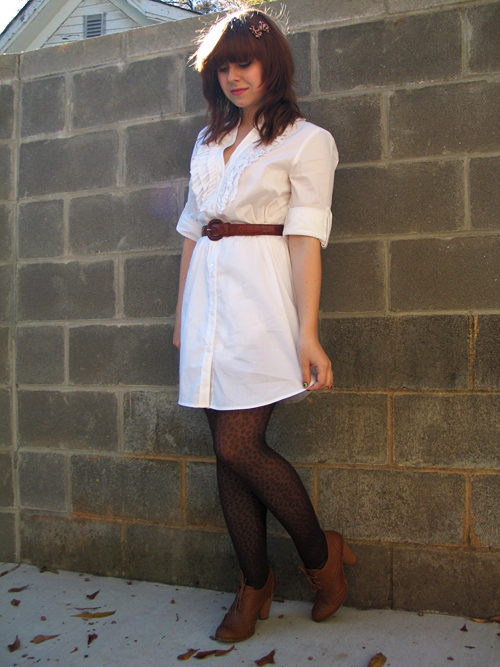
Shirtwaist dresses brought button-front practicality with a confident shape, borrowing the logic of a collared shirt while keeping a feminine waist. With sleeves that could roll up, pockets for lists and keys, and skirts that moved easily, they worked for office hours and home life in the same day. In cheerful checks or tidy florals, the fabrics were chosen for real laundry and quick ironing. A belt, scarf, or clip-on earrings could shift the mood fast, but the base stayed steady, clean, and composed. The style’s quiet message was competence, even when the schedule was crowded and the day ran long, from breakfast to supper.
Pencil Skirts And The Wiggle Silhouette
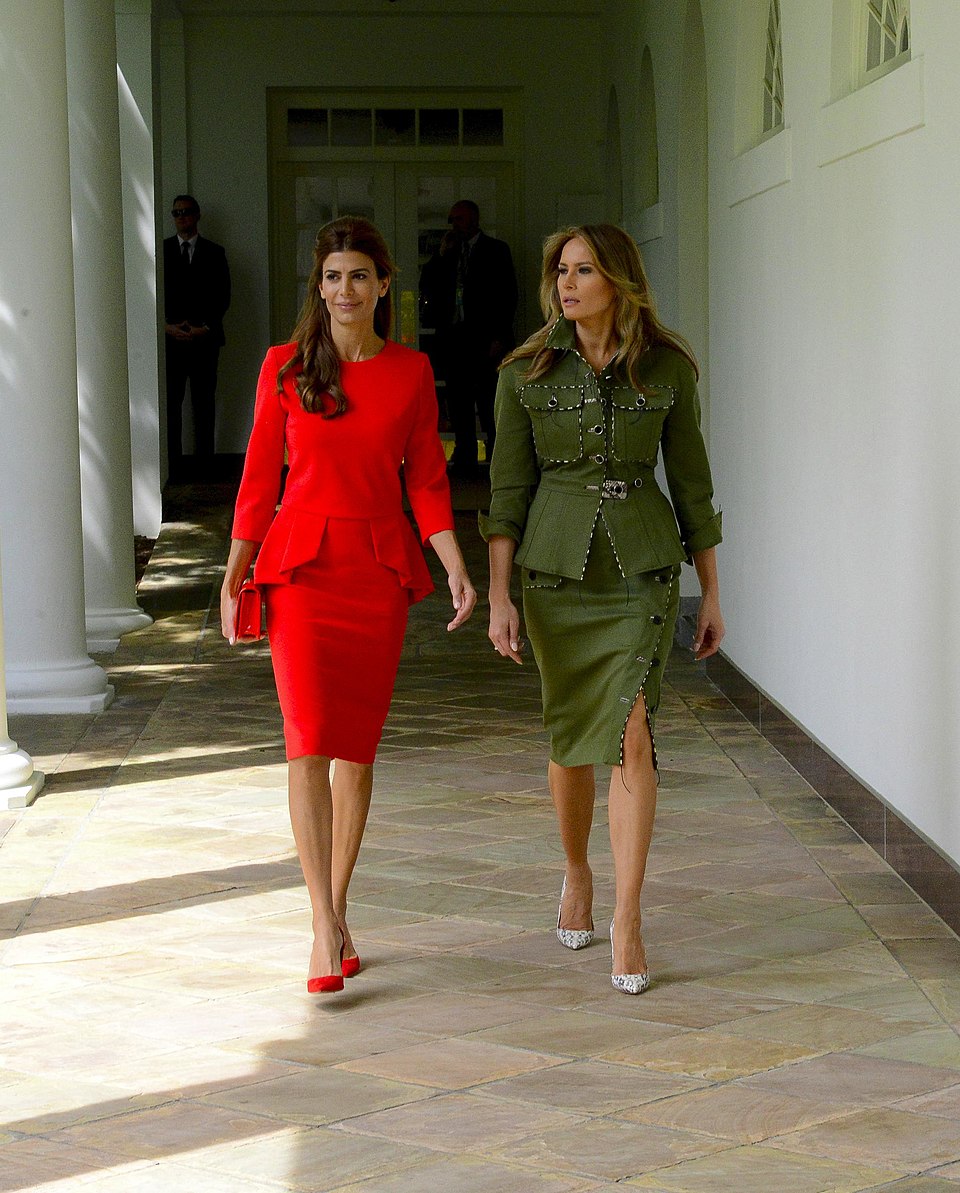
Pencil skirts tightened the decade’s glamour into a clean line, turning fit and posture into the whole point. Cut narrow at the knees with a back vent and shaping darts, they encouraged smaller steps and an upright stance that made even plain blouses look sharper. Wool crepe or gabardine held the shape, and a good tailor made the waist sit just right. With pumps, a tucked top, and a short jacket, the silhouette moved from office hours to cocktail time without changing its attitude. The appeal was efficiency: one well-fitted skirt could anchor a week of outfits, and the look stayed modern as long as the hem felt right each season.
Cat-Eye Glasses With Graphic Drama
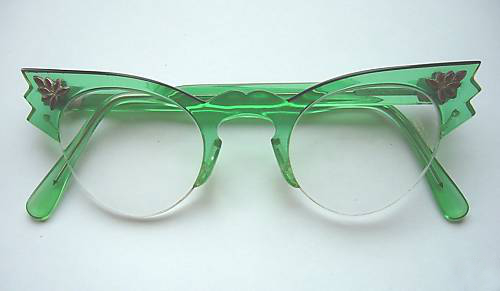
Cat-eye glasses turned eyewear into punctuation, lifting the outer corners into a confident flick that framed the face like a signature. Frames came in tortoiseshell, pastel plastic, and occasional rhinestone sparkle, so a practical need became a style choice with bite. Many kept a dressier pair for evenings, since changing frames could change the mood. The shape matched the era’s love of sharp lines, from car fins to diner signs, and it photographed beautifully in family snapshots. With red polish and a neat handbag, cat-eyes made even a simple sweater and skirt feel modern, and the lifted corners brightened the face on tired days.
Charm Bracelets That Kept Score
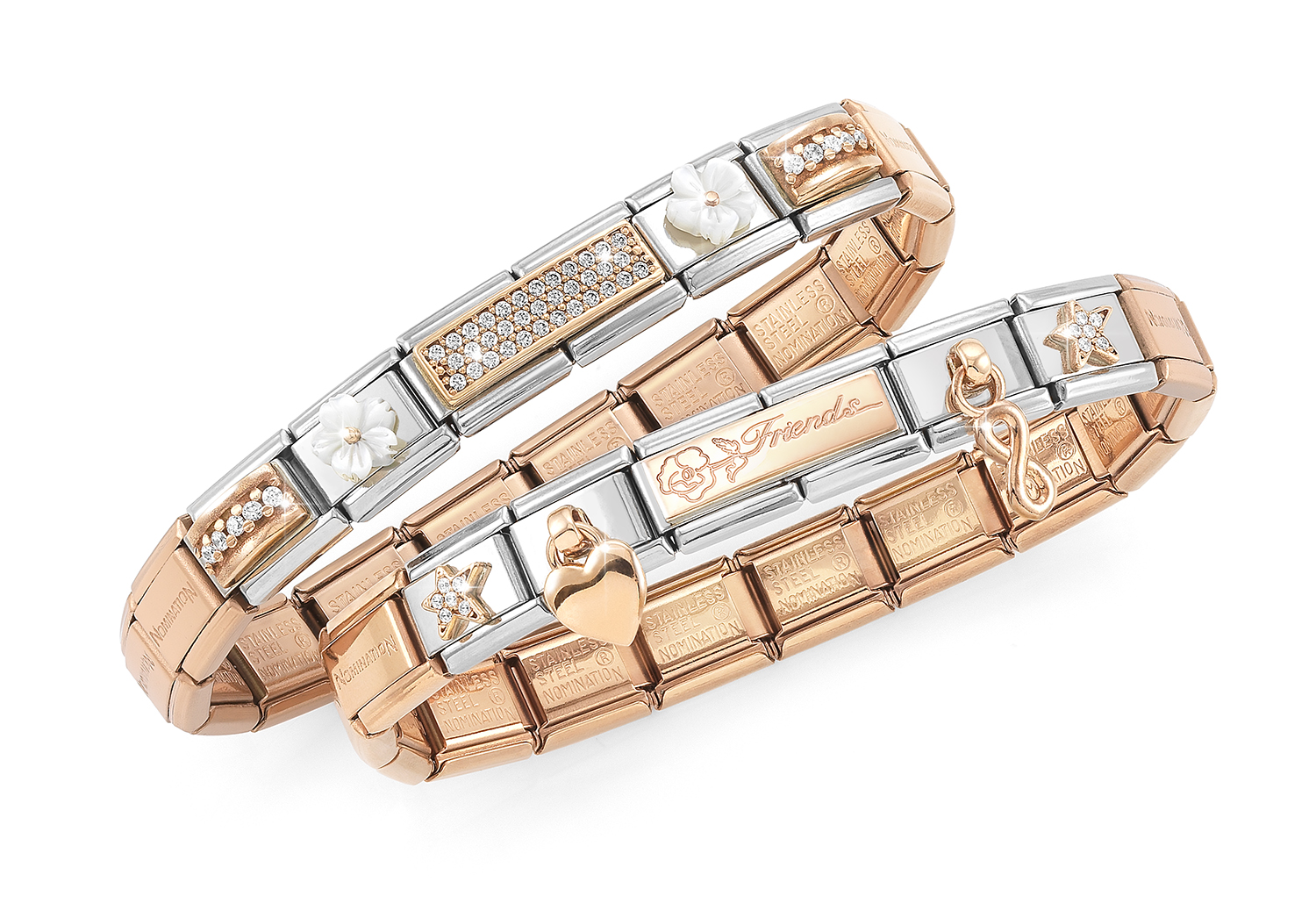
Charm bracelets made jewelry feel like storytelling, with tokens added one by one until the wrist carried a private timeline. A dance, a graduation, a road trip, or a new hobby could become a charm chosen from a jeweler’s case or a dime-store counter, then clipped on with a click. Initials, hearts, and tiny landmarks turned ordinary weeks into souvenirs, and the jingle followed its owner through the day. Often given as gifts, the bracelet doubled as a social map, showing friendships and family pride without a word. It fit the decade’s tidy basics because the shine felt personal, not loud, and the links slowly smoothed with wear.
Cinch Belts And The Marked Waist
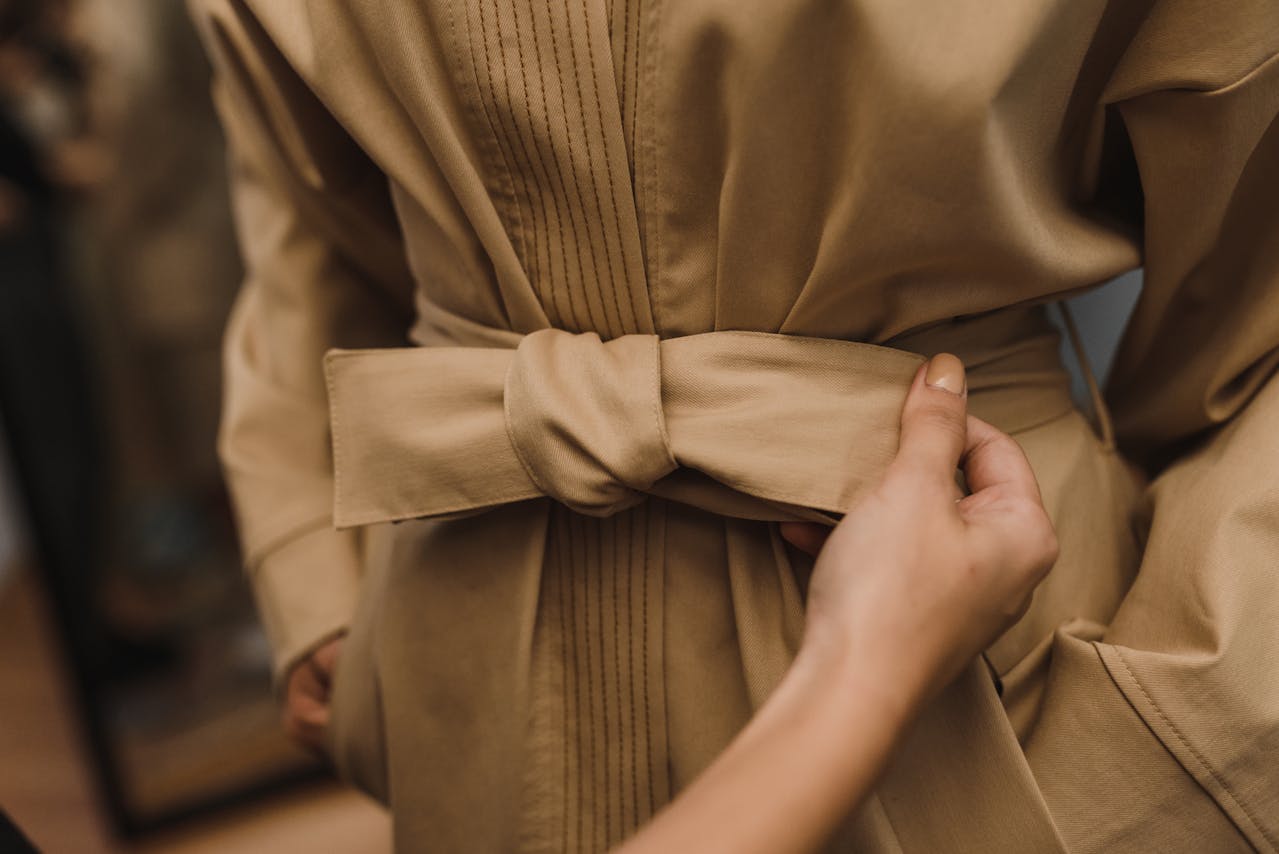
Cinch belts, often wide with a bold buckle, helped define the decade’s favorite outline: a marked waist that made skirts look fuller and shoulders look softer. Worn over shirtwaist dresses, twin sets, and even coats, a belt turned plain pieces into an outfit in seconds, no extra tailoring required. Leather, woven straw, and elastic versions showed up in every price range, making the trend easy to refresh with the seasons. A bright belt woke up a neutral dress; a slim one kept a pencil skirt crisp. Matching belt, shoes, and handbag became a satisfying little ritual, and the buckle gave the eye a clear place to land right away.