Airports, old streets, and unfamiliar routines can make even careful travelers run on autopilot, especially after late arrivals or long layovers. The quiet risks are rarely dramatic: a passport kept in the same pocket each day, a hotel room that never gets a quick exit scan, a ride accepted because the driver looks friendly, or a phone joining the strongest open signal. Safety tends to come from boring habits repeated daily, and the rules most often forgotten are the ones that take 30 seconds and feel unnecessary right up until they matter, like making copies, setting boundaries, and doing simple prep before it starts.
Keep a Backup Identity Kit
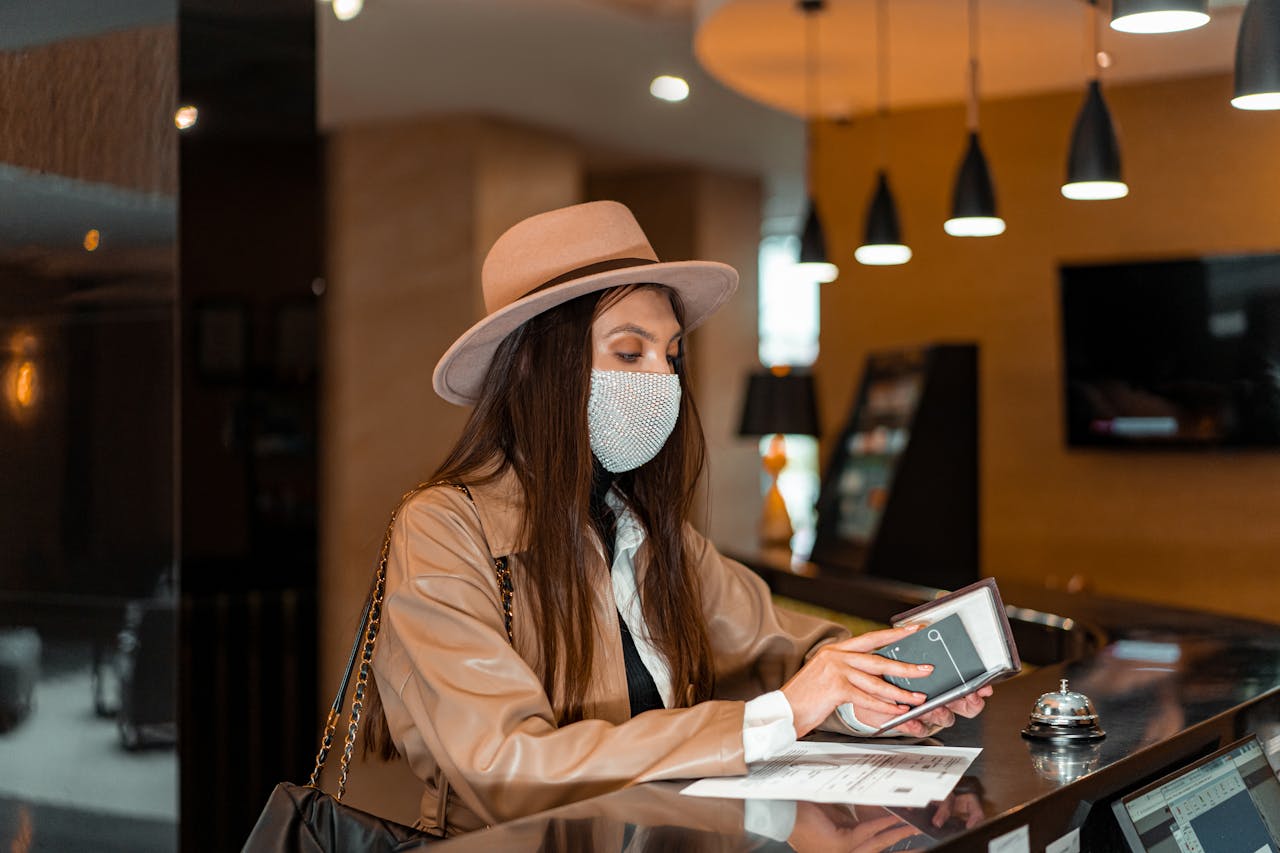
A lost wallet becomes a crisis when every document lives in one place and every number lives only in memory. Seasoned travelers keep a backup identity kit: a printed passport photo page, a photo of visa stamps, a second ID, travel insurance details, key helpline numbers, and a secure digital copy saved offline. A copy in a suitcase pocket, a hotel safe, or with a travel companion speeds up police reports and consulate visits, especially when it includes the passport number, issue and expiry dates, and the embassy address on paper, and it keeps the first replacement steps clear when stress blurs details in transit.
Send a Simple Check-In Plan
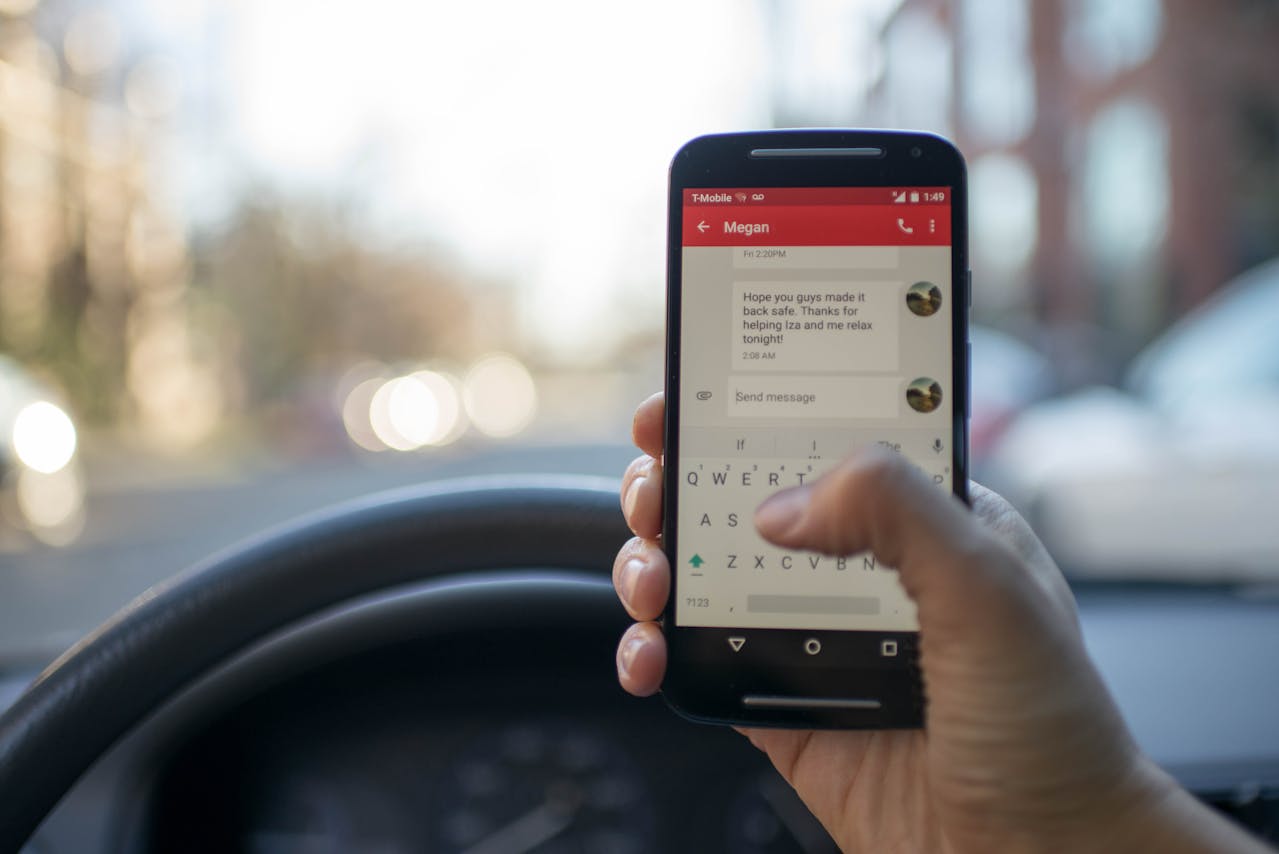
Trips look carefree in photos, yet time zones and spotty service can turn a normal delay into hours of anxious guessing, especially on solo itineraries and late-night arrivals. A simple check-in plan helps: one message with flight numbers, hotel name, full address, and the front desk phone, plus a rough window for landing, and a note about the next planned update. Some travelers add a code phrase that signals trouble, and a calm escalation rule if no update arrives, like checking airline status first then calling the hotel after 2 hours, so real emergencies get faster response and routine delays do not start a panic chain.
Learn the Exit Before Unpacking
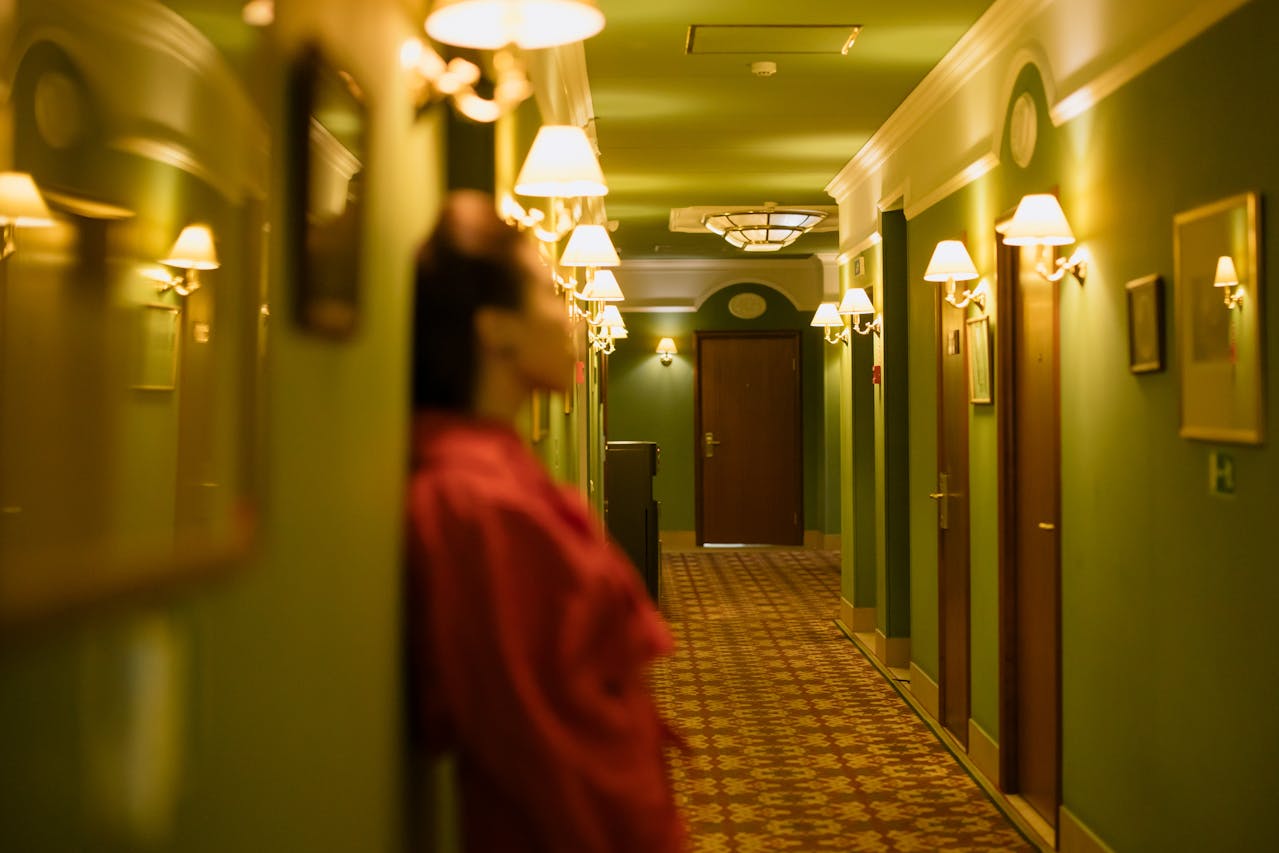
Hotel rooms can feel like a private bubble, but emergencies make hallways confusing fast, especially after a long day when brains feel foggy. Before unpacking, seasoned travelers scan the fire map, locate the nearest stairs and an alternate route, and take a quick photo of the map, noting turns and landmarks like ice machines that stay recognizable in stress. Shoes, a key card, and a charged phone kept within reach help, and elevators stay off the plan when alarms sound, so the first minute becomes movement, not searching through bags for basics, and a small flashlight nearby helps when power drops, even in total darkness.
Treat Balconies and Windows as Doors

Balconies and windows feel like fresh air, but they act like doors, and they get treated casually after a few easy nights. Travelers who take security seriously check latches, use the secondary lock, and keep sliding tracks clear, especially on lower floors or near terraces that connect rooms like hidden walkways, and they request higher floors when possible. Curtains stay closed while dressing, valuables stay away from sight lines, and balcony doors stay locked when leaving, while a simple doorstop at night turns a weak latch into a much harder problem for anyone testing boundaries, and valuables stay off desks, too.
Verify Every Ride Like a Pro
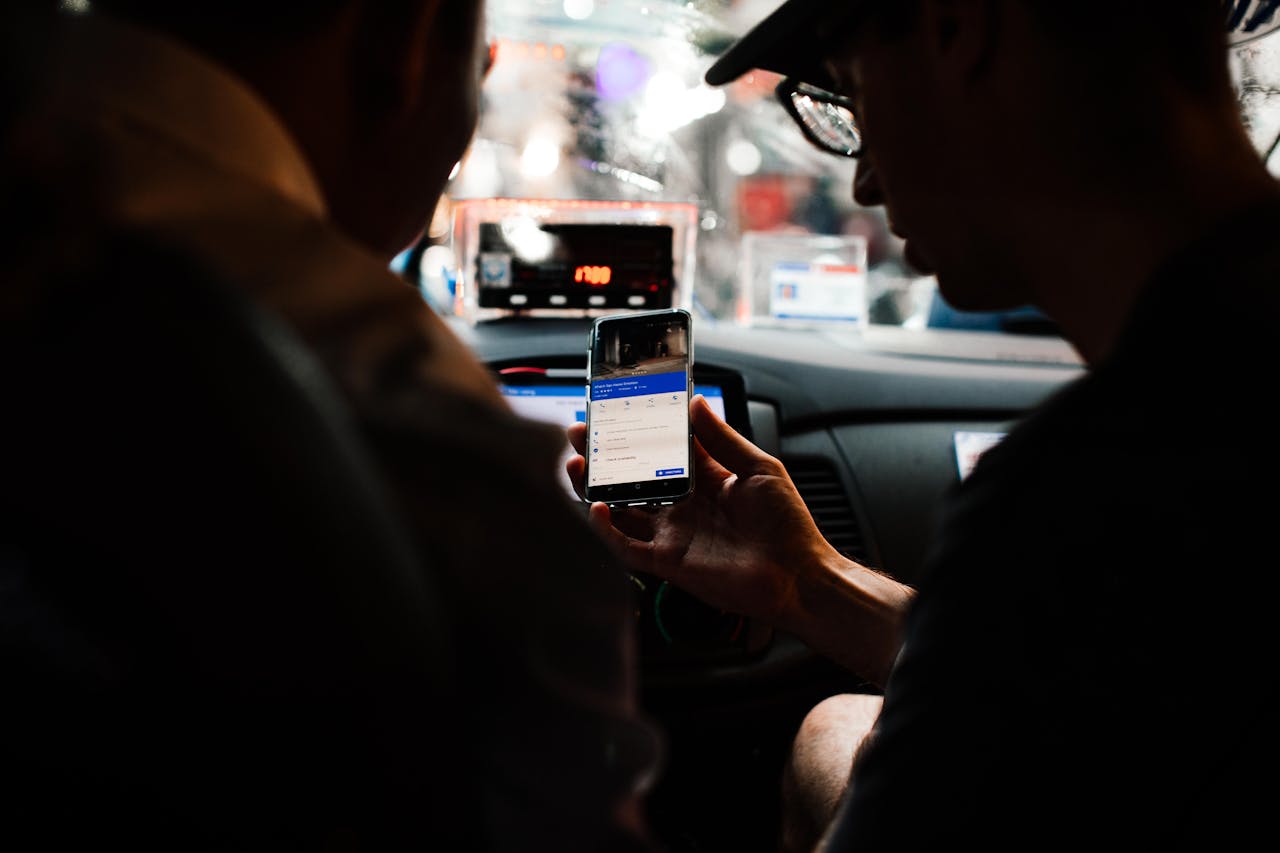
Rides are a common weak point because fatigue makes strangers seem trustworthy, and a car door closing can erase choices. Careful travelers match the license plate and driver photo, confirm the destination inside the app, and decline rides offered outside terminals or on crowded streets, even when the pitch sounds helpful, choosing official taxi lines when available, before moving. Trip sharing, asking the driver to say the passenger name first, and sitting where an exit stays easy add a quiet layer of control, and a wrong plate, a rushed driver, or odd detours becomes an immediate reason to cancel without guilt.
Avoid Public Wi-Fi for Sensitive Tasks
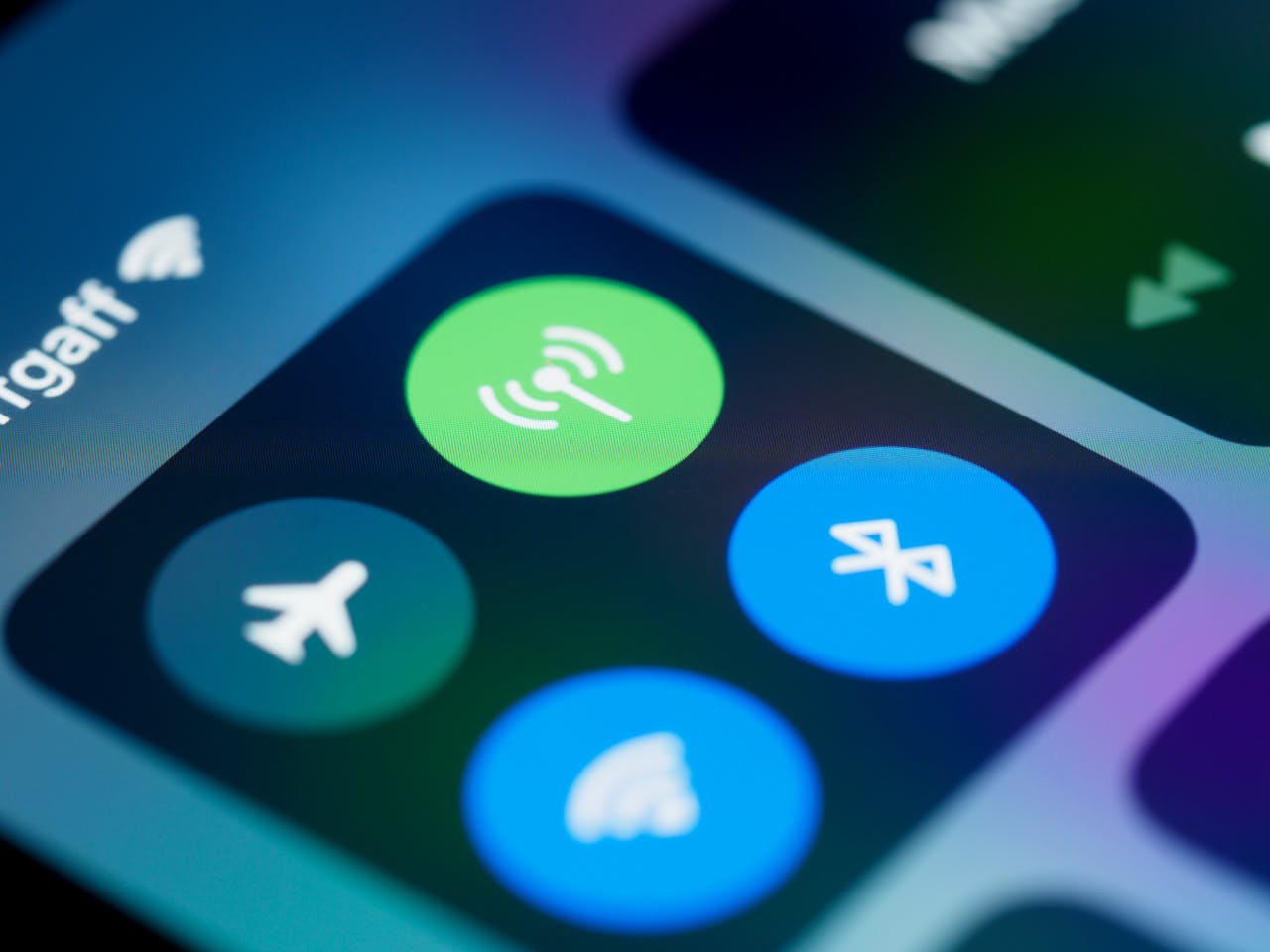
Public Wi-Fi feels harmless, yet it invites silent eavesdropping, and fake networks often mimic airport or hotel names to lure rushed travelers. People who protect accounts disable auto-join, turn off file sharing and Bluetooth, avoid logging into banking or email on open networks, and use a personal hotspot or VPN when a connection is unavoidable, confirming the network name with staff when possible. Charging also counts: public USB ports can be risky, so a wall adapter, a power bank, and a power-only cable keep convenience from becoming exposure, and phones can forget networks after use, especially during long layovers.
Know the Local Emergency Script
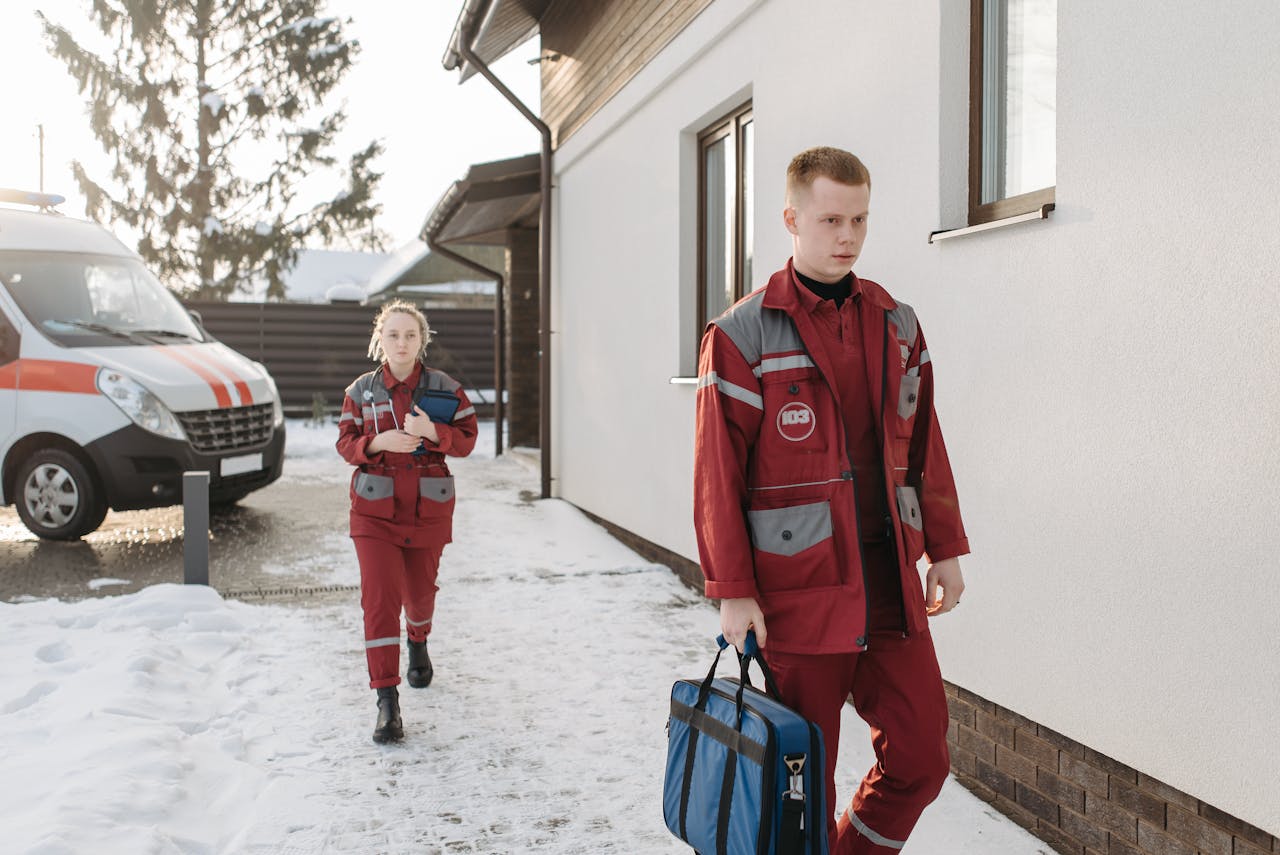
In a tense moment, the hardest part is not fear, but getting clear help fast when local systems work differently than expected. Smart travelers save the local emergency number, the nearest police station, and the embassy contact, and they write a short script with hotel name, address, district or neighborhood, and a nearby landmark in the local language, stored on paper and in notes. An offline map pin, a photo of the building entrance and a short phrase for need help now reduce confusion, and they keep a call calm instead of turning into guesses when adrenaline takes over and words get tangled even if the call drops once.
Keep Valuables Split and Low Drama

Pickpockets and simple loss thrive on one mistake: everything important kept together, in the same pocket, in the same bag. Practical travelers split essentials, keeping one payment card separate, a small cash amount tucked deep, and backups stored in a different place than the phone and primary wallet, and they carry only what is needed for the day. Bags stay zipped and worn forward in crowds, phones stay locked and secured, and habits like never hanging a purse on a chair, plus looping a strap around a chair leg at cafes, and using interior pockets for passports remove easy chances without adding paranoia all day.
Pause Before Posting in Real Time
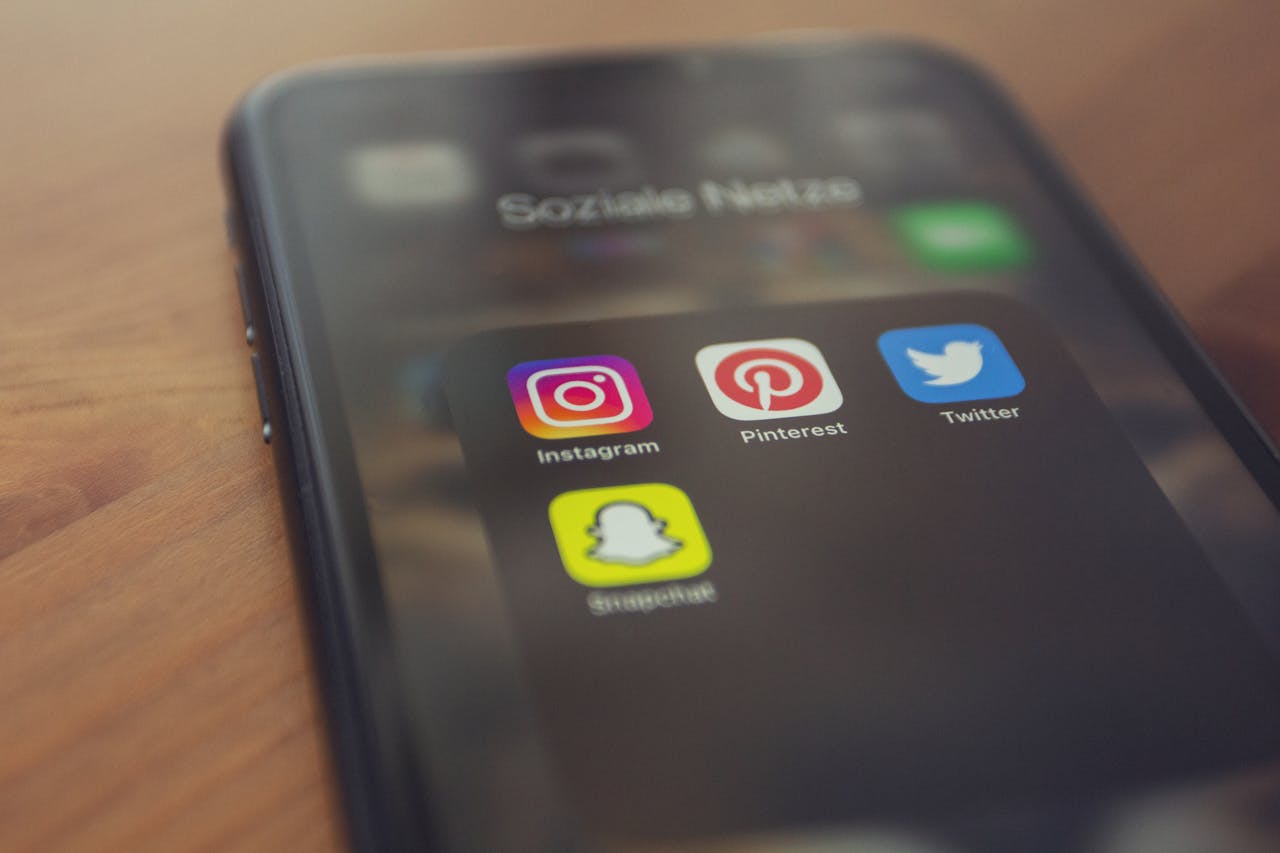
Posting in real time feels like sharing joy, yet it broadcasts patterns, locations, and empty rooms to people who were never meant to know, especially through public stories. Cautious travelers delay posts, disable automatic geotags, and avoid showing boarding passes, hotel key cards, or room numbers that can be zoomed in and reused, and they skip filming the exact door or hallway, keeping privacy settings tight. A pause protects privacy and property, and it keeps memories about the place itself, with photos shared after departure or after returning home, not about cleaning up a problem that began with a harmless moment.