
Some products didn’t hide in the shadows. They sat on drugstore shelves, showed up in catalogs, and ran in glossy ads, treated as normal because rules and science were still catching up. Looking back, the shock is not only the ingredient lists. It’s how casually risk and bad assumptions were packaged as convenience. These examples show how “common” can lag behind “safe,” and why better questions, clearer labels, and stricter standards changed what people would tolerate in plain sight over time.
Cocaine Toothache Drops
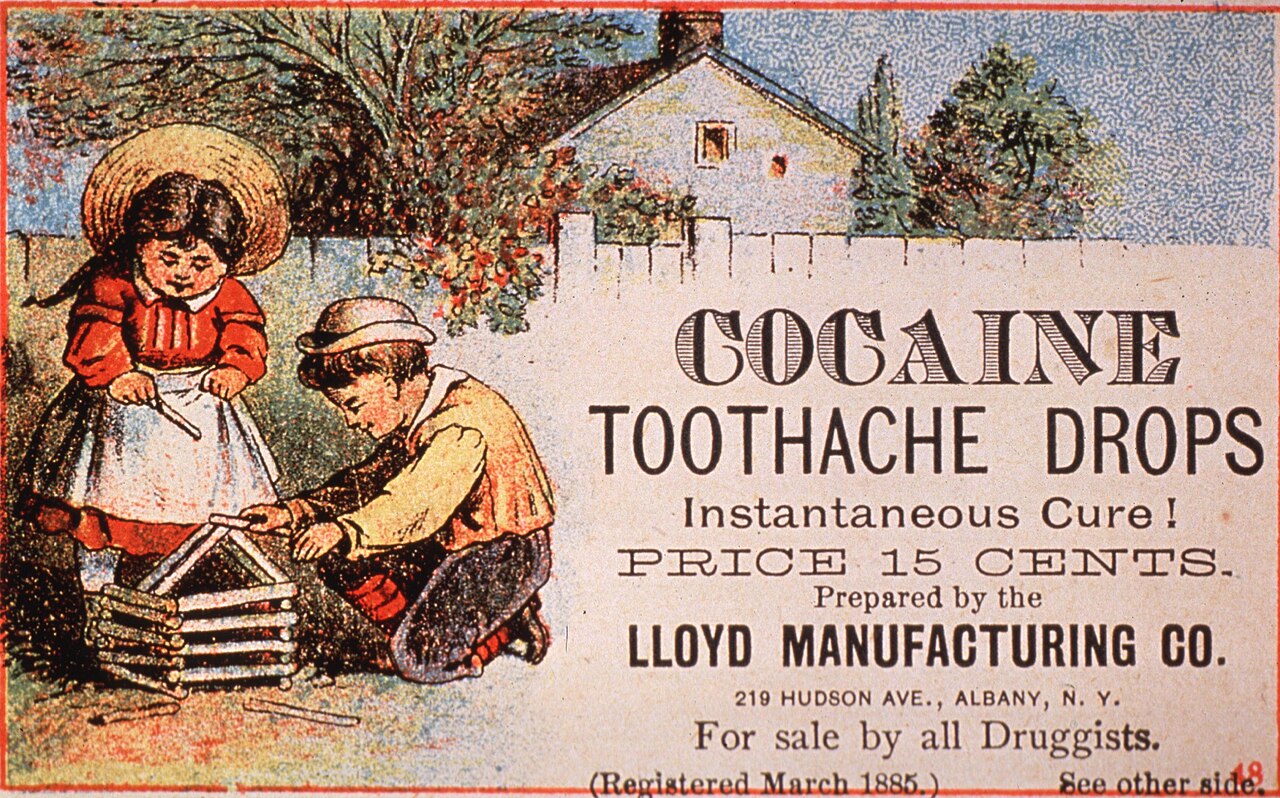
Cocaine toothache drops were sold as quick relief at a time when ingredient labeling was loose and the word “drug” carried a different weight. Ads promised calmer children and easier sleep, treating numbing as harmless comfort, even though the active compound could mask pain while also shifting energy and appetite. The bottles sat beside ordinary remedies because parents wanted answers fast, and few were told that a tiny dose could trade one ache for restless days, jittery moods, and a household routine built around the next spoonful instead of real care, sleep, and patience from the start at home.
Asbestos Christmas Snow

Asbestos “snow” was marketed as the perfect holiday sparkle because it clung to branches and didn’t burn near hot bulbs or candles. Families shook it onto trees, window villages, and mantel scenes, then swept leftovers into rugs like it was harmless glitter. The danger was invisible: tiny fibers that floated in warm rooms, settled into upholstery, and returned to the air every time heat kicked on. What looked like cozy craft night could turn into repeated exposure, with kids helping, pets sniffing, and the same dust resettling each December when boxes were opened again and shaken out indoors.
Radioactive Health Tonics
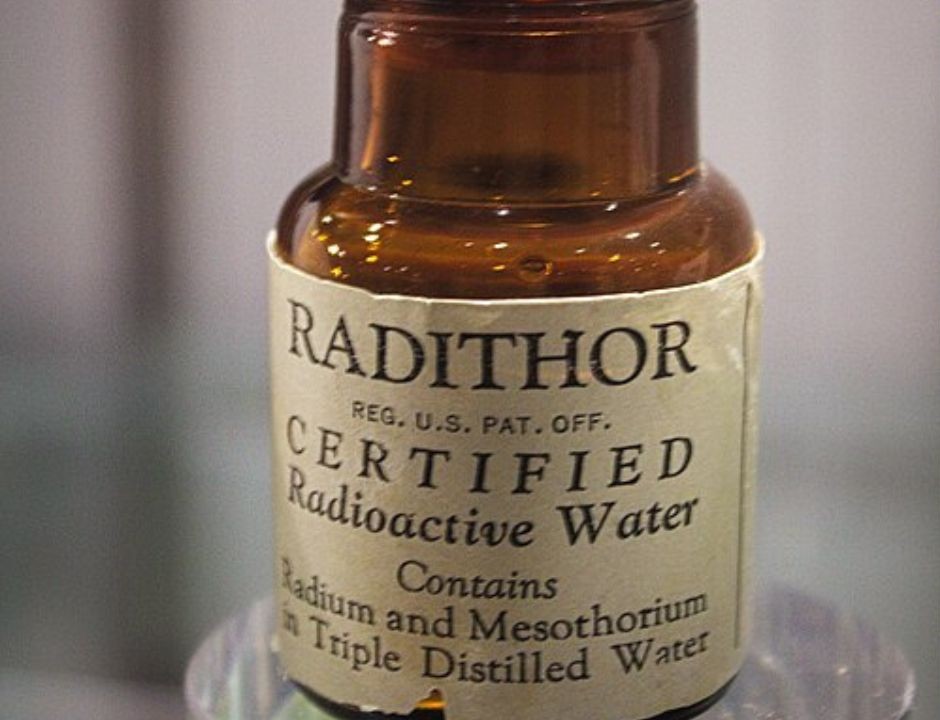
Radioactive “health tonics” sold radium-infused water and similar mixes as modern vitality, wrapped in lab imagery and confident copy. Glass bottles and dosage-like instructions mimicked real medicine, blurring the line between wellness and experimentation. Early users often felt a buzz and mistook it for proof, which let the idea spread through upscale shops and mail-order ads. The harm tended to arrive slowly, so the marketing stayed believable longer than it should have, until serious illness exposed the cost of repeated exposure and the limits of novelty dressed as science in a bottle. Too.
Mercury Teething Powders
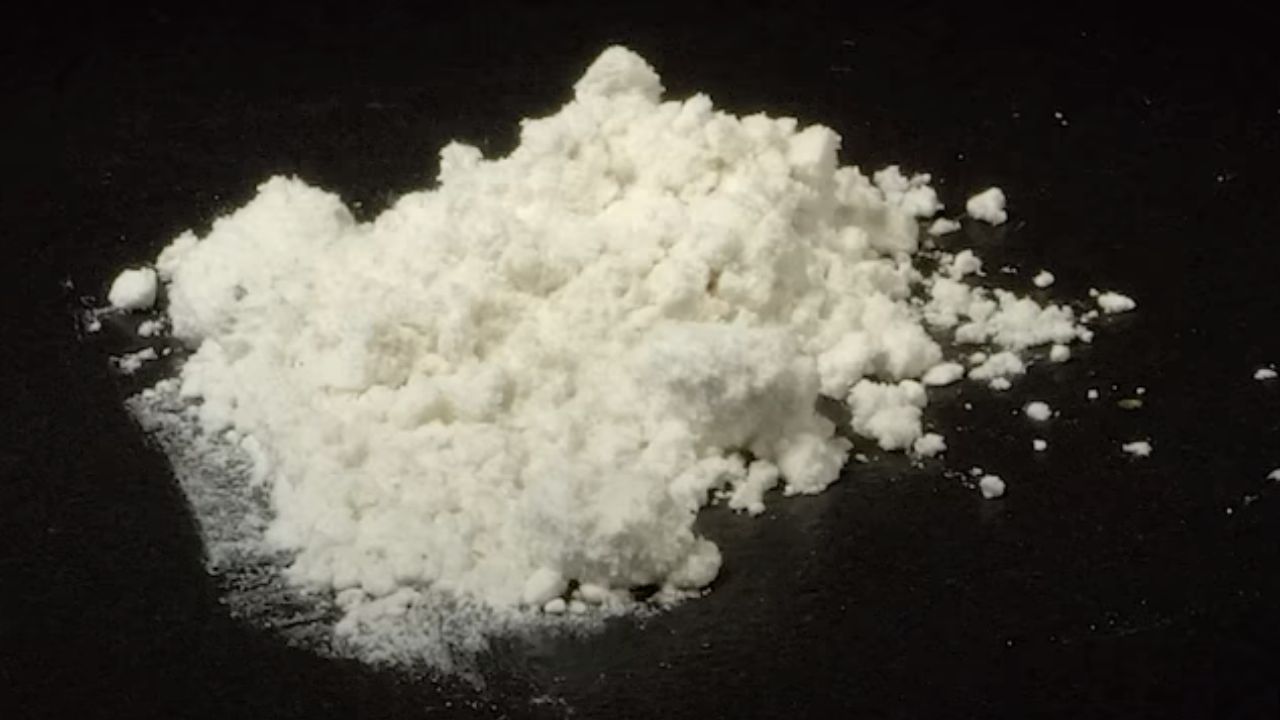
Mercury-based teething powders, often made with calomel, were sold as gentle help for fussy babies when caregivers were exhausted and desperate for sleep. Labels emphasized soothing and “safe” relief, and the tins were kept in kitchen drawers like routine essentials. The cruel twist was how early symptoms could look like ordinary childhood sickness, so the source stayed hidden while repeated doses accumulated. What began as a search for comfort could turn into a preventable health crisis, because the product’s harm was slow, confusing, and easy to misread in the moment by families at home. Too.
Lead and Arsenic Beauty Powders
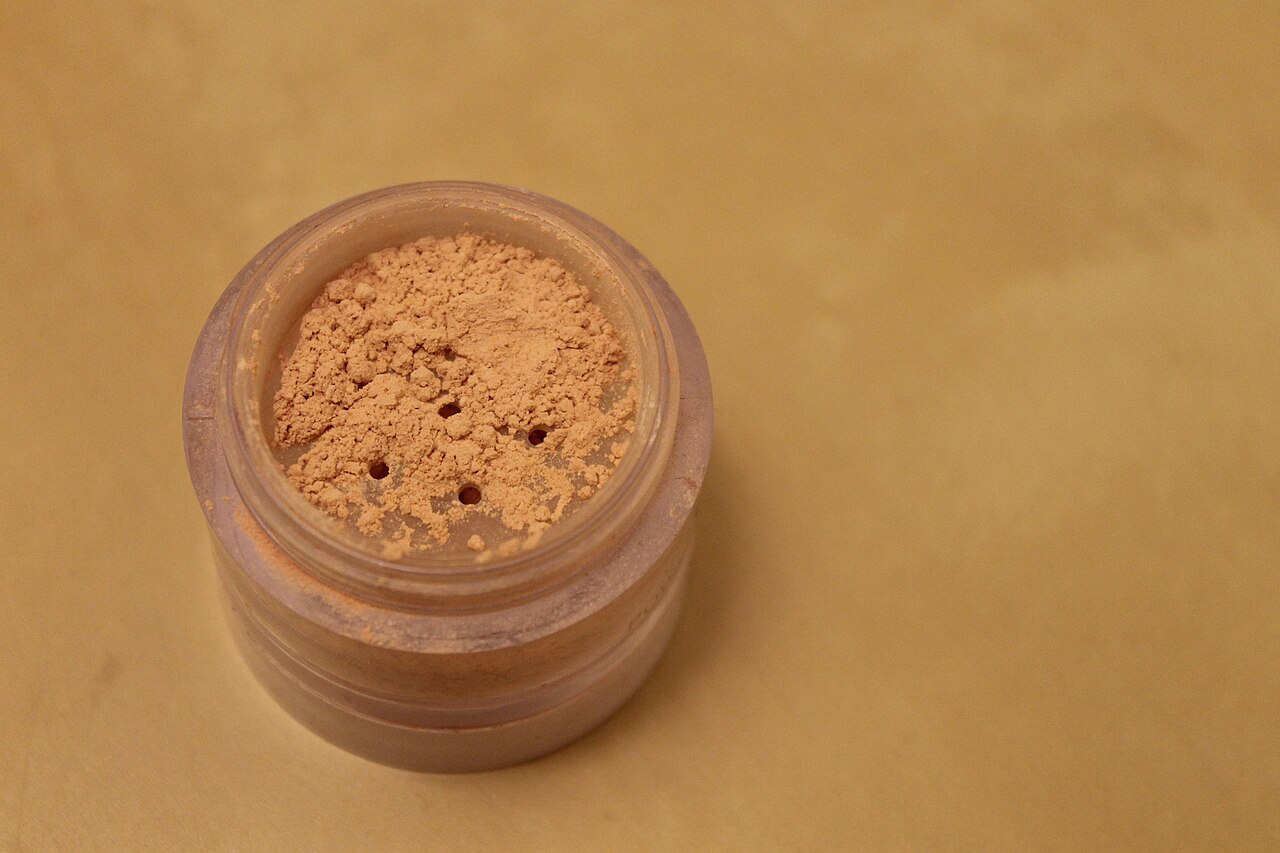
Lead and arsenic appeared in some historical beauty powders and complexion products, pitched as the shortcut to a pale, smooth finish in an era that rewarded a narrow ideal. Marketing framed tingling and tightness as proof it was working, and daily touch-ups were normalized at vanity tables, on trains, and at department store counters. No one tracked what was being inhaled or absorbed, only whether the mirror looked “right” under harsh light. It was beauty sold as endurance, where the price could be damaged skin and long-term illness, all for a glow that lasted only until the next wash and the next compact snap shut.
X-Ray Shoe Fitting Machines
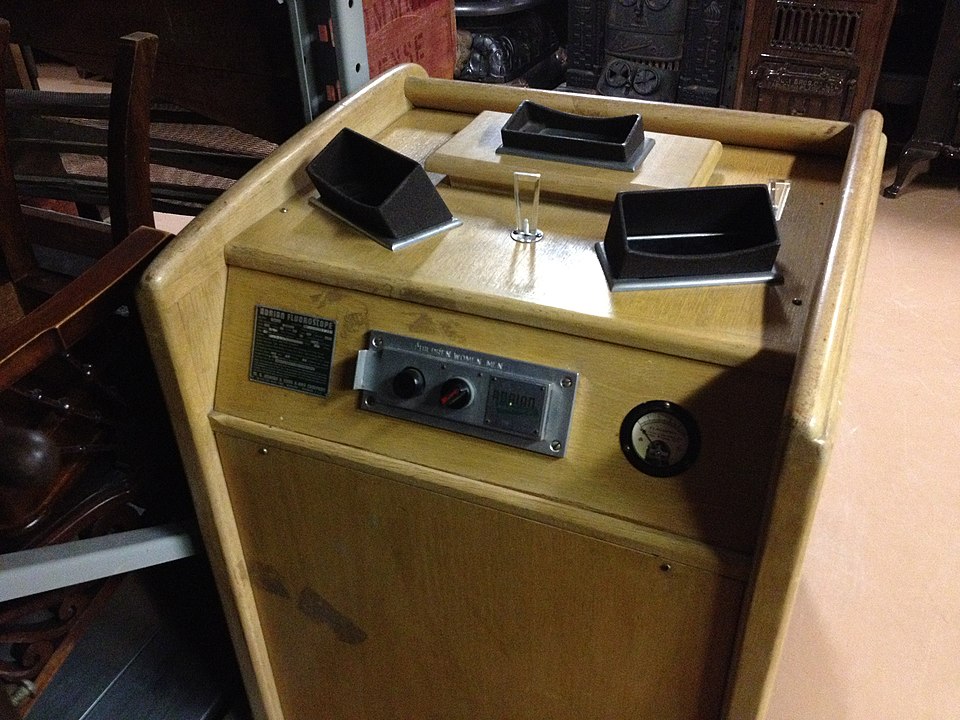
X-ray shoe fitting machines once sat in shoe stores as a modern upgrade, letting shoppers see bones inside the shoe like it was a clever party trick. Kids lined up to watch toes wiggle on a glowing screen, parents trusted the tech, and clerks used it to sell tighter fits that “looked right.” Because it felt ordinary and fun, scans were repeated for each pair tried on, with little thought about cumulative exposure. A routine errand quietly became a radiation habit, built into weekend shopping and treated as harmless entertainment rather than a risk that deserved clear consent and clear limits.
DDT Household Spray

DDT was marketed as a household miracle, sprayed on gardens, pets, and homes with ads showing carefree families and spotless kitchens. It promised control over pests, so fogging a room or dusting a yard felt like a sensible trade for comfort and fewer bites at night. The long tail was the problem: residue that lingered, moved through soil and water, and affected wildlife far beyond the moment of use. What seemed like simple convenience became a lesson in persistence, because the product didn’t stay where it was sprayed, and the cleanup was not something a mop could solve later for years afterward.
Lawn Darts
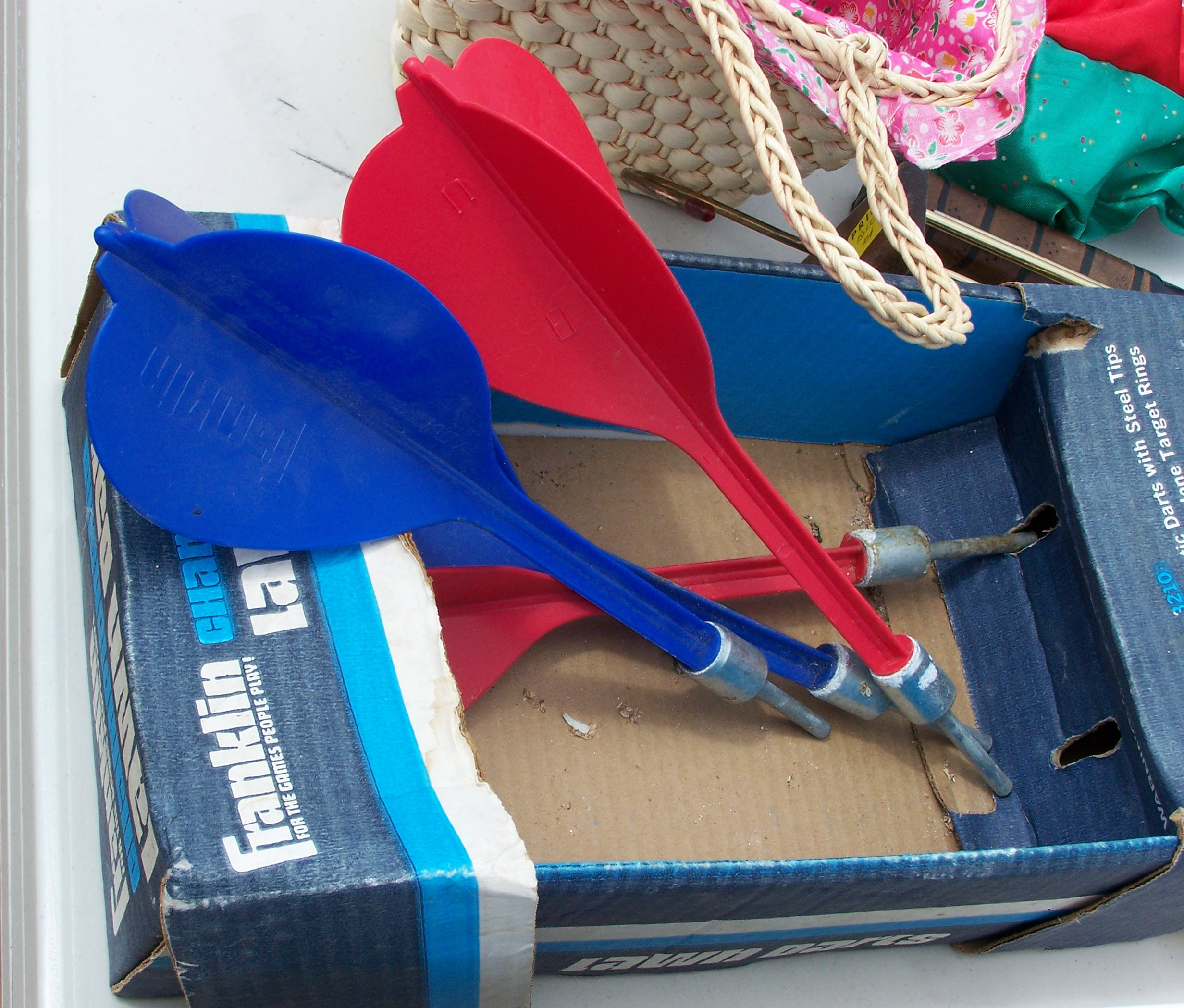
Lawn darts were sold as backyard fun: heavy darts with metal tips meant to arc toward a plastic ring on the grass. Catalog photos showed smiling families and tidy lawns, making the game look like a safer cousin of horseshoes. But the risk was basic physics, not bad intentions, because every throw depended on a sharp projectile landing near ankles, kids, and patio furniture. Once enough accidents piled up across ordinary weekends, the idea of leaving a set on the porch for casual play stopped feeling charming and started feeling like a product that never should have been marketed as family entertainment.
Hazardous Kids Chemistry Sets
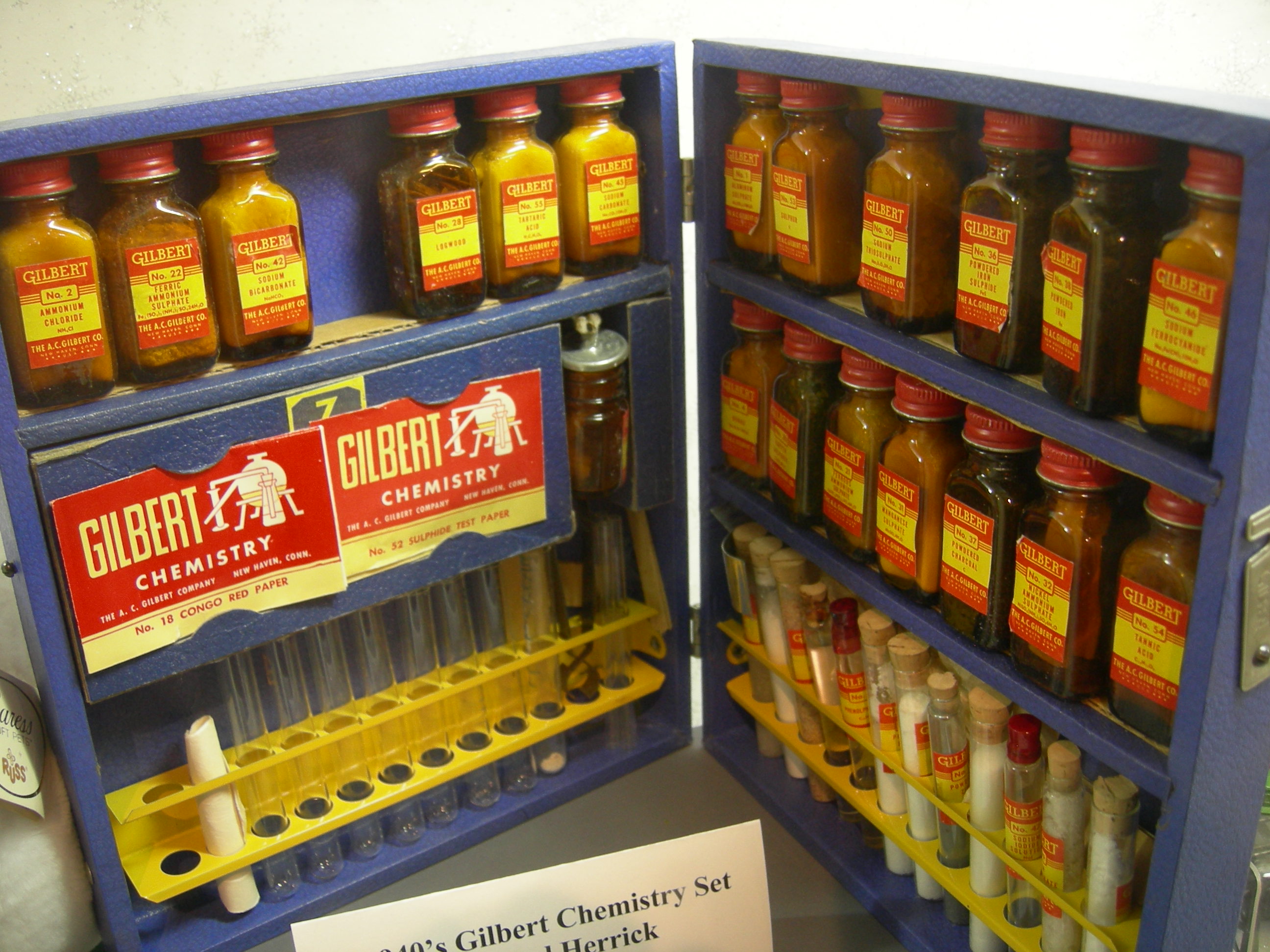
Old-school chemistry sets for kids sometimes included chemicals that would not be treated casually today, sold with the promise of turning a bedroom desk into a serious lab. Boxes celebrated smoke, stains, and dramatic reactions, while the instructions quietly assumed mature judgment, ventilation, and safe storage that many homes could not provide. Parents bought them as smart gifts, not realizing how easily spills and fumes could turn a science lesson into a panicked phone call. The nostalgia now is complicated: curiosity was real, but the packaging blurred play and hazard in a way modern standards no longer accept.
Window Baby Cages

Window baby cages were real products: metal enclosures bolted outside apartment windows so infants could nap in “fresh air” above the street. Catalogs framed them as practical for crowded city housing, a way to borrow sunlight and ventilation when rooms were small and parks were far. Mesh sides and easy-clean trays were presented like they solved the bigger question, and neighbors using them made the sight feel normal. From today’s angle, the logic is startling, because risk was reframed as manageable convenience, and an image that should have raised alarms was treated as clever problem-solving.