Stone lanes built for footsteps now absorb tour waves measured in the thousands per hour. From lagoon cities to hilltop islands, municipal councils are no longer treating crowding as a seasonal inconvenience; they are rewriting access rules, rental laws, and street management to keep historic districts livable. The pressure is not abstract. It shows up as emptied residential blocks, worn stone, longer emergency response times, and locals who feel their own neighborhoods are slipping out of reach. In old quarters once defined by church bells and market chatter, the new soundtrack is rolling suitcases at dawn daily.
Venice, Italy

Venice turned crowd control into policy, not rhetoric. The city launched a day-visitor fee in 2024, then published a wider 2026 calendar of paid-entry dates for peak days and hours, signaling that the experiment is now part of routine management rather than a one-off headline.
The logic is simple: narrow calli and fragile infrastructure cannot absorb unlimited day traffic without consequences for residents. Critics still question whether a fee alone can reduce pressure, but the city’s move established a new European precedent: old towns may meter entry the way museums do.
Barcelona, Spain

Inside and around Ciutat Vella, the argument has shifted from tourism growth to housing survival. Barcelona announced it will scrap licenses for 10,101 tourist apartments by Nov. 2028, one of the most aggressive urban resets attempted in a major European destination. The policy reaches far beyond symbolic protest politics.
Officials tied the decision directly to rent pressure and loss of local housing supply, a pattern visible in many old quarters where short lets outbid residents block by block. The city is effectively betting that fewer visitor flats, even at economic cost, is the only path to a livable historic center.
Amsterdam, Netherlands
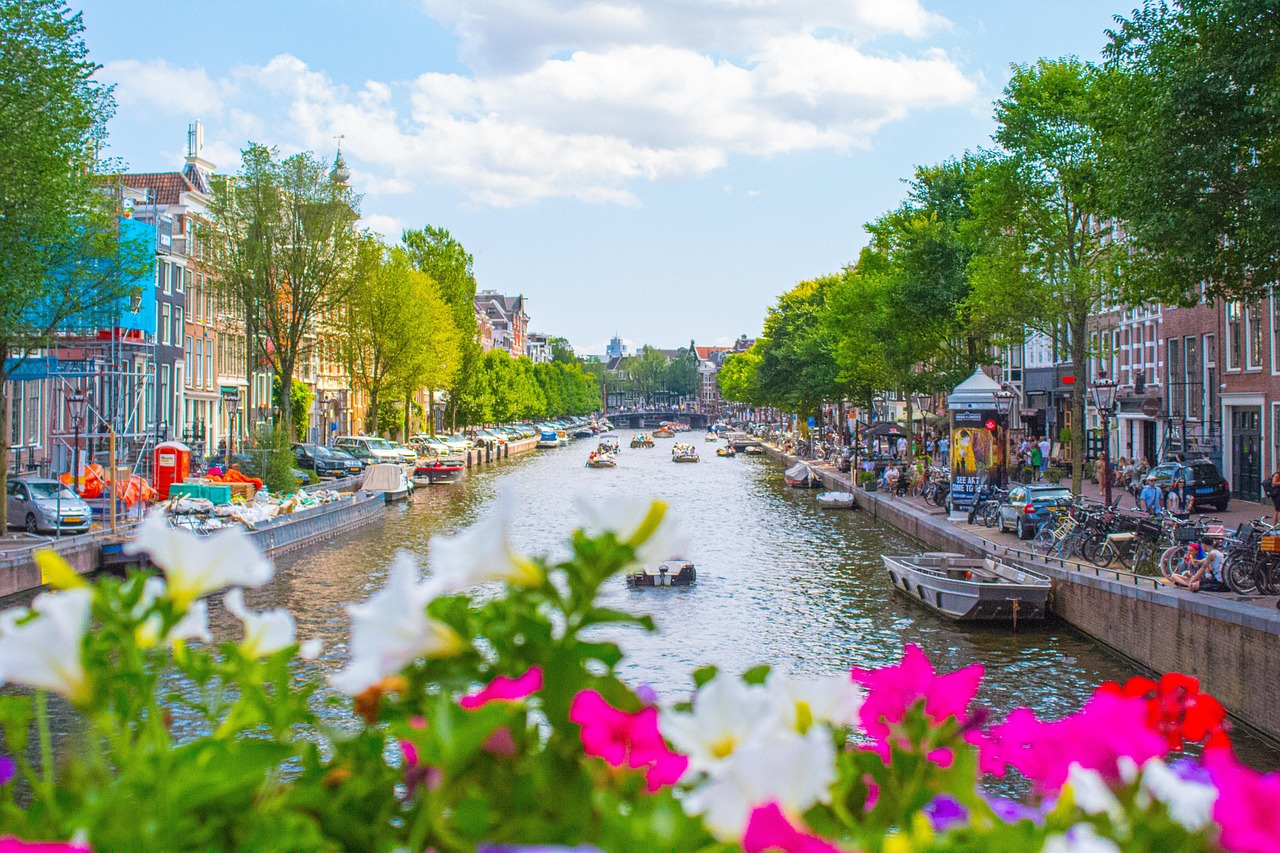
Amsterdam’s canal-ring core has moved from soft discouragement to hard limits. The city said no new hotels would be allowed unless capacity is swapped out, and it repeated its target of keeping overnight tourist stays from climbing beyond 20 million a year. This is a firm cap-first signal from a city built on delicate urban balance.
That marks a clear policy turn: growth is no longer assumed to be good if neighborhood life deteriorates. For residents in older central districts, the issue is less postcard charm and more everyday function, including quieter nights, less crowd compression, and streets that still work for local routines.
Lisbon, Portugal
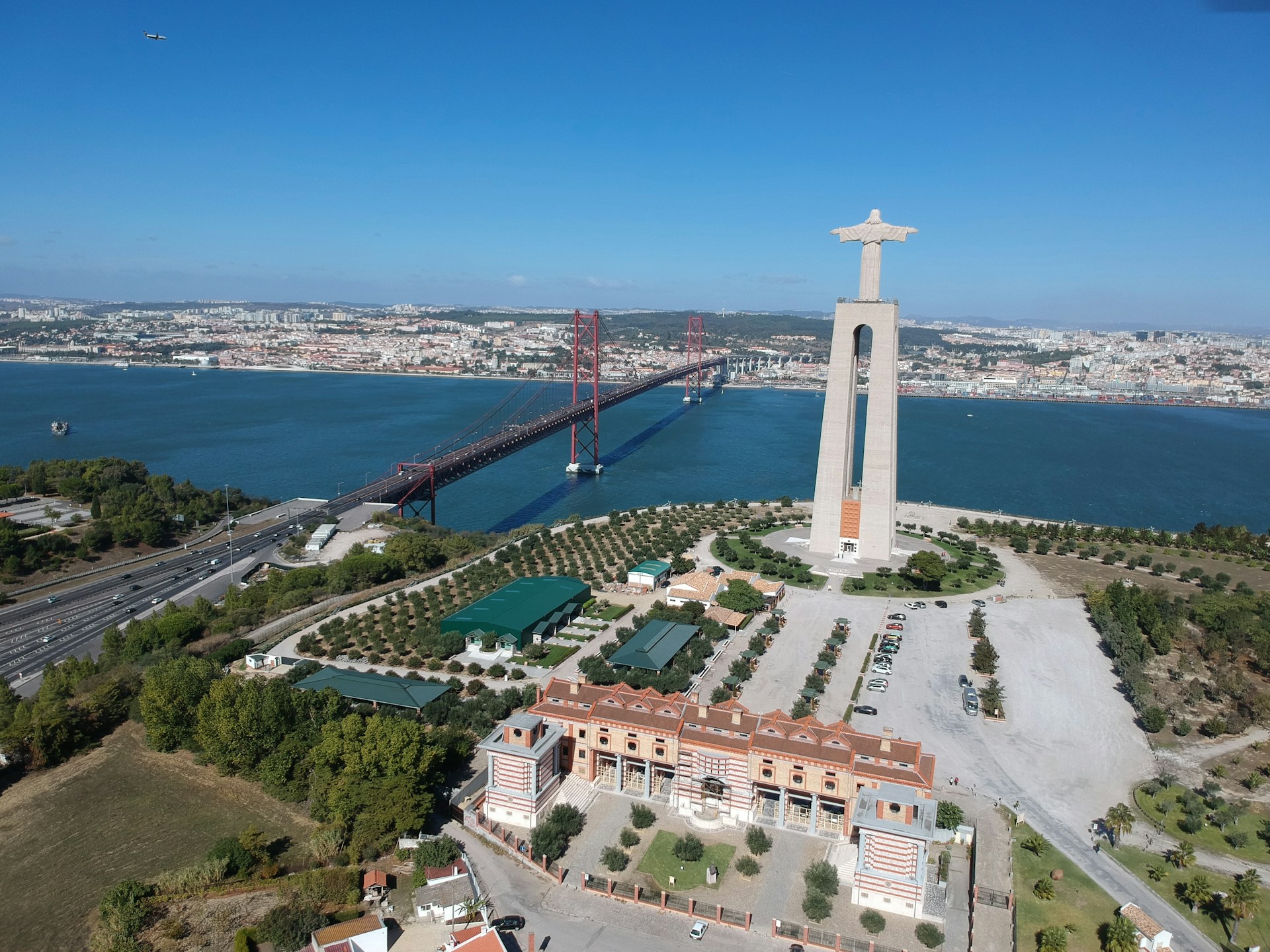
In Lisbon’s historic neighborhoods, housing and tourism now collide in plain view. A municipal assembly step in 2024 moved a referendum proposal forward that could phase out thousands of short-term rentals in residential buildings, showing how deeply the housing debate has penetrated local politics and sharpened resident pressure.
Supporters argue the city cannot protect community life in Alfama, Mouraria, and Baixa while large portions of housing stock operate as revolving visitor inventory. Even before any final vote, the process itself signals a breaking point: residents are demanding structural limits, not seasonal fixes.
Florence, Italy

Florence has targeted the mechanics of tourism churn in its historic core. After banning new short-term rentals in the historic center, city authorities also ordered removal of self check-in keyboxes, with fines for noncompliance, framing the measure as part of a wider anti-overtourism push in its fragile medieval grid.
The symbolism matters. Keyboxes became shorthand for buildings functioning as mini-hotels rather than homes, accelerating churn in streets meant for long-term residents. Florence’s strategy suggests preservation now includes social fabric, not only façades and monuments that visitors photograph and move on from.
Rome, Italy

Rome’s historic center has begun charging a two-euro fee for close-access entry at the Trevi Fountain, while leaving the surrounding piazza open. The city says the measure is designed to ease dangerous crowding and fund maintenance at one of its most pressured heritage points. Time-window controls now accompany the new ticket.
The context is scale: Reuters reported more than 10 million visits to Trevi in a recent 12-month stretch around the Jubilee period. When iconic sites inside old urban fabric pull constant surges, city managers face a hard tradeoff between open access and basic safety, circulation, and conservation.
Dubrovnik, Croatia
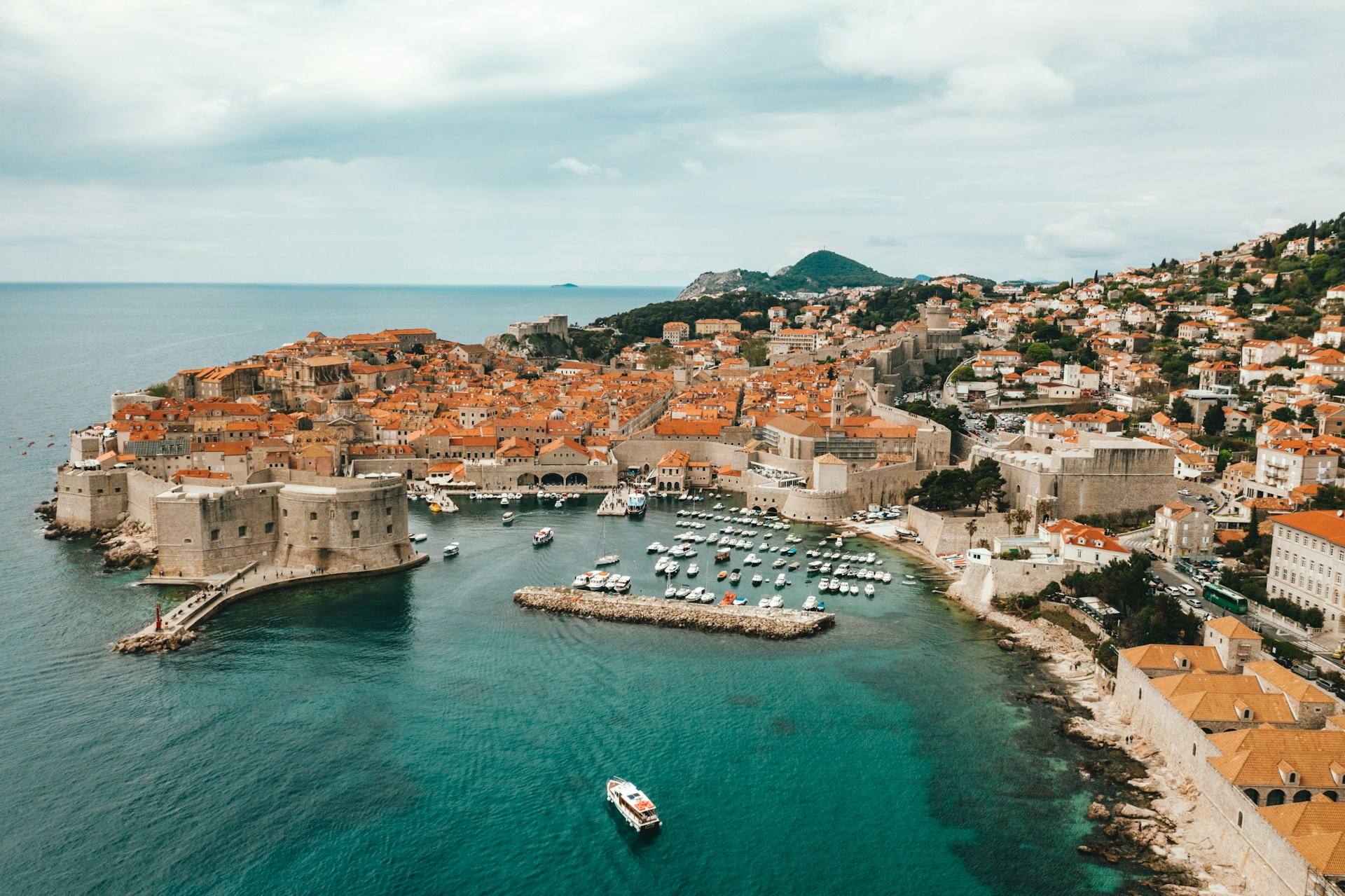
Dubrovnik’s walled old town has spent years moving from warning to enforcement. City officials linked new housing and rental limits to UNESCO obligations, while maintaining cruise-related crowd controls that capped arrivals in the old core at four thousand people at a time, tied to carrying-capacity warnings.
The pressure is physically visible in a compact stone city where peak disembarkation can flood the same streets within short windows. Local authorities now frame policy around repopulating the center with residents, arguing that heritage cannot survive as a stage set if daily life disappears behind visitor turnover.
Kotor, Montenegro
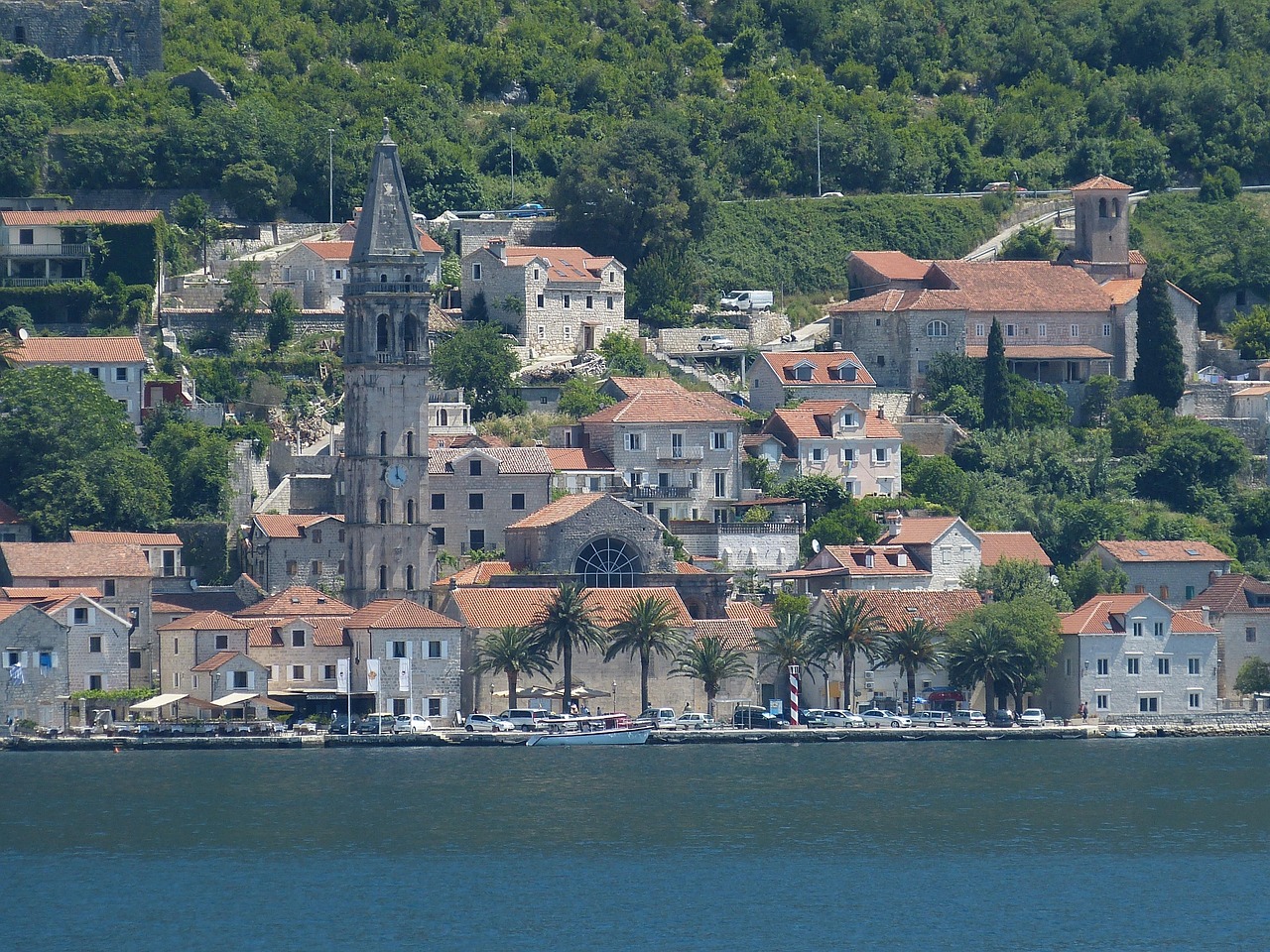
Kotor’s medieval core sits inside a dramatic bay, but beauty has become a bottleneck. Reuters reported about five hundred cruise ship arrivals expected in one year, with single days bringing several ships and roughly five thousand passengers into a town built on narrow lanes and tight access points at the same hours each day.
Residents describe routine traffic snarls and rising strain on services as ship schedules stack demand into short bursts. The debate is no longer whether tourism matters economically, it clearly does, but whether unmanaged volumes can erode the very old-town character that draws visitors in the first place.
Seville, Spain
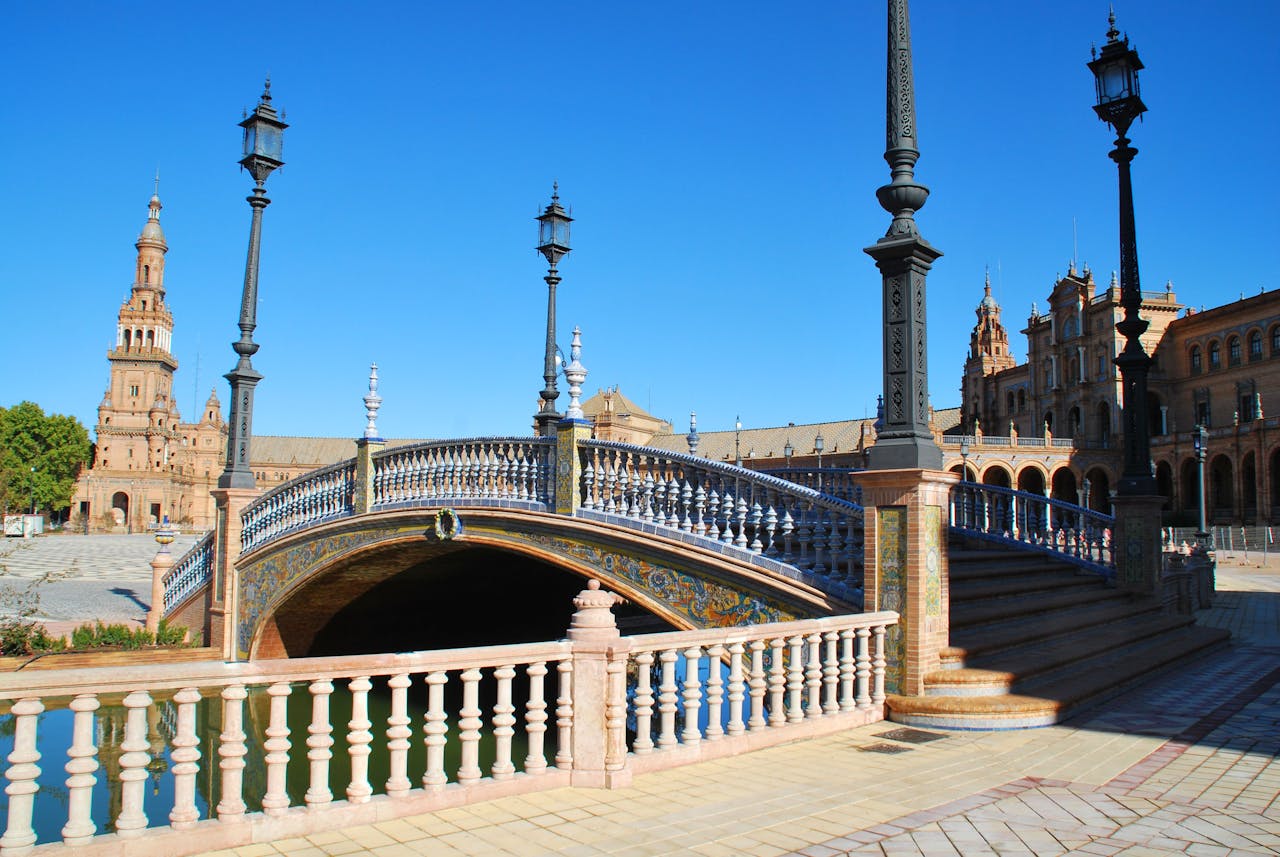
Seville’s historic heart has entered the same argument shaping other European centers: who pays to maintain places overwhelmed by visitor volume. City leaders said tourists may be charged to enter Plaza de España, citing conservation, safety, and visible wear in a heavily used public landmark that now faces clear signs of overuse.
With millions of annual visitors and a major resident population sharing the same civic spaces, even landmark squares now face gatekeeping proposals that once seemed politically impossible. The message is unmistakable: beloved old districts are being managed as finite systems, not limitless attractions.
Prague, Czech Republic
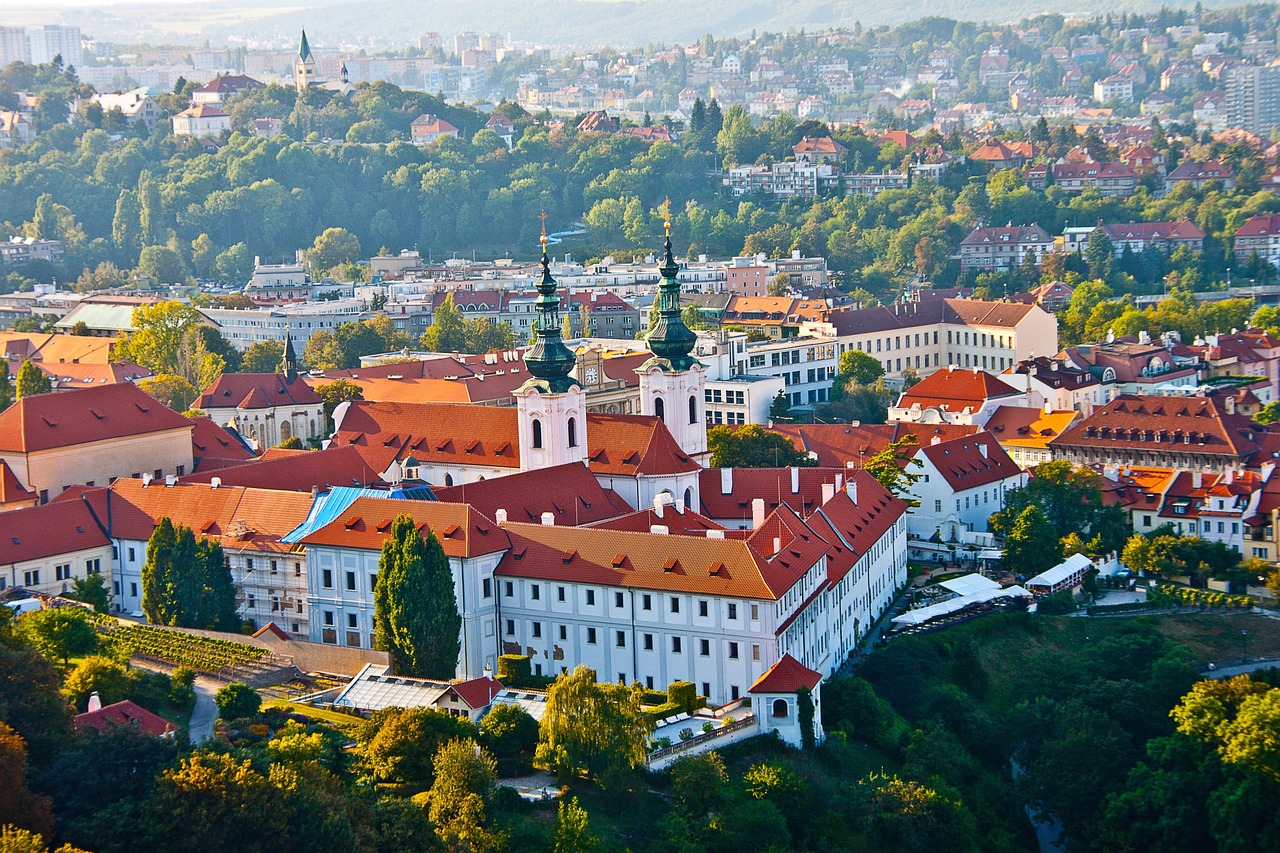
Prague’s old center has chosen behavioral controls over branding campaigns and weekend excesses. The city approved a ban on organized nighttime pub crawls between 10 p.m. and 6 a.m., with fines for operators, after officials said earlier attempts failed to protect residents from noise and security spillover in central housing blocks.
The move reflects a wider shift across heritage cities: reducing low-value, high-impact visitation patterns while trying to attract longer-stay cultural travel. In dense medieval streets where apartments sit above bars, quality-of-life policy now carries as much weight as tourism marketing.
Santorini, Greece

Santorini’s cliffside settlements show how fast popularity can outpace capacity. Reuters reported about 3.4 million visitors in a year and local calls to cap cruise arrivals at eight thousand a day, down from peaks around seventeen thousand, because roads, water systems, and housing are under stress during peak arrival windows.
Residents describe a town rhythm increasingly set by ship timetables rather than local needs. The island remains extraordinary, but the policy debate has turned pragmatic: without hard daily limits, overcrowding can hollow out livability in villages that were never designed for continuous mass throughput.
Mykonos, Greece

Mykonos, especially around Chora and its harbor approaches, has become central to Greece’s new crowd-pricing approach. Reuters reported a planned 20-euro levy on cruise visitors to Mykonos and Santorini during peak season, a fiscal signal aimed at moderating volume and funding impact management. Pricing tools are now being used as conservation instruments.
Fees alone will not solve pressure on housing, waste, transport, and waterfront circulation, but they change the policy baseline. For old-town districts where narrow streets meet heavy day arrivals, authorities are moving from passive accommodation to explicit demand shaping.
Athens, Greece

In Athens, the old-city belt around central neighborhoods has become a housing pressure valve for tourism demand. Reuters reported Greece would ban new short-term lets in Athens for at least one year, alongside higher daily taxes on this type of accommodation during the main season as rents keep tightening.
That combination shows a two-track strategy: freeze expansion, then raise operating costs where impacts are highest. For historic urban zones already balancing residents, students, and visitor flow, policymakers are signaling that unchecked conversion of homes into tourist stock is no longer politically sustainable.
Málaga, Spain

Málaga’s historic center illustrates how quickly short-let growth can reshape an old city. Reuters reported a ban on new tourist-rental permits in forty-three neighborhoods, triggered where short lets exceed 8% of housing; in the center, local authorities said this model dominates available tourist beds and squeezes resident availability.
The policy recognizes a simple imbalance: when visitor yields outcompete long leases, permanent residents are steadily pushed outward. By setting thresholds and annual review, the city is treating overcrowding as a measurable housing-and-urban-function problem, not just a peak-season inconvenience.