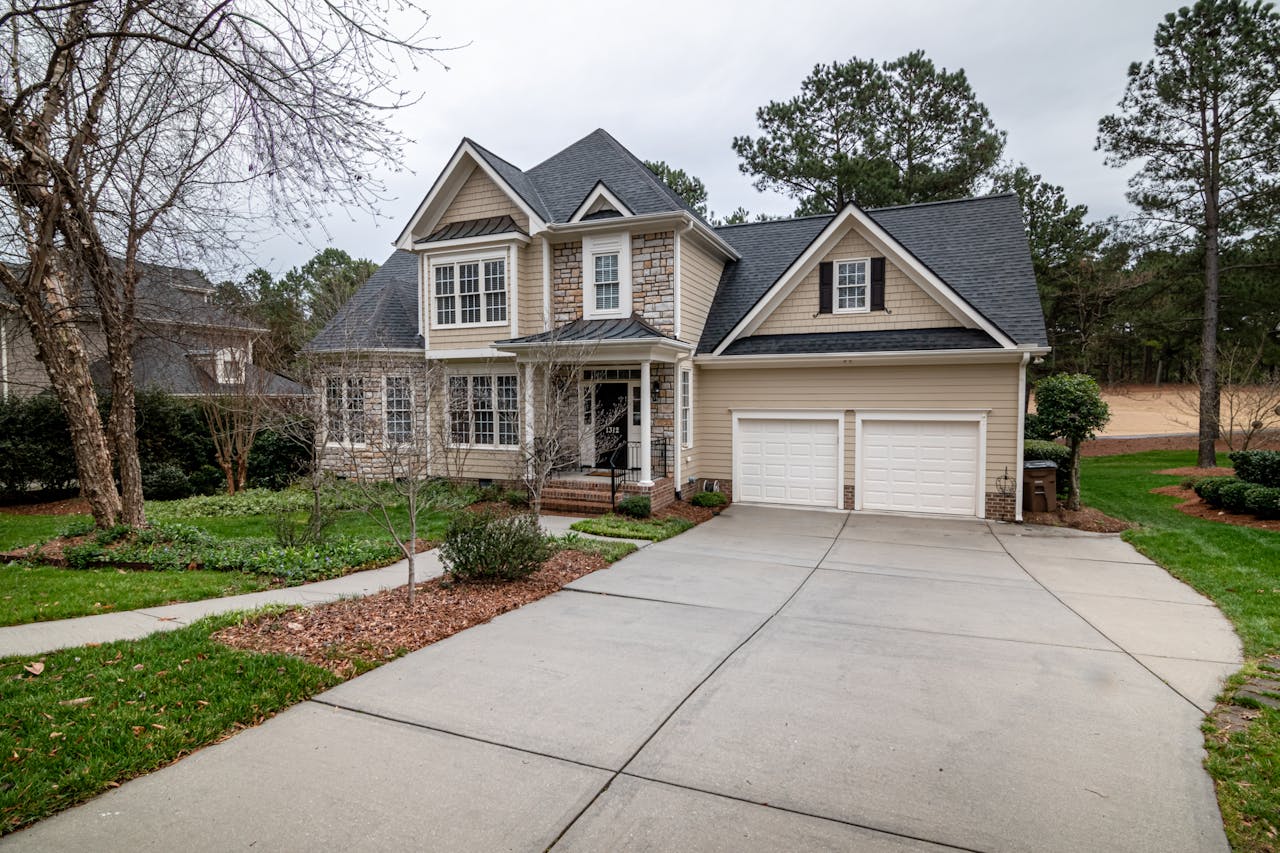
HOA living can feel like a promise: trimmed lawns, quiet streets, and the comfort of shared standards. But the promise sits on contracts. Covenants are recorded, rules carry fine schedules, and disputes can move from friendly reminders to hearings, liens, and lawsuits faster than most owners expect. Trouble usually begins with small, human moments: a rushed exterior upgrade, a guest who stays a little too long, a payment missed during a tight month, or a request that touches disability rights. Even well-run boards can misstep when enforcement turns personal. Once notices start arriving, timing matters, wording matters, and assumptions get expensive. These nine pressure points show where routine HOA life most often turns into legal hot water.
Unpaid Assessments That Become Liens

HOA dues can feel like a routine bill until one missed payment triggers late fees, interest, and a strict notice timeline that keeps moving. Many governing documents let an association record a lien for unpaid assessments and add collection costs and attorneys’ fees, so a modest balance can balloon into a four-figure demand before anyone feels ready to argue about it. When an owner falls behind again or ignores a written payment plan, the dispute can shift into court through collection lawsuits and, in some states, foreclosure proceedings that leave a long paper trail tied to the property and complicate refinancing.
Unapproved Exterior Changes

Exterior upgrades are a frequent spark because architectural rules are written for the whole streetscape, not a single taste. Paint colors, fences, roofs, windows, sheds, and patio covers may require written approval before work begins, and a change that looks harmless can still be labeled a continuing violation with escalating fines. When an owner refuses to reverse the work or misses a hearing deadline, the HOA may hire counsel and pursue an injunction that orders removal or replacement on a court schedule, dragging contractors back and complicating resale forms, with inspections, photos, and invoices filed as evidence.
Short-Term Rentals and Lease Limits
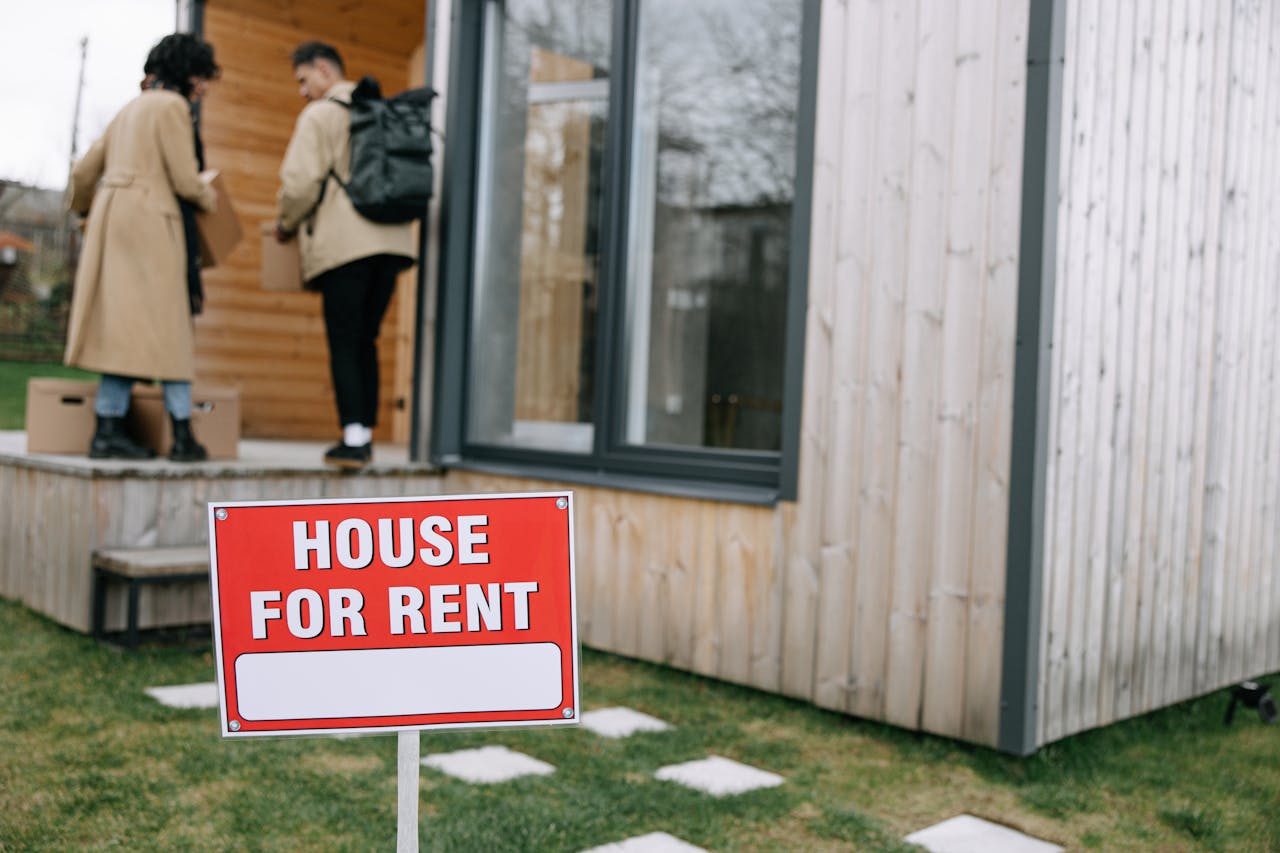
Rental rules can turn a quiet side arrangement into a legal dispute when guests rotate weekly and neighbors complain about noise, trash, or parking. Many HOAs restrict leases under 30 days, cap the percentage of rentals, require lease registration, or ban corporate housing, and amendments can change the deal midstream, sparking fights over grandfathering and notice. If an owner keeps renting after repeated violations, an association may pursue an injunction to stop the bookings and demand reimbursement for enforcement costs, and continued defiance can bring contempt sanctions on top of fees and strained neighbor relations.
Parking Rules and Towing Disputes

Parking enforcement is where costs arrive overnight, because a warning sticker can become a tow before the next morning coffee. Some HOAs ban street parking, limit guest passes, prohibit commercial vehicles, or require permits after certain hours, and repeat violations can trigger escalating fines and tow authorizations tied to a contracted company. If required signage, notice windows, or documentation is missing, owners may challenge the tow in small claims or through local towing rules, but when the HOA follows its process, impound fees, storage charges, and release paperwork can snowball fast in a single weekend.
No-Pet Rules and Assistance Animal Requests

Pet limits become legal terrain the moment disability accommodations enter the conversation, because fair housing duties can override a blanket rule. A resident may request an assistance animal as a reasonable accommodation even in a no-pet community, and the HOA is expected to engage in an interactive process rather than default to denial or extra fees. When boards reject valid requests, harass residents, or demand improper documentation, complaints can move to agencies and court, while owners who submit fake letters can also face serious consequences once the record is tested, and neighbors take sides in writing.
Satellite Dishes and Antenna Restrictions

Few disputes look smaller than a dish on a balcony, yet communications rules can make enforcement risky for an HOA. Restrictions that unreasonably delay, block, or raise the cost of certain antennas may be unenforceable in areas an owner exclusively controls, so boards often must stick to narrow safety limits and reasonable placement standards. When fines are issued anyway or removal is demanded, owners may answer with formal objections and proof of exclusive-use areas, and the matter can escalate into hearings, attorneys’ letters, and court motions that cost far more than the equipment and sour cooperation for months.
Solar Panels and Solar Access Conflicts

Solar upgrades often expose a fault line between aesthetics and energy policy, especially when contractor schedules require quick decisions. Some HOAs can regulate placement, wiring routes, and visibility, but outright prohibitions may clash with state solar access protections, turning a design review into a legal dispute with deadlines and written objections. If an owner installs without approval, the HOA may demand removal and levy fines, yet boards that flatly block compliant systems can face appeals and complaints, creating a costly standoff that lingers in resale disclosures long after the panels are bolted down.
Flags and Political Sign Limits

Expression rules are where an HOA can stumble into public-law protections, because some displays are protected even in deed-restricted communities. Rules limiting the American flag, service flags, or political signs may be constrained by federal or state statutes, including timing windows, size limits, and placement rules, and a fine issued in the heat of an election can become evidence in a formal challenge. When enforcement looks inconsistent or retaliatory, the dispute can move from compliance hearings to attorney demands and court filings, forcing policy rewrites and hard feelings that outlast the season’s yard signs.
Selective Enforcement and Discrimination Claims

Selective enforcement is the quiet accelerant in HOA conflict, because the same rule can look fair on paper and biased in practice. When one household gets warnings and another gets fines for identical issues like trash cans, noise, or holiday décor, residents start documenting patterns, dates, photos, and board comments. If the pattern seems tied to protected traits or retaliation, a routine violation can grow into a fair housing complaint, subpoenas for emails, depositions, and insurance involvement, turning years of casual decisions into a formal legal record with real financial exposure for the association and owners.