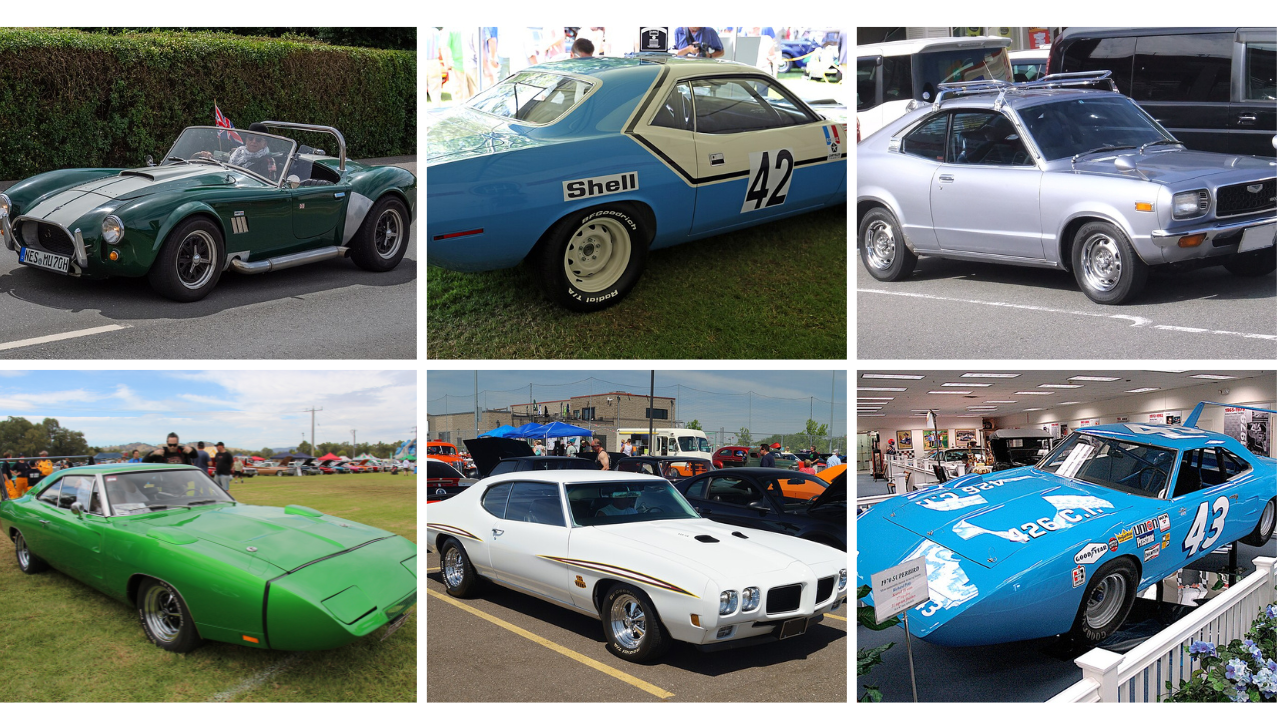
Some cars are remembered for the sound they made as much as the places they took people. By the late 1960s and early 1970s, horsepower felt like a cultural mood, and tailpipes were treated as a background detail. Modern emissions law flipped that logic, demanding cleaner combustion, catalytic converters, and fuel formulations those old recipes never anticipated. Many icons could be recreated today only by changing what made them famous: high-compression carbureted big-blocks, thirsty induction setups, and engines that burned extra fuel or oil as a feature. Their appeal still makes sense. They were loud, dramatic, and unapologetically mechanical, built for an era when regulation had not yet boxed in the blueprint. It was also an age of cheap gasoline.
1970 Chevrolet Chevelle SS 454 LS6
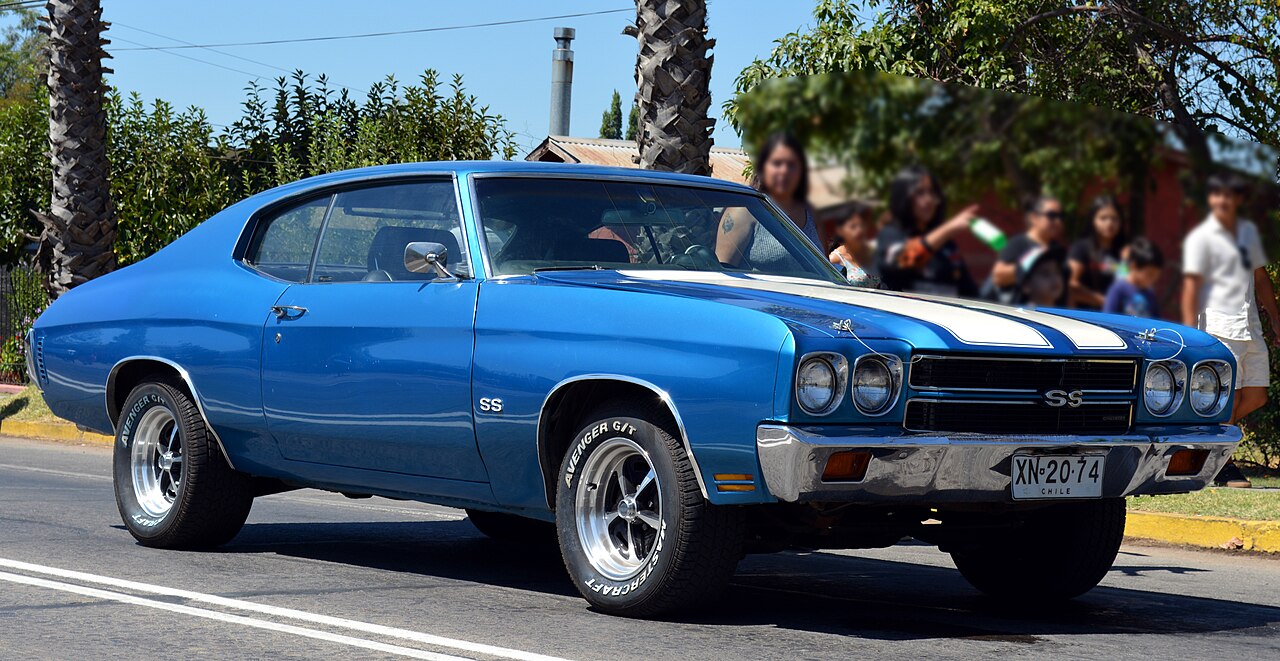
In 1970, the LS6 Chevelle turned street respect into a spec sheet: 454 cubic inches and an 800-cfm Holley four-barrel feeding a high-compression big-block that lived for wide-open throttle. That recipe made torque feel instant, but it also came from a world before closed-loop fueling, strict evaporative controls, and catalytic converters became baseline expectations. Recreating it under modern emissions laws would require electronic injection, oxygen sensors, and large aftertreatment systems calibrated for daily driving and cold starts, not just weekend blasts, softening the raw punch-and-fuel-smell character that defined the car.
1971 Plymouth Hemi ’Cuda
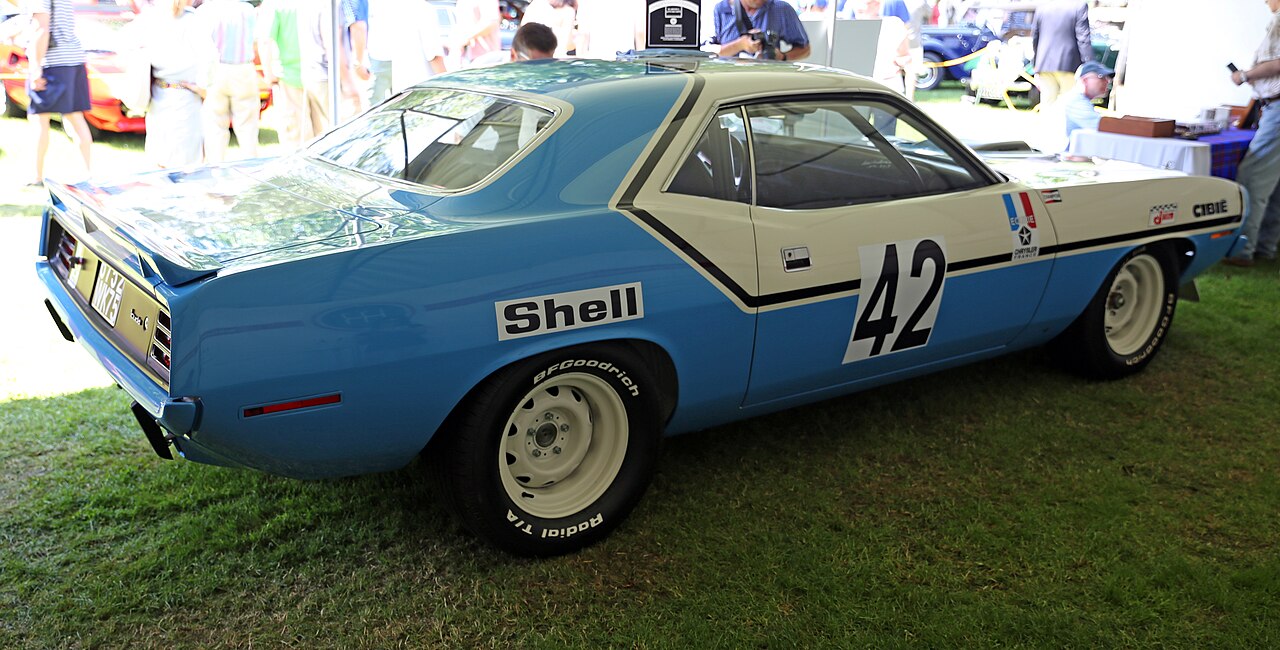
The Hemi ’Cuda inspires storytelling because its reputation begins under the hood: a 426 Hemi with dual four-barrel carburetors built to move enormous volumes of air and fuel. It thrived on leaded gasoline, loose tolerances, and tuning practices that predated onboard diagnostics and emissions self-checks. Certifying that engine today would demand precise electronic control, catalytic converters, and vapor recovery systems that fundamentally change exhaust sound and response. The shape and menace could survive, but the mechanical wildness that built its legend would be carefully engineered into something calmer.
1969 Dodge Charger Daytona
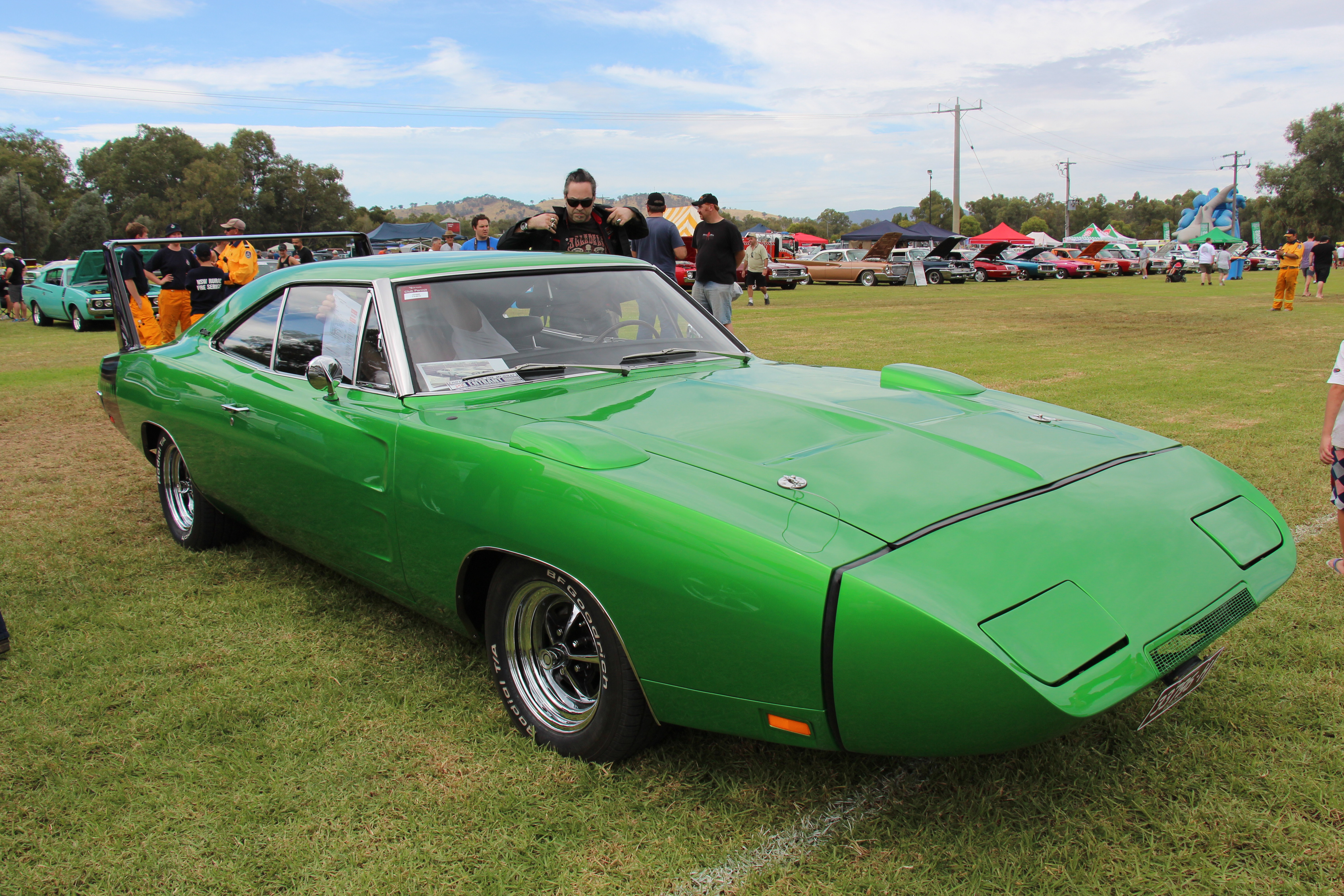
The Charger Daytona blurred the line between race car and street machine, pairing extreme aerodynamics with big-block V8 power rooted in simple carburetion. It came from an era when compliance meant passing basic standards, not surviving exhaustive laboratory cycles and real-world monitoring. Modern emissions laws would require a ground-up powertrain redesign with sensors, catalysts, and thermal management systems that control every startup and idle. The wing and nose might still shock traffic, but the original attitude depended on an engine philosophy that no longer fits showroom reality.
1970 Plymouth Superbird 440 Six Barrel
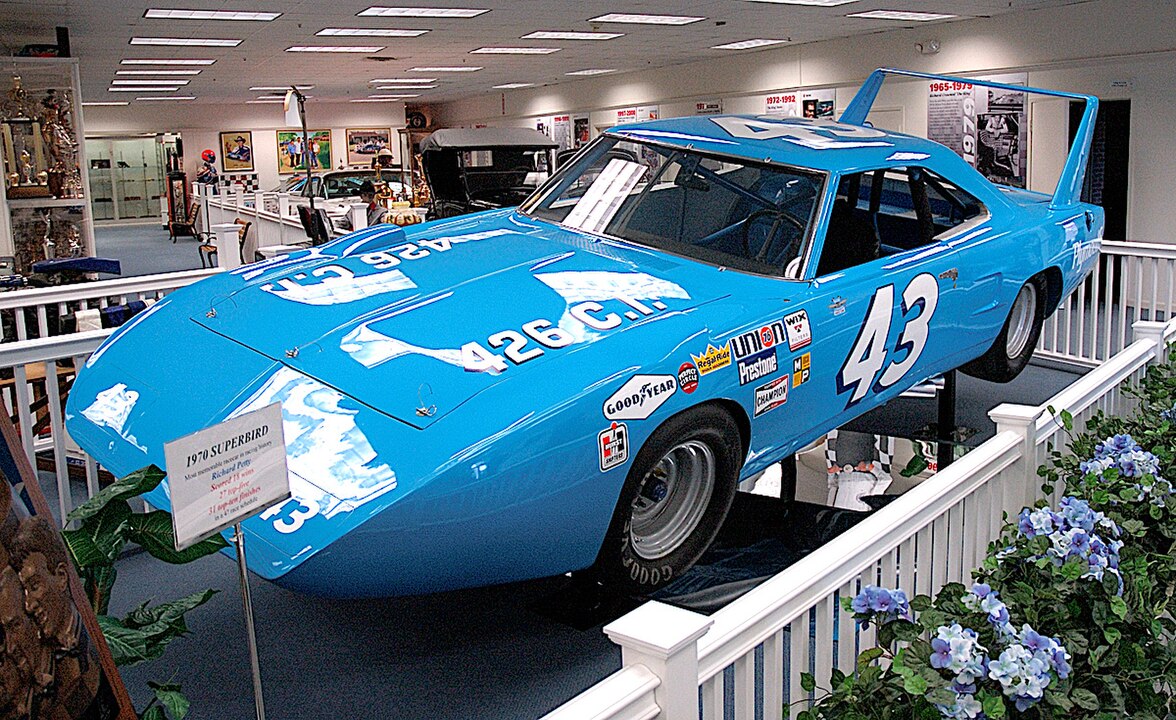
The Superbird’s exaggerated bodywork masked a serious goal: homologation for NASCAR dominance. Its 440 Six Barrel setup used three two-barrel carburetors to flood the engine with fuel under demand, prioritizing response over efficiency. That approach conflicts directly with modern standards focused on precision metering, vapor containment, and continuous emissions monitoring. A compliant version could exist visually, but the personality would shift. The unpredictable surge and rich exhaust note that made the Superbird feel rebellious would be replaced by smoother, quieter consistency.
1970 Pontiac GTO Ram Air IV
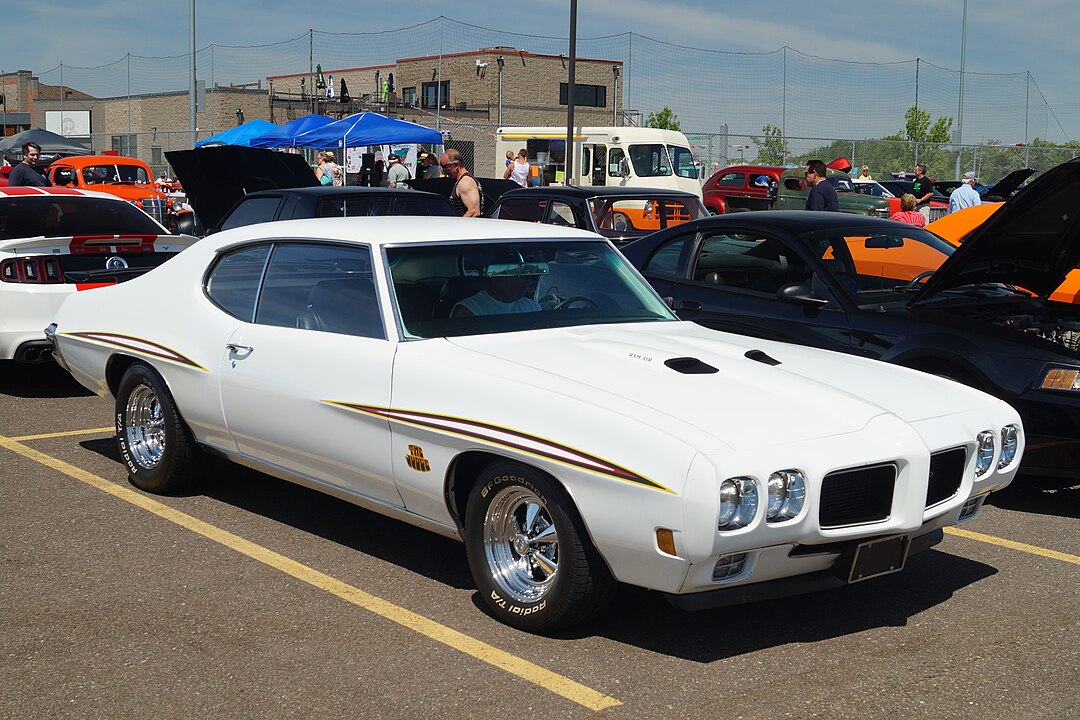
Pontiac’s Ram Air IV GTO delivered drama through airflow and compression, combining a functional cold-air system with an aggressive camshaft that gave the car a restless idle. It was designed before tight limits on hydrocarbons and nitrogen oxides reshaped engine tuning philosophy. To meet modern rules, it would need fuel injection, catalytic converters, and conservative calibration across temperature and altitude changes. Performance could remain strong, but the sharp idle and raw exhaust edge would be sacrificed in favor of clean combustion and predictable behavior.
1973 Mazda RX-3
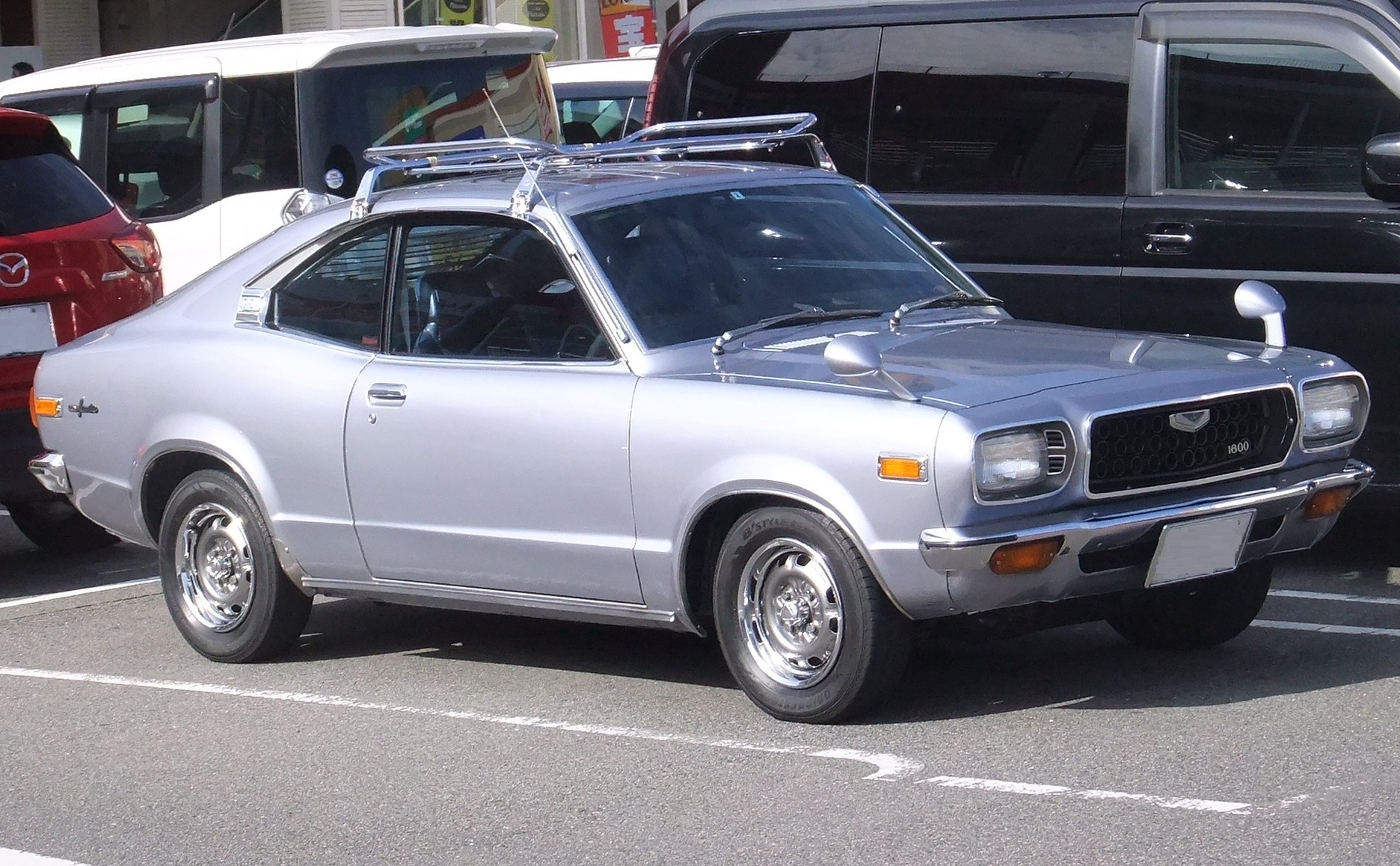
The RX-3 proved that performance did not need displacement, only a willingness to be unconventional. Its rotary engine revved freely and smoothly, but its combustion design tended to produce higher hydrocarbon emissions and fuel consumption. Even with modern technology, certifying the original rotary concept would require heavy aftertreatment and careful calibration, especially during cold starts. Those changes would blunt the free-spinning charm that made the RX-3 feel playful and strange in the best way, turning an eccentric classic into a far more restrained machine.
1965 Shelby Cobra 427
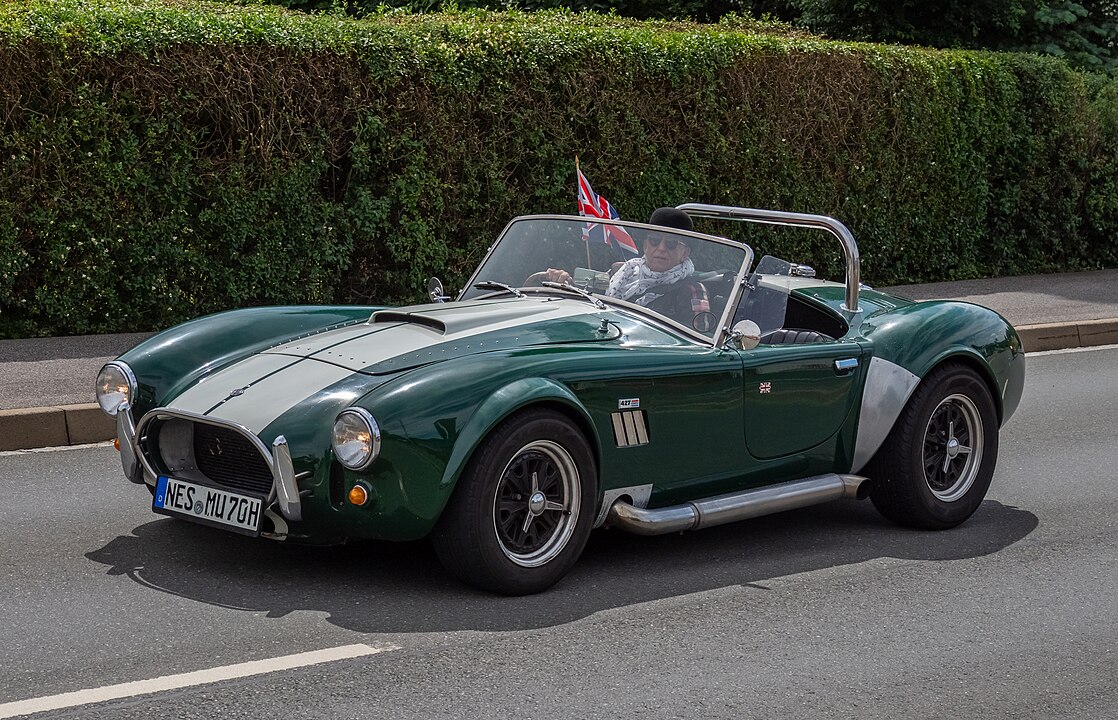
The Cobra 427 was essentially an engine wrapped in minimal bodywork, built around a massive 7.0-liter V8 and almost no concessions to comfort or restraint. It predated catalytic converters, evaporative controls, and modern noise limits, relying on raw displacement and simple carburetion for its appeal. Meeting today’s emissions standards would require fuel injection, catalysts, vapor systems, and heat management that add weight and complexity. Those necessities would dilute the elemental, barely civilized experience that made the Cobra feel thrillingly excessive.