Across the colder months, communities find creative ways to bring warmth into the long nights. Some gather around bonfires, others light candles in windows or release lanterns into open skies. The glow becomes more than decoration. It marks a pause in the season, giving people a reason to meet, eat, and steady themselves before the next stretch of winter settles in. These celebrations, old and new, reveal how light becomes both a tool and a symbol, helping people carry hope through the darker weeks of the year.
Diwali: Lamps That Welcome Good Fortune
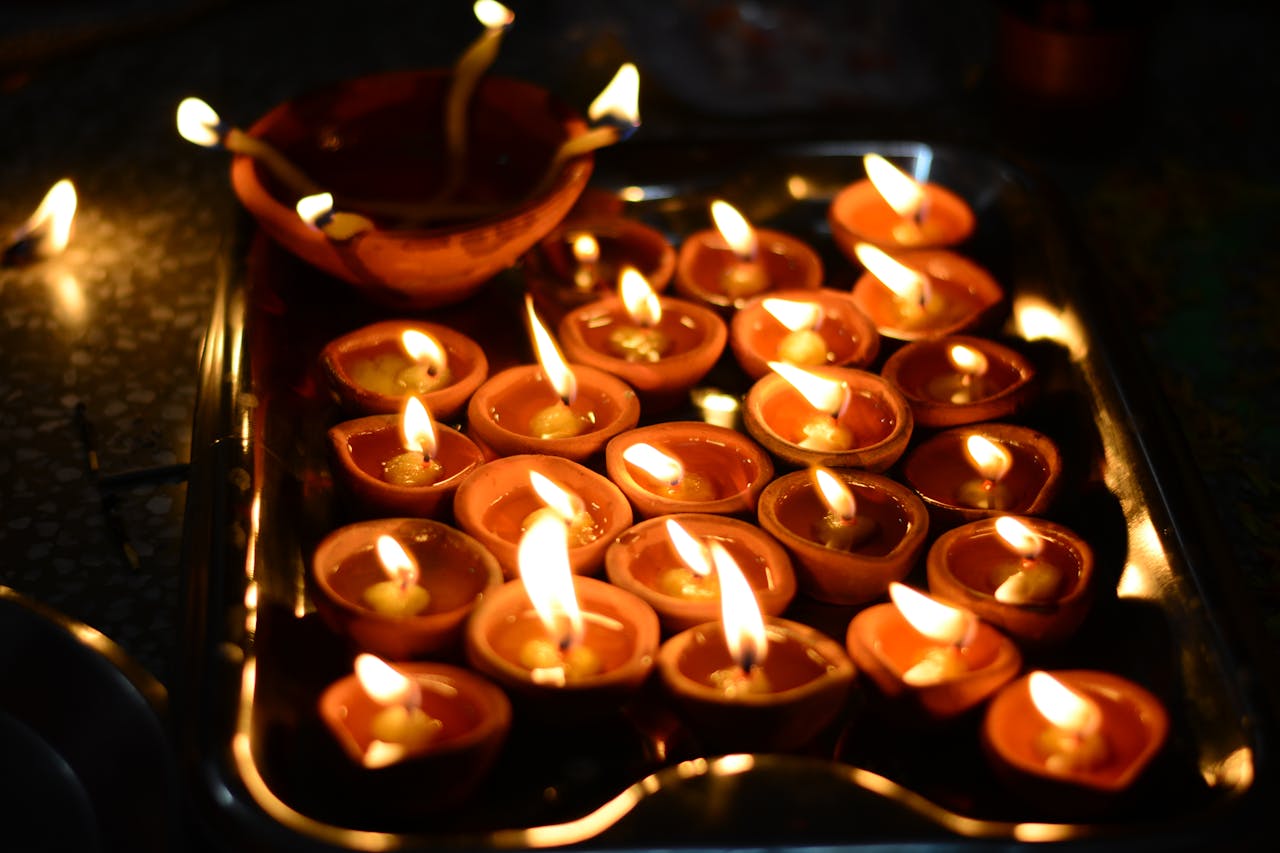
Diwali arrives near the end of the rainy season, but its light often feels strongest as cooler weather sets in. Families clean their homes, prepare sweets, and place small clay lamps filled with oil along balconies and doorways. Those quiet flames create a soft outline around each home, making entire neighborhoods glow. Firecrackers spark outside while relatives gather inside for long meals and conversation. The festival’s strength lies not in noise but in the warmth of those tiny lamps, each one turning an ordinary threshold into a place that feels open to hope.
Hanukkah: A Slow Build Of Brightness
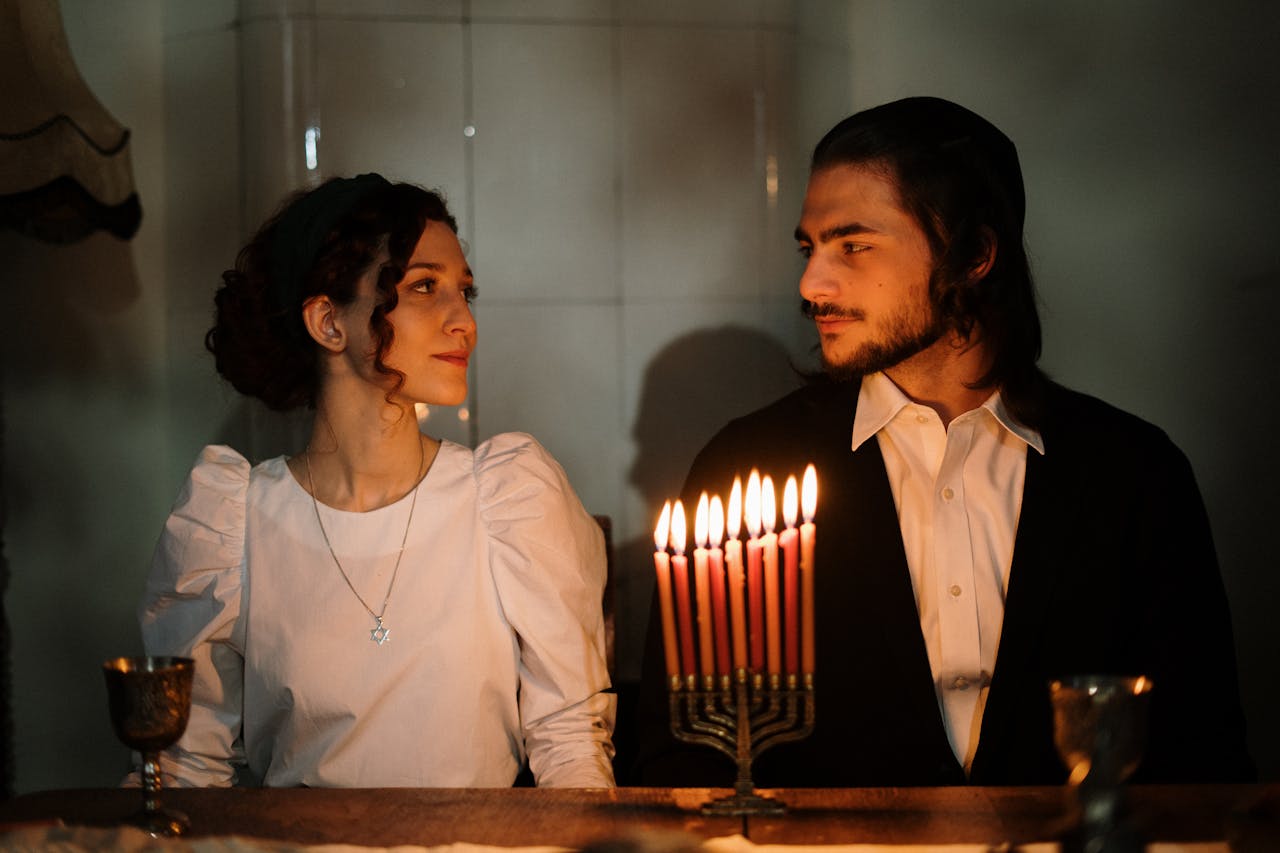
Hanukkah unfolds over eight nights, giving winter a sequence of moments that feel both structured and tender. Each evening, families add one more candle to the menorah until the full line of flames stands bright against the cold. The ritual gives the week a rhythm grounded in memory and steadying repetition. Songs, games, and foods cooked in oil help anchor the celebration, but the focus remains on the candlelight that grows a little stronger each night. It offers a reminder that persistence, even in small forms, can shift the atmosphere of a room.
Saint Lucia: A Procession Through Nordic Darkness
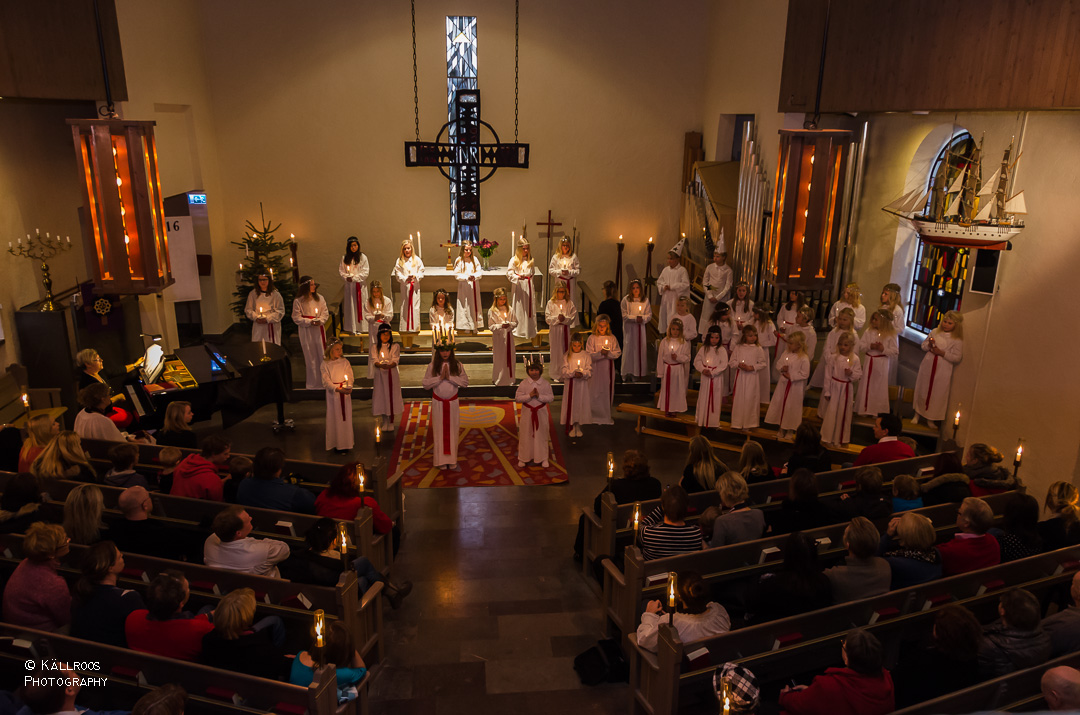
In Sweden and parts of Scandinavia, Saint Lucia Day arrives when daylight feels thin and mornings come reluctantly. Before sunrise, a girl wearing white and a crown of candles leads others through schools, churches, or homes while singing familiar songs. Their movement through the dark creates a sense of gentleness that carries people through the cold hours ahead. Coffee and saffron buns are shared afterward, turning the early morning into something comforting rather than harsh. The celebration shows how a single line of candlelight can reclaim a difficult season.
Yule: Solstice Fires And Winter Feasts
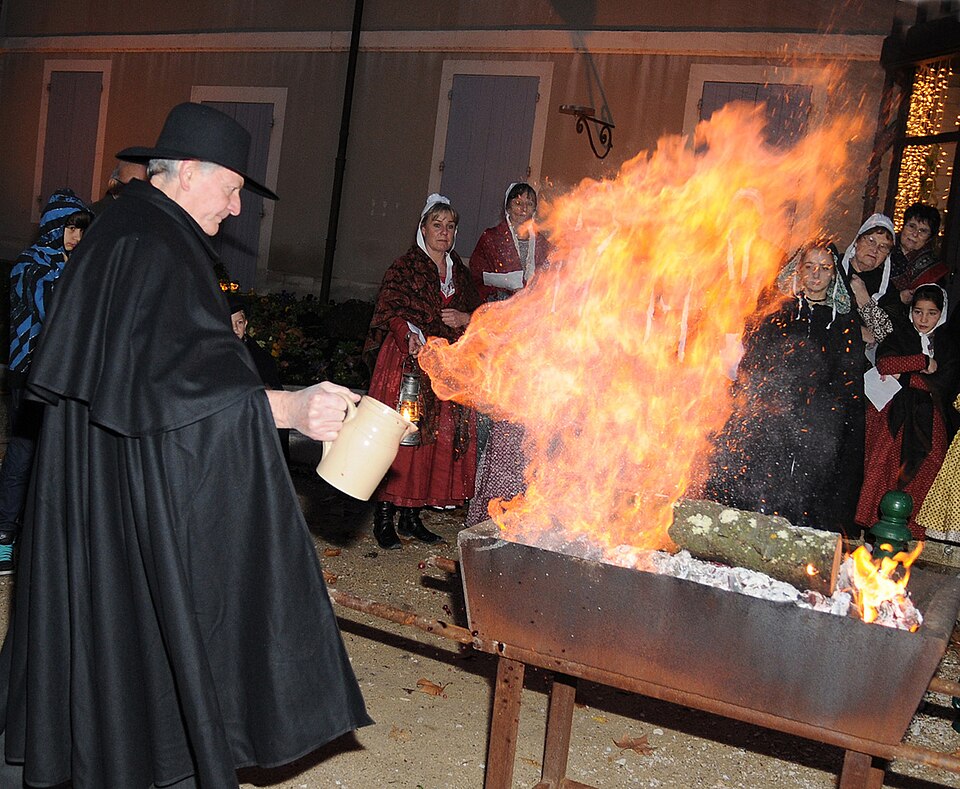
Yule reaches back to old Germanic and Norse traditions tied to the winter solstice, when the year’s darkest point hints that daylight will soon begin to return. Families gathered around large fires, sharing roasted meat, ale, and stories that softened the weight of winter. Evergreen branches brought into homes symbolized endurance, reminding everyone that life persisted beneath the snow. The fire’s warmth created a kind of temporary shelter from the season’s strain. Even now, many winter customs carry echoes of that old belief that people can create warmth rather than wait for it.
Hogmanay: Scotland’s Fiery Turn Of The Year
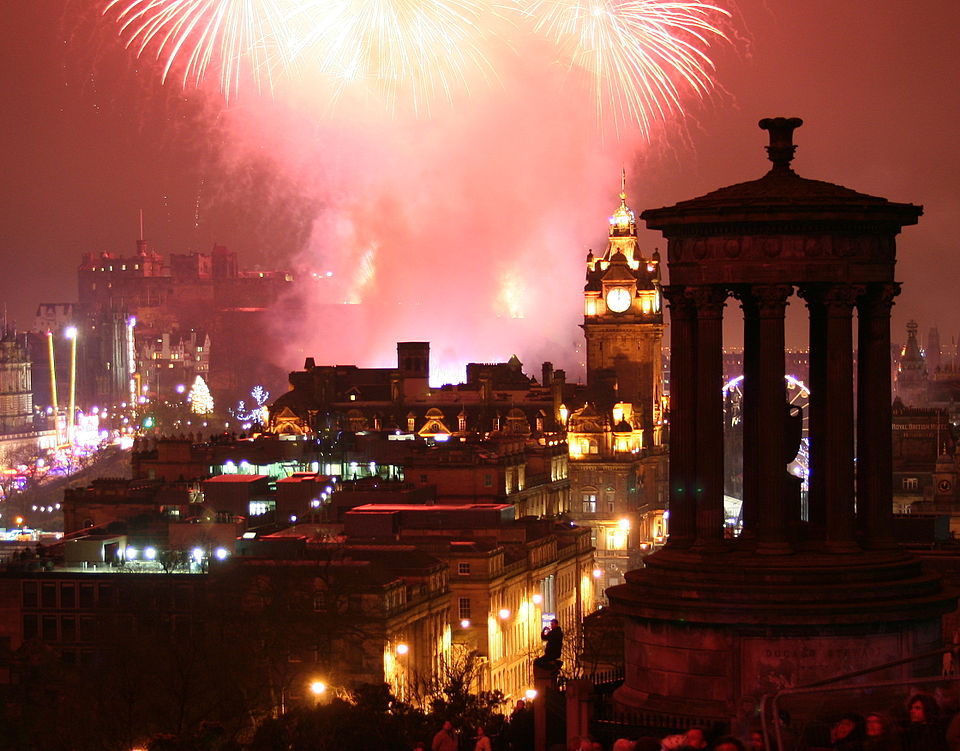
In Scotland, Hogmanay often feels larger than New Year’s Day itself. Cities host torchlight processions that wind through familiar streets, creating rivers of flame that cut through the cold. Fireworks rise over towns and harbors, while villages hold bonfires that draw neighbors together. The night builds toward midnight, but its meaning comes from the sense of shared movement from one year into the next. Traditions like first-footing tie the public celebration back to the intimacy of home, blending spectacle with hospitality in a way that feels distinctly Scottish.
Yalda Night: Holding The Solstice As A Community
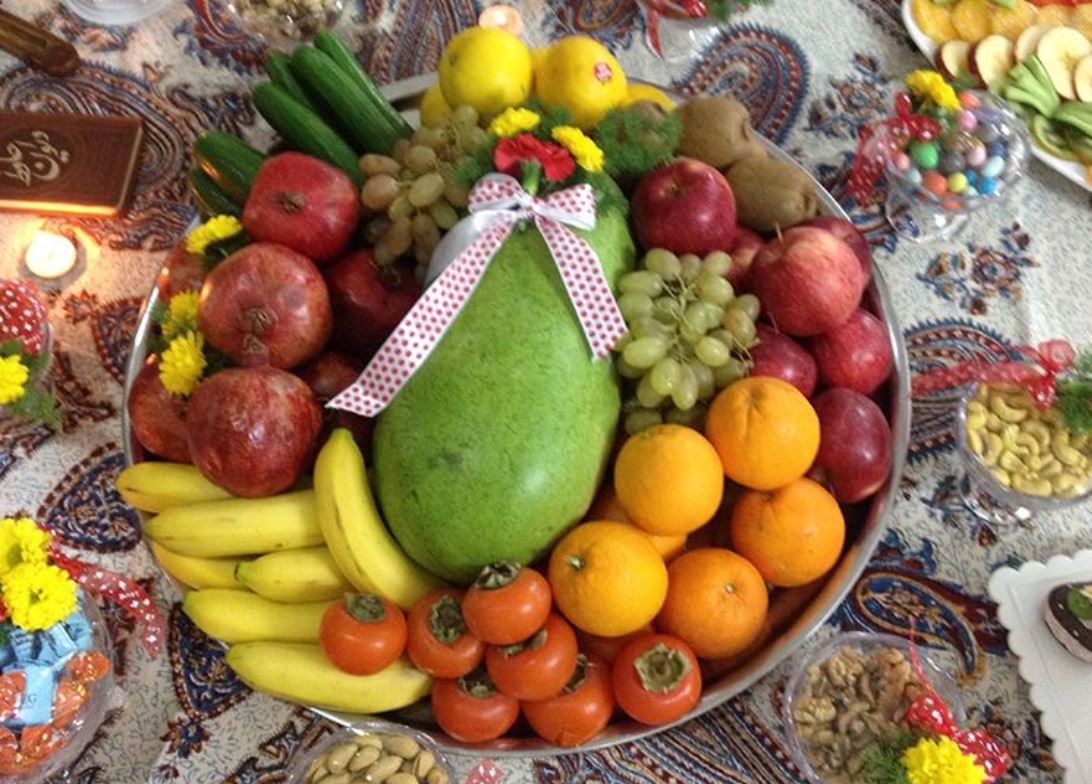
In Iran and nearby regions, Yalda Night marks the winter solstice, the longest night of the year. Families stay awake late, gathering around low tables filled with pomegranates, nuts, and watermelon saved from warmer seasons. Lamps and candles soften the room while elders read poetry. The act of staying together through the darkest hours becomes a gesture of patience and reassurance. When morning comes, it brings not only light but a sense of renewal. The night’s purpose rests in shared presence rather than grand ceremony.
Loy Krathong: Floating Light Across Water
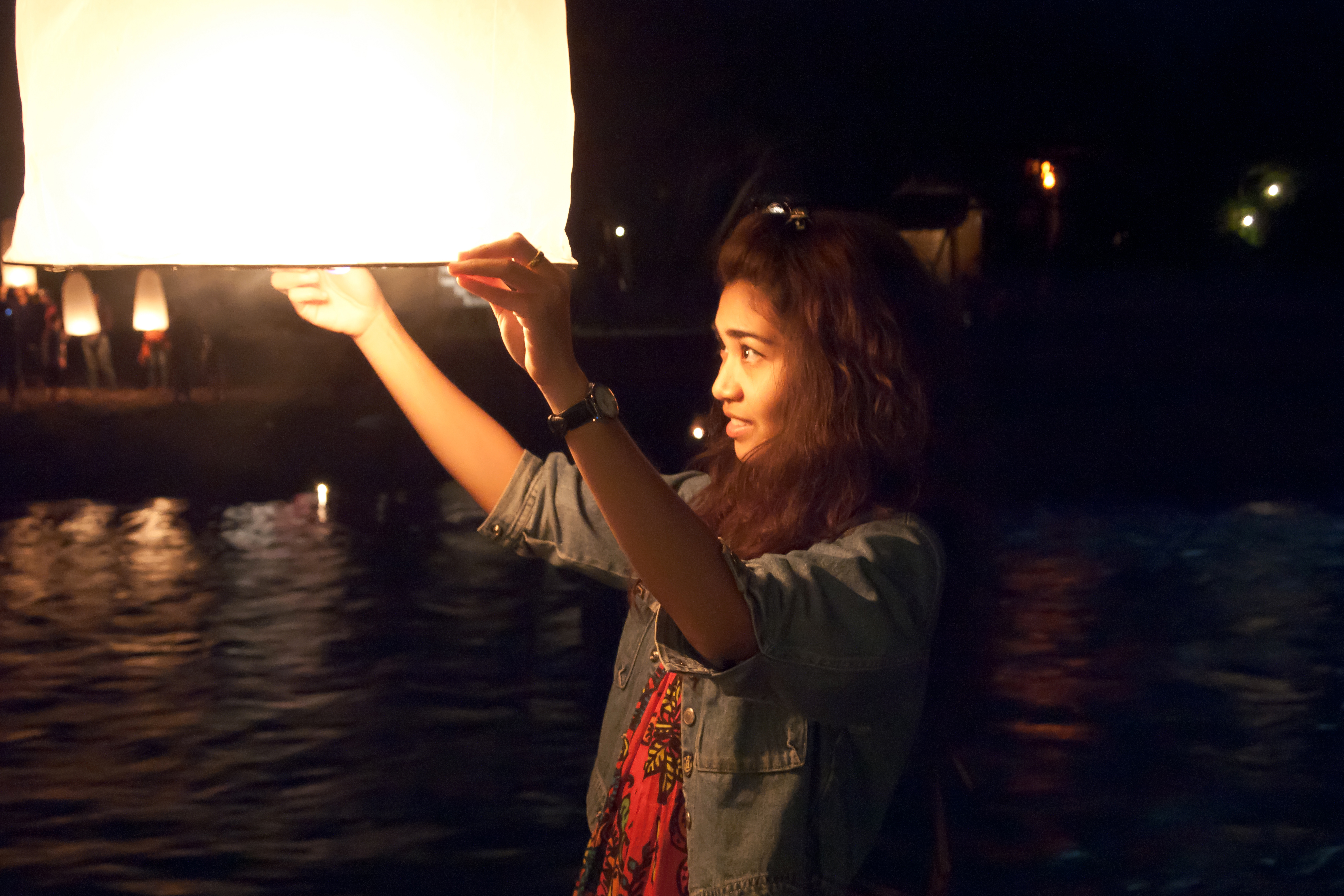
In Thailand, Loy Krathong arrives with cooler evenings and a sense of transition. People gather along rivers and lakes to set small handmade offerings afloat, each made of banana leaves, flowers, incense, and a candle. As the krathongs drift away, the water fills with scattered flames that move gently into deeper dark. The moment encourages quiet reflection rather than noise, inviting people to let go of regrets and welcome clarity. The sight of so many tiny lights floating on still water creates a kind of calm that lingers long after the festival ends.
Las Posadas: Lanterns That Trace A Path
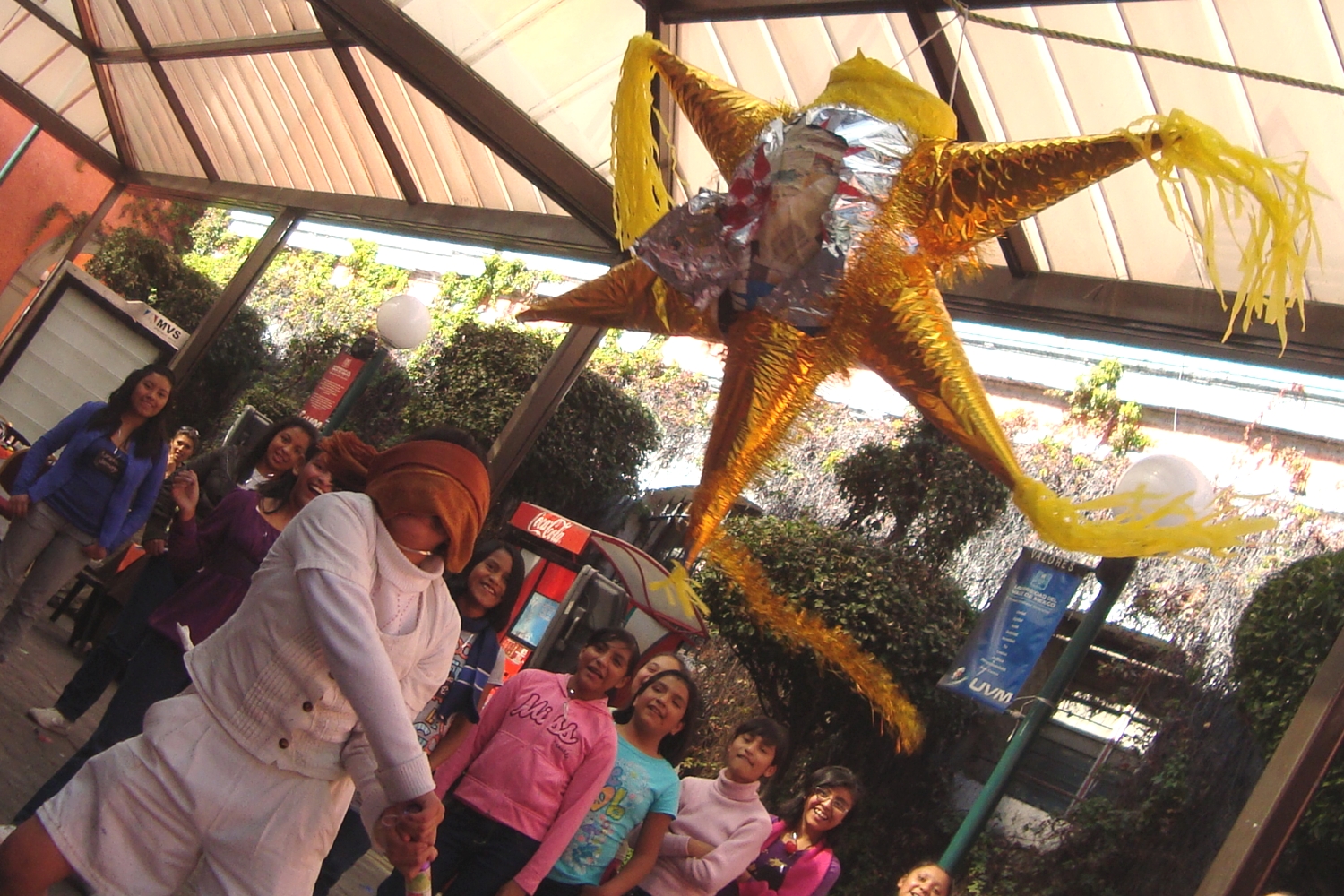
In parts of Mexico and Central America, Las Posadas stretches across nine nights in December. Processions move through neighborhoods carrying candles or lanterns, stopping at houses where songs are exchanged before the group is invited inside. The streets become pathways marked by firelight, turning ordinary blocks into places of welcome. Children walk at the front with their candles held steady, giving the night a sense of gentle purpose. After food and warm drinks are shared, the procession continues, leaving behind a glow that softens the early winter chill.
Lantern Festival: A Bright Goodbye To Winter
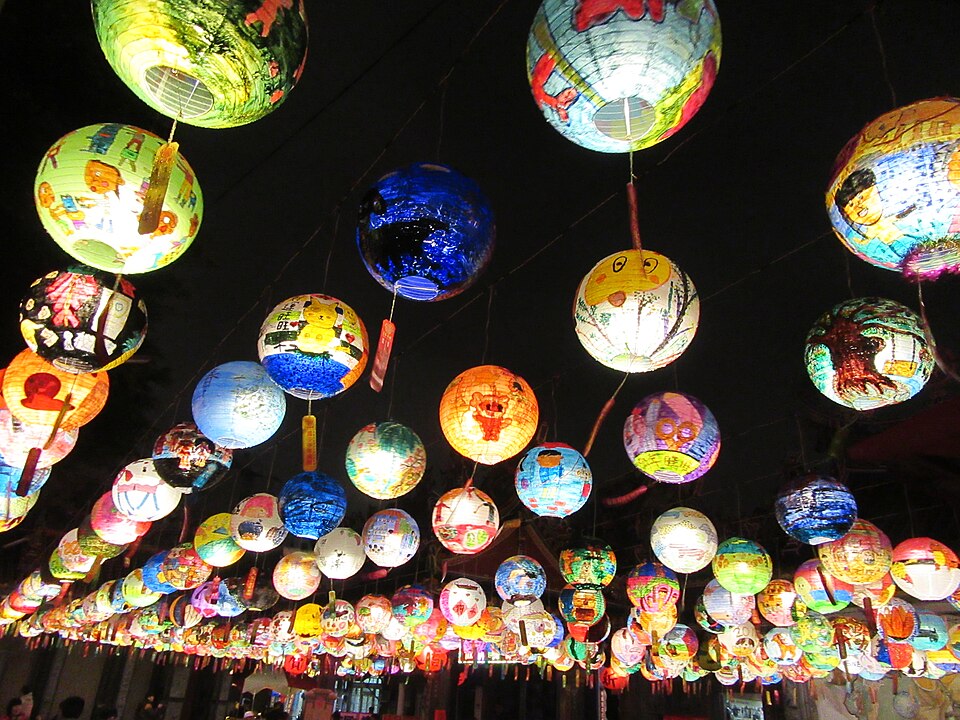
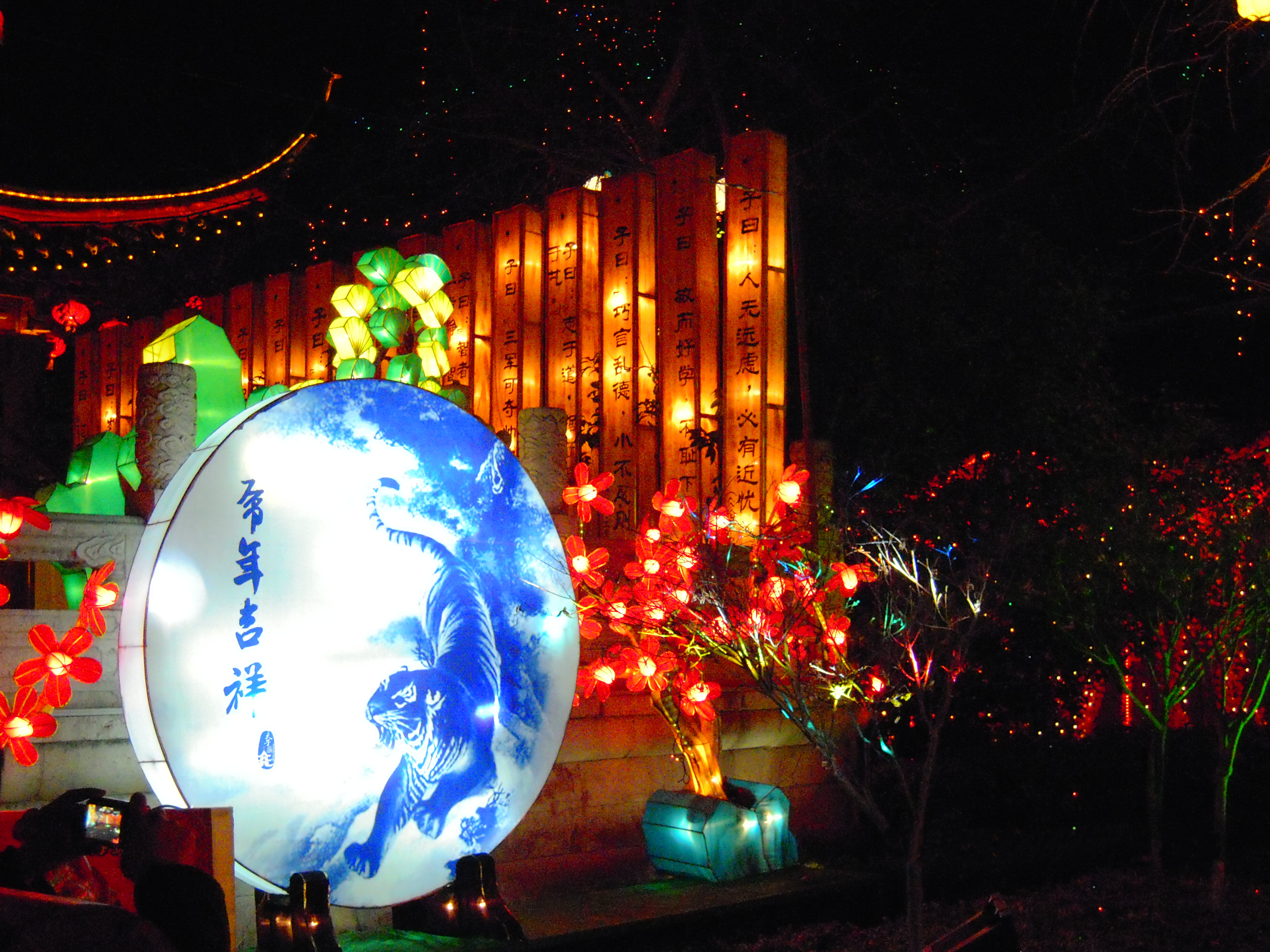
In Chinese tradition, the Lantern Festival closes the Lunar New Year period with a final burst of color during late winter. Parks and streets fill with lanterns in shades of red, gold, and pearl, some painted with riddles or motifs meant to bring luck. Families walk beneath them eating warm rice dumplings, savoring the last celebration of the season before routines return. The lanterns create a soft canopy of light that makes the cold feel easier to bear. The night ends without hurry, as though people are storing the glow for the weeks ahead.