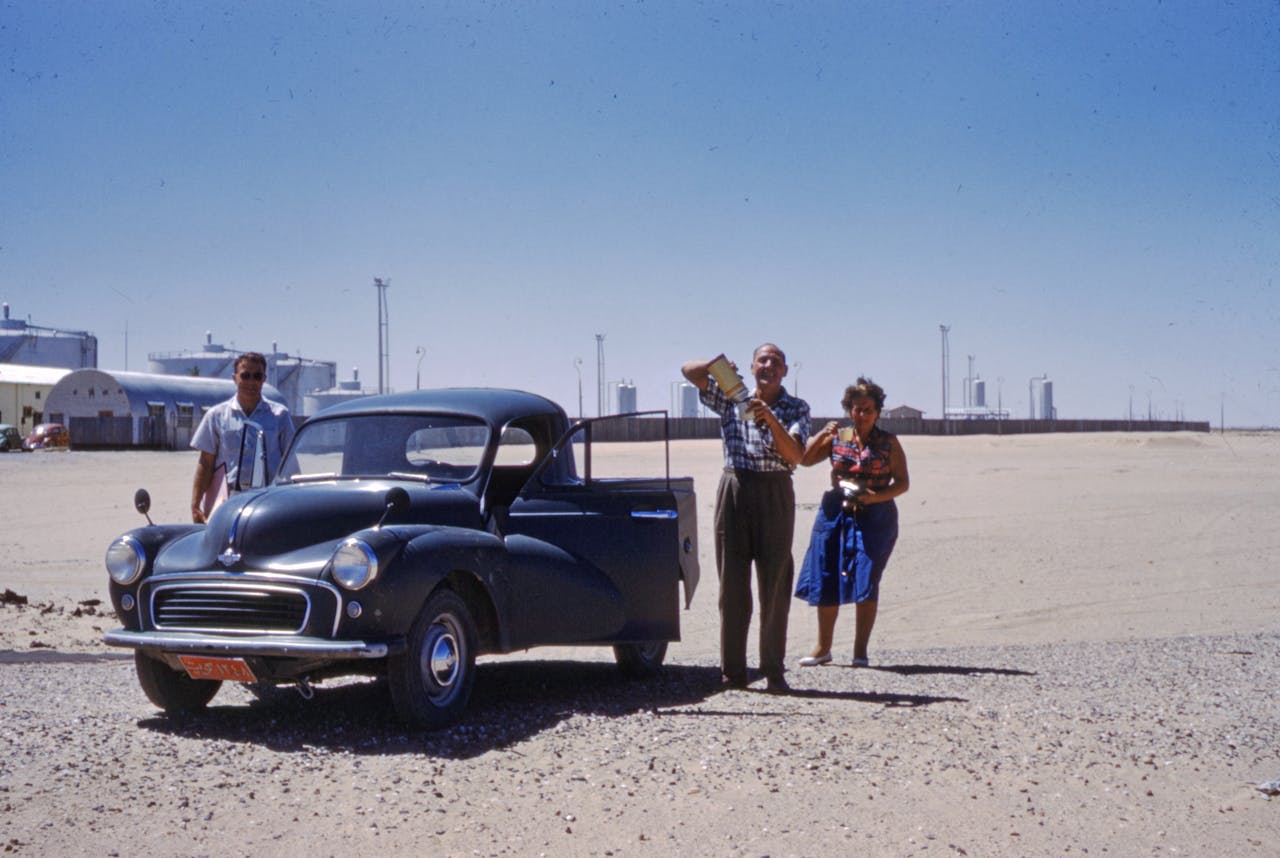
In the 1950s, daily life ran on routines that felt perfectly normal: smoke in the air, kids piled into cars, and household work done with little fear of hidden hazards. Convenience mattered, and trust in products and institutions was high. Over time, research, lawsuits, and public pressure reshaped what society accepts in shared spaces, in homes, and on roads. Looking back is not about mocking the past. It is about noticing how quickly “ordinary” changes once the risks are understood and the rules finally catch up.
Smoking In Most Indoor Public Spaces
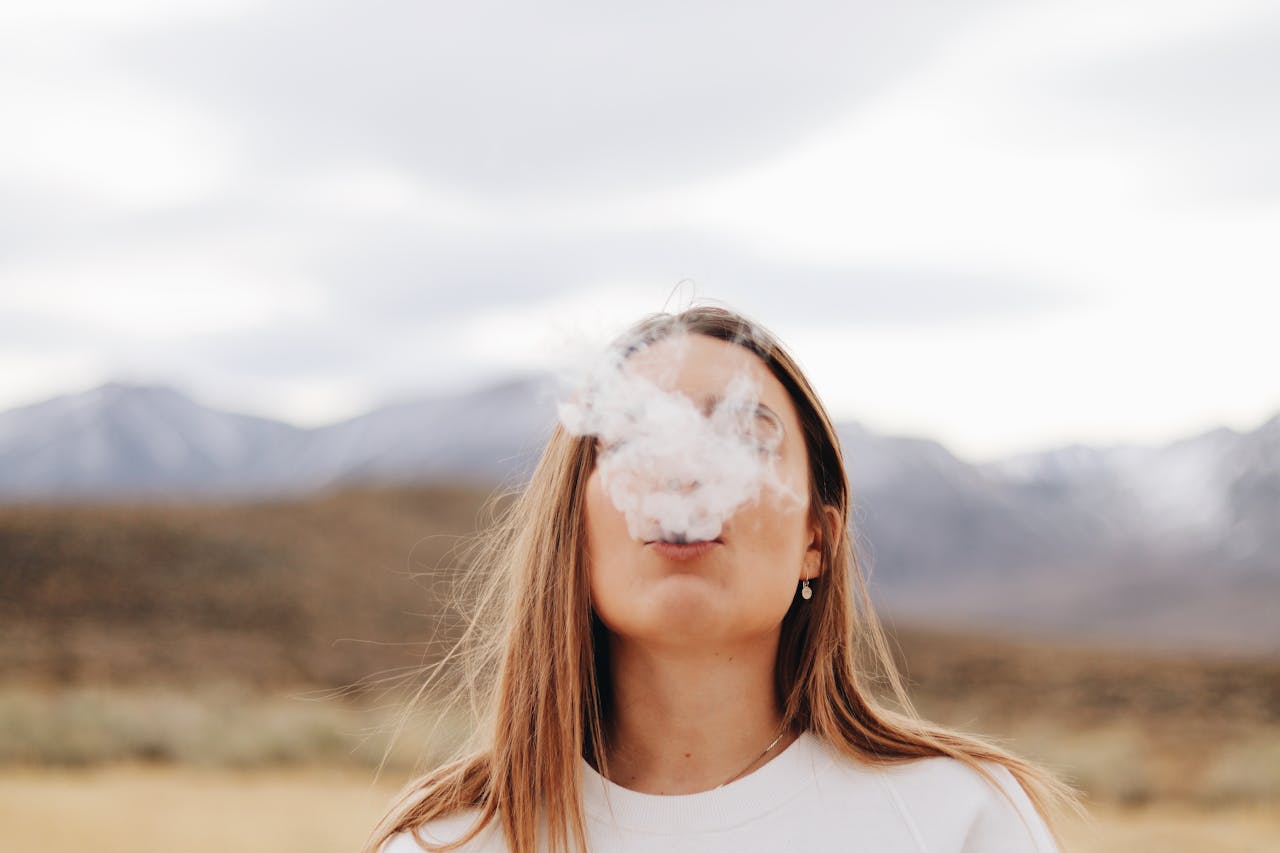
In the 1950s, smoking in diners, offices, buses, and even hospital waiting rooms was treated like background noise, with ashtrays built into armrests, tabletops, and lounges. Today, indoor smoking is widely restricted, and businesses can face penalties for allowing it, even if it is framed as a “separate section.” The shift is not about manners or style. It is about protecting workers and the public from involuntary exposure in places people cannot easily avoid. What once looked like a social habit now reads like a workplace and public-health issue, because a shared room should not come with a mandatory smoke tradeoff for anyone nearby.
Kids Riding Without Seat Belts Or Car Seats

A family sedan in the 1950s could carry children standing on the front bench, perched on laps, or bouncing around the back while adults drove with one hand and a cigarette in the other. Modern laws require seat belts and child restraints based on age, height, and weight, and violations can bring tickets, fees, and higher insurance costs. Safety standards changed the car itself, but the bigger change is cultural. The rolling playroom is no longer treated as acceptable transportation, even for a short trip. A crash does not care if the drive was only 5 minutes, and modern rules reflect that blunt reality.
Driving After A Few Drinks As A Social Norm
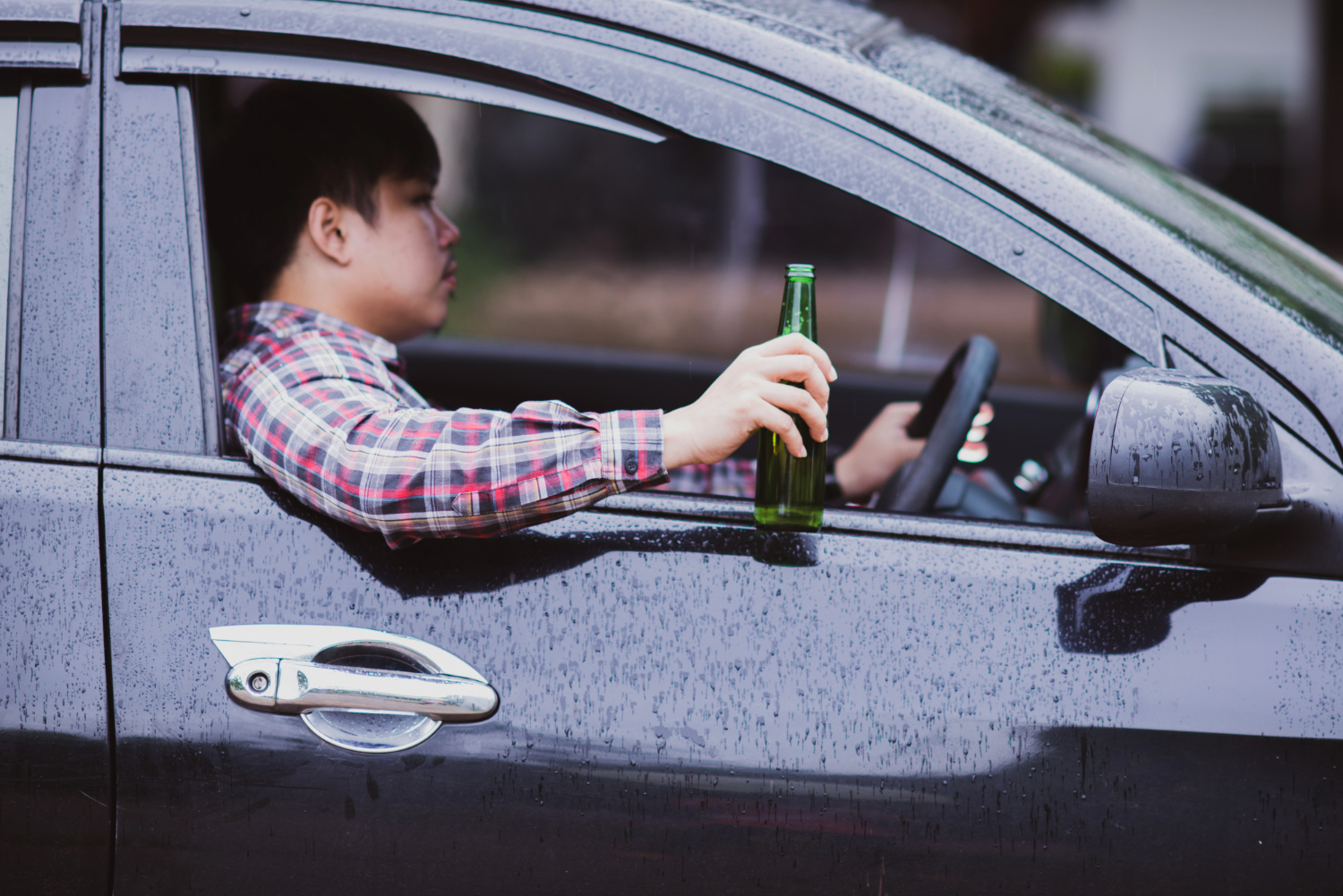
Cocktail culture in the 1950s often treated driving home after a few drinks as ordinary, especially after a club dinner, bowling night, or neighborhood party that drifted past midnight. Today, impaired driving is heavily enforced, and the consequences can include license suspension, fines, and court requirements, even when a driver insists everything felt fine. What once read as confidence now reads as risk, because traffic is faster, distractions are everywhere, and the human body does not become safer just because someone feels steady. Modern enforcement treats the gamble as unacceptable, not simply unlucky when it goes wrong.
Lead Paint In Homes, Schools, And Toys
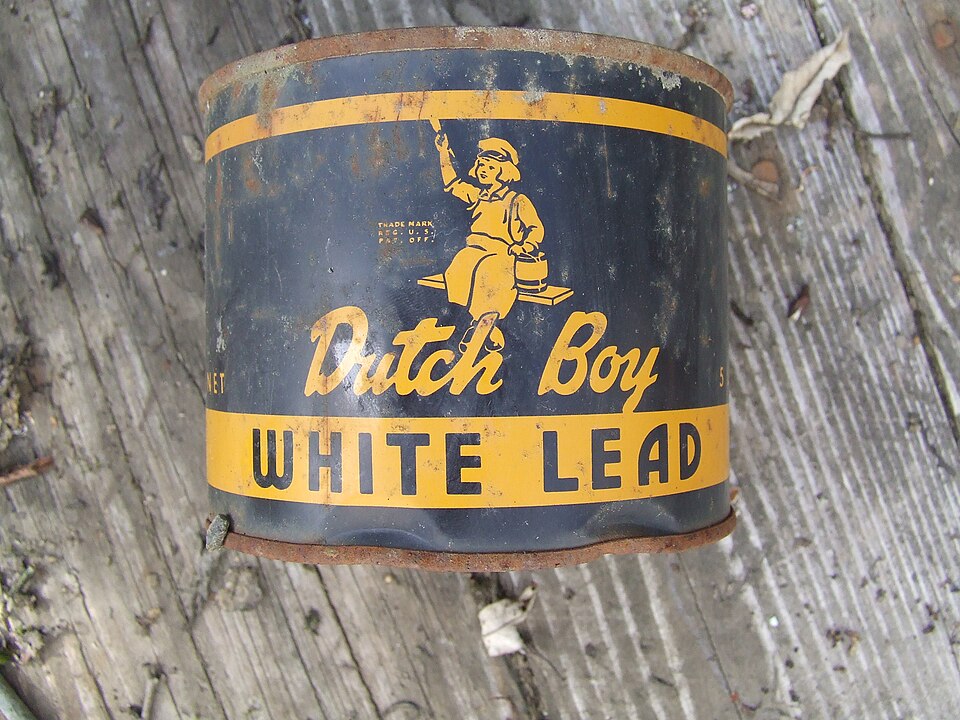
Fresh paint was a pride move in the 1950s, and many homes and classrooms were coated with lead-based formulas that held color and resisted wear. Modern rules restrict lead in residential paint and children’s products, and renovation often requires careful methods to keep dust from spreading through living spaces. The habit that changed is simple: scraping, sanding, and repainting without thought is no longer harmless when older layers can turn into fine dust that settles on floors, window sills, soil, and toys. What once looked like weekend upkeep can now create a serious cleanup job, because the danger is not the paint you see, but the particles you do not.
Asbestos As A DIY Fix For Heat And Noise

Asbestos was marketed as practical and dependable for insulation, boiler wrap, ceiling tiles, and other materials meant to control heat, sound, and fire. Many of those uses are now banned or tightly regulated, and removal is handled with containment, filtration, and trained crews who document each step. In the 1950s, a homeowner might cut and install sheets with no mask, then sweep scraps like ordinary debris. Today, that same job can trigger legal requirements, permits, and an expensive cleanup before the space is considered safe again. The key change is understanding that invisible fibers can linger, and “do-it-yourself” is not an option in the same way.
Backyard Trash Burning As Routine Cleanup
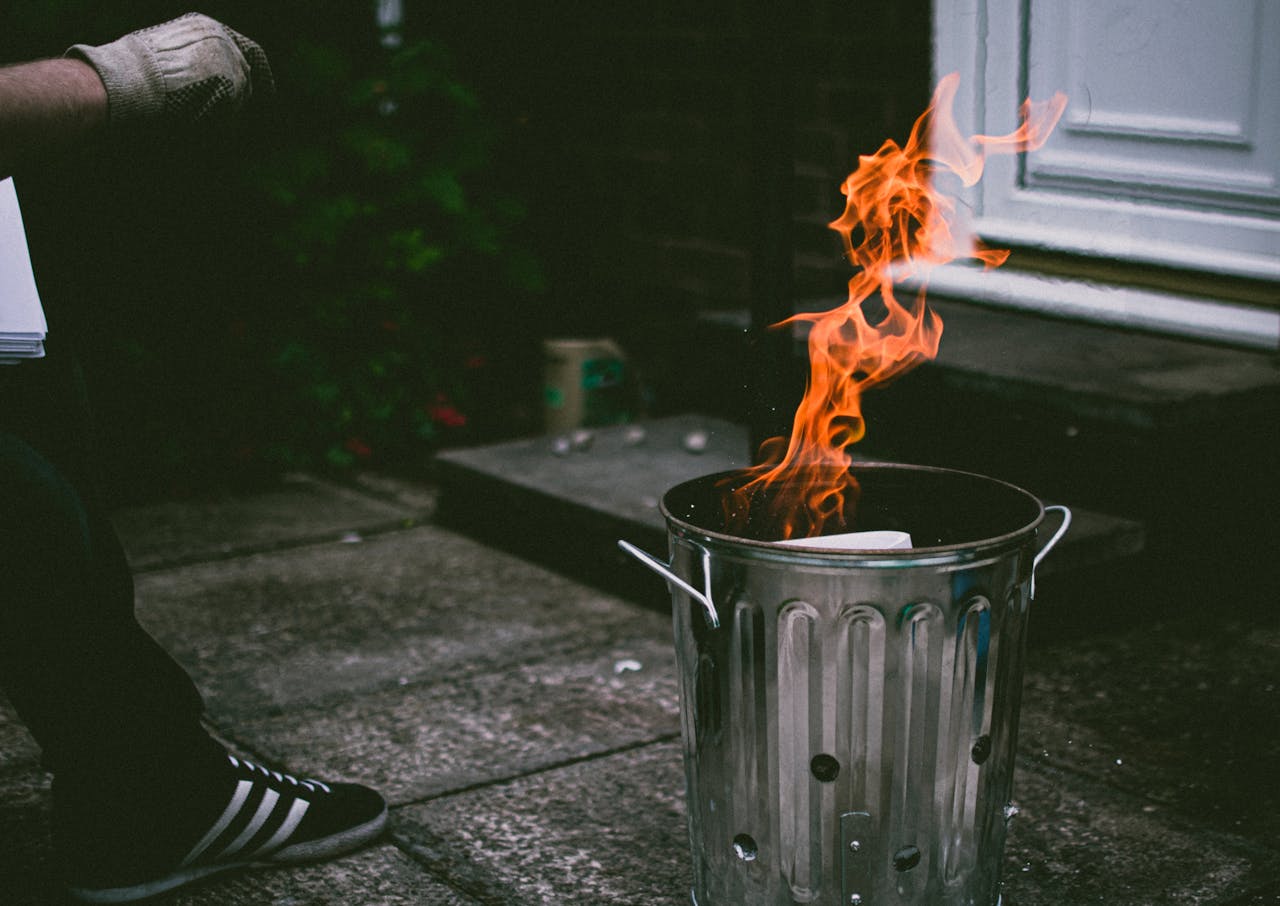
In many 1950s neighborhoods, a burn barrel was a normal way to handle paper, packaging, and household refuse, especially before curbside pickup became common. Today, open burning is restricted or prohibited in many places because smoke carries fine particles, plastics release harmful compounds, and fire risk spreads fast across fences and roofs. What once felt tidy now reads as a community air and safety problem. The smell travels, embers drift, and a small backyard flame can become a neighborhood emergency when weather turns dry and windy. Modern rules treat it less as personal cleanup and more as shared risk.
Pouring Motor Oil Or Solvents Into Drains
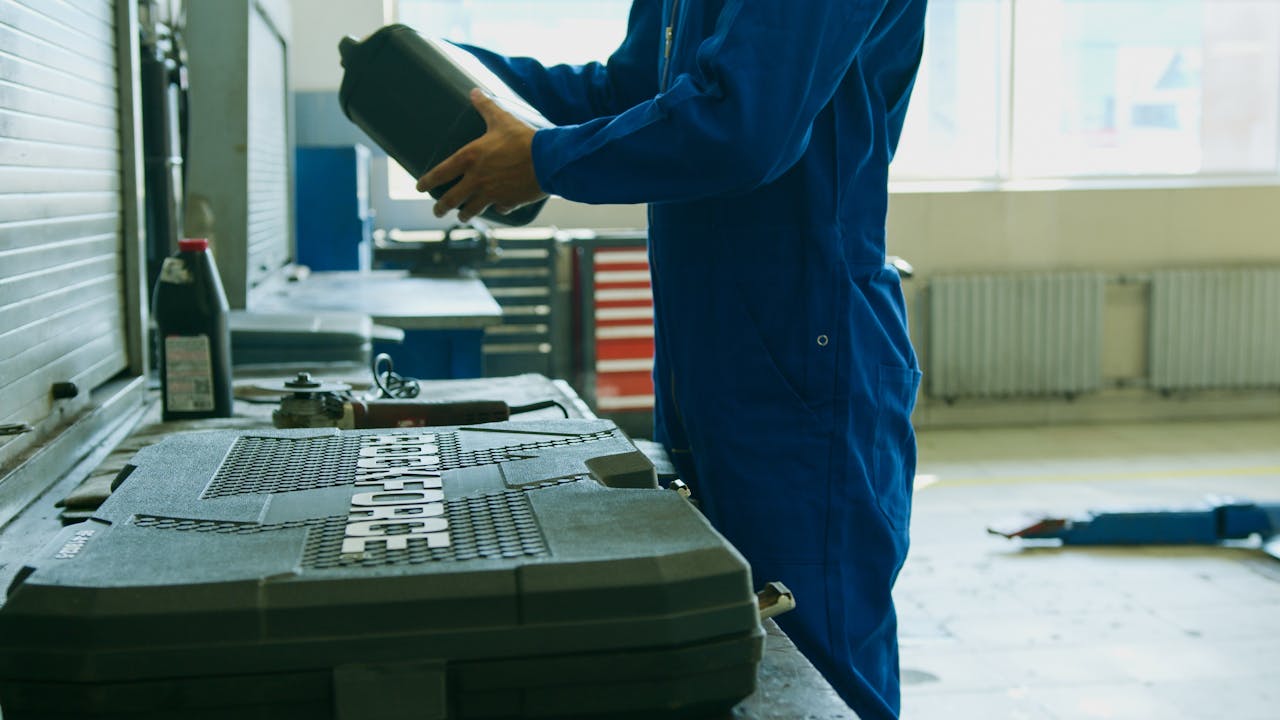
Home garages in the 1950s were hands-on spaces, and used motor oil, paint thinner, and cleaning solvents were often poured onto the ground or down a drain as if they would disappear. Modern regulations treat those fluids as hazardous waste, with disposal rules and collection sites, and dumping can lead to fines and cleanup liability. The biggest change is awareness. Storm drains do not erase liquids. They move them into creeks, bays, and groundwater, where a small driveway habit can contaminate water and create costs that land on the public. What once felt like convenience is now treated as pollution with consequences.
Riding In The Back Of Pickup Trucks
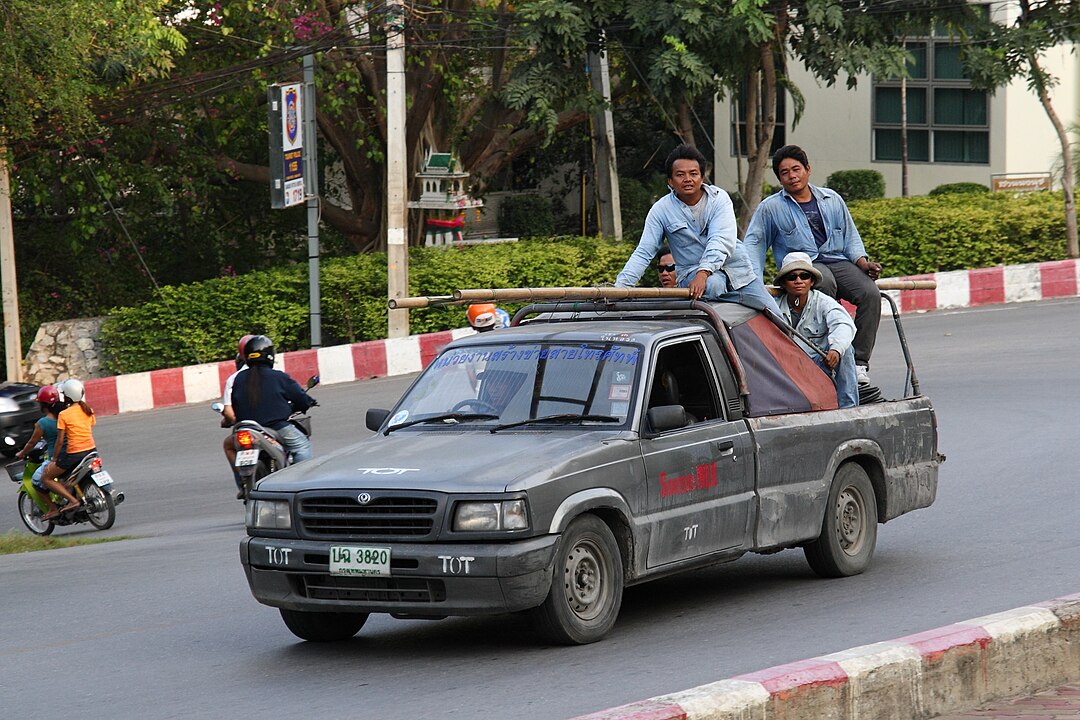
Pickup trucks were midcentury workhorses, and kids riding in the open bed was treated as harmless fun on short trips to the ball field, the river, or a neighbor’s farm. Many states now restrict or ban passengers in cargo areas, especially children, because a sudden stop or a minor crash can throw people like unsecured cargo. The modern view is blunt: an open bed has no restraints, no side-impact protection, and no safe way to absorb a collision. What looked like freedom then is now treated as preventable risk, not a charming rite of summer. The law reflects how quickly a casual ride can turn dangerous.
Mail-Order Medicines With Minimal Oversight

Midcentury America was packed with tonics, diet pills, and mail-order remedies sold with bold promises and thin warnings, framed as modern science in a friendly bottle. Modern drug rules require testing, labeling, and limits on claims, and many ingredients once sold casually are now controlled, prescription-only, or prohibited. The habit that disappeared is trusting a product because an ad sounded confident. Today, the law expects evidence, side-effect disclosure, and accountability, so companies cannot simply print miracles on a label and collect checks. What changed is not only regulation, but public expectation that health claims should be provable, not persuasive.