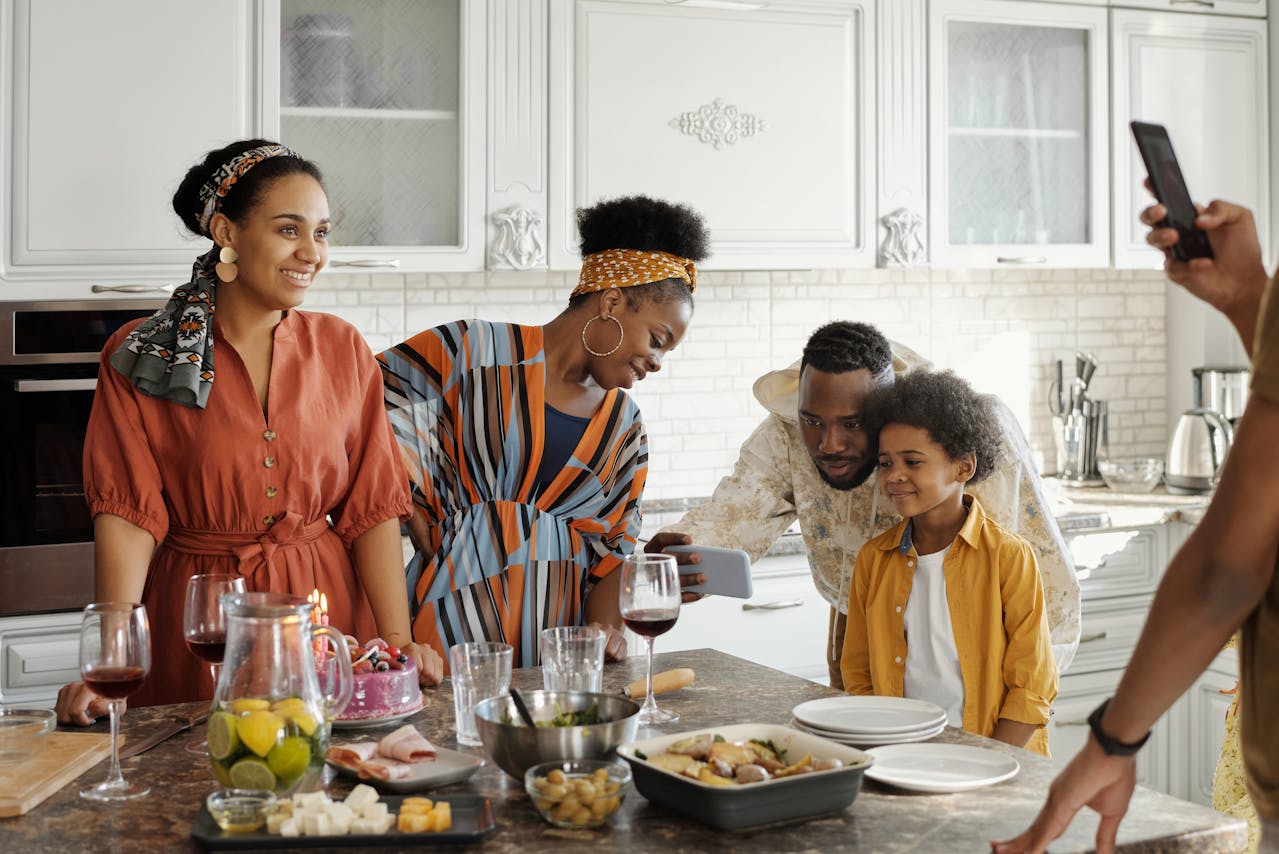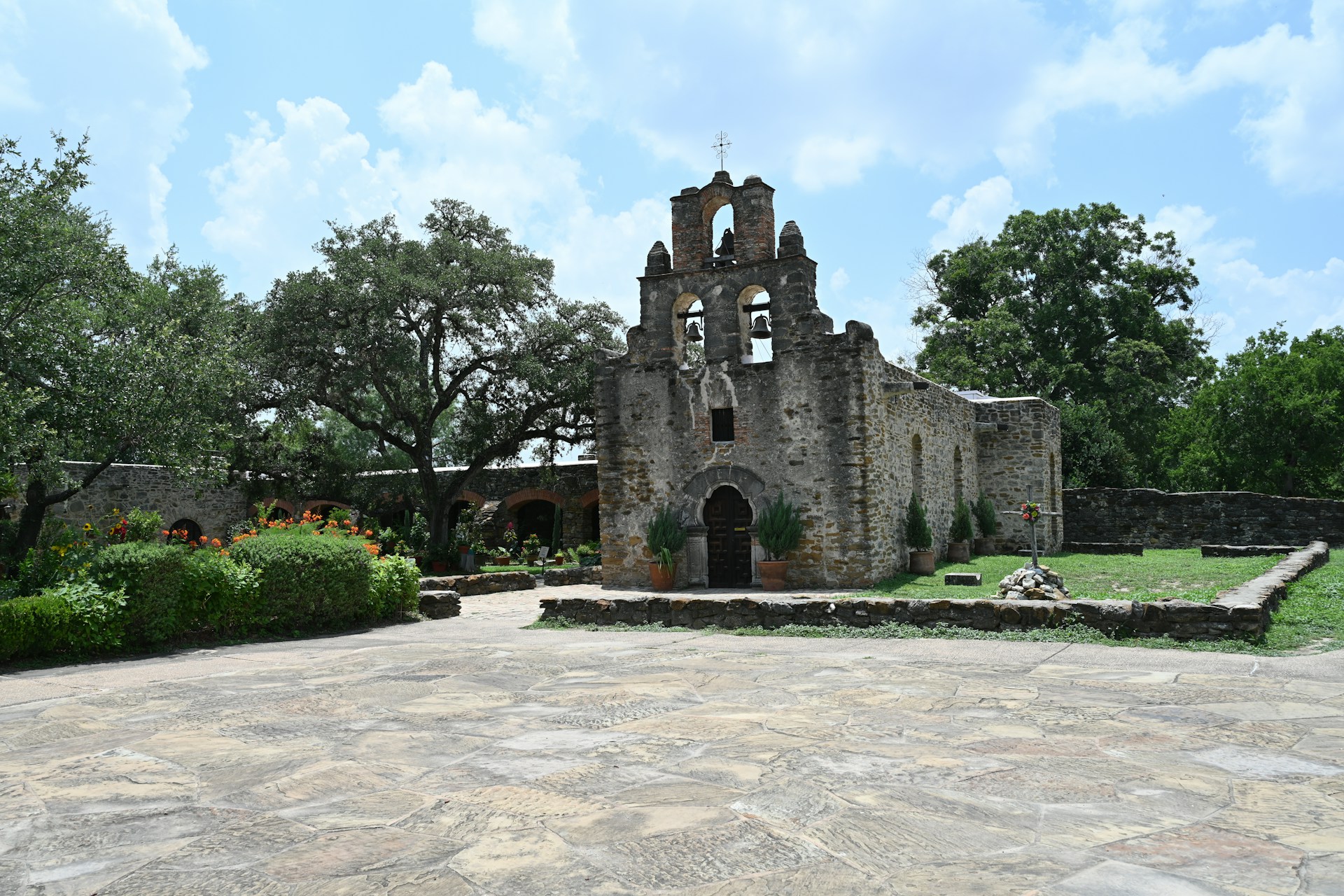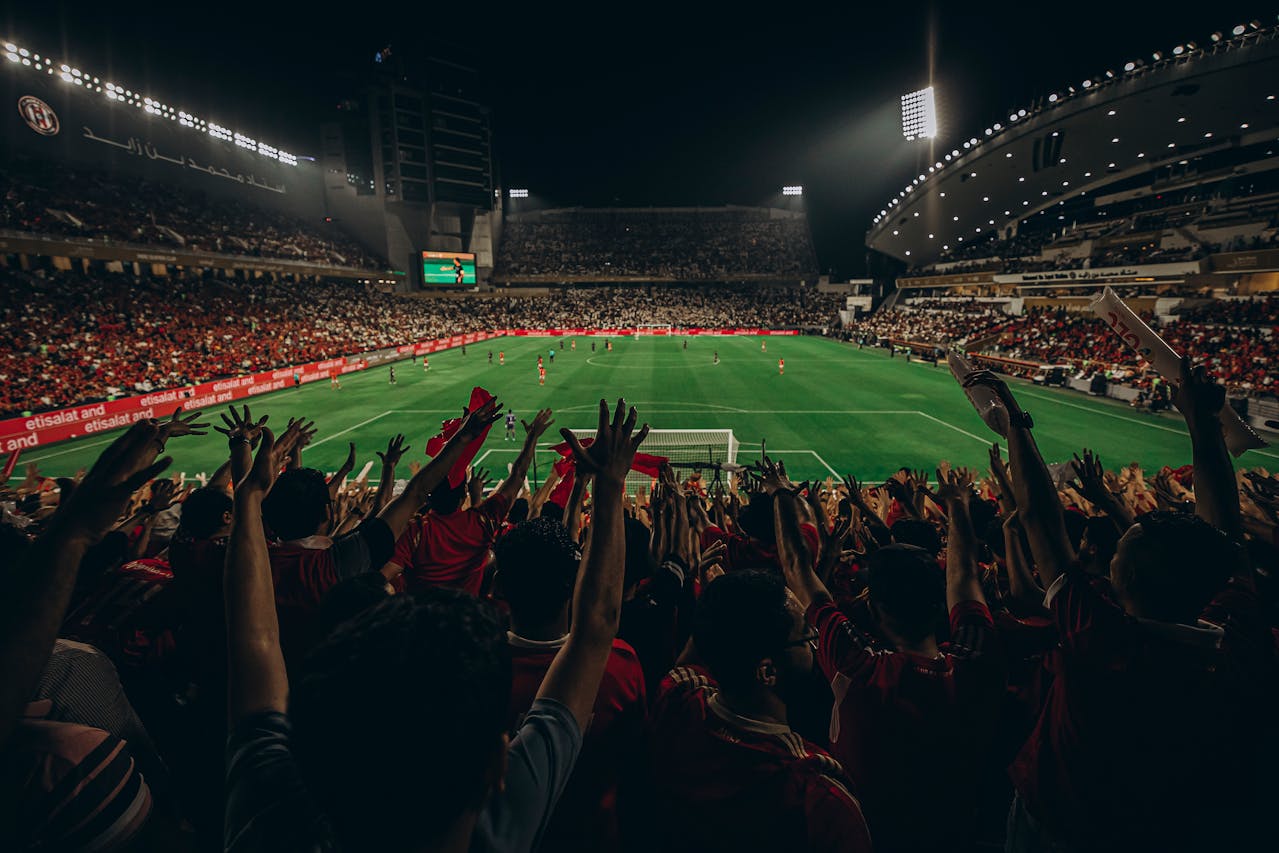
Travel used to revolve around places: a beach, a museum, a view worth the drive. Now it often revolves around moments shared by a crowd that already speaks the same language. Fan tourism has reshaped calendars and budgets, turning race weekends, stadium shows, and convention halls into reasons to cross time zones. Cities gain bursts of energy and revenue, while travelers chase belonging as much as scenery. The new trip is not only about what happens on stage or track. It is about being present when thousands of people feel the same thing at once.
F1 Weekends As Full-City Festivals
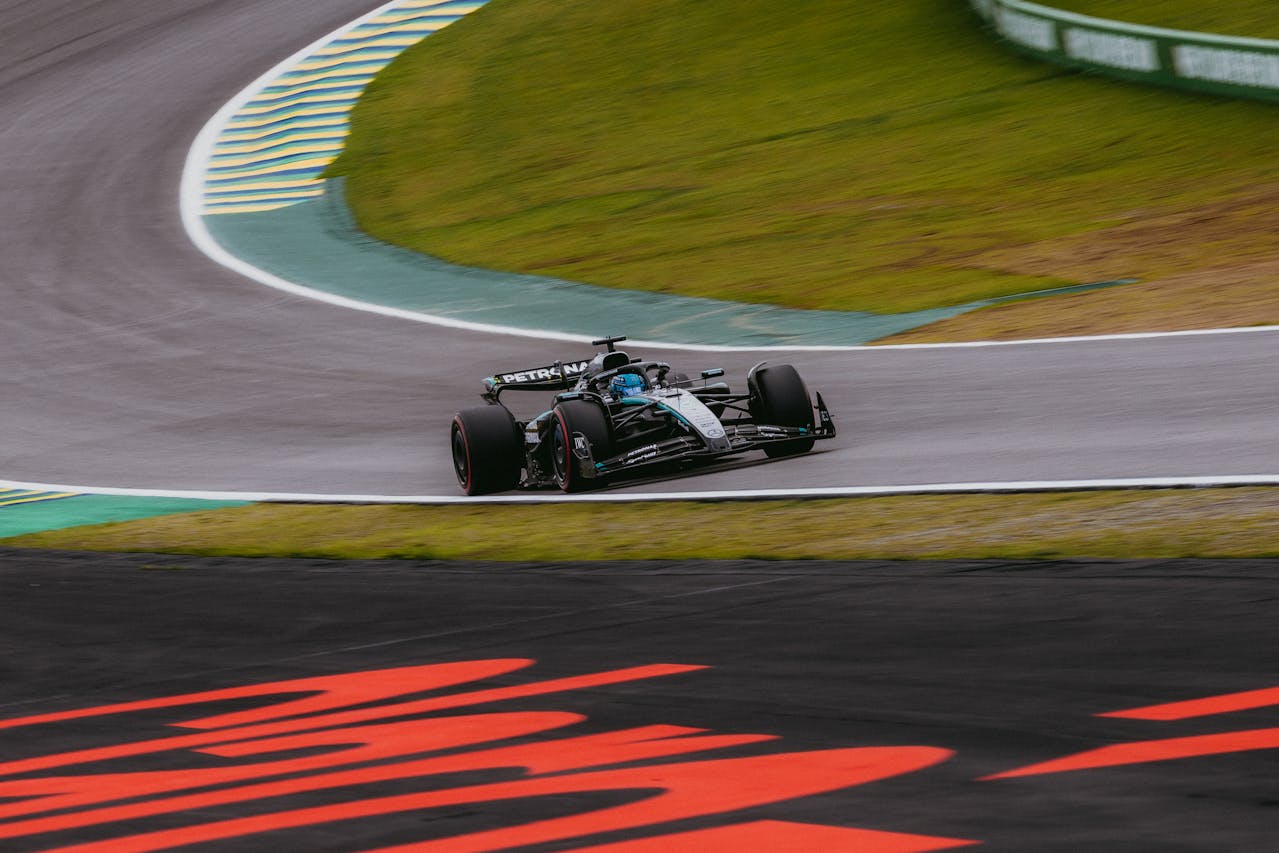
When an F1 weekend arrives, the destination stops behaving like a normal city and starts operating like a themed event zone. Hotels raise minimum stays, restaurants run fixed menus, and nightlife fills with team colors, sponsor parties, and pop-up activations. Fans build full itineraries around practice, qualifying, and race day, plus merch drops, driver sightings, and photo ops that feel like part of the sport. The appeal is proximity, not only to the track, but to the shared buzz in every bar and rideshare line. Even commuting becomes an event, with shuttles, surge pricing, and long walks treated like a badge of commitment.
Stadium Concerts That Function Like Pilgrimages
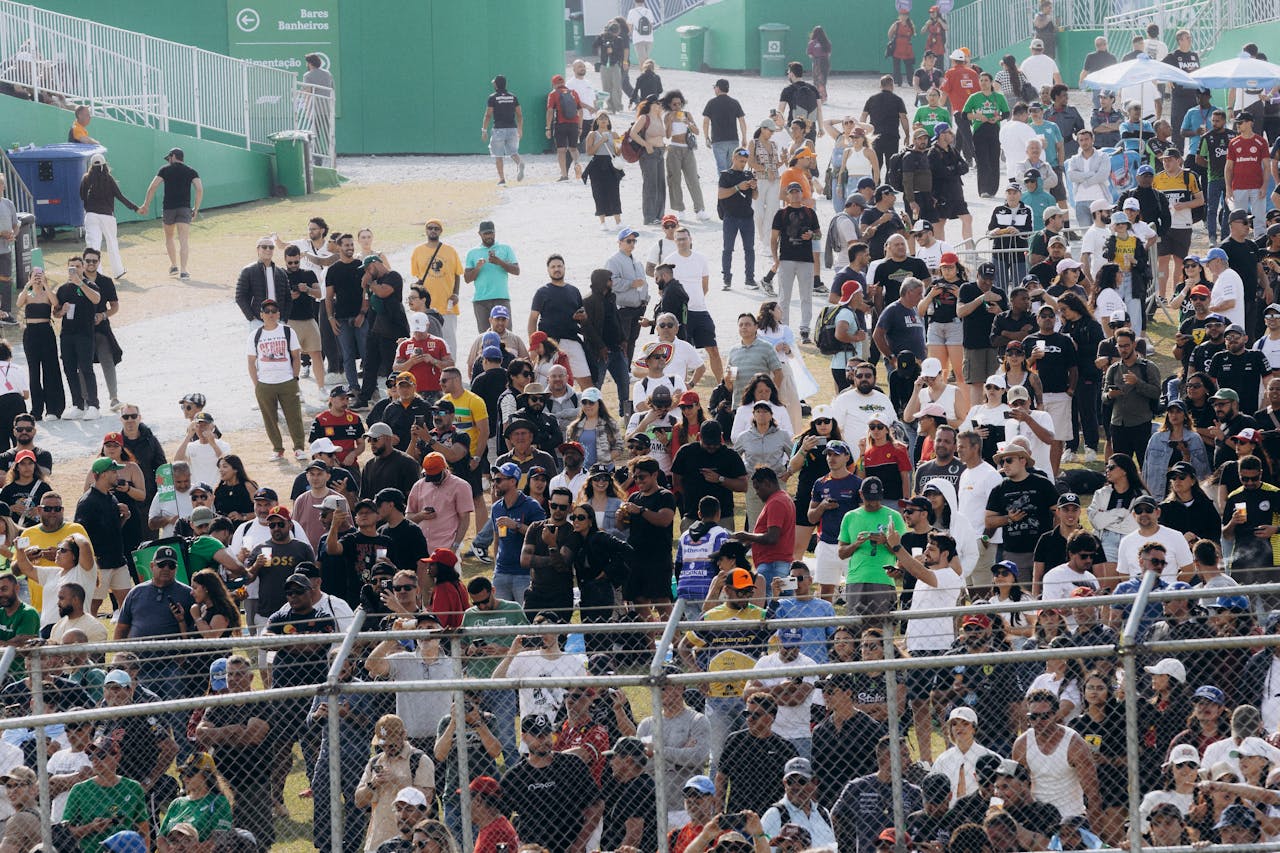
Stadium tours now pull travelers the way holidays used to. Fans cross state lines for one night because the live moment feels unrepeatable, and the trip becomes a coordinated mission: presales, seat maps, hotel blocks, and backup plans. Outside the gates, there are bracelet swaps, outfit photos, fan meetups, and small rituals like finding the perfect entrance sign or the best echo spot. Cities feel it through packed flights and late-night diners, while fans treat the show like a milestone and the crowd like a temporary hometown. The concert is the anchor, but the community is what makes the travel feel necessary, not optional.
Rivalry Games Turning Weekends Into Mini-Seasons
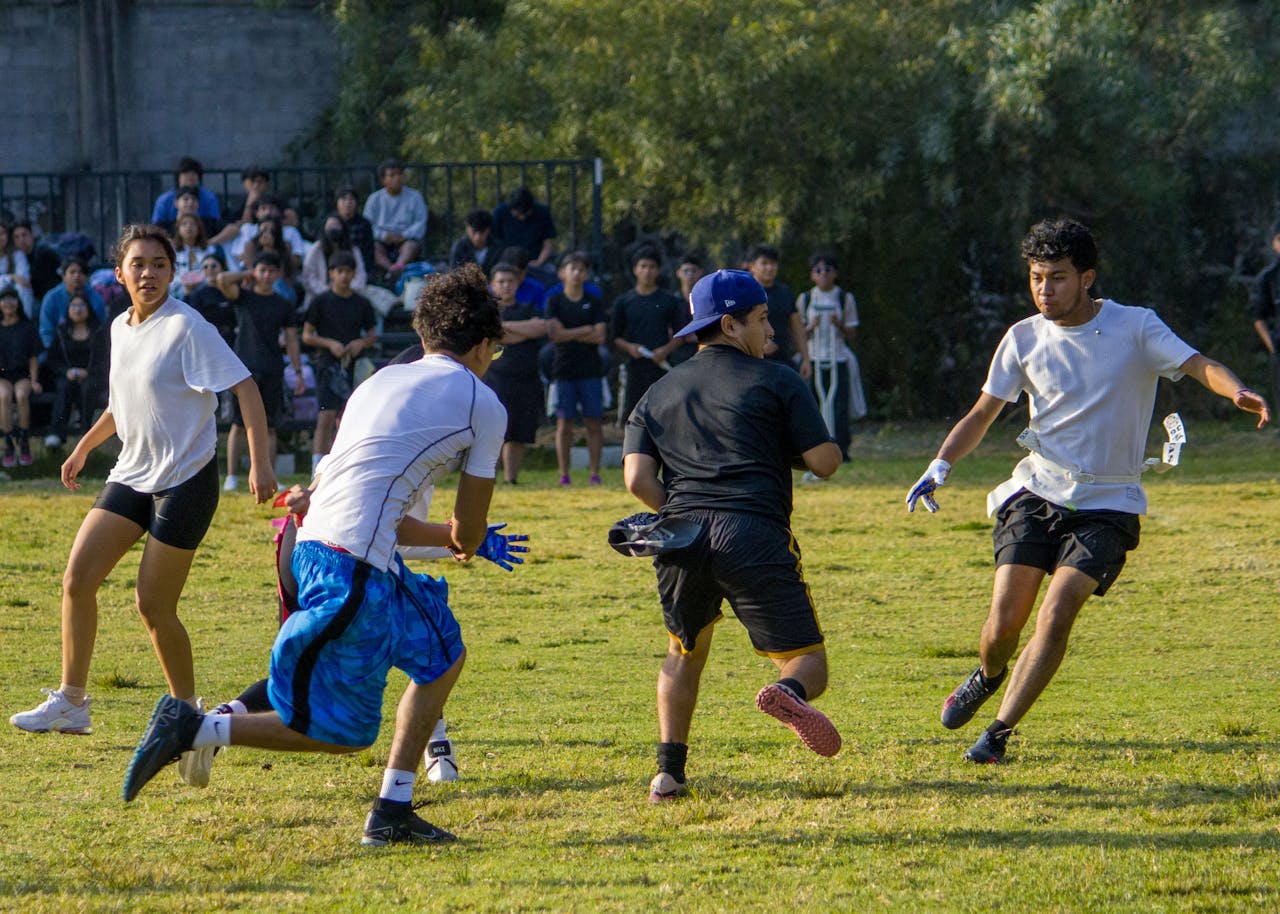
Major rivalry weekends are no longer a simple game-day outing. They behave like a full travel season compressed into 48 hours, with fans arriving early to claim tailgate space, visit campus landmarks, and track down the one bar that feels most authentic. Prices rise with emotion: rooms jump, parking becomes a strategy, and even breakfast can mean a line. The game is still the climax, but the build-up matters just as much, from coordinated colors across neighborhoods to pregame walks past statues and gates. The destination sells belonging, and the visitor pays to feel inside the story, win or lose.
Marathons And Races As Identity Trips

Running events have turned into a travel genre with its own rituals and its own logic. A bib is not only entry to a course, it is entry to a community, and the host city becomes a backdrop for training pride, personal goals, and the finish-line photo that proves the work was real. Travelers arrive early for packet pickup, expo shopping, and course recon, then plan meals and rest around start times and recovery. Local businesses lean in with themed menus and gear collabs, and friends travel to cheer at specific mile markers. In this kind of trip, the destination is chosen for the story it helps tell, not only the sights.
Mega Conventions That Take Over Downtowns
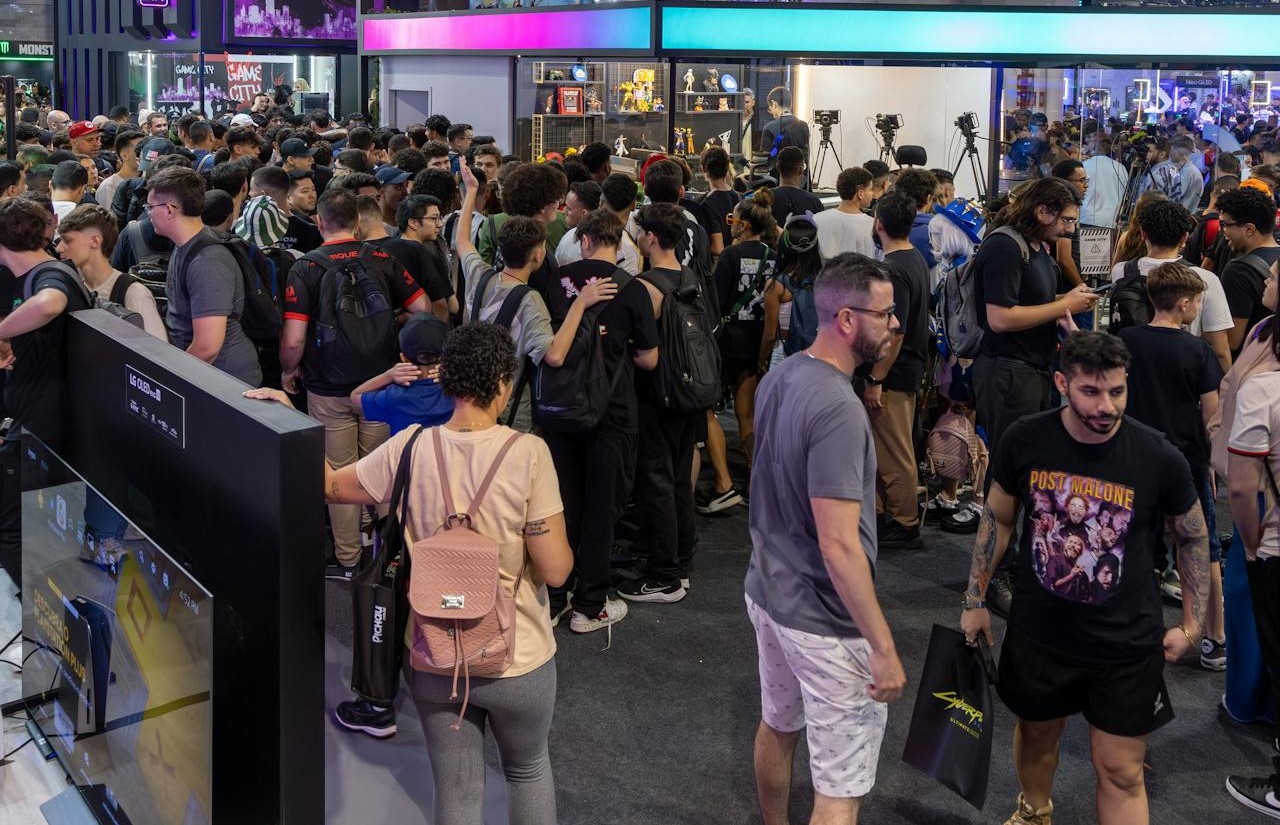
Large conventions operate like temporary cities layered on top of a real one. Hotels sell out far ahead, restaurant reservations shift to convention hours, and sidewalks fill with costumes and references that outsiders may not even recognize. Fans come for panels and exclusives, but they stay for the rare ease of being understood without explanation, surrounded by people who share the same niche detail. Badge tiers and limited-run merch turn logistics into a strategy game, rewarding early planning and group coordination. For host cities, the convention is seasonal revenue. For fans, it is a yearly homecoming with a schedule, a uniform, and a reunion vibe.
Esports Finals Becoming Travel Anchors
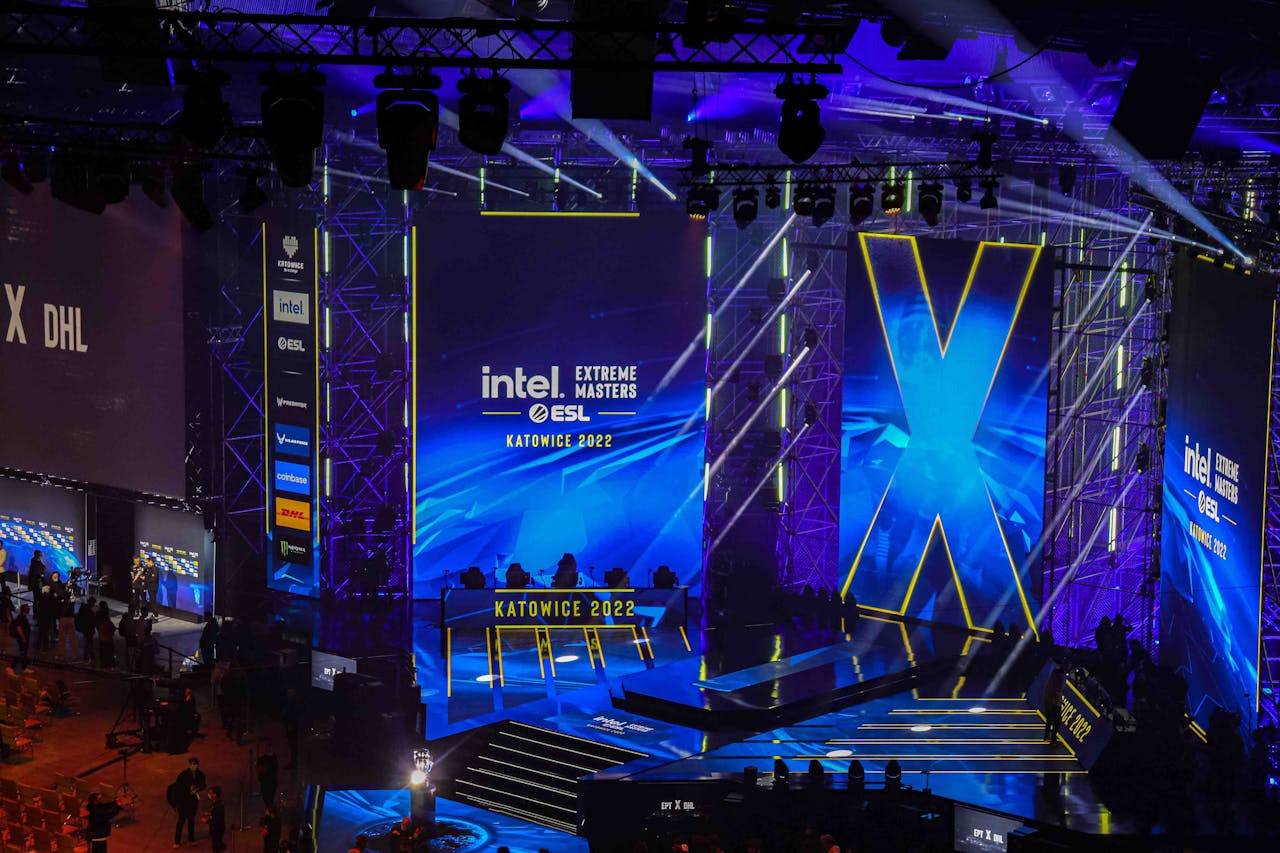
Competitive gaming used to be watched at home, but arena finals have made it a travel event with real destination pull. Finals weekends create familiar patterns: packed flights, downtown hotel demand, and late-night food spots full of team jerseys and inside jokes. Fans travel for the match, but also for meet-and-greets, creator pop-ups, and limited merchandise that feels more valuable because it was earned in person. The crowd energy is the product, and being there turns a streamed moment into a memory that can be felt in the body. For many travelers, the city becomes secondary, remembered mainly as the place where the arena roared at a single play.
Theme Cruises Replacing Traditional Vacations
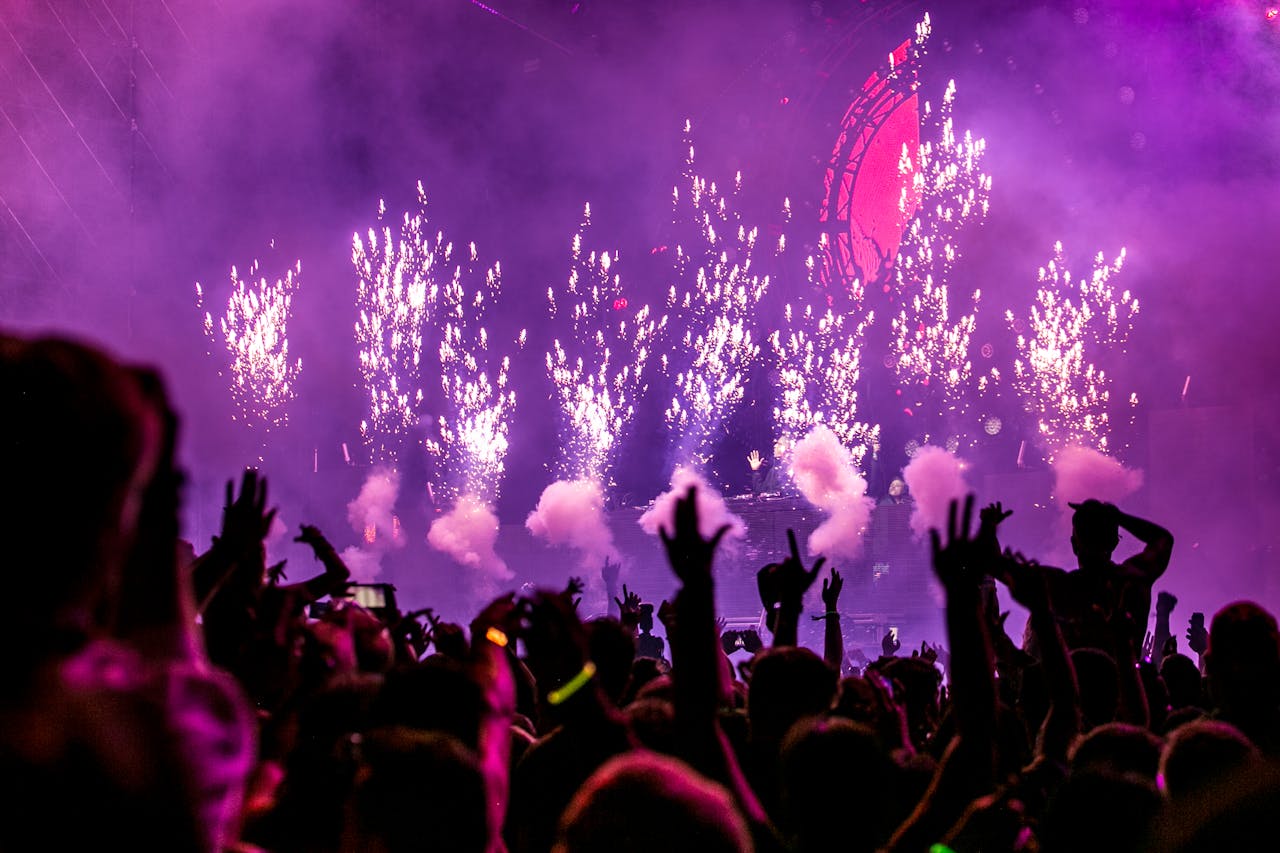
Fan cruises turn a ship into a floating festival where ports are bonus scenery, not the main point. Days revolve around concerts, Q and A sessions, karaoke nights, themed lounges, and meetups that make the community feel built in from the first hour. The appeal is certainty: the schedule is clear, the vibe is consistent, and the social circle is guaranteed without awkward small talk. Older vacation logic focused on exploring a place slowly. Fan cruises focus on sharing a passion in a contained environment where everyone arrived for the same reason. It is part vacation, part reunion, and part event ticket, with the ocean providing distance from daily life.
Set-Jetting As Fan Proof, Not Just Sightseeing
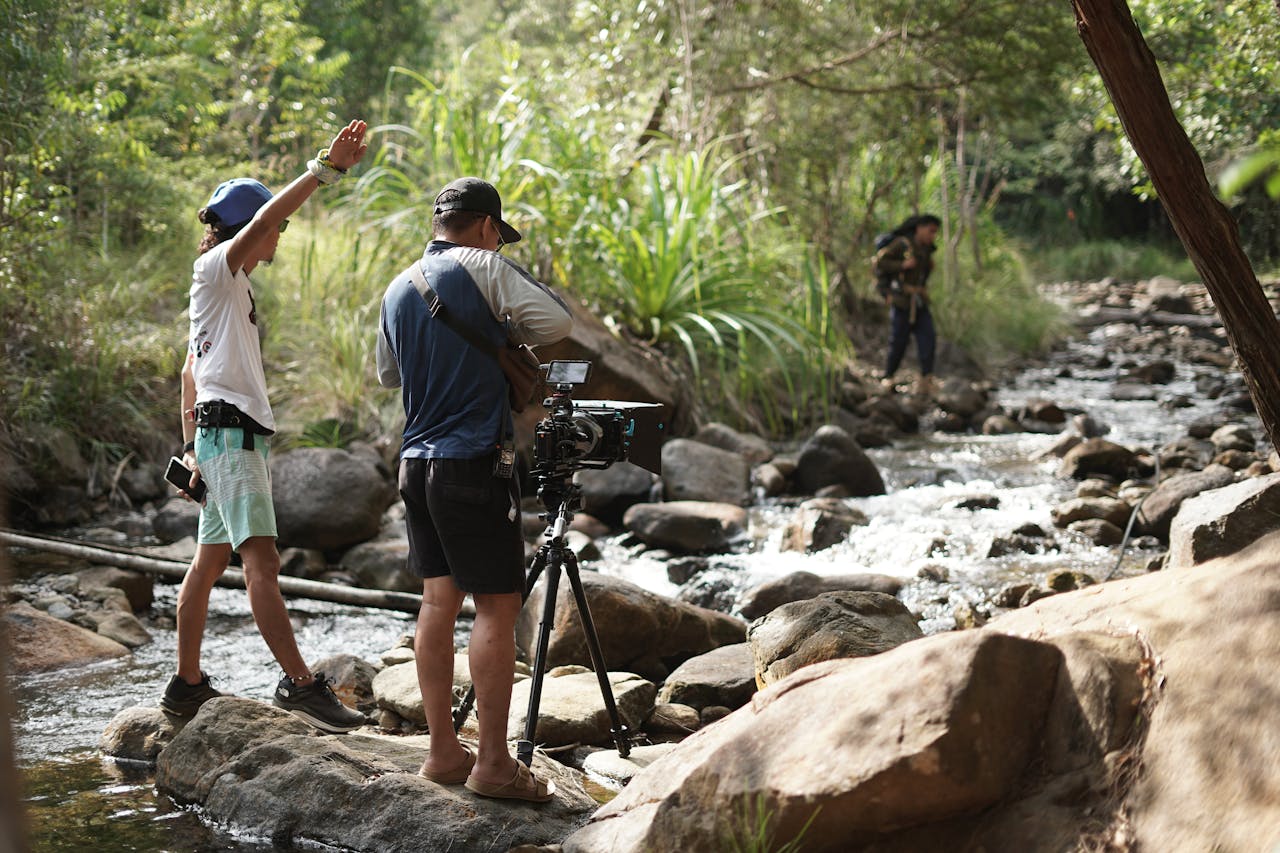
Film and TV locations have become checkpoints visited to confirm a relationship with a story, not simply to admire the view. Travelers hunt the staircase, diner booth, or desert road, then recreate a frame with careful precision, down to angles and timing. Tourism offices often encourage it with mapped routes and themed passes, while cafés and shops adapt menus to match fictional worlds. For outsiders, the location can look ordinary without context. For fans, context is the reason, and standing in that spot feels like stepping into a private memory made public. The photo matters, but the quiet thrill is physical presence in a scene once watched from a couch.
Pop-Up Merch Drops Creating Flash-Trip Economics
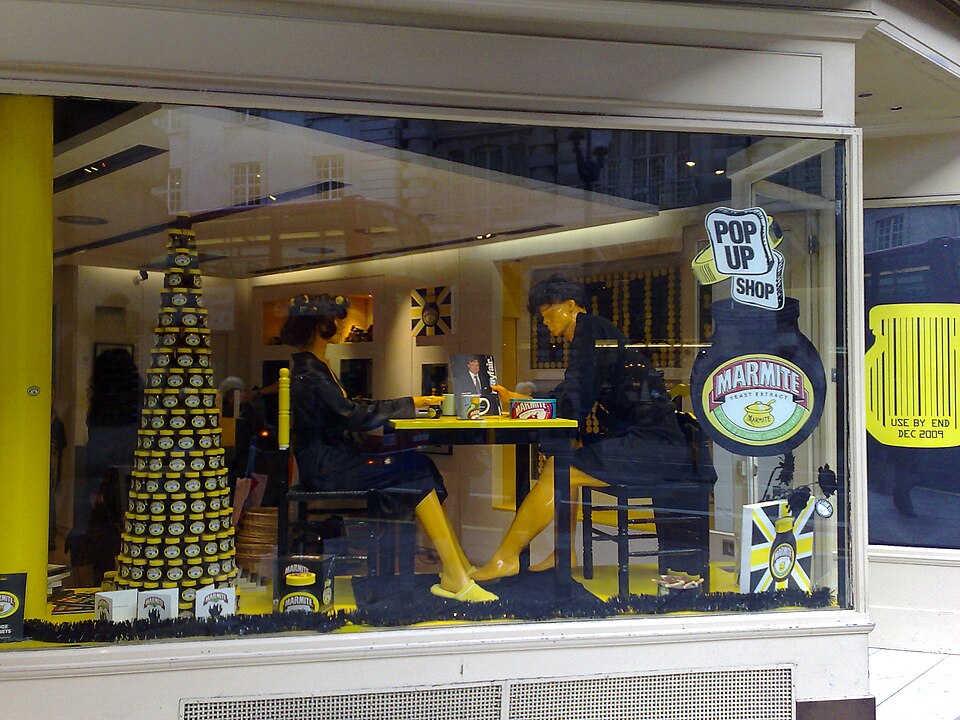
Limited-time merch drops have turned certain weekends into urgent travel, with fans booking flights for a purchase that could be shipped, yet would not mean the same if it arrived in a box. The draw is scarcity plus community: the line becomes a meetup, the bag becomes proof, and the location becomes part of the collectible. Neighborhoods see sudden bursts of café traffic and rideshare demand as crowds cluster at one address all day. For older travelers, it can look like effort for an object. For fans, it is effort for a moment, because being there in person is the point, and the item is simply the receipt.
Theme Cafés And Immersive Bars As Must-Book Stops
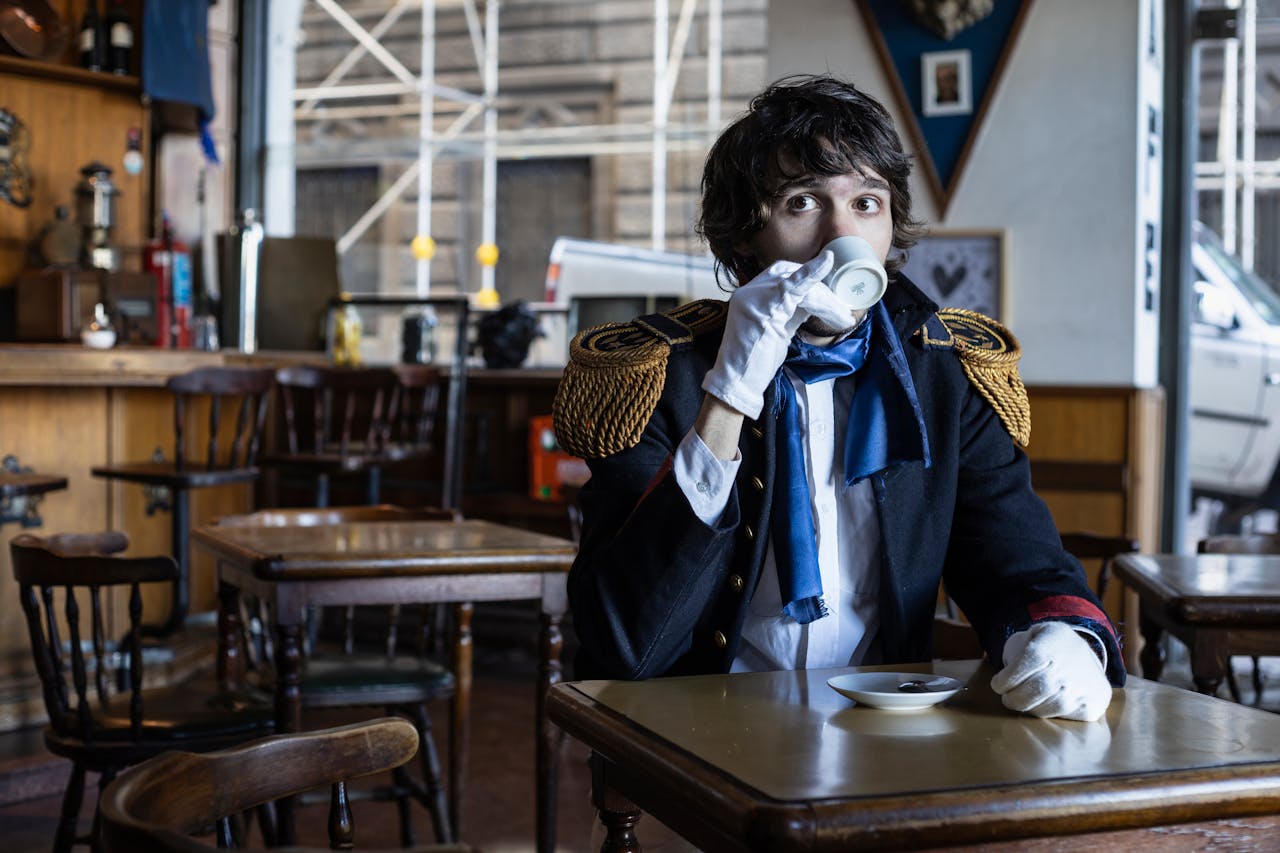
Immersive cafés and themed bars now pull visitors the way museums once did. Reservations open, vanish quickly, and become a reason to pick travel dates, especially when the concept ties to a beloved show, game, or artist. Guests come for set design, playlists, and menu items built for photos, but they linger because everyone in the room shares the same references. The experience feels short, yet intensely specific, like stepping inside a favorite world for one hour. Older travelers may wonder why a latte needs a calendar slot. Fans see it as a live scene that can be entered, documented, and remembered, with a reservation email that feels like a ticket.
Package Trips Built Around One Ticket And Many Extras
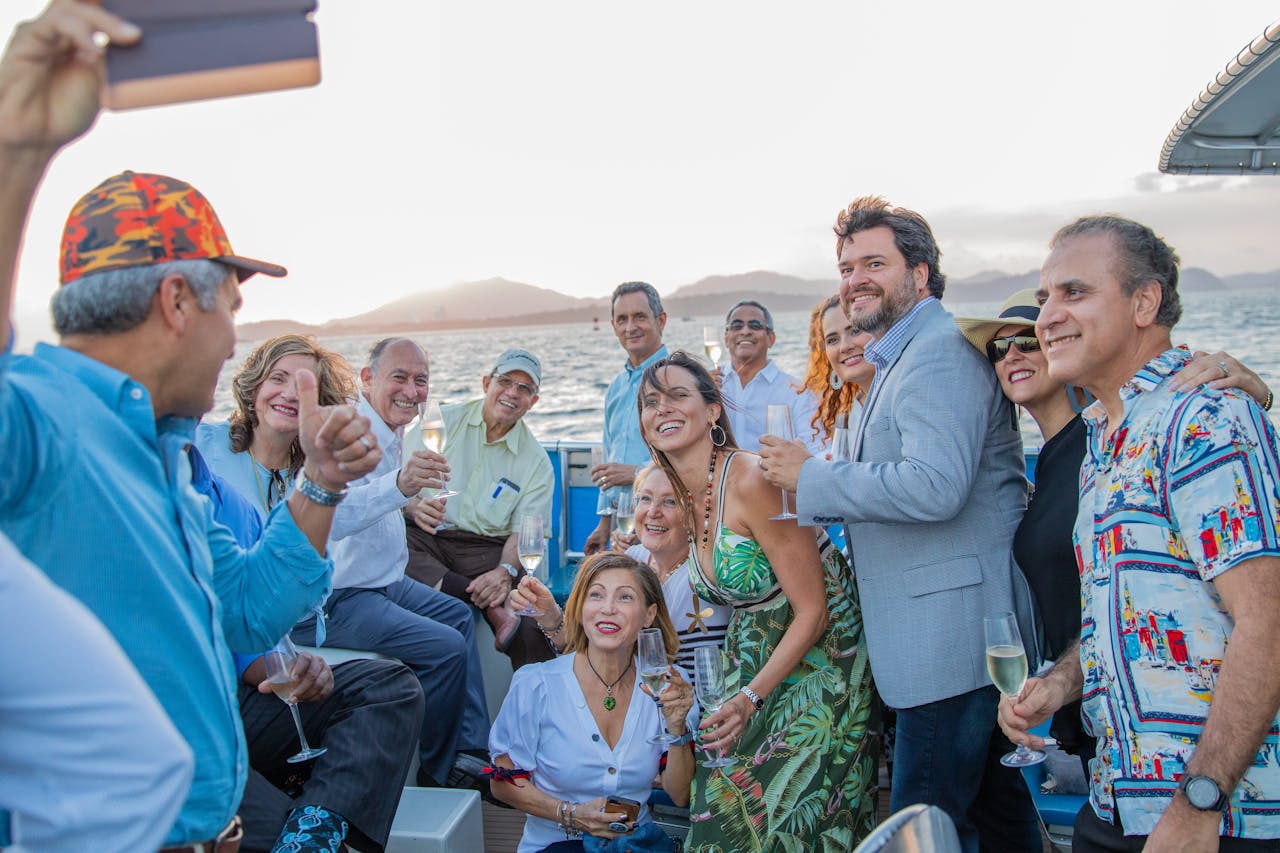
Fan tourism has professionalized into packages that bundle the headline ticket with guided add-ons designed to reduce uncertainty. A race seat or concert pass becomes the core, then the trip gets layered with transfers, curated meals, meetups, and photo stops that keep everything moving on schedule. The model appeals to travelers who would rather pay more than risk missing a key moment, and it makes planning simpler by turning the weekend into a checklist. Older travel habits often favor flexible days and local discovery. Packages flip that logic by promising efficiency and access, making the destination feel like a venue with streets attached, which is convenient, but less spontaneous.