Travel often comes with a quiet test that has nothing to do with landmarks: whether a visitor notices the social rules locals follow without thinking. The smallest slip can land harder than a wrong turn, because manners signal respect for shared space, faith, work, and dignity. What offends is rarely intent; it is the feeling that someone treated a place like a theme park. Many missteps are predictable, and a little observation can turn tense moments into easy ones. In many countries, small cues like line discipline, public volume, and dress standards matter more than fancy phrases. Respect starts before the selfie.
Loud Voices and Speakerphone in Public

Some cultures treat public transit and shared indoor spaces as quiet zones, where conversation stays low and phone calls simply do not happen. Being the loudest voice in a train car, lobby, or shrine corridor can feel like someone forcing private life onto strangers, especially when a ringtone, a laughing voice note, or video audio bounces off hard walls. In places such as Japan, silence on trains and buses is a widely observed expectation, so keeping devices muted, skipping calls, and saving big reactions for outside reads as basic respect, not extra politeness, and it often earns quieter service and kinder looks.
Cutting Lines and Crowding People
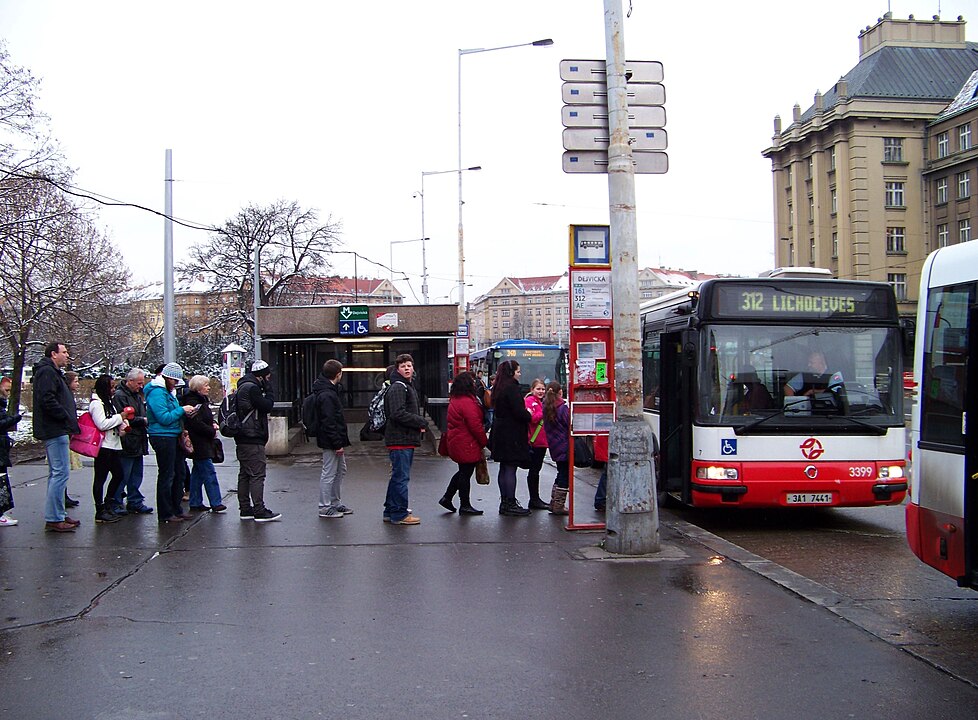
Cutting a line, drifting into someone’s space, or hovering at a counter like it is a competition can sour a day quickly. In many cities, the line is a social contract that protects everyone’s time, and breaking it signals entitlement, not confidence; the same goes for rushing elevator doors, blocking sidewalks, or stopping dead in the middle of a narrow passage to check a map. Countries famous for orderly queues, including Japan, often use marked boarding spots and quiet spacing rules, so following the flow, letting people exit first, and keeping bags close prevents instant irritation before a single word is exchanged.
Treating English Like the Default Setting

Opening with rapid English, skipping a greeting, then repeating the same sentence louder is a classic way to be labeled rude. Even where English is common, locals often expect a small ritual first: hello, please, thank you, and a polite attempt at the local language; in some places, using a title, a family name, or a simple nod matters more than sounding fluent. A few words, a calm pace, and a willingness to point at menus or use a translation app communicates humility, which usually earns patience, clearer directions, and warmer service than perfect grammar ever could, at rush hour in particula.
Getting Tipping Completely Backward

Tipping is one of the fastest ways to reveal that a traveler imported habits without checking the local script. In some countries, leaving extra money is expected because wages assume it, while in others it can feel confusing or even disrespectful, as if staff need a bonus to do the job; service charges, rounding rules, and who receives the tip vary wildly by region and venue. Japan is a well known example where tipping is generally not customary, so gratitude lands better as a sincere thank you, careful manners, and paying the posted price without fuss than as cash left on a table or pressed into a hand after a meal.
Dressing and Behaving Casually in Sacred Places

Religious sites and memorial spaces tend to have rules that locals follow without debating them, and visitors who ignore signs can look disrespectful. Shorts, exposed shoulders, loud laughter, or casual selfies in prayer areas can read as mockery, even if the intent was harmless; flash photography, phone calls, and wandering into restricted sections can create the same sting. Across much of the Middle East, modest dress in public places and especially in places of worship is commonly expected, and covering up, removing shoes when required, and following staff guidance honors the space and the people who rely on it.
Taking Photos of People Without Permission
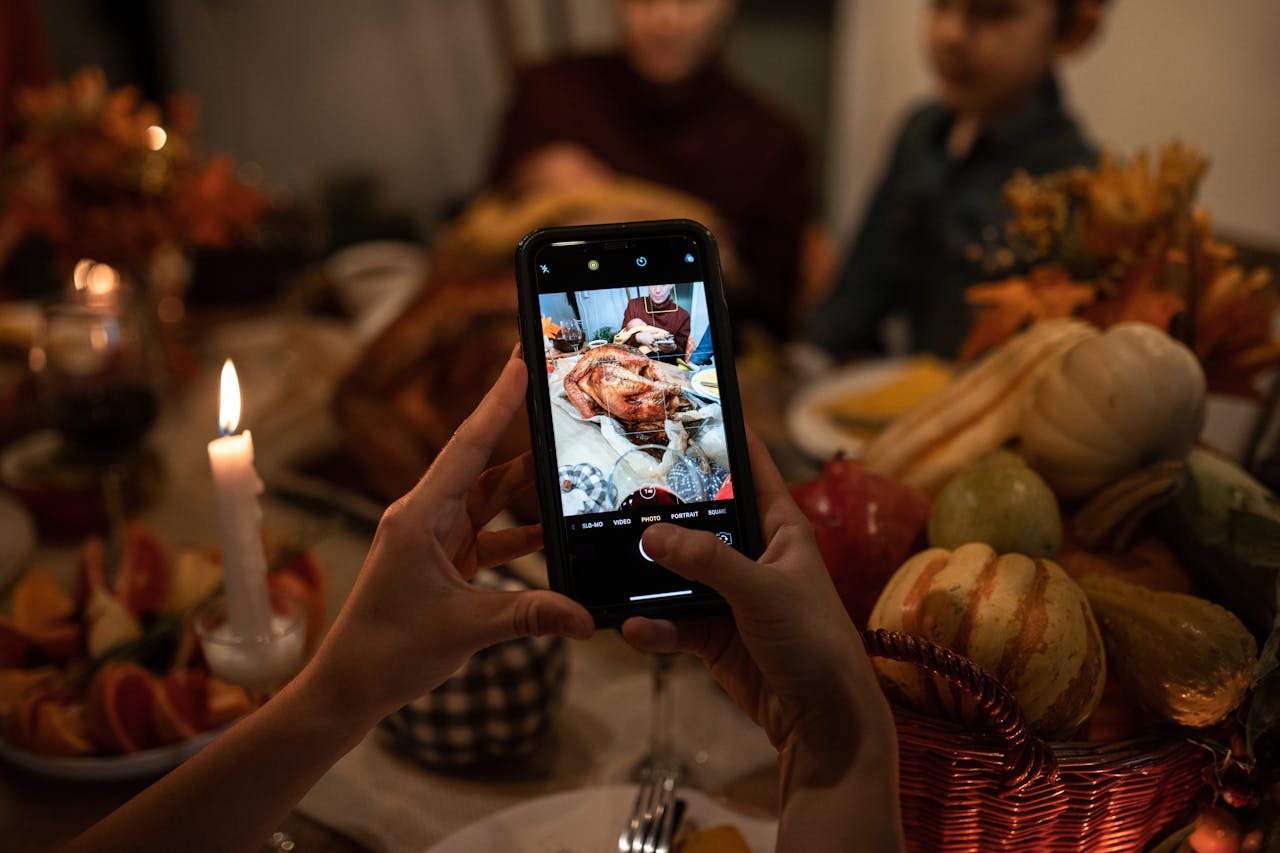
A camera can feel like an invasion when it turns daily life into a backdrop without consent. Snapping strangers, children, vendors, or worshippers without asking, then walking away, can come off as taking something while giving nothing back; the same goes for filming arguments, aiming lenses into homes, or launching drones where privacy is part of the culture. Many travel etiquette guides stress requesting permission first, and that small pause also signals that a person is not a souvenir, even when the street scene is beautiful, and it reduces conflict in places with strict rules around photography and recording.
Using Friendly Gestures That Aren’t Friendly There

Body language travels badly. A cheerful thumbs up, an OK sign, or an eager point can carry a rude meaning a few borders away, and locals may react before any words land. Feet matter in many regions, where pointing soles at someone, putting shoes on seats, or stepping over bags can read as contempt, and casual touching can feel too familiar where personal boundaries are stronger. Since ordinary gestures can be offensive in parts of Europe, the Middle East, and Latin America, keeping hands relaxed, avoiding emphatic signals, and copying local greetings is the safest default until the context is clear in mixed company.
Treating Local Food Customs Like Suggestions
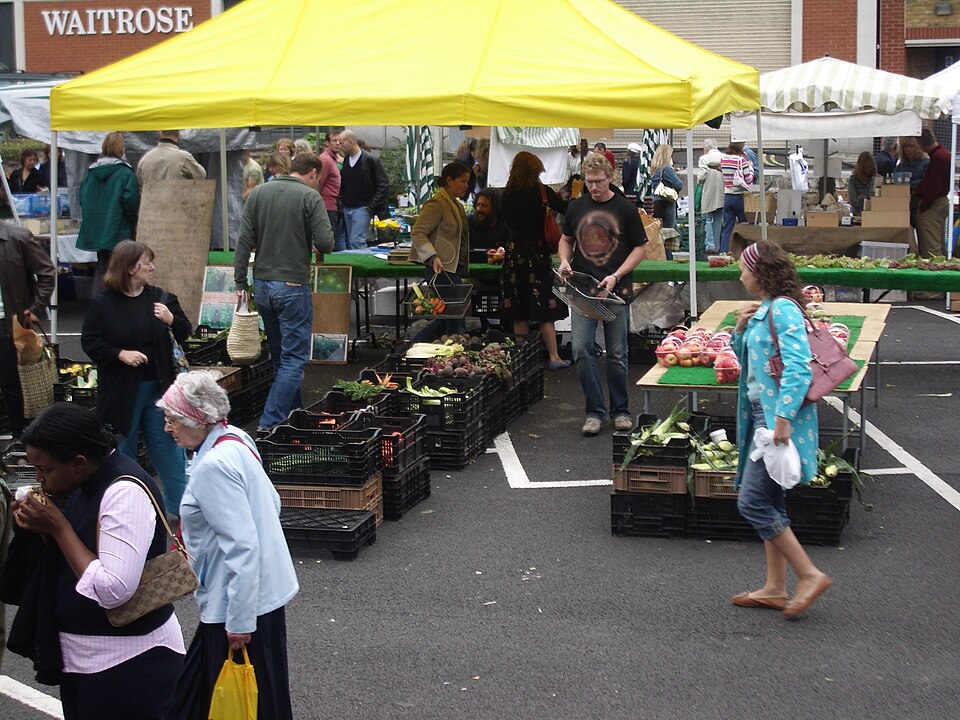
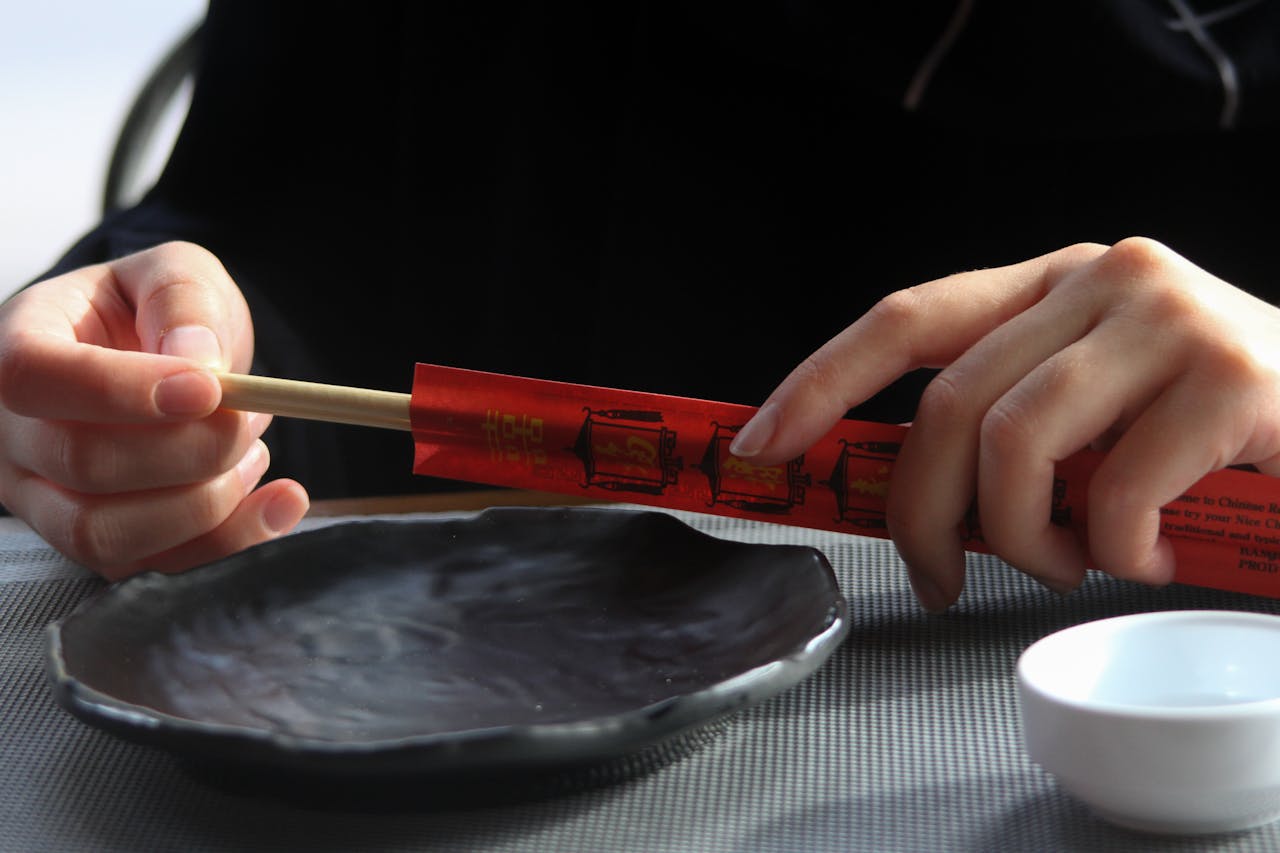
Food customs are emotional, because they sit at the center of family life and local pride. Eating while walking, drinking on the street, or treating a meal like fuel can feel careless in places where food is meant to be enjoyed in a designated spot; other hot buttons include talking with a full mouth, refusing to try anything, or making faces that imply disgust. In Japan, for example, eating on the go is often frowned on, and small details like chopstick handling and table tidiness signal respect, so pausing to watch how locals order, share, and finish a meal can prevent an awkward scene before dessert arrives too.
Bargaining Aggressively and Talking Down to Service Staff

The quickest way to offend a community is to treat its people as props for a vacation story. Snapping fingers at servers, speaking with impatience, or turning every purchase into an aggressive negotiation can suggest that local labor is cheap and time is worthless; loud public complaints, sarcastic jokes about accents, and constant comparisons to home can land the same way. Good manners abroad often look simple: using a steady tone, accepting no as a full sentence, and bargaining only where it is clearly part of the culture, not in fixed price shops or with small family businesses that operate on thin margins all day.