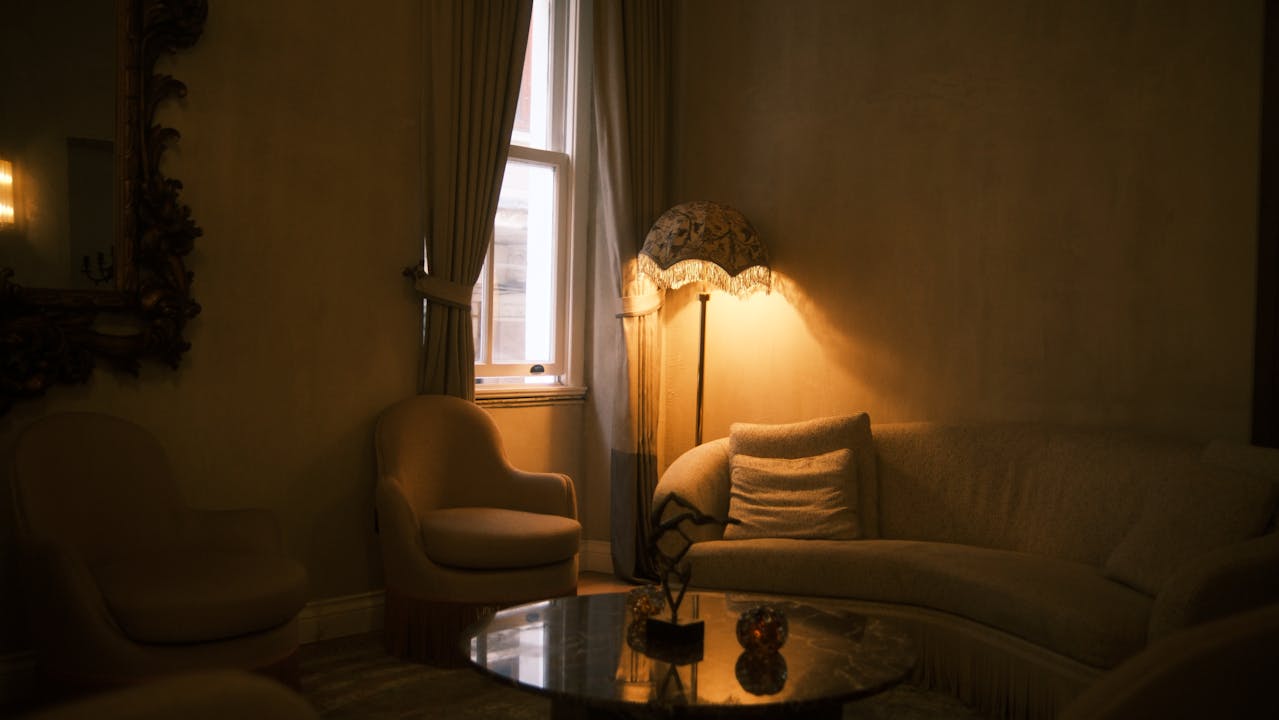
Lighting is supposed to quiet a room, not turn it into visual noise. Yet a few common choices can make even tidy spaces feel crowded, because light controls what the eye notices, where shadows collect, and how colors stack up. When brightness, placement, or tone is off, objects seem to multiply, edges blur together, and calm disappears from the corners. The good news is that clutter often looks worse than it is; once the glow is balanced and purposeful, shelves read as curated, pathways feel wider, and the whole space exhales. Small swaps in bulbs and controls can change the mood fast, without moving furniture today.
Too Many Table Lamps on Every Surface
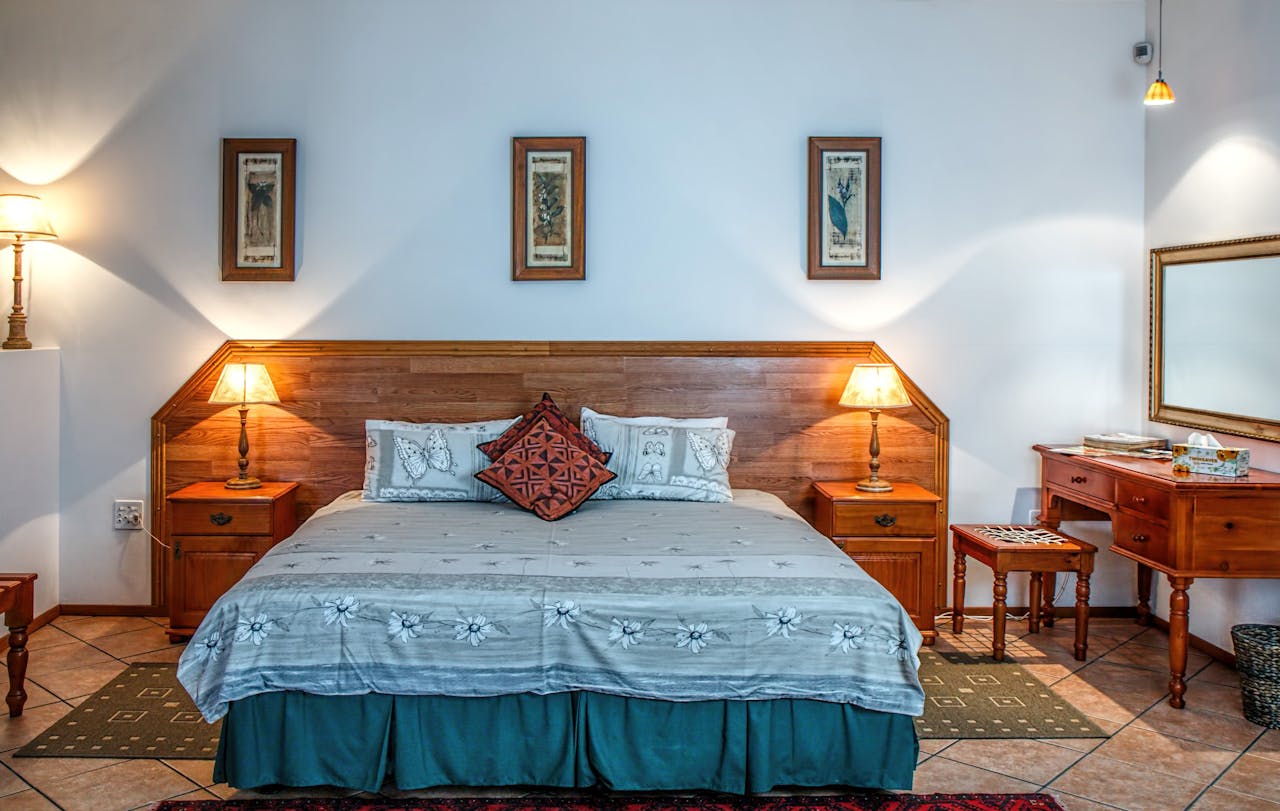
When every side table, console, and shelf gets its own little lamp, the room starts to look like it is hosting a showroom instead of a home all day. Multiple bases, cords, and shade silhouettes chop up surfaces that would otherwise read as calm, and the repetition creates a forest of small forms at eye level, especially in open-plan spaces where sightlines stay long. Rather than softening the scene, the competing pools of light overlap and throw extra shadows, spotlighting every pile and trinket, so books, remotes, and decor feel louder, closer together, and oddly unfinished, even when the room is actually organized.
Bulbs With Mixed Color Temperatures
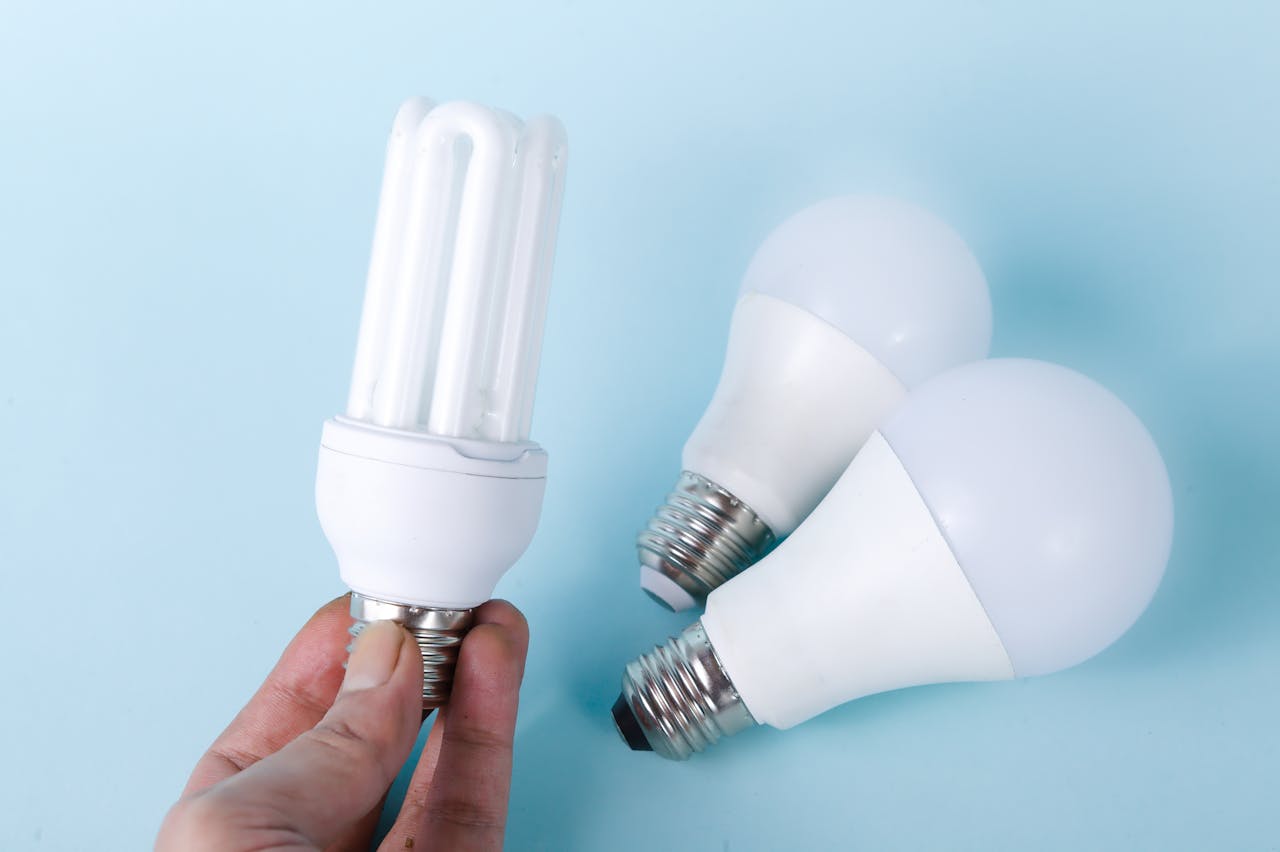
Mixing warm and cool bulbs in the same room makes colors fight, and the eye reads that quiet conflict as mess. A warm lamp near a cool ceiling fixture can turn walls slightly green, fabrics slightly gray, and wood tones oddly patchy, while metal finishes flip between yellow and blue highlights, so the space changes personality from one corner to the next. Because each pool of light reinterprets every object, art, photos, and plants stop looking fully cohesive, and shelves and countertops read as scattered, with everyday items, cords, and frames feeling like cluttered fragments instead of a single, settled palette.
High-Glare Bare Bulbs and Clear Glass Shades
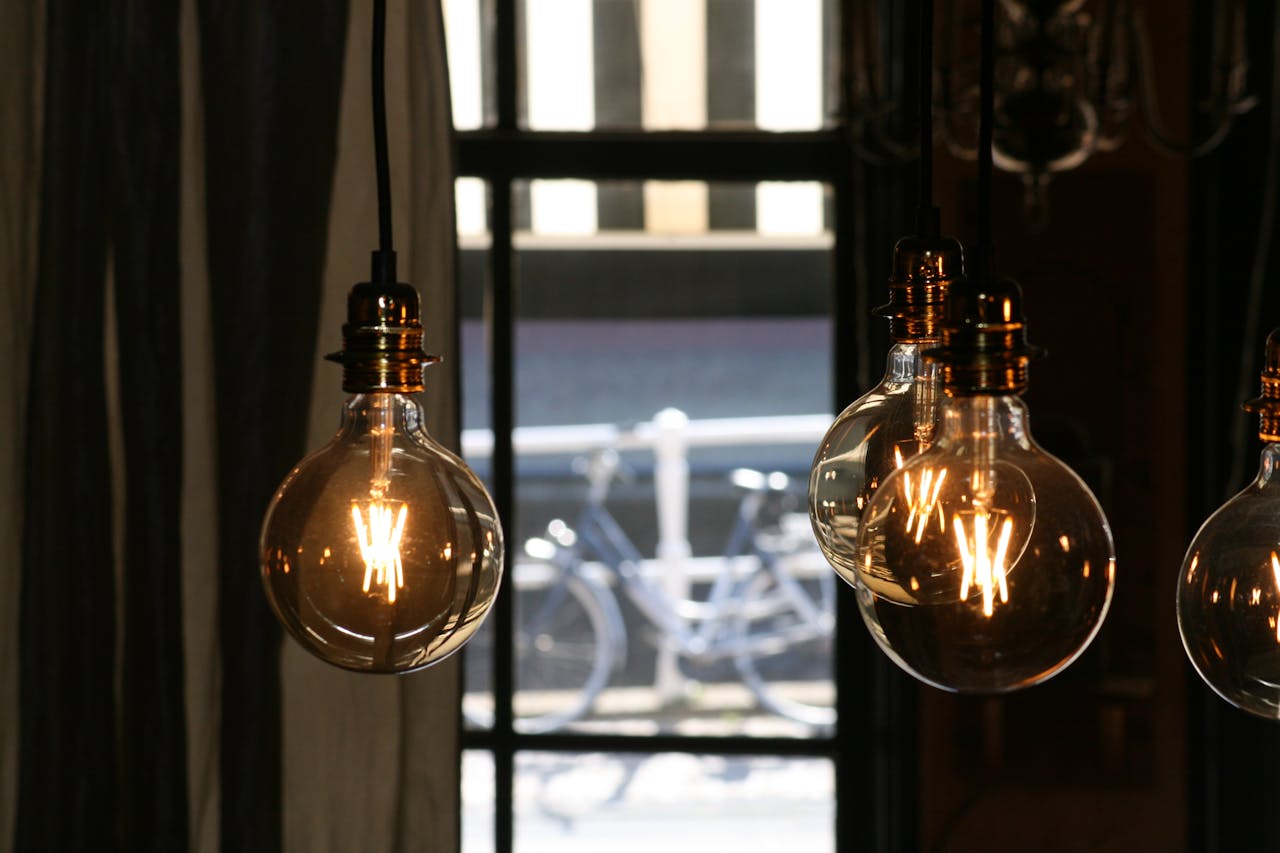
Bare bulbs and clear glass shades can look minimal on a mood board, but the glare they throw can make a lived-in room feel busy and slightly anxious. Those sharp points of light bounce off frames, screens, polished wood, and stone, creating sparkles and streaks that mimic the visual chatter of clutter and pull attention toward every reflective edge, including faucets, cabinet pulls, and picture glass. As eyes squint and adjust, shadows get crisp and jumpy, so even tidy stacks gain hard outlines, wall texture looks louder, and everyday objects feel as if they are competing for space on the same plane, too, all evening.
Overly Bright Overhead Lighting Without Layers
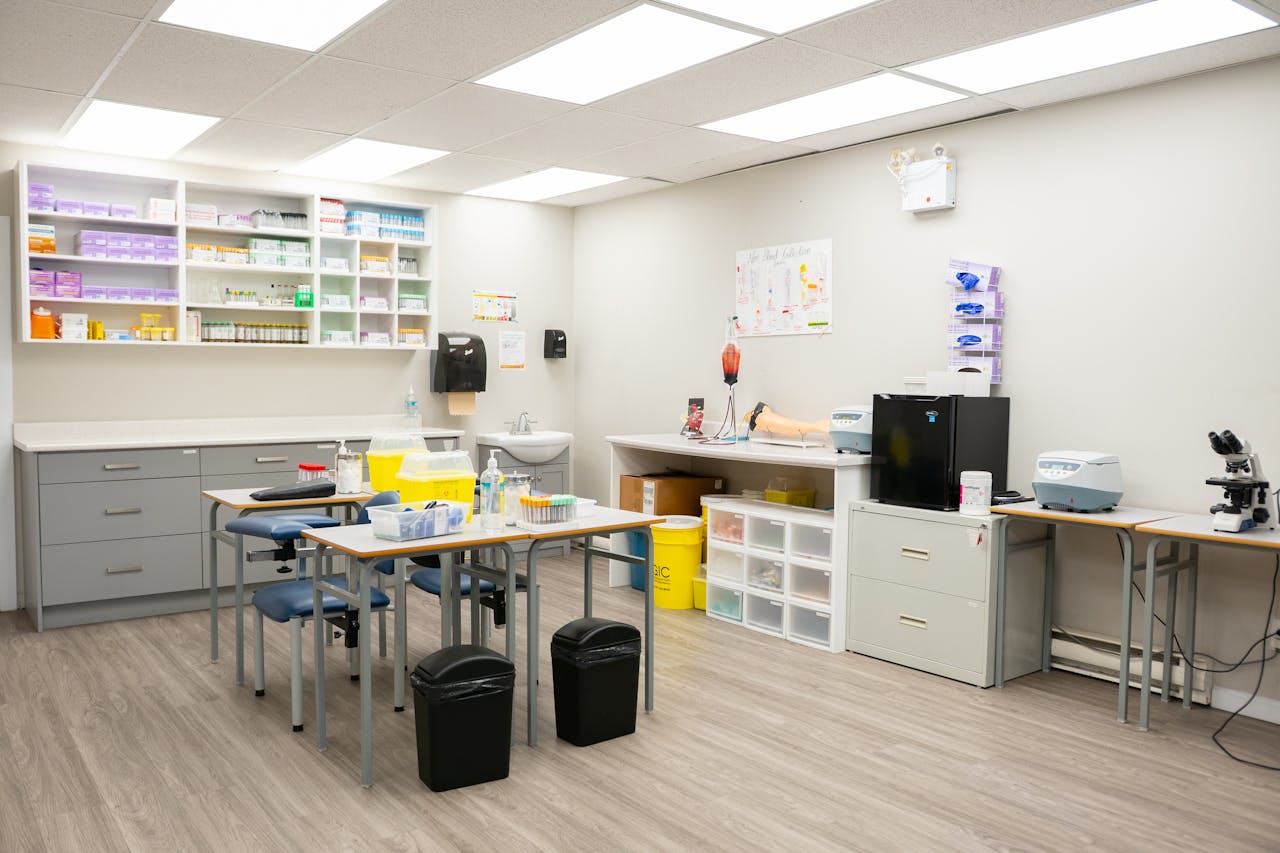
Relying on one bright ceiling fixture to light the whole room flattens everything it touches, like turning on a high-beam in a small space. Without softer layers from lamps, sconces, or floor lights, storage baskets, open shelving, and countertop items lose depth cues, shadows tuck under objects in harsh little pockets, and the room reads as one evenly lit plane with no hierarchy. That overexposed look makes the eye scan for order and find none, so cords, labels, and little mismatches feel amplified all at once, empty space disappears, and even clean furniture lines start to look fussy and crowded, in photos and in person.
Pendant Clusters That Compete With the Room
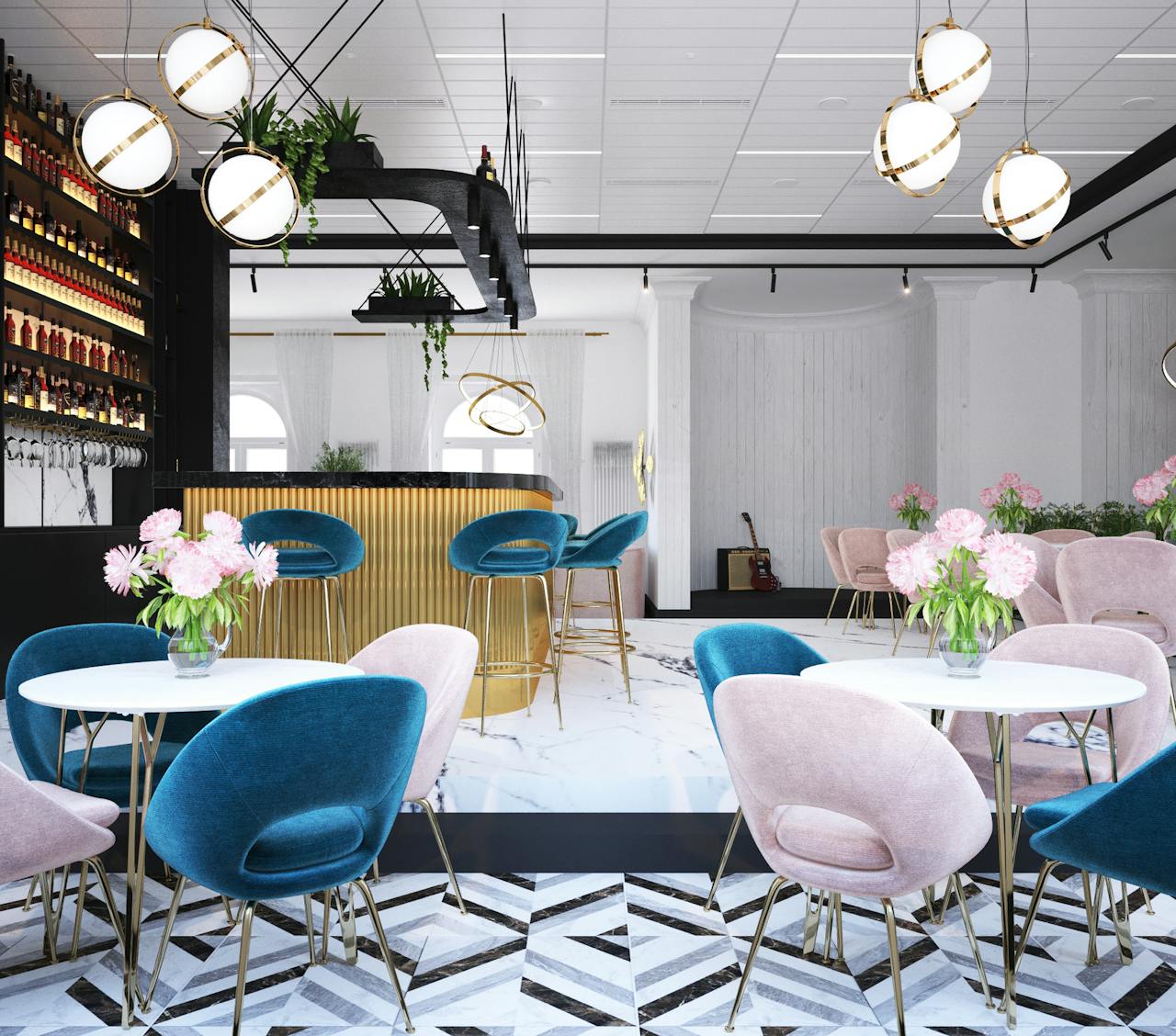
Cluster pendants can be beautiful, but too many small shades hung together can clutter the air above a table or island, especially in rooms with modest ceiling height. Instead of one clear focal point, the ceiling becomes a busy zone of cords, canopies, and overlapping silhouettes, and the repeated shapes create a visual rhythm that never settles, no matter where someone stands. Because the eye keeps counting and re-counting the parts, the area below starts to feel overstyled, too, and the many light sources cast layered shadows, so stools, dishes, and even a simple bowl of fruit read like props in a crowded display.
LED Strips Used Like Accent Tape Everywhere

LED strip lights can add glow, but lining every shelf, headboard, and cabinet with them can make a room feel like it is outlined in highlighter, especially when the strips are cool white or vivid blue. That constant edge lighting emphasizes seams, gaps, and stored items, turning what should fade into the background into a feature, and it can reveal cords and uneven surfaces that daylight would forgive. When everything is accented, nothing feels calm, so the eye keeps tracing perimeter after perimeter, and the room’s contents start to look as if they are spilling outward into the light instead of sitting neatly in place.
Colored Smart Lighting Left on Saturated Hues
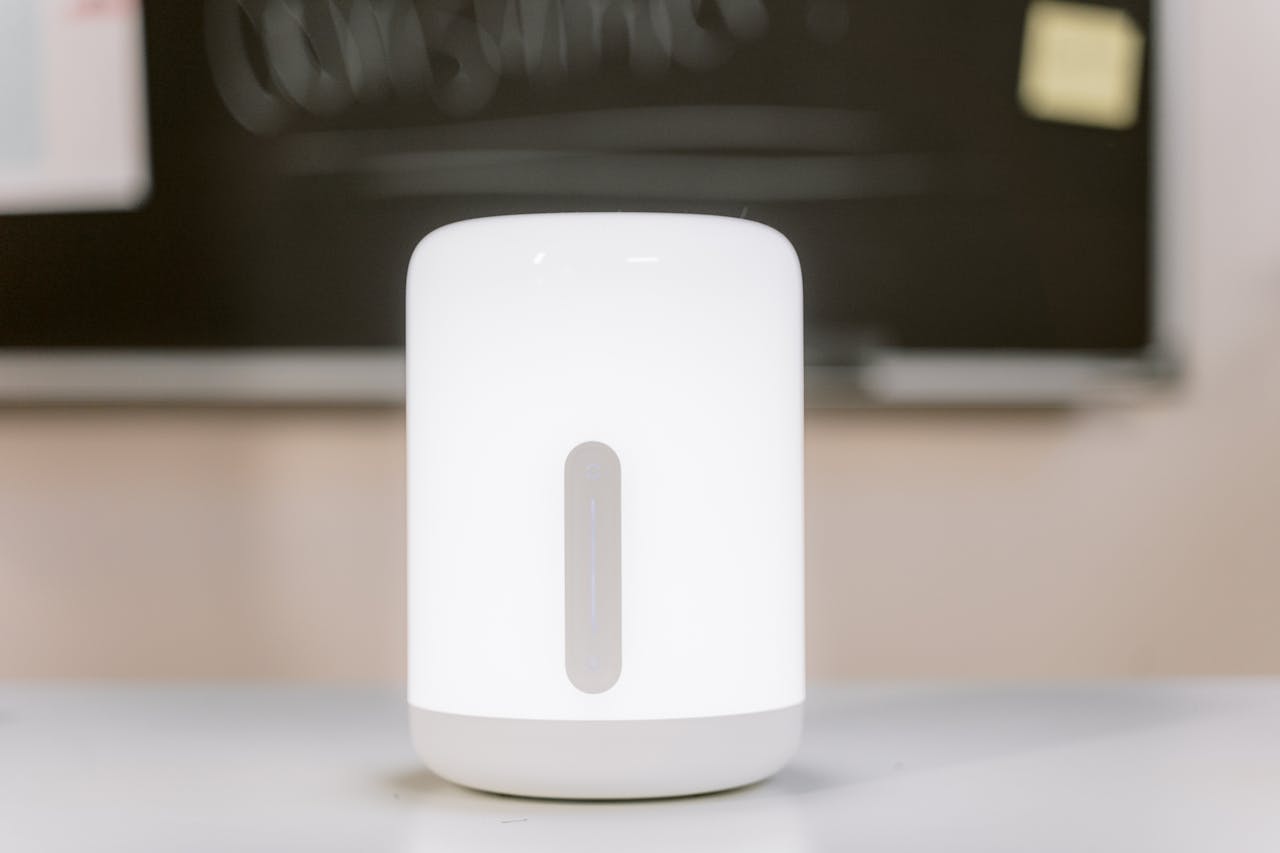
Smart bulbs are fun, but leaving them on saturated colors can make a room feel like it is permanently mid-party, even on quiet weekday nights, and the space can start to feel smaller. Strong magenta, blue, or green light distorts materials, making whites look dingy and wood look bruised, while shadows turn theatrical, shifting across walls and making surfaces seem busier. Because the color wash removes natural contrast, the difference between decor and daily clutter gets blurry, and photos, books, chargers, cords, stacked mail, and stray objects all compete on equal volume with the room’s best pieces, too, after dark.
Spotlights Aimed at Open Shelving and Displays
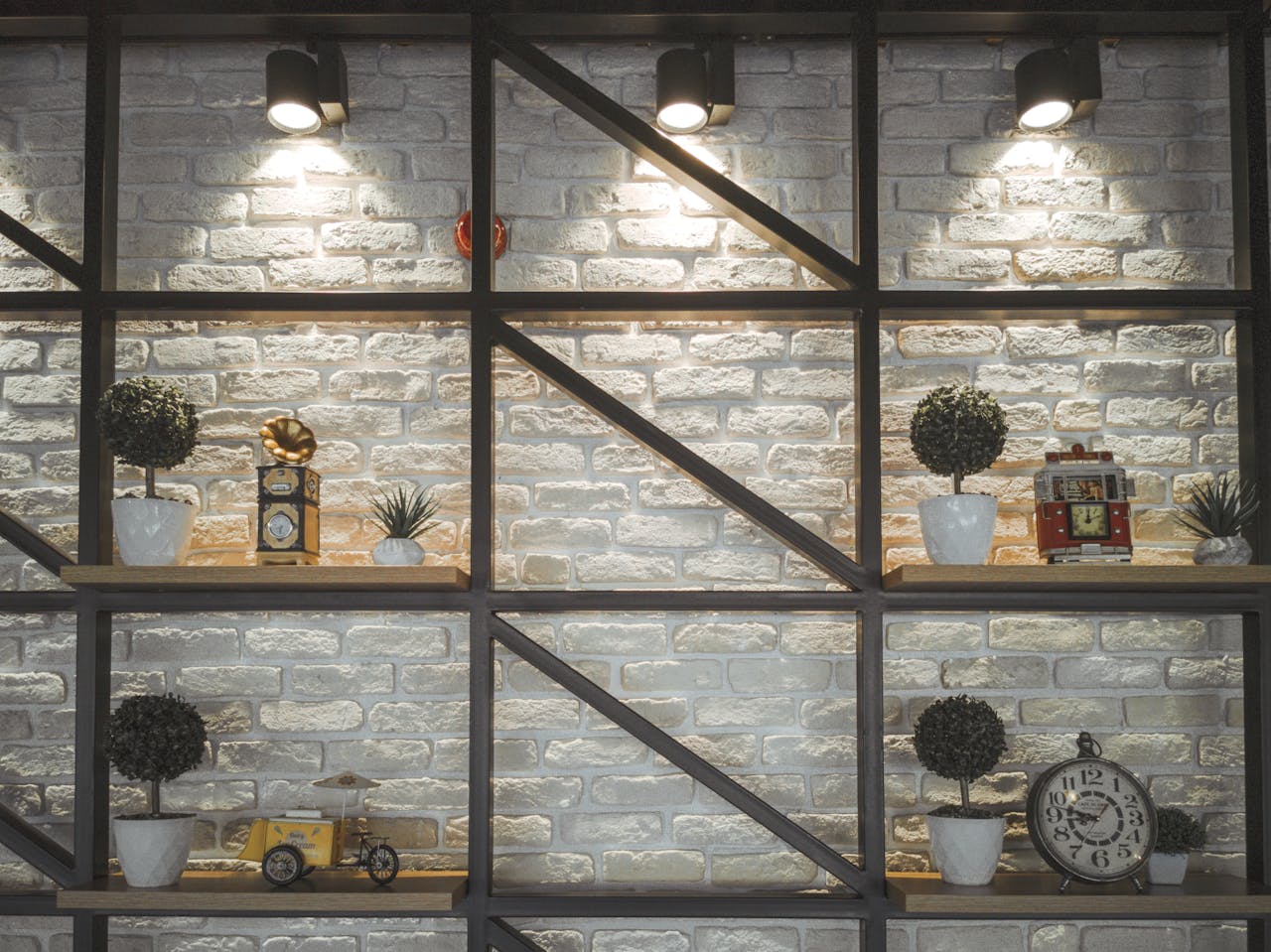
Directional spotlights aimed at open shelving can unintentionally turn storage into a stage, even when the intention is a clean, gallery look. When mugs, spices, books, and collectibles are lit like exhibits, every label, mismatch, and odd gap becomes more obvious, and the shelf stops reading as background and starts acting like a to-do list, with shadows carving little outlines around each item. Because the brightest area is also the most detailed, the eye lingers on every small thing, and the room feels packed, as if there is never enough distance between objects and the space around them, even in passing at night.
No Dimmers for Evening Softness
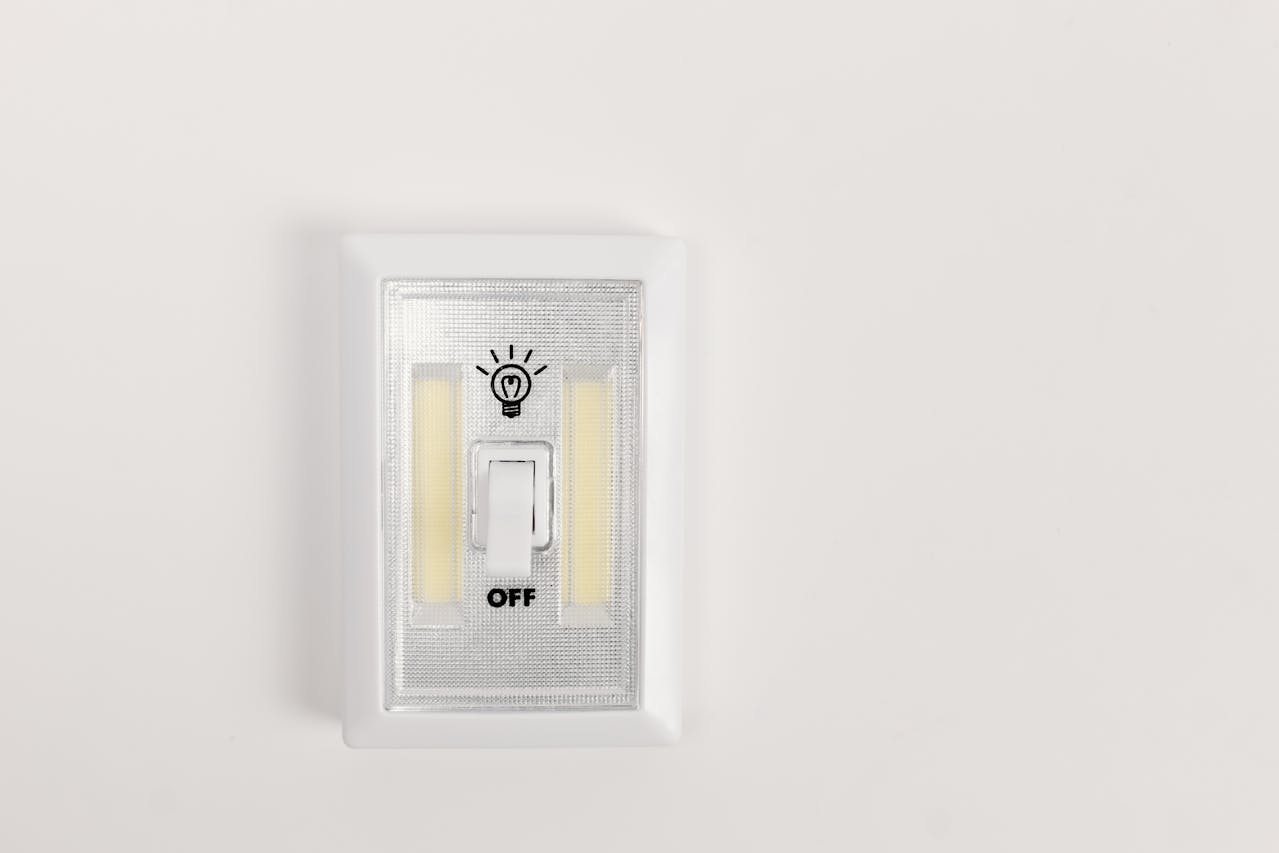
Skipping dimmers locks a room into one mood, and that mood is often too bright after sunset, when eyes want warmth and gentle contrast, not a fully lit stage. When lights cannot soften, shadows stay stark and surfaces stay fully exposed, so stacks, cords, and everyday mess read as sharper and more present, and reflective finishes bounce the brightness back into the room until it feels restless. Even a calm evening can feel like task lighting, and the space looks cluttered because the light refuses to let background elements recede, turning every countertop and corner into a spotlight, no matter how little is actually out.