In most cities, wildlife once felt like a separate world, tucked into parks and river edges. Now the line has blurred. Animals track traffic rhythms, read trash schedules, and treat balconies as cliffs. Under LEDs and late-night noise, some species are thriving while others are quietly stressed, shifting when they eat, where they nest, and how they move. Dawn can bring gulls on parking lots, monkeys on rooftop routes, or coyotes on greenway edges. What this really means is simple: everyday human patterns are rewriting urban nature, one predictable habit at a time. And the changes can look small until they add up.
Human Food Becomes The Main Course

City menus are no longer seasonal for many animals. Rats, pigeons, crows, and raccoons learn the taste of fries, bread, and pet kibble, and diets tilt toward easy calories from dumpsters, open compost, and curbside bins. That shift can change body size, breeding timing, and where families settle, because food arrives on human schedules, not on rainfall, flowering, or fruiting trees. The hidden cost sits in the ingredients: salt, wrappers, and plastic fragments, plus a steady nudge toward bolder foraging around cafes, schoolyards, and late-night takeout rows, even when safer habitat is close by, just across a fence.
Wildlife Shifts To The Night Shift
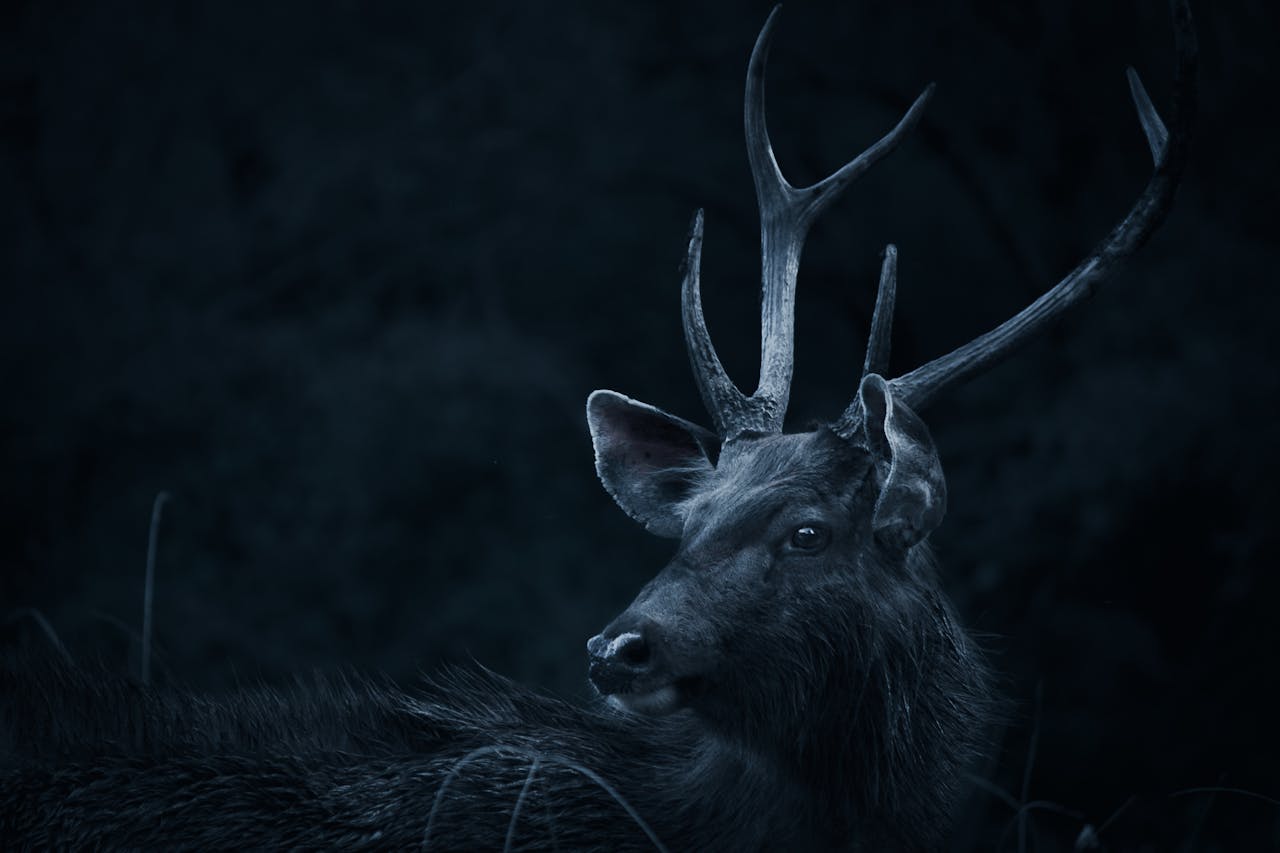
Many urban animals are adjusting their clocks, not out of mystery, but out of math. Coyotes, foxes, wild boar, and even deer in some regions move later, waiting out joggers, cars, and off-leash dogs, then slipping through gaps between patrol lights and delivery trucks. Night travel lowers conflict and heat stress, but it also reshapes ecosystems: predators hunt when prey is less alert, scavengers arrive after closing time, and birds that once fed at dawn may settle for scraps under streetlamps. The city stays awake, so wildlife does, too, turning alleys and rail corridors into midnight highways with fewer safe exits.
Artificial Light Rewrites The Rules
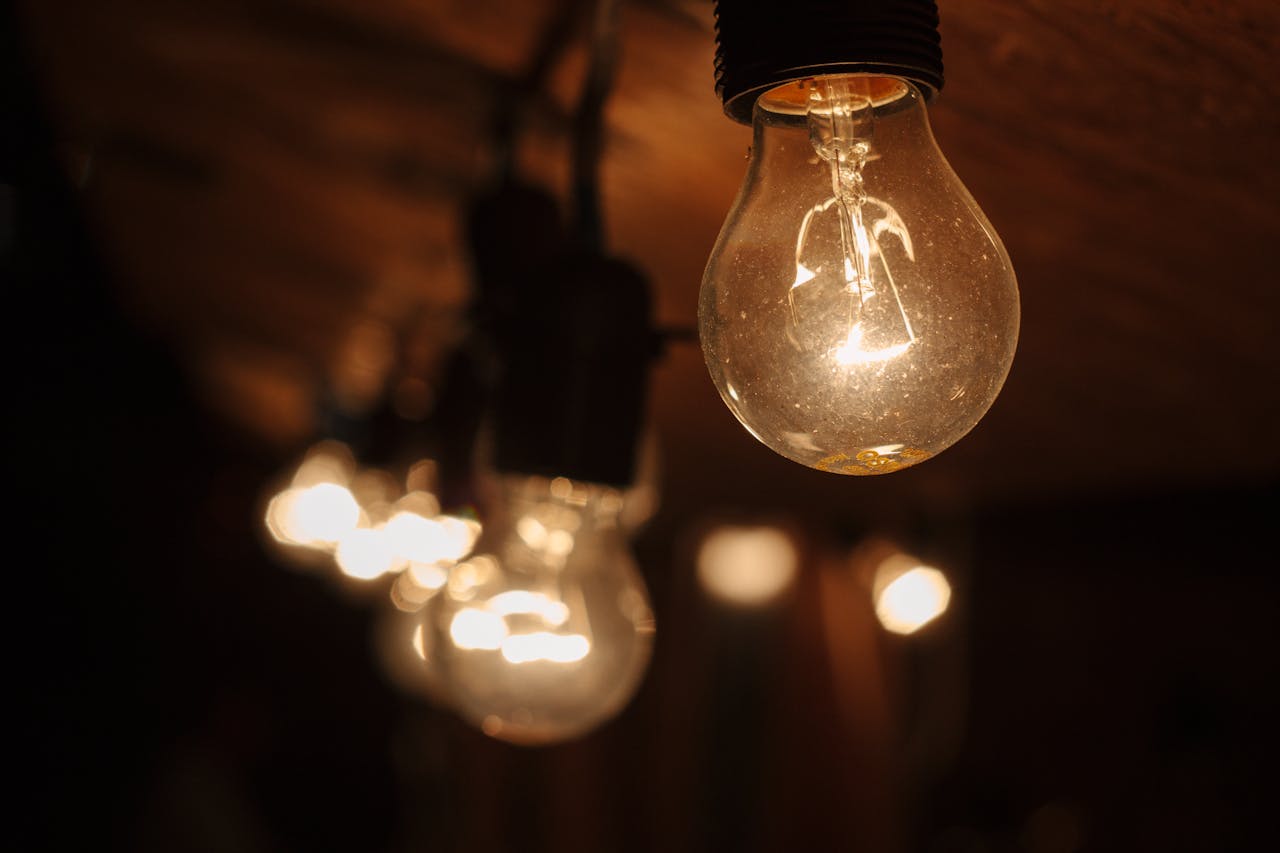
Artificial light changes more than the skyline. Bright LEDs can confuse migrating birds, pulling them toward glassy towers, and they keep insects active in the wrong hours, which ripples into what bats, geckos, and small birds find to eat. In parks, constant glow blurs cues for breeding, sleeping, and even communication: fireflies struggle to signal, frogs call at odd times, and predators gain an unfair view of exposed prey. Some animals stretch their active hours and miss the deep rest that darkness once guaranteed, so stress builds quietly, night after night, beneath a sky that never fully turns off in many blocks.
Heat Islands Shift Who Can Live Where
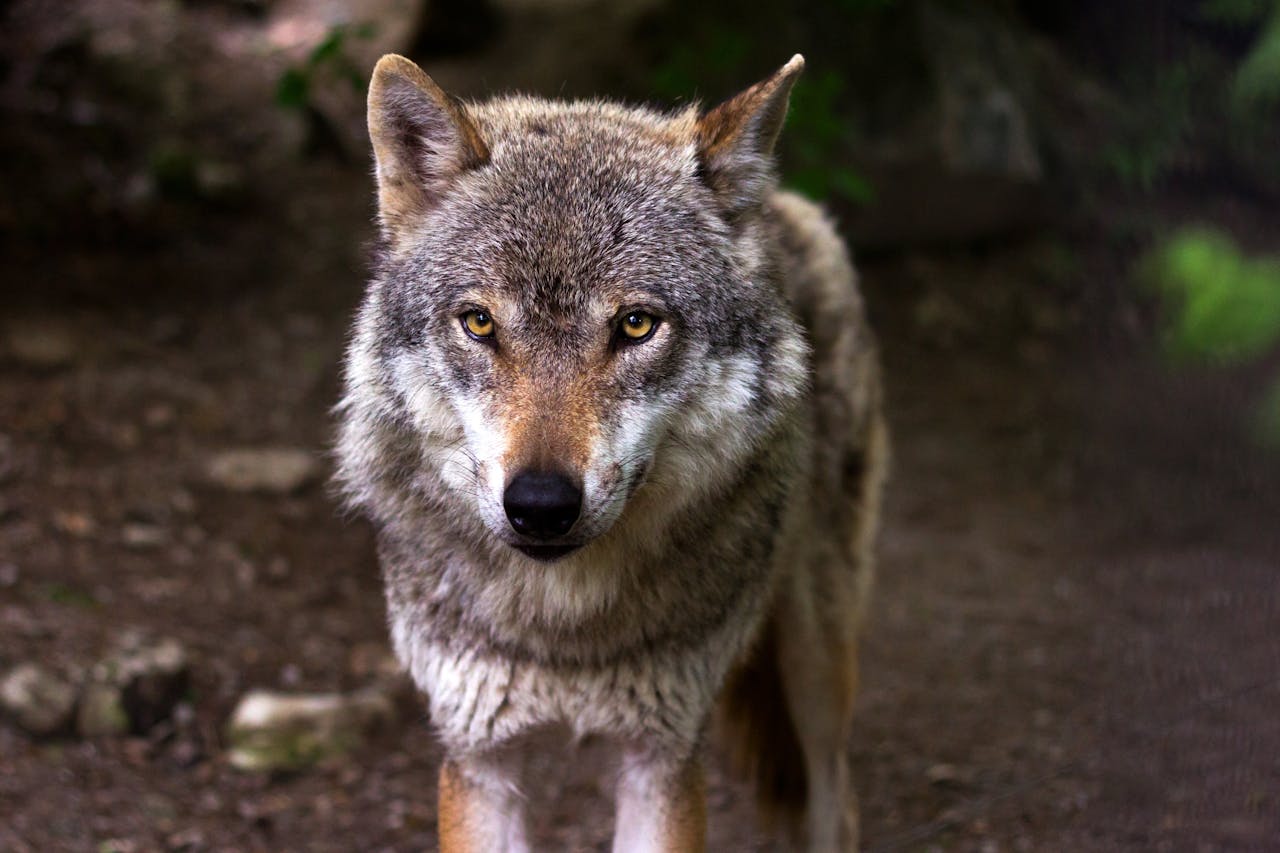
Cities run warmer than the countryside, and wildlife feels it first. Pavement stores heat, winters can be milder and snow melts faster, so some species expand into neighborhoods that once stayed too cold, using storm drains and green strips as stepping-stones. Earlier springs can desync timing: flowers bloom before pollinators peak, birds may hatch chicks after the best insect weeks have passed, and ticks and mosquitoes can linger longer in city parks. During heat waves, the map of survival shrinks to shade, fountains, AC drip lines, and irrigated lawns, making water access a daily filter on who thrives and who disappears.
Noise Forces New Songs And New Silences
Noise is an invisible architect in urban ecosystems. Along highways and busy avenues, some songbirds shift to higher pitches, repeat phrases, or sing before sunrise, trying to cut through the low-frequency rumble of engines, buses, and sirens. That choice costs energy and can change who mates with whom, because song is a social signal, and constant masking pushes animals into smaller windows of quiet. Meanwhile, species that rely on subtle calls, from frogs near retention ponds to owls in pocket woods, may fall silent or move on, so two parks with identical trees can sound like different worlds once traffic eases.
Buildings Turn Into Habitat And Hazard
Buildings have become both shelter and trap. Ledges mimic cliffs for pigeons and peregrine falcons, vents stay warm in winter, parking garages offer dry corners, and bridge gaps can turn into bat roosts, while rooftop planters create mini meadows a few stories up. At the same time, reflective glass reads like open sky, and bright lobbies or illuminated signage pull migrating birds toward confusing light, especially on foggy nights. Cities that add bird-safe patterns, shaded glazing, and greener setbacks can tip the balance, turning a risky flight path into a workable habitat corridor instead of a constant guessing game.
Fear Shrinks And Boldness Spreads
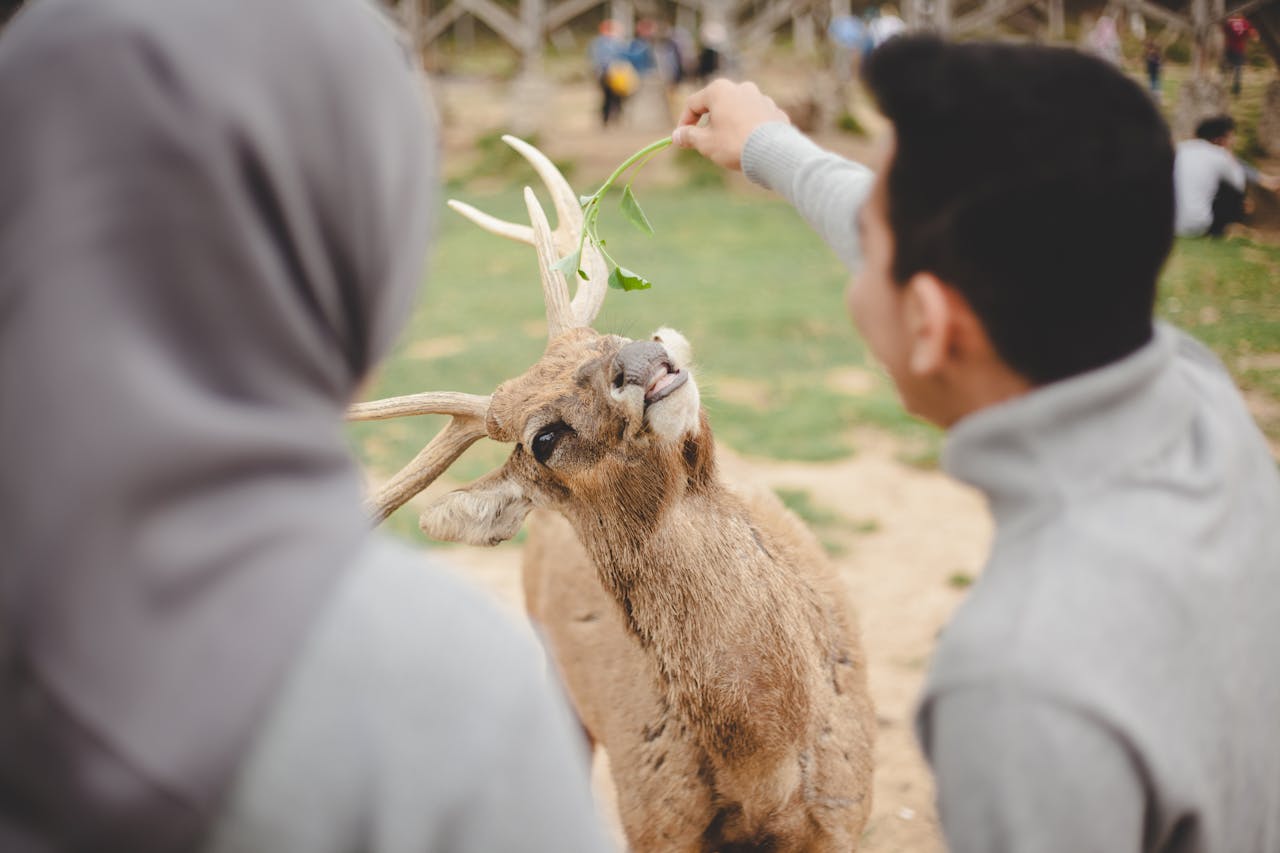
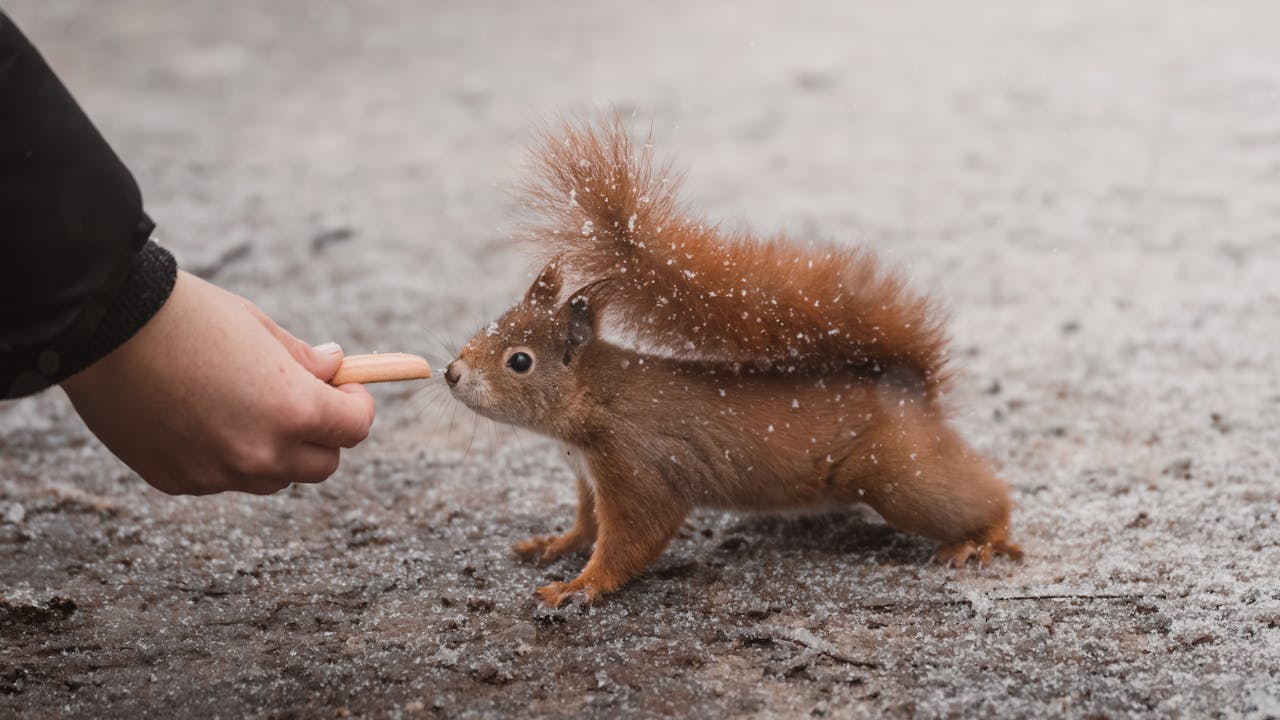
Urban wildlife is getting unusually comfortable around people. When animals meet humans daily without firm boundaries, the distance that once signaled safety shrinks, and bold individuals pass the lesson along, especially where feeding is common and patio smells drift down sidewalks. It can look charming, but it rewrites street rules: squirrels dash closer, monkeys test windows, and coyotes linger near playground edges, until a single incident triggers calls, removals, and stricter trash habits that arrive too late for the animals already trained. Signage and fines help, but learned behavior is sticky for generations.
Chemicals And Crowding Change Health
Human chemistry is shaping city food chains. Rodenticides can move from rats into owls and hawks, pesticides thin out insects, and plastic fibers show up in nests and gut contents, while salty winter de-icers change what puddles taste like. Add spilled antifreeze, cigarette butts, heavy metals from brake dust, and oily runoff from streets, and urban animals carry a toxic load that rarely shows up in photos, but can affect fertility and immune strength. Crowded feeding sites also speed disease spread, so the same overflowing dumpster that feeds a flock can become a shared contact point for pathogens, parasites, and stress.
City Life Starts To Shape Evolution
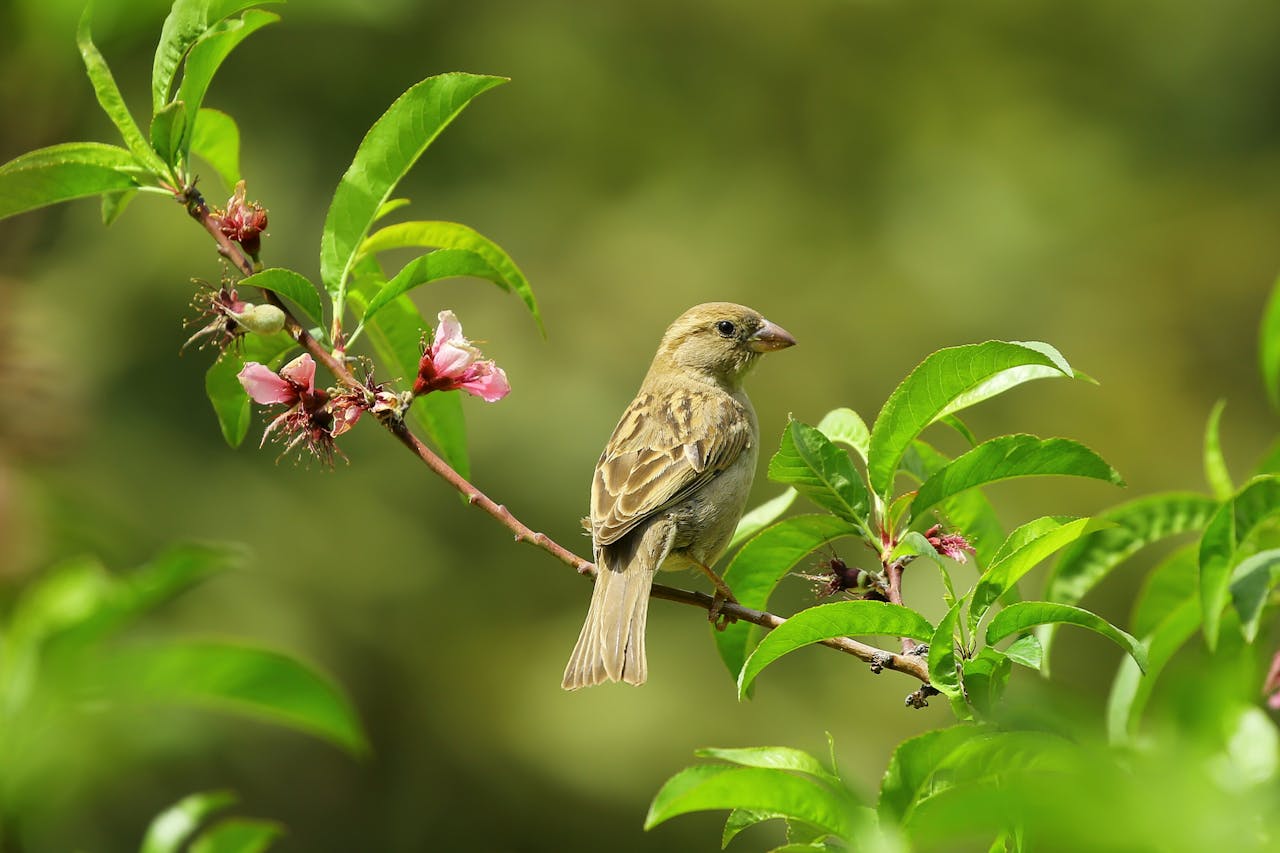
Some changes go deeper than behavior and start to look like evolution. City blackbirds and sparrows can show differences in stress responses, and urban mosquitoes and rodents may adapt quickly to pesticides and barriers, because only certain traits survive the daily obstacle course of walls, lights, and noise. Learning speeds it up: crows teach each other which bins open easiest, and parrots in some cities pick up local dialects. Over time, the city becomes a selective classroom, shaping not just where wildlife lives, but what kinds of wildlife exist there at all, with tolerance and timing rewarded most in the long run.