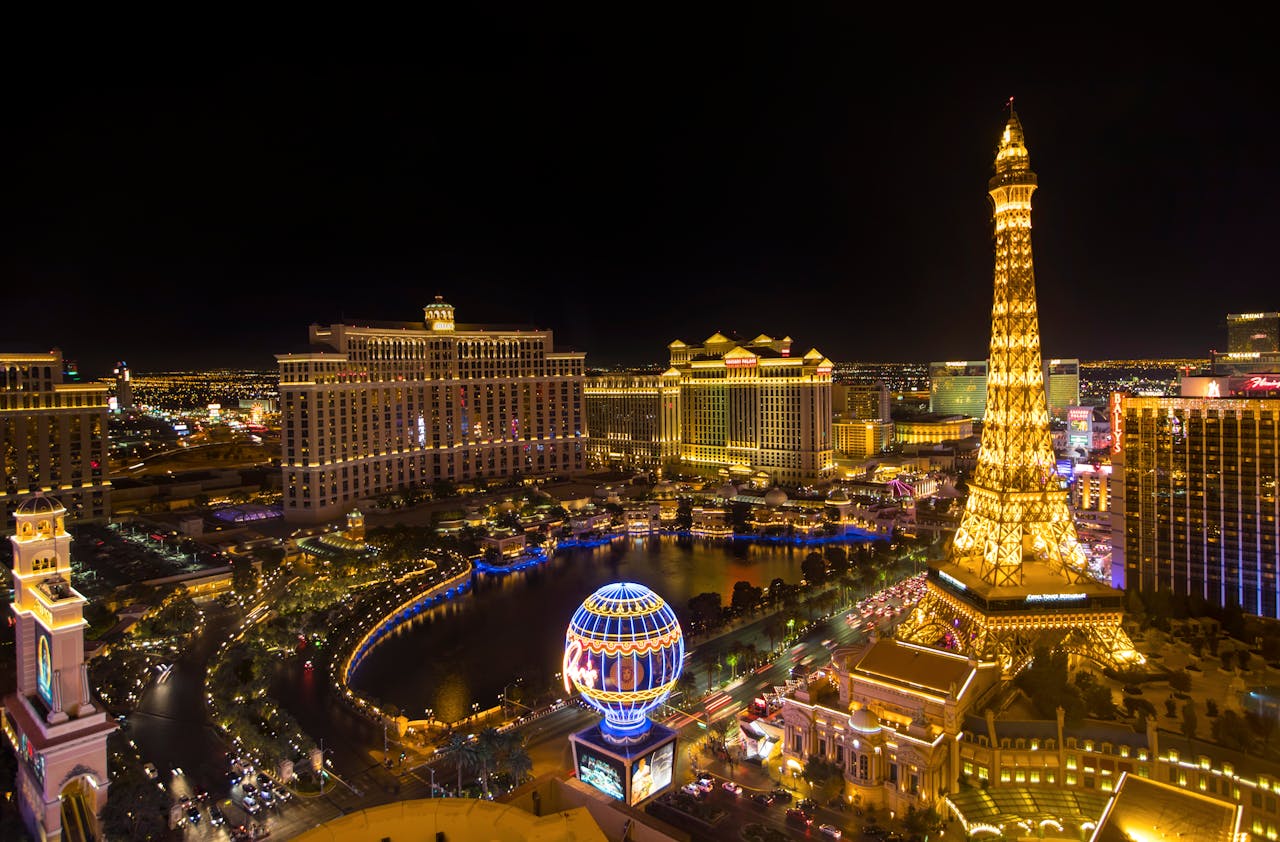
Las Vegas still glows after dark, but the old bargain aura has thinned for American travelers. Official year-end figures show about 38.5 million visitors in 2025, down 7.5% from 2024. Hotels also closed the year with softer occupancy, while nightly rates stayed elevated, leaving many families and weekend visitors feeling that the city now asks for tighter planning and a bigger cushion.
That shift is less about one bad trip and more about a changed equation. The destination still delivers spectacle, but price fatigue and competition now shape whether the getaway feels exciting or exhausting before the first card is dealt.
Hotel Prices No Longer Feel Like A Bargain
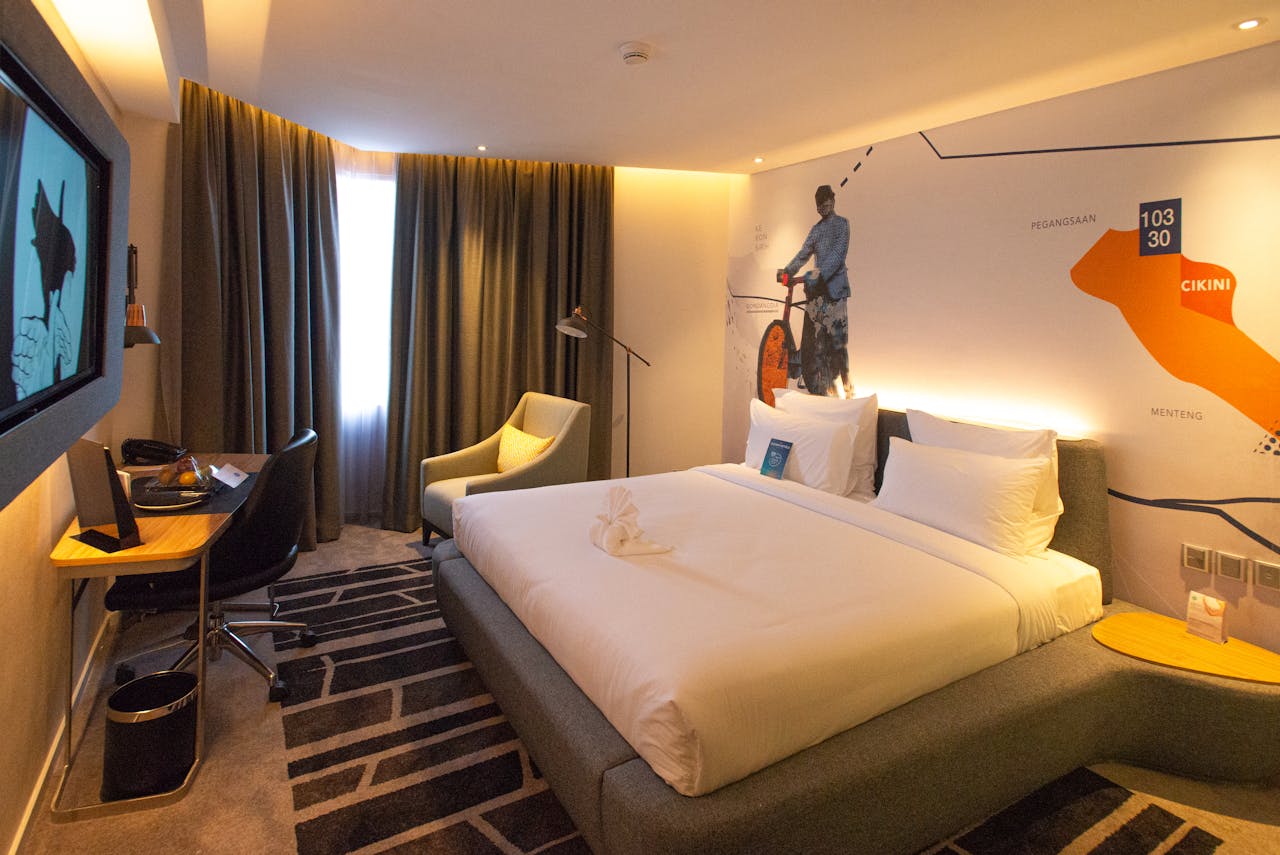
Room prices still anchor the value debate. LVCVA’s 2025 year-end summary put the citywide average daily rate at $183.52, and the Strip remained higher at $203.71. For travelers who remember sub-$100 promotions as normal, that shift changes the math before the suitcase is even packed, especially on weekends and major event dates when rates jump quickly now.
The issue is not only a single expensive weekend. It is the sense that baseline pricing reset upward, while the mid-budget sweet spot shrank. When airfare, parking, and taxes stack on top, a trip that once felt impulsive starts to feel like a planned luxury purchase.
Mandatory Fees Turn Small Savings Into Big Totals

Even when a booking page shows a decent headline rate, mandatory add-ons often rewrite the total. The FTC’s fee rule, effective May 12, 2025, now requires clearer upfront pricing for short-term lodging, which helps visibility but does not erase the fees themselves or cap what properties can charge.
That distinction matters to budget-minded travelers. A room can appear manageable in search results, then climb at checkout once required charges are folded in. Many tourists say that pricing structure creates friction and distrust, especially for short stays where every extra dollar feels immediate and hard to justify today.
Casual Gambling Feels Harder To Access

Las Vegas built its mass appeal on low-stakes fun, but table economics have shifted. Local coverage in late 2025 highlighted that even when $5 blackjack appears on the Strip, it often comes with less favorable rules. Better-value tables are increasingly found downtown or off-Strip, pushing tourists farther for lower limits.
For average visitors, that means spending more to get the same entertainment time. The perception is subtle but powerful: gambling can still be thrilling, yet entry-level play feels narrower than it once did. When the easy on-ramp disappears, casual visitors often cut trips, play less, or shorten their stay.
Food And Drink Costs Create Daily Sticker Shock

Travelers rarely judge value by room price alone. In Las Vegas, spending on meals, drinks, and convenience purchases has become a louder complaint, especially among domestic visitors balancing fixed vacation budgets. AP reporting on the tourism slowdown notes concern about high prices and added travel fees, and that sentiment spreads quickly through social feeds.
What this changes is the emotional texture of a trip. Instead of spontaneous dining and small splurges, many visitors track every purchase and pull back. That constant cost awareness can flatten the carefree mood that once defined Vegas weekends for mainstream tourists.
A Softer Visitor Mix Changes The Experience

The city welcomed 38.5 million visitors in 2025, and several core indicators moved down, including occupancy and traffic. AP also reported drops in international arrivals during key months, with especially steep declines from Canadian carriers, a market that has long supported hotel and restaurant demand during slower periods.
When volumes soften unevenly, the city can feel less predictable. Some blocks stay packed, while others feel quiet between peaks. American tourists notice those swings because they affect atmosphere, service rhythm, and momentum. For a destination built on energy, inconsistency itself becomes a deterrent.
Competing Destinations Now Offer Clearer Value

Vegas is no longer the uncontested default for a quick entertainment escape. Across the U.S., commercial gaming revenue hit another record in 2024, and many jurisdictions posted fresh highs, showing how many alternatives now exist closer to home. Regional options reduce travel friction for weekend plans.
That broader map changes decision-making. Instead of committing to flights, resort fees, and multiple paid experiences in one corridor, many travelers choose shorter trips with simpler budgets. Even when Vegas still offers more spectacle, rival destinations can feel easier to justify in practical household terms.
Online Betting And Home Entertainment Reduce Urgency

Digital gambling has become a strong substitute for part of the Vegas experience. The American Gaming Association reported that U.S. commercial gaming hit a record in 2024, with iGaming revenue rising 28.7% to $8.41 billion, showing how quickly online play is scaling alongside physical casinos. Apps make access almost frictionless.
New Jersey regulators also reported internet gaming win of $247.3 million in July 2025, up 26.6% year over year. That does not replace nightlife or live shows, but it removes one historic reason to book a flight. For some tourists, the casino impulse is now satisfied at home, instantly and legally today.
Economic Caution Is Reshaping Leisure Choices
Tourism officials themselves describe demand as sensitive to confidence. LVCVA’s year-end release says 2025 results were shaped by economic uncertainty and cautious spending behavior, a pattern visible in lower visitation and softer hotel metrics. That framing signals how quickly discretionary travel gets re-evaluated when households feel less secure.
Across many budgets, entertainment travel is one of the first categories to be trimmed when everyday costs feel unpredictable. In that climate, many families prioritize certainty, and Vegas, once seen as an easy indulgence, can slip from must-do trip to optional expense.