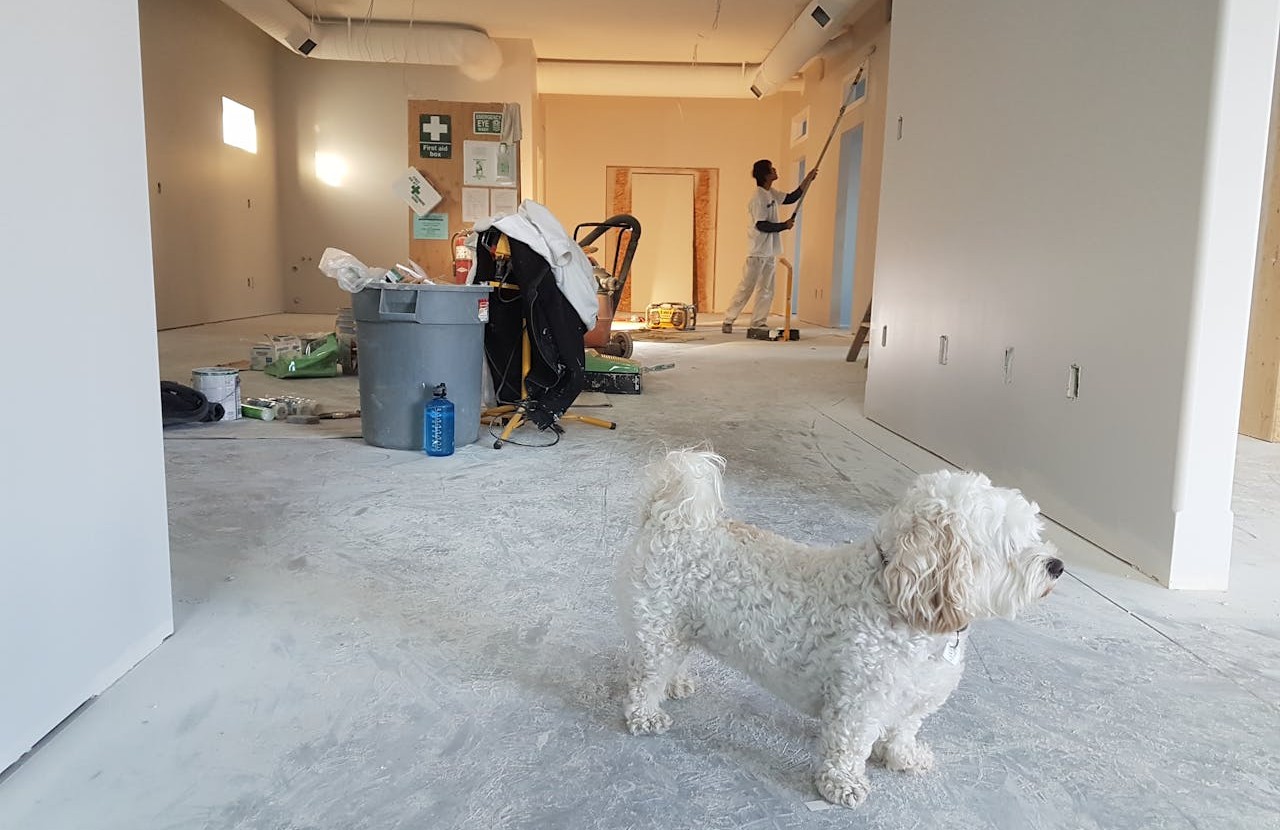
Homes evolve as needs shift, yet zoning codes shape what can be changed, expanded, or repurposed. These rules protect safety, guide land use, and preserve neighborhood character, but many projects cross boundaries unintentionally. A remodel that seems harmless on paper can turn complicated once inspectors review setbacks or parking requirements. That tension between personal goals and legal limits creates stress for families trying to improve their space. Understanding the most common missteps brings clarity and helps owners pursue upgrades with confidence and fewer surprises.
Accessory Dwelling Unit Conversion
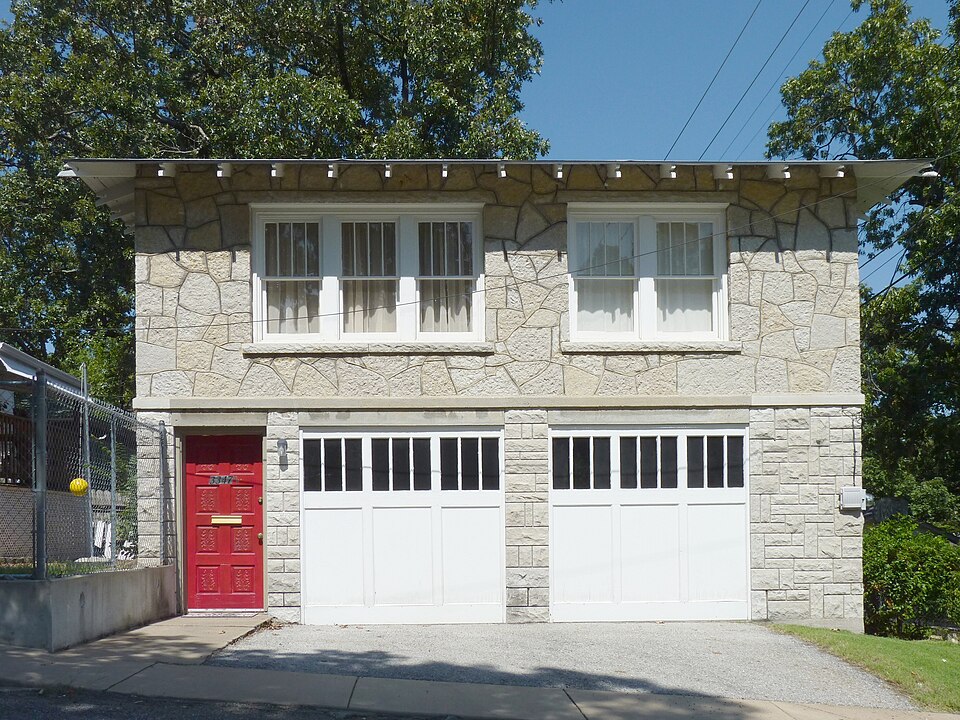
Converting a garage, basement, or backyard structure into an accessory dwelling unit often appears practical for supporting family or creating rental income. Yet cities enforce rules on setbacks, coverage, utilities, and parking that many owners overlook until work is underway. When a structure crosses a boundary or alters required access, inspectors may halt progress or demand costly revisions. Early meetings with zoning staff, precise measurements, and realistic expectations help avoid frustration. A carefully prepared ADU can expand living options without disrupting neighborhood rhythm or legal compliance.
Unpermitted Room Additions
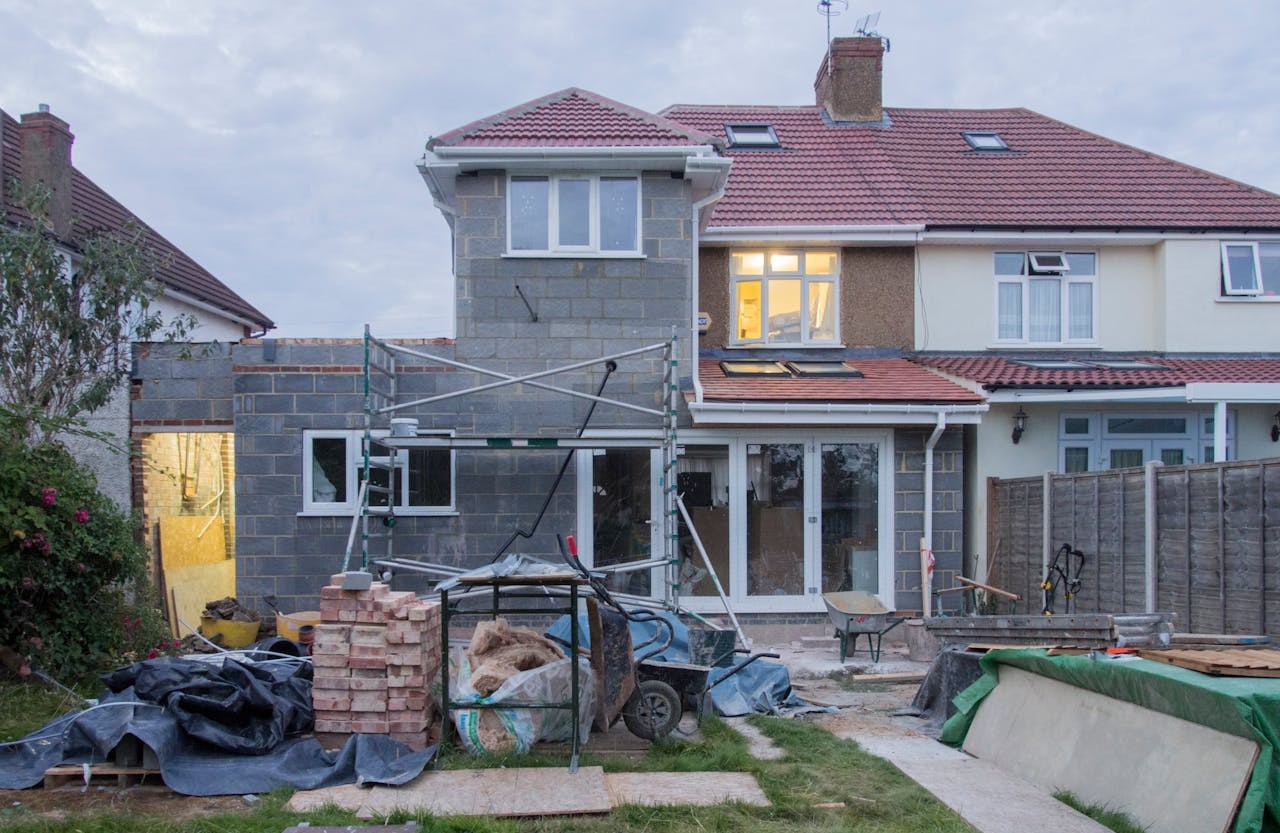
A new bedroom or expanded living area can feel like a natural evolution of a home, yet these additions sometimes push foundations or rooflines beyond approved setbacks. Problems often surface during inspections, refinancing, or resale when officials discover drainage concerns, insufficient fire separation, or excess floor area. Fixing these issues after construction is stressful and expensive. A detailed site plan that accounts for easements, grading, and building envelopes provides clarity before work begins. With proper guidance, an addition enhances comfort without risking compliance issues.
Fence and Wall Height Changes

A taller fence or new masonry wall may seem like a small improvement, but zoning rules tightly control height, visibility, and placement near sidewalks and intersections. When a fence blocks sightlines or encroaches on an easement, authorities may require alterations that disrupt both design and budget. Neighbor relationships can strain if the structure affects sunlight or views. Reviewing current surveys, consulting local standards, and discussing plans openly with adjacent owners help prevent conflicts. A well-planned fence protects privacy while honoring safety and community guidelines.
Garage to Living Space Conversions
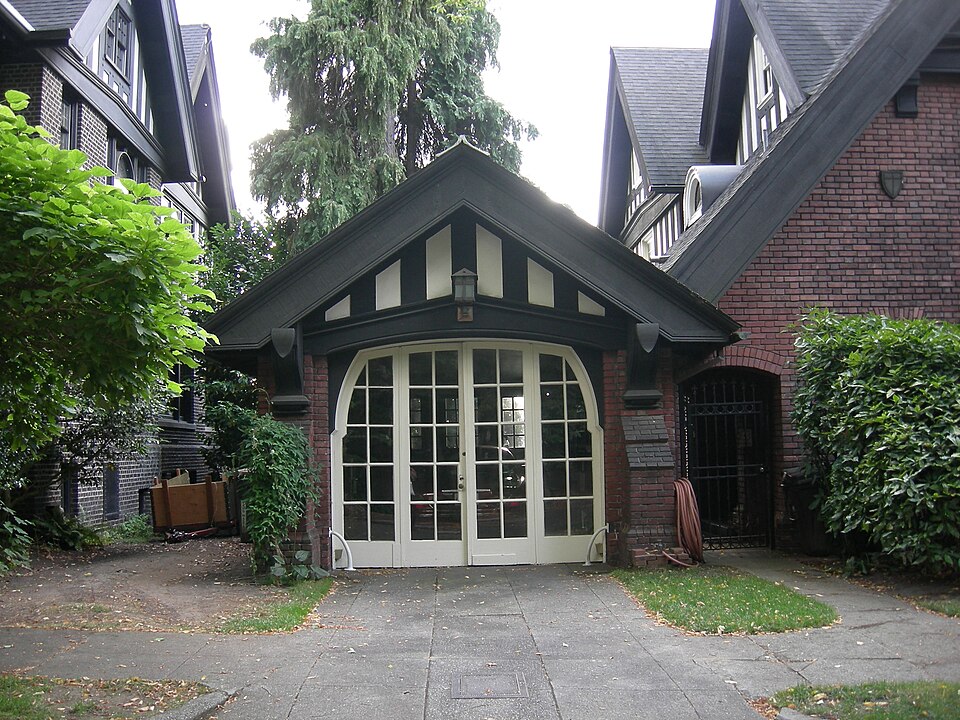
Converting a garage into living space adds breathing room but removes parking spaces that zoning regulations rely on to manage street congestion. Even if the interior work meets building code, the loss of required parking can lead to denied permits or demands to restore the original function. Once walls and finishes are in place, correcting the issue becomes costly. Exploring alternative parking layouts or applying for a variance early reduces risk. With thoughtful planning, a garage conversion can support comfort without creating neighborhood strain or regulatory obstacles.
Large Decks and Patio Structures
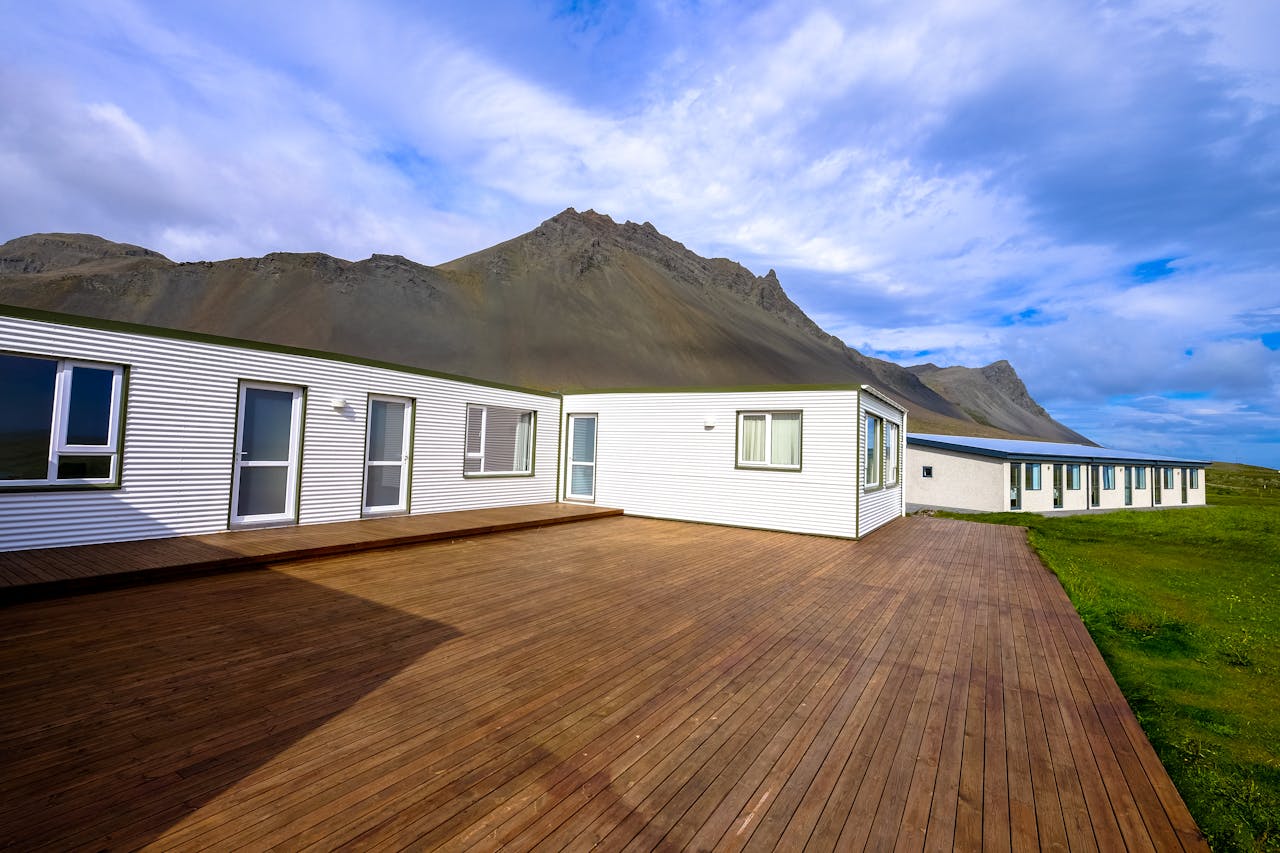
A large deck or covered patio changes how a property handles privacy, drainage, and sunlight. Many zoning codes classify elevated or roofed structures as additions that must meet lot coverage, height limits, and setback rules. Posts, beams, or footings placed too close to property lines often trigger correction orders. Preparing drawings that show drainage flow, structural supports, and open space allowances helps officials understand the project’s intent. When planned with care, an outdoor upgrade enriches daily life while respecting the spatial framework of the property and surrounding homes.
Converting Front Yard to Parking
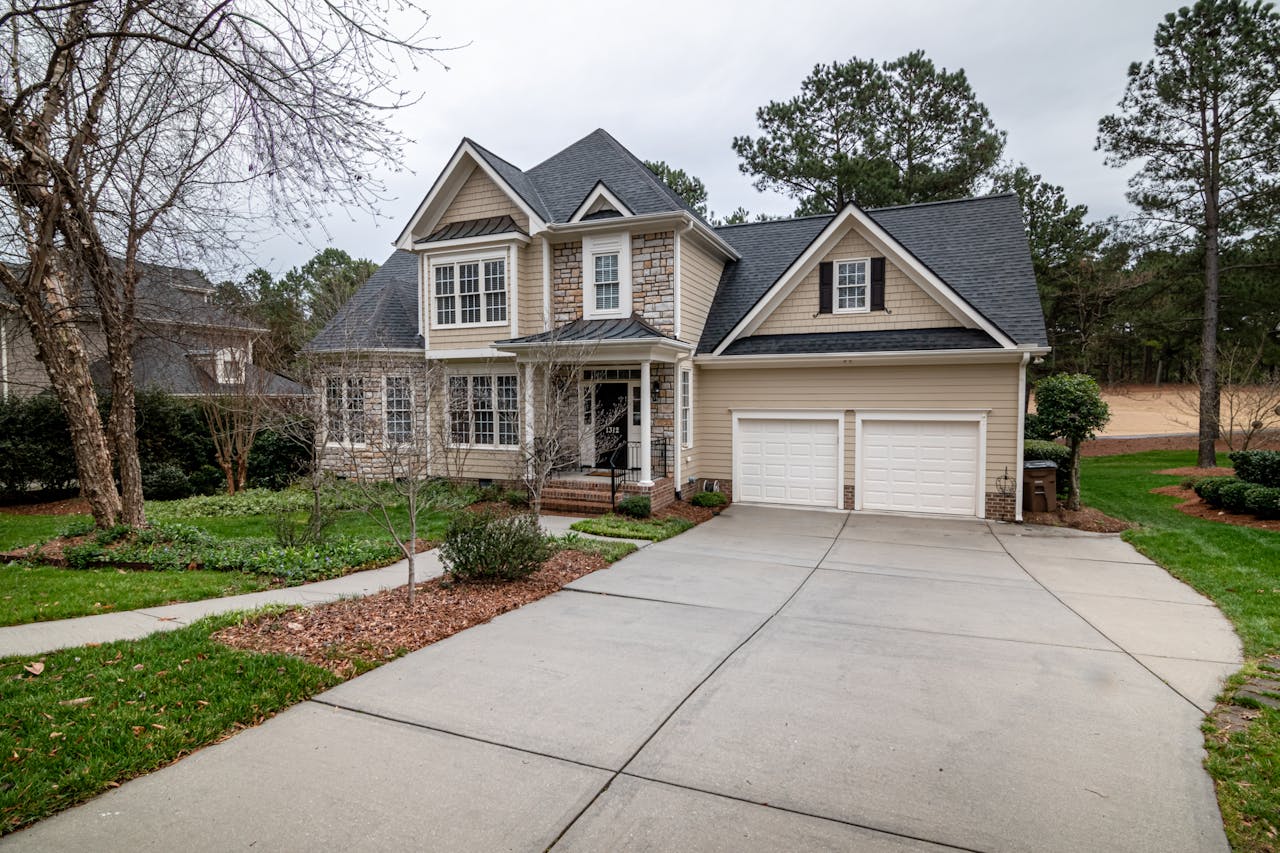
Turning a front lawn into parking space may feel convenient, but cities protect setbacks and landscaping to support walkability, stormwater control, and neighborhood character. Paving that interrupts drainage or removes required vegetation often leads to citations or restoration demands. Thoughtful design that uses permeable surfaces, retains planting zones, and limits paved areas can meet both functional and municipal needs. These choices preserve curb appeal while supporting broader environmental goals. With balanced planning, added parking becomes an improvement that fits naturally into the visual flow of the street.
Roofline Height Increases

Raising a roof to add space can unintentionally exceed height limits designed to protect sunlight, scale, and privacy for surrounding properties. Even modest increases may trigger public notice or variance hearings, especially in neighborhoods with strong architectural continuity. When owners skip preliminary checks, they face redesigns that impact cost and schedule. Detailed elevation drawings and shadow studies help reviewers understand how the proposed roofline relates to adjacent homes. Thoughtful preparation makes it easier to expand living space without overwhelming the shared environment.
Home Businesses and Commercial Uses

Setting up a business inside a home can be practical, but zoning often limits commercial activity in residential districts to protect peace and predictability. Increased traffic, visible deliveries, or signage may prompt complaints that trigger formal review. Many cities permit home occupations under clear rules for parking, hours, and customer visits. Creating a realistic plan that outlines operations, paired with respectful communication with neighbors, keeps expectations clear. When handled responsibly, a home business can thrive without unsettling the quiet rhythm of the surrounding community.
Short Term Rental Alterations

Preparing a home for short term rentals sometimes requires adding kitchenettes, private entrances, or separate meters that shift the property into multi-unit territory without the required approvals. Cities increasingly regulate these rentals with registration systems, safety inspections, and limits on frequency. Ignoring those steps risks fines or loss of hosting privileges. Accurate floor plans, updated alarms, and clear house guidelines help streamline the process. With thoughtful choices, a short term rental can operate smoothly and remain a friendly, unobtrusive part of the neighborhood.