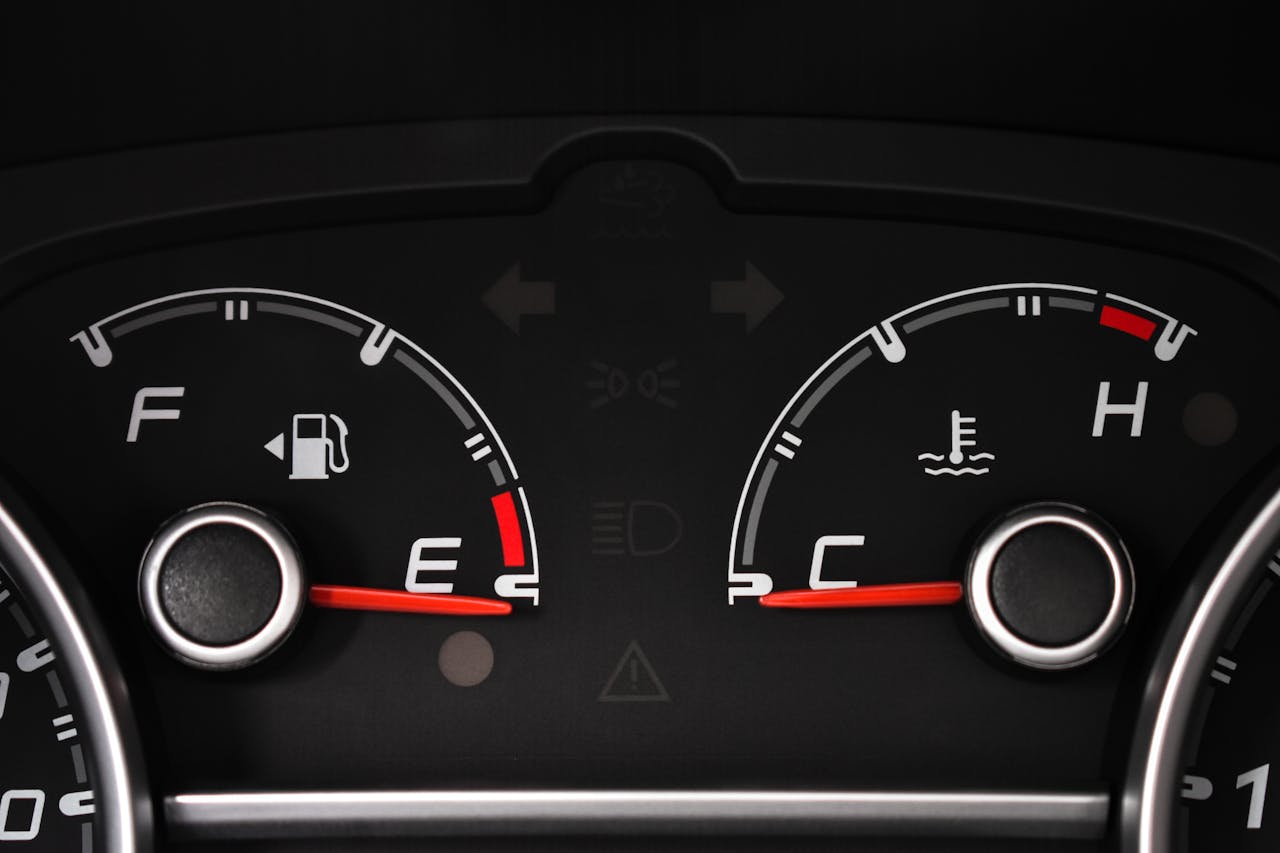
On a crowded weekday, the low-fuel light can feel like background noise, just another alert in a long list of errands and deadlines. Yet shop technicians often read that amber symbol very differently: not as a panic event, but as an early warning that long-term wear may already be starting below the rear seat.
In many modern cars, the pump lives inside the tank and relies on surrounding fuel for cooling and lubrication. When near-empty driving becomes routine, heat and friction rise quietly, performance can fade in small steps, and a preventable habit can turn into a high-cost repair at the least convenient moment.
Fuel Pump Cooling Works Best With More Fuel In The Tank
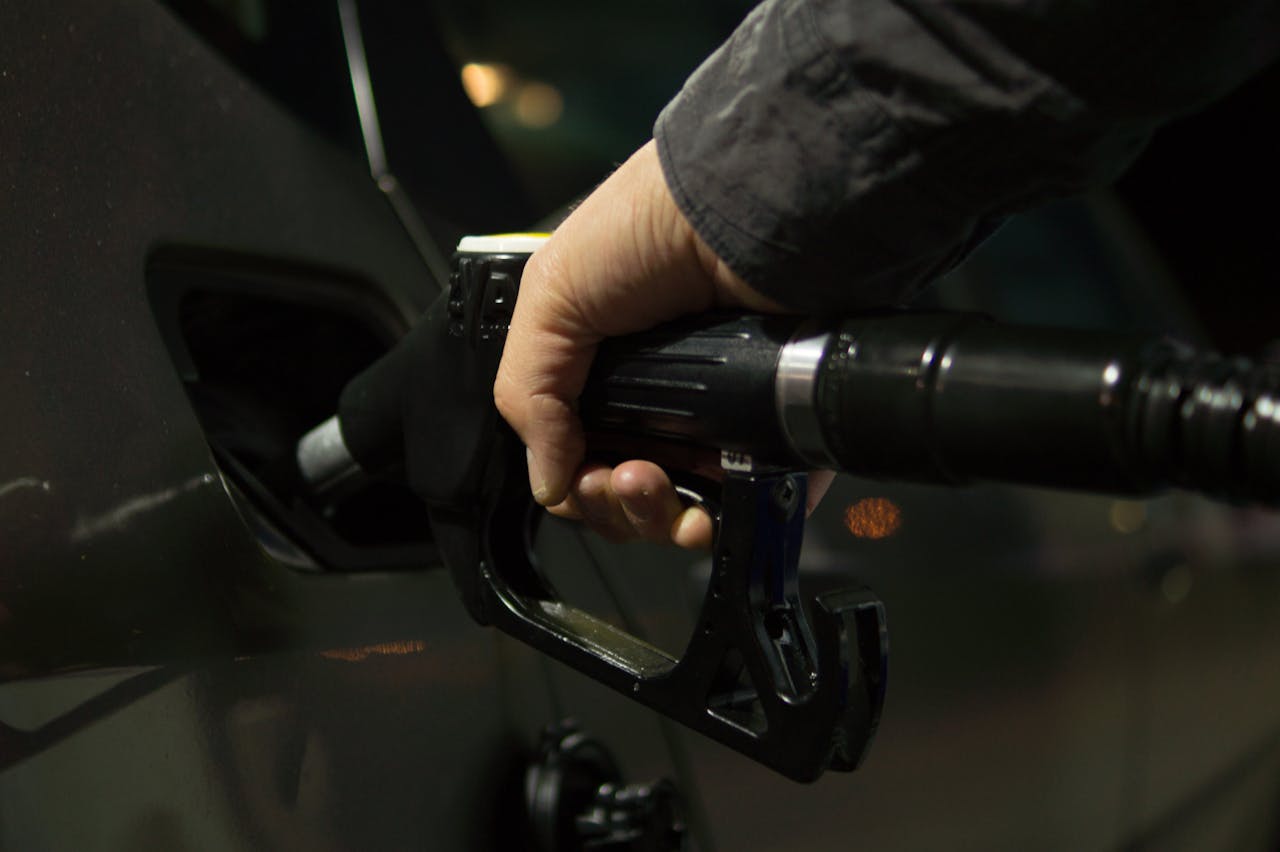
Mechanics usually start with the same point: many modern pumps are in-tank electric units, so gasoline does more than feed combustion. It also helps carry away heat and reduces friction inside the pump assembly while the motor spins at high speed during everyday driving.
When fuel stays very low for long stretches, that cooling and lubrication buffer gets thinner. The car may keep running fine for a while, which is exactly why the habit sticks, but repeated heat stress can shorten component life long before a failure becomes obvious at the dashboard. In shop practice, that delayed signal is what makes the pattern so costly.
Near Empty Conditions Can Pull Air And Increase Wear
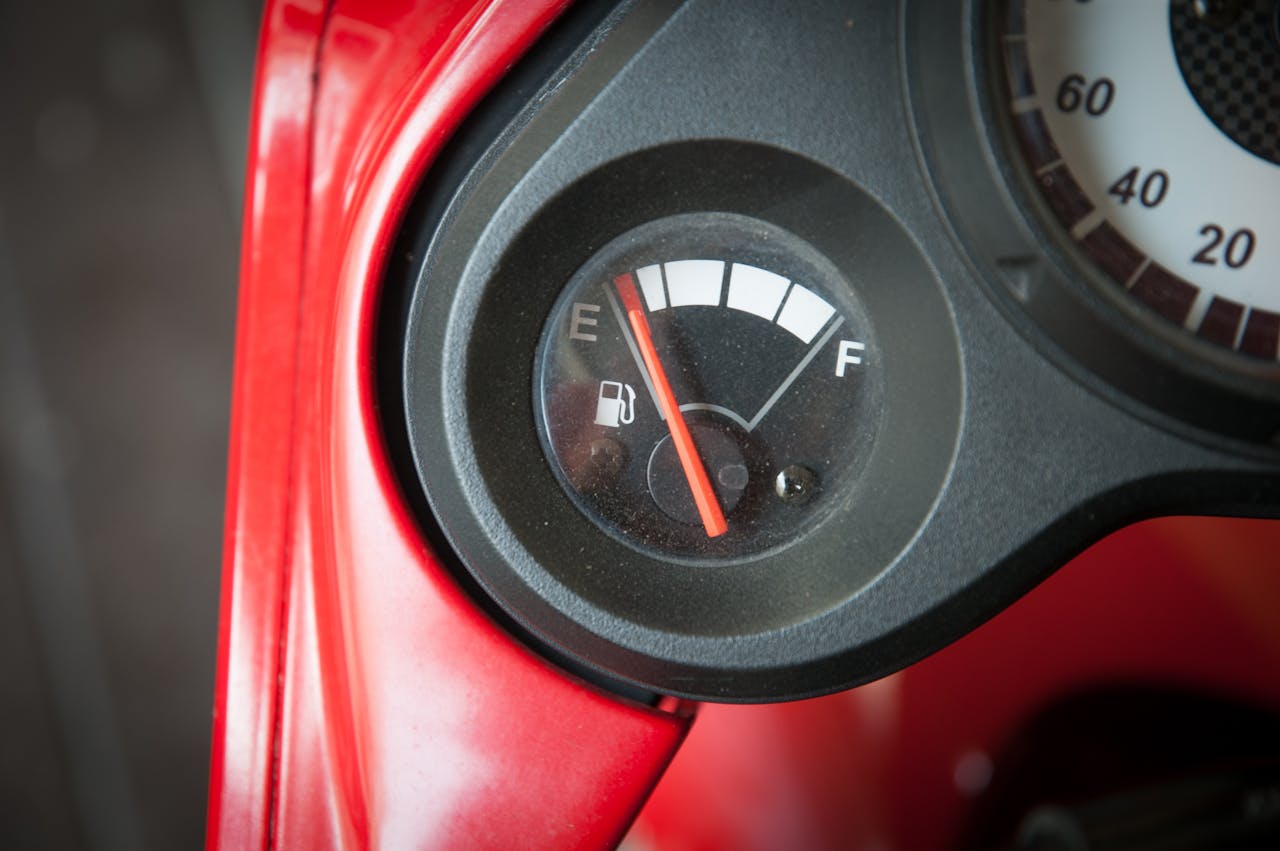
As fuel sloshes during turns, braking, and acceleration, a very low tank can let the pickup ingest air pockets. That inconsistent supply forces the system to work harder to maintain pressure, especially in stop-and-go traffic, and mechanics often see gradual wear patterns tied to this repeated stress.
The result is rarely dramatic on day one. Instead, it behaves like slow abrasion: minor strain repeated thousands of times. By the time rough starts or hesitation show up, the underlying damage may already be expensive because the pump and module sit deep in the tank. What looked harmless can become a cumulative mechanical penalty.
Low Fuel Levels Raise Contamination And Moisture Risks
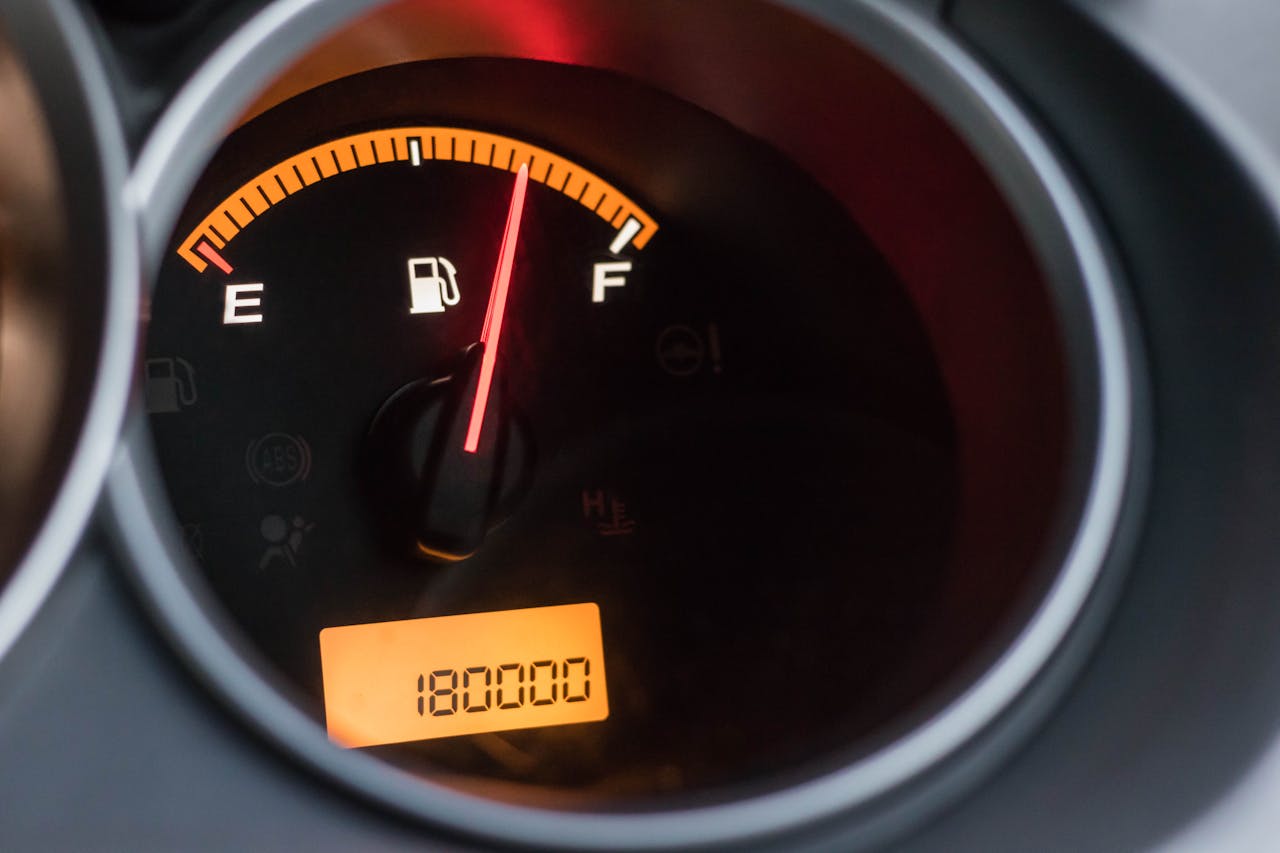
AAA notes that low fuel can increase two separate problems at once: a greater chance of drawing debris near the bottom of the tank and more room for humid air that can condense into water. Either issue can interfere with stable fuel delivery and worsen drivability over time.
Modern systems do include filtration, and Bosch documents integrated filters in fuel-supply modules. Even so, filtration is not a free pass for chronic near-empty operation. Dirt, moisture, and repeated thermal stress together create the kind of compound wear that mechanics describe as avoidable but common. Chronic exposure changes the odds over time.
Running Out Of Gas Can Become A Safety Event Fast
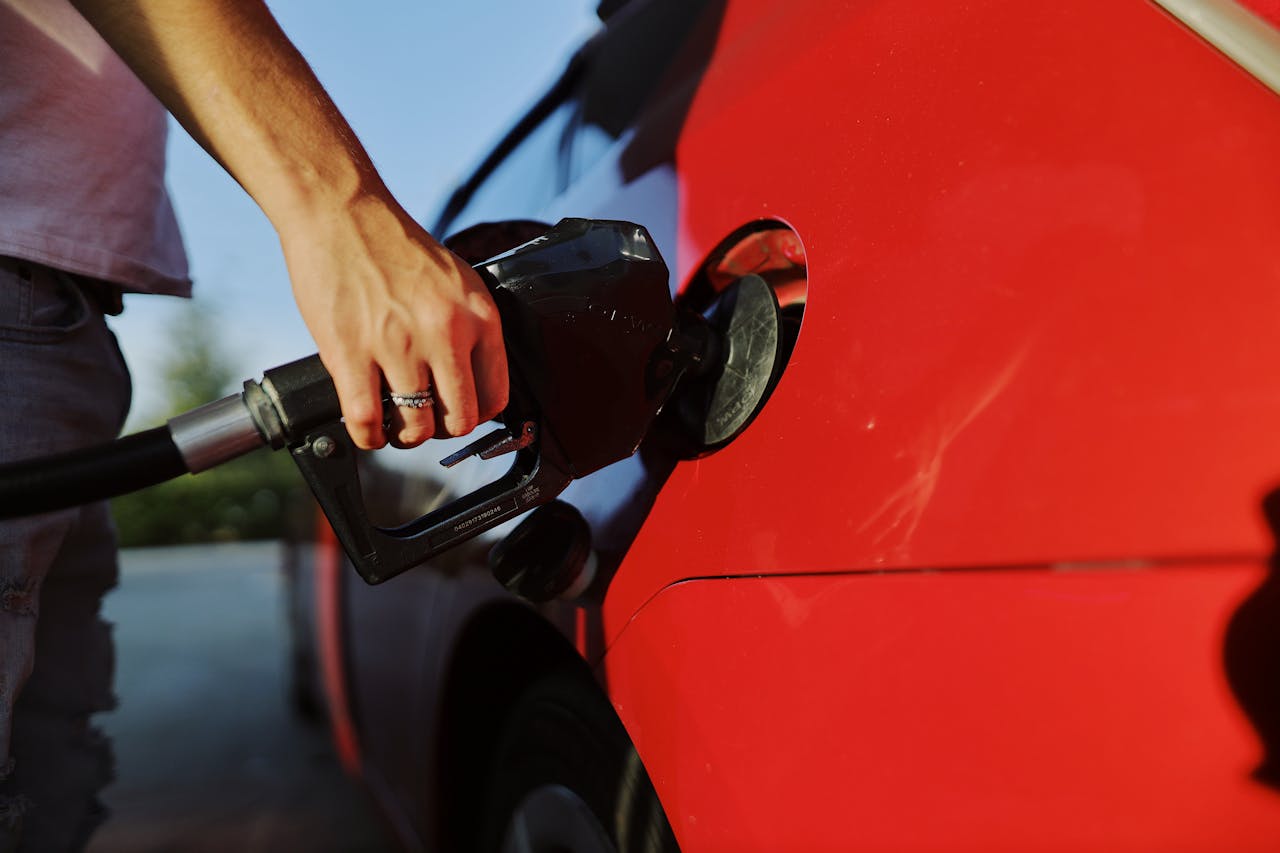
The inconvenience of running out of fuel is only part of the story. AAA has warned that a stall on active roads can place drivers and passengers in immediate risk, and loss of engine power can also reduce assist for steering and braking at exactly the wrong moment.
That is why technicians treat fuel reserve as a safety margin, not just a convenience margin. A quarter tank is less about perfection and more about avoiding scenarios where a simple delay at the pump turns into a hazardous stop on a shoulder, ramp, or fast-moving lane. In traffic reality, a few saved minutes can create a far larger emergency. That margin matters.
Frequent Small Fill Ups Can Undercut The Savings Goal
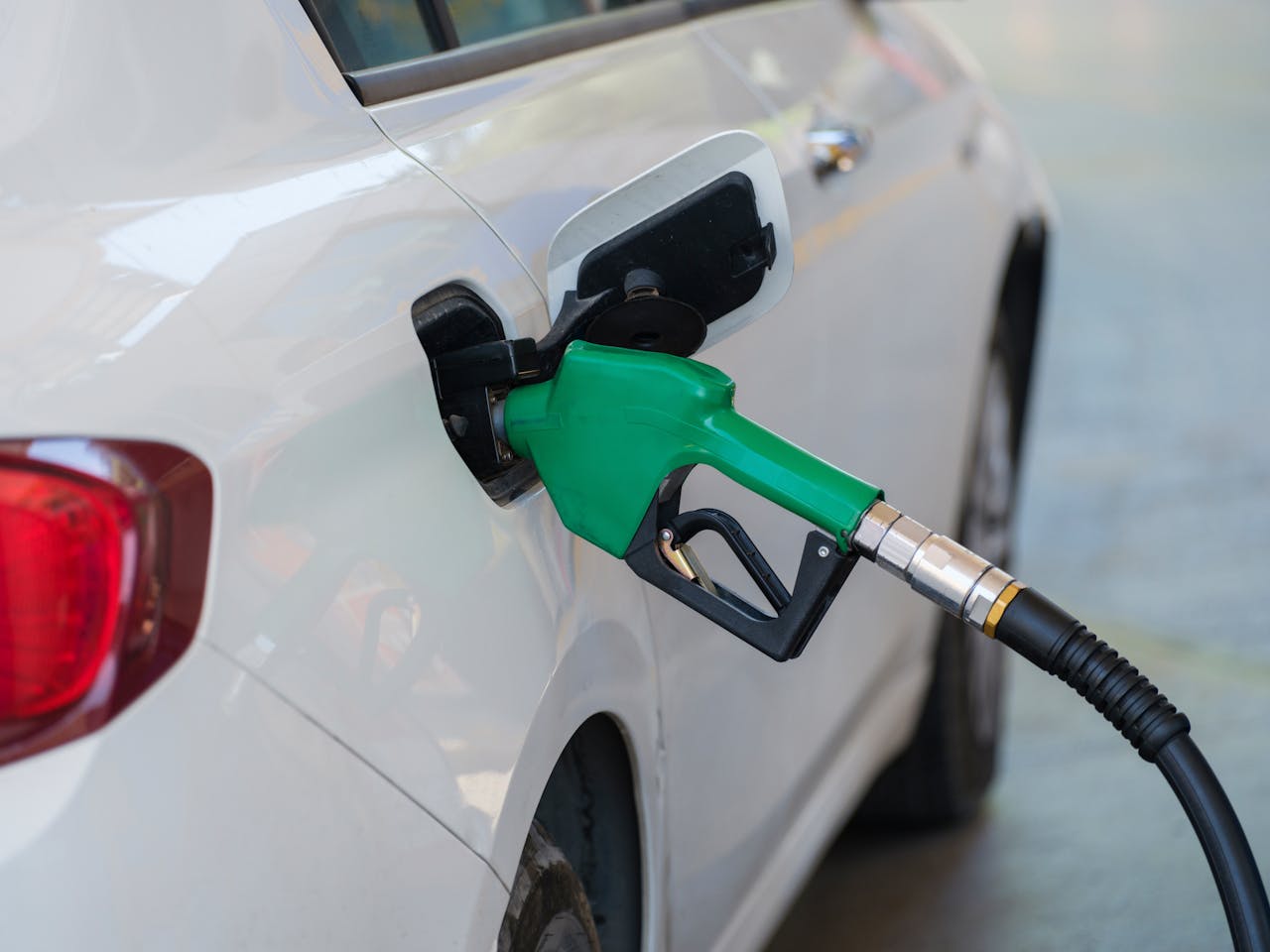
Some drivers stretch each tank hoping to save money by buying only when prices dip, but the strategy can backfire when it normalizes near-empty operation. The short-term win at the pump may be real on paper, yet the long-term exposure to wear can erase those gains quickly.
A better approach keeps a stable reserve and shops on price. It reduces urgent detours, lowers the chance of emergency refueling in expensive locations, and avoids turning fuel management into a stressful routine built around warning lights instead of predictable planning. Consistency beats last-minute decisions when both cost and reliability are on the line.
Early Symptoms Often Sound Small Before They Escalate

Fuel-system wear usually starts quietly. Shops often hear complaints about longer cranking, hesitation under acceleration, or a hum from the tank area, then trace those symptoms to pressure or delivery issues that developed over many months, not one bad drive.
RepairPal’s diagnostic notes for pump service similarly center on fuel-pressure checks and low-delivery conditions when drivability problems appear. The key pattern is gradual decline, which is why mechanics encourage action at the first repeat symptom instead of waiting for a complete no-start event. Early diagnosis is usually simpler, cheaper, and far less disruptive.
Replacement Costs Turn A Minor Habit Into A Major Bill
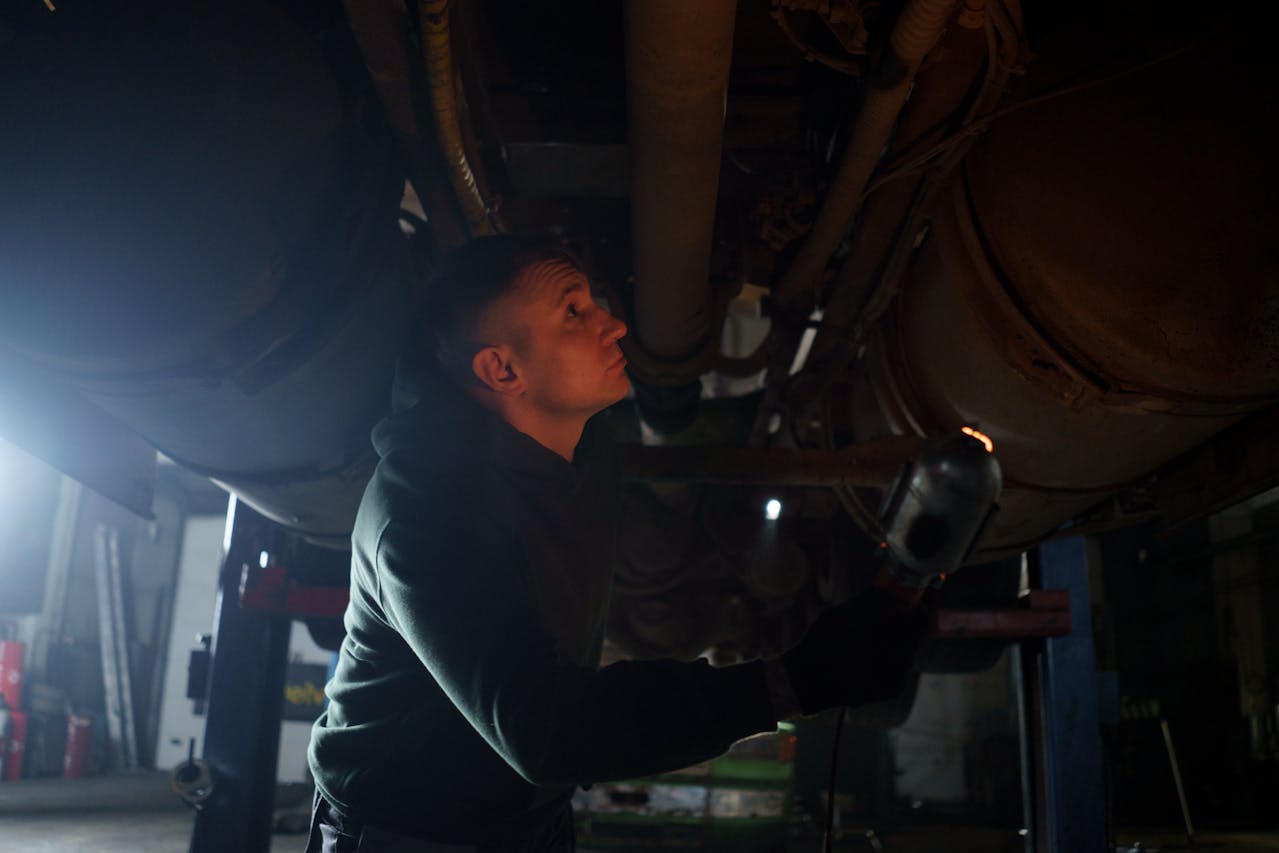
Fuel-pump replacement is labor-heavy on many models because access can require dropping the tank or working around tight components. Once failure happens, the invoice is rarely small, and related parts or diagnostics can push totals higher than most drivers expect.
Current cost trackers show four-figure averages in many markets, with variation by vehicle and region. That makes preventive behavior financially rational: keeping fuel levels healthier is not superstition, it is basic risk control against one of the more expensive failures in fuel delivery systems. Even one avoided repair can outweigh years of cautious refueling habits.
The Quarter Tank Rule Works As A Practical Buffer
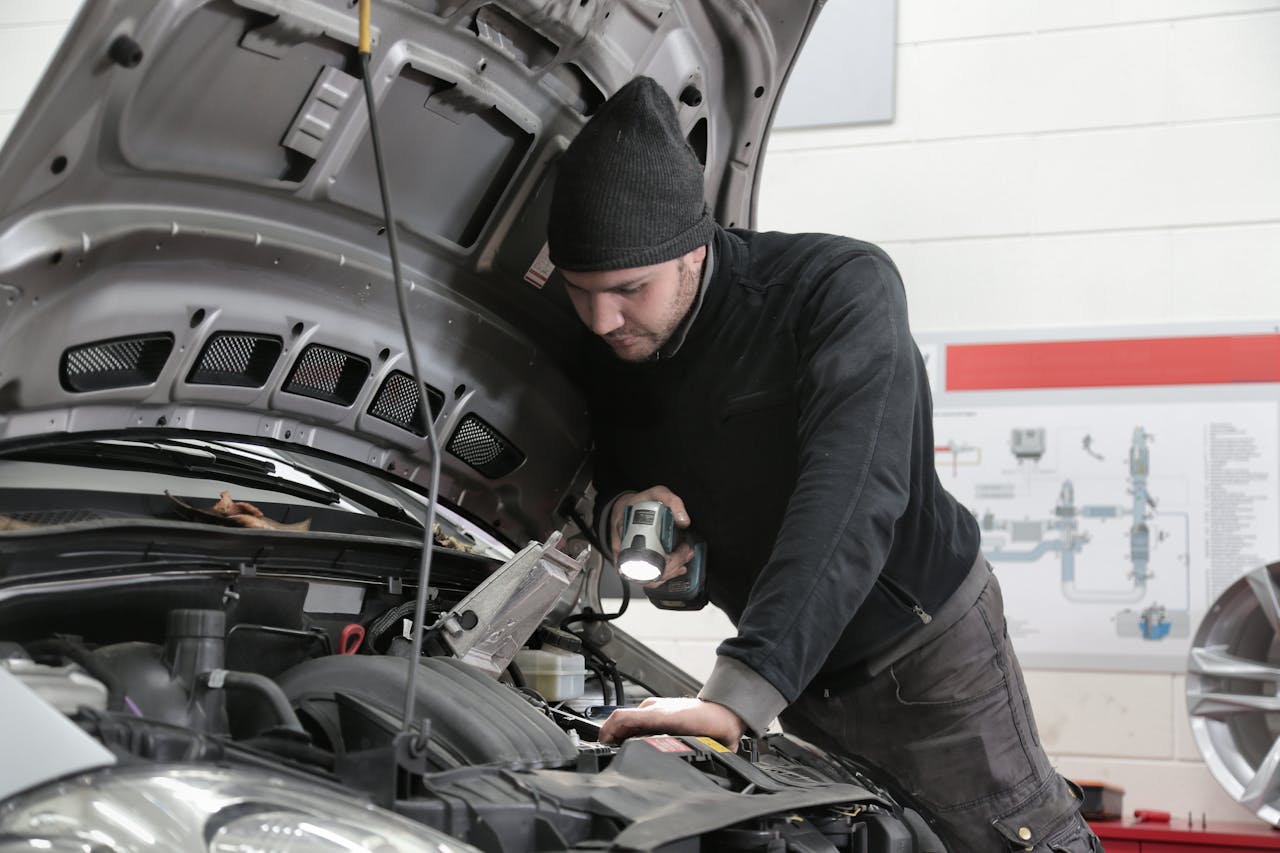
Mechanics debate exact thresholds, but many still use a simple operational rule: refill before the gauge sits near empty for extended periods. AAA’s consumer guidance lands in that same zone, recommending at least a quarter tank for routine driving and more reserve for trips.
What makes the rule useful is consistency, not perfection. It provides enough buffer for traffic, weather, detours, and station outages while reducing repeated low-level stress on in-tank hardware. In real-world driving, habits that are easy to repeat usually protect vehicles better than complex plans. Reliable routines prevent rushed choices daily.