Grand Cayman is famous for clear water, coral gardens, and easy shore excursions, so it shows up on countless Caribbean itineraries.
Now some cruise schedules are thinning out, not because the beach got worse, but because protecting reefs is getting harder to ignore.
Reef systems are living infrastructure, and they can’t shrug off constant traffic, anchors, fuel sheen, and thousands of fins in one morning.
Local leaders want tourism dollars, yet residents and scientists keep asking the same question: how much pressure is too much for one bay?
When public scrutiny rises, cruise companies do what they always do with risk: they reroute, shorten, or swap ports before the headlines bite.
That choice lands on Grand Cayman like a loud silence, because fewer ships means fewer day visitors spending on taxis, tours, and lunch.
But it also opens a door to rethink how people arrive, where they enter the water, and what rules keep reefs healthy without killing livelihoods.
Let’s break down why calls are being cut, what reef protection pressure really means, and what smarter tourism could look like next.
Why Grand Cayman Became a Flashpoint
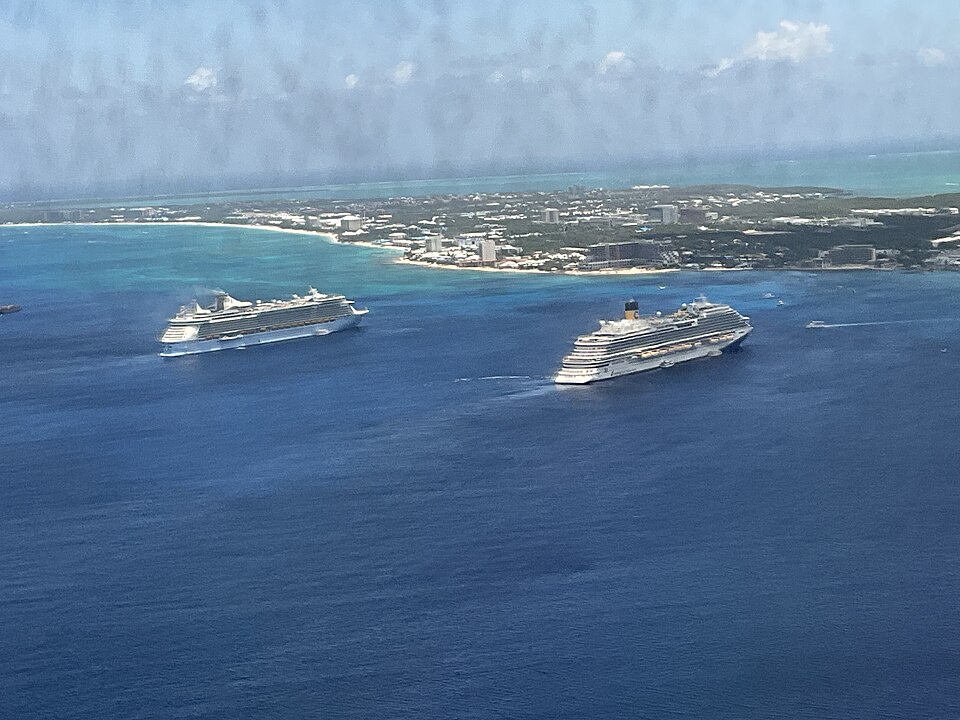
Grand Cayman sits close to major cruise routes, and its tender port makes it easy to drop thousands of passengers without a deep-water pier.
That convenience is also the problem. Tendering concentrates people into a few hotspots, and the water time window is short and crowded.
Popular stops like Stingray City and nearshore snorkel sites get repeated pressure. Even careful visitors can’t erase sheer volume.
Once coral cover drops, storms hit harder, fish habitat thins, and the very thing visitors came to see becomes harder to find.
What Reef Protection Pressure Looks Like on the Ground
Pressure starts with simple visuals: broken coral heads, cloudy shallows, and fewer big fish where there used to be plenty.
It also shows up in data, like water quality tests, coral disease monitoring, and dive operator logs that track site condition over time.
On busy days, too many snorkelers kick up sediment that smothers polyps and blocks sunlight, especially in shallow lagoon areas.
Anchors are another blunt tool. One bad drop can scar a patch of reef in minutes, and recovery can take years if it happens at all.
Even without anchors, boats bring fuel leaks, noise, and wake, which can stress seagrass beds that stabilize sand and feed turtles.
Wastewater is the quiet worry. Treating sewage well is expensive, and any failure can spike nutrients that feed algae over coral.
Community groups push for caps, better enforcement, and safer moorings, while businesses warn that sudden limits can ripple fast.
Put together, it becomes a public argument about carrying capacity: not whether tourism should exist, but how it can stop eating its base.
Why Cruise Lines Trim Calls Instead of Waiting It Out
Cruise planning is a spreadsheet game, and ports compete hard. If a stop starts looking uncertain, it gets replaced before brochures print.
Tender ports are fragile in rough seas, so missed landings frustrate passengers and cost operators money in refunds and reshuffled excursions.
If activists frame a port as harming reefs, brands notice. No company wants viral footage of coral damage linked to its logo.
Grand Cayman also has limits on how many tenders, buses, and guides can move safely at once, especially when multiple ships arrive together.
Cutting a call can be a pressure valve. It spreads arrivals across the week, reduces peak crowding, and lowers the chance of chaos on shore.
Sometimes the shift is tactical, not moral. A nearby port may offer a pier, faster turnaround, or smoother contracts with tour partners.
The result looks like an environmental decision, but it is really risk management dressed in itinerary language, with reef stress as the trigger.
What This Means for Local Jobs and Small Businesses
For local businesses, cruise days are a pulse. When fewer ships call, the drop isn’t abstract, it’s fewer fares, fewer bookings, fewer tips.
Taxis and shuttle drivers feel it first, because they rely on fast turnover. A quiet dock day can wipe out what a strong day would cover.
Tour operators also carry fixed costs: permits, boats, fuel, staff. Sudden schedule cuts make planning almost impossible, especially in shoulder season.
Yet the reef is part of the economy too. If visibility drops and coral looks tired, higher-paying dive travelers pick other islands.
The hard truth is that short-term volume and long-term appeal can fight each other, so the smartest wins come from managing flow, not chasing peaks.
Environmental Tools That Actually Reduce Damage
Mooring buoys are a practical fix, because they keep anchors off coral. They only work, though, if maintenance and compliance are constant.
Timed entry and site rotation can help reefs breathe. When operators spread visits, the same patch of coral isn’t trampled every single day.
Better briefings matter more than people think. If guests learn to float, keep fins up, and never stand on coral, damage drops fast.
Guide-to-guest ratios also change outcomes. Smaller groups let guides correct bad habits early, before someone kicks a fragile head.
Some places add conservation fees that fund monitoring and restoration, which can turn tourism into a contributor instead of a taker.
The missing piece is enforcement. Rules without spot checks and real penalties are just signs on a beach, and reefs can’t read them.
How Travelers Can Visit Without Adding to the Strain
If you want Grand Cayman without the crush, consider arriving by air and staying longer, which spreads your footprint and your spending.
Choose operators that cap group size and explain reef etiquette. Ask where they moor and how they avoid crowded sites.
Bring patience and keep your body neutral in the water. A calm float beats frantic paddling, and it keeps your fins off living coral.
Spend with local shops away from the dock area, and tip guides who enforce good behavior, because they’re doing conservation in real time.
The Tradeoffs Policymakers Are Stuck With
Policymakers face a classic bind: build infrastructure to control arrivals, or limit arrivals and accept the immediate economic hit.
A pier can reduce tender congestion, but construction and dredging can harm marine habitat, so the cure can look like a new wound.
Limits protect reefs, yet they raise questions about who gets access, how fees are set, and whether smaller operators get squeezed out.
Where This Could Head Next
Expect more itinerary reshuffling as ports tighten environmental rules and as passengers demand prettier water, not just cheaper drinks.
The best path is measurable limits tied to reef health, not guesswork. When conditions improve, access can expand in a controlled way.
Cruise lines can be partners if contracts reward good behavior, like staggered arrivals and funding for monitoring and education. It’s doable.
Grand Cayman’s advantage is that people still care about what it could be, so the next decisions can turn pressure into a reset.