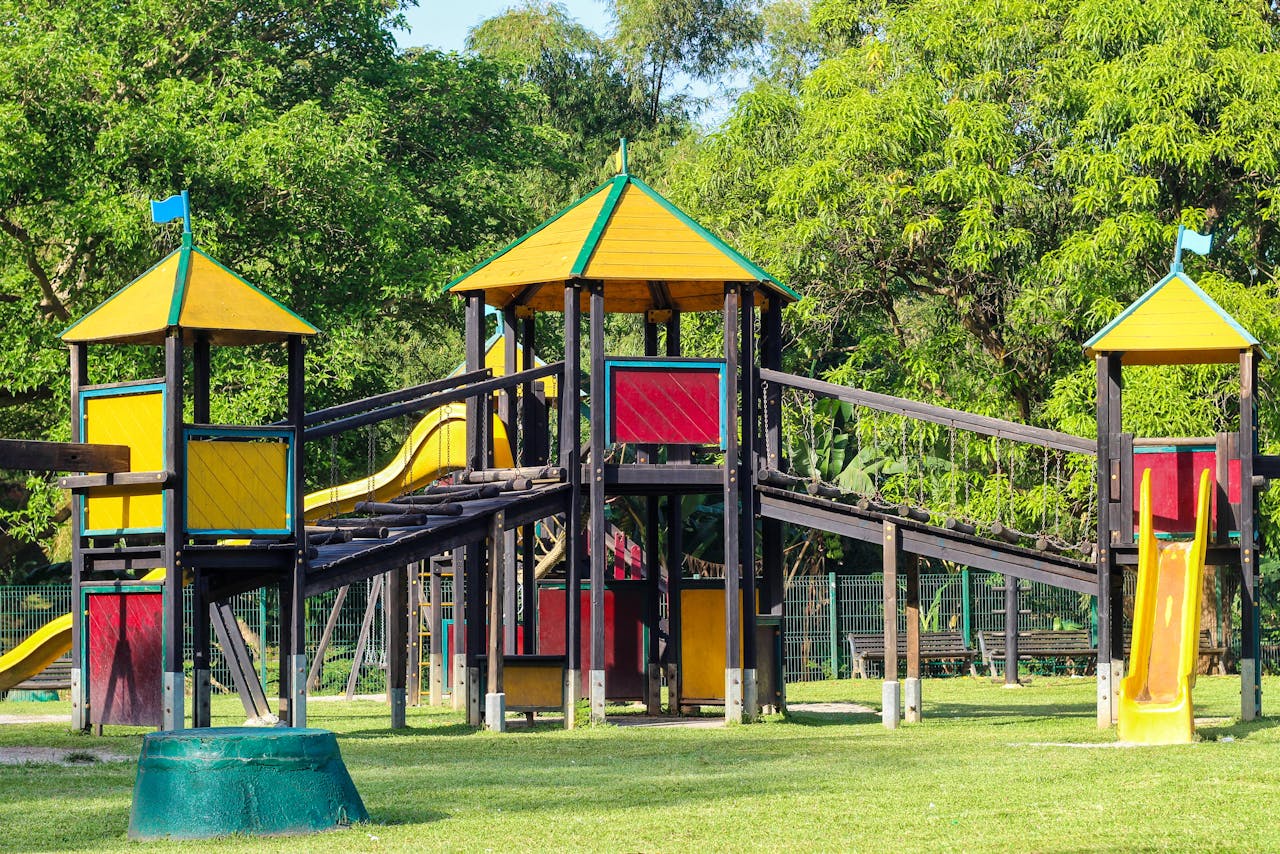
Playgrounds once doubled as neighborhood proving grounds, built from sun-heated metal, rough concrete, and a quiet faith that kids would figure it out. The fixtures were simple, noisy, and strangely iconic, but they also demanded a lot from small bodies and distracted supervisors. As injury research improved and cities faced tighter standards and insurance pressures, design shifted toward softer landings, better sightlines, and equipment that challenges without punishing. The change did not erase the joy of recess; it refined it, turning risk into calculated adventure and widening the circle of who can play. These vanished staples still spark stories, but their absence also signals a kinder kind of toughness. Parents may miss the look, yet few miss the worry.
Towering Metal Slides
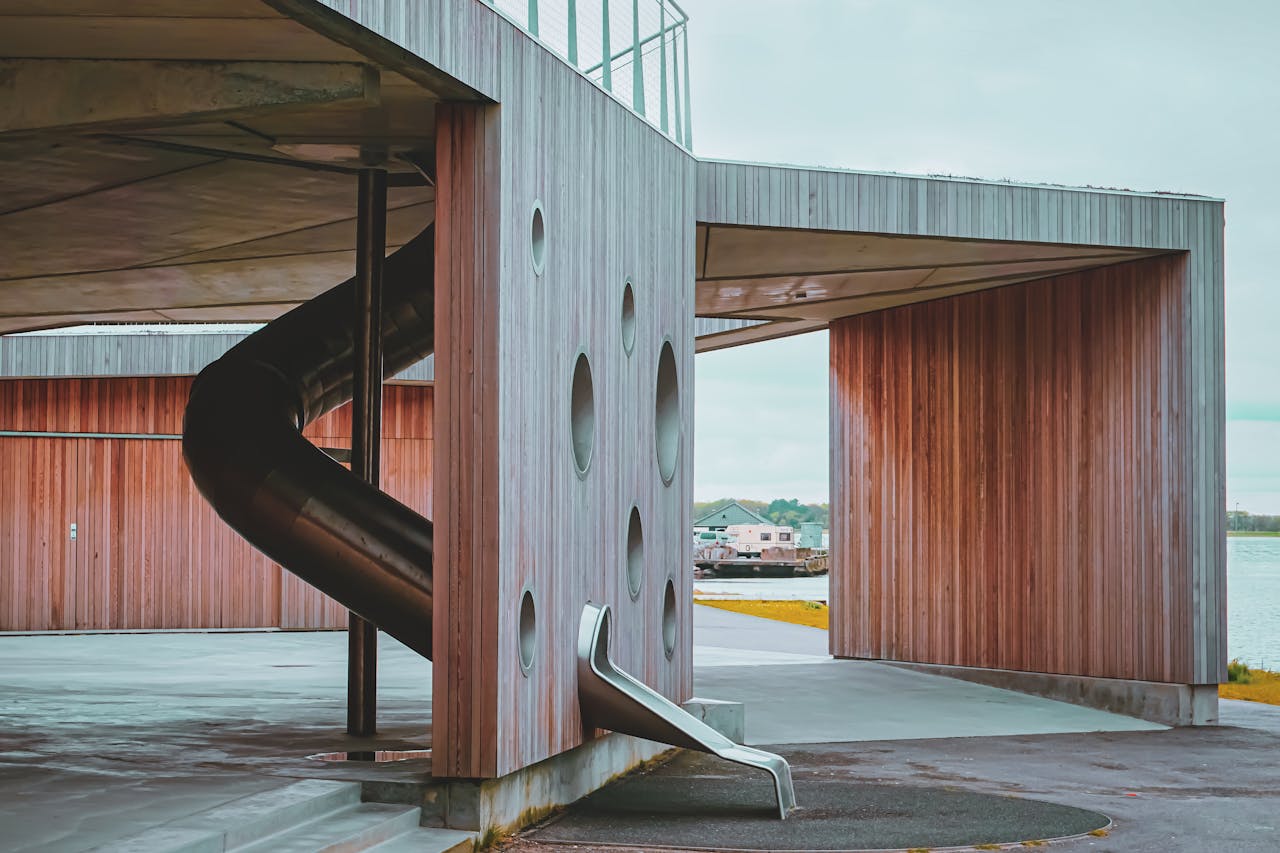
They looked like rockets bolted to bare earth, and on July afternoons the sheet metal turned into a slow-burn griddle that kept its heat long after the sun dipped and the air cooled. Kids queued anyway, palms sliding down sun-baked rails, thighs sticking to the chute, and sneakers skidding at the bottom where hardpack dirt or concrete waited, usually beside a patch of weeds, grit, and a broken soda bottle. Modern slides still deliver that stomach-flip rush, but shaded platforms, cooler plastics, side guards, and impact-rated surfacing make the thrill feel playful, not punitive, even during crowded recess breaks today.
Whiplash Merry-Go-Rounds
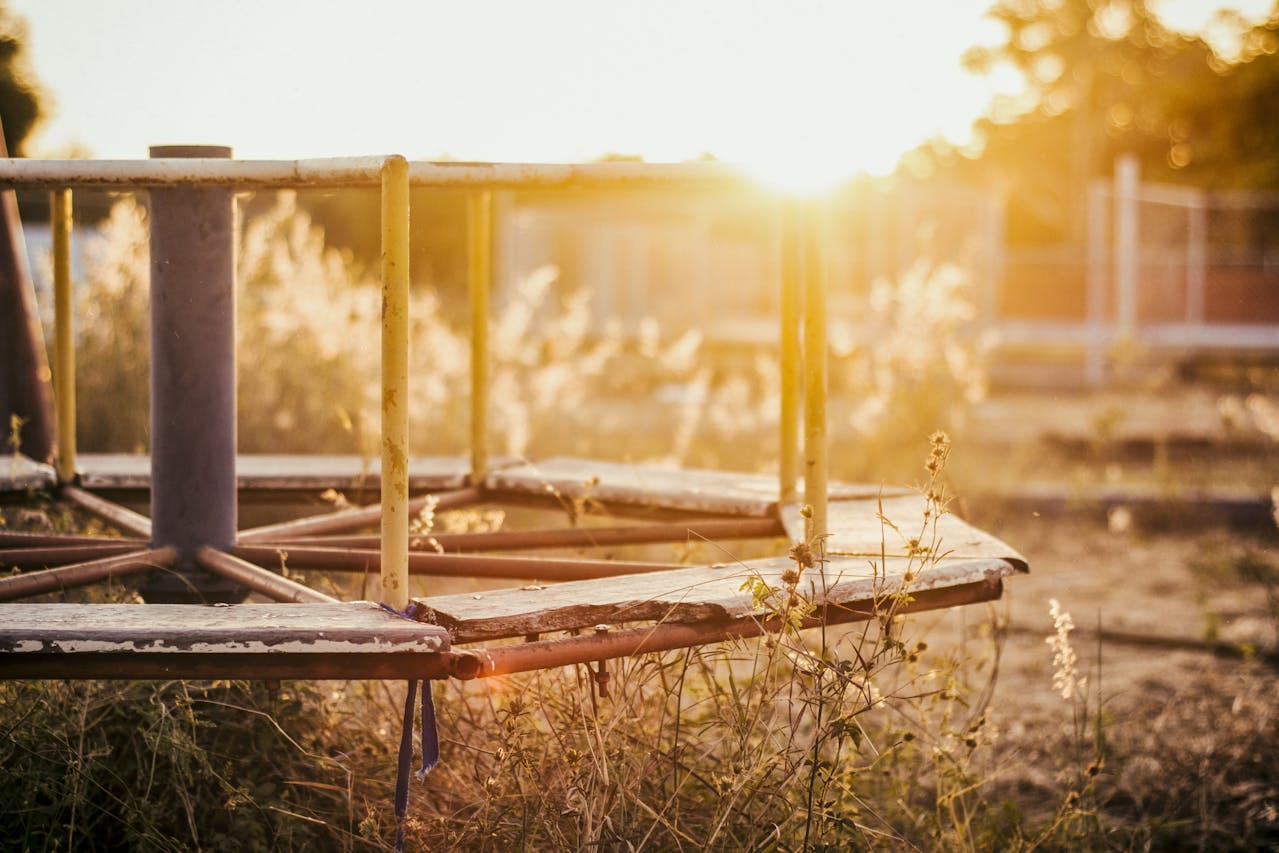
The old steel spinners were a popularity contest disguised as play, ruled by the kid strong enough to run and shove while everyone else hung on and hoped. Speed arrived fast, knuckles whitened on slick bars, sand turned to ice under shoes, and the ride ended only when someone chose mercy, a teacher shouted from a bench, or momentum finally faded into a wobble of dizziness. New roundabouts keep the circle-of-friends energy, but use lower decks, grip-friendly rails, and built-in speed limits, plus wider entries, steadier footing, and fewer pinch points around the center hub and outer rim, so the spinning stays friendly.
Teeter-Totters With No Give
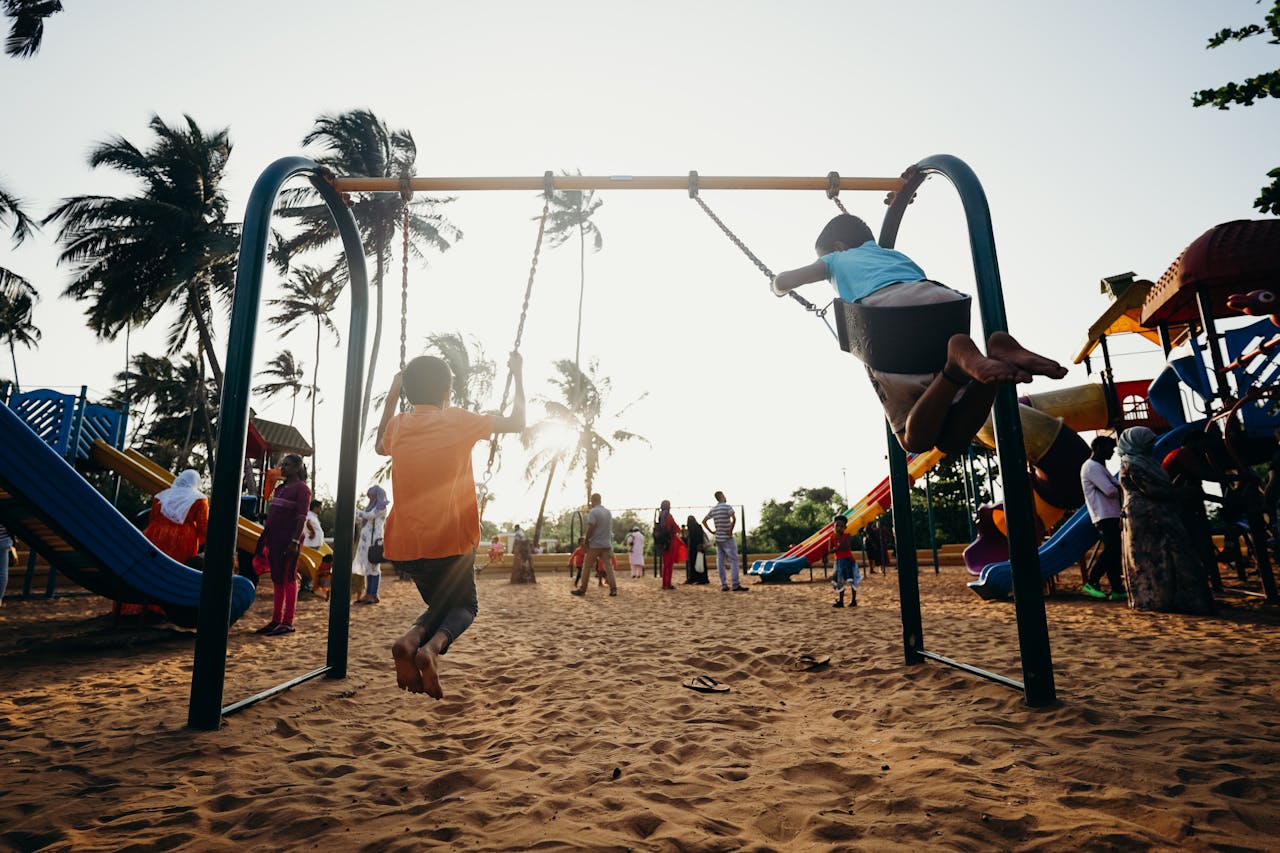
Classic seesaws were a two-person negotiation, and when it failed, gravity delivered the lesson with sharp timing and a loud thud that turned heads across the park. The pivot had little cushioning, the seats were stiff, and the drop felt sudden when one rider jumped off, got distracted, or decided to test bravery by standing at the top and letting go without warning. Many parks replaced them with spring riders or damped teeters that still teach rhythm and cooperation, but smooth out the motion, keep the ends from slamming, and protect knees, wrists, and teeth when weights shift unexpectedly, especially for smaller kids.
High Monkey Bars Over Hard Ground
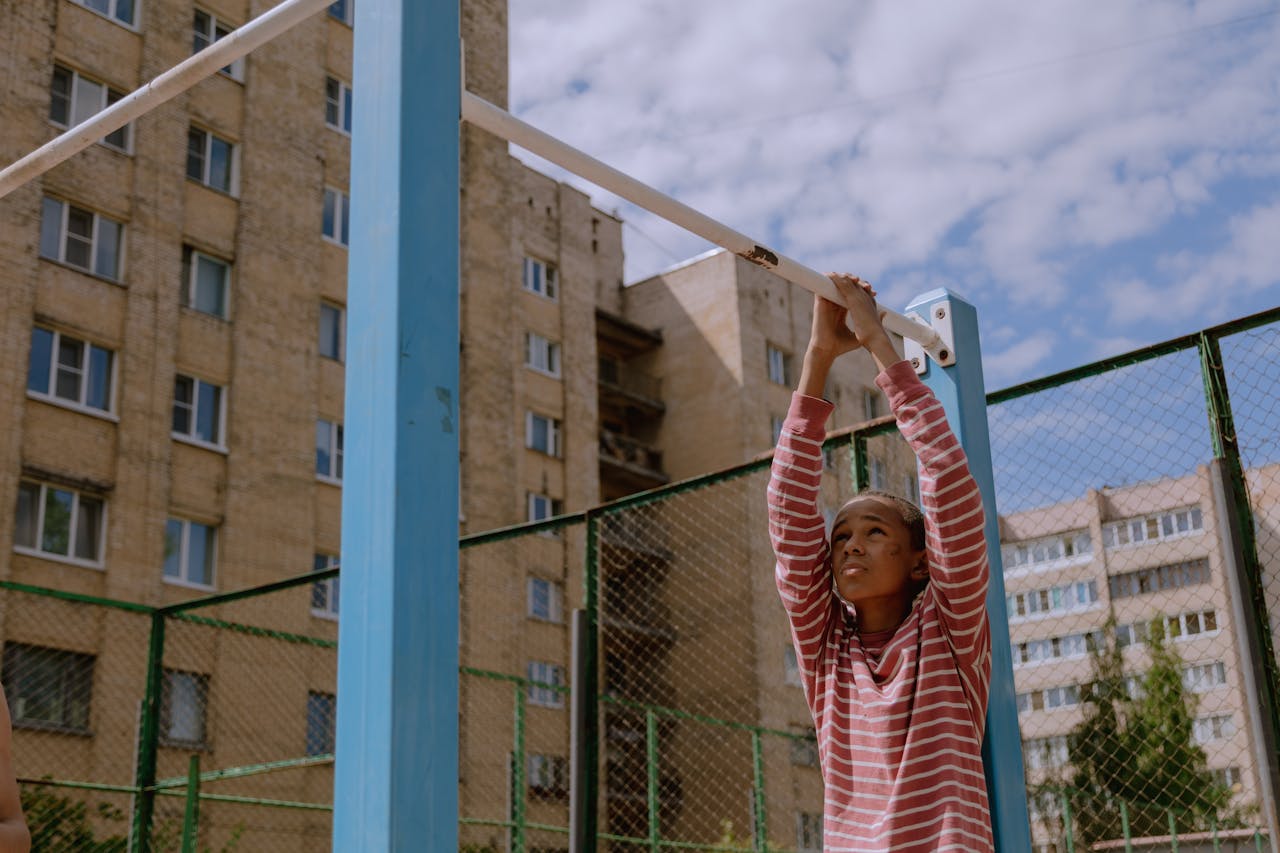
Monkey bars once stood tall over asphalt, gravel, or packed dirt, with pride and peer pressure acting as the only safety net on the playground. A missed grip meant a quick fall, and long spans pushed bigger leaps as kids chased the last rung while friends counted out loud, daring them to skip one more bar even when arms trembled and elbows locked. Modern climbers still build grip strength and confidence, but lower heights, clearer fall zones, better transitions, and impact-rated surfacing turn slips into quick resets, not injuries that echo through gym class and the ride home, with grip surfaces that stay steady in rain.
Tire Swings That Threw Curves
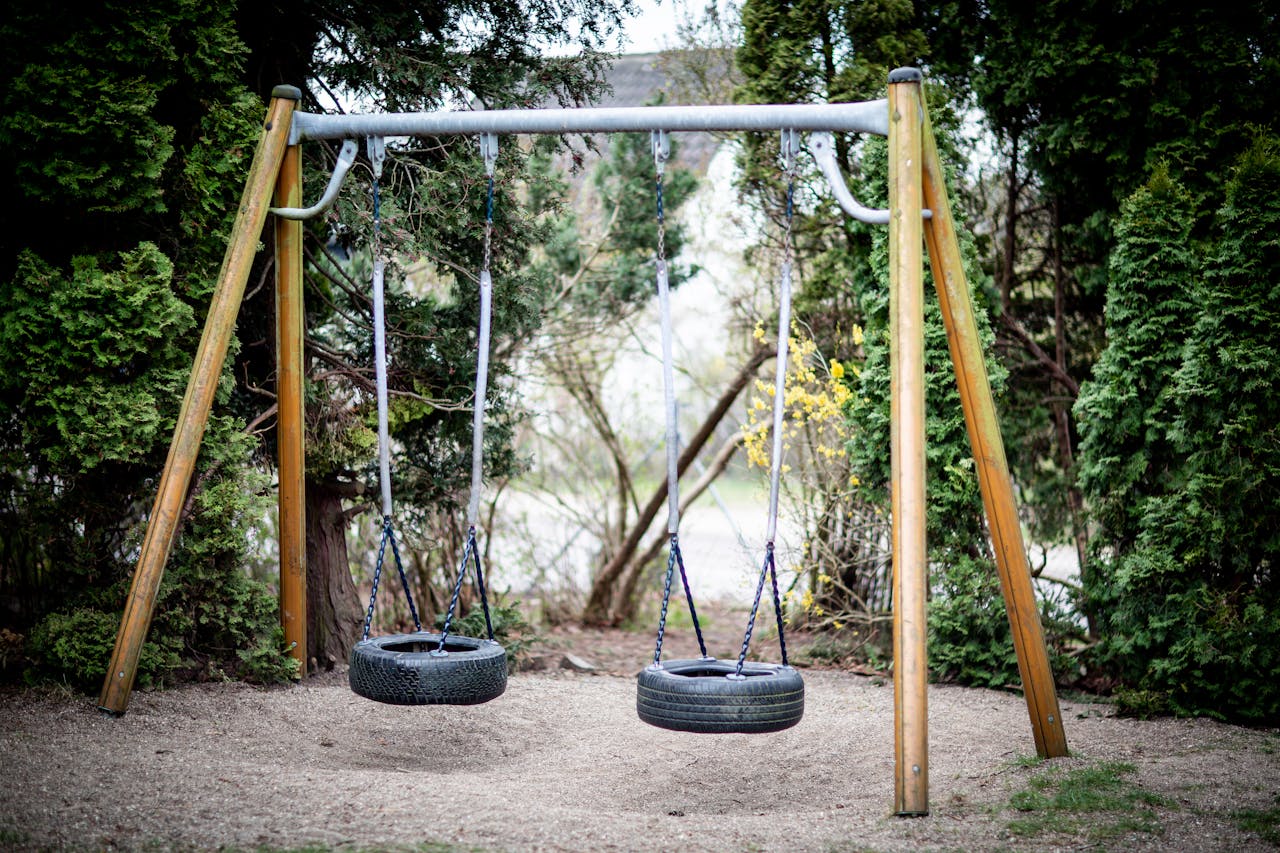
A hanging tire felt like a private planet, but it swung wide, spun fast, and clipped anyone who misread the arc or wandered too close with a snack in hand. Rainwater pooled inside, the rubber stayed grimy, shoulders got yanked when the spin caught, and the rope could fray, while the landing zone was rarely clear of roots, rocks, or the next kid hovering at the edge. Basket swings and contained spinners keep that floating joy, yet control rotation, spacing, and speed, reduce collisions, and make turns simpler to share when the playground is full, noisy, and a little competitive, even when adults watch from a distance.
Concrete Play Structures and Tunnels
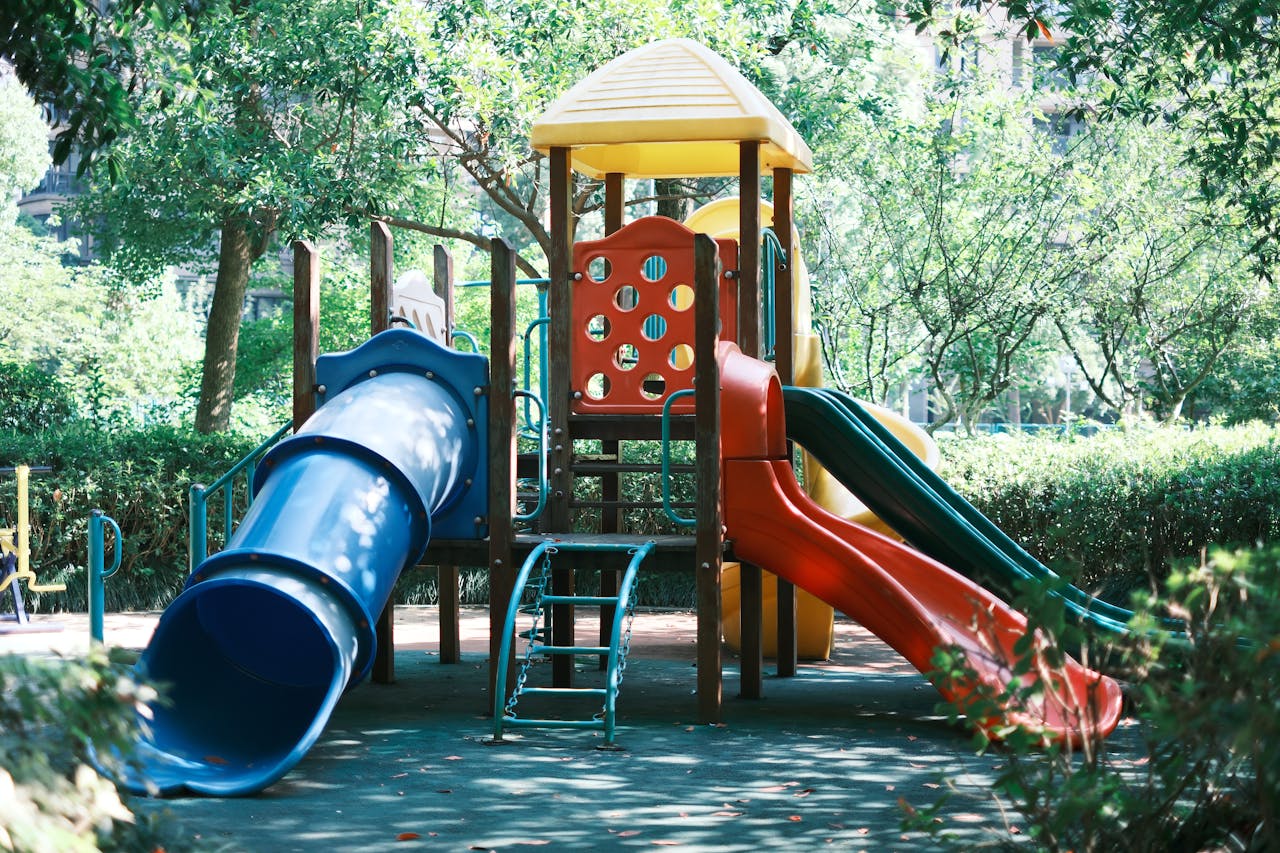
Old parks loved concrete: pipe tunnels, block pyramids, and echo chambers that stayed damp after rain, then baked on bright days until they felt rough and chalky to touch. The surfaces were abrasive, edges unforgiving, and shadowy corners collected litter and puddles, making supervision harder than it needed to be when little games turned into hiding marathons and scrapes turned to scabs. Modern playgrounds still use sculptural shapes, but with rounded profiles, drainage, brighter materials, and cleaner textures that invite exploration, cut down on grime, and keep sightlines open for caregivers and staff in every season.