Comfort food is having a quiet comeback, and vintage recipes are leading it. Across diners, community cookbooks, and family card boxes, old favorites return because they feel dependable: slow aromas, simple pantry staples, and a rhythm that turns dinner into a small ritual. Many rose in the Depression era, wartime kitchens, and the casserole boom of the 1950s, when thrift and hospitality shared the same table. Even now, these classics read like reassurance. They simmer, bake, and set with patient certainty, turning ordinary ingredients into something that feels steady on a cold evening. Nostalgia is a bonus, not the point.
Chicken and Dumplings
Chicken and dumplings became a farmhouse staple because one pot could stretch a small bird into a full meal. Broth turns silky as dumplings steam on top, making comfort out of simmer time rather than expensive cuts. During hard seasons, cooks leaned on onions, celery, and a bay leaf to build depth, then saved every shred of meat for the bowl. In many Southern and Midwestern homes, the method traveled by feel: a spoon of baking powder, a slick of butter, and a dough mixed just enough. The result is tender, cozy, and quietly generous. It is the kind of dinner that makes the kitchen smell like someone planned ahead.
Beef Stroganoff
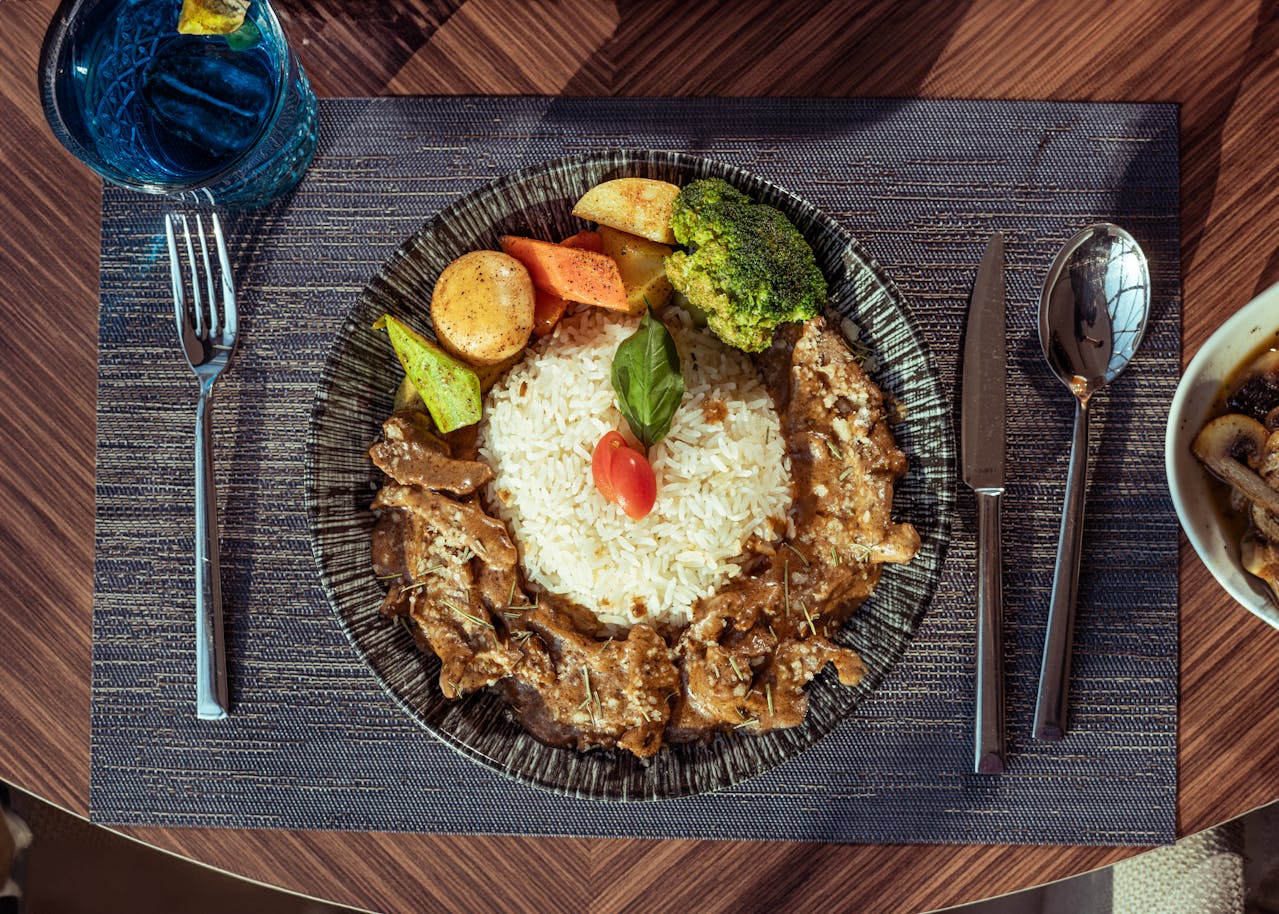
Beef stroganoff entered American weeknight rotation in the mid-century years, when sour cream and egg noodles felt both modern and indulgent. Thin strips of beef cook fast, then soak up a sauce built from mushrooms, onions, and a bright tang that keeps richness in check. Many vintage versions leaned on canned mushroom soup, a shortcut that made the dish possible on busy evenings without losing the familiar flavor. It is restaurant comfort translated for home stoves: a skillet meal that looks special, but relies on timing more than technique. Served over noodles or rice, it lands somewhere between cozy and celebratory.
Tuna Noodle Casserole
Tuna noodle casserole is pure 1950s practicality: shelf-stable tuna, dry pasta, and a creamy binder that turns scraps into supper. It rose alongside postwar convenience foods and community cookbooks, when feeding a crowd cheaply was its own kind of skill. Crunchy topping matters as much as the filling, whether it is buttered breadcrumbs, crushed potato chips, or fried onions. The flavor is gentle and familiar, built on peas, celery, and black pepper, with enough salt to make it feel complete. It shows why casseroles lasted: one pan, minimal fuss, and leftovers that reheat into the same comforting softness all week.
Split Pea Soup with Ham
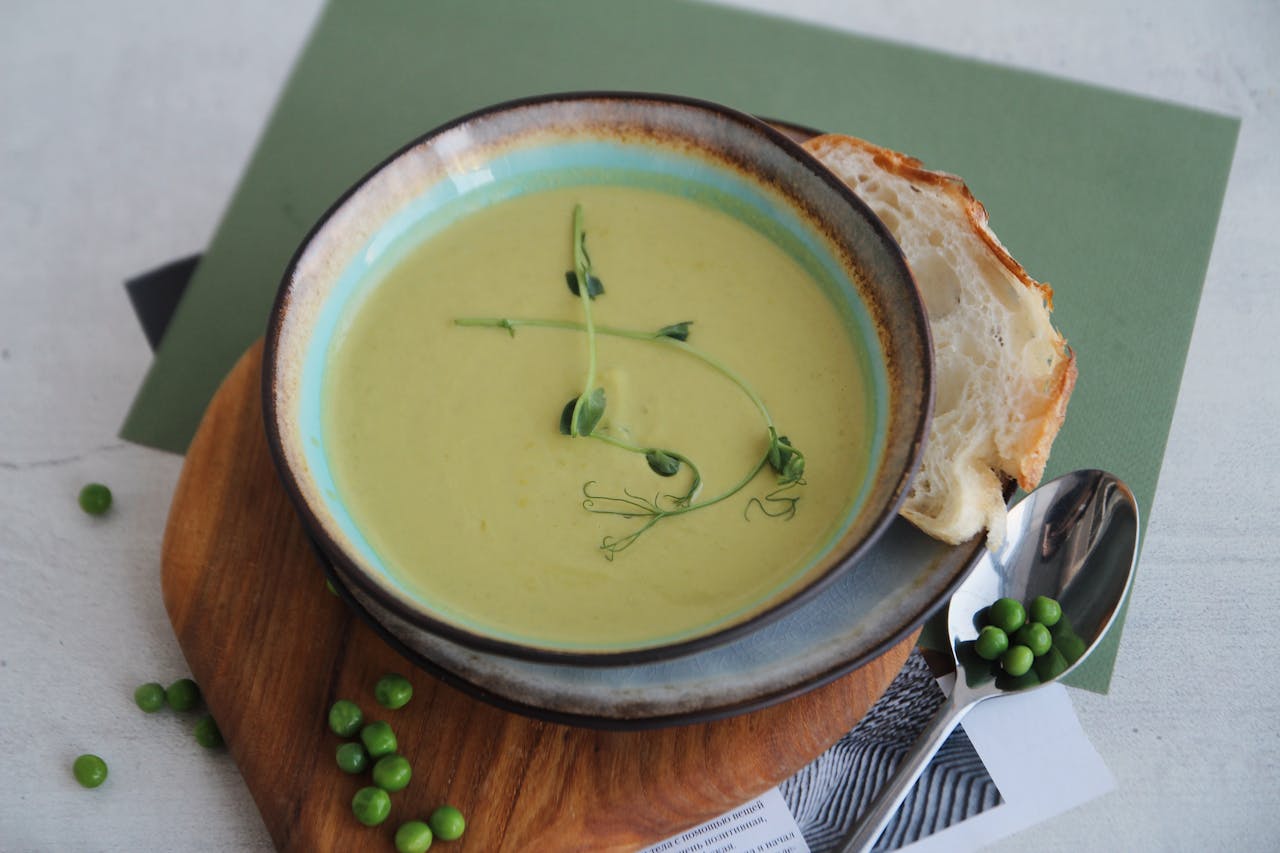
Split pea soup has old-world roots, but in America it became a cold-weather standby because dried peas were cheap, filling, and easy to store. Simmered with a ham bone, onion, and carrot, the pot turns thick and velvety, with smoky depth that feels bigger than the ingredient list. City diners kept it on the menu for the same reason home cooks did: it holds well, tastes better the next day, and feeds many from one pot. It is a recipe built for using leftovers, especially after holiday meals, when the best flavor is stuck to the bone. A bowl lands hearty without being heavy, especially with croutons or buttered toast.
Sunday Pot Roast
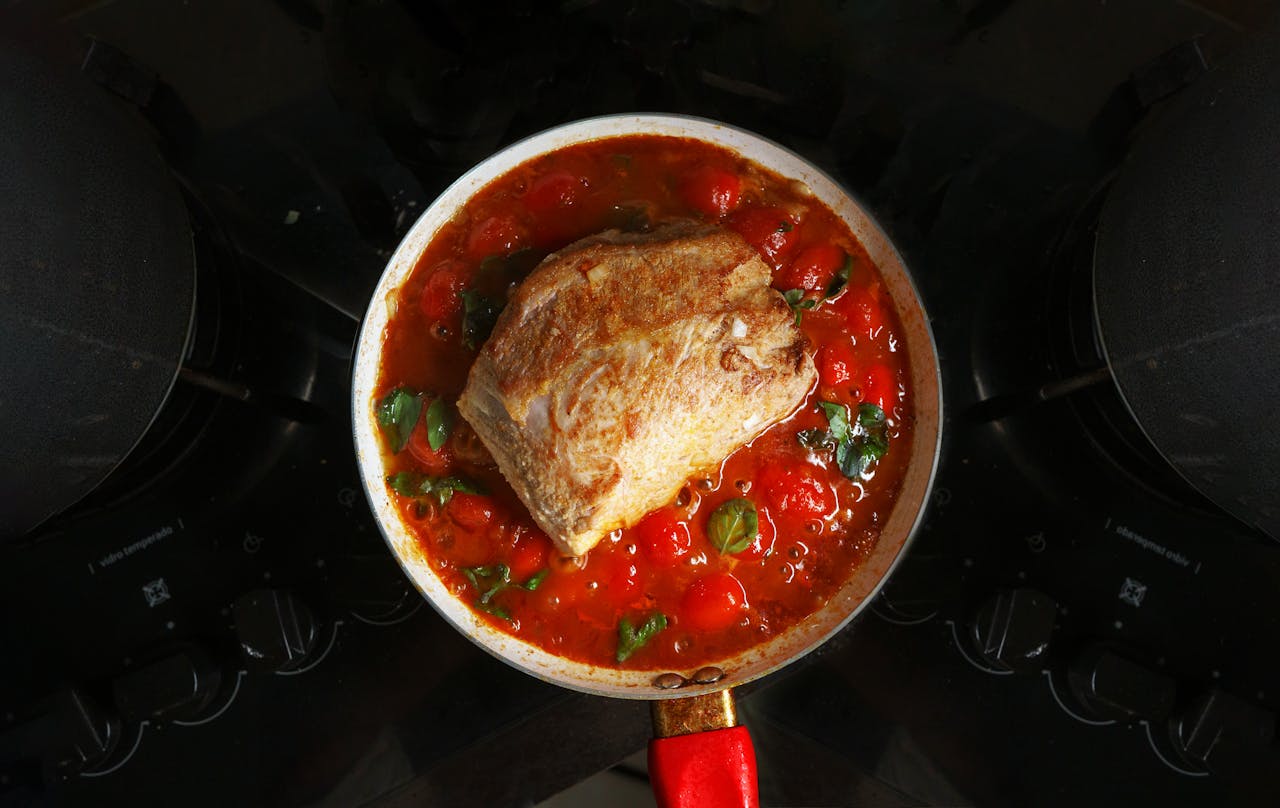
Sunday pot roast is a slow, reliable promise: a tougher cut softened by time, surrounded by carrots, potatoes, and onions that soak up the drippings. It became a cornerstone of American home cooking because it rewarded planning, not money, and it made the house smell welcoming for hours. Older recipes often start with a hard sear, then a low braise with stock, tomato, or a splash of vinegar to keep flavors bright. By the end, the meat pulls apart with a spoon, and the vegetables taste like they were cooked in gravy on purpose. Leftovers rarely last: they turn into sandwiches, hash, or an easy next-night stew. Too.
Baked Macaroni and Cheese
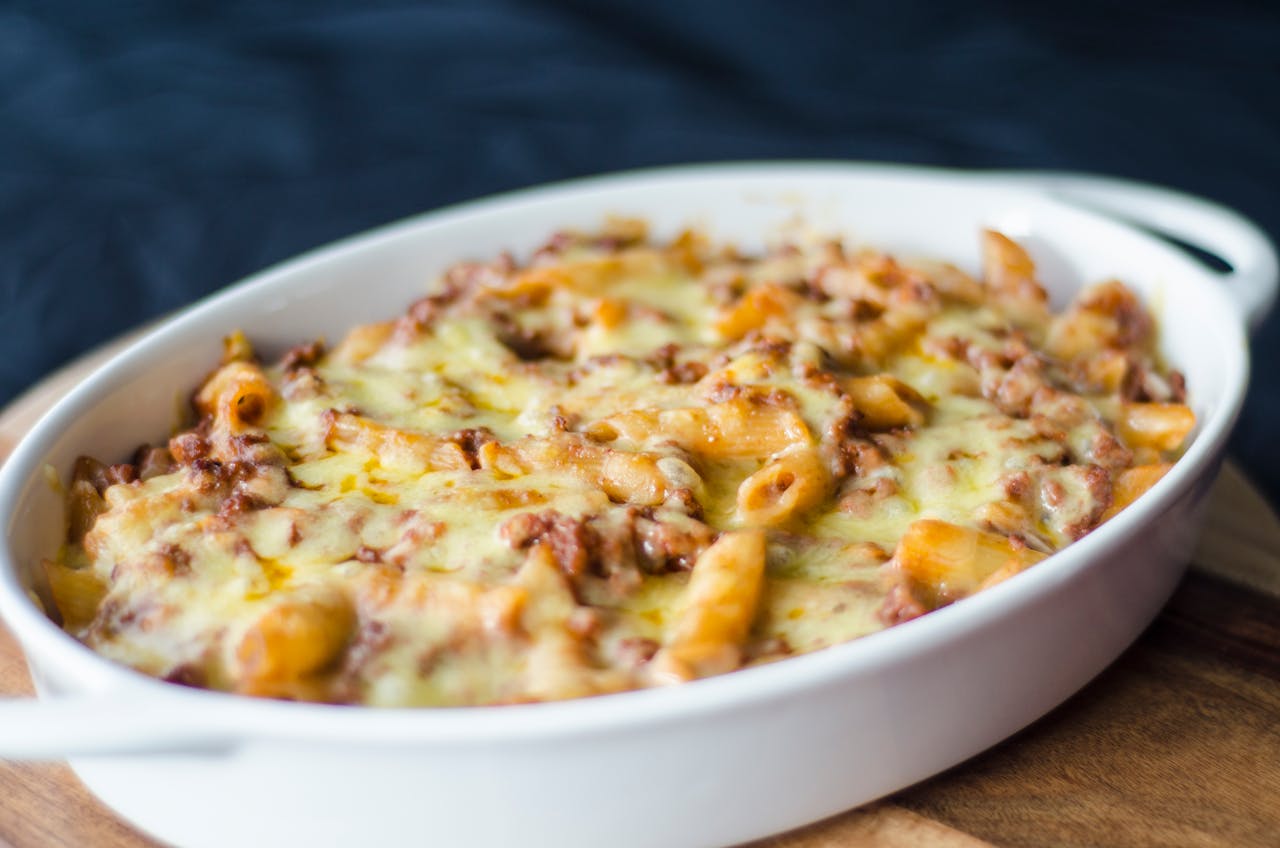
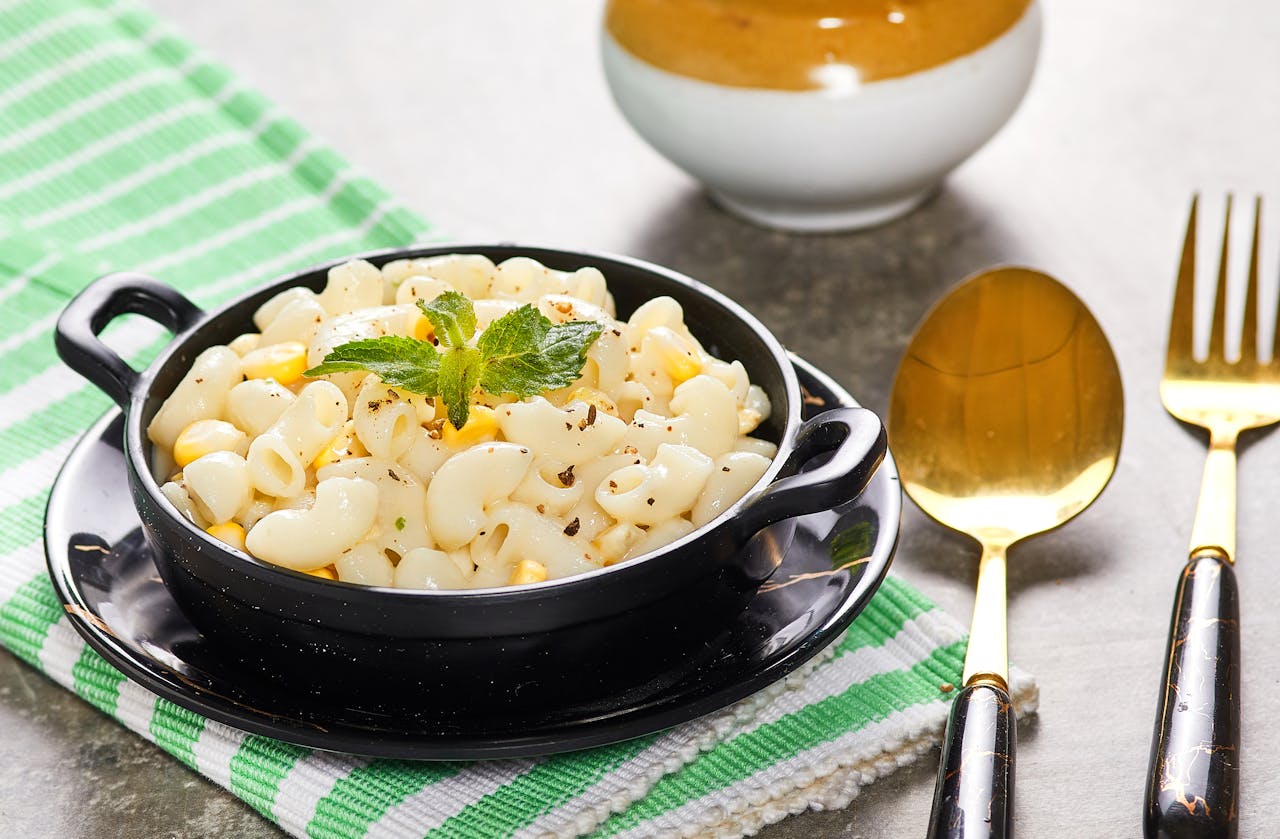
Baked macaroni and cheese predates boxed mixes by generations, showing up in American cookbooks long before it became a kid default. The vintage version leans on a simple béchamel, sharp cheddar, and a baked top that turns crisp and browned at the edges. In thrifty eras, cooks stretched cheese with milk, flour, and sometimes evaporated milk, proving technique could stand in for abundance. It works because contrast does the heavy lifting: creamy center, toasted crust, and a hint of mustard or paprika for lift. Served at church suppers or as a main on lean nights, it tastes like comfort that does not need explaining.
Pineapple Upside-Down Cake
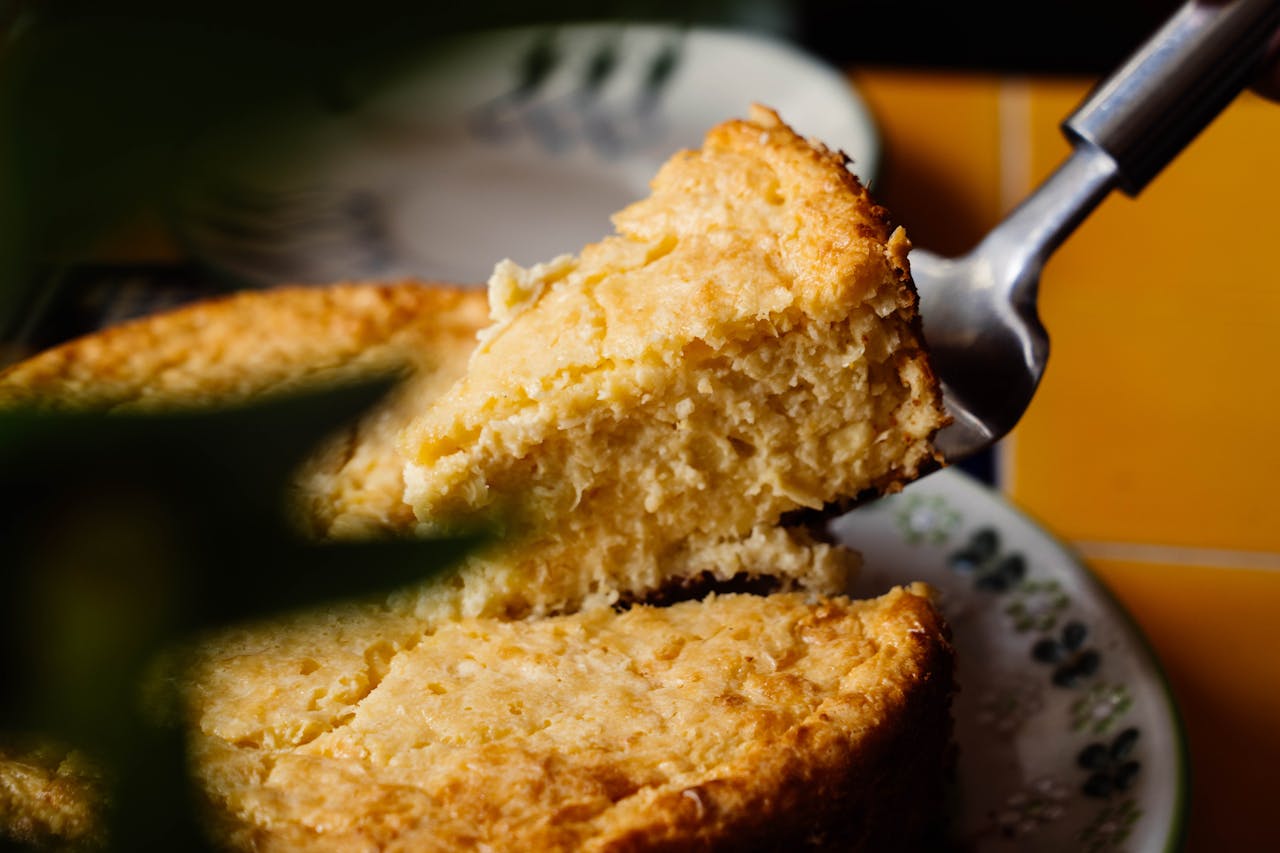
Pineapple upside-down cake feels like a party trick from the pantry age, when canned fruit made baking seem almost glamorous. Slices caramelize in butter and brown sugar, then flip into a glossy crown that looks far more complicated than it is. It gained popularity in the early twentieth century as canned pineapple spread and brands promoted recipes that suited home ovens and home-ec classes. In mid-century kitchens, it often showed up in cast-iron skillets or ring molds, finished with bright maraschino cherries. It is sweet, nostalgic, and oddly modern again, thanks to the way tangy fruit cuts through the richness.
Old-Fashioned Rice Pudding
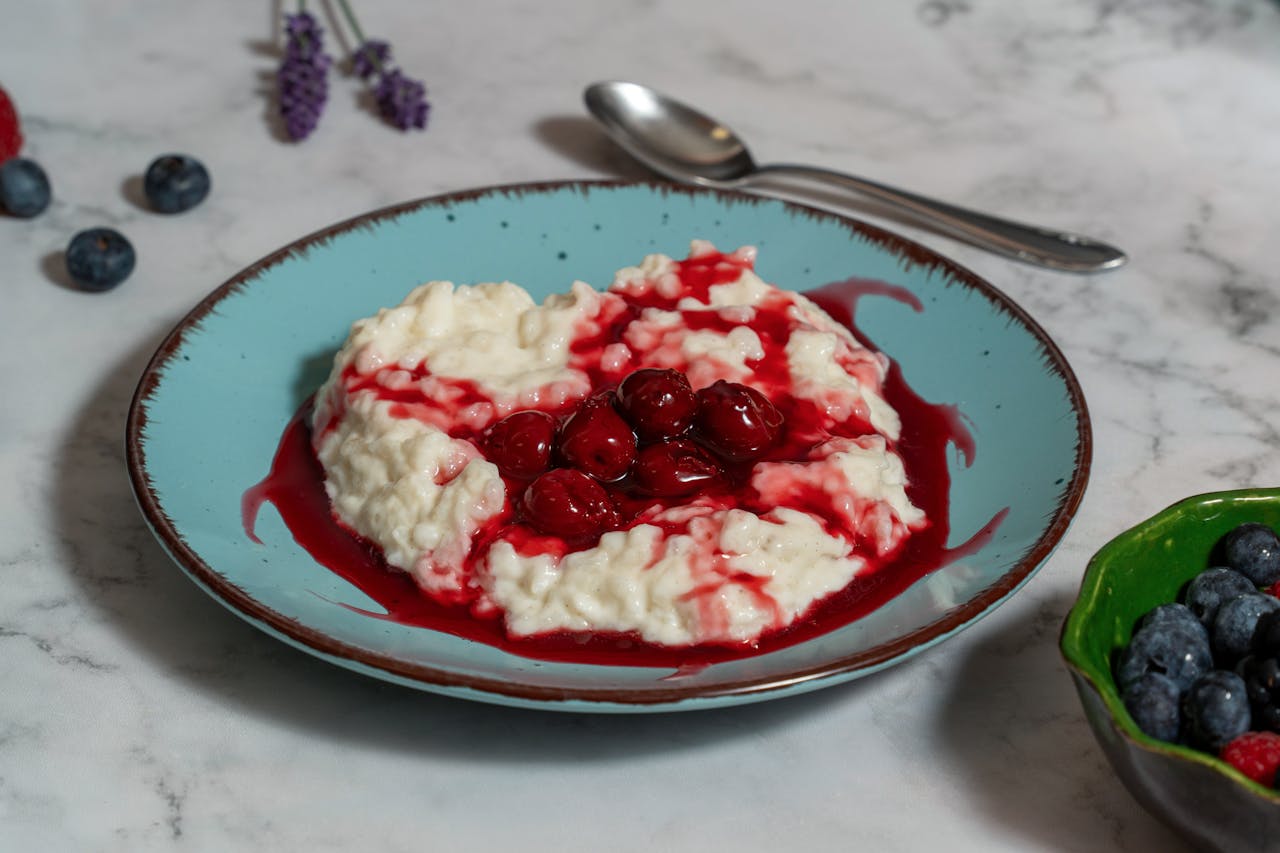
Old-fashioned rice pudding is the dessert version of thrift: leftover rice warmed with milk, sugar, and spice until it turns soft and fragrant. It shows up in many immigrant kitchens, then settles into American comfort food as a diner staple, served chilled or barely warm. Some versions bake low for a custardy set, while others stay on the stovetop and finish with vanilla and a pinch of salt. Eggs or a spoon of butter add richness, while cinnamon, nutmeg, and raisins bring a familiar note without making it seasonal. The texture is gentle, the sweetness restrained, and the payoff is the calm feeling of nothing being wasted.