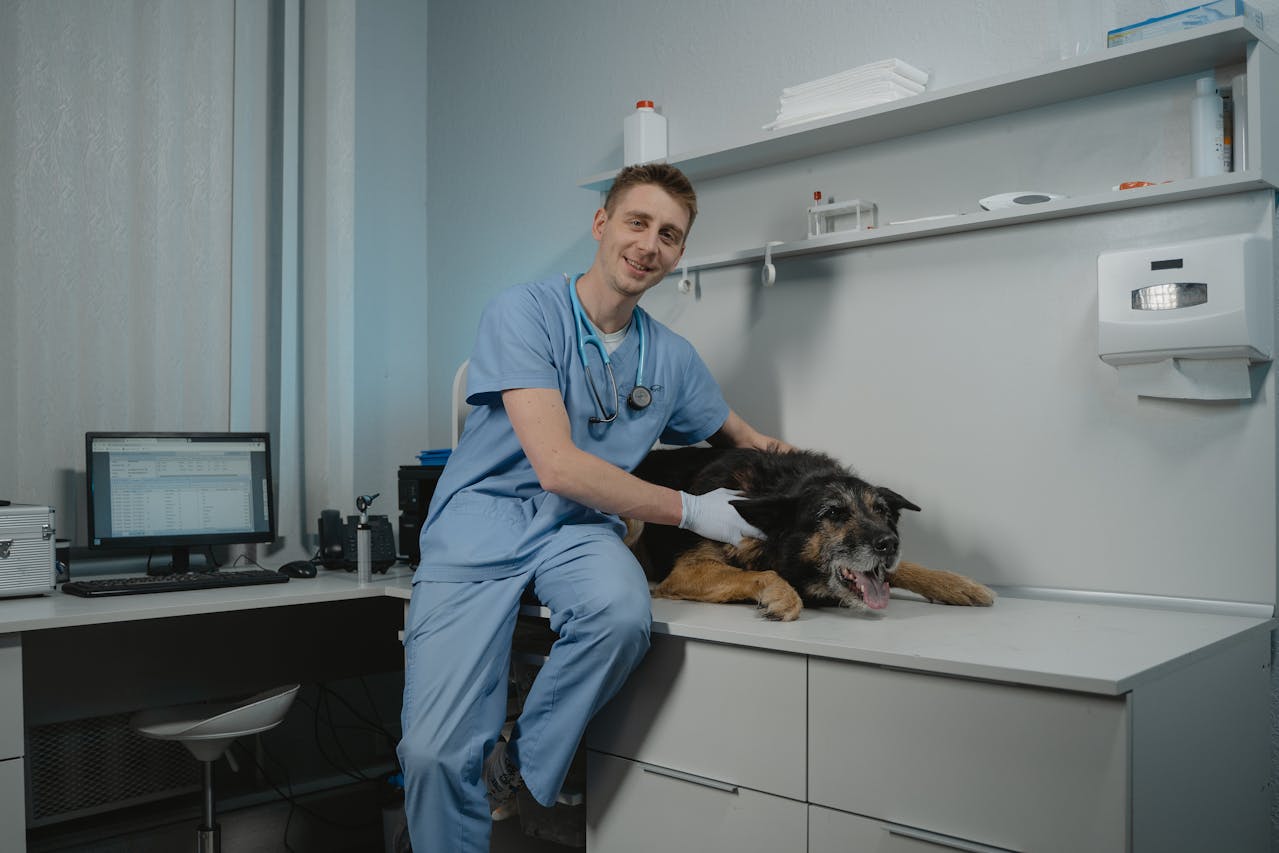
Canine aggression is rarely random. Vets and veterinary behaviorists usually trace it back to predictable pressures: pain, fear, blocked escape routes, or routines that overwhelm a dog’s ability to cope. The tricky part is that the trigger can look ordinary, like a hand reaching for a collar, a visitor leaning in, or a leash pulled tight in a narrow hallway. In 2026, the message stays steady: treat behavior change as information, reduce surprises, and build calmer habits before a dog hits its limit. That starts with health checks, consistent routines, and simple boundaries that let the dog choose distance without drama.
Pain Or Hidden Illness
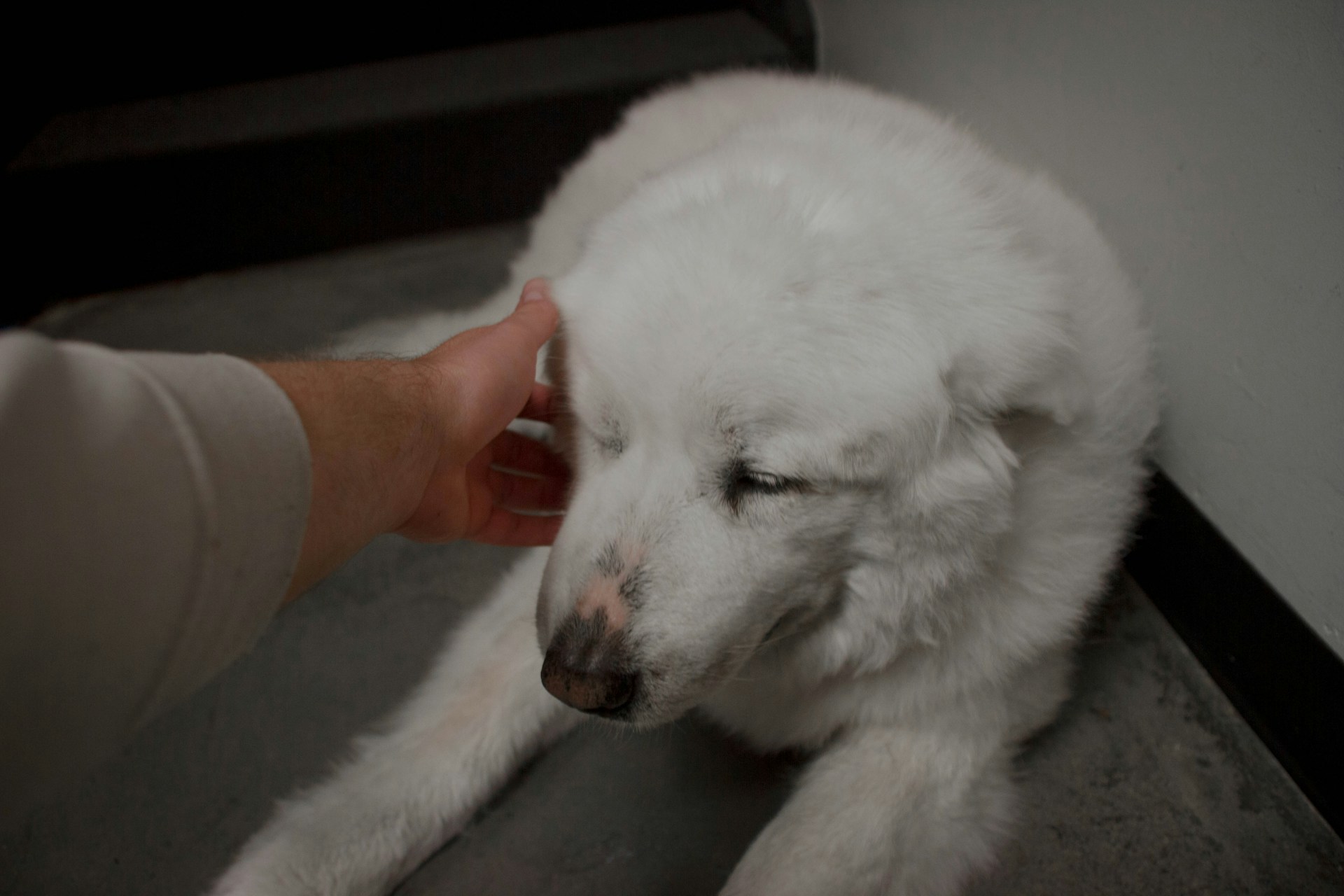
Pain is one of the first things vets look for when a dog’s tolerance suddenly drops. Ear infections, dental disease, arthritis, itchy skin, or stomach upset can make touch feel risky, so the dog stiffens, avoids hands, or growls when moved. Common flashpoints are lifting, brushing, collar grabs, or being nudged off a bed because those moments predict discomfort. Clinics usually treat a new defensive reaction as a medical clue first, then pair pain control with gentle handling plans so trust can rebuild. Even subtle lameness or a sore mouth can change temperament, which is why exams and follow-ups matter.
Startled While Sleeping Or Resting
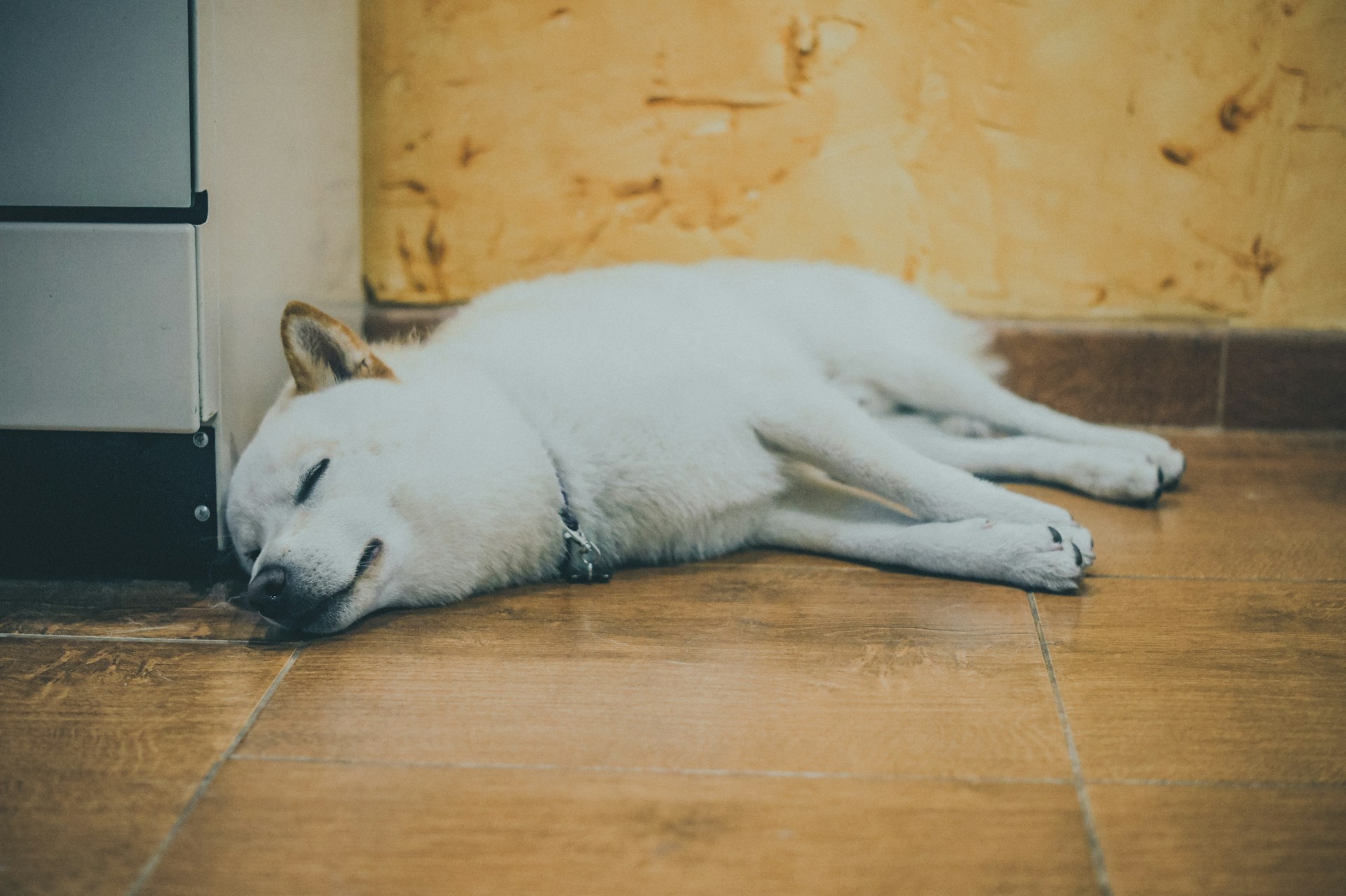
Many incidents start with surprise, not malice. A dog in deep sleep or fully relaxed can react defensively when someone touches, steps over, or startles it in a favorite spot, especially in older dogs or anxious rescues. Hot zones include couches, beds, under desks, and tight hallways where escape is awkward. Vets often suggest predictable rest zones, barriers for busy rooms, and wake-up cues like calling the name or tapping the floor before contact. Over time, fewer surprises raises tolerance and lowers the chance of a sharp, reflexive response. Children are taught to let sleeping dogs be, because orientation takes a few seconds.
Resource Guarding Food Toys Or Space
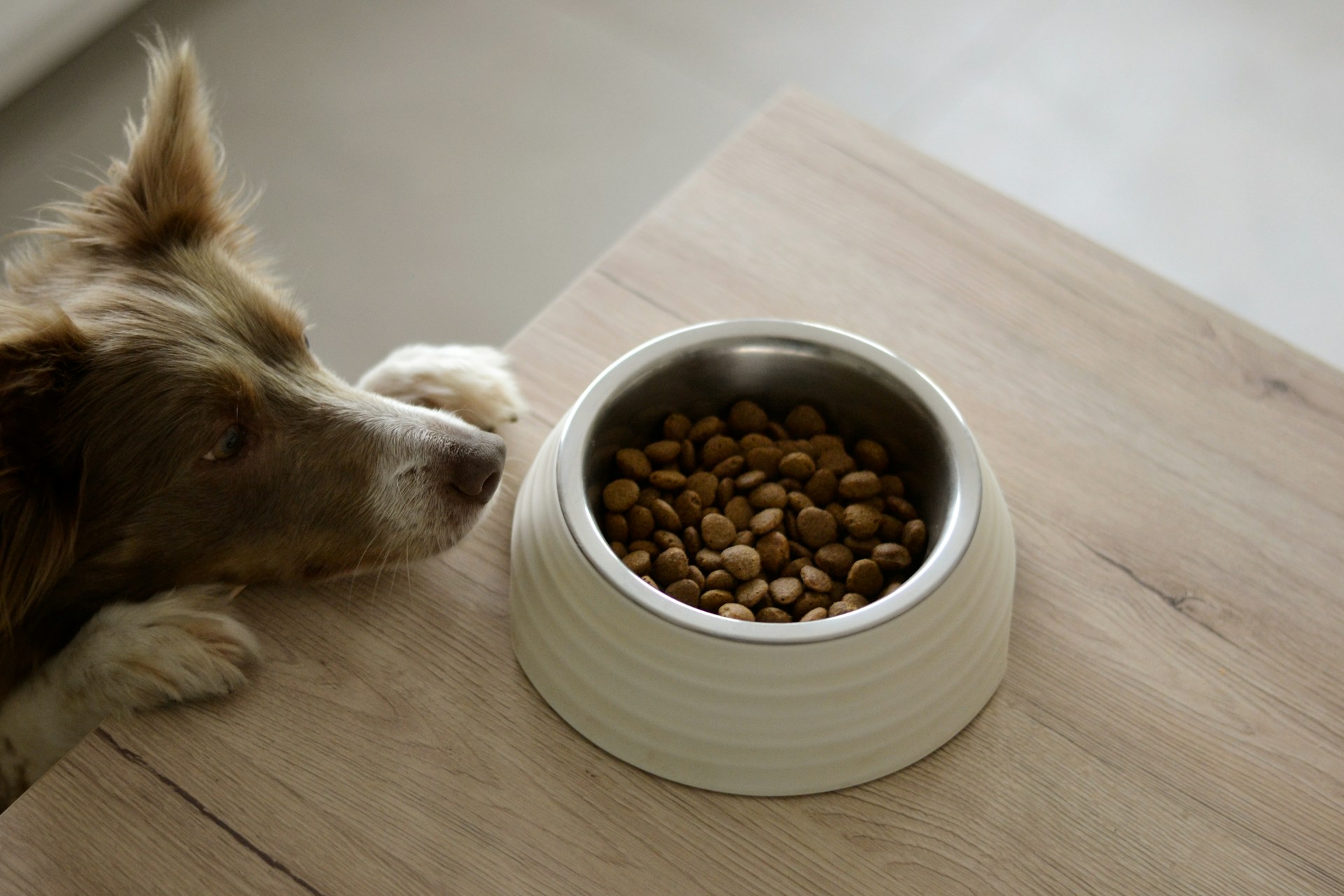
Resource guarding is usually fear of losing something valuable, not a dog trying to dominate a household. Triggers include reaching toward a bowl, stepping near a chew, picking up a toy, or another pet drifting toward a favored bed, doorway, or lap. Early signs often show up as freezing, a hard stare, or a tight body before any growl. Vets and trainers focus on management and confidence building: clear rules, preventing surprise approaches, and teaching trade-ups so hands predict better things. With consistency, many dogs relax because the resource stops feeling fragile. With kids, gates during meals reduce pressure.
Forced Handling And Unwanted Touch
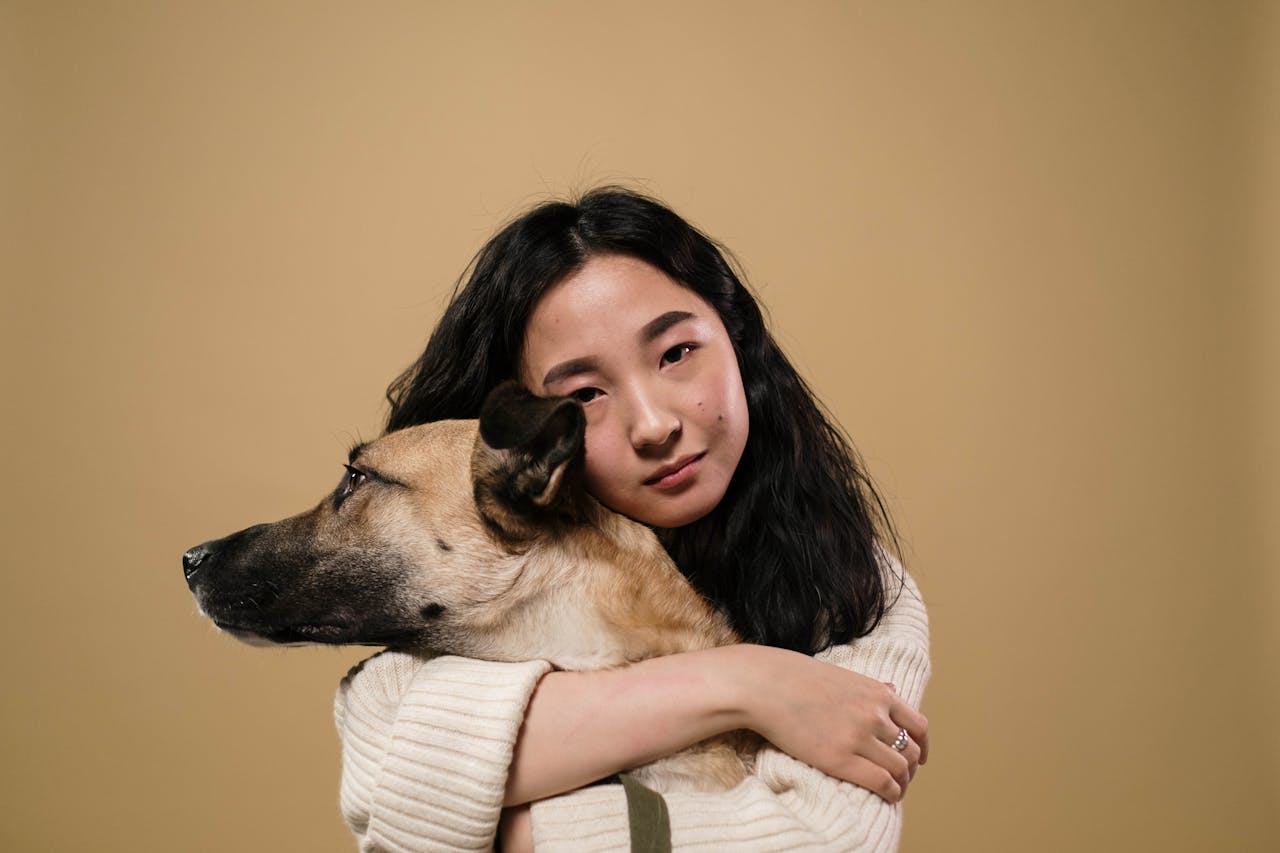
Forced contact can turn a nervous dog defensive even when affection is the goal. Common triggers include hugging, leaning over the head, pulling a dog by the collar, pinning during grooming, or continuing to pet after the dog tries to leave. When escape fails, stress rises, and the dog may use a louder signal to end the moment. Vets often recommend consent-based handling: invite approach, pause often, reward calm tolerance, and use harnesses instead of collar grabs. Families can teach greetings that avoid reaching over the face. Short, predictable practice beats surprise grabs, and it keeps trust intact through daily care.
Leash Tension And Barrier Frustration
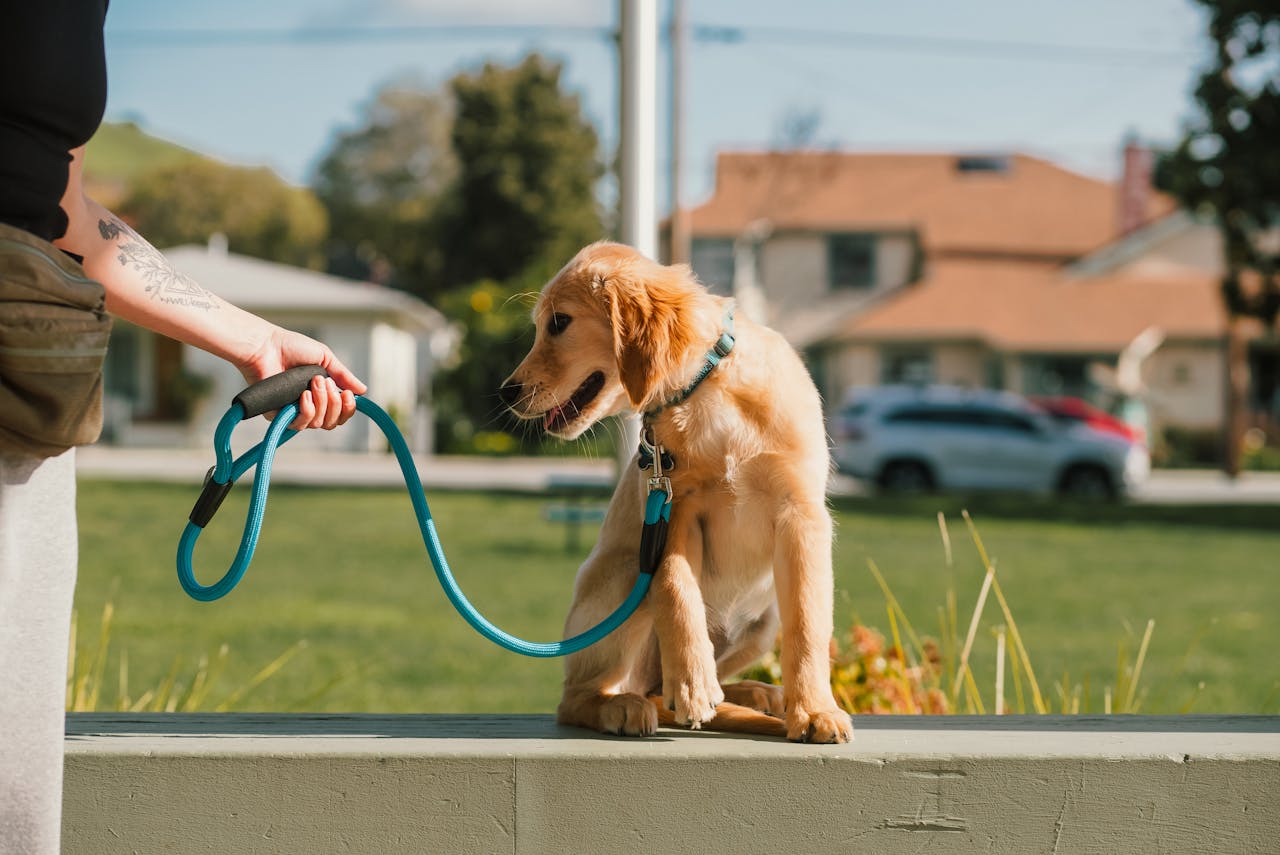
Leashes and fences can create a pressure cooker by blocking a dog’s ability to create distance. A dog that seems fine off-leash may react when the leash goes tight, another dog appears behind a gate, or a person approaches head-on in a narrow path. The reaction often drops the moment space returns or the view breaks, which is a clue that frustration and fear are driving it. Vets and trainers focus on distance, calmer routes, and teaching turn-aways and check-ins before the trigger is too close. Once a dog is overwhelmed, learning stops, so prevention is the real win. A front-clip harness and a bit more space can change the whole walk.
Door And Window Guarding
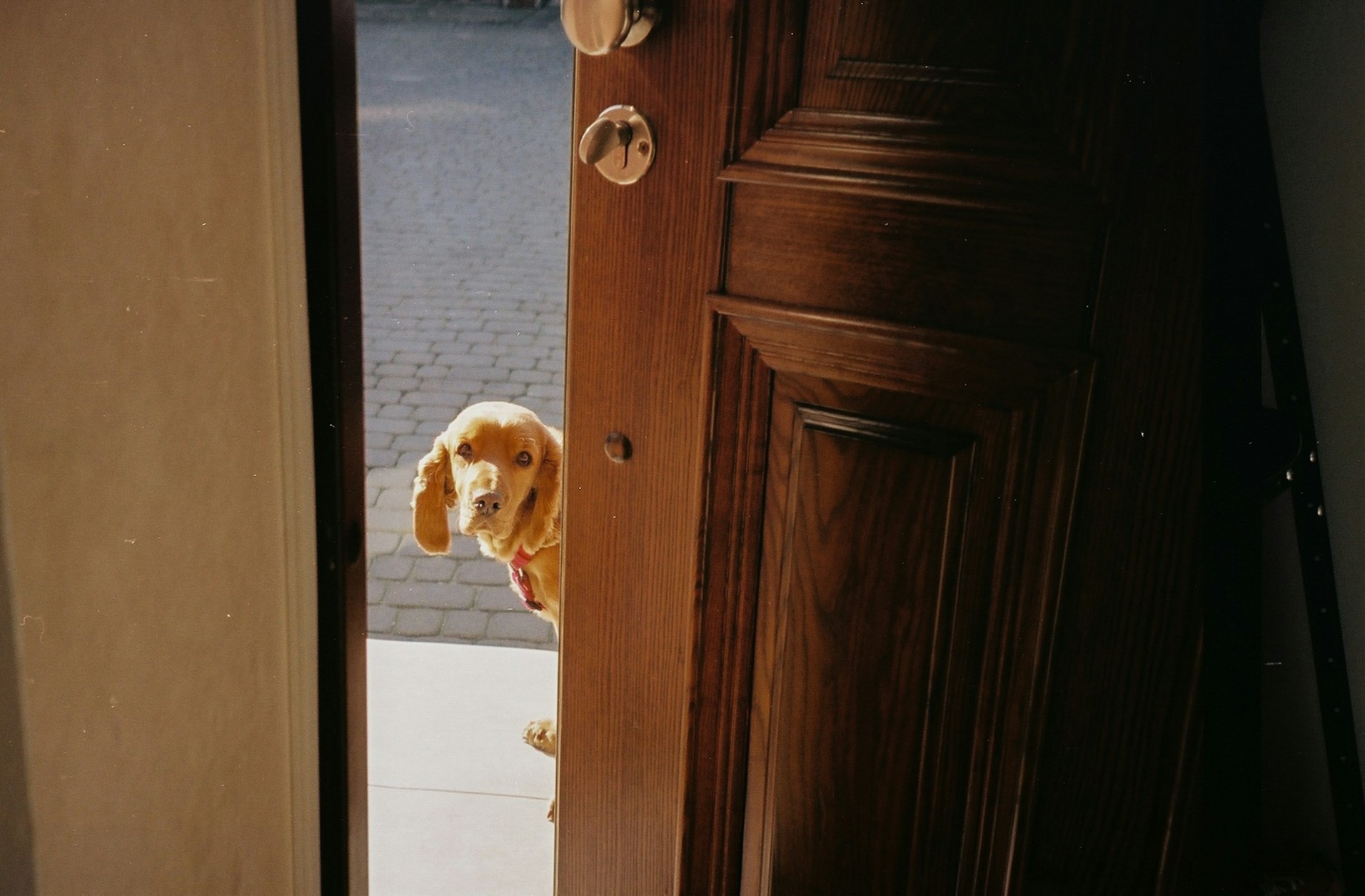
Entryways concentrate energy: knocks, bells, and strangers appearing in a tight space. Many dogs react at doors, windows, and cars because the boundary feels worth defending, and the triggers repeat daily: deliveries, guests, and people passing close. Excitement can look like confidence, but it often carries stress, especially when the dog has practiced rushing the barrier for months. Vets usually recommend management first with gates, leashes, and a calm station away from the door, then reward quiet behavior during sounds and arrivals. Stopping rehearsal matters because the routine strengthens fast.
Fearful Approaches And Social Misreads
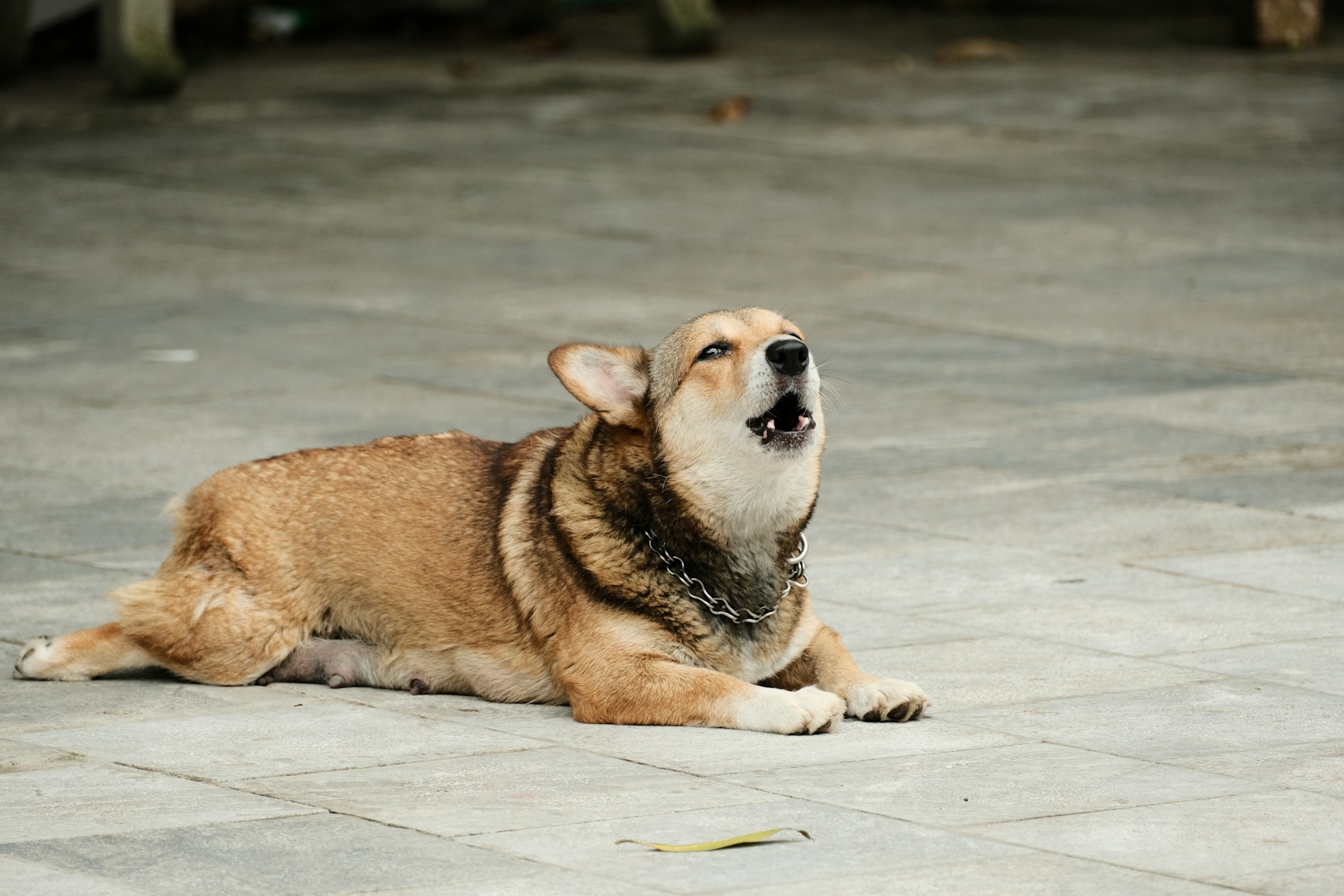
Fear is a major driver of aggressive displays, especially when a dog feels cornered. Triggers include direct staring, looming posture, fast hands, crowded sidewalks, and strangers bending over a dog’s head, all of which reduce perceived safety. Some dogs also misread bouncy greetings from children or dogs as pressure rather than play, so the stress climbs quickly. Vets encourage honoring avoidance and treating growls as communication, because punishing warnings can remove the early signal while leaving the fear in place. Space, slower approaches, and clear choice reduce risk. That is how small moments stay small.
Overstimulation And Trigger Stackingcking

Overstimulation builds quietly until a dog has no room left to cope. Chaotic play, constant visitors, loud music, long car rides, or several stressful events in one day can stack, lowering the threshold hour by hour. Then a simple request, a leash clip, a towel wipe, or being asked to move, can become the spark because the nervous system is already flooded. Vets often prescribe boredom-free calm: more sleep, predictable routines, shorter play sessions, and enrichment that settles rather than revs. Over weeks, the dog’s baseline improves and reactions fade. For some dogs, fewer dog-park or daycare hours makes behavior noticeably steadier.
Protective Reactions Around Family
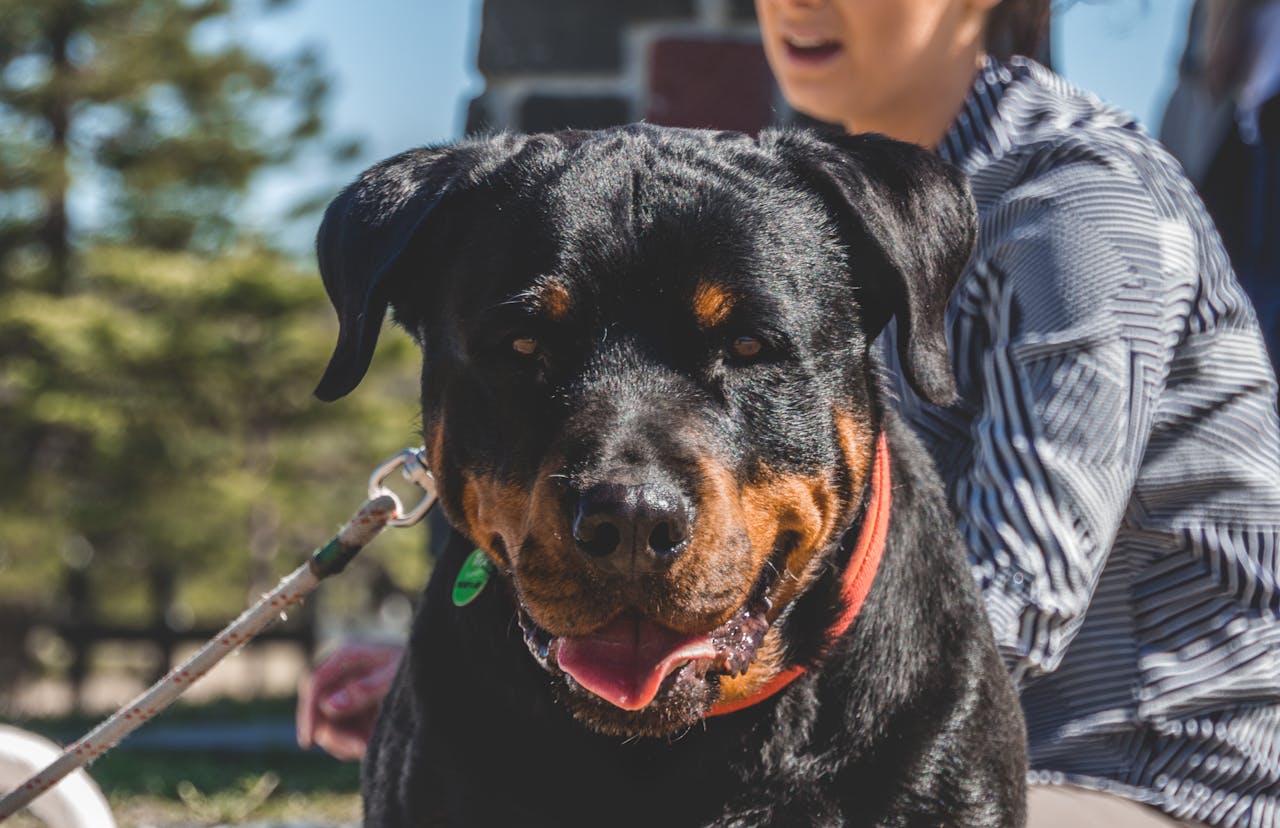
Some dogs react when they believe a person is in trouble, even during friendly contact. Triggers include loud greetings, children running toward a parent, roughhousing, or guests reaching in fast near a couch or bed. The dog reads speed and volume as conflict, then tries to control distance with barking, blocking, or a warning display. Vets often suggest rehearsed greetings, teaching a mat cue, and moving the dog out of crowded contact zones so protection does not become a habit. When the dog is given a job and space, the room stays calmer. Management is especially important with visitors, where intentions are good but timing is messy.
Grooming Vet Handling And Restraint
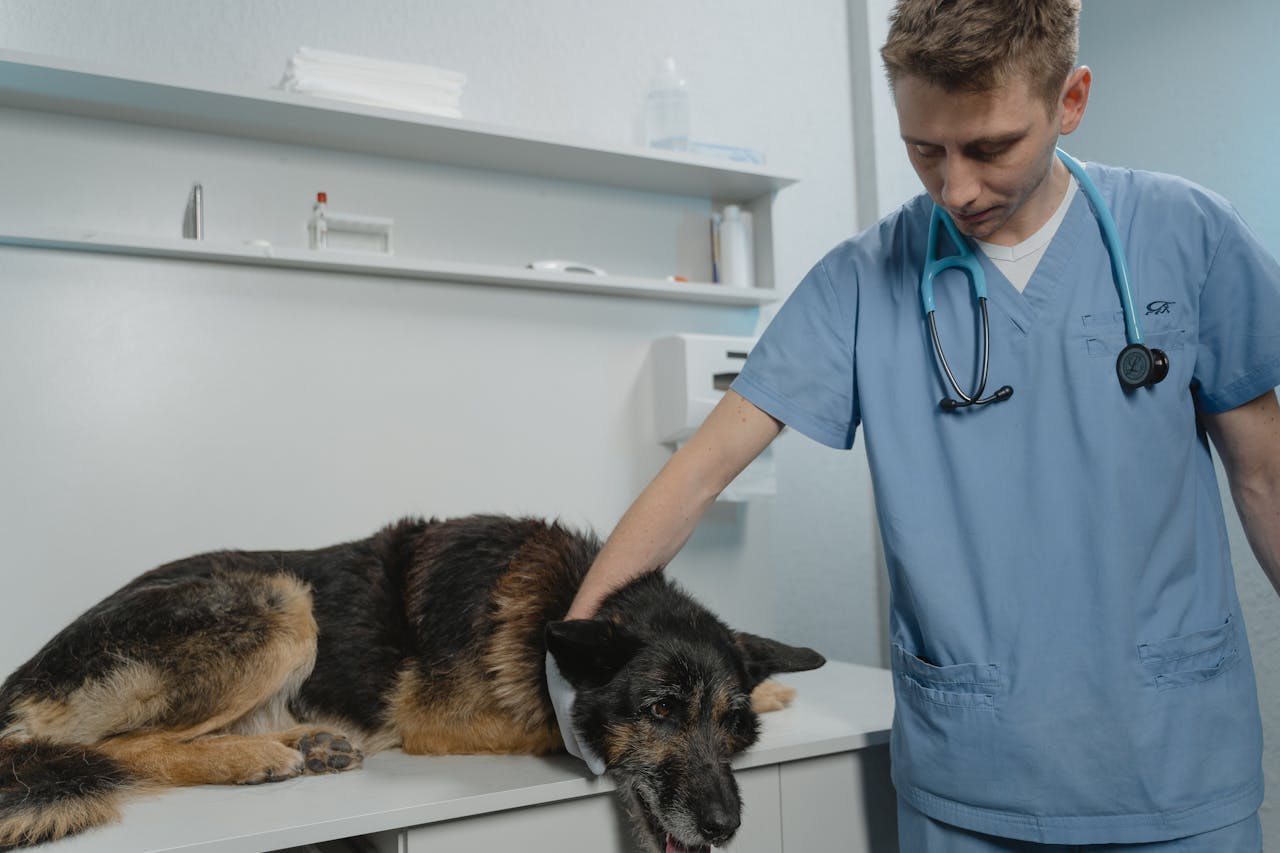
Clinic and grooming settings combine restraint, unfamiliar smells, and sensitive touch, so even social dogs can become defensive. Flashpoints include nail trims, ear cleaning, brushing mats, injections, or being lifted onto a slippery table, especially if a past session felt uncomfortable. Anticipation becomes the trigger, and the dog may tense or resist before contact even starts. Many veterinary teams use low-stress handling, treats, breaks, and gradual conditioning, and they may recommend muzzle training as a safety tool done early and kindly. That approach prevents one bad day from becoming the dog’s new expectation.
Aversive Corrections And Intimidation
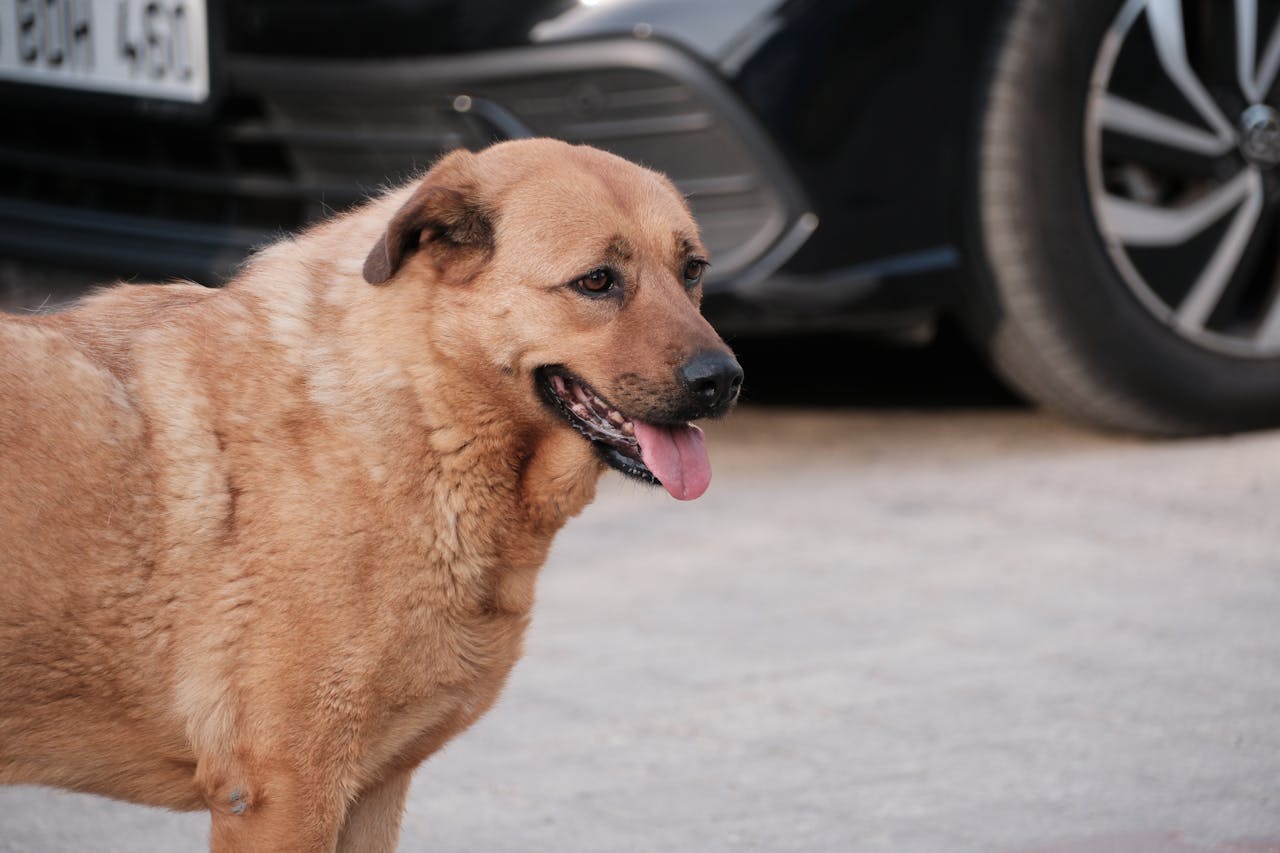
Harsh corrections can suppress warning signals without reducing the fear underneath. Triggers often appear after yelling, leash jerks, shock collars, or physical intimidation, because the dog learns that people predict discomfort and starts defending earlier. The result can look like a sudden escalation, but it is often a dog trying to avoid a situation that has become painful or confusing. Veterinary behavior guidance generally favors reward-based training, management that prevents scary rehearsals, and clear routines that make the next choice easy. Calm communication builds reliability faster than force.
Developmental Gaps And Limited Socialization
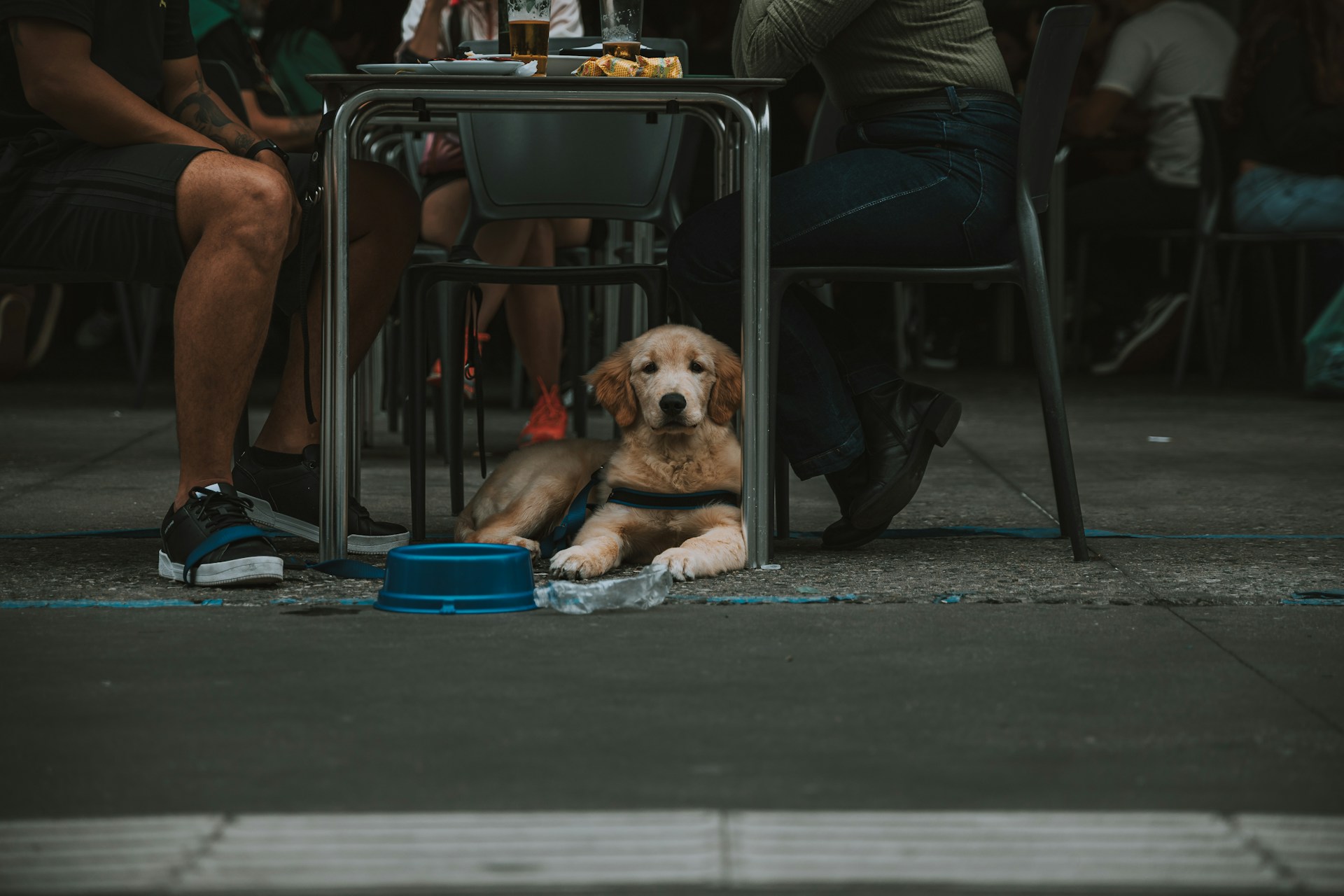
Dogs that missed gentle exposure during key developmental windows can find normal life overwhelming. Triggers may include bicycles, elevators, hats, children’s voices, unfamiliar dogs, or slick floors, and stress can spike after an adoption move or a big routine change. Instead of curiosity, the dog feels uncertainty, and uncertainty can produce defensive behavior when the trigger gets too close. Vets often recommend slow, controlled exposure paired with rewards, plus predictable schedules and safe retreat spaces where the dog can fully decompress. Confidence grows when novelty arrives in small, winnable pieces.