By 2026, locals in many beloved getaway towns had started recognizing the same pattern: summer attention arrived first, then the noise, then the lines. The real charm still showed up later, when ferry docks quieted, porch lights came on earlier, and restaurant hosts finally had time to talk.
These off-season windows are not about shutting a place down. They are about seeing it breathe at its natural pace, with weather that shapes the mood, shorter waits, and a stronger sense of who still lives there after the peak crowds fade. In those weeks, the local rhythm returns, and the scenery stops performing and starts feeling lived in.
San Juan Islands, Washington
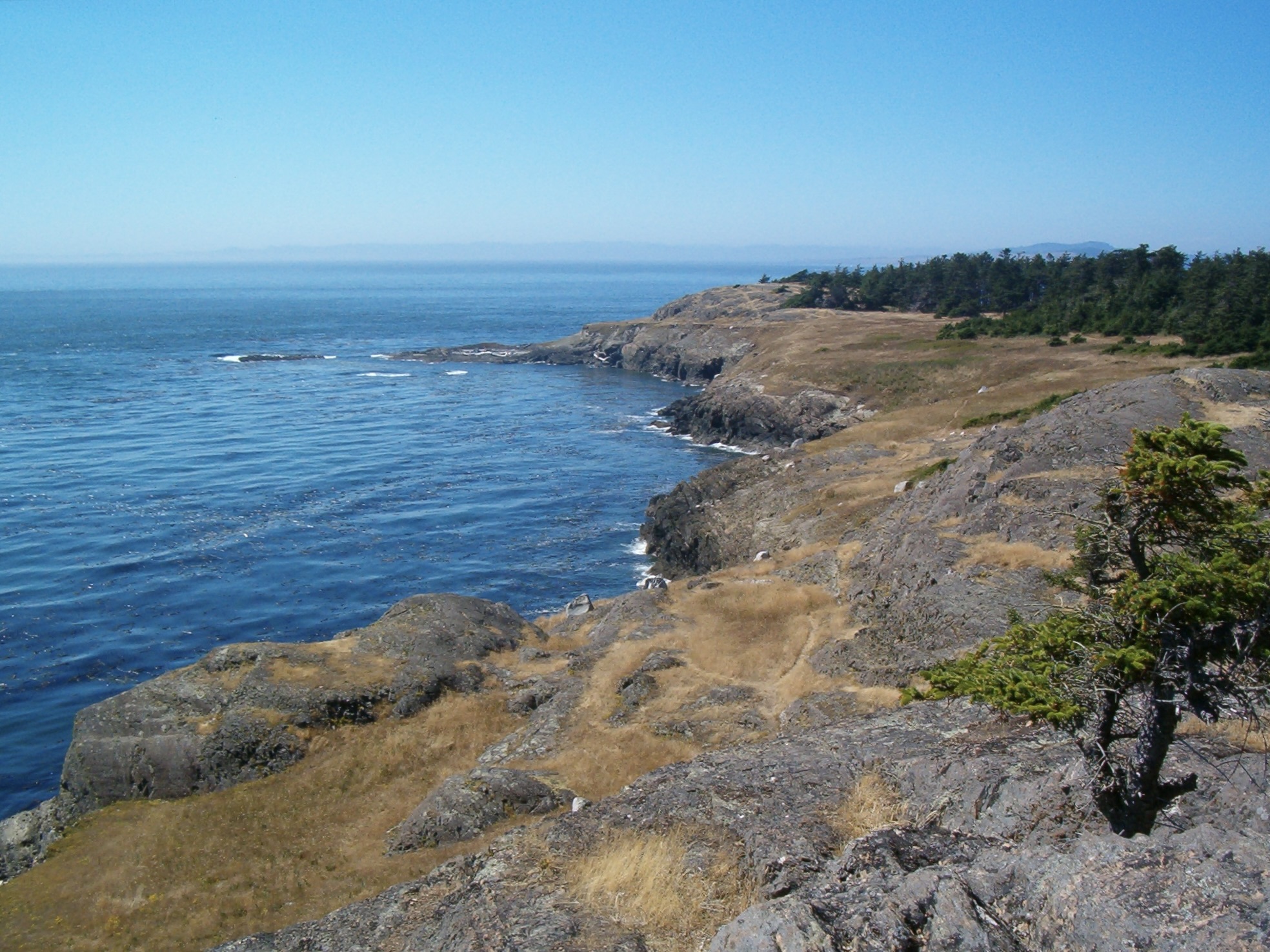
On the San Juans, locals tend to favor the shoulder months because the islands feel more conversational again. The tourism site calls fall a perfect time to visit, citing fewer crowds and mild weather, and it anchors the season with Savor the San Juans, a food, farm, and film celebration that keeps the mood local.
Spring works for the same reason. March through May brings wildflowers, farmers markets, and outdoor days for hiking, biking, whale watching, and kayaking, while the tourism bureau notes average spring temperatures rise from 53°F in March to 63°F in May, with fewer rainy days than Seattle and a softer pace at the docks.
Cannon Beach, Oregon
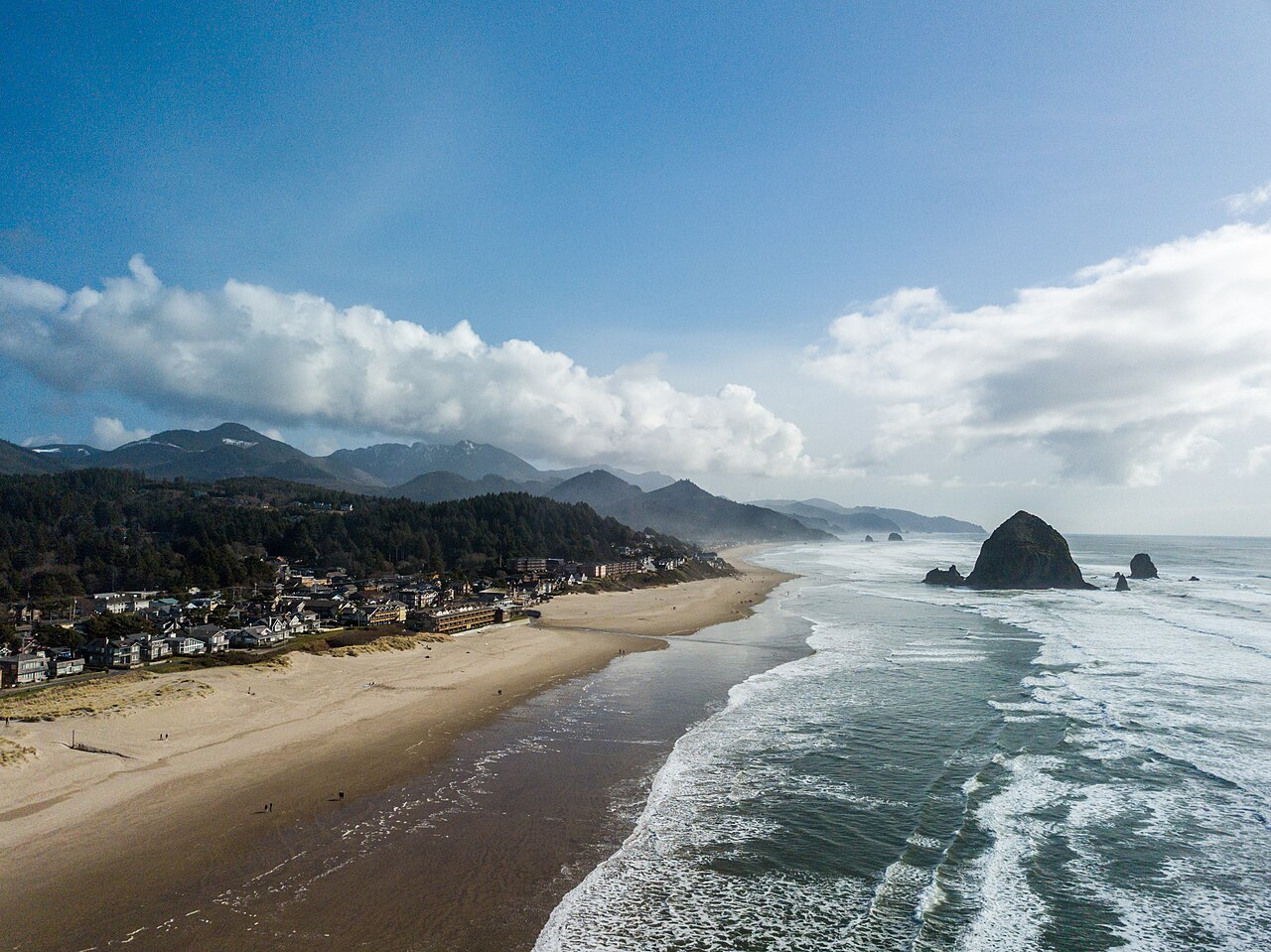
Cannon Beach has a winter personality that regulars rarely rush to advertise. The Chamber describes winter as the season locals cherish, when summer crowds disappear and the coast feels more like Oregon again, with elk sometimes taking over the role of the busiest thing in town and the beach sounding bigger than the traffic.
The draw is not quiet alone. Their winter guide highlights dramatic surf, surreal sun breaks and sunsets, and some of the lowest hotel room rates of the year, which changes the pace of a stay around Haystack Rock from checklist tourism into long walks, tidepool stops, bookstore detours, and unplanned café time.
Sedona, Arizona
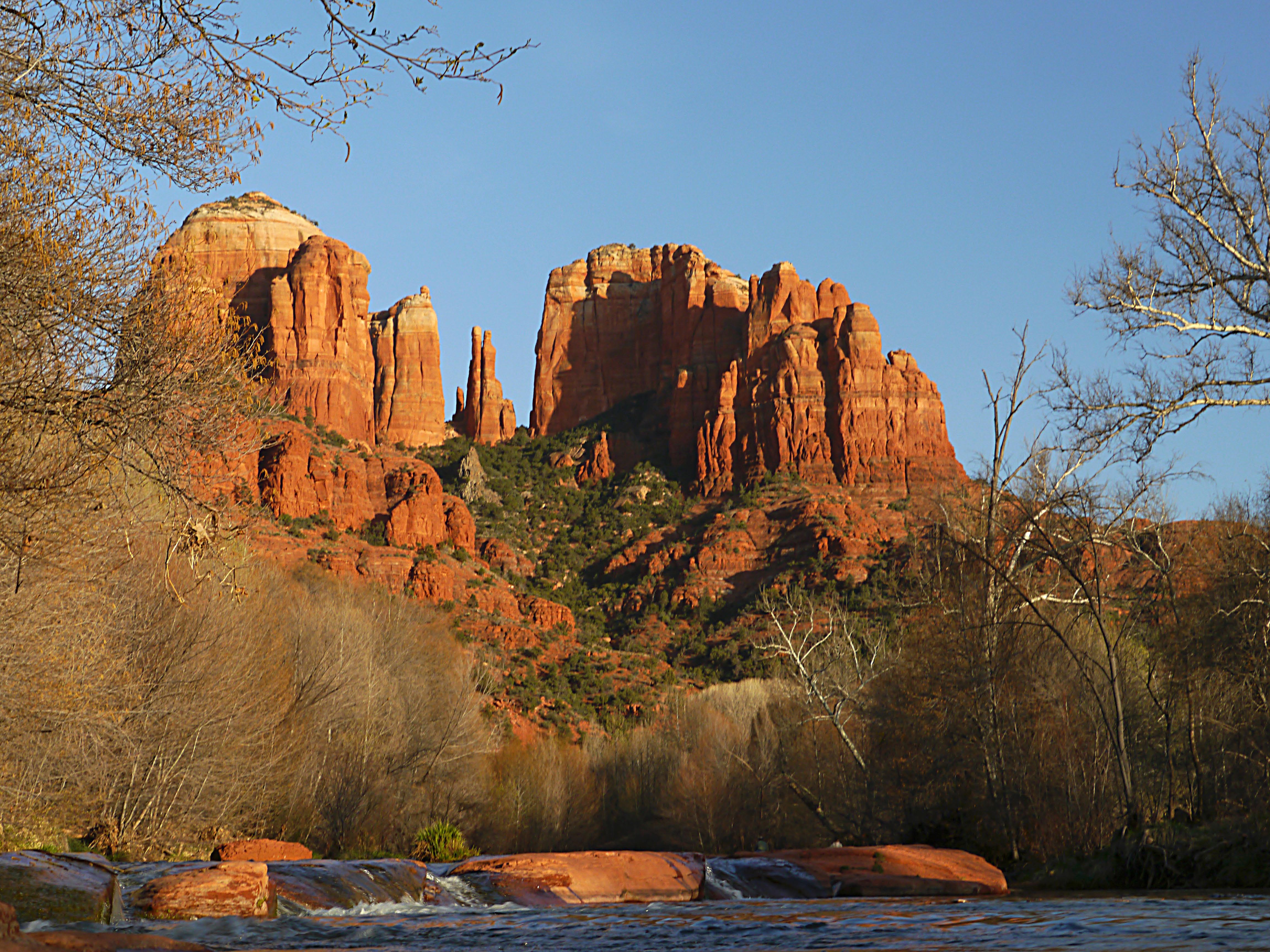
Sedona gets treated like a spring and fall destination, which is exactly why winter stays feel like a local secret. Visit Sedona says many travelers aim for those peak seasons, but winter is when the crowds ease and the red rock landscape settles into a calmer rhythm without losing the clear skies and color.
The city’s own winter guide also gives practical context that matters in trip planning. Sedona sits at 4,500 feet, well below Flagstaff, and the tourism office lists average winter temperatures around 62°F by day and 33°F at night, cool enough for layers but usually comfortable for daytime exploring and patio lunches.
Mackinac Island, Michigan
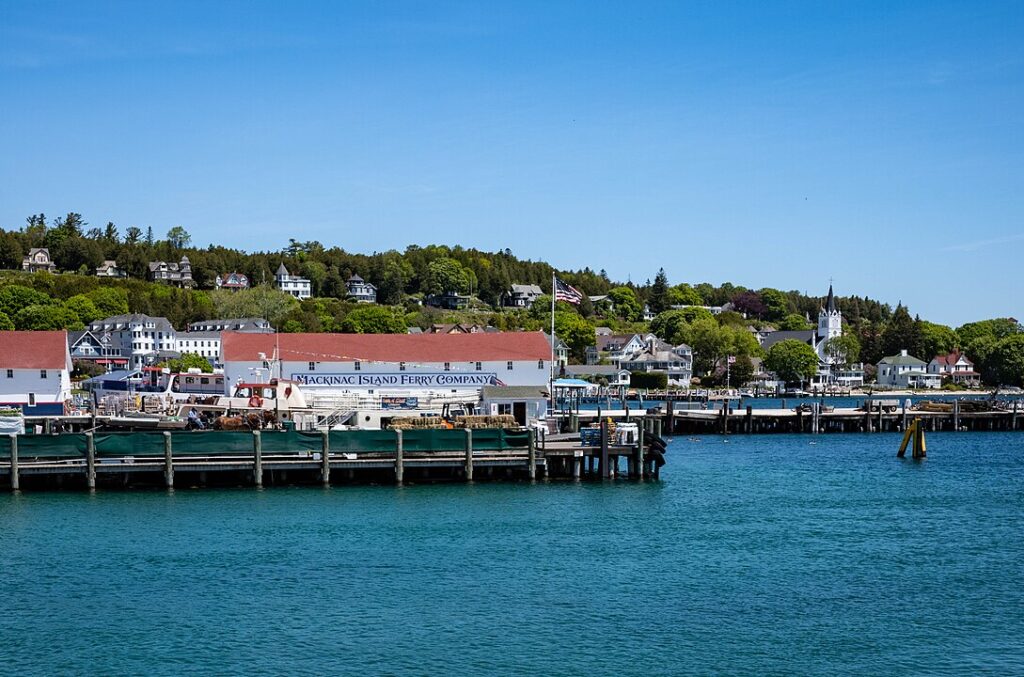
Mackinac Island rewards timing more than almost anywhere else. The Tourism Bureau notes the main visitor season runs from May to October, and the sweet spots often land near the edges, when shops and hotels are reopening or winding down and the island’s slower tempo is easier to feel from a ferry arrival.
That slower tempo is the point. Mackinac’s tourism and parks history pages explain that local leaders banned motor vehicles in 1898, and the island remains famously car free for most visitors, with ferries, bicycles, walking, and horse-drawn carriages shaping a pace that feels off-season even in fair weather and bright sun.
Door County, Wisconsin
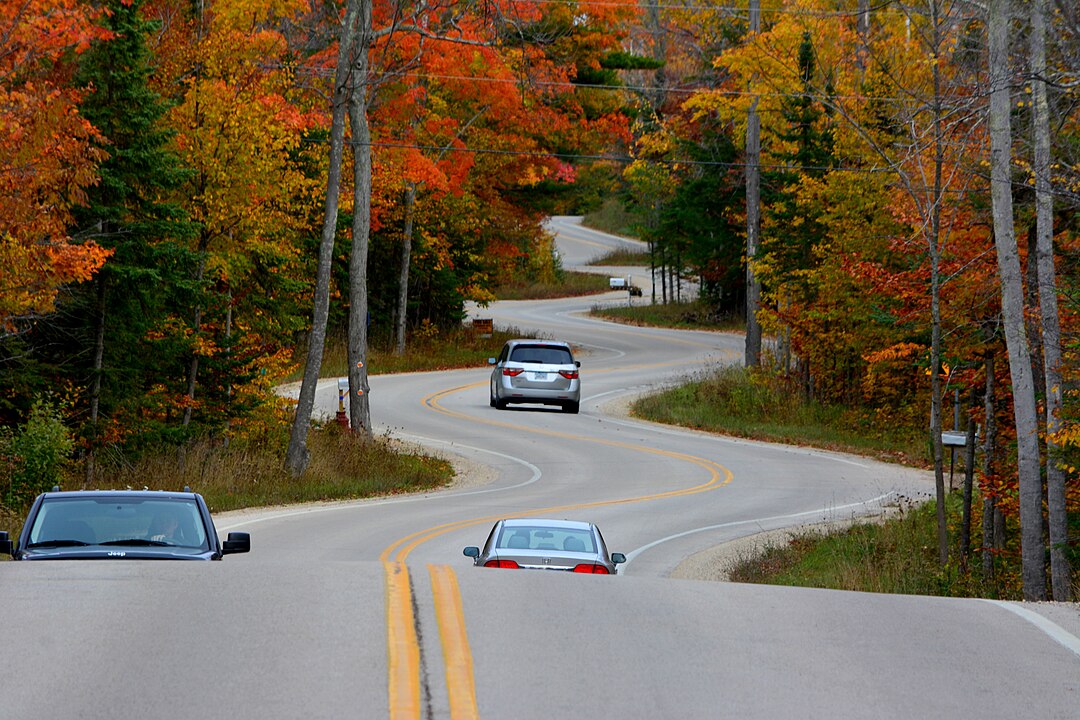
Door County’s winter quiet season is the kind locals mention carefully. Destination Door County frames December through February as a special time, and the appeal is broad, not niche: lake ice formations, restaurants that are easier to book, local shops, and a cold-weather version of the peninsula that feels intimate rather than sleepy.
The same guide also points to wineries, breweries, seasonal festivals, and time outdoors, which is why this works as a true getaway and not just a retreat. Off-season here is less about hiding indoors and more about choosing when to step out, warm up, and linger over a stop before dusk.
Bar Harbor, Maine
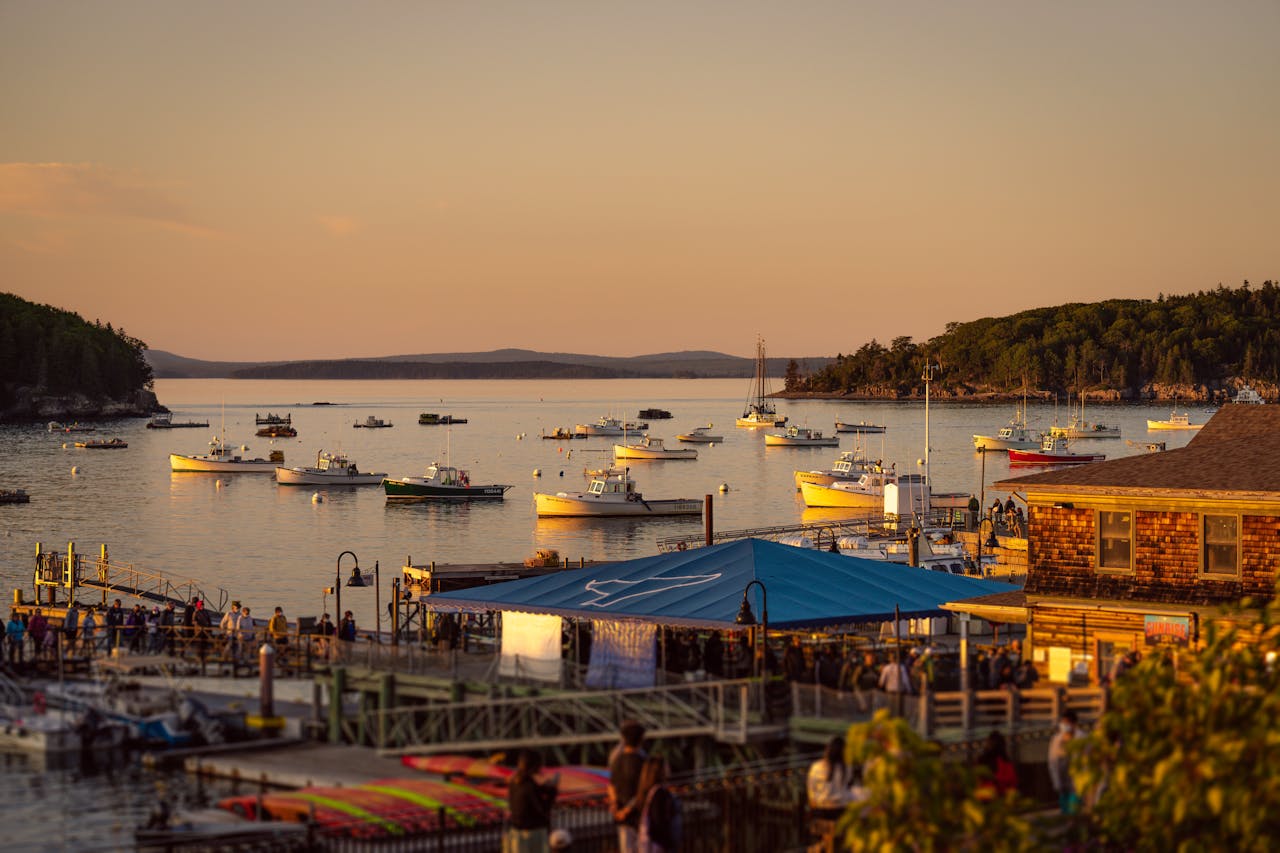
Bar Harbor feels most revealing just outside the peak crush, especially when early fall starts to color the island. The local chamber says Maine foliage usually begins in late September, with peak color in Bar Harbor and Acadia typically landing in the first weeks of October, which gives the town a richer, slower energy.
Acadia’s park operations also remind travelers that seasonality is real, not decorative. The National Park Service lists 2026 dates for roads, campgrounds, and visitor facilities, including Park Loop Road service through Dec. 1 and Hulls Cove Visitor Center through Oct. 31, so shoulder-season timing pays off.
St. Augustine, Florida
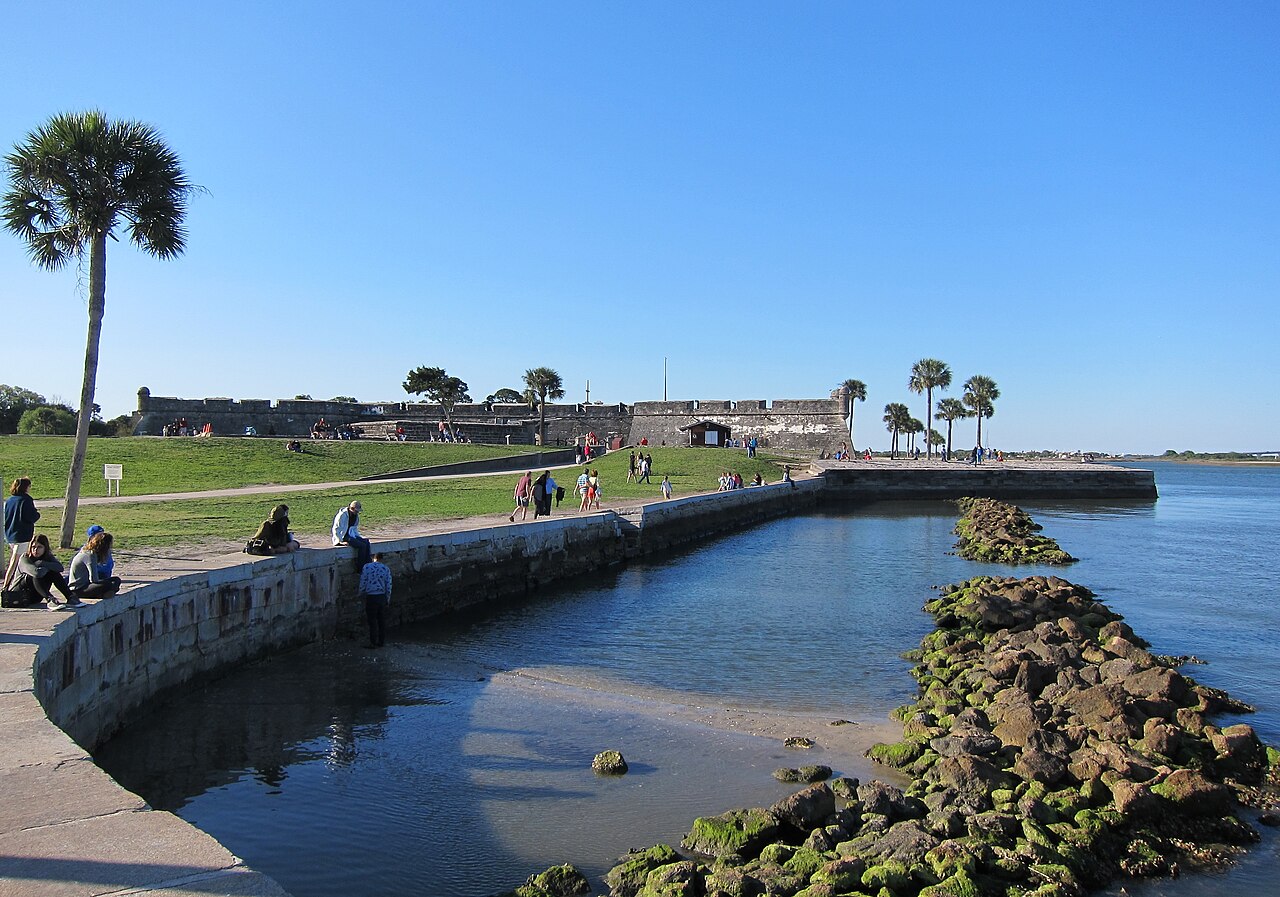
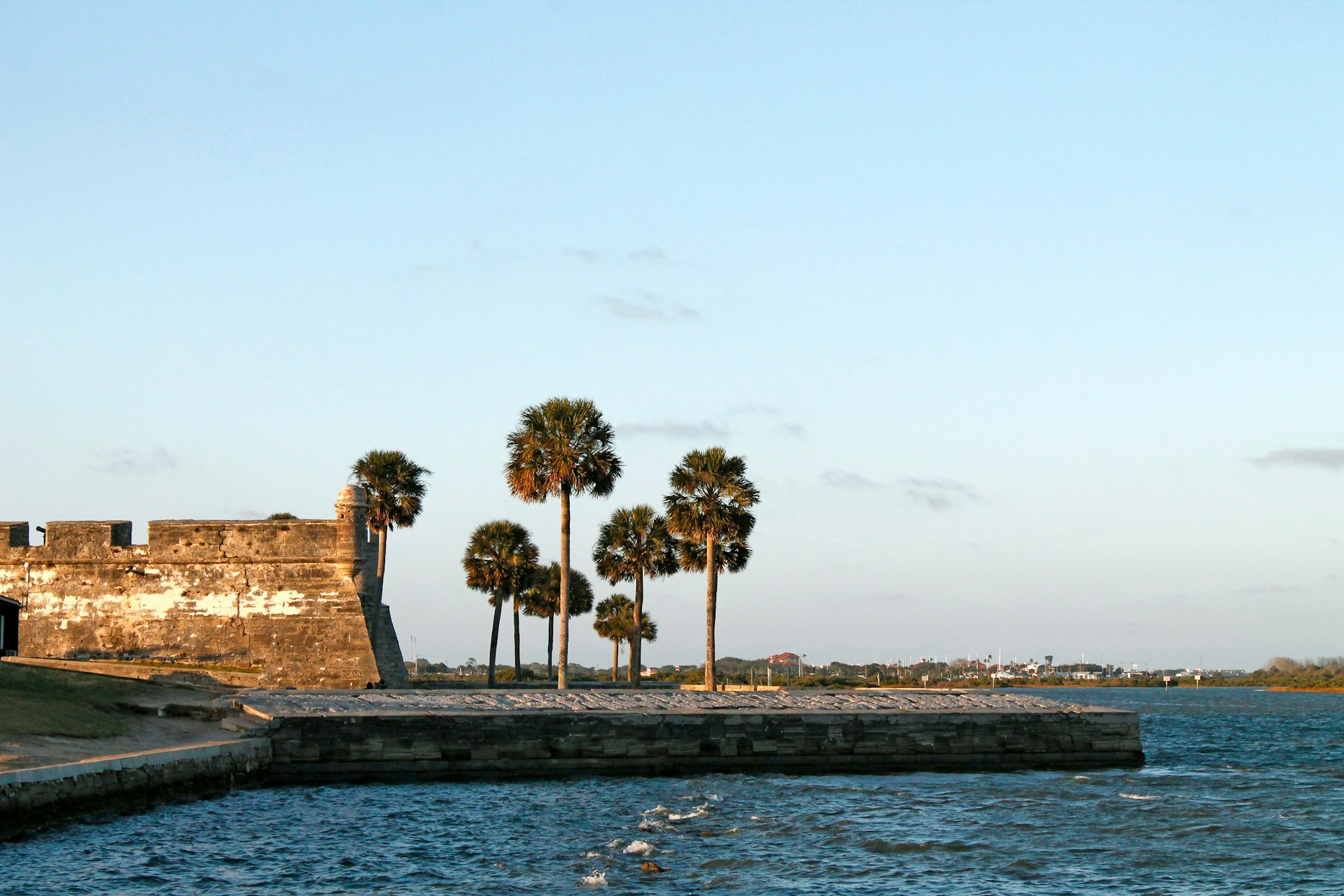
St. Augustine shines brightest when the weather softens and the crowds spread out. The city’s visitor guide describes winter as the driest time of year and often the nicest, with clear skies and daytime temperatures often in the high 60s to low 70s, which makes the historic district easier to enjoy on foot all day.
The off-season advantage is even stronger during Nights of Lights. Visit St. Augustine says the 32nd annual display runs from Nov. 15, 2025, through Jan. 11, 2026, with more than three million lights across the historic district, and downtown businesses staying open later during the celebration and evening walks.